2 Tulip Poplar Tree Live Plants 8-12″ Tall in Quart Pot – Yellow Blooms Outdoor
-50%
2 Tulip Poplar Tree Live Plants 8-12″ Tall in Quart Pot – Yellow Blooms Outdoor
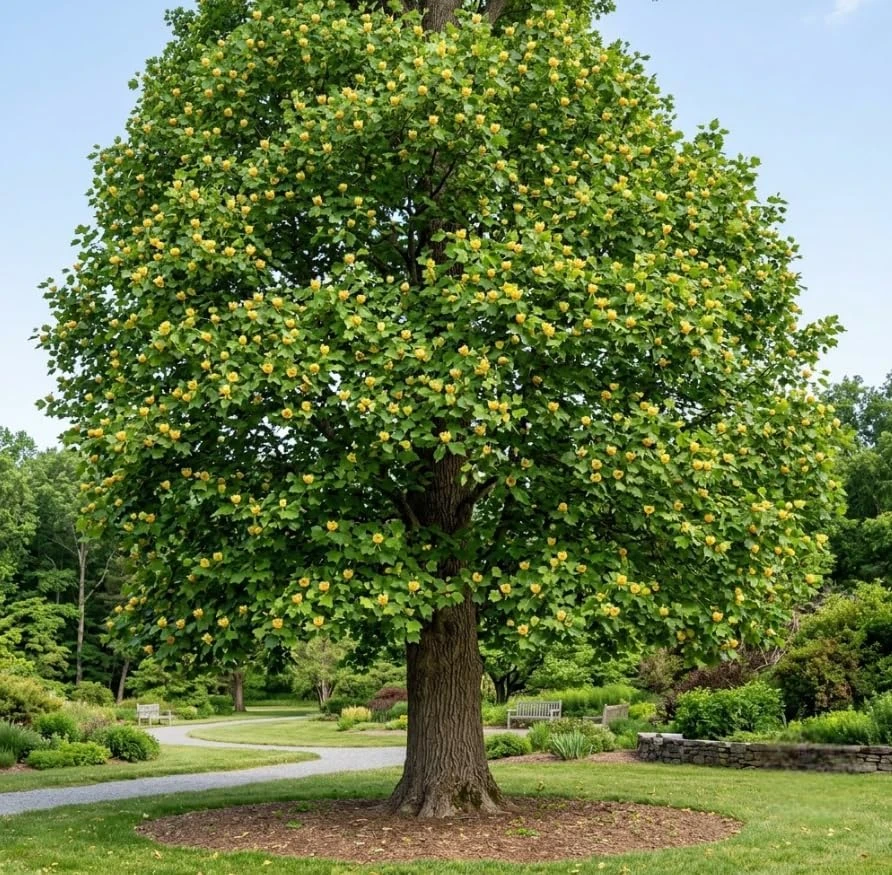
Enhance your landscape with a tulip poplar tree live plant. This pack includes two 8-12 inch tall seedlings, ready for planting. Known for their striking yellow, tulip-shaped flowers and vibrant fall foliage, these deciduous trees are a beautiful and hardy addition to any outdoor space.
Original price was: $81.98.$40.99Current price is: $40.99.

With our Alive & Thrive Guarantee, we’ve got your back for the first 30 days! If you have any concerns about your plants, just reach out to us. Our team is here to help answer your questions and guide you in selecting the best plants for your garden, climate, and unique preferences. We're excited to help you create the garden of your dreams!
Estimated arrival
Nov 03
Nov 08 - Nov 10
Nov 13 - Nov 17

Product Details
Overview
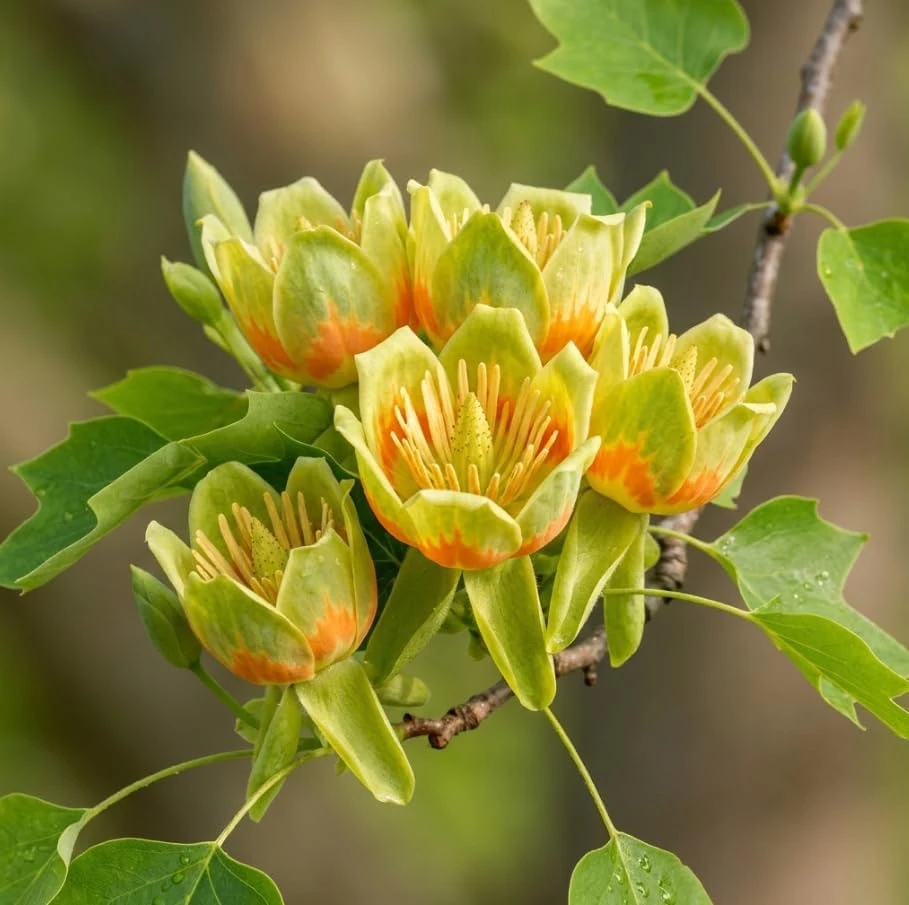
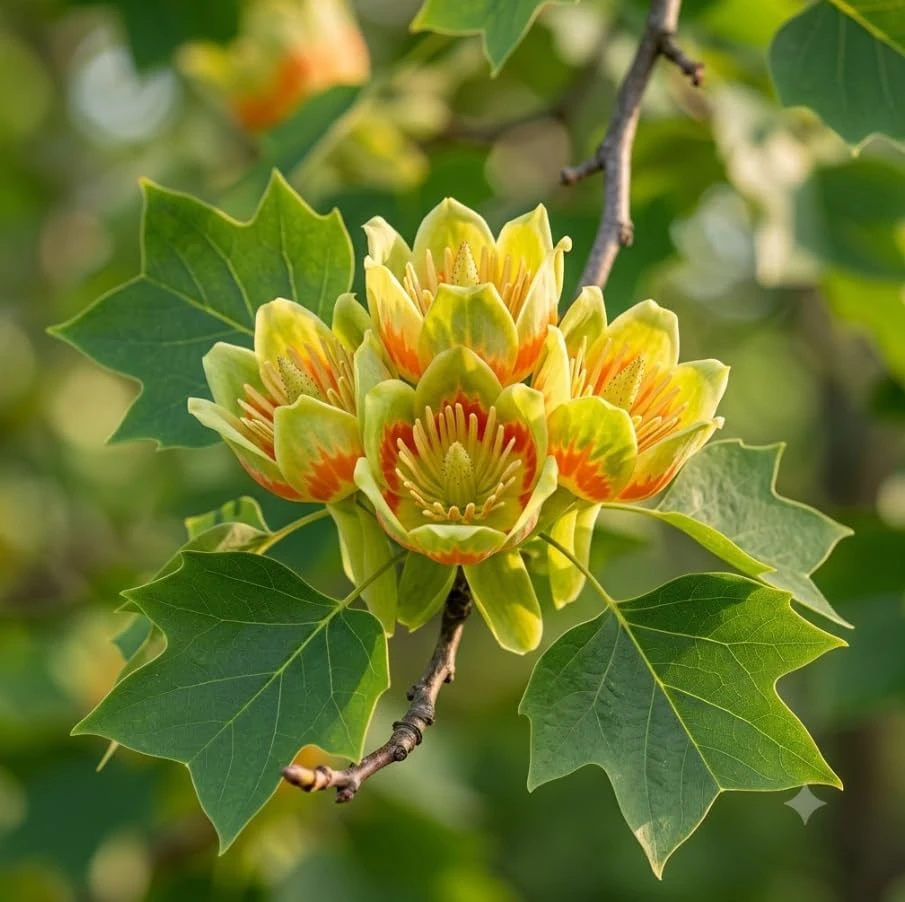
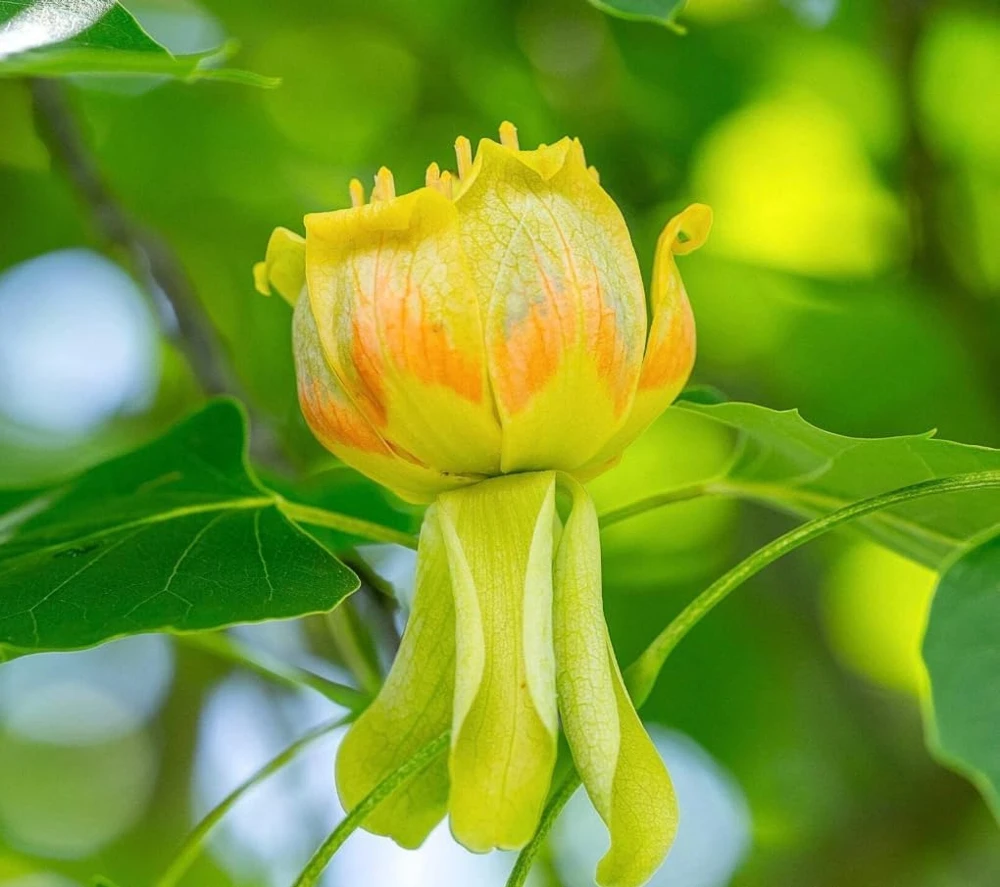
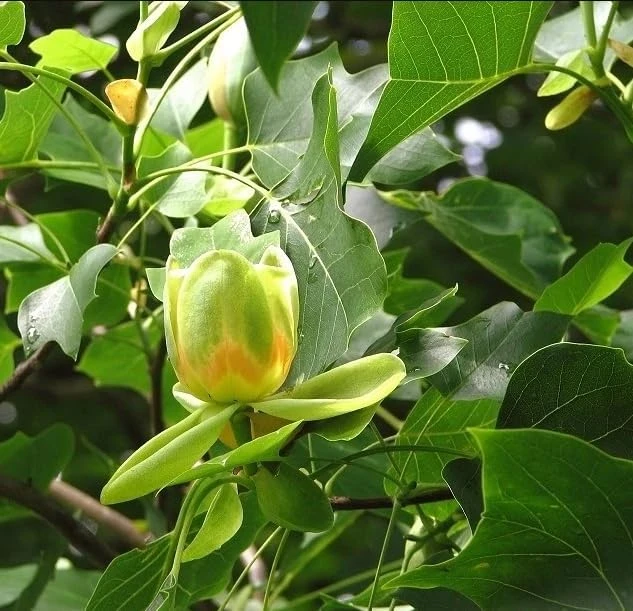
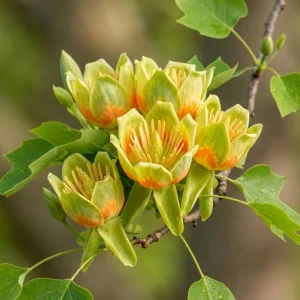
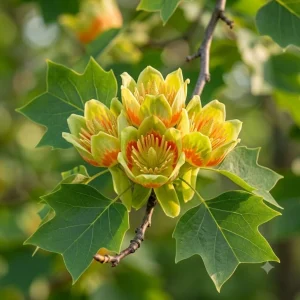
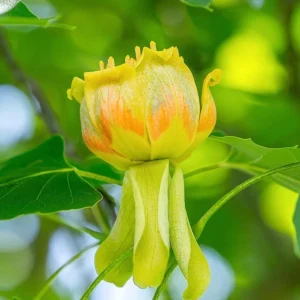
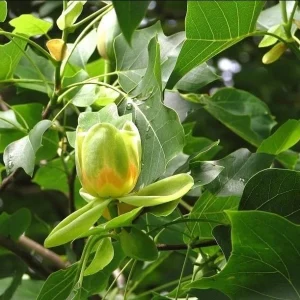
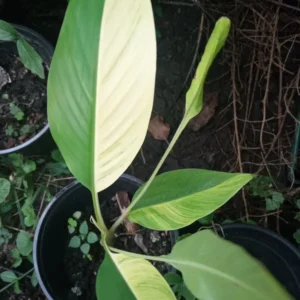
Introduce a touch of natural elegance to your garden with this pack of two tulip poplar tree live plant seedlings. Scientifically known as Liriodendron tulipifera, the Tulip Poplar is a magnificent native deciduous tree celebrated for its rapid growth and stunning ornamental features. Each seedling arrives approximately 8-12 inches tall, carefully grown in a quart-sized pot, making them ideal for successful transplanting into your yard. The tulip poplar tree live plant is a beloved choice for homeowners and landscapers alike, offering a spectacular display of yellow-green, tulip-like flowers with orange accents in spring, followed by brilliant golden-yellow foliage in the fall.
Also commonly referred to as Tulip Poplar, Tulip Poplarwood, or Yellow Poplar, this tree is a true standout. Its stately, upright growth habit provides excellent shade and year-round visual interest. Perfect for creating a focal point in your garden or integrating into native landscape designs, these young trees are ready to establish strong roots and flourish, bringing beauty and ecological benefits to your outdoor environment for years to come.
Key Benefits
Investing in a tulip poplar tree live plant offers a wealth of advantages for your property. These resilient trees not only enhance aesthetic appeal but also contribute significantly to the local ecosystem.
- Stunning Floral Display: Enjoy the unique and beautiful yellow-green flowers, often with orange bases, that resemble tulips. These blooms appear in late spring to early summer, creating a captivating visual spectacle that attracts pollinators.
- Vibrant Fall Color: Experience a breathtaking transformation as the foliage turns a brilliant golden yellow in autumn. This spectacular fall color provides a dramatic contrast against other landscape elements, making your garden truly shine.
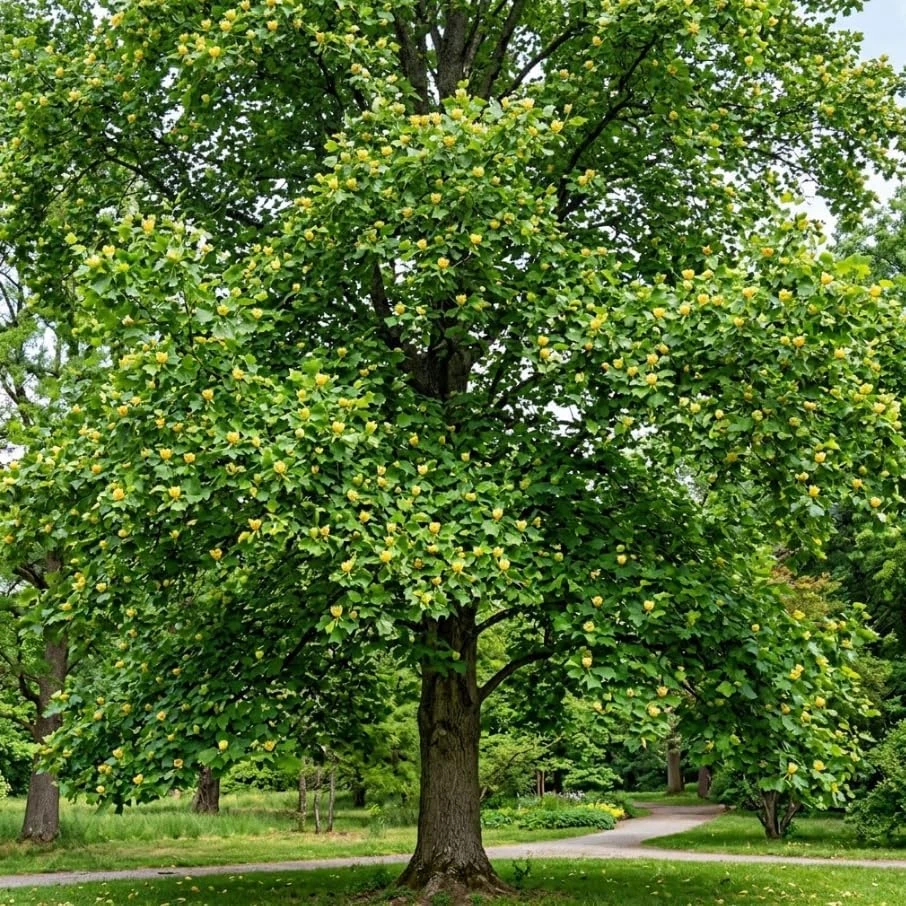
- Excellent Shade and Structure: As a fast-growing deciduous shade tree, the Tulip Poplar develops a tall, upright habit, providing ample shade during warm months and a strong, architectural presence in the winter landscape. It’s an ideal choice for a specimen tree or as part of a larger planting.
- Adaptable and Hardy: This species is remarkably adaptable to a wide range of climates and soil conditions, thriving in USDA Zones 4-9. Once established, it is quite hardy and relatively low maintenance, making it a reliable choice for various regions.
- Supports Local Wildlife: The flowers serve as a valuable nectar source for bees and other pollinators, while the tree provides shelter and nesting sites for birds and other wildlife, contributing to biodiversity.
- Fast Growth Rate: Known for its vigorous growth, the tulip poplar tree live plant will quickly establish and begin to provide its many benefits, rapidly transforming your outdoor space.
- Low Maintenance Once Established: After its initial establishment period, the Tulip Poplar requires minimal ongoing care, making it an excellent choice for gardeners seeking a high-impact, low-effort tree.
Plant Care & Growing Tips
Caring for your tulip poplar tree live plant is straightforward, especially once it’s established. These trees are known for their resilience, but a good start ensures robust growth and vibrant displays. For those looking for a hardy and beautiful deciduous shade tree, proper planting and initial care are key.
Sunlight Requirements: Tulip Poplars thrive in full sun, meaning they need at least 6 hours of direct sunlight per day to achieve their best growth and flowering. While they can tolerate partial shade, too little sun may result in fewer blooms and slower growth. Choose a location in your garden that receives ample morning and afternoon sun.
Watering Schedule and Soil Moisture Preferences: During the first year after planting, consistent watering is crucial for establishing a strong root system. Water deeply 2-3 times a week, ensuring the soil remains consistently moist but not waterlogged. Reduce watering frequency once the tree is established, as it becomes more drought-tolerant. However, during prolonged dry spells, supplemental watering will benefit its overall health. Good drainage is essential to prevent root rot.
Soil Type and Drainage Requirements: The Tulip Poplar prefers rich, moist, well-drained soil with a slightly acidic to neutral pH (6.0-7.0). It adapts to a variety of soil types, including loamy, sandy, and clay soils, as long as drainage is adequate. Amend heavy clay soils with organic matter like compost to improve drainage and aeration. For optimal growth of your liriodendron tulipifera for sale, avoid overly compacted or perpetually waterlogged areas.
Temperature Range and USDA Hardiness Zone: This species is highly cold-hardy and thrives across a wide range of temperatures. It is well-suited for USDA Hardiness Zones 4 through 9. This broad range makes the yellow blooming tree a versatile choice for many regions across the United States. Protect young trees from extreme cold snaps in their first winter if planted in the colder end of its zone.
Fertilization Schedule and Type: Young trees benefit from a balanced, slow-release granular fertilizer in early spring, once new growth begins. Follow package directions for application rates. Once established, mature trees generally do not require heavy fertilization unless soil nutrient deficiencies are evident. A soil test can help determine specific needs. Over-fertilization can harm the tree, so err on the side of caution.
Common Problems and Solutions: Tulip Poplars are generally resistant to serious pests and diseases. However, they can occasionally be susceptible to aphids, scale insects, or powdery mildew. Most issues are minor and can be managed with horticultural oil or appropriate fungicides if necessary. Ensuring good air circulation and proper planting conditions will help prevent many problems. Regular monitoring for signs of stress or disease will help address issues promptly, ensuring your tulip poplar care is effective.
Size & Details
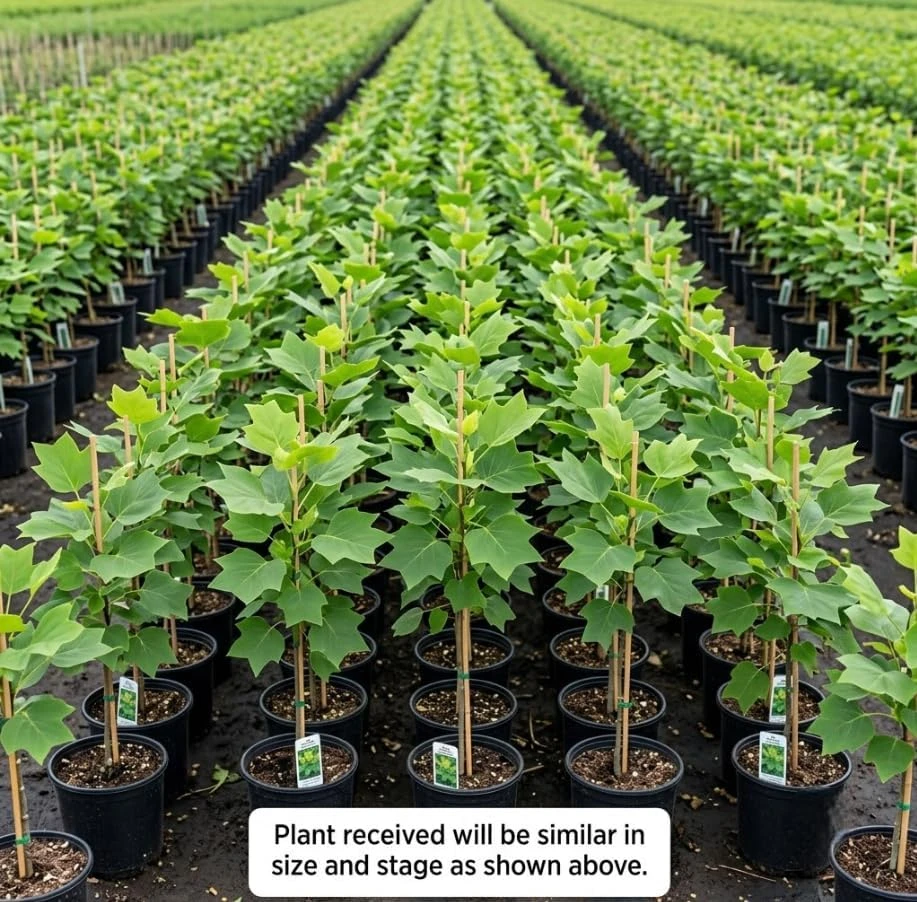
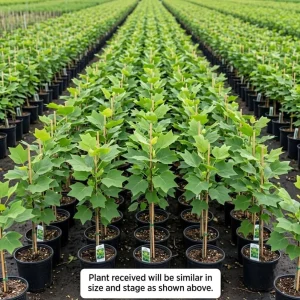
This offering includes two individual tulip poplar tree live plant seedlings. Each tree arrives approximately 8-12 inches tall, measured from the soil line to the top of the plant. They are carefully grown and shipped in individual quart-sized nursery pots, providing a healthy root ball and minimizing transplant shock upon arrival. The quart pot size is ideal for young trees, giving them enough space to develop before being planted in their permanent garden location.
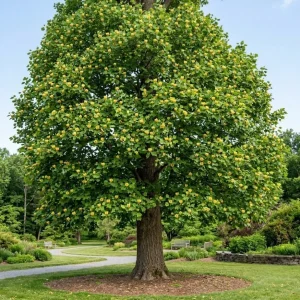
The Tulip Poplar is known for its relatively fast growth rate, typically adding 1-2 feet per year under ideal conditions. When mature, these trees can reach impressive heights of 70-90 feet, with a spread of 30-50 feet, forming a majestic, broadly columnar canopy. Expect your trees to start producing their distinctive yellow blooming tree flowers within 5-10 years of planting, with the display becoming more prolific as the tree matures. These deciduous trees will lose their leaves in winter, revealing an attractive branch structure, and then leaf out again in spring. The trees are shipped in their pots, with soil, ready for immediate planting upon receipt.
Frequently Asked Questions
- Q: How big does this plant get? A: These tulip poplar tree live plant seedlings arrive 8-12 inches tall. When mature, a Tulip Poplar can reach impressive heights of 70-90 feet with a spread of 30-50 feet, making it a truly grand shade tree.
- Q: What size pot does it come in? A: Each Tulip Poplar seedling is shipped in a quart-sized nursery pot, providing a healthy start and making them easy to transplant into your garden or a larger container if desired.
- Q: Is this an indoor or outdoor plant? A: The Tulip Poplar is an outdoor deciduous tree, best suited for planting directly into your garden or landscape where it can grow to its full size and provide ample shade and beauty. It is not suitable as an indoor houseplant.
- Q: How much sunlight does it need? A: This yellow blooming tree thrives in full sun, requiring at least 6 hours of direct sunlight per day for optimal growth and flowering. It can tolerate partial shade but may have fewer blooms.
- Q: Is this plant easy to care for? A: Yes, the Tulip Poplar is relatively easy to care for, especially once established. It’s known for its adaptability and resilience, making tulip poplar care straightforward for most gardeners.
- Q: What condition will it arrive in? A: Your liriodendron tulipifera for sale will arrive as a live, healthy seedling, potted in a quart-sized container with soil, ready for transplanting. We take great care to ensure they are well-packaged for safe transit.
- Q: How long until it blooms? A: Tulip Poplar trees typically begin to produce their distinctive yellow, tulip-shaped flowers within 5-10 years of planting, with the floral display becoming more abundant as the tree matures.
- Q: When is the best time to plant? A: The best time to plant your Tulip Poplar seedlings is in spring or early fall, allowing the roots to establish before the extreme heat of summer or the cold of winter.
- Q: Will it survive winter in my zone? A: Yes, the Tulip Poplar is very cold-hardy and is suitable for USDA Zones 4-9, meaning it can withstand a wide range of winter temperatures across much of the United States.
- Q: What’s the minimum temperature it can tolerate? A: This deciduous shade tree can tolerate winter temperatures down to approximately -30°F (-34°C) in USDA Zone 4, showcasing its impressive cold hardiness.
Related products
-20%
Original price was: $90.00.$72.00Current price is: $72.00.
-20%
Original price was: $36.00.$28.80Current price is: $28.80.
-42%
Original price was: $56.99.$33.29Current price is: $33.29.
-50%
Original price was: $73.98.$36.99Current price is: $36.99.

PLANTING & CARE
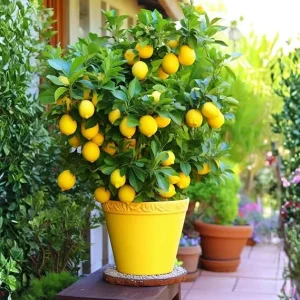
Lemon Tree Growing: Choose, Plant, and Harvest
Learn how to choose, plant, feed, and protect a lemon tree so it fits your
23
Sep
Sep
Dwarf Meyer Lemon Tree Australia: Climate Guide
Learn where dwarf Meyer lemon trees grow, how much cold they tolerate, and whether Australia,
Where to Buy a Dwarf Meyer Lemon Tree: Buyer’s Guide
Find the right dwarf Meyer lemon tree online or locally, compare starter sizes and costs,
Dwarf Meyer Lemon Tree for Sale: Buying Guide
Compare Meyer lemon tree sizes, prices, shipping limits, indoor growing and California options before you
Dwarf Meyer Lemon Tree Guide: Size, Care and Fruit
META: Learn how large a dwarf Meyer lemon tree grows, where it thrives, and how
How to Prune a Dwarf Meyer Lemon Tree
Learn when and how to prune a dwarf Meyer lemon tree, including tools, shaping cuts,
Can You Grow a Dwarf Meyer Lemon Tree in a Pot?
META: Learn how to grow a dwarf Meyer lemon tree in a pot, including container
When Do Dwarf Meyer Lemon Trees Bloom and Fruit?
META: Dwarf Meyer lemon trees usually bloom from winter through spring and may flower again