5 Blue Crested Wild Iris Bulbs – Spring Flowering Perennial Rhizomes for Woodland Gardens, Outdoor
-50%
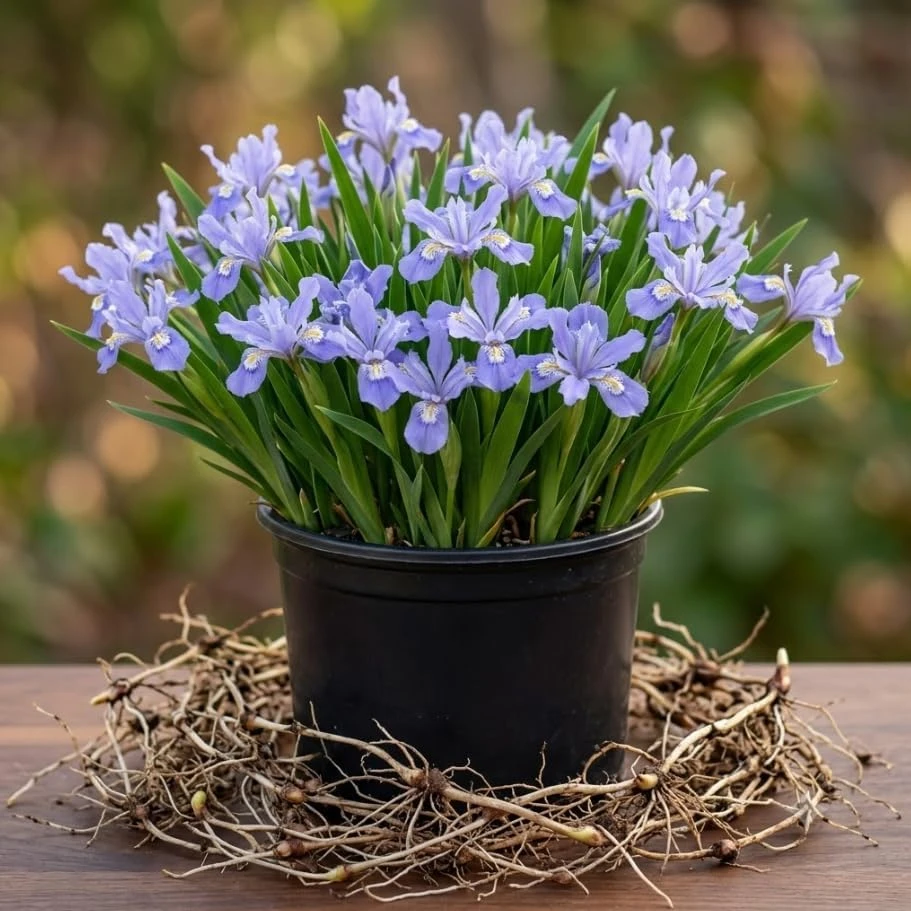
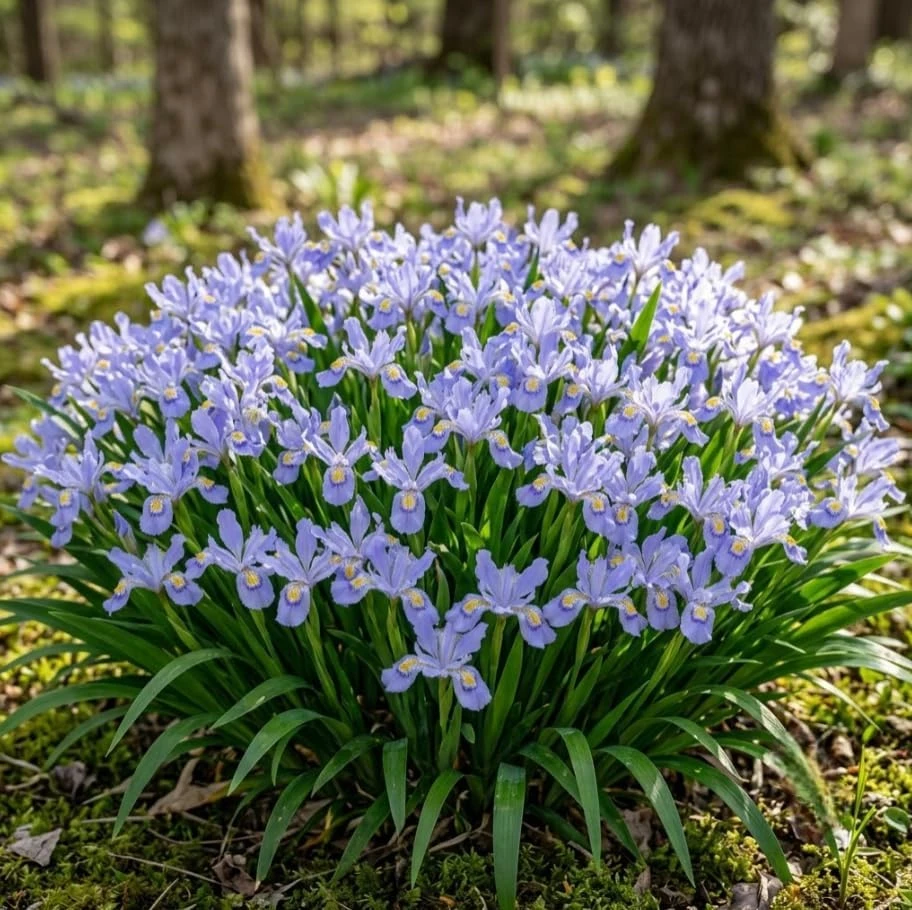
5 Blue Crested Wild Iris Bulbs – Spring Flowering Perennial Rhizomes for Woodland Gardens, Outdoor
Bring captivating beauty to your shaded landscapes with 5 Blue Crested Wild Iris Bulbs. These hardy, easy-to-establish perennial rhizomes burst into elegant lavender-blue flowers each spring, creating a serene woodland atmosphere. Perfect for moist, well-drained soil and partial shade, they are a delightful, low-maintenance addition to any garden.
Original price was: $29.98.$14.99Current price is: $14.99.

With our Alive & Thrive Guarantee, we’ve got your back for the first 30 days! If you have any concerns about your plants, just reach out to us. Our team is here to help answer your questions and guide you in selecting the best plants for your garden, climate, and unique preferences. We're excited to help you create the garden of your dreams!
Estimated arrival
Nov 03
Nov 08 - Nov 10
Nov 13 - Nov 17


Product Details
-
USDA Hardiness Zone
USDA Zones 3-9 -
Soil type
Rich, well-draining, slightly acidic to neutral soil -
Sunlight Exposure
Partial to full shade -
Expected Planting Period
Late summer to early fall or early spring
Overview
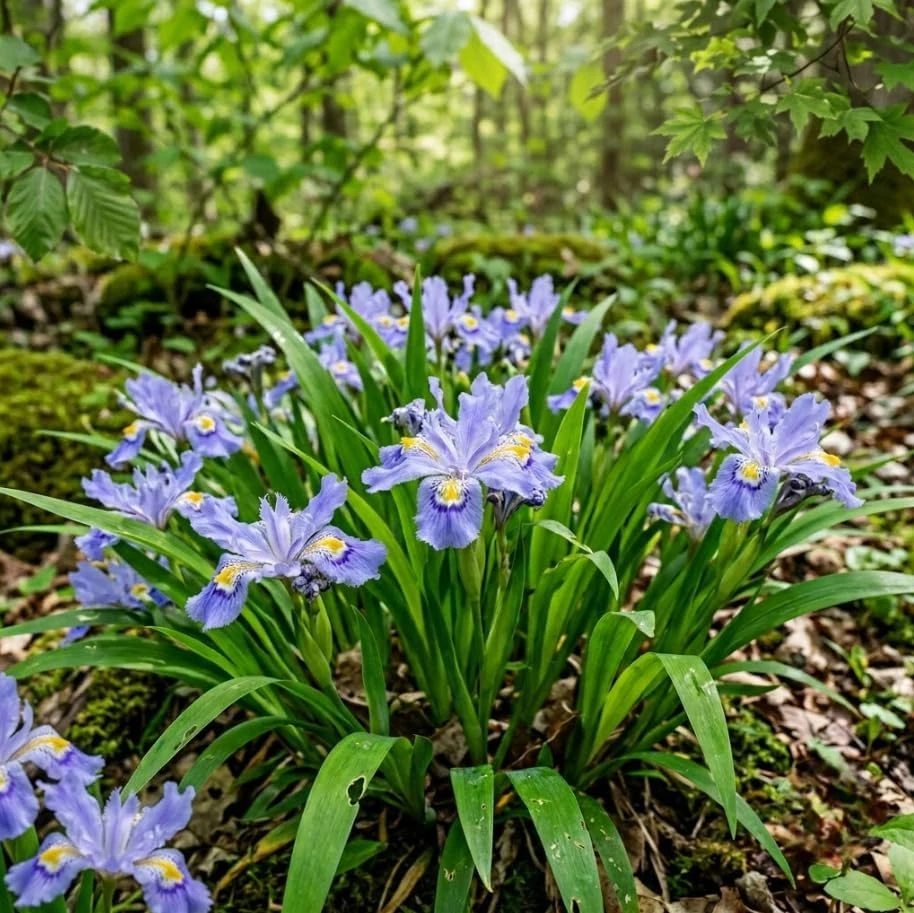
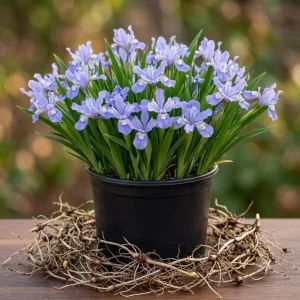
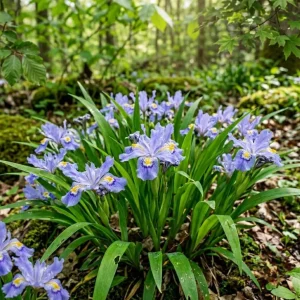
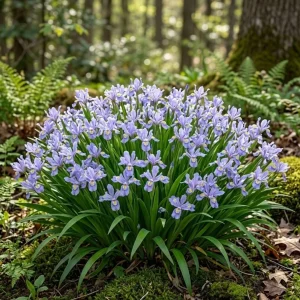
Transform your garden into a serene haven with 5 Blue Crested Wild Iris Bulbs, also known as Crested Dwarf Iris (Iris cristata). These exquisite bulbs are ideal for gardeners seeking a vibrant, yet low-maintenance, spring-flowering perennial. Each bulb develops into a robust plant, producing charming lavender-blue flowers that add a touch of woodland elegance to any landscape. Native to the eastern United States, the crested wild iris care is straightforward, making it a perfect choice for both novice and experienced gardeners. These rhizomes are specifically selected to thrive in conditions reminiscent of their natural habitat, ensuring a spectacular display of blooms year after year. Prepare to be enchanted by the delicate beauty and enduring charm of these remarkable plants.
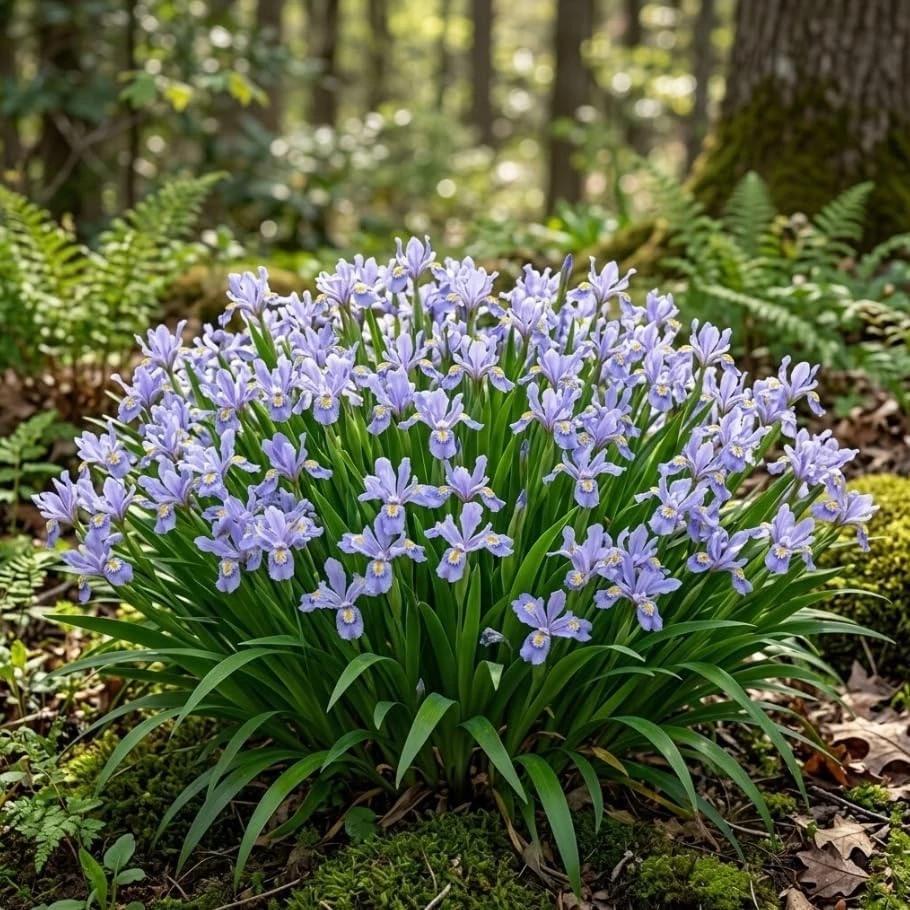
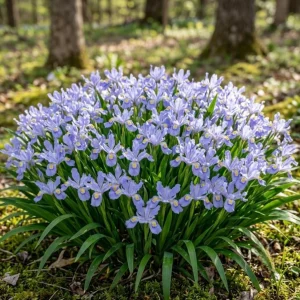
The blue crested wild iris bulbs are not just visually appealing; they are also incredibly resilient. Designed to flourish in partial shade and moist, well-drained soil, they are a natural fit for woodland gardens, shaded borders, or beneath deciduous trees. Their compact size makes them versatile for various garden designs, from mass plantings to accentuating rock gardens. With minimal intervention, these perennials will establish themselves and multiply, providing an ever-expanding carpet of stunning blue flowers every spring. Experience the joy of a thriving garden with these hardy and beautiful iris bulbs.
Key Benefits
The blue crested wild iris bulbs offer a multitude of advantages for any garden enthusiast, combining aesthetic appeal with practical benefits. Planting these rhizomes will not only enhance your outdoor space but also provide lasting enjoyment:
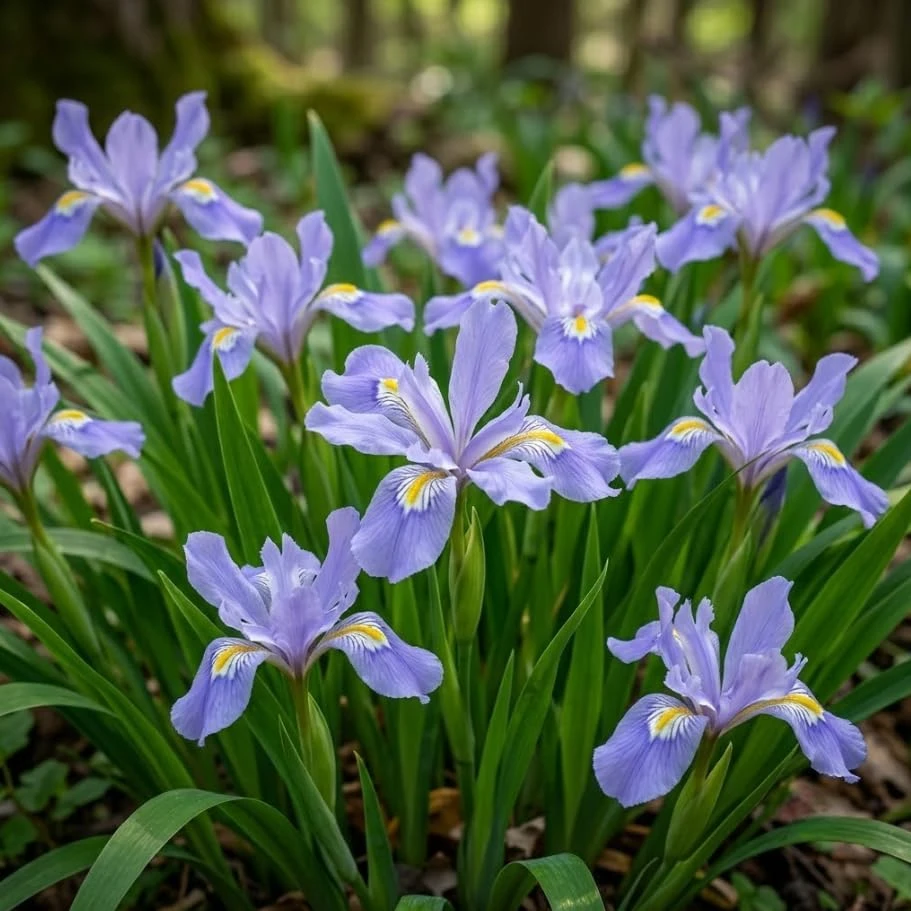
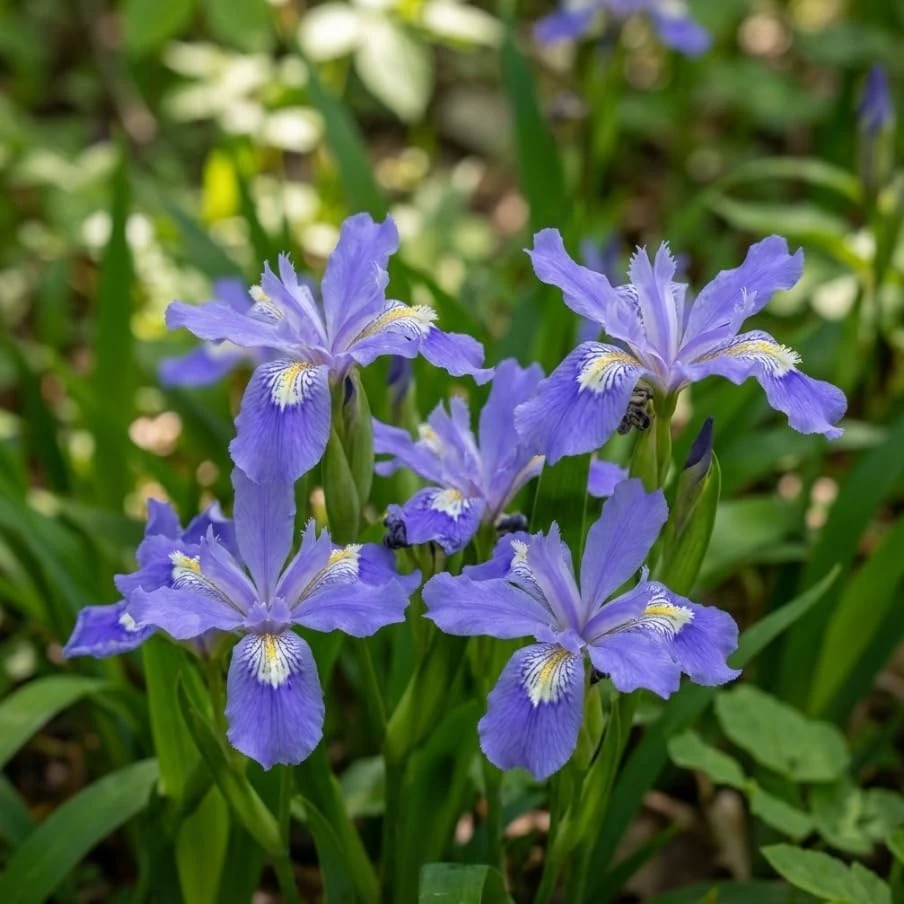
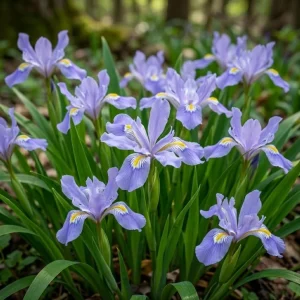
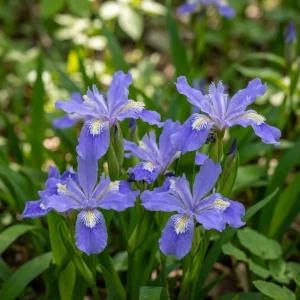
- Stunning Spring Blooms: Enjoy a breathtaking display of elegant lavender-blue flowers each spring, adding vibrant color and delicate beauty to your garden when many other plants are just beginning to emerge. These unique blooms feature distinctive crested petals, making them a focal point.
- Ideal for Shaded Areas: Unlike many flowering plants that demand full sun, these spring flowering perennial bulbs thrive in partial to full shade, making them perfect for illuminating darker corners of your garden, woodland settings, or beneath mature trees.
- Low Maintenance & Easy Care: Once established, the crested wild iris care is remarkably simple. These plants are drought-tolerant, disease-resistant, and generally pest-free, requiring minimal attention to flourish and return year after year.
- Hardy & Resilient: These iris bulbs are extremely hardy, capable of withstanding various weather conditions and returning reliably each season. They are a robust choice for creating enduring beauty in diverse climates.
- Attracts Pollinators: The vibrant flowers attract beneficial pollinators such as bees and butterflies, contributing to the biodiversity and health of your garden ecosystem. They provide an early nectar source for these important insects.
- Naturalizes Beautifully: Over time, these rhizomes will spread and naturalize, creating a dense and beautiful carpet of foliage and flowers. This makes them excellent for ground cover in woodland garden plants settings.
- Erosion Control: Their spreading root system helps stabilize soil, making them a practical choice for slopes or areas prone to erosion, especially in naturalized or wild garden designs.
Plant Care & Growing Tips
Caring for your blue crested wild iris bulbs is straightforward, ensuring a magnificent display each spring. These hardy perennials are quite adaptable, but providing optimal conditions will lead to the best growth and bloom production. For successful establishment and long-term health, consider the following guidelines.
Sunlight Requirements: Crested Wild Iris thrives in partial to full shade. While it can tolerate some morning sun, it prefers protection from the intense afternoon sun, especially in warmer climates. Ideal locations include under deciduous trees, along shaded borders, or in a woodland garden plants setting where dappled light is abundant. Too much direct sun can scorch the leaves and reduce blooming.
Watering Schedule and Soil Moisture: These plants prefer consistently moist, but not waterlogged, soil. Water regularly, especially during dry spells and when the plants are actively growing or blooming. Once established, they are somewhat drought-tolerant, but consistent moisture will promote healthier growth and more abundant flowers. Ensure good drainage to prevent rhizome rot. The key to successful crested wild iris care is balancing moisture with drainage.
Soil Type and Drainage Requirements: The ideal soil for blue crested wild iris bulbs is rich, well-draining, and slightly acidic to neutral. Amend heavy clay soils with organic matter like compost or peat moss to improve drainage and aeration. Sandy soils can also benefit from organic amendments to help retain moisture and nutrients. Excellent drainage is crucial to prevent the rhizomes from rotting.
Temperature Range and USDA Hardiness Zone: These irises are remarkably cold hardy, thriving in USDA Zones 3-9. They require a period of cold dormancy to set flowers for the following spring. They are tolerant of a wide range of temperatures within these zones, making them a versatile choice for many regions. Protection from extreme winter winds can be beneficial in the coldest zones.
Fertilization Schedule and Type: Generally, blue crested wild iris bulbs do not require heavy feeding. A light application of a balanced, slow-release granular fertilizer in early spring, just as new growth emerges, can be beneficial. Alternatively, top-dressing with a layer of compost each spring will provide sufficient nutrients and improve soil structure. Avoid high-nitrogen fertilizers, which can promote foliage growth at the expense of flowers.
Common Problems and Solutions: Crested Wild Iris is generally robust, but occasionally minor issues can arise. Slugs and snails might be attracted to new foliage; use organic slug baits or traps if necessary. Rhizome rot can occur in overly wet, poorly draining soils; ensure proper drainage and avoid overwatering. Fungal spots can appear on leaves in very humid conditions; ensure good air circulation. Overall, these are quite low maintenance iris plants.
Size & Details
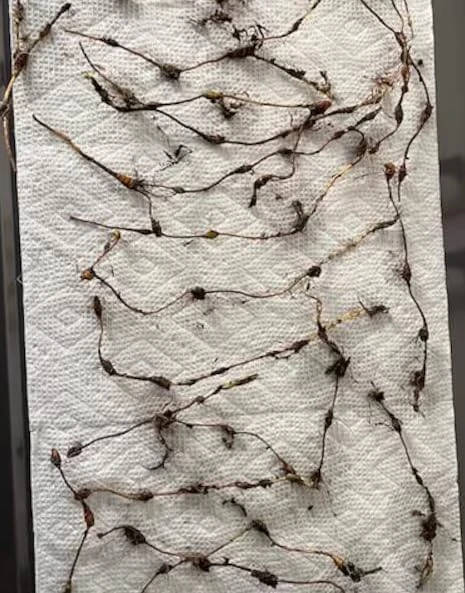
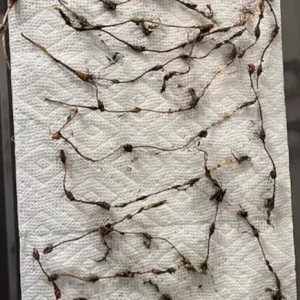
Each order includes 5 Blue Crested Wild Iris Bulbs, provided as healthy, robust rhizomes ready for planting. These rhizomes are carefully selected to ensure strong establishment and vigorous growth in your garden. When mature, the plants typically reach a height of 6-12 inches (15-30 cm) and spread approximately 12-18 inches (30-45 cm) wide, forming a beautiful groundcover over time. The compact size makes them ideal for various garden applications, from front borders to naturalized areas in a woodland garden plants setting. They are shipped dormant, ensuring they transplant well and awaken with the vigor of spring.
Expect these spring flowering perennial bulbs to establish quickly and begin producing their elegant lavender-blue flowers within the first year or two after planting. The bloom time typically occurs in mid to late spring, offering a refreshing burst of color. The rhizomes will gradually spread, forming attractive clumps that enhance the texture and beauty of your landscape. They are shipped bare root, allowing for easy planting upon arrival. These are truly a delightful and enduring addition to any garden, promising consistent beauty with minimal effort.
Frequently Asked Questions
- Q: How big does this plant get? A: The blue crested wild iris bulbs typically grow to a height of 6-12 inches (15-30 cm) and spread about 12-18 inches (30-45 cm) wide. They form a compact, spreading groundcover.
- Q: Is this an indoor or outdoor plant? A: This is an outdoor plant, specifically a spring flowering perennial that thrives in garden settings, particularly in woodland and shaded landscapes. It is not suitable for indoor cultivation.
- Q: How much sunlight does it need? A: Crested Wild Iris prefers partial to full shade. It performs best with protection from intense afternoon sun, making it ideal for planting under trees or in dappled light conditions.
- Q: Is this plant easy to care for? A: Yes, the crested wild iris care is considered easy. It is a low-maintenance plant that is hardy, drought-tolerant once established, and generally resistant to pests and diseases, making it excellent for beginners.
- Q: What condition will it arrive in? A: Your order will arrive as 5 Blue Crested Wild Iris Bulbs (rhizomes) in a dormant, bare-root condition, ready for planting. This ensures they transplant well and establish vigorously.
- Q: How long until it blooms? A: These blue crested wild iris bulbs typically begin blooming in the first or second spring after planting, depending on planting time and growing conditions. They will return with more abundant blooms each subsequent year.
- Q: When is the best time to plant these bulbs? A: The best time to plant these rhizomes is in late summer or early fall, allowing them to establish roots before winter. Spring planting is also possible after the last frost, but fall planting generally yields better results for the following spring bloom.
- Q: Will it survive winter in my zone? A: Yes, this iris is very cold hardy and thrives in USDA Zones 3-9. It requires a cold dormancy period to ensure robust flowering in the spring.
- Q: What’s the minimum temperature it can tolerate? A: This perennial can tolerate temperatures well below freezing, typically down to -30°F to -40°F (-34°C to -40°C) when planted in its appropriate USDA hardiness zones.
- Q: Is this a good plant for a woodland garden? A: Absolutely! The blue crested wild iris bulbs are quintessential woodland garden plants, thriving in the shaded, moist conditions often found in such environments. They naturalize beautifully and add a native charm.
Related products
-50%
Original price was: $87.96.$43.98Current price is: $43.98.
-43%
Original price was: $69.99.$39.99Current price is: $39.99.
-50%
Original price was: $63.96.$31.98Current price is: $31.98.
-50%
Original price was: $179.60.$89.80Current price is: $89.80.
PLANTING & CARE
Lemon Tree Growing: Choose, Plant, and Harvest
Learn how to choose, plant, feed, and protect a lemon tree so it fits your
23
Sep
Sep
Dwarf Meyer Lemon Tree Australia: Climate Guide
Learn where dwarf Meyer lemon trees grow, how much cold they tolerate, and whether Australia,
Where to Buy a Dwarf Meyer Lemon Tree: Buyer’s Guide
Find the right dwarf Meyer lemon tree online or locally, compare starter sizes and costs,
Dwarf Meyer Lemon Tree for Sale: Buying Guide
Compare Meyer lemon tree sizes, prices, shipping limits, indoor growing and California options before you
Dwarf Meyer Lemon Tree Guide: Size, Care and Fruit
META: Learn how large a dwarf Meyer lemon tree grows, where it thrives, and how
How to Prune a Dwarf Meyer Lemon Tree
Learn when and how to prune a dwarf Meyer lemon tree, including tools, shaping cuts,
Can You Grow a Dwarf Meyer Lemon Tree in a Pot?
META: Learn how to grow a dwarf Meyer lemon tree in a pot, including container
When Do Dwarf Meyer Lemon Trees Bloom and Fruit?
META: Dwarf Meyer lemon trees usually bloom from winter through spring and may flower again