Lily of the Valley Bare Root Rhizomes – 20 Pack, 4-6 Inch, Fragrant Outdoor Flowers
-50%
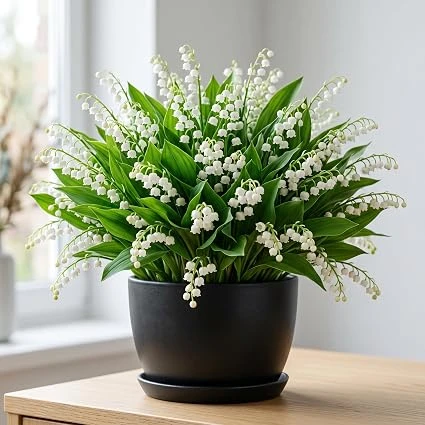
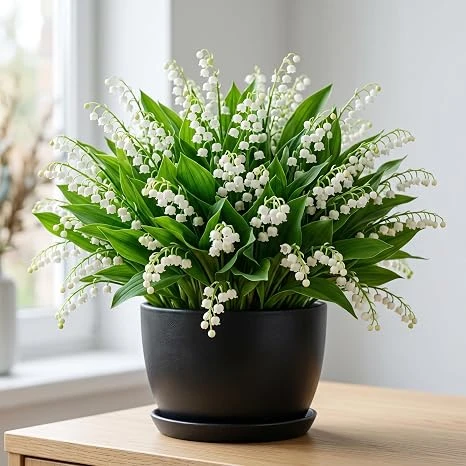
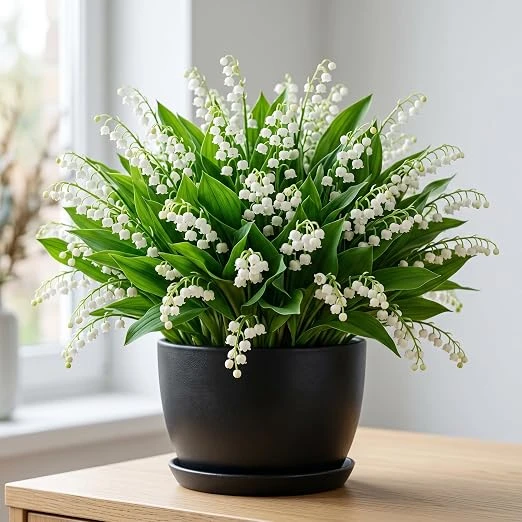
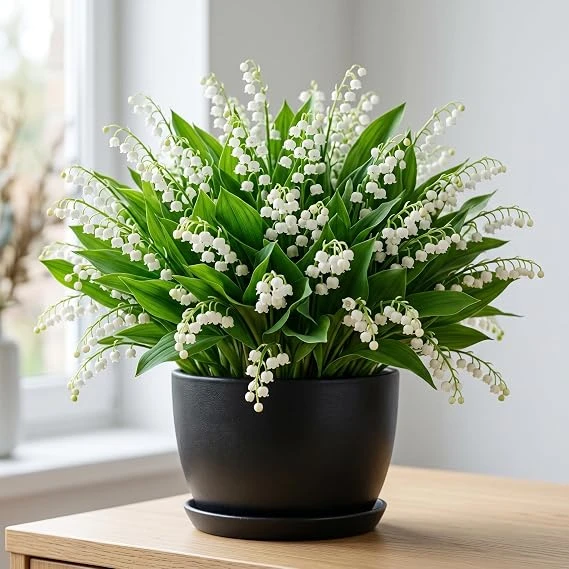
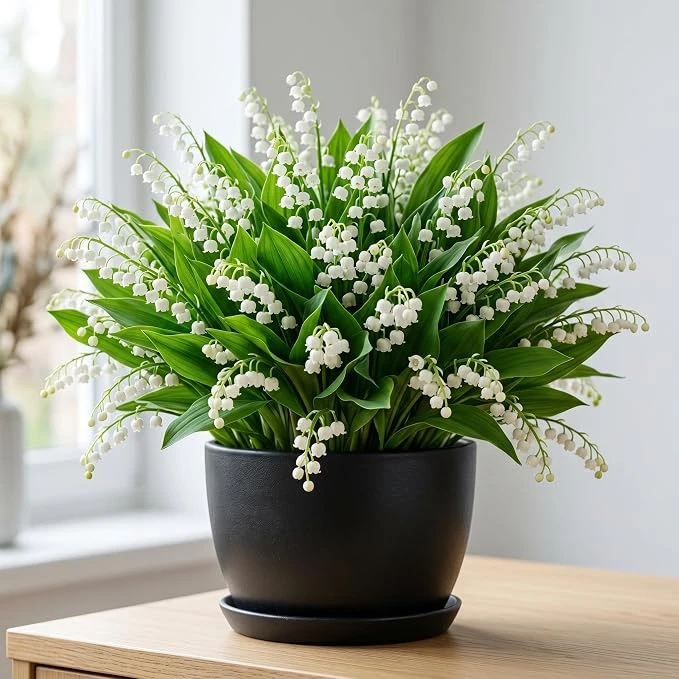
Lily of the Valley Bare Root Rhizomes – 20 Pack, 4-6 Inch, Fragrant Outdoor Flowers
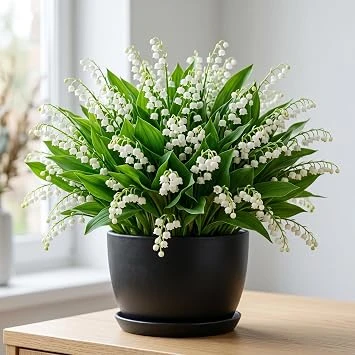
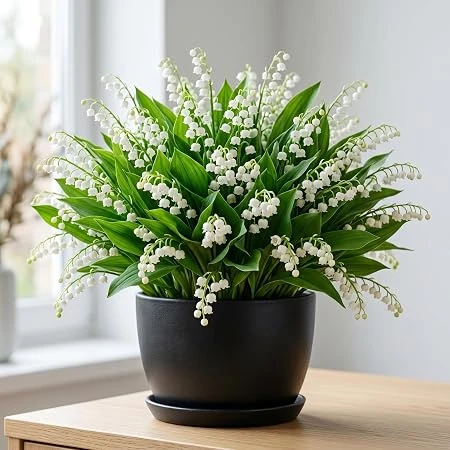
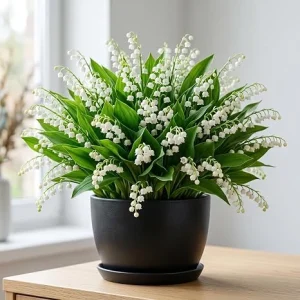
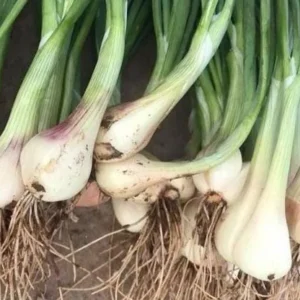
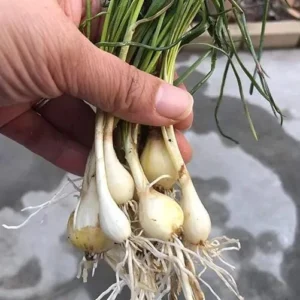
Introduce enchanting beauty to your garden with lily of the valley bare root rhizomes. This set includes 20 fresh, 4-6 inch rhizomes ready to plant, producing delicate white bell-shaped flowers with a sweet, classic spring fragrance. Perfect for creating a charming, shaded garden display.
Original price was: $61.98.$30.99Current price is: $30.99.

With our Alive & Thrive Guarantee, we’ve got your back for the first 30 days! If you have any concerns about your plants, just reach out to us. Our team is here to help answer your questions and guide you in selecting the best plants for your garden, climate, and unique preferences. We're excited to help you create the garden of your dreams!
Estimated arrival
Nov 03
Nov 08 - Nov 10
Nov 13 - Nov 17
Product Details
-
USDA Hardiness Zone
USDA Zones 2-7 -
Soil type
Rich, well-draining soil -
Sunlight Exposure
Full shade to partial shade -
Expected Planting Period
Spring or Fall
Overview
Transform your outdoor space with the timeless elegance of lily of the valley bare root rhizomes. This collection provides 20 healthy, 4-6 inch rhizomes, ready to establish and flourish in your garden. Known for their delicate, bell-shaped white flowers and intoxicatingly sweet fragrance, Lily of the Valley (Convallaria majalis) is a beloved perennial that heralds the arrival of spring. These resilient plants are an ideal choice for woodland settings, shaded borders, or containers, offering a carpet of lush green foliage and charming blooms. Easy to plant and care for, these lily of the valley bare root rhizomes are perfect for gardeners looking to add a touch of classic beauty and delightful aroma to their landscape.
The May Bells, as they are affectionately known, are a symbol of renewal and joy. With their vibrant green leaves emerging in early spring, followed by graceful arching stems adorned with fragrant white flowers, they create a serene and picturesque scene. Our bare root rhizomes ensure a strong start, allowing the plant to quickly establish its root system and begin producing its iconic blooms. Whether you’re an experienced gardener or just starting, planting lily of the valley bare root rhizomes is a rewarding experience that promises years of enjoyment and beauty.
Key Benefits
These lily of the valley bare root rhizomes offer numerous advantages for any garden, providing both aesthetic appeal and ease of cultivation:
- Exquisite Fragrance: Enjoy the classic, sweet, and enchanting scent that wafts from the delicate white bell-shaped flowers, creating a truly sensory garden experience each spring.
- Beautiful Spring Blooms: Witness a stunning display of pure white blossoms that emerge in spring, adding elegance and brightness to shaded areas of your garden. These fragrant spring blooms are a welcome sight after winter.
- Low Maintenance & Easy to Grow: Once established, Lily of the Valley requires minimal care, making it a perfect choice for busy gardeners or those new to planting. They are robust and self-sufficient.
- Versatile Planting Options: Ideal for garden beds, borders, groundcover in shaded areas, or even containers. Their adaptability allows for creative landscaping.
- Shade Loving: Thrives in shaded to partially shaded environments where many other flowering plants struggle, making it perfect for woodland gardens or under deciduous trees. This makes them excellent shade garden flowers.
- Long-Lasting Perennial: As a perennial, Lily of the Valley returns year after year, spreading gently to form beautiful colonies and providing continuous enjoyment with its may bells plants.
- Excellent Groundcover: Its lush green foliage creates an attractive groundcover, suppressing weeds and adding texture to your garden landscape.
Plant Care & Growing Tips
Caring for your lily of the valley bare root rhizomes is straightforward, ensuring a beautiful display of fragrant spring blooms. These plants prefer shaded to partially shaded locations, mimicking their natural woodland habitat. Avoid direct, intense afternoon sun, which can scorch their leaves. For soil, they thrive in rich, well-draining soil that retains some moisture. Amending your soil with compost or other organic matter before planting will provide essential nutrients and improve drainage. The ideal pH for Lily of the Valley is slightly acidic to neutral.
When planting, ensure the rhizomes are placed about 1-2 inches deep, with the ‘eyes’ (growing points) facing upwards. Space them approximately 4-6 inches apart to allow for spread. After planting, water thoroughly to settle the soil around the roots. Keep the soil consistently moist, especially during dry periods and while the plants are establishing. Once mature, they are somewhat drought-tolerant but will perform best with regular watering. Fertilize lightly in early spring with a balanced, slow-release granular fertilizer to encourage vigorous growth and abundant may bells plants. Lily of the Valley is generally hardy in USDA Zones 2-7. They are quite resilient to pests and diseases, but ensure good air circulation to prevent fungal issues in humid conditions. Protecting them with a layer of mulch in winter can help insulate the rhizomes in colder climates.
Size & Details
This offering includes 20 individual lily of the valley bare root rhizomes, each measuring approximately 4 to 6 inches long. These bare roots are shipped dormant and ready for immediate planting upon arrival, ensuring a robust start for your garden. Lily of the Valley typically grows to a height of 6-12 inches, forming a dense carpet of foliage and flowers. The plants have a moderate to fast growth rate and will spread over time, creating charming colonies of shade garden flowers. Expected bloom time is typically mid-spring, with the delicate white bells lasting for several weeks, followed by attractive red berries that appear in late summer (note: berries are toxic if ingested).
These rhizomes are ideal for planting in spring or fall. When mature, the plants will form a lush groundcover, providing beautiful texture and color in your shaded garden areas. They are extremely hardy and will return year after year, becoming a cherished part of your landscape. The 4-6 inch length of each rhizome provides a significant head start compared to smaller divisions, promoting quicker establishment and more vigorous growth in your garden beds, borders, or containers. This pack of 20 allows for a substantial planting area or multiple smaller displays of these delightful fragrant spring blooms.
Frequently Asked Questions
- Q: How big does this plant get? A: Lily of the Valley typically grows to a height of 6-12 inches (15-30 cm) tall. It spreads horizontally to form a dense groundcover with its rhizomes, creating beautiful colonies over time.
- Q: Is this an indoor or outdoor plant? A: Lily of the Valley is primarily an outdoor plant, thriving in shaded garden beds, borders, and woodland settings. While it can be forced indoors for temporary blooms, it is best suited for outdoor cultivation.
- Q: How much sunlight does it need? A: This plant prefers full to partial shade. It performs best in areas with dappled sunlight or deep shade, especially avoiding direct afternoon sun which can scorch its leaves.
- Q: Is this plant easy to care for? A: Yes, lily of the valley bare root rhizomes are relatively easy to care for once established. They are low maintenance, hardy, and tolerant of various conditions, making them suitable for beginner gardeners.
- Q: What condition will it arrive in? A: Your 20 lily of the valley bare root rhizomes will arrive dormant, without soil or foliage, ready for immediate planting. This is the optimal form for transplanting and establishing healthy plants.
- Q: How long until it blooms? A: If planted in spring, you may see some blooms in the first year, but a more robust display of fragrant spring blooms is typically seen in the second year as the plants establish and spread.
- Q: When is the best time to plant lily of the valley? A: The best time to plant these may bells plants is in early spring after the last frost, or in the fall before the ground freezes. This allows the rhizomes to establish their root system before extreme temperatures.
- Q: Is Lily of the Valley pet-safe? A: No, all parts of the Lily of the Valley plant, including the leaves, flowers, and berries, are toxic if ingested by humans or pets. It’s important to keep them away from curious children and animals.
- Q: What type of soil does it prefer? A: Lily of the Valley thrives in rich, well-draining soil that is consistently moist. Amending with organic matter like compost will provide the best growing conditions for these shade garden flowers.
- Q: Will it survive winter in my zone? A: Yes, Lily of the Valley is very cold hardy, typically thriving in USDA Hardiness Zones 2-7. It is a perennial that will return each spring, even after harsh winters.
Related products
-50%

Original price was: $87.96.$43.98Current price is: $43.98.
-60%
Original price was: $69.99.$27.99Current price is: $27.99.
-50%
Original price was: $63.96.$31.98Current price is: $31.98.

-50%
Original price was: $63.96.$31.98Current price is: $31.98.
PLANTING & CARE
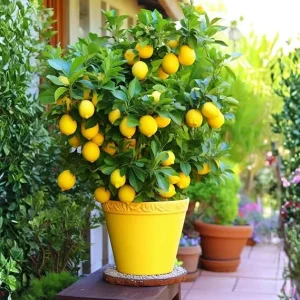
Lemon Tree Growing: Choose, Plant, and Harvest
Learn how to choose, plant, feed, and protect a lemon tree so it fits your
23
Sep
Sep
Dwarf Meyer Lemon Tree Australia: Climate Guide
Learn where dwarf Meyer lemon trees grow, how much cold they tolerate, and whether Australia,
Where to Buy a Dwarf Meyer Lemon Tree: Buyer’s Guide
Find the right dwarf Meyer lemon tree online or locally, compare starter sizes and costs,
Dwarf Meyer Lemon Tree for Sale: Buying Guide
Compare Meyer lemon tree sizes, prices, shipping limits, indoor growing and California options before you
Dwarf Meyer Lemon Tree Guide: Size, Care and Fruit
META: Learn how large a dwarf Meyer lemon tree grows, where it thrives, and how
How to Prune a Dwarf Meyer Lemon Tree
Learn when and how to prune a dwarf Meyer lemon tree, including tools, shaping cuts,
Can You Grow a Dwarf Meyer Lemon Tree in a Pot?
META: Learn how to grow a dwarf Meyer lemon tree in a pot, including container
When Do Dwarf Meyer Lemon Trees Bloom and Fruit?
META: Dwarf Meyer lemon trees usually bloom from winter through spring and may flower again