5 Fresh Shampoo Ginger Rhizomes – Awapuhi Zingiber Zerumbet Bulbs for Indoor/Outdoor
-50%
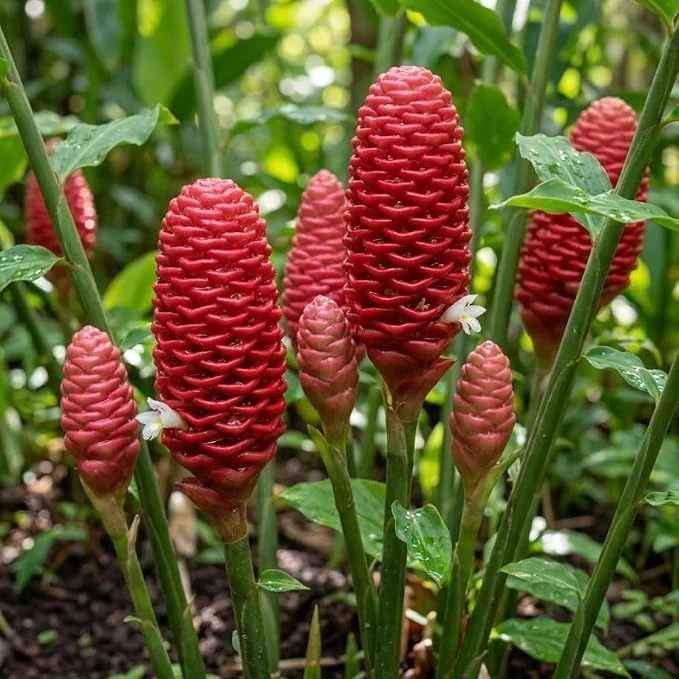
5 Fresh Shampoo Ginger Rhizomes – Awapuhi Zingiber Zerumbet Bulbs for Indoor/Outdoor
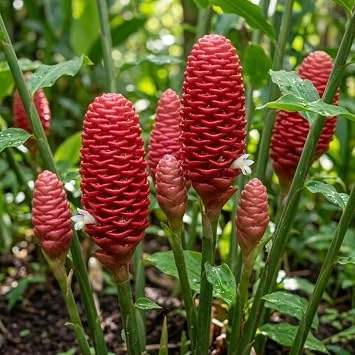
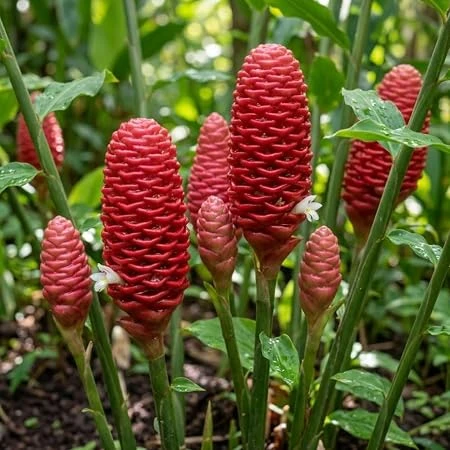
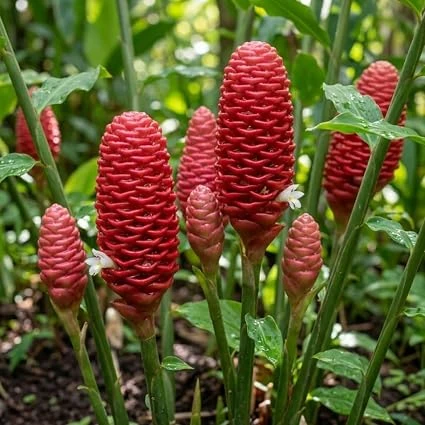
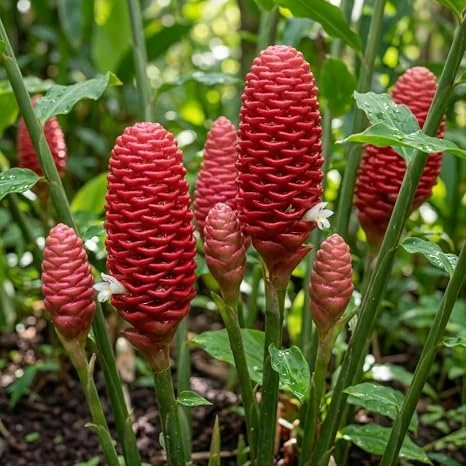
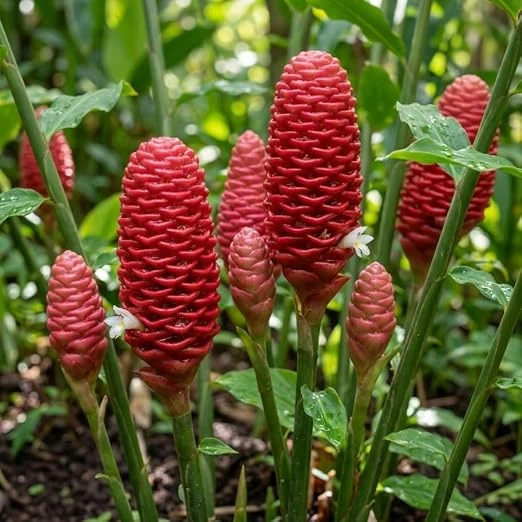
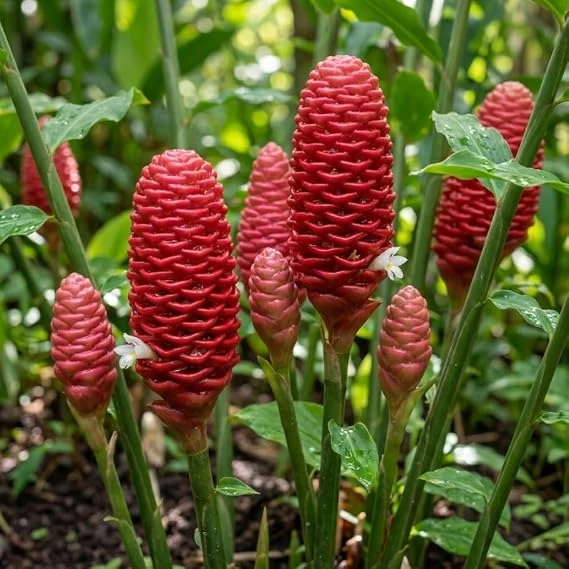
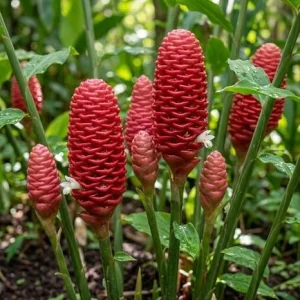
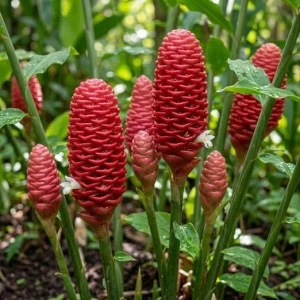
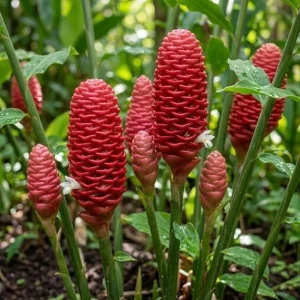
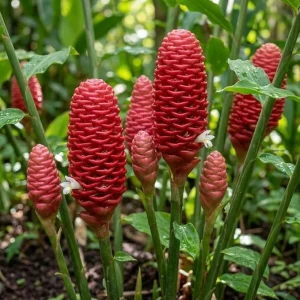
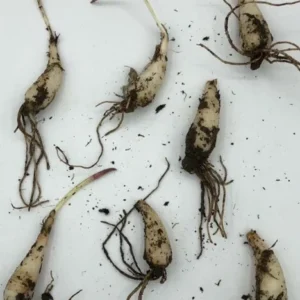
Cultivate your own exotic shampoo ginger rhizomes, also known as Awapuhi or Pinecone Ginger. This pack includes 5 fresh Zingiber zerumbet bulbs, ideal for growing vibrant, pinecone-shaped flowers indoors or in warm outdoor climates. Easy to establish and a fascinating addition to any plant collection.
Original price was: $21.98.$10.99Current price is: $10.99.

With our Alive & Thrive Guarantee, we’ve got your back for the first 30 days! If you have any concerns about your plants, just reach out to us. Our team is here to help answer your questions and guide you in selecting the best plants for your garden, climate, and unique preferences. We're excited to help you create the garden of your dreams!
Estimated arrival
Nov 03
Nov 08 - Nov 10
Nov 13 - Nov 17

Product Details
-
USDA Hardiness Zone
USDA zones 8-11 -
Soil type
Rich, well-draining soil -
Sunlight Exposure
Partial shade to filtered sunlight -
Expected Planting Period
Spring to early summer
Overview
Embark on a unique gardening adventure with these shampoo ginger rhizomes, also known as Awapuhi or Pinecone Ginger (Zingiber zerumbet). This offering includes 5 fresh, ready-to-plant rhizomes, allowing you to cultivate this remarkable tropical plant in your own home or garden. Prized for its distinctive pinecone-shaped flower heads that produce a fragrant, sudsy liquid, the Awapuhi plant is not only beautiful but also offers a natural source for hair and skin care. Originating from tropical Asia, this perennial ginger thrives in warm, humid environments and can be a stunning focal point in containers, patios, or garden beds.
Each of the 5 zingiber zerumbet bulbs is carefully selected to ensure viability, providing you with the best start for growing a healthy and productive plant. The common names like Shampoo Ginger and Pinecone Ginger perfectly describe its unique floral structure and traditional uses. Whether you’re an experienced gardener or just starting, these rhizomes offer an exciting opportunity to grow a plant with both ornamental beauty and practical benefits.
Key Benefits
Growing your own awapuhi plant provides a multitude of benefits, from enhancing your garden’s aesthetic to offering natural wellness solutions. These fresh rhizomes are an excellent choice for anyone looking to add an exotic and functional plant to their collection.
- Exotic Ornamental Appeal: The unique pinecone-shaped flower heads are a striking addition to any garden or indoor space, transitioning from green to a vibrant red as they mature. The lush foliage also adds a tropical feel.
- Natural Hair & Skin Care: The mature flowers produce a fragrant, slippery liquid traditionally used as a natural shampoo and conditioner, leaving hair soft and shiny. This is a primary benefit of growing shampoo ginger rhizomes.
- Easy to Grow: These rhizomes are straightforward to plant and establish, making them suitable for gardeners of all experience levels. They are quite resilient once settled.
- Versatile Growing Options: Suitable for growing in containers, allowing for easy relocation indoors during colder months, or directly in outdoor gardens in appropriate hardiness zones.
- Fast-Growing Perennial: Enjoy rapid growth and the return of this beautiful plant year after year in suitable climates, providing continuous beauty and utility.
- Unique Conversation Starter: The distinctive appearance and traditional uses of the Awapuhi plant make it a fascinating subject for guests and fellow plant enthusiasts.
- Tropical Ambiance: Instantly transforms your space into a more tropical oasis with its vibrant green foliage and unique floral display.
Plant Care & Growing Tips
Cultivating pinecone ginger roots is a rewarding experience with the right care. These tropical perennials require specific conditions to thrive and produce their iconic flowers. Understanding their needs will ensure a healthy and productive plant.
Sunlight Requirements: Shampoo Ginger prefers partial shade to filtered sunlight. While it can tolerate some morning sun, it should be protected from harsh afternoon sun, especially in warmer climates, which can scorch its leaves. If growing indoors, place it near a window that receives bright, indirect light, or use grow lights to supplement. Too much shade can reduce flowering, while too much direct sun can stress the plant.
Watering Schedule & Soil Moisture: This plant loves consistent moisture. Water regularly to keep the soil evenly moist, but never waterlogged. Allow the top inch of soil to dry out slightly between waterings. Reduce watering during its dormant period in cooler months. Good drainage is crucial to prevent rhizome rot, so ensure your pots have drainage holes and outdoor beds are not prone to standing water. Proper watering is key to the success of your awapuhi plant.
Soil Type & Drainage:Shampoo ginger rhizomes thrive in rich, well-draining soil with a slightly acidic to neutral pH. A good quality potting mix amended with compost or organic matter is ideal for containers. For outdoor planting, amend heavy clay soils with sand and compost to improve drainage and fertility. Ensure the soil remains loose enough for the rhizomes to spread easily.
Temperature Range & USDA Hardiness Zone: Being a tropical plant, Zingiber zerumbet prefers warm temperatures, ideally between 65-85°F (18-29°C). It is hardy in USDA Zones 8-11 for outdoor cultivation. In colder zones, it can be grown as an annual or brought indoors before the first frost. Protect from temperatures below 50°F (10°C) to prevent damage. Humidity is also beneficial, especially indoors, so consider misting or using a pebble tray.
Fertilization Schedule & Type: Feed your Shampoo Ginger every 4-6 weeks during the growing season (spring through fall) with a balanced liquid fertilizer. Reduce or stop fertilizing during winter dormancy. Organic fertilizers or compost tea can also be beneficial for promoting lush growth and robust flowering. Over-fertilization can lead to excessive foliage at the expense of flowers.
Common Problems & Solutions: Watch out for common garden pests like spider mites or mealybugs, especially on indoor plants. Treat with insecticidal soap or neem oil. Yellowing leaves can indicate overwatering or nutrient deficiency, while browning tips might suggest low humidity or underwatering. Adjust your care routine accordingly to maintain a healthy grow shampoo ginger plant.
Size & Details
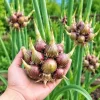
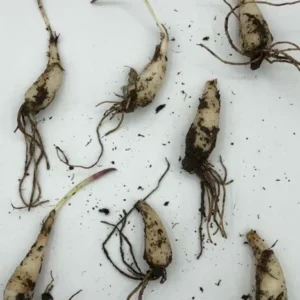
This package includes 5 fresh Shampoo Ginger rhizomes (Zingiber zerumbet) ready for planting. Each rhizome is carefully harvested and prepared to ensure optimal health and growth potential. While the exact size of each individual rhizome may vary slightly, they are typically robust enough to establish quickly once planted. These rhizomes are dormant upon arrival, which is normal for their planting stage, and will begin to sprout once introduced to suitable growing conditions.
Once established, the awapuhi plant can grow to an impressive size, often reaching 3-6 feet in height with a similar spread, creating a lush, tropical display. The unique pinecone-shaped inflorescences typically emerge in late summer to early fall, transitioning from green to a vibrant reddish hue as they mature. The plant ships as bare rhizomes, which should be planted promptly upon arrival for best results. Expect to see initial foliage growth within a few weeks to a couple of months, with flowers appearing in the first or second growing season under ideal conditions.
Frequently Asked Questions
- Q: How big does this plant get? A: The shampoo ginger rhizomes will grow into plants that typically reach 3 to 6 feet tall and wide, creating a substantial tropical presence in your garden or a large container. Its size can be influenced by growing conditions and pot size.
- Q: Is this an indoor or outdoor plant? A: This is a versatile plant that can be grown both indoors and outdoors. It thrives outdoors in USDA Zones 8-11. In colder climates, it can be grown in containers and brought indoors during winter, or treated as an annual.
- Q: How much sunlight does it need? A: The awapuhi plant prefers partial shade to filtered sunlight. It should be protected from intense afternoon sun, which can scorch its leaves. Indoors, bright indirect light is ideal.
- Q: Is this plant easy to care for? A: Yes, Shampoo Ginger is generally considered easy to care for once established. It requires consistent moisture and protection from cold temperatures, but is otherwise quite resilient and low-maintenance.
- Q: What condition will the rhizomes arrive in? A: Your order will contain 5 fresh, dormant zingiber zerumbet bulbs (rhizomes) ready for planting. They will be carefully packaged to ensure their health during transit.
- Q: How long until it blooms? A: Under optimal conditions, you can expect the pinecone ginger roots to produce their distinctive pinecone-shaped flowers in the first or second growing season after planting, typically in late summer to early fall.
- Q: Can I use the liquid from the flowers? A: Yes, the clear, fragrant liquid that collects in the mature, reddish flower heads is traditionally used as a natural shampoo and conditioner. It’s one of the main reasons many people choose to grow shampoo ginger.
- Q: What’s the best time to plant these rhizomes? A: The best time to plant these rhizomes is in spring after the last frost, when soil temperatures have warmed up. This gives the plant ample time to establish before the heat of summer.
- Q: Is it pet-safe? A: While generally not listed as highly toxic, it’s always best to keep plants out of reach of pets who might chew on them. If you have concerns, consult a veterinarian.
- Q: What kind of soil is best? A: A rich, well-draining soil mix is ideal. Amend garden soil with compost, and for containers, use a high-quality potting mix with good drainage.
Related products
-50%
Original price was: $75.96.$37.98Current price is: $37.98.
-60%
Original price was: $69.99.$27.99Current price is: $27.99.
-50%

Original price was: $79.96.$39.98Current price is: $39.98.
-43%
Original price was: $69.99.$39.99Current price is: $39.99.
-50%
Original price was: $71.96.$35.98Current price is: $35.98.
-20%
Original price was: $174.00.$139.20Current price is: $139.20.
PLANTING & CARE
Lemon Tree Growing: Choose, Plant, and Harvest
Learn how to choose, plant, feed, and protect a lemon tree so it fits your
23
Sep
Sep
Dwarf Meyer Lemon Tree Australia: Climate Guide
Learn where dwarf Meyer lemon trees grow, how much cold they tolerate, and whether Australia,
Where to Buy a Dwarf Meyer Lemon Tree: Buyer’s Guide
Find the right dwarf Meyer lemon tree online or locally, compare starter sizes and costs,
Dwarf Meyer Lemon Tree for Sale: Buying Guide
Compare Meyer lemon tree sizes, prices, shipping limits, indoor growing and California options before you
Dwarf Meyer Lemon Tree Guide: Size, Care and Fruit
META: Learn how large a dwarf Meyer lemon tree grows, where it thrives, and how
How to Prune a Dwarf Meyer Lemon Tree
Learn when and how to prune a dwarf Meyer lemon tree, including tools, shaping cuts,
Can You Grow a Dwarf Meyer Lemon Tree in a Pot?
META: Learn how to grow a dwarf Meyer lemon tree in a pot, including container
When Do Dwarf Meyer Lemon Trees Bloom and Fruit?
META: Dwarf Meyer lemon trees usually bloom from winter through spring and may flower again