Set 25 Walking Onion Bulblets – Egyptian Tree Onion Bulbs for Planting, Perennial & Hardy
-50%
Set 25 Walking Onion Bulblets – Egyptian Tree Onion Bulbs for Planting, Perennial & Hardy
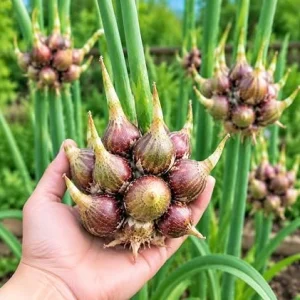
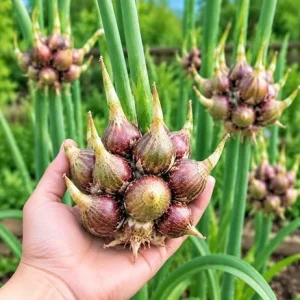
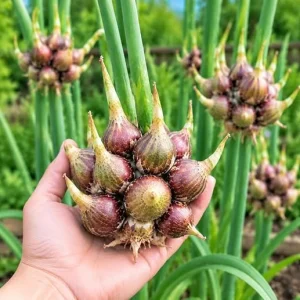
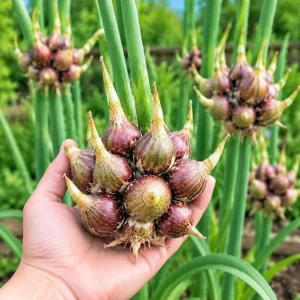
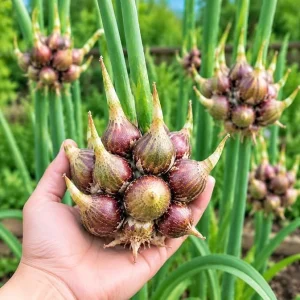
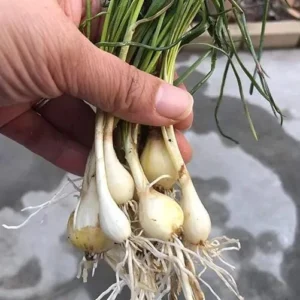
Cultivate a unique and self-sufficient garden with 25 walking onion bulblets. These hardy, perennial onions, also known as Egyptian walking onion or tree onions, are incredibly low-maintenance and propagate themselves by ‘walking’ across your garden over time. Enjoy a reliable harvest year after year with minimal effort.
Original price was: $57.98.$28.99Current price is: $28.99.

With our Alive & Thrive Guarantee, we’ve got your back for the first 30 days! If you have any concerns about your plants, just reach out to us. Our team is here to help answer your questions and guide you in selecting the best plants for your garden, climate, and unique preferences. We're excited to help you create the garden of your dreams!
Estimated arrival
Nov 03
Nov 08 - Nov 10
Nov 13 - Nov 17


Product Details
-
USDA Hardiness Zone
USDA Zones 3-9 -
Soil type
Well-draining soil -
Sunlight Exposure
Full sun -
Expected Planting Period
Spring to Fall
Overview
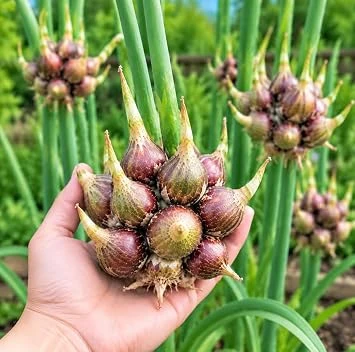
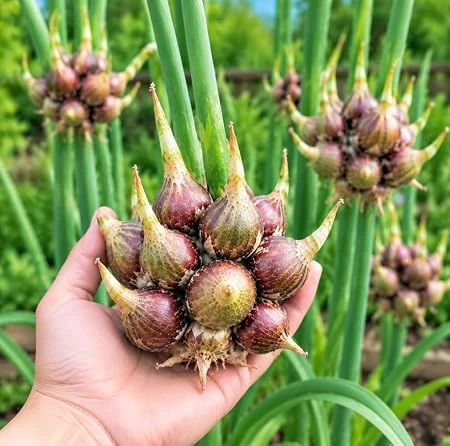
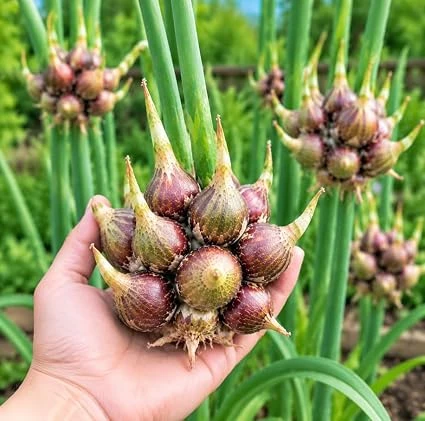
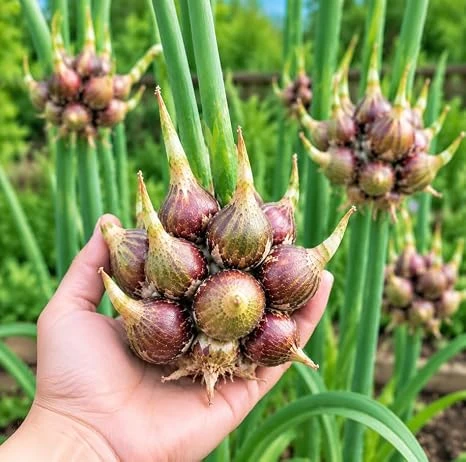
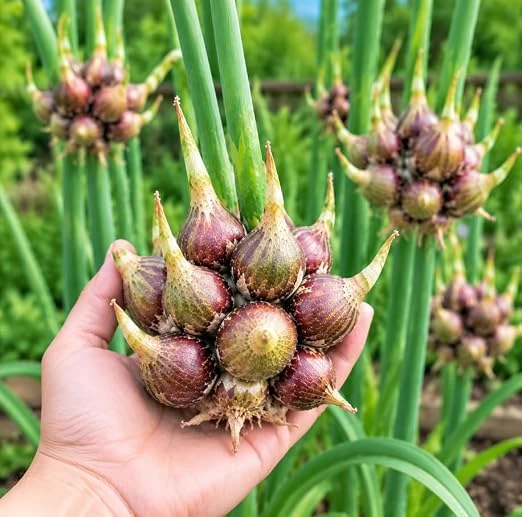
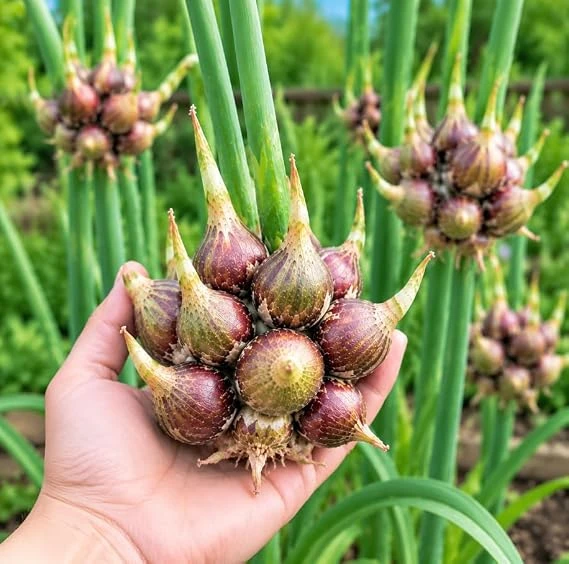
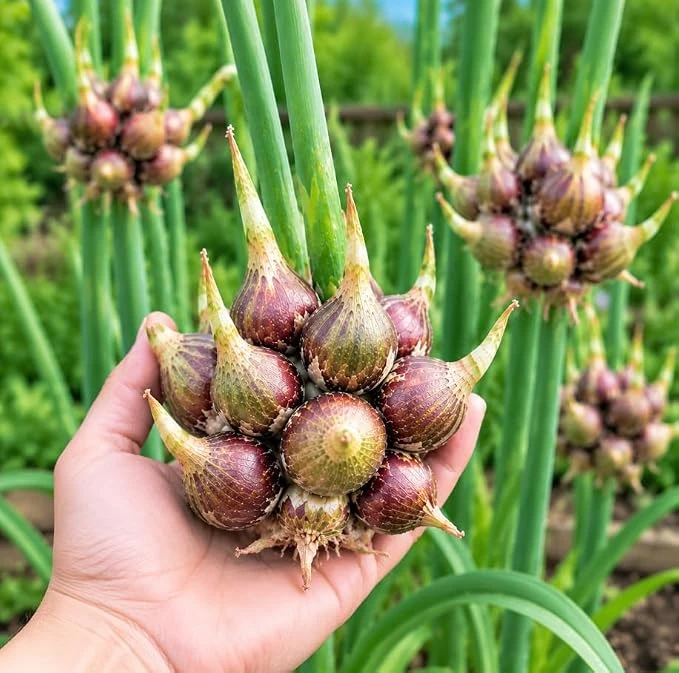
Transform your garden with a set of 25 walking onion bulblets, a truly fascinating and practical addition for any gardener. Also known as Egyptian walking onion or tree onions, these perennial plants are celebrated for their unique self-propagating nature. Unlike traditional onions that flower, walking onions produce small bulblets, called topsets, at the top of their stalks. As these topsets mature and become heavy, the stalks gracefully bend to the ground, allowing the bulblets to root and establish new plants. This natural process gives them the charming ability to ‘walk’ across your garden, creating an ever-expanding patch of fresh onions with minimal intervention. Hardy, resilient, and incredibly low-maintenance, a walking onion plant provides a consistent harvest season after season, making them an excellent choice for sustainable gardening and culinary use.
These bulbs are perfect for gardeners seeking a reliable, hands-off crop. They thrive in a wide range of climates and soil conditions, returning year after year without the need for replanting. Whether you’re a seasoned gardener or just starting out, growing perennial onion bulbs offers a rewarding experience and a continuous supply of flavorful greens and small onions for your kitchen. Embrace the simplicity and productivity of these remarkable plants.
Key Benefits
Adding walking onion bulblets to your garden brings a multitude of advantages, offering both ease of cultivation and a continuous supply of fresh produce. Their unique growth habit makes them a standout choice for gardeners:
- Self-Propagating: The most distinctive feature of the Egyptian walking onion is its ability to ‘walk’ across your garden. Bulblets form at the top of the stalks, root into the ground, and grow new plants, ensuring a continuous spread without manual replanting.
- Year-Round Harvest: Once established, these perennial onions provide a reliable harvest of green tops and small bulbs throughout much of the year, depending on your climate, making them a consistent culinary resource.
- Extremely Low Maintenance:Walking onion plants require very little care. They are drought-tolerant, disease-resistant, and don’t demand frequent attention, making them ideal for busy gardeners.
- Hardy & Resilient: These onions are incredibly robust, tolerating a wide range of temperatures and soil conditions. They return year after year, even in colder climates, proving their durability.
- Culinary Versatility: Both the green tops and the small bulblets are edible. Use them fresh in salads, stir-fries, soups, or any dish where a mild onion flavor is desired.
- Unique Garden Feature: Their intriguing growth habit makes them a conversation starter and a visually interesting element in any vegetable patch or edible landscape.
- Sustainable Gardening: By self-propagating, they reduce the need for annual seed or bulb purchases, contributing to a more sustainable and self-sufficient garden.
Plant Care & Growing Tips
Caring for your walking onion bulblets is remarkably straightforward, making them a perfect choice for gardeners of all experience levels. These resilient plants are known for their ability to thrive with minimal intervention, establishing themselves quickly and returning reliably each year. For optimal growth, plant your walking onion plant in a location that receives full sun, meaning at least 6-8 hours of direct sunlight per day. While they can tolerate partial shade, ample sunlight encourages stronger growth and more prolific bulblet production. They are incredibly adaptable to various soil types, but prefer well-draining soil. Amend heavy clay soils with organic matter like compost to improve drainage and fertility. A slightly acidic to neutral pH (6.0-7.0) is ideal, though they are not particularly fussy.
Watering requirements are minimal once established. During dry spells, especially in their first year, provide regular watering to help them settle in. However, established perennial onion bulbs are quite drought-tolerant and can often subsist on natural rainfall. Avoid overwatering, as soggy soil can lead to bulb rot. These onions are hardy across a broad spectrum of USDA zones, typically thriving in zones 3-9, making them suitable for most of the US. They are cold-hardy and will go dormant in winter, only to re-emerge vigorously in spring. Fertilization is generally not necessary in rich soil, but a light application of a balanced organic fertilizer in early spring can boost growth. Watch out for common onion pests, though Egyptian walking onion tend to be quite resistant. Ensure good air circulation to prevent fungal issues.
Size & Details
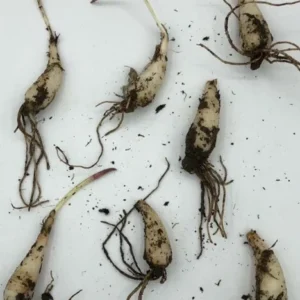
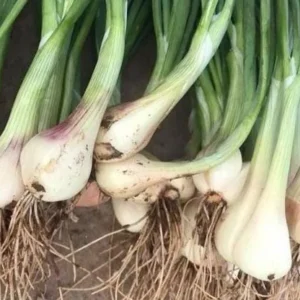
This offering includes a set of 25 walking onion bulblets, carefully selected for planting. These bulblets are the small, naturally occurring ‘topsets’ that form at the apex of the onion stalks. It’s important to note that these bulblets are inherently small, typically ranging from pea-sized to dime-sized, and will appear much smaller than traditional planting bulbs or mature onions. This is a characteristic feature of the walking onion plant and is completely normal for this variety. Size may vary naturally within the batch, reflecting the plant’s organic growth pattern. Upon planting, these small bulblets will quickly establish roots and begin to grow, producing green shoots within a few weeks under favorable conditions.
Once established, a single walking onion plant can grow to an average height of 18-30 inches, producing multiple stalks and subsequent generations of bulblets. They have a moderate growth rate, with green tops ready for harvest within weeks of emergence and new bulblets forming throughout the growing season. The best time to plant these perennial onion bulbs is in spring or fall, allowing them to establish before extreme temperatures. They will return year after year, forming expanding clumps of flavorful onions, providing a continuous, self-sustaining harvest.
Frequently Asked Questions
- Q: How big do these walking onion bulblets get? A: The bulblets themselves are naturally small, typically pea-sized to dime-sized, which is normal for this variety. Once planted, the mature walking onion plant can grow to 18-30 inches tall.
- Q: Is this an indoor or outdoor plant? A: Walking onion bulblets are best suited for outdoor cultivation in a garden bed. They are very cold-hardy and thrive in outdoor conditions, though they can be grown in large containers outdoors.
- Q: How much sunlight does a walking onion plant need? A: For optimal growth and bulblet production, your Egyptian walking onion needs full sun, which means at least 6-8 hours of direct sunlight per day. They can tolerate partial shade but may not be as vigorous.
- Q: Is this plant easy to care for? Is it good for beginners? A: Yes, walking onion plants are incredibly easy to care for and are an excellent choice for beginners. They are very low-maintenance, hardy, and self-propagating, requiring minimal attention once established.
- Q: What condition will the walking onion bulblets arrive in? A: Your 25 walking onion bulblets will arrive dormant and ready for planting. They are naturally small, much smaller than regular planting bulbs, and their size may vary.
- Q: When is the best time to plant walking onion bulblets? A: The ideal times to plant perennial onion bulbs are in the spring after the last frost or in the fall before the first hard freeze. This allows them to establish roots before extreme weather.
- Q: Will walking onions survive winter in my zone? A: Yes, walking onion plants are very cold-hardy and typically thrive in USDA Zones 3-9. They will go dormant in winter in colder climates and re-emerge vigorously in the spring.
- Q: Can I use the bulblets and green tops in cooking? A: Absolutely! Both the small bulblets and the green tops of the walking onion plant are edible. They offer a mild onion flavor and can be used fresh in salads, stir-fries, soups, and other dishes.
- Q: Do I need to replant walking onions every year? A: No, that’s the beauty of the Egyptian walking onion! They are perennial and self-propagating. Once established, they will return year after year and even ‘walk’ to new spots in your garden.
- Q: What kind of soil do walking onions prefer? A: Walking onion bulblets prefer well-draining soil, but they are highly adaptable. Amending heavy clay soils with compost will improve drainage and overall plant health.
Related products
-50%

Original price was: $55.96.$27.98Current price is: $27.98.
-20%
Original price was: $28.98.$23.18Current price is: $23.18.
-50%

Original price was: $121.98.$60.99Current price is: $60.99.
-60%
Original price was: $69.99.$27.99Current price is: $27.99.
-20%
Original price was: $174.00.$139.20Current price is: $139.20.
PLANTING & CARE
Lemon Tree Growing: Choose, Plant, and Harvest
Learn how to choose, plant, feed, and protect a lemon tree so it fits your
23
Sep
Sep
Dwarf Meyer Lemon Tree Australia: Climate Guide
Learn where dwarf Meyer lemon trees grow, how much cold they tolerate, and whether Australia,
Where to Buy a Dwarf Meyer Lemon Tree: Buyer’s Guide
Find the right dwarf Meyer lemon tree online or locally, compare starter sizes and costs,
Dwarf Meyer Lemon Tree for Sale: Buying Guide
Compare Meyer lemon tree sizes, prices, shipping limits, indoor growing and California options before you
Dwarf Meyer Lemon Tree Guide: Size, Care and Fruit
META: Learn how large a dwarf Meyer lemon tree grows, where it thrives, and how
How to Prune a Dwarf Meyer Lemon Tree
Learn when and how to prune a dwarf Meyer lemon tree, including tools, shaping cuts,
Can You Grow a Dwarf Meyer Lemon Tree in a Pot?
META: Learn how to grow a dwarf Meyer lemon tree in a pot, including container
When Do Dwarf Meyer Lemon Trees Bloom and Fruit?
META: Dwarf Meyer lemon trees usually bloom from winter through spring and may flower again