7 Red or White Egyptian Walking Onions Bulbs – Perennial Topsetting Onion Bulblets
-50%
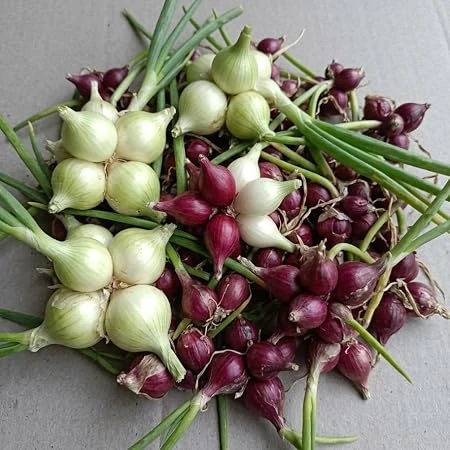
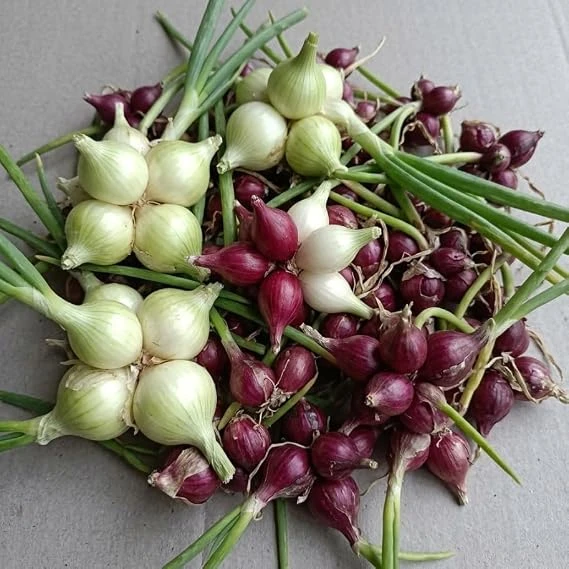
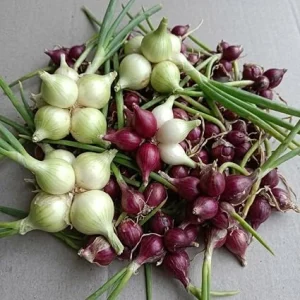
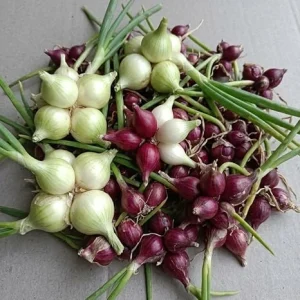
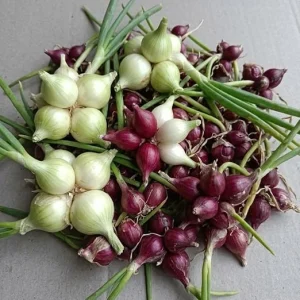
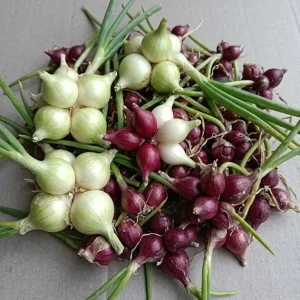
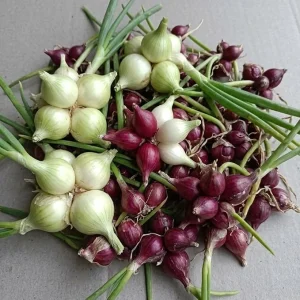
7 Red or White Egyptian Walking Onions Bulbs – Perennial Topsetting Onion Bulblets
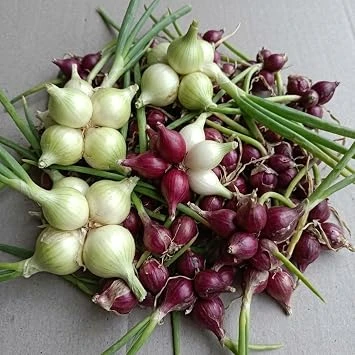
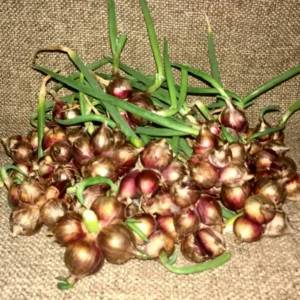
Start your own patch of unique Egyptian Walking Onions with this set of 7 bulblets. These resilient perennial onions produce edible greens and topsetting bulblets, allowing them to ‘walk’ across your garden. Easy to plant and low maintenance, they provide a continuous harvest year after year.
Original price was: $31.98.$15.99Current price is: $15.99.

With our Alive & Thrive Guarantee, we’ve got your back for the first 30 days! If you have any concerns about your plants, just reach out to us. Our team is here to help answer your questions and guide you in selecting the best plants for your garden, climate, and unique preferences. We're excited to help you create the garden of your dreams!
Estimated arrival
Nov 03
Nov 08 - Nov 10
Nov 13 - Nov 17

Product Details
-
USDA Hardiness Zone
USDA Zones 3-9 -
Soil type
Well-draining, fertile soil -
Sunlight Exposure
Full sun -
Expected Planting Period
Fall or early spring
Overview
Cultivate a fascinating and productive addition to your garden with these Egyptian Walking Onions bulblets. Also known as Tree Onions or Topsetting Onions, these unique perennials are celebrated for their distinctive growth habit and culinary versatility. Unlike traditional onions, Egyptian Walking Onions produce clusters of small, flavorful bulblets at the top of their stalks. As the stalks mature and bend under the weight of these bulblets, they touch the ground and readily root, effectively ‘walking’ or spreading across your garden beds. This natural propagation method ensures a continuous supply of fresh onions year after year with minimal effort.
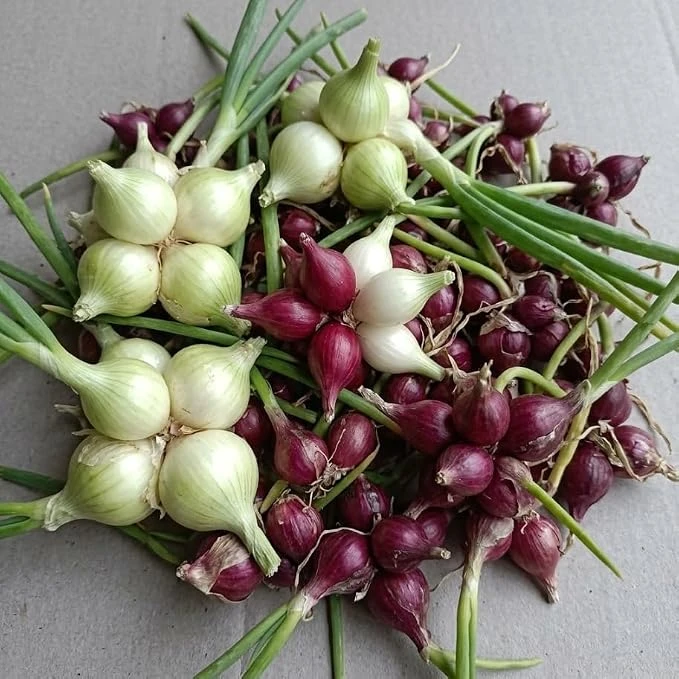
You will receive 7 healthy bulblets, ready for immediate planting. These bulblets are a mix of red and/or white varieties, chosen based on current availability, ensuring a delightful surprise and genetic diversity in your garden. Whether you’re an experienced gardener or just starting, growing walking onion bulblets offers a rewarding experience, providing both green onions and small, pungent bulbs for your culinary creations.
Key Benefits
Egyptian Walking Onions offer a wealth of advantages for any home gardener, combining ease of care with continuous productivity. Discover why these unique onions are a must-have:
-
Perennial Growth: Enjoy a continuous harvest without replanting every year. Once established, these perennial onions return season after season, multiplying naturally through their topsetting bulblets, making them an incredibly sustainable choice for your garden.
-
Unique “Walking” Habit: Witness the fascinating way these onions propagate themselves. The bulblets at the top of the stalks root where they touch the ground, creating new plants and spreading across your garden bed over time, adding an interesting dynamic to your landscape.
-
Edible & Flavorful: Both the green stalks and the small bulblets of the Egyptian Walking Onions are edible. The greens offer a mild onion flavor, perfect for salads and garnishes, while the bulblets provide a stronger, more pungent taste, ideal for cooking, pickling, or roasting.
-
Low Maintenance: These resilient plants require minimal care once established. They are tolerant of various soil conditions and climates, making them an excellent choice for busy gardeners or those new to growing vegetables. Simply plant the walking onion bulblets and let nature take its course.
-
Early Season Harvest: Egyptian Walking Onions are often among the first plants to emerge in spring, providing fresh greens when other garden produce is still dormant. This early harvest extends your gardening season and offers fresh flavors when you need them most.
-
Versatile Culinary Use: From fresh salads and stir-fries to pickling and soups, the greens and bulblets can be used in a wide array of dishes, adding a fresh, zesty onion flavor to your meals. Learning how to grow walking onions opens up many culinary possibilities.
Plant Care & Growing Tips
Growing Egyptian Walking Onions is straightforward and rewarding, even for novice gardeners. These hardy plants thrive with minimal attention, making them a fantastic addition to any edible landscape. To ensure the best results, consider the following care guidelines. For optimal growth, these topsetting onions prefer a location with full sun, meaning at least 6-8 hours of direct sunlight per day. While they can tolerate partial shade, too little sun may reduce bulblet production and overall vigor. They are adaptable to a wide range of soil types but perform best in well-draining, fertile soil with a pH between 6.0 and 7.0. Amending heavy clay soils with compost or organic matter can improve drainage and nutrient availability.
Watering should be consistent, especially during dry spells, to encourage robust growth. Aim for about 1 inch of water per week, either from rain or irrigation. Once established, perennial onions become quite drought-tolerant, but regular moisture will yield more tender greens and larger bulblets. Fertilization is generally not heavily required; however, a balanced organic fertilizer applied in early spring can boost growth. These plants are remarkably cold-hardy, typically thriving in USDA zones 3-9, and will readily overwinter in most climates, emerging again in spring. Pests and diseases are rarely a significant concern for walking onion bulblets, making them a low-stress crop to grow.
Size & Details
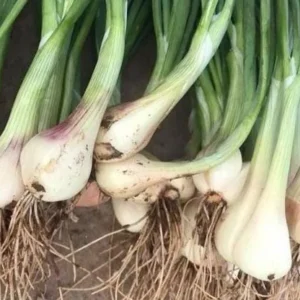
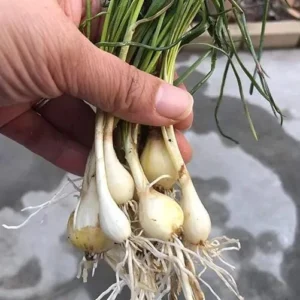
This offering includes 7 individual Egyptian Walking Onions bulblets, carefully selected and ready for planting. These bulblets vary in size, typically ranging from 0.5 to 1 inch in diameter, and are a mix of red and/or white varieties based on seasonal availability. Upon planting, these bulblets will quickly establish roots and begin to send up green shoots. Mature plants typically reach a height of 18-36 inches, depending on growing conditions and variety. The distinctive topsetting bulblets will begin to form in late spring to early summer, with the stalks eventually bending over to root new plants.
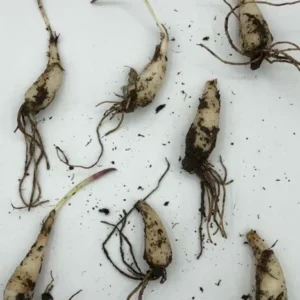
They are shipped as dormant bulblets, ensuring they arrive healthy and ready for their new home. Expect to see initial growth within a few weeks of planting, with the first harvest of greens possible within 60-90 days. The plant will continue to produce greens and bulblets throughout the growing season, providing a continuous supply of fresh onions for many years. These topsetting onions are an investment in long-term garden productivity.
Frequently Asked Questions
-
Q: How big do these Egyptian Walking Onions get? A: Mature plants typically grow 18-36 inches tall, depending on growing conditions. The bulblets themselves are usually 0.5 to 1 inch in diameter, perfect for planting or cooking.
-
Q: Is this an indoor or outdoor plant? A: Egyptian Walking Onions are primarily outdoor plants, thriving in garden beds where they can naturally propagate. While you could start them indoors, they are best suited for outdoor cultivation due to their spreading habit.
-
Q: How much sunlight do these walking onion bulblets need? A: For best results, plant your walking onion bulblets in a location that receives full sun, meaning at least 6-8 hours of direct sunlight per day. They can tolerate partial shade, but growth and bulblet production may be reduced.
-
Q: Is this plant easy to care for? Is it good for beginners? A: Yes, Egyptian Walking Onions are incredibly easy to care for and are an excellent choice for beginners. They are very resilient, tolerant of various conditions, and require minimal attention once established.
-
Q: What condition will the bulblets arrive in? A: Your 7 Egyptian Walking Onions bulblets will arrive dormant and ready for planting. They are carefully packaged to ensure they reach you in healthy condition, prepared to sprout once planted.
-
Q: Can I use the greens and bulblets in cooking? A: Absolutely! Both the green stalks and the small bulblets of these perennial onions are edible. The greens are excellent for salads and garnishes, while the bulblets can be used in various cooked dishes, pickled, or roasted for a stronger onion flavor.
-
Q: When is the best time to plant these topsetting onions? A: The best time to plant topsetting onions is in the fall or early spring. Fall planting allows them to establish roots before winter, leading to an earlier spring harvest. Spring planting is also effective once the danger of hard frost has passed.
-
Q: Will these perennial onions survive winter in my zone? A: Egyptian Walking Onions are very cold-hardy and typically thrive in USDA Zones 3-9. They are known for their ability to overwinter in most climates, returning reliably year after year.
Related products
-20%
Original price was: $28.98.$23.18Current price is: $23.18.
-50%
Original price was: $59.00.$29.50Current price is: $29.50.
-50%
Original price was: $121.98.$60.99Current price is: $60.99.
-50%

Original price was: $63.96.$31.98Current price is: $31.98.
-60%
Original price was: $69.99.$27.99Current price is: $27.99.
-60%
Original price was: $69.99.$27.99Current price is: $27.99.
-50%

Original price was: $79.96.$39.98Current price is: $39.98.

PLANTING & CARE
Lemon Tree Growing: Choose, Plant, and Harvest
Learn how to choose, plant, feed, and protect a lemon tree so it fits your
23
Sep
Sep
Dwarf Meyer Lemon Tree Australia: Climate Guide
Learn where dwarf Meyer lemon trees grow, how much cold they tolerate, and whether Australia,
Where to Buy a Dwarf Meyer Lemon Tree: Buyer’s Guide
Find the right dwarf Meyer lemon tree online or locally, compare starter sizes and costs,
Dwarf Meyer Lemon Tree for Sale: Buying Guide
Compare Meyer lemon tree sizes, prices, shipping limits, indoor growing and California options before you
Dwarf Meyer Lemon Tree Guide: Size, Care and Fruit
META: Learn how large a dwarf Meyer lemon tree grows, where it thrives, and how
How to Prune a Dwarf Meyer Lemon Tree
Learn when and how to prune a dwarf Meyer lemon tree, including tools, shaping cuts,
Can You Grow a Dwarf Meyer Lemon Tree in a Pot?
META: Learn how to grow a dwarf Meyer lemon tree in a pot, including container
When Do Dwarf Meyer Lemon Trees Bloom and Fruit?
META: Dwarf Meyer lemon trees usually bloom from winter through spring and may flower again