5 Lily of the Valley Bare Root Rhizomes – White Fragrant Spring Blooms, 4-6 Inch
-50%
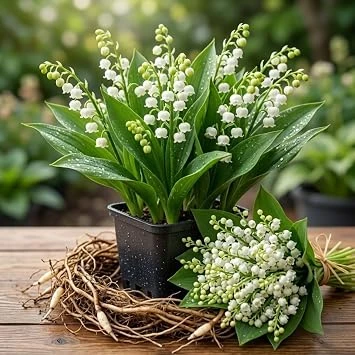
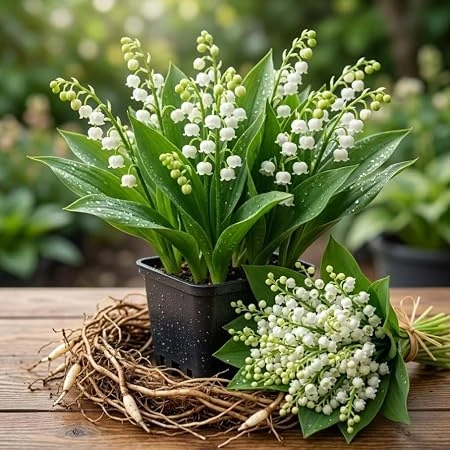
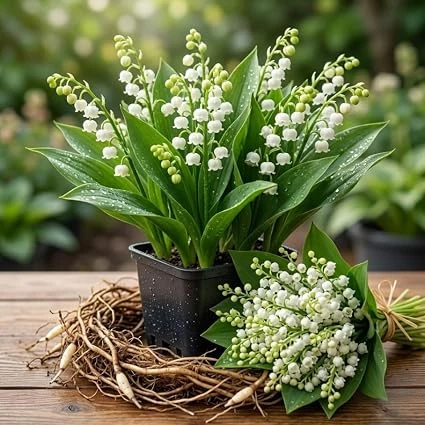
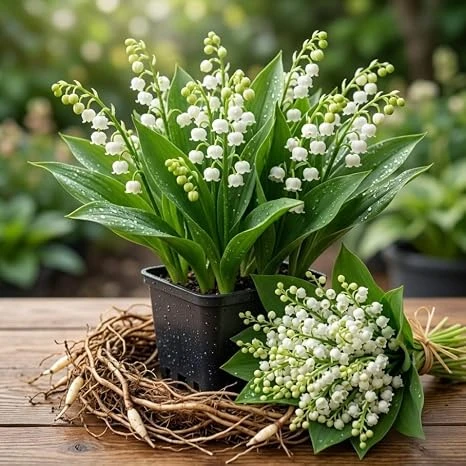
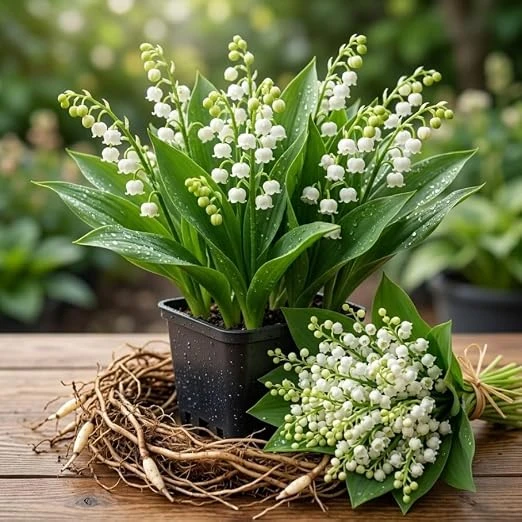
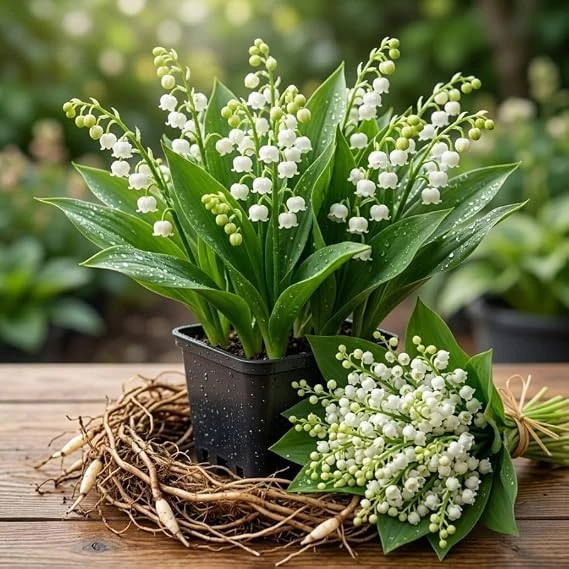
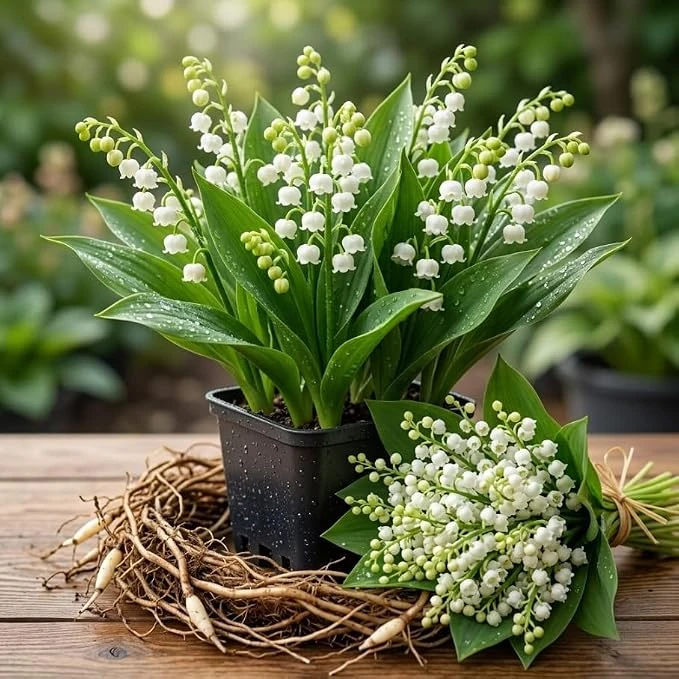
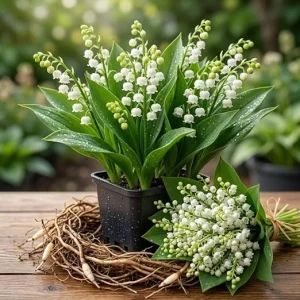
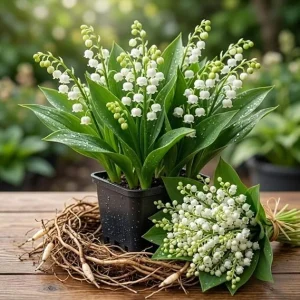
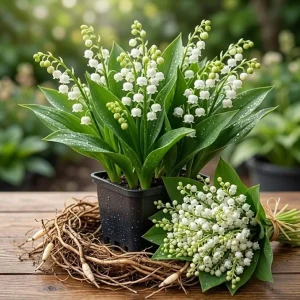
5 Lily of the Valley Bare Root Rhizomes – White Fragrant Spring Blooms, 4-6 Inch
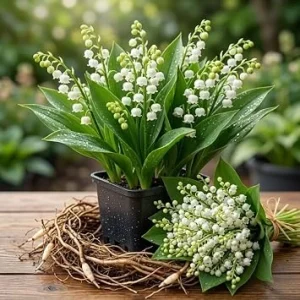
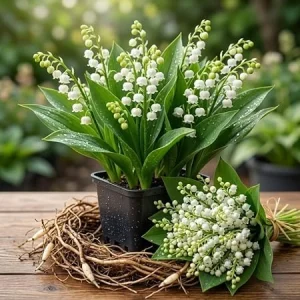
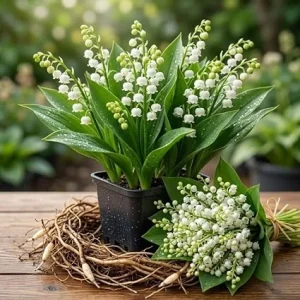
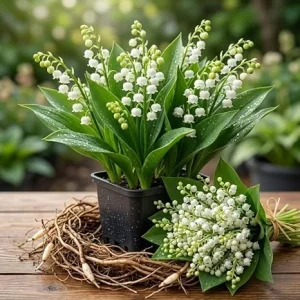
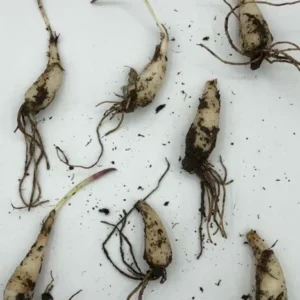
Introduce enchanting beauty to your garden with this set of 5 Lily of the Valley bare roots. These 4-6 inch rhizomes are ready for easy planting, promising sweet, bell-shaped white flowers and a delightful fragrance each spring. Perfect for shaded garden beds or containers.
Original price was: $35.30.$17.65Current price is: $17.65.

With our Alive & Thrive Guarantee, we’ve got your back for the first 30 days! If you have any concerns about your plants, just reach out to us. Our team is here to help answer your questions and guide you in selecting the best plants for your garden, climate, and unique preferences. We're excited to help you create the garden of your dreams!
Estimated arrival
Nov 03
Nov 08 - Nov 10
Nov 13 - Nov 17
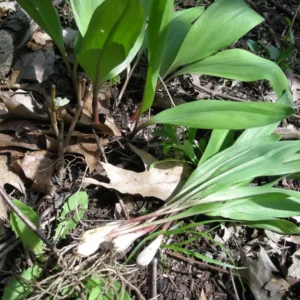


Product Details
-
USDA Hardiness Zone
USDA Zones 2-7 -
Soil type
Rich, well-draining soil with organic matter -
Sunlight Exposure
Partial to full shade -
Expected Planting Period
Fall or early spring
Overview
Transform your garden into a fragrant spring oasis with these premium lily of the valley bare roots. Each package contains 5 fresh, healthy rhizomes, ready to plant and establish in your outdoor space. Known botanically as Convallaria majalis, lily of the valley bare roots are cherished for their delicate, bell-shaped white flowers and intensely sweet fragrance that heralds the arrival of spring. These resilient plants are a classic choice for woodland gardens, shaded borders, or containers, offering a touch of timeless elegance and an intoxicating aroma. Easy to plant and requiring minimal fuss, these bare roots are an ideal starting point for both novice and experienced gardeners looking to add a touch of charm and fragrance to their landscape.
The lily of the valley bare roots provided are robust and measure 4 to 6 inches long, ensuring a strong foundation for vigorous growth. Once established, these perennial beauties will return year after year, spreading gently to form lush carpets of green foliage adorned with their iconic ‘May Bells’ flowers. Their low-growing habit makes them excellent ground cover, suppressing weeds while adding visual interest. Prepare to be enchanted by the classic beauty and captivating scent that these plants bring to any shaded corner of your garden.
Key Benefits
Planting lily of the valley bare roots offers a multitude of benefits, from their captivating fragrance to their low-maintenance nature, making them a superb addition to many garden styles.
- Exquisite Fragrance: Enjoy the intensely sweet and classic spring fragrance emitted by the delicate white bell-shaped flowers. This enchanting aroma can perfume an entire garden area, creating a truly sensory experience.
- Charming Spring Blooms: These rhizomes produce beautiful white ‘May Bells’ flowers that typically bloom in mid to late spring. The pristine white blossoms contrast beautifully with lush green foliage, adding a fresh, vibrant look to your garden.
- Easy to Plant and Grow: Arriving as bare roots, these rhizomes are incredibly simple to plant. They establish quickly with minimal preparation, making them a great choice for gardeners of all skill levels.
- Versatile Garden Use: Ideal for a variety of settings, convallaria majalis plants thrive in shaded to partially shaded areas. They are perfect for woodland gardens, borders, ground cover, under trees, or in containers, adapting well to different landscape designs.
- Low Maintenance Perennial: Once established, Lily of the Valley is a very low-maintenance plant. It’s a hardy perennial that will naturalize and return reliably every year, providing consistent beauty with little effort.
- Naturalizes Over Time: These plants will gently spread over time, creating a beautiful, dense carpet of foliage and flowers. This naturalizing habit makes them excellent for filling in shaded areas and suppressing weeds.
- Adds Lush Greenery: Beyond their flowers, the broad, lance-shaped leaves provide attractive, dense green foliage throughout the growing season, contributing to the overall lushness of your garden.
Plant Care & Growing Tips
Caring for your lily of the valley bare roots is straightforward, ensuring a successful and rewarding display of fragrant spring blooms. These resilient plants prefer a specific set of conditions to thrive, primarily focusing on light, water, and soil.
Sunlight Requirements: Lily of the Valley flourishes in shaded to partially shaded locations. Avoid full sun, especially in warmer climates, as this can scorch the leaves and reduce blooming. Morning sun with afternoon shade or dappled light under trees is ideal. For optimal growth and flowering, aim for an area that receives about 2-4 hours of indirect sunlight per day. If planting indoors in a container, place it near a north-facing window or in a spot with filtered light.
Watering Schedule and Soil Moisture: These plants prefer consistently moist but not waterlogged soil. Water regularly, especially during dry spells and when the plant is actively growing in spring. Reduce watering once the foliage begins to yellow and die back in late summer or fall. Ensure good drainage to prevent root rot. When you are planting lily of the valley bare roots, make sure to water them immediately after planting to help them settle in.
Soil Type and Drainage: Lily of the Valley thrives in rich, well-draining soil that is high in organic matter. A slightly acidic to neutral pH (6.0-7.0) is preferred. Amend heavy clay soils with compost or peat moss to improve drainage and fertility. Sandy soils will benefit from added organic matter to help retain moisture. Good drainage is crucial to prevent diseases and ensure healthy root development for your convallaria majalis plants.
Temperature Range and USDA Hardiness Zone: These plants are very cold hardy, typically thriving in USDA Zones 2-7. They require a period of cold dormancy to bloom effectively. They are tolerant of a wide range of temperatures but prefer cooler spring and fall weather for active growth. In warmer zones (8 and above), they may struggle with the heat and may not naturalize as vigorously. Protect container plants from extreme winter freezes by bringing them indoors or insulating the pots.
Fertilization Schedule and Type: Fertilize sparingly. A light application of a balanced, slow-release granular fertilizer in early spring, just as new growth emerges, is usually sufficient. Alternatively, top-dress with a layer of compost each spring to provide essential nutrients and improve soil structure. Avoid over-fertilizing, which can lead to excessive foliage growth at the expense of flowers.
Common Problems and Solutions: Lily of the Valley is generally pest and disease resistant. Slugs and snails can sometimes be an issue; use organic slug bait or hand-pick them. Leaf spot can occur in overly wet or humid conditions; ensure good air circulation and avoid overhead watering. Yellowing leaves can indicate too much sun, too little water, or nutrient deficiency. Adjust conditions accordingly to keep your may bells flowers healthy.
Size & Details
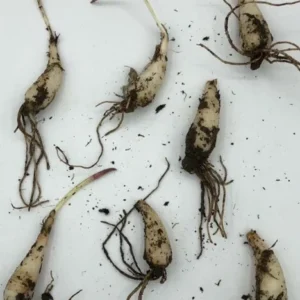
This offering includes 5 Lily of the Valley bare roots, each measuring approximately 4 to 6 inches long. These robust rhizomes are packaged ready for planting, ensuring a healthy start for your garden. Lily of the Valley is a low-growing perennial, typically reaching a mature height of 6 to 12 inches with a similar spread, forming a dense ground cover. The plants exhibit a moderate growth rate, establishing well in their first year and beginning to spread more significantly in subsequent years. Blooms generally appear in mid to late spring, typically around April or May, hence their common name ‘May Bells’. The bare root form allows for easy establishment and adaptability to various garden settings.
These plants are shipped dormant and bare root, which is the ideal way to plant them for successful establishment. They will begin to sprout foliage and roots once planted in appropriate conditions. Expect to see initial growth within a few weeks of planting, with the first blooms potentially appearing in the first or second spring after planting, depending on planting time and growing conditions. The bare root advantage means less transplant shock and a quicker adaptation to their new environment, making them a reliable choice for creating beautiful, fragrant spring displays.
Frequently Asked Questions
- Q: How big does this plant get? A: Lily of the Valley typically grows to a height of 6-12 inches (15-30 cm) and spreads to a similar width, forming a dense ground cover. It’s a low-growing plant perfect for underplanting or borders.
- Q: Is this an indoor or outdoor plant? A: While lily of the valley bare roots are primarily an outdoor plant, they can be forced indoors for temporary displays in winter. They thrive best when planted directly in the garden where they can experience natural dormancy.
- Q: How much sunlight does it need? A: Lily of the Valley prefers partial to full shade. Too much direct sun, especially in the afternoon, can scorch the leaves and reduce flowering. Dappled light or morning sun with afternoon shade is ideal for these convallaria majalis plants.
- Q: Is this plant easy to care for? A: Yes, Lily of the Valley is considered a low-maintenance plant once established. It’s hardy and spreads readily, making it a good choice for beginners looking for beautiful, fragrant spring blooms.
- Q: What condition will it arrive in? A: Your order will include 5 Lily of the Valley bare roots, which are dormant rhizomes without soil or foliage. This is the optimal condition for planting and ensures robust establishment.
- Q: When is the best time to plant Lily of the Valley? A: The best time to plant lily of the valley bare roots is in the fall or early spring. This allows the roots to establish before the heat of summer or the onset of winter.
- Q: Will it survive winter in my zone? A: Yes, Lily of the Valley is very cold hardy and thrives in USDA Zones 2-7. It requires a period of cold dormancy to bloom well and will reliably return each spring.
- Q: How long until it blooms? A: You can expect the first blooms from your may bells flowers in the first or second spring after planting, depending on when they are planted and the growing conditions. They establish quickly and will increase in bloom count each year.
- Q: Is Lily of the Valley deer resistant? A: While no plant is entirely deer-proof, Lily of the Valley is generally considered to be deer resistant due to its toxicity. Most deer tend to avoid browsing on it.
- Q: Can I grow Lily of the Valley in containers? A: Yes, Lily of the Valley can be successfully grown in containers. Ensure the pot has good drainage and is placed in a shaded location. They may require more frequent watering in containers.
Related products
-50%
Original price was: $59.00.$29.50Current price is: $29.50.
-50%
Original price was: $75.96.$37.98Current price is: $37.98.
-50%
Original price was: $63.96.$31.98Current price is: $31.98.
-20%
Original price was: $28.98.$23.18Current price is: $23.18.
-50%
Original price was: $179.60.$89.80Current price is: $89.80.
-50%

Original price was: $55.96.$27.98Current price is: $27.98.
PLANTING & CARE
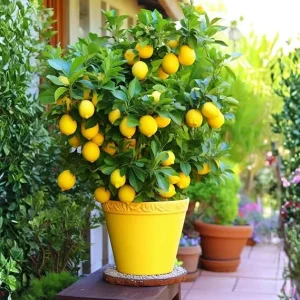
Lemon Tree Growing: Choose, Plant, and Harvest
Learn how to choose, plant, feed, and protect a lemon tree so it fits your
23
Sep
Sep
Dwarf Meyer Lemon Tree Australia: Climate Guide
Learn where dwarf Meyer lemon trees grow, how much cold they tolerate, and whether Australia,
Where to Buy a Dwarf Meyer Lemon Tree: Buyer’s Guide
Find the right dwarf Meyer lemon tree online or locally, compare starter sizes and costs,
Dwarf Meyer Lemon Tree for Sale: Buying Guide
Compare Meyer lemon tree sizes, prices, shipping limits, indoor growing and California options before you
Dwarf Meyer Lemon Tree Guide: Size, Care and Fruit
META: Learn how large a dwarf Meyer lemon tree grows, where it thrives, and how
How to Prune a Dwarf Meyer Lemon Tree
Learn when and how to prune a dwarf Meyer lemon tree, including tools, shaping cuts,
Can You Grow a Dwarf Meyer Lemon Tree in a Pot?
META: Learn how to grow a dwarf Meyer lemon tree in a pot, including container
When Do Dwarf Meyer Lemon Trees Bloom and Fruit?
META: Dwarf Meyer lemon trees usually bloom from winter through spring and may flower again