Alcea Rosea ‘Indian Spring’ Hollyhock Live Plant – Mixed Colors – 2.5×3.5 Inch Pot
-52%
Alcea Rosea ‘Indian Spring’ Hollyhock Live Plant – Mixed Colors – 2.5×3.5 Inch Pot
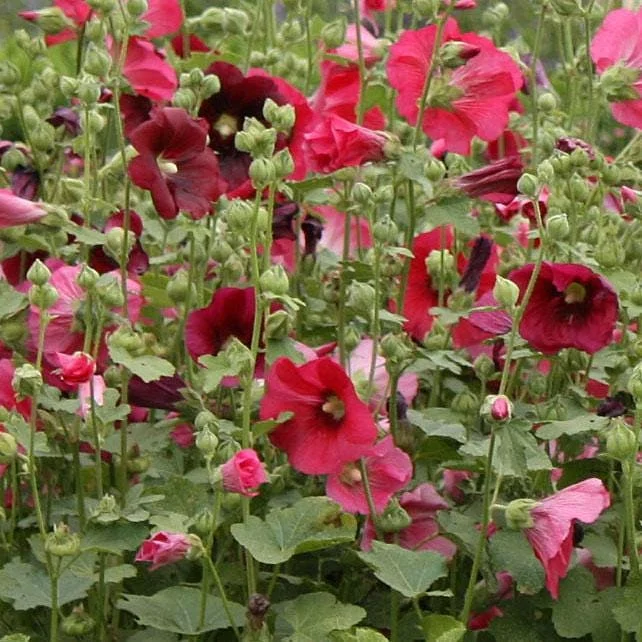
Bring classic charm to your garden with an Alcea Rosea Indian Spring Hollyhock live plant. This beautiful biennial features large, cup-shaped blooms in a mix of vibrant colors, growing 5-8 feet tall. Perfect for creating a stunning vertical accent in your garden or along fences and walls. Easy to grow and self-seeding, ensuring continuous beauty.
Original price was: $28.70.$13.70Current price is: $13.70.

With our Alive & Thrive Guarantee, we’ve got your back for the first 30 days! If you have any concerns about your plants, just reach out to us. Our team is here to help answer your questions and guide you in selecting the best plants for your garden, climate, and unique preferences. We're excited to help you create the garden of your dreams!
Estimated arrival
Oct 21
Oct 26 - Oct 28
Oct 31 - Nov 04
Product Details
-
USDA Hardiness Zone
USDA Zones 3-7 -
Soil type
Well-drained soil -
Sunlight Exposure
Full sun to light shade -
Expected Planting Period
Spring to early summer
Overview
Transform your garden into a picturesque landscape with the stunning hollyhock live plant, specifically the ‘Indian Spring’ variety of Alcea Rosea. This particular cultivar is celebrated for its vigorous growth and abundant, large, cup-shaped flowers that bloom in a beautiful array of mixed colors. As a biennial plant, it establishes itself in the first year and then produces its magnificent floral display in the second year, often self-seeding to ensure a continuous presence in your garden for years to come. The ‘Indian Spring’ Hollyhock is a truly classic garden flower, evoking a sense of nostalgic beauty and grandeur. Our plants are shipped as well-rooted starter plants, ready to be transplanted and thrive in your outdoor space, bringing vibrant color and vertical interest to any setting. This Alcea Rosea Indian Spring variety is a must-have for cottage gardens, borders, and anywhere you desire a dramatic floral impact.
The botanical name for this captivating flower is Alcea Rosea, commonly known as Hollyhock. The ‘Indian Spring’ cultivar is particularly prized for its robust nature and the delightful surprise of its mixed-color blooms, which can range from soft pinks and yellows to deep reds and purples. It’s an excellent choice for gardeners looking to add height and a touch of old-fashioned charm. This hollyhock garden flower is not only beautiful but also attracts pollinators, contributing to a healthy garden ecosystem. Prepare to be enchanted by the timeless elegance of these towering floral beauties.
Key Benefits
The ‘Indian Spring’ Hollyhock offers numerous advantages for any gardener looking to enhance their outdoor space. Its impressive stature and vibrant blooms make it a focal point in any garden design, providing both beauty and ecological benefits. Enjoy these key benefits when you choose this magnificent plant:
- Spectacular Vertical Interest: Growing up to 5-8 feet tall, this hollyhock creates dramatic vertical accents in garden borders, against fences, or as a backdrop for smaller plants, adding depth and dimension.
- Vibrant Mixed Colors: The Alcea Rosea Indian Spring produces an enchanting mix of 3-5 inch cup-shaped blooms, offering a delightful surprise of colors from soft pastels to rich, deep hues that will brighten any landscape.
- Attracts Pollinators: The large, open flowers are a magnet for bees, butterflies, and other beneficial pollinators, supporting local ecosystems and promoting biodiversity in your garden.
- Easy to Grow Biennial: As a biennial plant for sale, it’s relatively low-maintenance. It establishes a strong root system in its first year and then flowers profusely in its second, often self-seeding to continue the cycle.
- Drought Tolerant Once Established: While it appreciates consistent moisture, mature hollyhocks are quite resilient and can tolerate periods of drought, making them a good choice for various climates.
- Classic Cottage Garden Appeal: This traditional flower embodies the charm of cottage gardens, adding a touch of rustic elegance and old-world beauty to your outdoor living space.
- Self-Seeding for Continuous Blooms: The ‘Indian Spring’ Hollyhock readily self-seeds, meaning you’ll often have new plants emerging each year without additional effort, ensuring a continuous display of this lovely hollyhock live plant.
Plant Care & Growing Tips
Caring for your hollyhock live plant, specifically the ‘Indian Spring’ variety, is straightforward, allowing even novice gardeners to achieve stunning results. These resilient plants thrive with proper siting and basic attention to their needs. For optimal growth and a spectacular display of its mixed color hollyhock blooms, consider the following care guidelines. Plant your hollyhock in an area that receives full sun to light shade. Full sun (at least 6 hours of direct sunlight per day) will encourage the most robust growth and abundant flowering. While it can tolerate some afternoon shade, especially in hotter climates, too much shade can lead to leggy growth and fewer flowers. Ensure good air circulation around the plants to prevent fungal diseases.
When it comes to watering, hollyhocks prefer consistently moist soil but are susceptible to root rot in waterlogged conditions. Water thoroughly when the top inch or two of soil feels dry to the touch, especially during dry spells. Once established, they are somewhat drought-tolerant, but regular watering will promote healthier plants and more prolific blooms. The ideal soil for this hollyhock garden flower is well-drained, fertile soil with a neutral to slightly alkaline pH. Amending heavy clay soils with compost or other organic matter will improve drainage and provide essential nutrients. Good drainage is crucial for preventing diseases.
These plants are hardy in USDA Zones 3-7. They are biennials, meaning they grow foliage in the first year and flower in the second. Deadheading spent flowers can encourage more blooms and prevent unwanted self-seeding if you wish to control their spread. Fertilize sparingly; a balanced, all-purpose fertilizer in early spring can be beneficial, but too much nitrogen can lead to lush foliage at the expense of flowers. Watch out for common pests like spider mites and diseases like rust, which can be managed with appropriate organic or chemical treatments. This biennial plant for sale will reward your efforts with a magnificent floral show.
Size & Details
The Alcea Rosea Indian Spring Hollyhock is provided as a well-rooted starter plant, typically grown in a 2 1/2 x 3 1/2 inch pot. These young plants are ready for transplanting into your garden or larger containers upon arrival. Known for their impressive stature, these hollyhocks can reach a mature height of 5-8 feet, making them ideal for adding vertical interest to your garden design. The striking individual blooms are cup-shaped and measure 3-5 inches across, showcasing a beautiful blend of mixed colors that will vary from plant to plant, offering a delightful surprise with each flowering season.
As a biennial, this hollyhock live plant will establish its root system and foliage in the first year. The spectacular flowering display will occur in its second year, typically from early to late summer. After flowering, the plant will often self-seed, ensuring that new generations of these charming hollyhocks will emerge for continuous beauty in subsequent years. The ‘Indian Spring’ variety is a robust grower, developing strong stems capable of supporting its large, showy flowers. This mixed color hollyhock is an excellent choice for creating a vibrant and dynamic garden display.
Frequently Asked Questions
- Q: How big does this hollyhock plant get? A: The Alcea Rosea Indian Spring Hollyhock typically grows to an impressive height of 5-8 feet, making it a tall and striking addition to garden borders and backgrounds. Its substantial size provides excellent vertical interest.
- Q: Is this an indoor or outdoor plant? A: This hollyhock live plant is an outdoor garden plant. It thrives in full sun to light shade conditions and is best suited for planting directly in the ground or large outdoor containers.
- Q: How much sunlight does it need? A: For the best growth and most abundant blooms, the ‘Indian Spring’ Hollyhock requires full sun, which means at least 6 hours of direct sunlight per day. It can tolerate light shade, especially in hot climates.
- Q: Is this plant easy to care for? A: Yes, this biennial plant for sale is considered relatively easy to care for. It requires well-drained soil, consistent watering, and adequate sunlight. Once established, it is quite low-maintenance and often self-seeds.
- Q: What condition will it arrive in? A: Your ‘Indian Spring’ Hollyhock will arrive as a well-rooted starter plant in a 2 1/2 x 3 1/2 inch pot, carefully packaged to ensure it reaches you in good health and ready for planting.
- Q: How long until it blooms? A: As a biennial, this hollyhock garden flower will establish its foliage in the first year after planting. It will then produce its beautiful mixed-color blooms in the second year, typically during the summer months.
- Q: Will it survive winter in my zone? A: The ‘Indian Spring’ Hollyhock is hardy in USDA Zones 3-7. If you are within these zones, it should successfully overwinter and return to bloom in its second year.
- Q: What is the best time to plant this hollyhock? A: The best time to plant these mixed color hollyhock starter plants is in spring or early summer, allowing them ample time to establish themselves before winter.
- Q: How often should I water my hollyhock? A: Water your hollyhock regularly, especially during dry periods, to keep the soil consistently moist but not waterlogged. Allow the top inch or two of soil to dry out between waterings.
- Q: Does this hollyhock attract pollinators? A: Absolutely! The large, open flowers of the ‘Indian Spring’ Hollyhock are very attractive to various pollinators, including bees and butterflies, making it a great addition to a pollinator-friendly garden.
Related products
-67%
Original price was: $59.97.$19.99Current price is: $19.99.
-30%
Original price was: $65.98.$46.18Current price is: $46.18.
-82%
Original price was: $56.97.$10.34Current price is: $10.34.
-67%
Original price was: $59.97.$19.99Current price is: $19.99.
-30%
Original price was: $63.98.$44.78Current price is: $44.78.
-30%
Original price was: $63.98.$44.78Current price is: $44.78.

PLANTING & CARE
Lemon Tree Growing: Choose, Plant, and Harvest
Learn how to choose, plant, feed, and protect a lemon tree so it fits your
23
Sep
Sep
Dwarf Meyer Lemon Tree Australia: Climate Guide
Learn where dwarf Meyer lemon trees grow, how much cold they tolerate, and whether Australia,
Where to Buy a Dwarf Meyer Lemon Tree: Buyer’s Guide
Find the right dwarf Meyer lemon tree online or locally, compare starter sizes and costs,
Dwarf Meyer Lemon Tree for Sale: Buying Guide
Compare Meyer lemon tree sizes, prices, shipping limits, indoor growing and California options before you
Dwarf Meyer Lemon Tree Guide: Size, Care and Fruit
META: Learn how large a dwarf Meyer lemon tree grows, where it thrives, and how
How to Prune a Dwarf Meyer Lemon Tree
Learn when and how to prune a dwarf Meyer lemon tree, including tools, shaping cuts,
Can You Grow a Dwarf Meyer Lemon Tree in a Pot?
META: Learn how to grow a dwarf Meyer lemon tree in a pot, including container
When Do Dwarf Meyer Lemon Trees Bloom and Fruit?
META: Dwarf Meyer lemon trees usually bloom from winter through spring and may flower again