American Beautyberry Live Plant – Purple Berry Shrub – 8-12 Inches Tall in 4 Inch Pot – Outdoor
-50%
American Beautyberry Live Plant – Purple Berry Shrub – 8-12 Inches Tall in 4 Inch Pot – Outdoor
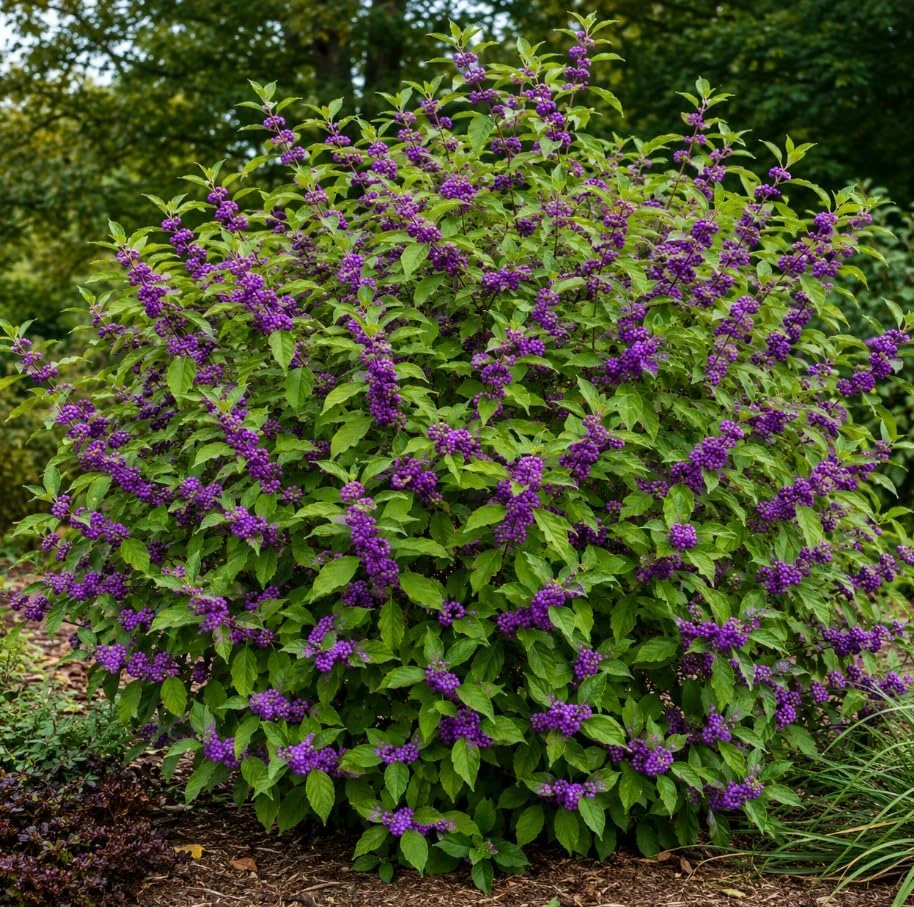
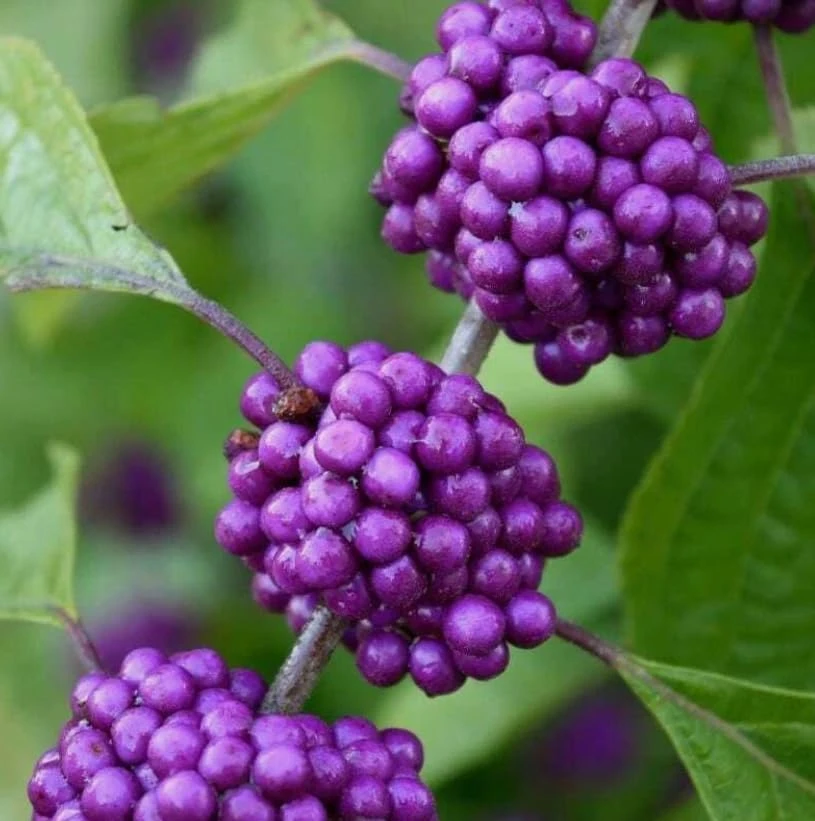
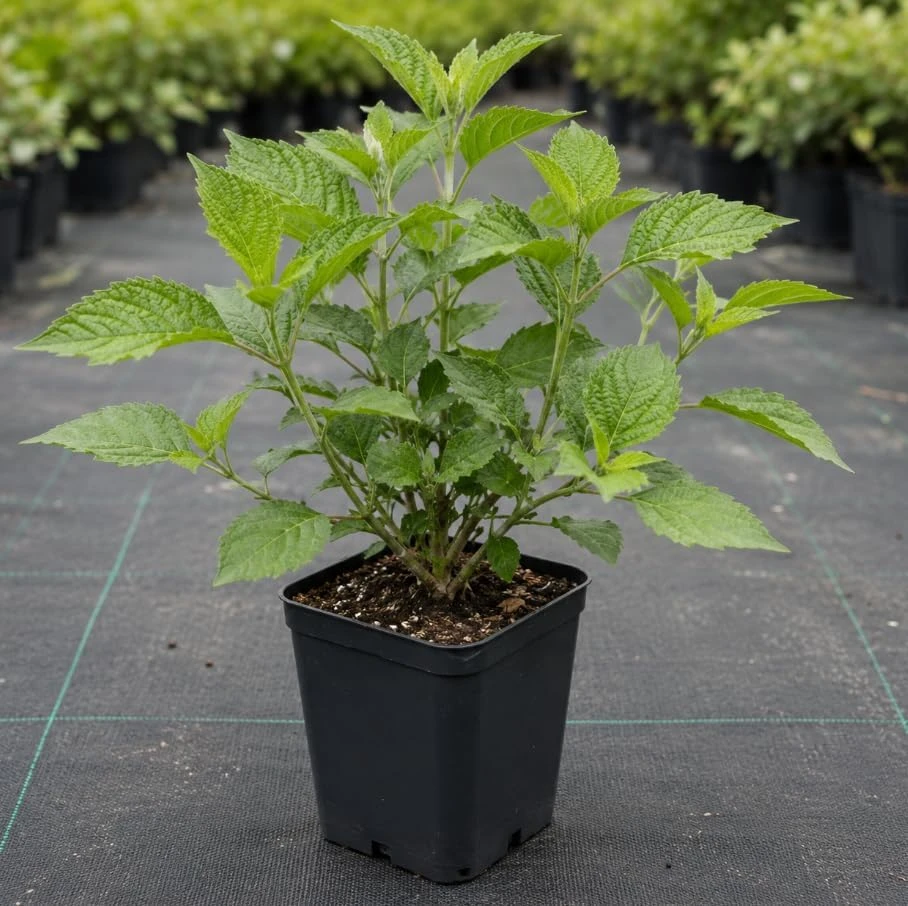
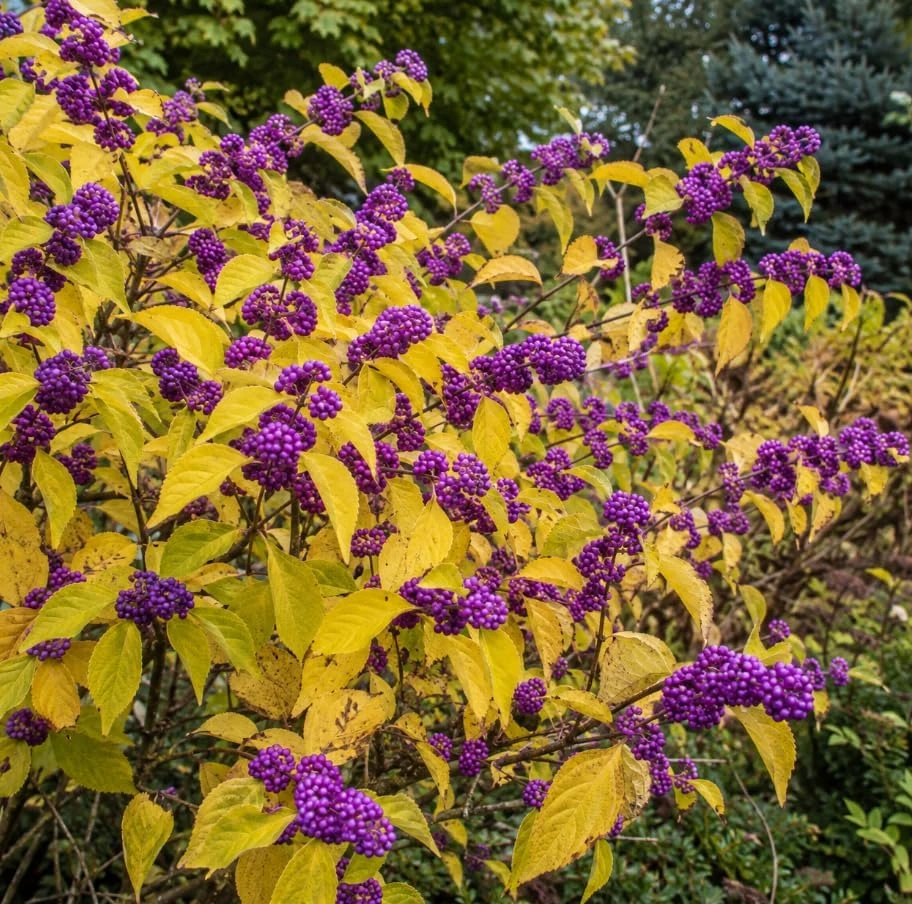
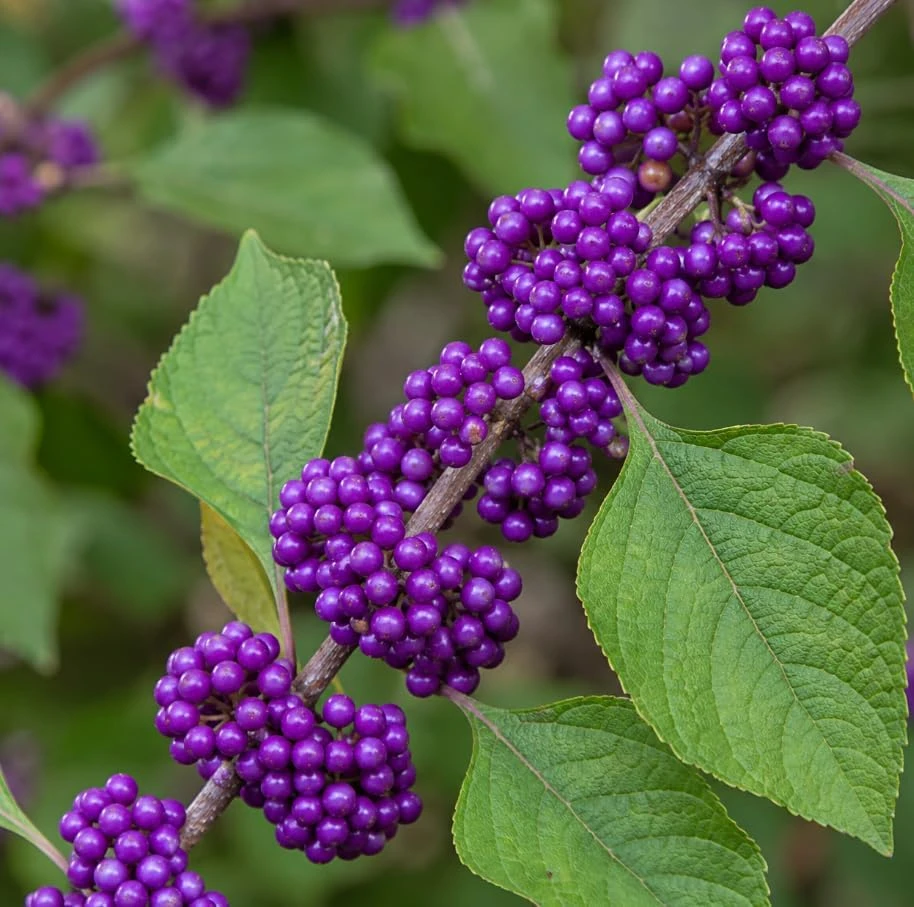
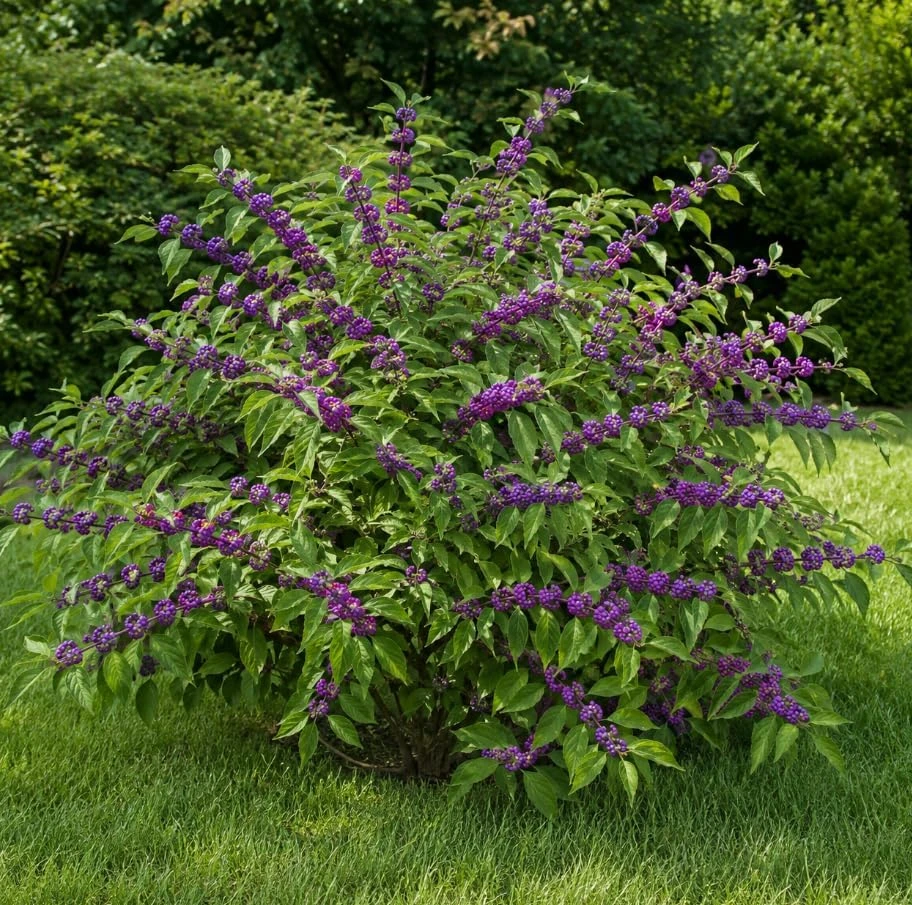
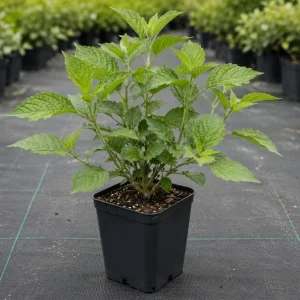
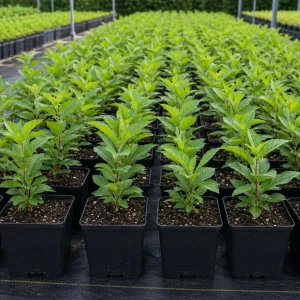
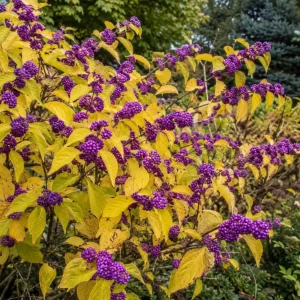
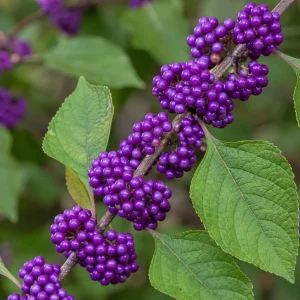
Add vibrant fall color to your garden with the american beautyberry live plant. This beautiful deciduous shrub, also known as callicarpa bush, produces striking clusters of vivid purple berries. Arrives as a well-rooted starter plant, 8-12 inches tall in a 4-inch pot, ready for outdoor planting.
Original price was: $111.98.$55.99Current price is: $55.99.

With our Alive & Thrive Guarantee, we’ve got your back for the first 30 days! If you have any concerns about your plants, just reach out to us. Our team is here to help answer your questions and guide you in selecting the best plants for your garden, climate, and unique preferences. We're excited to help you create the garden of your dreams!
Estimated arrival
Oct 29
Nov 03 - Nov 05
Nov 08 - Nov 12

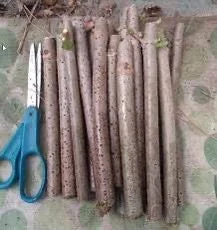
Product Details
-
USDA Hardiness Zone
USDA zones 5-8 -
Soil type
Well-draining soil, adaptable to various types -
Sunlight Exposure
Full sun to partial shade -
Expected Planting Period
Spring to early summer or early fall
Overview
Transform your outdoor space with the captivating american beautyberry live plant (Callicarpa americana). This stunning deciduous shrub is a true showstopper, especially in late summer and fall when its branches become laden with eye-catching clusters of brilliant purple berries. The vibrant display provides exceptional visual interest long after other plants have faded, making it an invaluable addition to any landscape. Ideal for borders, hedges, or naturalized areas, the american beautyberry live plant offers a unique aesthetic appeal that captivates onlookers and provides a vital food source for local wildlife. Each plant arrives as a robust, well-rooted starter, measuring 8-12 inches tall and housed in a 4-inch nursery pot, ensuring a healthy beginning in your garden.
Known for its hardiness and adaptability, the callicarpa bush is a fast-growing, low-maintenance choice for gardeners of all experience levels. Its ease of care combined with its dramatic seasonal beauty makes it a highly sought-after specimen. Whether you’re looking to create a colorful focal point or enhance a wildlife-friendly garden, this purple berry shrub delivers consistent performance and breathtaking beauty year after year. Embrace the charm and resilience of the American Beautyberry and enjoy a garden that truly stands out.
Key Benefits
The american beautyberry live plant offers a multitude of benefits, making it an excellent choice for diverse garden designs and environmental enhancements. Its striking appearance and ecological value contribute significantly to a vibrant and thriving outdoor space.
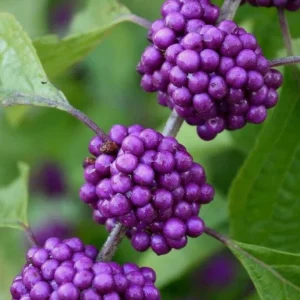
- Stunning Fall Display: Produces abundant, vivid purple berries in dense clusters along its stems, creating an unparalleled visual spectacle from late summer through fall and into winter. This dramatic color adds significant curb appeal.
- Wildlife Attraction: The bright berries serve as a crucial food source for birds, especially as other food sources diminish in colder months, making it a valuable addition for wildlife gardens.
- Low Maintenance & Hardy: This callicarpa bush is remarkably resilient, tolerating a variety of soil conditions and thriving in both full sun and partial shade. It requires minimal care once established.
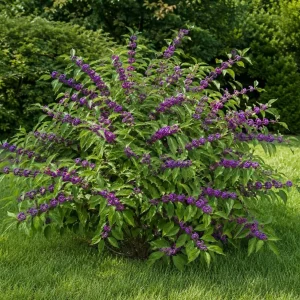
- Versatile Landscaping: Perfect for use as a specimen plant, in mass plantings, as a hedge, or within mixed shrub borders. Its graceful arching branches add texture and form to the landscape.
- Fast Growing: The deciduous berry plant establishes quickly, allowing gardeners to enjoy its benefits sooner rather than later.
- Drought Tolerant: Once mature, the Beautyberry shows good drought tolerance, reducing the need for frequent watering.
- Deer Resistant: Generally considered resistant to deer browsing, a significant advantage in areas where deer are a concern.
Plant Care & Growing Tips
Caring for your american beautyberry live plant is straightforward, thanks to its robust nature and adaptability. These hardy shrubs thrive with minimal intervention, making them suitable for both novice and experienced gardeners. Understanding their basic needs will ensure a bountiful display of their signature purple berries.
For optimal growth and berry production, plant your callicarpa bush in a location that receives full sun to partial shade. Full sun (at least 6 hours of direct sunlight daily) will encourage the most prolific berry set, while partial shade will still allow for good growth, though perhaps with slightly fewer berries. The plant is adaptable to a wide range of soil types, but it prefers well-draining soil. Avoid areas where water tends to sit, as overly wet conditions can lead to root rot. If your soil is heavy clay, amend it with organic matter like compost to improve drainage and aeration. Once established, the purple berry shrub is relatively drought tolerant, but consistent moisture during its first year will help it develop a strong root system. Water deeply once or twice a week, checking the soil moisture before each watering to ensure it’s not waterlogged.
The American Beautyberry is hardy in USDA zones 5-8, making it suitable for a broad range of climates. It’s a deciduous shrub, meaning it will lose its leaves in the fall and winter, which is a natural part of its growth cycle. Fertilization is generally not heavily required; a balanced, slow-release granular fertilizer applied in early spring can boost growth, but often isn’t necessary in rich soils. Pruning is best done in late winter or early spring while the plant is dormant. You can prune to maintain shape, remove dead or damaged branches, or rejuvenate older plants by cutting them back to about 6-12 inches from the ground. This hard pruning can encourage more vigorous new growth and even more berries, as the berries form on new wood. Common problems are few, but watch for typical garden pests and diseases, though the deciduous berry plant is generally quite resistant.
Size & Details
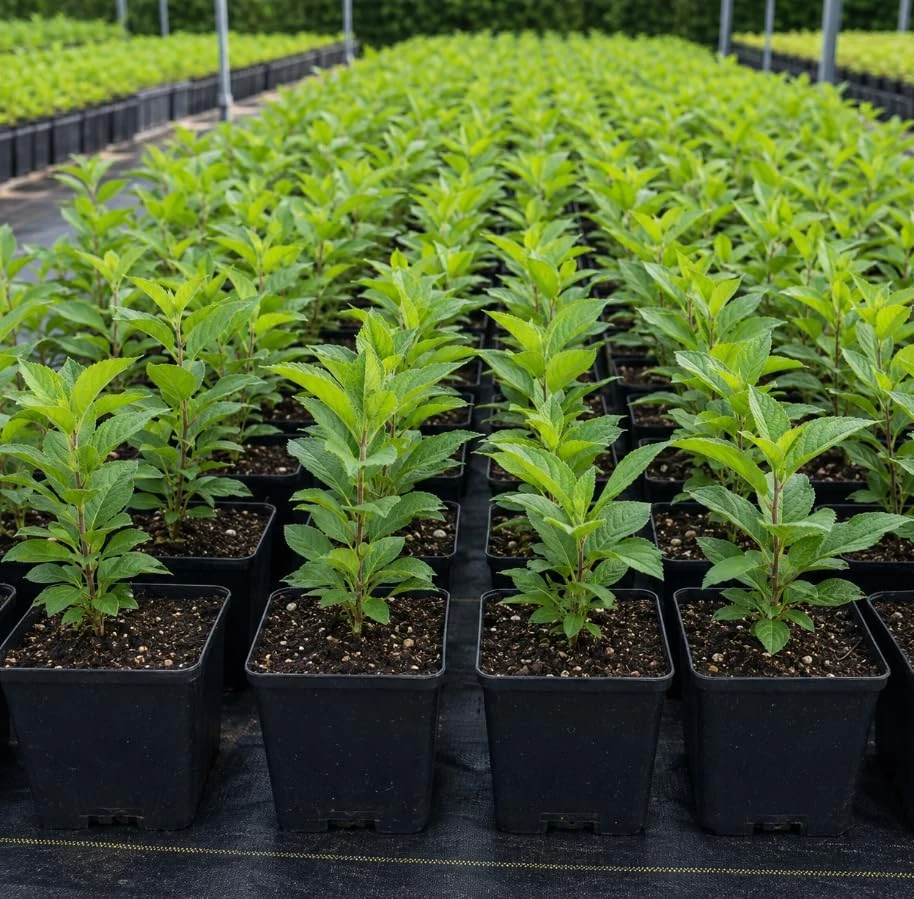
Each american beautyberry live plant arrives as a healthy, well-rooted starter, carefully nurtured and prepared for its new home. The plants typically measure 8-12 inches tall from the top of the soil and are securely potted in a 4-inch nursery container. This size is ideal for successful transplanting into your garden bed or a larger decorative pot. The American Beautyberry is a fast-growing shrub that, once mature, can reach an impressive height and spread of 5-8 feet, forming an attractive, mounding habit with gracefully arching branches. It is shipped as a young plant and will develop its vibrant purple berries as it matures under proper growing conditions, typically producing its first significant berry display in its second or third year.
During the fall and winter months, as a deciduous plant, your callicarpa bush will naturally enter dormancy. This means it may arrive without leaves, flowers, or berries, which is completely normal and healthy for this species. New foliage and, eventually, blooms and berries will emerge with the warmth of spring. Expect vigorous growth and increasing berry production each year as the plant establishes itself. This robust purple berry shrub is designed to thrive and provide years of enjoyment.
Frequently Asked Questions
- Q: How big does this plant get? A: The american beautyberry live plant typically grows to a mature height and spread of 5-8 feet, forming a beautiful, mounding shrub. Its size can be managed with annual pruning.
- Q: What size pot does it come in? A: Your american beautyberry live plant will arrive well-rooted in a 4-inch nursery pot, standing approximately 8-12 inches tall, ready for transplanting.
- Q: Is this an indoor or outdoor plant? A: The American Beautyberry is primarily an outdoor plant, thriving in garden beds, borders, and hedges. It is a hardy deciduous shrub suitable for various climates.
- Q: How much sunlight does it need? A: For the best berry production, the callicarpa bush prefers full sun (at least 6 hours of direct sunlight daily). It can also tolerate partial shade, but berry development may be less prolific.
- Q: Is this plant easy to care for? A: Yes, the American Beautyberry is known for being very easy to care for. It’s hardy, adaptable to different soils, and generally requires minimal attention once established, making it great for beginners.
- Q: What condition will it arrive in? A: Your plant will arrive as a healthy, well-rooted starter plant. As a deciduous species, it may be dormant and leafless during fall and winter, which is normal. It will not have flowers or berries upon arrival.
- Q: When is the best time to plant? A: The best time to plant your deciduous berry plant is in spring or early fall, allowing it time to establish its root system before extreme temperatures.
- Q: Will it survive winter in my zone? A: The American Beautyberry is hardy in USDA Zones 5-8, meaning it can withstand winter temperatures in these regions. It will go dormant and lose its leaves but will return in spring.
- Q: What’s the minimum temperature it can tolerate? A: This shrub can generally tolerate winter temperatures down to -20°F (USDA Zone 5), though young plants may benefit from winter protection in the colder end of its hardiness range.
- Q: Do I need more than one plant for berries? A: While a single purple berry shrub will produce berries, planting multiple Beautyberries can often lead to a more abundant and visually striking berry display due to improved cross-pollination.
Related products
-60%
Original price was: $53.99.$21.59Current price is: $21.59.
-50%
Original price was: $55.98.$27.99Current price is: $27.99.
-30%
Original price was: $73.98.$51.78Current price is: $51.78.

-20%
Original price was: $76.00.$60.80Current price is: $60.80.
PLANTING & CARE
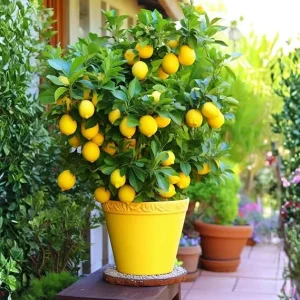
Lemon Tree Growing: Choose, Plant, and Harvest
Learn how to choose, plant, feed, and protect a lemon tree so it fits your
23
Sep
Sep
Dwarf Meyer Lemon Tree Australia: Climate Guide
Learn where dwarf Meyer lemon trees grow, how much cold they tolerate, and whether Australia,
Where to Buy a Dwarf Meyer Lemon Tree: Buyer’s Guide
Find the right dwarf Meyer lemon tree online or locally, compare starter sizes and costs,
Dwarf Meyer Lemon Tree for Sale: Buying Guide
Compare Meyer lemon tree sizes, prices, shipping limits, indoor growing and California options before you
Dwarf Meyer Lemon Tree Guide: Size, Care and Fruit
META: Learn how large a dwarf Meyer lemon tree grows, where it thrives, and how
How to Prune a Dwarf Meyer Lemon Tree
Learn when and how to prune a dwarf Meyer lemon tree, including tools, shaping cuts,
Can You Grow a Dwarf Meyer Lemon Tree in a Pot?
META: Learn how to grow a dwarf Meyer lemon tree in a pot, including container
When Do Dwarf Meyer Lemon Trees Bloom and Fruit?
META: Dwarf Meyer lemon trees usually bloom from winter through spring and may flower again