Dappled Willow Live Plant – Variegated Tricolor Ornamental Shrub – 6-12 Inches Tall in Qt Pot – Outdoor
-50%
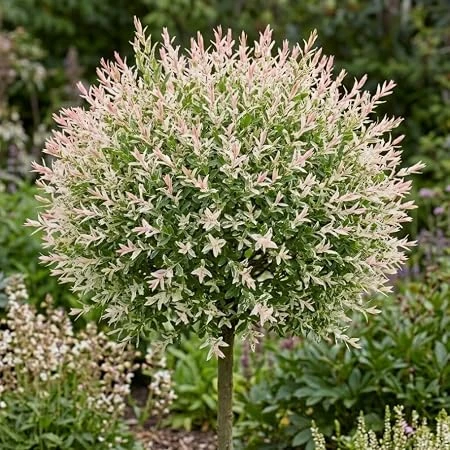
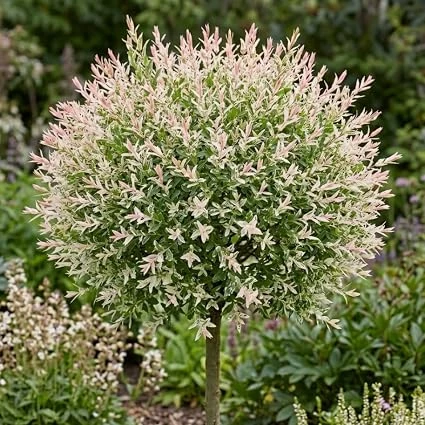
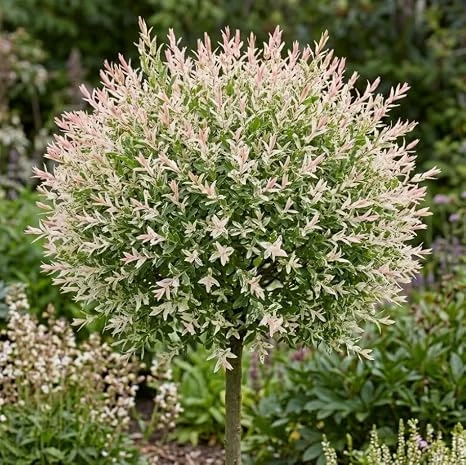
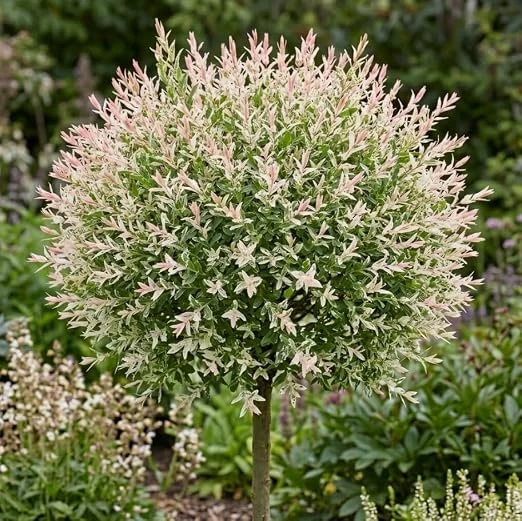
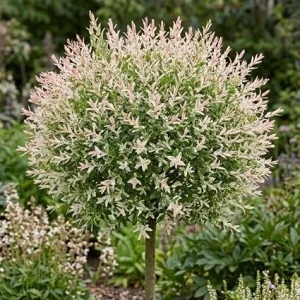
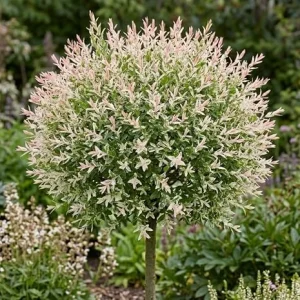
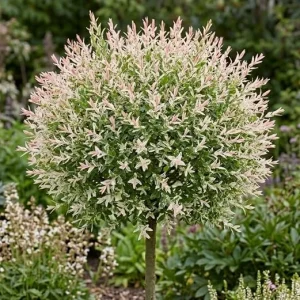
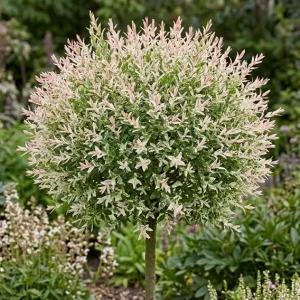
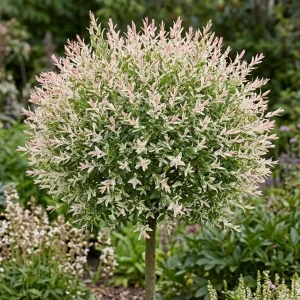
Dappled Willow Live Plant – Variegated Tricolor Ornamental Shrub – 6-12 Inches Tall in Qt Pot – Outdoor
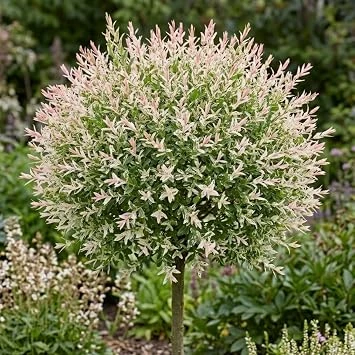
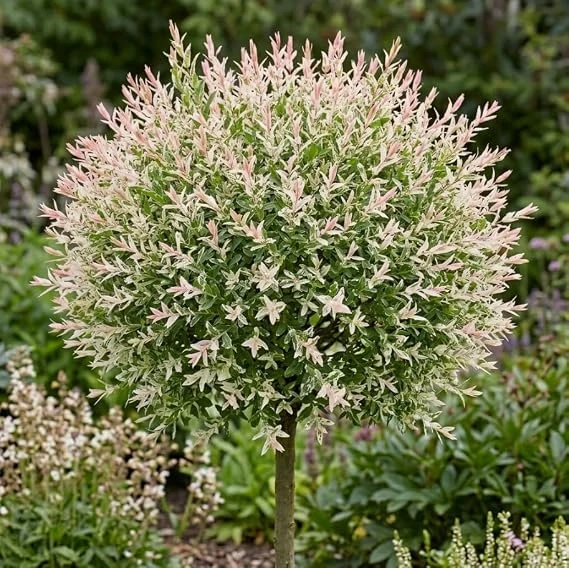
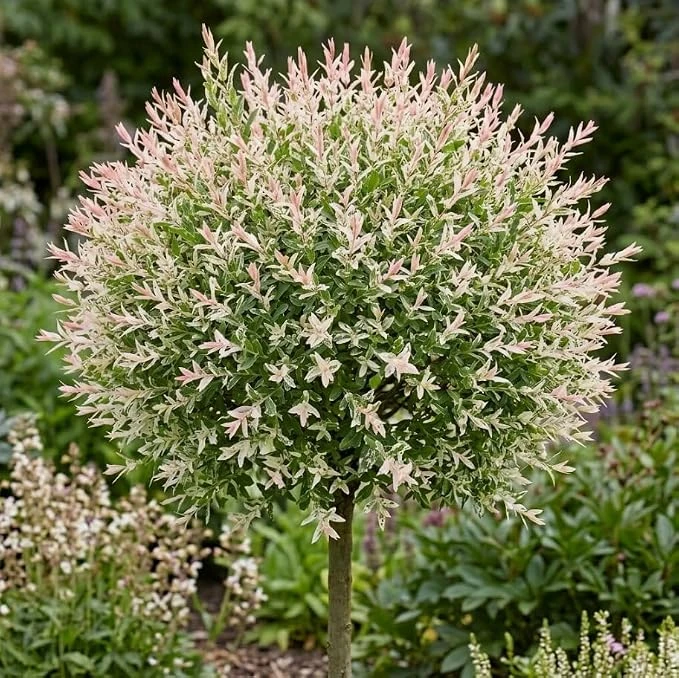
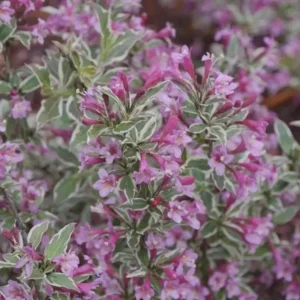
Add a splash of vibrant color to your landscape with a dappled willow live plant. This ornamental shrub, also known as the tricolor willow shrub, boasts stunning variegated foliage in shades of pink, white, and green. Arrives approximately 6-12 inches tall in a qt pot, ready for planting outdoors.
Original price was: $65.98.$32.99Current price is: $32.99.

With our Alive & Thrive Guarantee, we’ve got your back for the first 30 days! If you have any concerns about your plants, just reach out to us. Our team is here to help answer your questions and guide you in selecting the best plants for your garden, climate, and unique preferences. We're excited to help you create the garden of your dreams!
Estimated arrival
Oct 29
Nov 03 - Nov 05
Nov 08 - Nov 12




Product Details
-
USDA Hardiness Zone
USDA zones 4-9 -
Soil type
Well-draining, moist, loamy soil -
Sunlight Exposure
Full sun to partial shade -
Expected Planting Period
Spring to early summer
Overview
Introduce breathtaking multi-season color to your garden with the exquisite dappled willow live plant. This highly sought-after ornamental shrub, scientifically known as Salix integra ‘Hakuro-Nishiki’, is celebrated for its distinctive variegated foliage. The leaves emerge with delicate pink tips, maturing to a vibrant mix of white and green, creating a dappled, almost painted effect. Perfect for adding a focal point to garden beds, borders, or container plantings, the dappled willow live plant offers year-round visual interest and a graceful, airy texture. It’s a deciduous bush that provides a stunning display throughout the growing season, transforming your outdoor space into a serene and colorful sanctuary.
The unique coloration of this variegated willow tree makes it a standout choice for gardeners seeking something beyond traditional green. Its elegant branching structure and compact growth habit make it versatile for various landscape designs, from formal to informal settings. Whether you’re a seasoned gardener or just starting, the dappled willow live plant is a rewarding addition that promises beauty and charm with relatively easy care.
Key Benefits
The dappled willow live plant offers a multitude of benefits, making it an excellent choice for any garden. Its striking appearance and adaptable nature contribute to its popularity and appeal.
- Stunning Variegated Foliage: Enjoy a continuous display of pink, white, and green leaves from spring through fall, providing unparalleled visual interest and a unique aesthetic. This makes it a fantastic specimen plant.
- Multi-Season Appeal: Beyond its colorful leaves, the graceful form and delicate branches offer structure and beauty even when the plant enters dormancy in winter, ensuring your garden remains attractive.
- Versatile Landscape Use: Ideal for a variety of applications, including specimen planting, hedges, borders, mass plantings, or even in large containers on patios and decks. Its adaptability is a key feature of the tricolor willow shrub.
- Relatively Low Maintenance: Once established, this shrub is generally easy to care for, requiring minimal pruning to maintain its shape and promote vibrant new growth.
- Attracts Pollinators: While primarily grown for its foliage, the early spring catkins can provide a food source for early emerging pollinators, contributing to local biodiversity.
- Adaptable to Various Conditions: Thrives in a range of light conditions from full sun to partial shade and is tolerant of different soil types, as long as drainage is adequate.
Plant Care & Growing Tips
Caring for your dappled willow live plant is straightforward, ensuring it flourishes and displays its beautiful variegated leaves. This hardy shrub is known for its resilience and ability to adapt to various garden settings. To achieve the most vibrant pink and white variegation, plant your dappled willow live plant in a location that receives full sun (at least 6 hours of direct sunlight per day). While it tolerates partial shade, too much shade can reduce the intensity of its colors and lead to greener foliage. Ensure the soil is consistently moist but well-drained. Overwatering or waterlogged conditions can be detrimental, so proper drainage is crucial.
The salix integra prefers rich, loamy soil, but it can adapt to average garden soils. Amend heavy clay soils with organic matter to improve drainage and aeration. Watering should be regular, especially during dry spells and in its first year of establishment. A deep watering once or twice a week is generally sufficient, but always check the soil moisture before watering again. Fertilize in early spring with a balanced slow-release fertilizer to support vigorous growth and vibrant foliage. Pruning is best done in late winter or early spring before new growth appears. This helps maintain its shape, size, and encourages the production of new, colorful shoots. Watch for common pests like aphids, and treat with insecticidal soap if necessary. The dappled willow care routine is quite forgiving, making it a great choice for many gardeners.
Size & Details
This dappled willow live plant arrives approximately 6-12 inches tall, measured from the top of the soil, and is actively growing in a quart (qt) sized nursery pot. It is a young, healthy plant ready for transplanting into your garden or a larger container. The plant has a moderate growth rate, typically reaching a mature height and spread of 4-6 feet within a few years, though it can be maintained at a smaller size with regular pruning. It naturally enters dormancy during winter months and may lose its leaves in colder climates; this is a normal and healthy part of its growth cycle, with fresh, colorful foliage returning in the spring. Expect this variegated willow tree to establish quickly and begin showcasing its beautiful colors in its first growing season.
Frequently Asked Questions
- Q: How big does this plant get? A: A: The dappled willow live plant typically grows to a mature height and spread of 4-6 feet. However, it can be easily kept smaller with regular pruning, making it adaptable for various garden sizes and container growing.
- Q: Is this an indoor or outdoor plant? A: This is primarily an outdoor plant, well-suited for garden beds, borders, and large outdoor containers. It is a hardy deciduous shrub that thrives in most temperate climates.
- Q: How much sunlight does it need? A: For the best foliage color, the dappled willow live plant prefers full sun to partial shade. Full sun encourages the most vibrant pink and white variegation in its leaves.
- Q: Is this plant easy to care for? A: Yes, the tricolor willow shrub is considered relatively easy to care for. It requires consistent moisture, well-draining soil, and occasional pruning to maintain its shape and promote new, colorful growth.
- Q: What condition will it arrive in? A: Your dappled willow live plant will arrive as a healthy, actively growing plant approximately 6-12 inches tall, securely packaged in its qt nursery pot, ready for transplanting.
- Q: When is the best time to plant? A: The best time to plant your dappled willow live plant is in spring or early fall, allowing it ample time to establish its root system before extreme temperatures.
- Q: Will it survive winter in my zone? A: The dappled willow live plant is hardy in USDA zones 4-9. It will naturally lose its leaves and go dormant in colder winter months, returning with fresh foliage in spring.
- Q: What’s the minimum temperature it can tolerate? A: This variegated willow tree can tolerate winter temperatures down to approximately -30°F (-34°C) once established, making it suitable for a wide range of climates.
- Q: Can I grow this plant in a container? A: Yes, the dappled willow live plant can be successfully grown in a large container. Ensure the container has good drainage and the plant is watered regularly, as container plants tend to dry out faster.
- Q: Does this plant have flowers? A: While primarily grown for its attractive foliage, the salix integra produces small, inconspicuous catkins in early spring before the leaves emerge.
Related products
-50%
Original price was: $133.98.$66.99Current price is: $66.99.
-20%

Original price was: $20.00.$16.00Current price is: $16.00.
-60%
Original price was: $53.99.$21.59Current price is: $21.59.
-50%
Original price was: $59.98.$29.99Current price is: $29.99.
PLANTING & CARE
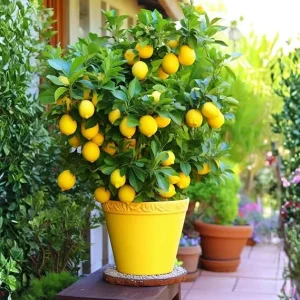
Lemon Tree Growing: Choose, Plant, and Harvest
Learn how to choose, plant, feed, and protect a lemon tree so it fits your
23
Sep
Sep
Dwarf Meyer Lemon Tree Australia: Climate Guide
Learn where dwarf Meyer lemon trees grow, how much cold they tolerate, and whether Australia,
Where to Buy a Dwarf Meyer Lemon Tree: Buyer’s Guide
Find the right dwarf Meyer lemon tree online or locally, compare starter sizes and costs,
Dwarf Meyer Lemon Tree for Sale: Buying Guide
Compare Meyer lemon tree sizes, prices, shipping limits, indoor growing and California options before you
Dwarf Meyer Lemon Tree Guide: Size, Care and Fruit
META: Learn how large a dwarf Meyer lemon tree grows, where it thrives, and how
How to Prune a Dwarf Meyer Lemon Tree
Learn when and how to prune a dwarf Meyer lemon tree, including tools, shaping cuts,
Can You Grow a Dwarf Meyer Lemon Tree in a Pot?
META: Learn how to grow a dwarf Meyer lemon tree in a pot, including container
When Do Dwarf Meyer Lemon Trees Bloom and Fruit?
META: Dwarf Meyer lemon trees usually bloom from winter through spring and may flower again