American Hornbeam Live Plant – 36-42″ Tall – 1 Gallon Container – Outdoor Tree
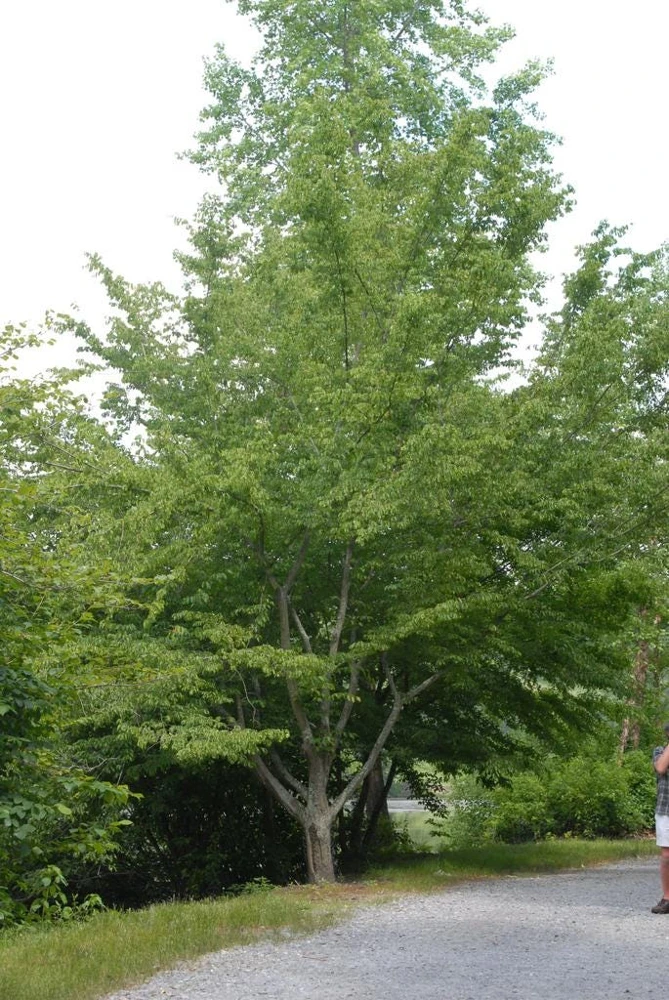
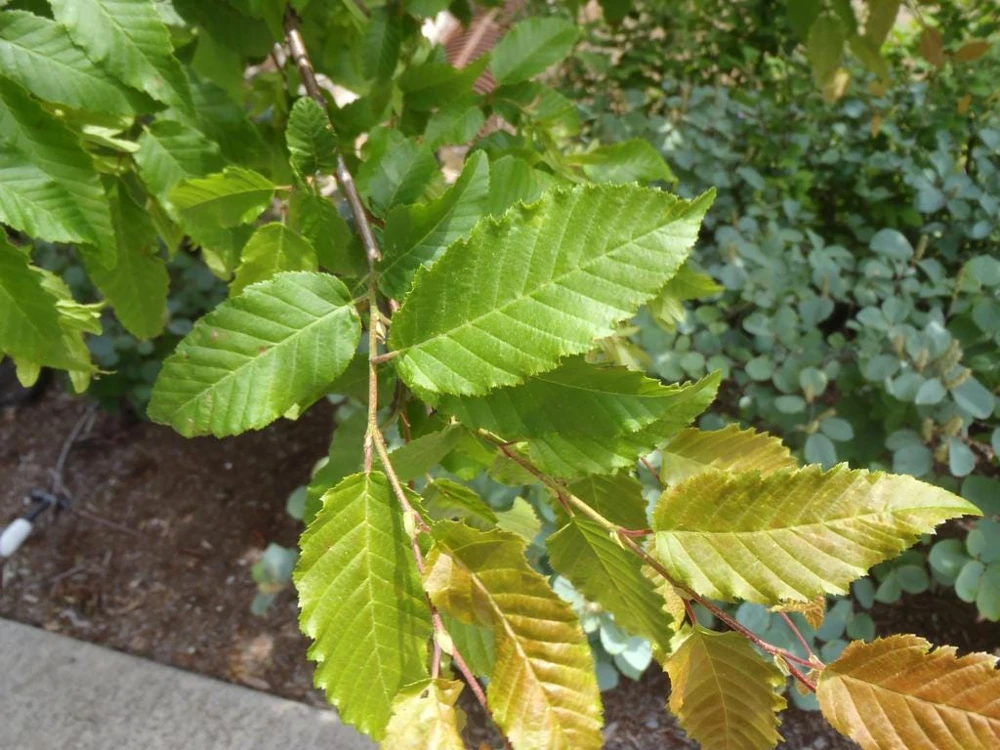

American Hornbeam Live Plant – 36-42″ Tall – 1 Gallon Container – Outdoor Tree
Bring home a robust American Hornbeam live plant, standing 36-42 inches tall in a 1 gallon container. This native deciduous tree, also known as musclewood, thrives in various outdoor settings, offering unique bark and strong wood.
$79.90

With our Alive & Thrive Guarantee, we’ve got your back for the first 30 days! If you have any concerns about your plants, just reach out to us. Our team is here to help answer your questions and guide you in selecting the best plants for your garden, climate, and unique preferences. We're excited to help you create the garden of your dreams!
Estimated arrival
Oct 21
Oct 26 - Oct 28
Oct 31 - Nov 04
Product Details
-
USDA Hardiness Zone
USDA zones 3-9 -
Soil type
Moist, well-draining soil -
Sunlight Exposure
Partial shade to full sun -
Expected Planting Period
Spring or Fall
Overview
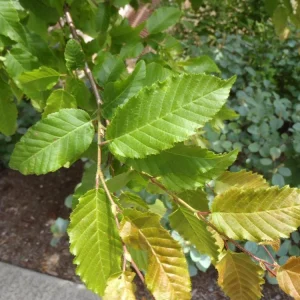
Introduce a touch of native American beauty to your landscape with the American Hornbeam live plant (Carpinus caroliniana). This distinguished deciduous tree, often referred to as Ironwood or Musclewood due to its incredibly strong wood and unique ‘muscular’ bark, is a true gem of the eastern USA. Our American Hornbeam live plant specimens are carefully cultivated to ensure a strong root system, providing an excellent foundation for growth in your garden. This medium-sized tree offers year-round interest, from its attractive foliage in summer to its distinctive bark in winter, making it a versatile choice for a range of landscape designs. It’s a fantastic option for those seeking a durable, native tree with unique aesthetic appeal.
The Carpinus caroliniana tree is known for its resilience and adaptability, capable of flourishing in diverse environments from naturalized areas along streams to urban landscapes. Its historical significance, with early Americans utilizing its hard wood for tools and bowls, speaks to its enduring strength. When you plant an American Hornbeam live plant, you’re not just adding a tree; you’re investing in a piece of natural heritage that will enhance your property for decades to come. Its moderate growth rate and manageable size make it an ideal selection for many homeowners and landscape designers looking for a dependable and attractive native species.
Key Benefits
The American Hornbeam live plant offers a multitude of benefits, making it an excellent addition to any outdoor space. Its unique characteristics contribute both aesthetically and ecologically to your garden or landscape.
- Distinctive Appearance: The slate gray bark of the American Hornbeam live plant develops a unique ‘muscular’ appearance with age, providing exceptional winter interest when other trees are bare. This striking feature makes it a conversation starter and a focal point in any garden.
- Native Resilience: As a native deciduous tree to the eastern USA, this plant is well-adapted to local climates and soils, requiring less intervention once established compared to non-native species. It contributes to local biodiversity and supports native wildlife.
- Versatile Landscaping: The Carpinus caroliniana tree thrives in various settings, from naturalized areas and woodland gardens to urban environments and along water features. Its adaptability makes it suitable for a wide range of landscape designs and conditions.
- Strong, Durable Wood: Historically prized for its extremely hard wood, the American Hornbeam offers significant structural integrity. While not often harvested by home gardeners, this characteristic speaks to the tree’s overall robustness and longevity.
- Wildlife Habitat: This tree provides food and shelter for various birds and small mammals, contributing to a healthy ecosystem. Its dense canopy offers shade and protection, enhancing your garden’s ecological value.
- Low Maintenance: Once established, the American Hornbeam live plant is relatively low maintenance, tolerating a range of conditions and generally resistant to serious pests and diseases. This makes it an excellent choice for gardeners seeking a beautiful yet easy-care tree.
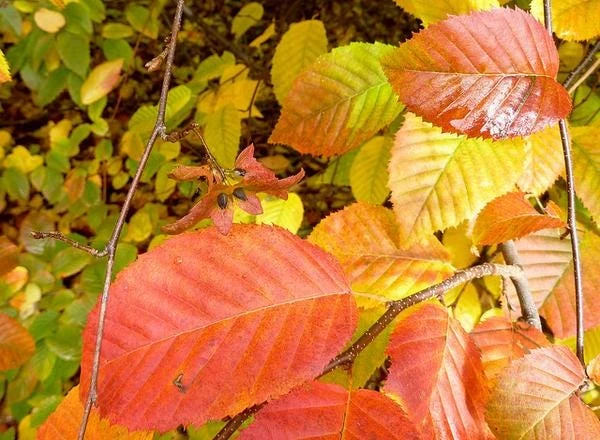
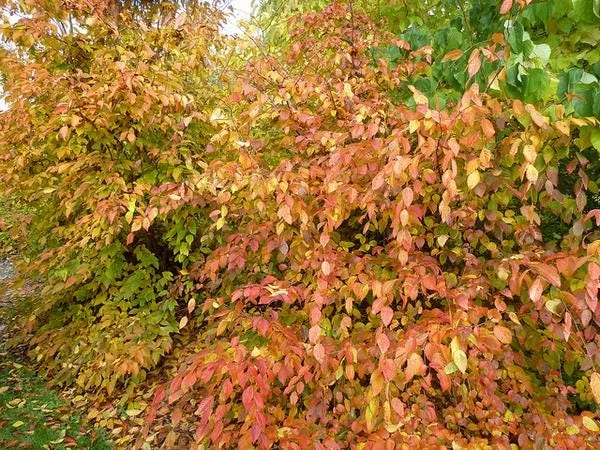
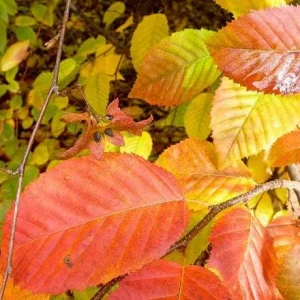
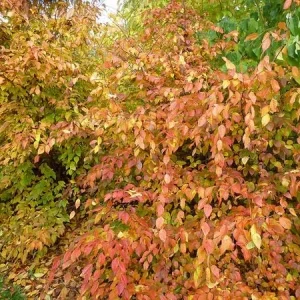
- Attractive Fall Color: While subtle, the foliage transforms into attractive shades of yellow and orange in the autumn, adding seasonal beauty to your landscape before the leaves drop.
Plant Care & Growing Tips
Caring for your American Hornbeam live plant is straightforward, especially given its native resilience. This tree thrives in a variety of conditions but will perform best with some basic attention to its needs. It prefers locations with partial shade to full sun, meaning it can handle at least 4-6 hours of direct sunlight per day, but also appreciates some afternoon shade, particularly in hotter climates. Adequate sunlight is crucial for healthy growth and the development of its characteristic bark. When considering an American Hornbeam care routine, remember that it’s a hardy species.
The Carpinus caroliniana tree is adaptable to various soil types, but it prefers moist, well-draining soil. It can tolerate both sandy and clay soils, as long as they don’t remain waterlogged. Regular watering is important during the first year after planting to help establish a strong root system. Once established, it is relatively drought-tolerant but will benefit from supplemental watering during prolonged dry periods. Mulching around the base of the tree can help retain soil moisture and regulate temperature. The musclewood tree is known for its hardiness.
This species is hardy in USDA zones 3-9, making it suitable for a broad range of climates across the US. Fertilization is generally not necessary in rich soils, but if your soil is poor, a balanced slow-release fertilizer can be applied in early spring. Pruning should be done in late winter or early spring to remove any dead, damaged, or crossing branches, and to maintain its natural shape. Avoid heavy pruning as this tree grows relatively slowly. Keep an eye out for common pests, though the American Hornbeam is generally quite resistant. Ensuring proper planting depth and avoiding girdling roots are key to long-term health.
Size & Details
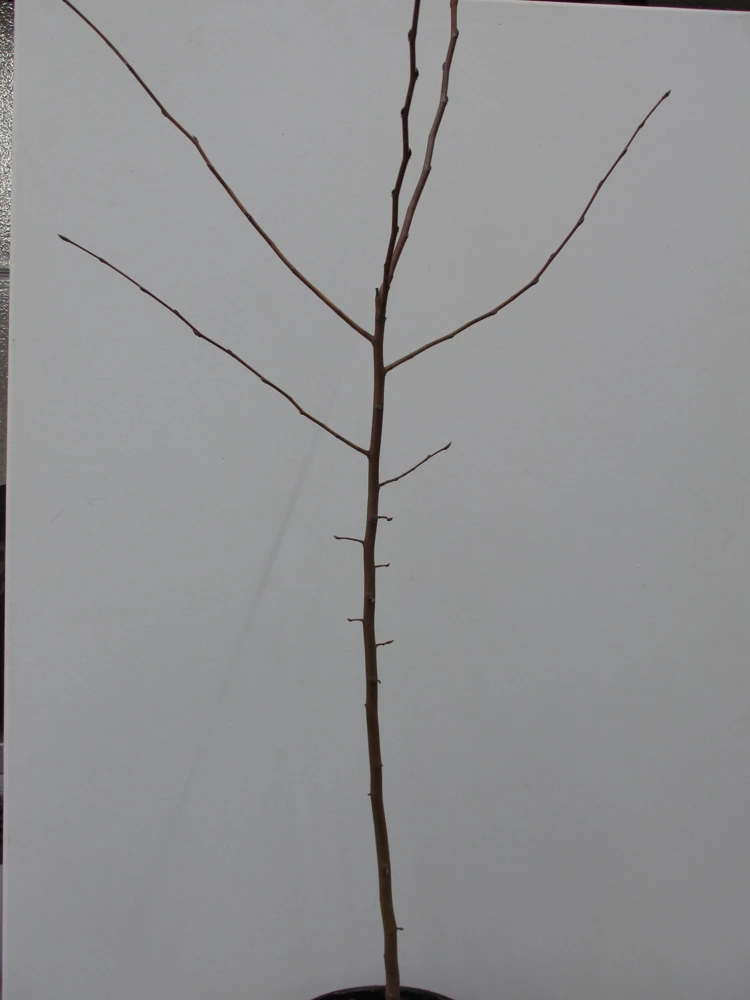
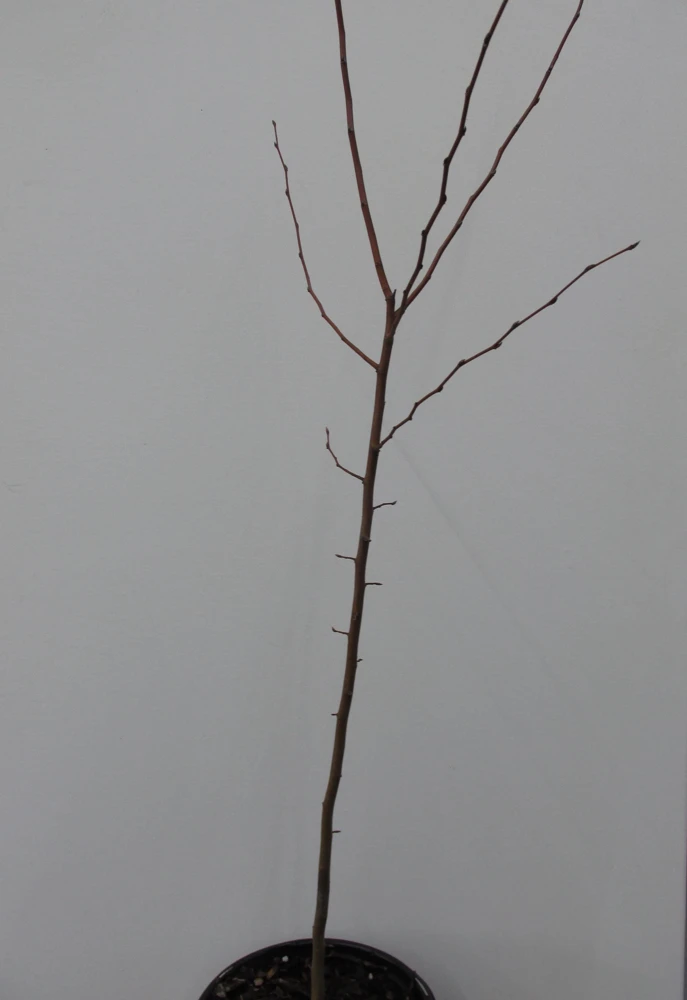
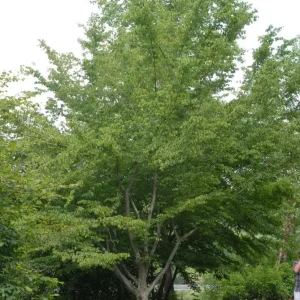
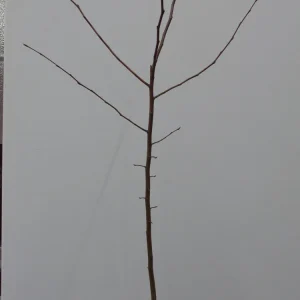
The American Hornbeam live plant you will receive stands approximately 36-42 inches tall, measured from the top of the soil line. It is grown in a trade 1 gallon container, ensuring a well-developed and robust root system ready for transplanting. This size offers a significant head start for establishing a beautiful tree in your landscape. This native deciduous tree typically matures to a height of 20-30 feet with a similar spread, forming a handsome, rounded crown. Its growth rate is considered moderate, allowing it to integrate gracefully into your garden without becoming overwhelming quickly. The ‘musclewood’ characteristic of its bark becomes more prominent as the tree ages, adding to its unique appeal. The plant will arrive dormant during the cooler months, which is a natural and healthy state for deciduous trees. This Carpinus caroliniana tree is an investment that will grow with your landscape, providing beauty and ecological benefits for many years.
Frequently Asked Questions
- Q: How big does this plant get? A: The American Hornbeam live plant typically grows to a medium size, reaching heights of 20-30 feet with a similar spread at maturity. The plants we ship are 36-42 inches tall, providing a great start.
- Q: What size pot does it come in? A: Our American Hornbeam live plant is shipped in a trade 1 gallon container, ensuring a healthy and established root system for successful planting.
- Q: Is this an indoor or outdoor plant? A: The American Hornbeam (Carpinus caroliniana tree) is an outdoor deciduous tree, best suited for landscape planting in gardens, naturalized areas, and urban settings.
- Q: How much sunlight does it need? A: This tree prefers locations with partial shade to full sun, ideally receiving at least 4-6 hours of direct sunlight daily. It can tolerate some afternoon shade, especially in warmer climates.
- Q: Is this plant easy to care for? A: Yes, once established, the American Hornbeam live plant is considered low maintenance. It’s resilient, adaptable to various soil types, and generally resistant to pests and diseases, making American Hornbeam care relatively easy.
- Q: What condition will it arrive in? A: Your plant will arrive with a well-developed root system in its 1 gallon container. During dormant seasons (fall, winter, early spring), the plant will arrive without leaves, which is a normal and healthy state for deciduous trees.
- Q: When is the best time to plant? A: The best time to plant your musclewood tree is in the spring or fall, allowing it to establish its root system before extreme summer heat or winter cold.
- Q: Will it survive winter in my zone? A: The American Hornbeam is hardy in USDA Zones 3-9, meaning it can tolerate a wide range of winter temperatures across much of the United States.
- Q: Does the American Hornbeam have any unique features? A: Absolutely! Its most unique feature is its smooth, slate-gray bark that develops a ‘muscular’ or ‘fluted’ appearance as the tree matures, giving it the common name musclewood tree.
- Q: What are the benefits of planting a native deciduous tree? A: Planting a native deciduous tree like the American Hornbeam supports local ecosystems, provides habitat and food for native wildlife, and is generally more resilient to local climate conditions and pests, requiring less care.
Related products
-50%
Original price was: $73.98.$36.99Current price is: $36.99.
-50%
Original price was: $180.99.$89.89Current price is: $89.89.
-36%
Original price was: $279.98.$179.98Current price is: $179.98.

PLANTING & CARE
Lemon Tree Growing: Choose, Plant, and Harvest
Learn how to choose, plant, feed, and protect a lemon tree so it fits your
23
Sep
Sep
Dwarf Meyer Lemon Tree Australia: Climate Guide
Learn where dwarf Meyer lemon trees grow, how much cold they tolerate, and whether Australia,
Where to Buy a Dwarf Meyer Lemon Tree: Buyer’s Guide
Find the right dwarf Meyer lemon tree online or locally, compare starter sizes and costs,
Dwarf Meyer Lemon Tree for Sale: Buying Guide
Compare Meyer lemon tree sizes, prices, shipping limits, indoor growing and California options before you
Dwarf Meyer Lemon Tree Guide: Size, Care and Fruit
META: Learn how large a dwarf Meyer lemon tree grows, where it thrives, and how
How to Prune a Dwarf Meyer Lemon Tree
Learn when and how to prune a dwarf Meyer lemon tree, including tools, shaping cuts,
Can You Grow a Dwarf Meyer Lemon Tree in a Pot?
META: Learn how to grow a dwarf Meyer lemon tree in a pot, including container
When Do Dwarf Meyer Lemon Trees Bloom and Fruit?
META: Dwarf Meyer lemon trees usually bloom from winter through spring and may flower again