Hackberry Tree Live Plant – Celtis occidentalis – 4″ Pot – 12-24″ Deciduous Shade Tree
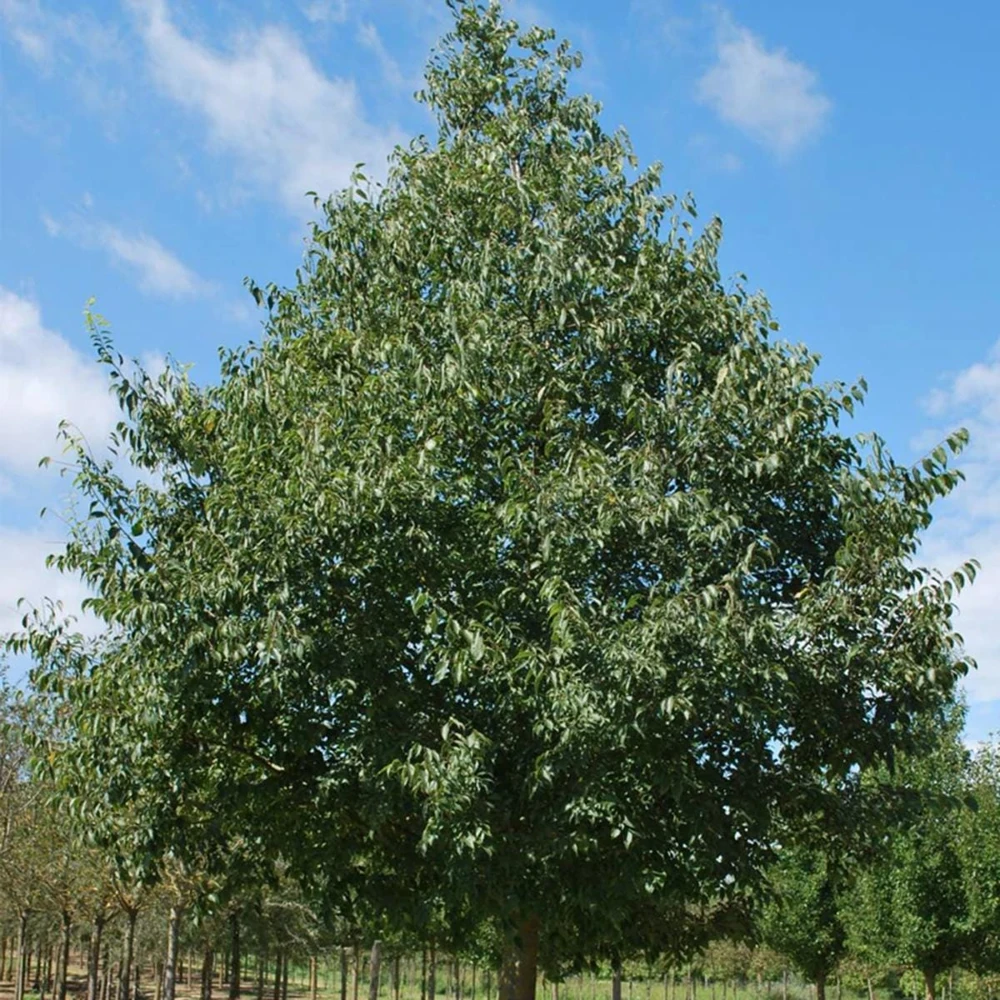
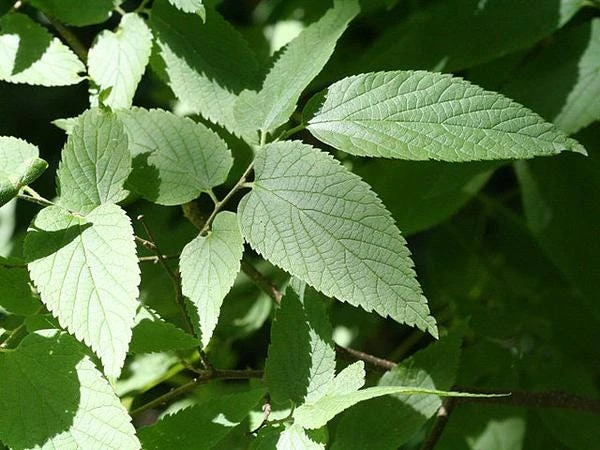
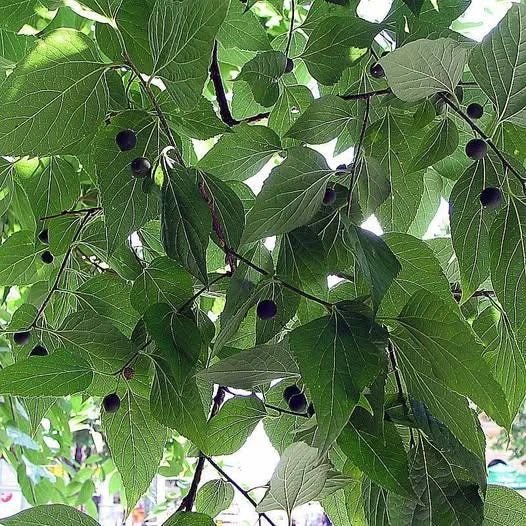
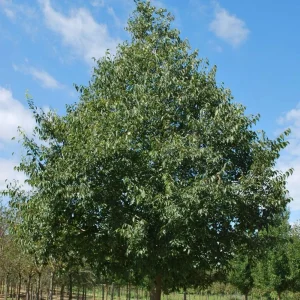
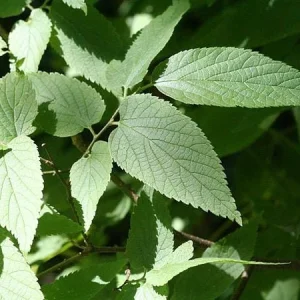
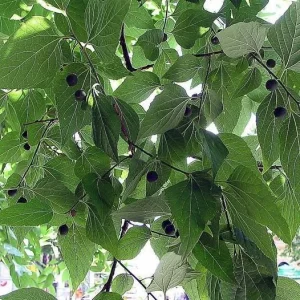
Hackberry Tree Live Plant – Celtis occidentalis – 4″ Pot – 12-24″ Deciduous Shade Tree
Bring home a resilient Hackberry Tree live plant (Celtis occidentalis) for your landscape. This native deciduous tree, grown in a 4-inch pot and standing 12-24 inches tall, offers moderate to rapid growth. Ideal as a shade or street tree, it’s perfect for attracting wildlife and provides beautiful yellow fall foliage.
$29.90

With our Alive & Thrive Guarantee, we’ve got your back for the first 30 days! If you have any concerns about your plants, just reach out to us. Our team is here to help answer your questions and guide you in selecting the best plants for your garden, climate, and unique preferences. We're excited to help you create the garden of your dreams!
Estimated arrival
Oct 21
Oct 26 - Oct 28
Oct 31 - Nov 04
Product Details
-
USDA Hardiness Zone
USDA zones 3-9 -
Soil type
Well-draining soil; tolerates various types -
Sunlight Exposure
Full sun to light shade -
Expected Planting Period
Spring or Fall
Overview
Introduce a robust and adaptable specimen to your garden with the Hackberry Tree live plant (Celtis occidentalis). This native North American deciduous tree is celebrated for its resilience and versatility, making it an excellent choice for a variety of landscaping needs. Often referred to simply as Hackberry tree, it boasts a moderate to rapid growth rate, quickly developing into a valuable shade tree or an attractive addition to street tree plantings. Known for its ability to thrive in diverse conditions, the Hackberry is a low-maintenance option for both novice and experienced gardeners.
The Celtis occidentalis is a true survivor, tolerating a wide range of soil types and transplanting with ease. Its understated beauty comes to life in the fall when its foliage transforms into a vibrant yellow, adding a splash of color to the autumn landscape. Beyond its aesthetic appeal, the Hackberry is also a boon for local wildlife. Its small red to purple drupes, which appear after insignificant flowers, serve as a food source for various birds and small mammals, contributing to your garden’s biodiversity. For those interested in the art of miniaturization, the Hackberry Tree live plant is also a good choice for use as a bonsai subject, showcasing its adaptability and unique branch structure.
Key Benefits
Choosing a Hackberry Tree for your property offers numerous advantages, from ecological contributions to practical landscaping solutions. This versatile tree is a long-term investment that enhances your outdoor space in many ways:
- Exceptional Hardiness & Adaptability: The Hackberry Tree live plant is incredibly resilient, tolerating a wide range of soil conditions, including poor soils, and adapting well to urban environments. It’s known for its ease of transplanting, making it a reliable choice for establishing new landscapes.
- Valuable Shade Tree: With its moderate to rapid growth rate, the Hackberry quickly develops a broad canopy, providing excellent shade during warmer months, which can help reduce energy costs and create comfortable outdoor living spaces.
- Attracts Wildlife: The small, sweet drupes produced by the Hackberry are a favorite food source for a variety of birds and other wildlife, turning your garden into a vibrant ecosystem.
- Beautiful Fall Foliage: Enjoy a stunning display of bright yellow leaves in the autumn, adding significant seasonal interest to your landscape.
- Low Maintenance: Once established, Hackberry care is relatively simple. This tree is drought-tolerant and generally resistant to many common pests and diseases, requiring minimal intervention.
- Suitable for Bonsai: The unique branching structure and adaptability of the Celtis occidentalis tree make it an excellent candidate for bonsai enthusiasts looking for a native species to cultivate.
- Native Species: As a native North American tree, it supports local ecosystems and requires less water and intervention than many non-native alternatives, contributing to a healthier environment.
Plant Care & Growing Tips
Proper Hackberry care ensures a healthy and thriving tree that will provide beauty and shade for many years. This resilient tree is relatively undemanding, making it a great choice for various gardeners. For optimal growth, plant your Hackberry Tree live plant in an area that receives full sun to light shade, meaning at least 6 hours of direct sunlight per day. While it can tolerate some shade, more sun will encourage denser growth and better fall color. The Hackberry is highly adaptable to a wide variety of soil types, including clay, sand, and loamy soils, but it thrives best in well-draining conditions. Good drainage is crucial to prevent root rot, especially in younger trees.
When it comes to watering, young Hackberry trees will need consistent moisture to establish their root systems. Water deeply once or twice a week, depending on rainfall and soil type, for the first year or two after planting. Once established, the Celtis occidentalis tree is remarkably drought-tolerant and typically only requires supplemental watering during prolonged dry spells. Fertilization is generally not necessary for established Hackberry trees growing in average soil. If your soil is particularly poor, a balanced, slow-release granular fertilizer can be applied in early spring. The Hackberry is highly adaptable to temperature ranges and is typically hardy in USDA zones 3-9. Common problems are few, but watch for powdery mildew in humid conditions or hackberry nipple gall, which is largely cosmetic and does not harm the tree’s health. Pruning should focus on removing dead, damaged, or crossing branches to maintain a strong structure and open canopy.
Size & Details
This offering is for a Hackberry Tree live plant that typically measures 12-24 inches in height upon arrival, providing a substantial start for your landscaping project. Each tree is grown in a 4-inch nursery pot, ensuring a well-developed root system that is ready for transplanting. The Hackberry (Celtis occidentalis) is known for its moderate to rapid growth rate, meaning you can expect it to reach a mature height of 40-60 feet with a spread of 30-50 feet over time, creating an impressive presence in your yard. Its deciduous nature means it will shed its leaves in the fall, offering a seasonal change of scenery. The tree ships as a live, actively growing plant, carefully prepared for its journey to your home. With proper care, your Hackberry will establish quickly and begin its journey to becoming a stately shade tree, or a fascinating subject for those interested in Hackberry for bonsai.
Frequently Asked Questions
- Q: How big does this Hackberry Tree get? A: This Hackberry Tree live plant is currently 12-24 inches tall. At maturity, a Hackberry tree (Celtis occidentalis) typically reaches a height of 40-60 feet with a spread of 30-50 feet, providing significant shade.
- Q: Is this an indoor or outdoor plant? A: The Hackberry Tree live plant is an outdoor tree, best suited for planting in gardens, yards, or as a street tree. It requires ample space to grow to its mature size.
- Q: How much sunlight does it need? A: Hackberry trees thrive in full sun to light shade. For best growth and fall color, aim for at least 6 hours of direct sunlight per day.
- Q: Is this plant easy to care for? A: Yes, Hackberry care is considered relatively easy. It’s a very adaptable and resilient tree that tolerates various soil conditions and is drought-tolerant once established, making it suitable for beginners.
- Q: What condition will it arrive in? A: Your Hackberry Tree live plant will arrive as a healthy, actively growing specimen, carefully removed from its 4-inch container with a well-developed root system, ready for planting.
- Q: When is the best time to plant a Hackberry Tree? A: The best time to plant a Hackberry Tree is typically in the spring or fall when temperatures are moderate, allowing the tree to establish its root system before extreme weather.
- Q: Will it survive winter in my zone? A: The Celtis occidentalis tree is very cold hardy and is typically suitable for USDA hardiness zones 3 through 9, capable of withstanding significant winter cold.
- Q: Can I use Hackberry for bonsai? A: Yes, the Hackberry is indeed a good choice for bonsai. Its natural resilience, strong root system, and interesting bark make it an excellent candidate for training and shaping in the art of Hackberry for bonsai.
- Q: What kind of soil does it prefer? A: Hackberry trees are highly adaptable and will tolerate a wide variety of soils, from clay to sandy, as long as they are well-draining. They do not like constantly waterlogged conditions.
- Q: Does the Hackberry Tree attract wildlife? A: Yes, the Hackberry produces small, sweet drupes that are a favorite food source for various bird species and other small wildlife, contributing to the biodiversity of your garden.
Related products
-36%
Original price was: $279.98.$179.98Current price is: $179.98.
PLANTING & CARE
Lemon Tree Growing: Choose, Plant, and Harvest
Learn how to choose, plant, feed, and protect a lemon tree so it fits your
23
Sep
Sep
Dwarf Meyer Lemon Tree Australia: Climate Guide
Learn where dwarf Meyer lemon trees grow, how much cold they tolerate, and whether Australia,
Where to Buy a Dwarf Meyer Lemon Tree: Buyer’s Guide
Find the right dwarf Meyer lemon tree online or locally, compare starter sizes and costs,
Dwarf Meyer Lemon Tree for Sale: Buying Guide
Compare Meyer lemon tree sizes, prices, shipping limits, indoor growing and California options before you
Dwarf Meyer Lemon Tree Guide: Size, Care and Fruit
META: Learn how large a dwarf Meyer lemon tree grows, where it thrives, and how
How to Prune a Dwarf Meyer Lemon Tree
Learn when and how to prune a dwarf Meyer lemon tree, including tools, shaping cuts,
Can You Grow a Dwarf Meyer Lemon Tree in a Pot?
META: Learn how to grow a dwarf Meyer lemon tree in a pot, including container
When Do Dwarf Meyer Lemon Trees Bloom and Fruit?
META: Dwarf Meyer lemon trees usually bloom from winter through spring and may flower again