American Paw Paw Tree Live Plant – 1 Gallon Pot, Young Tree, Outdoor
-23%
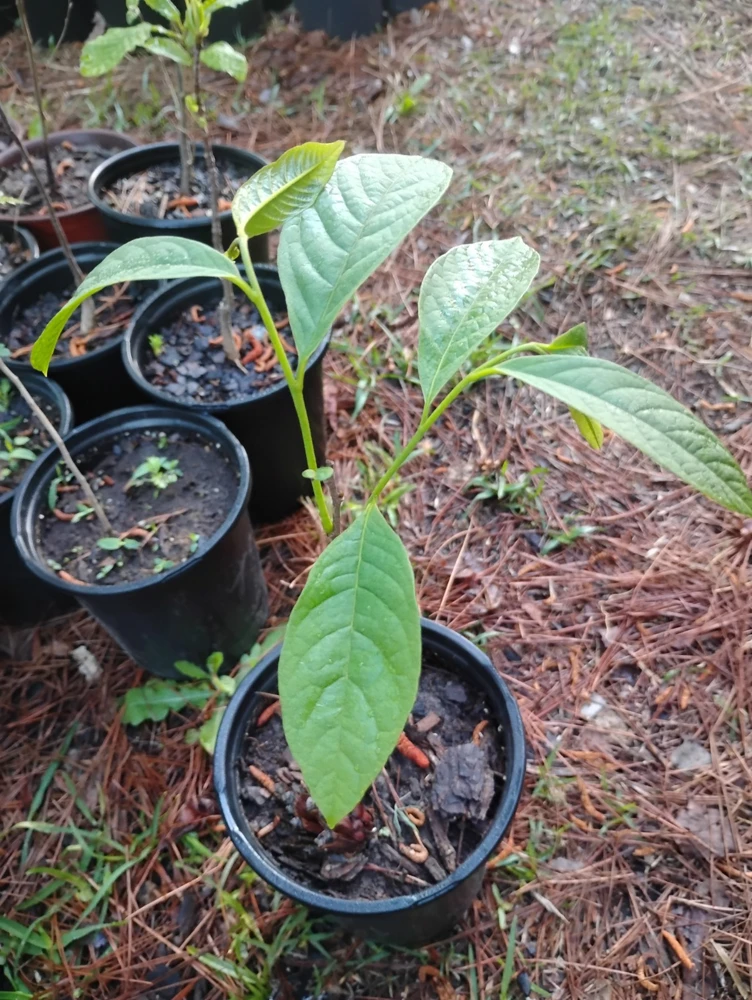
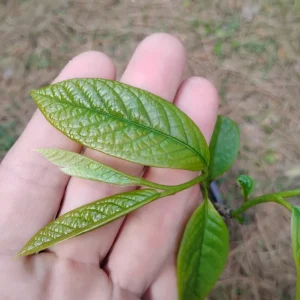
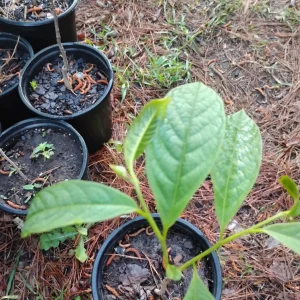
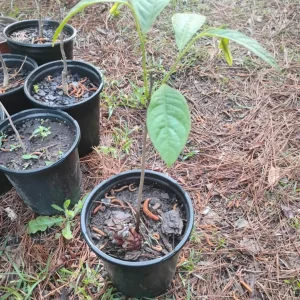
American Paw Paw Tree Live Plant – 1 Gallon Pot, Young Tree, Outdoor
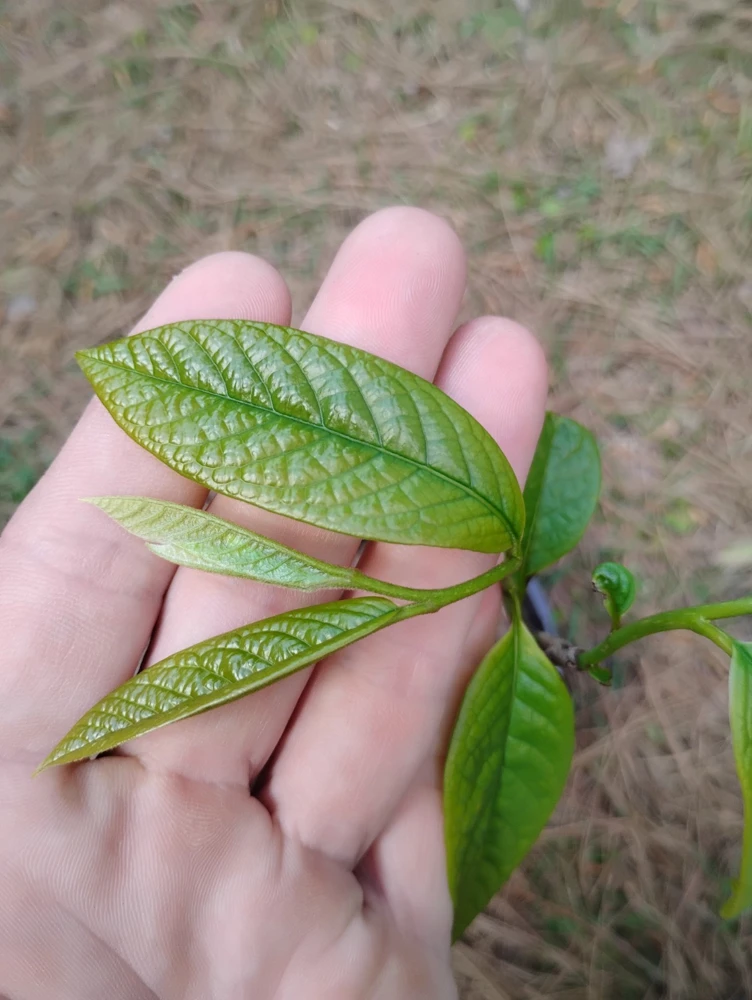
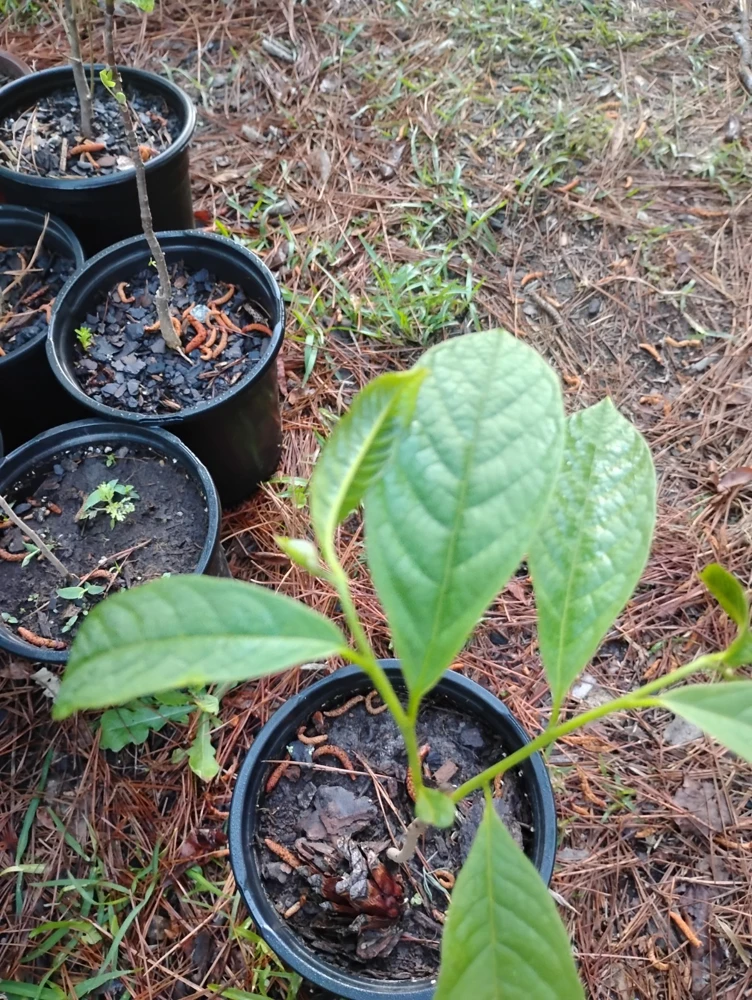
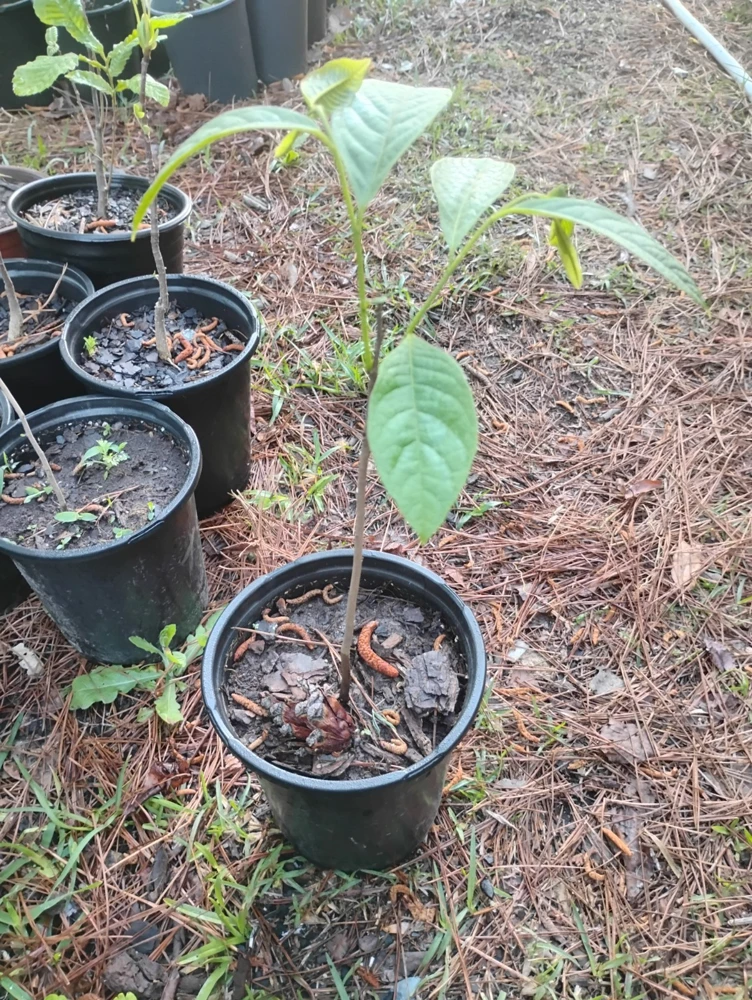
Cultivate the unique and delicious fruit of the American Paw Paw Tree live plant. This young tree, shipped in a 1-gallon pot, is ideal for outdoor cultivation and offers a taste of North America’s largest native fruit. Enjoy its fast growth and beautiful foliage.
Original price was: $43.98.$33.98Current price is: $33.98.

With our Alive & Thrive Guarantee, we’ve got your back for the first 30 days! If you have any concerns about your plants, just reach out to us. Our team is here to help answer your questions and guide you in selecting the best plants for your garden, climate, and unique preferences. We're excited to help you create the garden of your dreams!
Estimated arrival
Oct 14
Oct 19 - Oct 21
Oct 24 - Oct 28
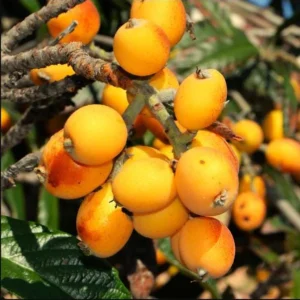
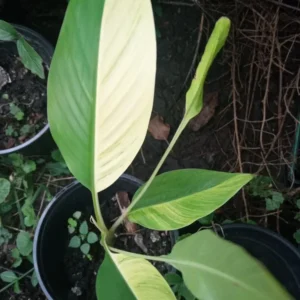
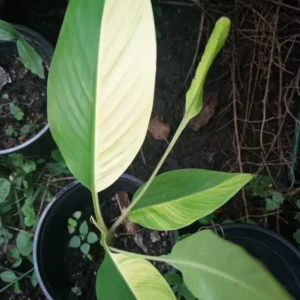
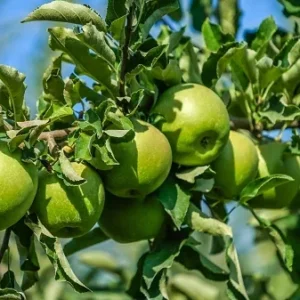
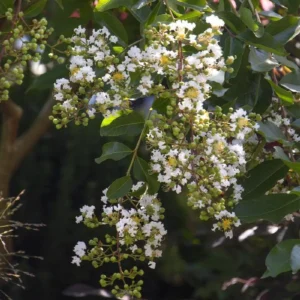
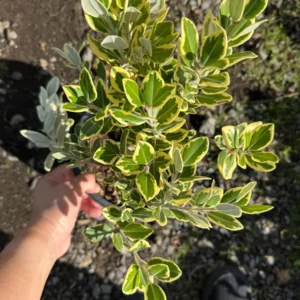
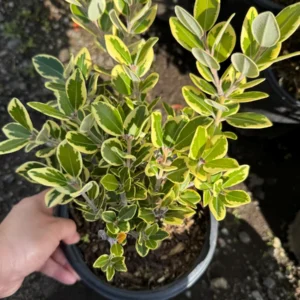
Product Details
-
USDA Hardiness Zone
USDA zones 5-9 -
Soil type
Loam, Silt, Clay, Sand; well-draining -
Sunlight Exposure
Full Sun, Medium Sun -
Expected Planting Period
Spring to early fall
Overview
Discover the joy of growing your own American Paw Paw Tree live plant, a fascinating and rewarding addition to any garden. Known scientifically as Asimina triloba plant, the paw paw tree is native to the eastern United States and is celebrated for its unique, tropical-flavored fruit. This particular offering is a healthy, young tree, carefully cultivated and shipped in a 1-gallon pot, ready for planting in your outdoor space. The paw paw fruit, often described as a blend of mango, banana, and pineapple, ripens in the fall, providing a delectable treat. Beyond its delicious fruit, the American Paw Paw Tree live plant also boasts attractive foliage and contributes to local biodiversity, making it a valuable and intriguing choice for both edible landscaping and native plant enthusiasts.
These trees are resilient and relatively low-maintenance once established, making them suitable for a variety of gardeners. The American Paw Paw Tree live plant is a deciduous tree, showcasing vibrant green leaves throughout the growing season and often turning a lovely yellow in the fall before dropping its leaves. Its unique flowers appear in early spring before the leaves, adding an interesting visual element to your garden. Cultivating a paw paw tree allows you to enjoy fresh, organic fruit that is rarely found in grocery stores due to its delicate nature and short shelf life.
Key Benefits
Adding an American Paw Paw Tree live plant to your landscape offers numerous advantages, from its unique fruit to its ecological contributions:
- Unique Fruit Production: Enjoy harvesting your own delicious paw paw fruits, known for their creamy texture and exotic, custard-like flavor profile that combines notes of banana, mango, and pineapple. This fruit is a rare delicacy.
- Native Plant Appeal: As a native tree to North America, the American Paw Paw Tree live plant is well-adapted to local climates and soils, contributing to the ecological health of your garden and supporting local wildlife.
- Fast Growth Rate: This tree exhibits a fast growth rate, meaning you can look forward to a mature, fruit-bearing tree sooner. Its vigorous growth helps it establish quickly in the landscape.
- Attractive Foliage: The large, dark green leaves provide ample shade and a lush, tropical appearance during the summer, transforming into a beautiful yellow in the autumn, adding seasonal interest.
- Potted for Easy Planting: Arriving in a 1-gallon pot, this young tree is ready for immediate transplanting, minimizing stress and ensuring a smooth transition to its new home in your garden.
- Pet and Child Safe: The American Paw Paw Tree is considered safe for both children and pets, offering peace of mind for families with young ones or furry friends.
- Supports Pollinators: The unique, maroon flowers attract specific pollinators, such as flies and beetles, which are essential for fruit set, contributing to local ecosystem health.
Plant Care & Growing Tips
Caring for your American Paw Paw Tree live plant is straightforward, especially when you understand its specific needs. Paw paw trees thrive in locations with full sun to medium sun exposure, requiring at least 6 hours of direct sunlight per day for optimal fruit production. While young trees benefit from some afternoon shade during their first year or two to prevent leaf scorch, established trees prefer full sun. For watering, paw paws prefer consistently moist but not waterlogged soil. Medium watering is generally recommended, ensuring the soil remains damp. During dry spells, especially in the first few years, regular deep watering is crucial. The best way to gauge soil moisture is to check the top inch or two; if it feels dry, it’s time to water.
The ideal soil for paw paw tree care is well-draining and rich in organic matter. They can tolerate a range of soil types, including loam, silt, clay, and sand, but prefer a neutral pH. Amending heavy clay soils with compost can improve drainage, while adding organic matter to sandy soils can help retain moisture. Fertilization can be done in early spring with a balanced, slow-release fertilizer designed for fruit trees, following the product’s instructions. Keep an eye out for common pests and diseases, though paw paws are generally quite resistant. Pruning is usually minimal, focusing on removing dead, damaged, or crossing branches to maintain good air circulation and shape. Understanding how to grow paw paw fruit successfully often involves planting at least two genetically distinct trees for cross-pollination, as most paw paws are not self-fertile.
These trees are hardy and can withstand a good range of temperatures, typically thriving in USDA zones 5-9. They require a certain number of chilling hours in winter to produce fruit. Protecting young trees from harsh winter winds in colder zones can be beneficial. Regular mulching around the base of the tree will help retain soil moisture, regulate soil temperature, and suppress weeds, further aiding in effective paw paw tree care.
Size & Details
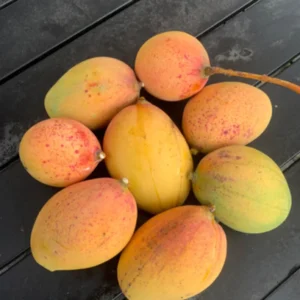
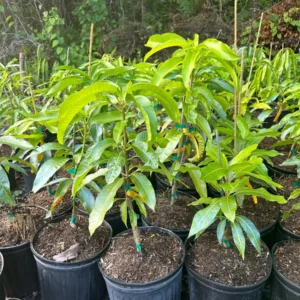
This American Paw Paw Tree live plant is a young tree, approximately 18 inches in height and 6 inches in both length and width, shipped in a 1-gallon pot. It arrives in a potted form, ensuring a healthy root system and an easier transition to your garden. The tree has a straight growth habit and is actively growing, ready to establish quickly. With a fast growth rate, you can expect this tree to grow vigorously once planted in its permanent location. The foliage is green, and while not currently fruiting, it has the potential to produce green, red, and yellow paw paw fruits. The plant form is specifically a young, potted tree, making it convenient for immediate planting. It will typically begin to bear fruit within 3-5 years after planting, providing a rewarding experience for those who grow paw paw fruit.
Each order includes one healthy Asimina triloba plant, carefully packaged to ensure its safe arrival. The tree weighs approximately 1 lb 12 oz. It is grown in the United States and is adapted to various climates, including Tropical, Humid Subtropical, and Sub-tropical conditions. The plant is considered child and pet safe, making it a great choice for family gardens. It is a true outdoor plant, designed to thrive in garden settings, offering a sustainable and delicious source of fruit for years to come. This particular specimen is in a vigorous growth stage, poised for continued development in your landscape.
Frequently Asked Questions
- Q: How big does this American Paw Paw Tree live plant get? A: While this is a young tree about 18 inches tall, mature paw paw trees can reach heights of 15-20 feet, sometimes up to 30 feet, with a spread of 15-20 feet. Its final size depends on growing conditions and pruning.
- Q: What size pot does it come in? A: This American Paw Paw Tree live plant is shipped in a sturdy 1-gallon nursery pot, which provides ample space for its root system during transit and until planting. It should be transplanted to a larger garden spot soon after arrival.
- Q: Is this an indoor or outdoor plant? A: The American Paw Paw Tree live plant is strictly an outdoor plant. It requires specific environmental conditions, including a period of winter dormancy and specific pollinators, to thrive and produce fruit.
- Q: How much sunlight does it need? A: For optimal growth and fruit production, the paw paw tree needs full sun exposure, meaning at least 6 hours of direct sunlight daily. Young trees may benefit from some afternoon shade in their first year.
- Q: Is this plant easy to care for? A: Yes, once established, the Asimina triloba plant is relatively low-maintenance. It’s known for its disease and pest resistance. The main care involves consistent watering, especially when young, and ensuring proper soil conditions.
- Q: What condition will it arrive in? A: Your American Paw Paw Tree live plant will arrive as a healthy, potted young tree, carefully packaged to protect it during shipping. It will be ready for planting upon arrival.
- Q: When is the best time to plant this paw paw tree? A: The best time to plant your paw paw tree is in the spring or early fall. This allows the tree to establish its root system before the stress of summer heat or winter cold.
- Q: Will it survive winter in my zone? A: The paw paw tree is hardy in USDA Zones 5-9. If you are within these zones, your tree should survive winter. It requires a certain number of chilling hours for fruit production.
- Q: What kind of soil does the American Paw Paw Tree live plant prefer? A: Paw paw trees prefer deep, fertile, well-draining soil with a neutral pH. They can tolerate various soil types including loam, silt, clay, and sand, as long as drainage is adequate.
- Q: How long until it starts producing fruit? A: Typically, a young American Paw Paw Tree live plant will begin to produce fruit within 3 to 5 years after planting, provided it has suitable growing conditions and cross-pollination from another genetically distinct paw paw tree.
Related products

-50%
Original price was: $180.99.$89.89Current price is: $89.89.
-20%
Original price was: $90.00.$72.00Current price is: $72.00.
PLANTING & CARE
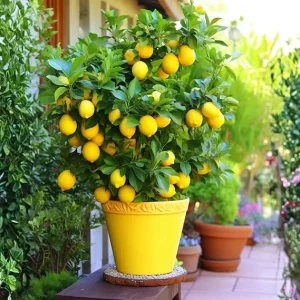
Lemon Tree Growing: Choose, Plant, and Harvest
Learn how to choose, plant, feed, and protect a lemon tree so it fits your
23
Sep
Sep
Dwarf Meyer Lemon Tree Australia: Climate Guide
Learn where dwarf Meyer lemon trees grow, how much cold they tolerate, and whether Australia,
Where to Buy a Dwarf Meyer Lemon Tree: Buyer’s Guide
Find the right dwarf Meyer lemon tree online or locally, compare starter sizes and costs,
Dwarf Meyer Lemon Tree for Sale: Buying Guide
Compare Meyer lemon tree sizes, prices, shipping limits, indoor growing and California options before you
Dwarf Meyer Lemon Tree Guide: Size, Care and Fruit
META: Learn how large a dwarf Meyer lemon tree grows, where it thrives, and how
How to Prune a Dwarf Meyer Lemon Tree
Learn when and how to prune a dwarf Meyer lemon tree, including tools, shaping cuts,
Can You Grow a Dwarf Meyer Lemon Tree in a Pot?
META: Learn how to grow a dwarf Meyer lemon tree in a pot, including container
When Do Dwarf Meyer Lemon Trees Bloom and Fruit?
META: Dwarf Meyer lemon trees usually bloom from winter through spring and may flower again