Washington Hawthorn Tree Live Plant – 1 Quart Pot, Outdoor Shade Tree
-33%
Washington Hawthorn Tree Live Plant – 1 Quart Pot, Outdoor Shade Tree
Bring beauty and wildlife appeal to your garden with a Washington Hawthorn tree. This Crataegus phaenopyrum is a versatile, fast-growing deciduous tree, shipped as a young plant in a 1 quart pot. Enjoy its white spring flowers, vibrant red fall berries, and attractive branching habit.
Original price was: $29.98.$19.98Current price is: $19.98.

With our Alive & Thrive Guarantee, we’ve got your back for the first 30 days! If you have any concerns about your plants, just reach out to us. Our team is here to help answer your questions and guide you in selecting the best plants for your garden, climate, and unique preferences. We're excited to help you create the garden of your dreams!
Estimated arrival
Oct 14
Oct 19 - Oct 21
Oct 24 - Oct 28


Product Details
-
USDA Hardiness Zone
USDA Zones 4-8 -
Soil type
Clay, Loam, Peat, Sand (well-draining) -
Sunlight Exposure
Full Sun -
Expected Planting Period
Spring to Fall
Overview
Transform your outdoor space with the graceful and resilient Washington Hawthorn tree. This beautiful deciduous tree, scientifically known as Crataegus phaenopyrum, is a fantastic addition to any landscape, offering year-round interest. Known for its adaptability and hardiness, this live plant arrives as a young tree, carefully nurtured in a 1 quart pot, ready for planting in your garden. The Washington Hawthorn is celebrated for its stunning display of white flowers in spring, followed by bright red berries that persist into winter, providing a vital food source for birds and adding a splash of color against dormant landscapes. Its dense, branching habit also makes it an excellent choice for a specimen tree or as part of a mixed border. This particular hawthorn tree care guide will help you cultivate a thriving tree, ensuring it becomes a cherished part of your garden for years to come.
Originally native to the southeastern United States, the Washington Hawthorn tree thrives in a variety of climates, from humid continental to temperate zones. Its robust nature and attractive features make it a popular choice for both urban and rural settings. As a relatively fast-growing tree, it quickly establishes itself, offering shade and beauty. With its seasonal charm and ecological benefits, a live hawthorn plant is an investment in the long-term health and aesthetics of your garden.
Key Benefits
The Washington Hawthorn tree offers a multitude of benefits, making it an excellent choice for gardeners seeking both beauty and ecological value. Its versatility and hardiness ensure it will thrive with proper hawthorn tree care, enhancing your outdoor environment significantly.
- Stunning Seasonal Display: Enjoy a captivating show throughout the year, starting with clusters of delicate white flowers in late spring, followed by glossy green foliage in summer, and vibrant orange-red leaves in fall. The bright red berries add a festive touch that lasts well into winter, making this a true four-season tree.
- Wildlife Attraction: The persistent red berries are a crucial food source for various bird species during the colder months, while the spring flowers attract pollinators, contributing to local biodiversity. Planting a Washington Hawthorn tree supports local ecosystems.
- Drought Tolerance: Once established, this tree exhibits good drought tolerance, reducing the need for frequent watering and making it a low-maintenance option for busy gardeners. This characteristic simplifies hawthorn tree care.
- Adaptable to Various Soils: The Washington Hawthorn is not particular about soil type, thriving in everything from clay to sand, as long as it’s well-draining. This adaptability makes it suitable for a wide range of garden conditions.
- Fast Growth Rate: Known for its fast growth, this tree quickly matures to provide shade and visual interest, allowing you to enjoy its full beauty sooner. It’s an excellent shade tree for garden planning.
- Attractive Branching Structure: Its dense, branching habit provides a strong architectural element to the landscape, even when deciduous, creating visual interest year-round.
- Urban Resiliency: The Crataegus phaenopyrum is highly tolerant of urban conditions, including pollution, making it a reliable choice for city gardens and street plantings.
Plant Care & Growing Tips
Proper hawthorn tree care is straightforward, ensuring your Washington Hawthorn tree thrives and provides years of beauty. This hardy deciduous tree is forgiving but benefits greatly from understanding its specific needs, especially when establishing your live hawthorn plant. For optimal growth, plant your tree in a location that receives full sun, meaning at least six hours of direct sunlight per day. While it can tolerate partial shade, full sun promotes the best flowering and berry production. The Washington Hawthorn is adaptable to various soil types, including clay, loam, peat, and sand, but it absolutely requires well-draining conditions to prevent root rot. A slightly acidic to neutral soil pH is preferred.
Watering should be consistent, especially during the first year after planting, to help the tree establish a strong root system. Aim for medium watering, ensuring the soil remains consistently moist but not waterlogged. Once established, the Crataegus phaenopyrum becomes quite drought tolerant, though supplemental watering during prolonged dry spells will be beneficial. Fertilization is generally not necessary for established trees in good soil, but a balanced slow-release fertilizer can be applied in early spring for young trees to encourage vigorous growth. Pruning is best done in late winter or early spring while the tree is dormant. Focus on removing dead, damaged, or crossing branches to maintain a healthy structure and good air circulation. Be mindful of the thorns, as they are a natural safety feature of the tree. The Washington Hawthorn tree is hardy in USDA Zones 4-8, making it suitable for a broad range of climates.
Common issues to watch for include cedar-hawthorn rust and leaf spot, though modern cultivars often show good resistance. Ensuring good air circulation through proper spacing and pruning can help mitigate these fungal diseases. With these simple hawthorn tree care practices, your plant will grow into a magnificent shade tree for garden enjoyment, providing beautiful flowers, berries, and fall color.
Size & Details
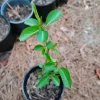
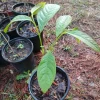
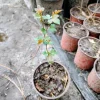
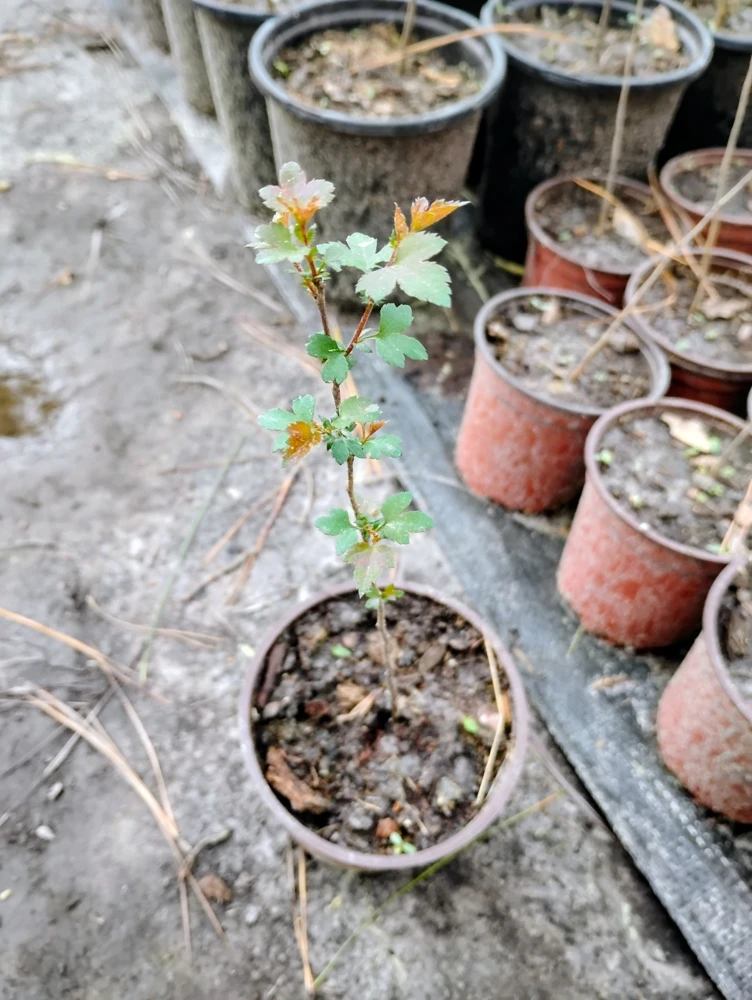
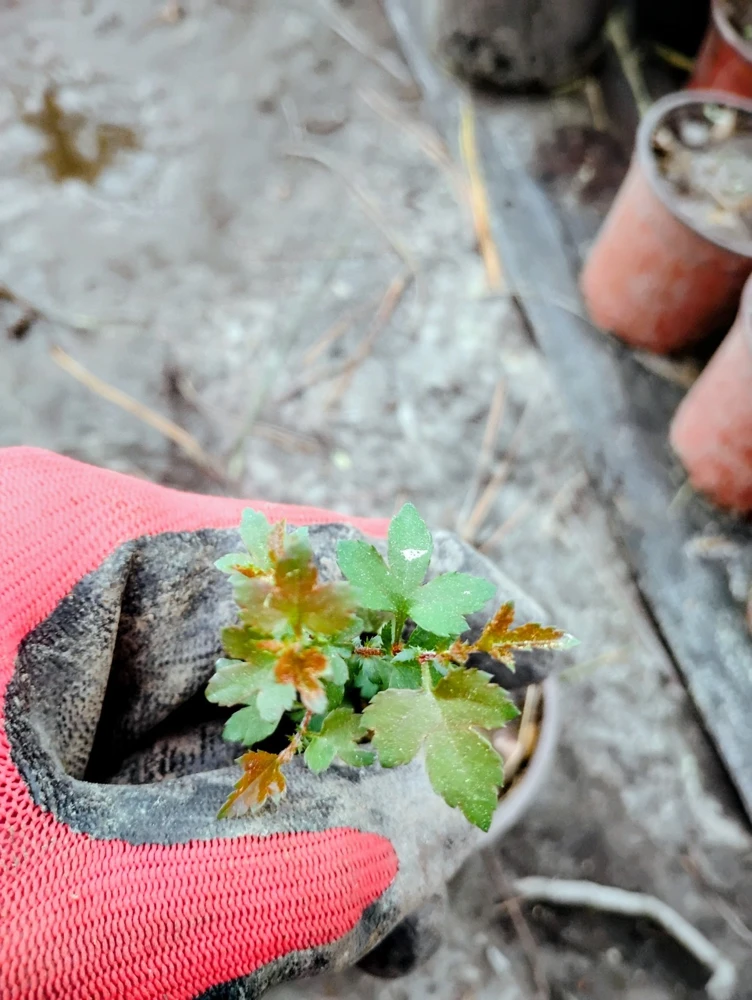
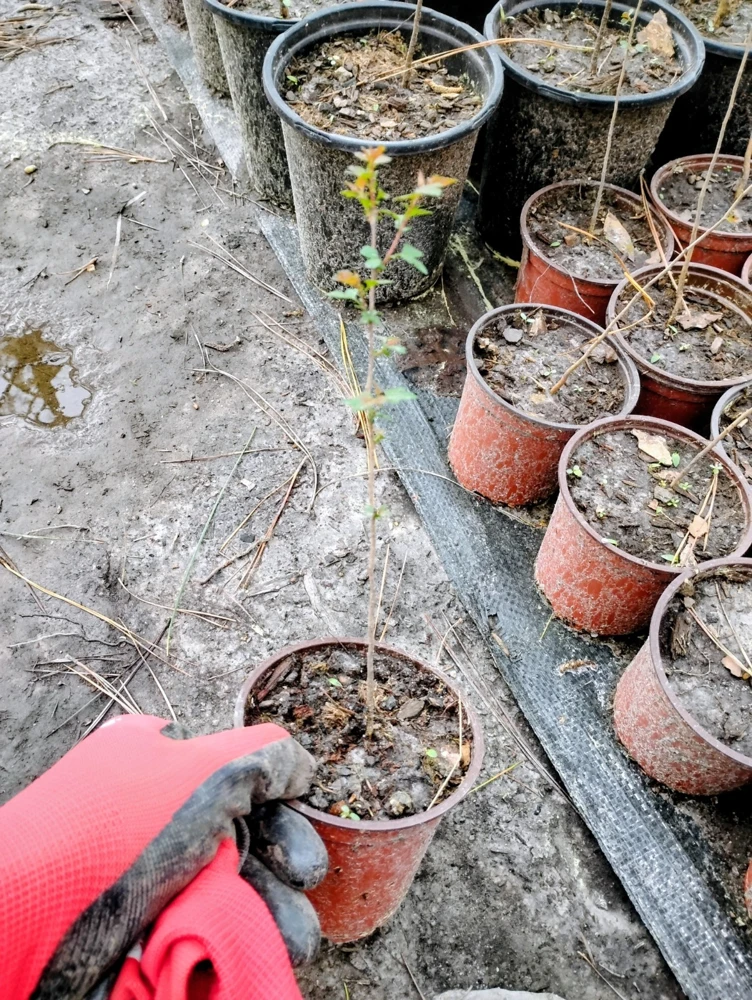
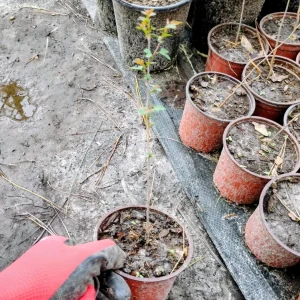
This Washington Hawthorn tree is supplied as a young, actively growing live plant, carefully cultivated and shipped in a 1 quart pot. At the time of shipping, the plant typically stands approximately 14 inches tall, with a width and length of about 4 inches, indicating a healthy, well-rooted specimen. The young tree is in its growth stage, ready to establish quickly in your garden. This particular species, Crataegus phaenopyrum, is known for its fast growth rate, meaning it will mature relatively quickly to provide substantial shade and ornamental value. When mature, the Washington Hawthorn can reach a height of 25-30 feet with a similar spread, developing a dense, rounded to oval crown.
The tree features a branching growth habit and arrives potted, ensuring minimal transplant shock. Its foliage is green, transitioning to brilliant red and orange in the fall. White flowers bloom in spring, followed by bright red berries. This plant is intended for outdoor cultivation, thriving in various climates including Humid Continental, Humid Subtropical, Marine West Coast, Sub-tropical, and Temperate zones. The inclusion of a flower pot with the plant ensures it has a good start before being transplanted into its permanent location in your garden. Expect a beautiful and enduring shade tree for garden enjoyment.
Frequently Asked Questions
- Q: How big does this Washington Hawthorn tree get? A: When fully mature, the Washington Hawthorn tree typically reaches a height of 25-30 feet with a similar spread, forming a dense, rounded to oval canopy. Its fast growth rate means it will establish quickly in your garden.
- Q: What size pot does it come in? A: This live hawthorn plant is shipped in a 1 quart pot, providing a healthy root system for successful transplanting into your garden.
- Q: Is this an indoor or outdoor plant? A: The Crataegus phaenopyrum is an outdoor tree, ideal for landscaping, garden planting, and creating a natural habitat. It is not suitable for indoor cultivation.
- Q: How much sunlight does it need? A: For the best flowering and berry production, your Washington Hawthorn tree requires full sun, meaning at least 6 hours of direct sunlight per day. It can tolerate partial shade but may have fewer blooms and berries.
- Q: Is this plant easy to care for? A: Yes, the Washington Hawthorn tree is known for being relatively low-maintenance and hardy once established. Basic hawthorn tree care involves proper watering during establishment and occasional pruning.
- Q: What condition will it arrive in? A: Your live hawthorn plant will arrive as a young, potted tree, approximately 14 inches tall, with healthy foliage and a well-developed root system, ready for planting.
- Q: How long until it blooms and produces berries? A: While the tree is young, it may take a few years to establish and begin consistent flowering and fruiting. Once mature, you can expect white blooms in spring and red berries in fall.
- Q: Will it survive winter in my zone? A: The Washington Hawthorn tree is very cold hardy and thrives in USDA Zones 4 through 8, making it suitable for a wide range of temperate climates.
- Q: What type of soil is best for this tree? A: This tree is adaptable to various soil types including clay, loam, peat, and sand, but it absolutely requires good drainage to prevent root issues. A slightly acidic to neutral pH is preferred.
- Q: Can this tree be used as a hedge? A: Due to its dense, branching habit and thorns, the Washington Hawthorn tree can be effectively used to create a formidable and beautiful hedge or barrier, offering both aesthetic appeal and security.
Related products
-50%
Original price was: $180.99.$89.89Current price is: $89.89.
-42%
Original price was: $56.99.$33.29Current price is: $33.29.

-20%
Original price was: $36.00.$28.80Current price is: $28.80.
PLANTING & CARE
Lemon Tree Growing: Choose, Plant, and Harvest
Learn how to choose, plant, feed, and protect a lemon tree so it fits your
23
Sep
Sep
Dwarf Meyer Lemon Tree Australia: Climate Guide
Learn where dwarf Meyer lemon trees grow, how much cold they tolerate, and whether Australia,
Where to Buy a Dwarf Meyer Lemon Tree: Buyer’s Guide
Find the right dwarf Meyer lemon tree online or locally, compare starter sizes and costs,
Dwarf Meyer Lemon Tree for Sale: Buying Guide
Compare Meyer lemon tree sizes, prices, shipping limits, indoor growing and California options before you
Dwarf Meyer Lemon Tree Guide: Size, Care and Fruit
META: Learn how large a dwarf Meyer lemon tree grows, where it thrives, and how
How to Prune a Dwarf Meyer Lemon Tree
Learn when and how to prune a dwarf Meyer lemon tree, including tools, shaping cuts,
Can You Grow a Dwarf Meyer Lemon Tree in a Pot?
META: Learn how to grow a dwarf Meyer lemon tree in a pot, including container
When Do Dwarf Meyer Lemon Trees Bloom and Fruit?
META: Dwarf Meyer lemon trees usually bloom from winter through spring and may flower again