Ann Magnolia Tree Live Plant – Purple Red Flowers Shrub – 1-2 ft Tall in Gallon Pot – Outdoor
-50%
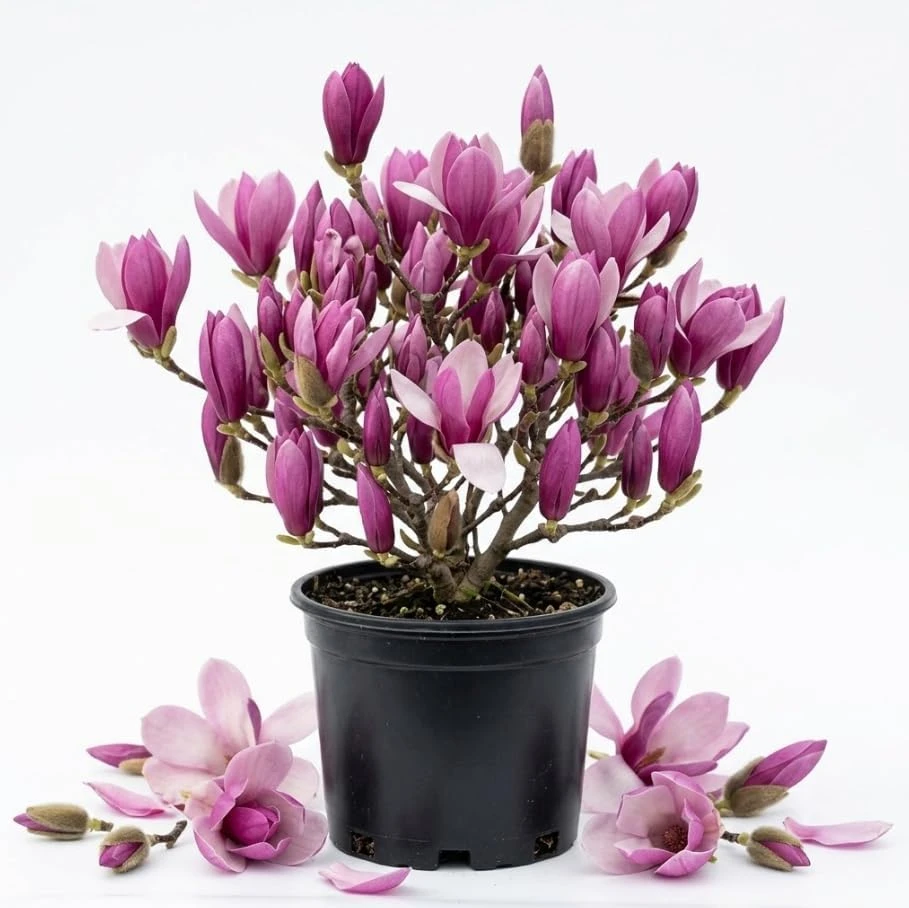
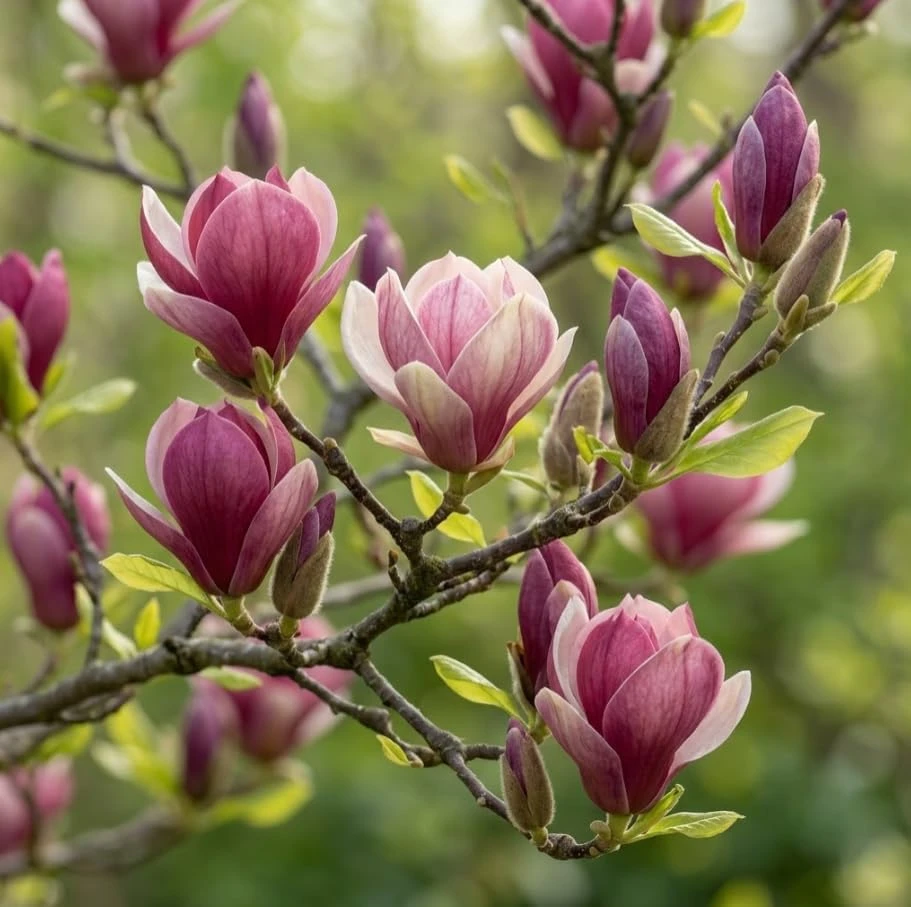
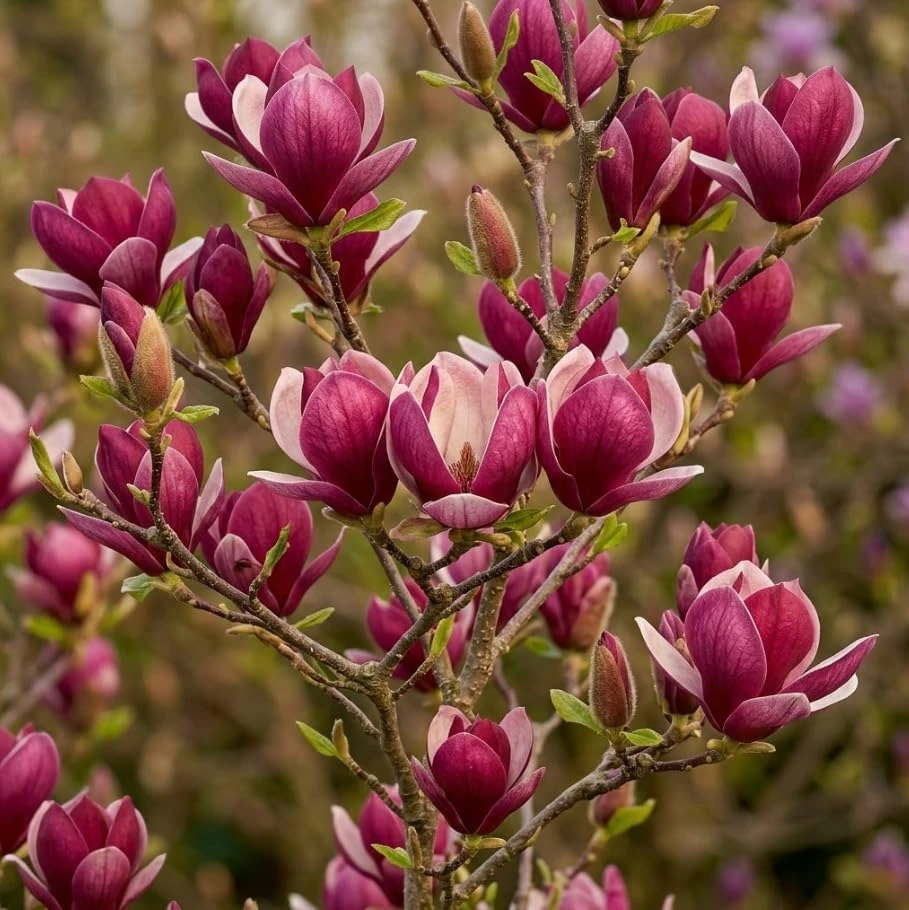
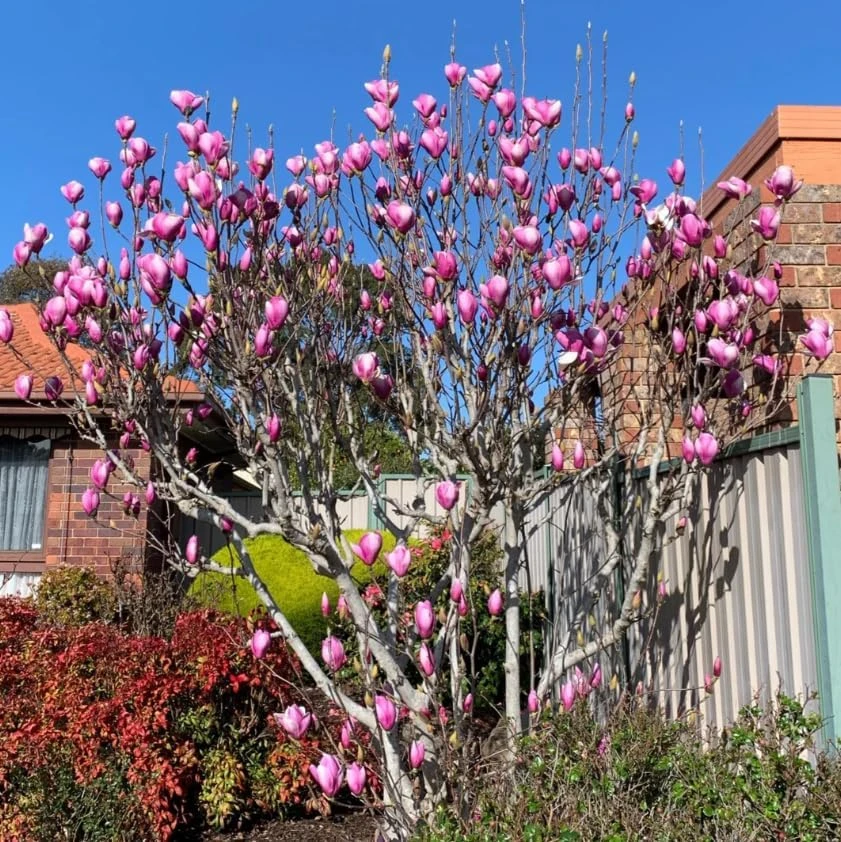
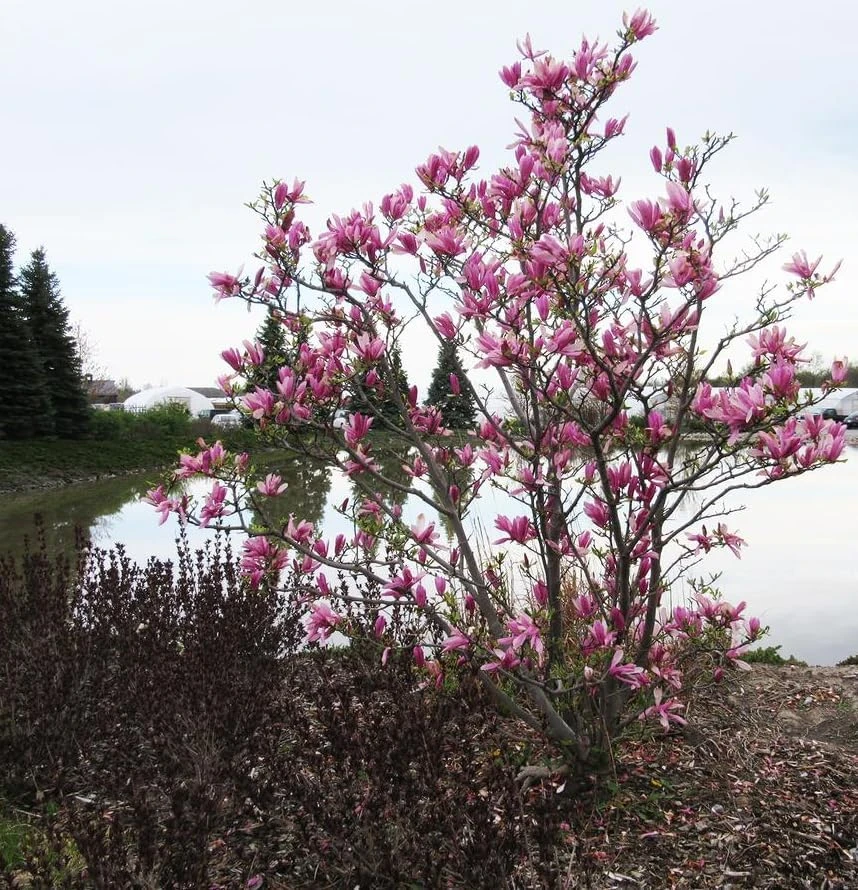
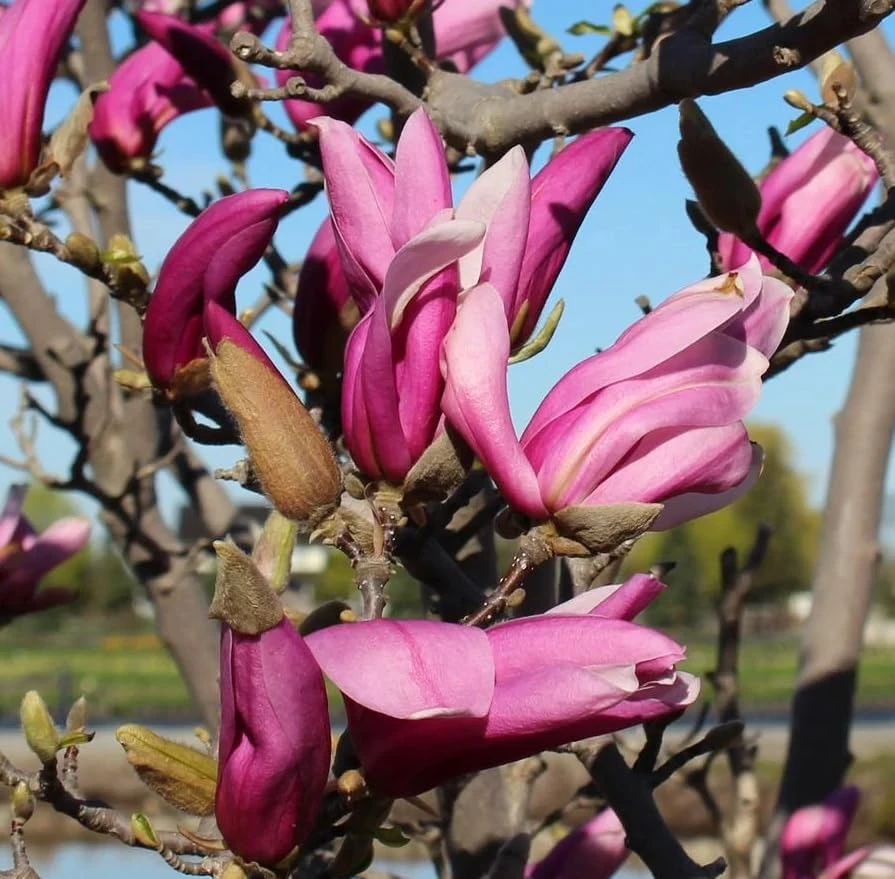
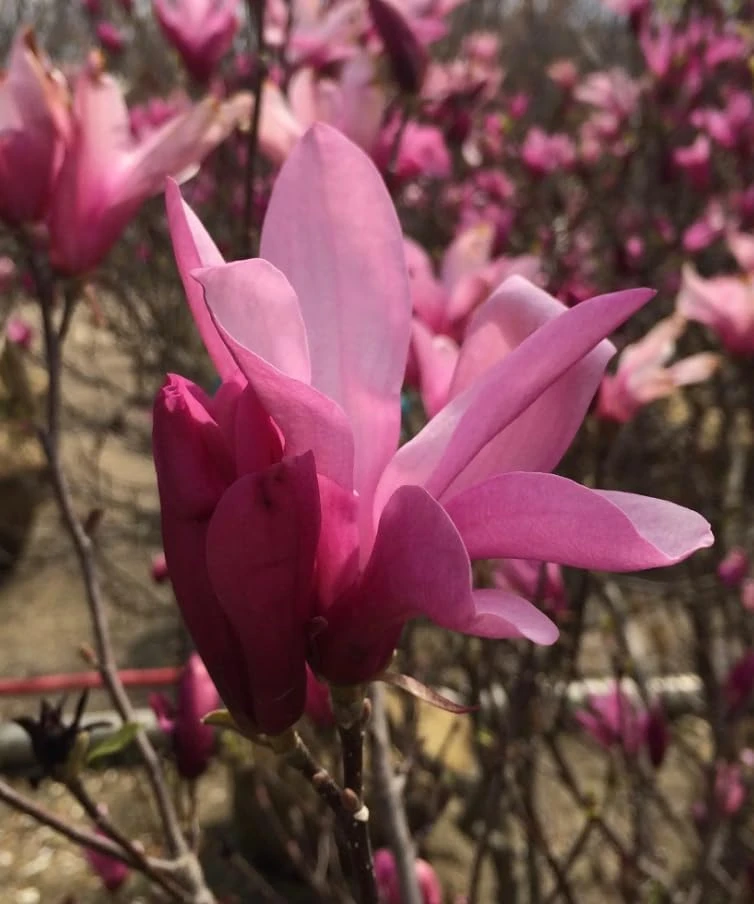
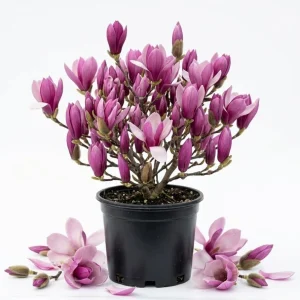
Ann Magnolia Tree Live Plant – Purple Red Flowers Shrub – 1-2 ft Tall in Gallon Pot – Outdoor
Introduce vibrant color and sweet fragrance to your garden with the Ann Magnolia tree live plant. This compact, deciduous shrub offers stunning purple-red blooms, perfect for borders, small gardens, or as an accent. Standing 1-2 ft tall in a gallon pot, it’s ready to thrive outdoors and bring elegant beauty to your landscape.
Original price was: $121.98.$60.99Current price is: $60.99.

With our Alive & Thrive Guarantee, we’ve got your back for the first 30 days! If you have any concerns about your plants, just reach out to us. Our team is here to help answer your questions and guide you in selecting the best plants for your garden, climate, and unique preferences. We're excited to help you create the garden of your dreams!
Estimated arrival
Oct 29
Nov 03 - Nov 05
Nov 08 - Nov 12
Product Details
-
USDA Hardiness Zone
USDA Zones 4-8 -
Soil type
Well-draining, fertile, slightly acidic soil -
Sunlight Exposure
Full sun to partial shade -
Expected Planting Period
Spring to early fall
Overview
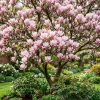
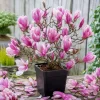
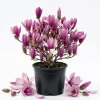
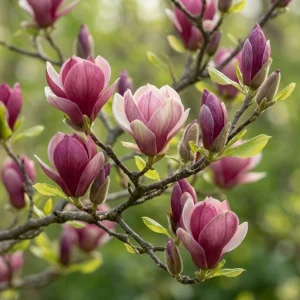
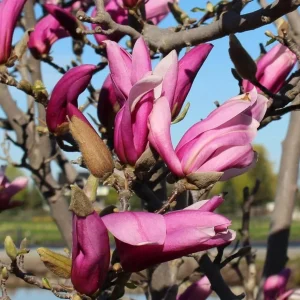
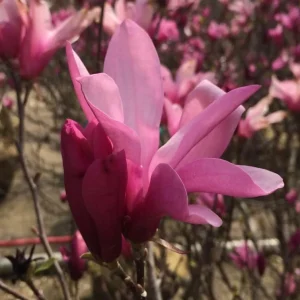
Bring the timeless elegance of magnolias to your outdoor space with the Ann Magnolia tree live plant. This exquisite deciduous shrub is celebrated for its breathtaking purple-red flowers that emerge in early spring, often before the foliage, creating a spectacular display. The ‘Ann’ variety is part of the ‘Little Girl’ series of hybrid magnolias, known for their compact size, making them an excellent choice for a variety of garden settings. Each plant arrives standing 12 to 18 inches tall and is potted in a gallon pot, an ideal size for transplanting into your garden bed, border, or a larger container. The vibrant blooms not only offer visual appeal but also release a delightful, sweet fragrance, transforming your garden into a sensory paradise. Whether you’re a seasoned gardener or just starting, the Ann Magnolia tree live plant is a rewarding addition, promising years of beauty and charm.
Key Benefits
The Ann Magnolia offers a wealth of benefits, making it a highly desirable plant for any garden or landscape. Its striking appearance and easy-care nature ensure it stands out.
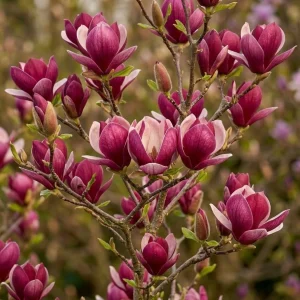
- Stunning Floral Display: Enjoy an abundance of rich purple-red, cup-shaped flowers that appear in early spring. These showy blooms provide a dramatic splash of color when most other plants are just beginning to wake up, ensuring your garden is vibrant and captivating.
- Delightful Fragrance: The sweet-scented magnolia blossoms fill the air with a captivating aroma, enhancing the sensory experience of your outdoor living spaces. This natural perfume adds another layer of charm to your garden.
- Compact Growth Habit: As a compact magnolia plant, the ‘Ann’ variety is perfect for smaller gardens, urban landscapes, or container planting. It typically grows to a manageable height, allowing it to fit seamlessly into various design schemes without overwhelming the space.
- Versatile Landscaping Use: Ideal for use as a specimen plant, in mixed borders, foundation plantings, or as a decorative accent. Its striking flowers and attractive foliage make it a focal point wherever it’s placed.
- Easy to Grow: This magnolia shrub is relatively low-maintenance, thriving in well-drained soil with full sun to partial shade. It’s a robust plant that can adapt to various conditions, making it suitable for gardeners of all experience levels.
- Early Bloomer: Be one of the first to enjoy spring flowers. The Ann Magnolia often blooms earlier than many other shrubs and trees, providing much-needed color after the winter months.
Plant Care & Growing Tips
Caring for your Ann Magnolia tree live plant is straightforward, and with the right conditions, it will flourish and provide stunning blooms year after year. Understanding its specific needs will ensure a healthy and vigorous plant. For optimal growth, plant your magnolia in a location that receives full sun to partial shade. Full sun (at least 6 hours of direct sunlight daily) will encourage the most prolific blooming, while partial shade can be beneficial in hotter climates to protect the delicate flowers from scorching afternoon sun. Ensure the planting site has good air circulation.
When it comes to watering, consistent moisture is key, especially during the first growing season as the plant establishes its root system. Water deeply and regularly, ensuring the soil remains evenly moist but not waterlogged. Once established, the Ann Magnolia is moderately drought-tolerant but will perform best with supplemental watering during dry spells. The ideal soil for this purple magnolia shrub is well-drained, fertile, and slightly acidic (pH 5.5-6.5). Amending heavy clay soils with organic matter like compost can improve drainage and aeration. A layer of mulch around the base of the plant will help retain soil moisture, regulate soil temperature, and suppress weeds.
The Ann Magnolia is hardy in USDA zones 4-8. Protect young plants from harsh winter winds in colder zones. Fertilize in early spring with a balanced, slow-release fertilizer formulated for acid-loving plants. Follow package instructions for application rates. Pruning is generally minimal, focusing on removing any dead, damaged, or crossing branches after flowering. Avoid heavy pruning, as magnolias tend to bleed sap. Keep an eye out for common pests like scale insects or magnolia scale, and treat with horticultural oil if necessary. With proper care, your sweet magnolia flowers will be a highlight of your garden.
Size & Details
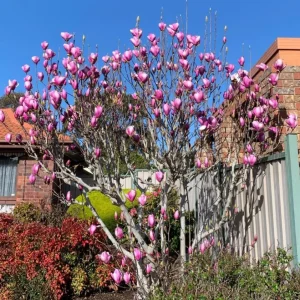
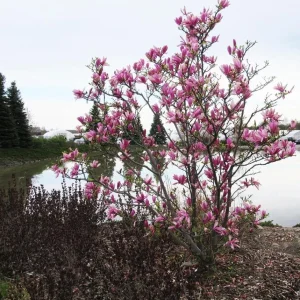
The Ann Magnolia tree live plant is a fantastic choice for adding structure and beauty to your garden. Each plant arrives standing approximately 12 to 18 inches tall, measured from the soil line, and is securely potted in a gallon-sized container. This size is ideal for immediate transplanting, allowing the plant to quickly establish itself in its new environment. The ‘Ann’ magnolia is known for its moderate growth rate, typically adding 12-24 inches of height per year under optimal conditions. When mature, this compact deciduous shrub generally reaches a height of 8-10 feet and a spread of 6-8 feet, making it a perfect fit for smaller garden spaces, borders, or even as a striking specimen plant in a large patio container.
You can expect your Ann Magnolia to begin producing its characteristic purple-red, cup-shaped flowers in early spring, usually from April to May, often before the leaves emerge. The plant ships as a healthy, actively growing specimen, ready to be planted and enjoyed. Its robust root system, developed in the gallon pot, ensures a smooth transition to your garden. This outdoor flowering trees variety is a long-lived plant, providing many years of ornamental value and fragrant blooms to your landscape.
Frequently Asked Questions
- Q: How big does this plant get? A: The Ann Magnolia tree live plant typically grows to a mature height of 8-10 feet with a spread of 6-8 feet. Its compact size makes it suitable for various garden settings, including smaller spaces.
- Q: What size pot does it come in? A: Each plant arrives potted in a gallon-sized container, standing approximately 12 to 18 inches tall from the soil line. This size is perfect for transplanting into your garden or a larger decorative pot.
- Q: Is this an indoor or outdoor plant? A: The Ann Magnolia is an outdoor plant, best suited for garden beds, borders, or large outdoor containers. It requires the seasonal changes and environmental conditions found outdoors to thrive and bloom.
- Q: How much sunlight does it need? A: For the best blooming performance, the purple magnolia shrub prefers full sun (at least 6 hours of direct sunlight daily). It can tolerate partial shade, especially in hotter climates, but may produce fewer flowers.
- Q: Is this plant easy to care for? A: Yes, the Ann Magnolia is considered relatively easy to care for. It requires well-drained soil, consistent watering during establishment, and a sunny to partially shaded location. Minimal pruning is needed.
- Q: What condition will it arrive in? A: Your Ann Magnolia tree live plant will arrive as a healthy, actively growing plant, securely packaged in its gallon pot, ready for planting. We take great care to ensure it reaches you in excellent condition.
- Q: When is the best time to plant? A: The best time to plant your Ann Magnolia is in early spring or early fall. This allows the plant sufficient time to establish its root system before the extreme heat of summer or the cold of winter.
- Q: Will it survive winter in my zone? A: The Ann Magnolia is hardy in USDA Zones 4-8. If you are within these zones, it should successfully overwinter outdoors. In colder zones, some winter protection may be beneficial for young plants.
- Q: Does this plant have fragrant flowers? A: Yes, one of the delightful features of the sweet magnolia flowers is their pleasant, sweet fragrance. The blossoms will add a lovely aroma to your garden space, enhancing its overall appeal.
- Q: Can I grow this compact magnolia plant in a container? A: Absolutely! Its compact size makes the Ann Magnolia an excellent candidate for growing in large containers on patios or decks, provided the container has good drainage and is large enough to accommodate its root system.
Related products
-50%
Original price was: $59.98.$29.99Current price is: $29.99.
-30%
Original price was: $73.98.$51.78Current price is: $51.78.

PLANTING & CARE
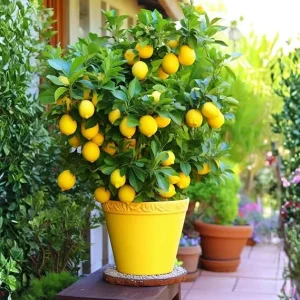
Lemon Tree Growing: Choose, Plant, and Harvest
Learn how to choose, plant, feed, and protect a lemon tree so it fits your
23
Sep
Sep
Dwarf Meyer Lemon Tree Australia: Climate Guide
Learn where dwarf Meyer lemon trees grow, how much cold they tolerate, and whether Australia,
Where to Buy a Dwarf Meyer Lemon Tree: Buyer’s Guide
Find the right dwarf Meyer lemon tree online or locally, compare starter sizes and costs,
Dwarf Meyer Lemon Tree for Sale: Buying Guide
Compare Meyer lemon tree sizes, prices, shipping limits, indoor growing and California options before you
Dwarf Meyer Lemon Tree Guide: Size, Care and Fruit
META: Learn how large a dwarf Meyer lemon tree grows, where it thrives, and how
How to Prune a Dwarf Meyer Lemon Tree
Learn when and how to prune a dwarf Meyer lemon tree, including tools, shaping cuts,
Can You Grow a Dwarf Meyer Lemon Tree in a Pot?
META: Learn how to grow a dwarf Meyer lemon tree in a pot, including container
When Do Dwarf Meyer Lemon Trees Bloom and Fruit?
META: Dwarf Meyer lemon trees usually bloom from winter through spring and may flower again