Apricot Tree Live Plant – Rooted Stock, Up to 2 ft Tall, Deciduous Outdoor Fruit Tree
-50%
Apricot Tree Live Plant – Rooted Stock, Up to 2 ft Tall, Deciduous Outdoor Fruit Tree
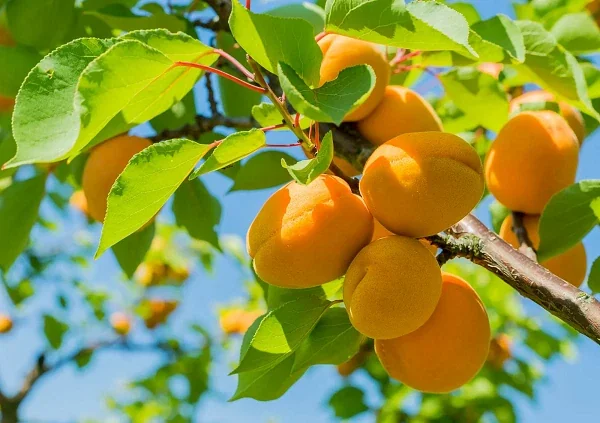
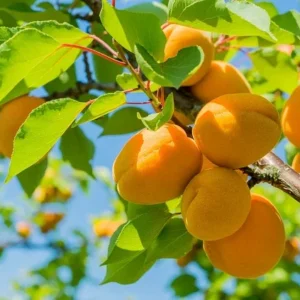
Cultivate your own orchard with a healthy apricot tree live plant. This rooted new stock is ready for planting and can reach up to 2 ft tall, offering the promise of sweet, juicy fruit. Ideal for outdoor planting, it’s a perfect addition to any garden.
Original price was: $81.98.$40.99Current price is: $40.99.

With our Alive & Thrive Guarantee, we’ve got your back for the first 30 days! If you have any concerns about your plants, just reach out to us. Our team is here to help answer your questions and guide you in selecting the best plants for your garden, climate, and unique preferences. We're excited to help you create the garden of your dreams!
Estimated arrival
Oct 14
Oct 19 - Oct 21
Oct 24 - Oct 28


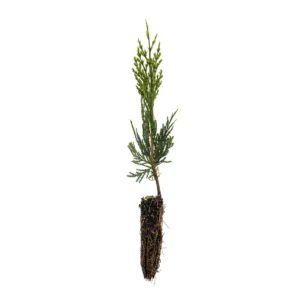
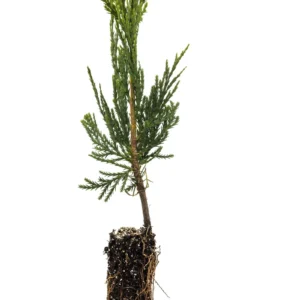
Product Details
-
USDA Hardiness Zone
4-8 -
Soil type
Well-draining loamy soil -
Sunlight Exposure
Full sun -
Expected Planting Period
Early spring or fall
Overview
Bring the joy of homegrown fruit to your garden with this robust apricot tree live plant. This new, rooted stock offers a fantastic opportunity for gardeners to cultivate their own delicious apricots. Standing at up to 2 ft tall, these starter trees are well-established and ready for successful transplanting into your landscape. Apricot trees (Prunus armeniaca) are cherished for their beautiful spring blossoms, which give way to succulent, golden-orange fruits in late summer. This deciduous fruit tree is a rewarding addition, providing both aesthetic appeal and a bountiful harvest. Whether you’re an experienced horticulturist or just beginning your journey in fruit tree cultivation, this apricot tree live plant provides a strong foundation for a thriving, productive tree.
Our apricot tree live plant specimens are carefully nurtured to ensure they arrive healthy and vigorous, prepared to adapt to their new environment. These young trees are an excellent choice for establishing a new home orchard or simply adding a single fruit-bearing tree to your yard. With proper care, these plants will grow into mature trees capable of producing a generous yield of fresh apricots, perfect for eating fresh, baking, or preserving. Invest in the future of your garden with a high-quality apricot tree live plant.
Key Benefits
Choosing an apricot tree live plant for your garden offers numerous advantages, from delightful aesthetics to a rewarding harvest. Here are some of the key benefits:
- Fresh, Delicious Fruit: Enjoy the unparalleled taste of sun-ripened apricots straight from your own tree. Homegrown fruits often have a superior flavor and texture compared to store-bought varieties.
- Beautiful Spring Blossoms: Before the fruit appears, your apricot tree will adorn your garden with delicate, fragrant white or pink blossoms, signaling the arrival of spring and attracting pollinators.
- Shade and Landscape Appeal: As it matures, the apricot tree provides natural shade and enhances the overall beauty of your landscape with its attractive foliage and stately form.
- Gardening Fulfillment: There’s immense satisfaction in nurturing a plant from a young stage to a fruit-bearing tree, providing a connection to nature and a sense of accomplishment.
- Health Benefits: Apricots are rich in vitamins, minerals, and antioxidants, making them a healthy and nutritious snack or ingredient for various culinary creations.
- Supports Local Ecosystem: Planting fruit trees contributes to local biodiversity, providing food and habitat for beneficial insects and birds.
Plant Care & Growing Tips
Successful growing apricot trees requires attention to specific environmental conditions and consistent care. Apricot trees thrive in full sun, meaning they need at least 6-8 hours of direct sunlight per day. Choose a planting site that receives ample morning sun to dry dew and reduce disease risk. They prefer well-draining soil with a pH between 6.0 and 7.0. While they can tolerate various soil types, a loamy soil enriched with organic matter is ideal. Avoid heavy clay soils that retain too much moisture, as this can lead to root rot. If your soil is poor, amend it with compost before planting to improve drainage and fertility.
Watering is crucial, especially for young trees and during dry spells. Water deeply and regularly, ensuring the soil remains consistently moist but not waterlogged. Once established, apricot trees are moderately drought-tolerant but will produce better fruit with consistent moisture. Fertilize your apricot tree live plant in early spring before new growth begins, using a balanced fruit tree fertilizer. Follow the product instructions for application rates. Pruning is essential for maintaining tree health, shape, and fruit production. Prune in late winter or early spring while the tree is dormant to remove dead, damaged, or crossing branches and to open up the canopy for better air circulation and light penetration. Protect young trees from pests and diseases with appropriate organic or chemical treatments as needed.
Apricot trees are typically cold-hardy, with many varieties performing well in USDA Hardiness Zones 4-8. However, they are susceptible to late spring frosts, which can damage blossoms and reduce fruit set. Consider planting in a location protected from harsh winter winds. Proper apricot tree care throughout the year will ensure a healthy tree and a plentiful harvest of delicious fruit.
Size & Details
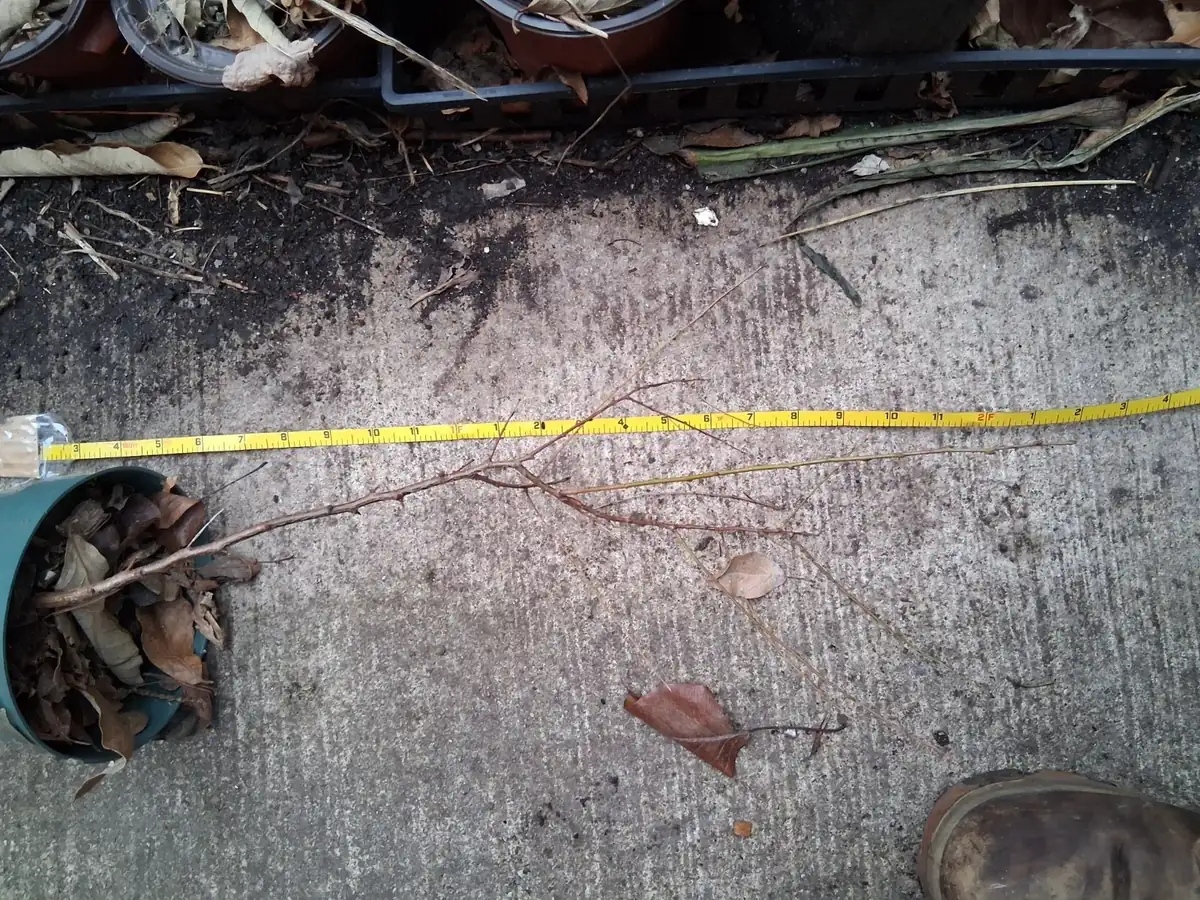
This offering is for one apricot tree live plant, which is new rooted stock, measuring up to 2 ft tall at the time of shipment. As a starter plant, it is well-rooted and prepared for transplanting into your garden. Apricot trees are deciduous, shedding their leaves in the fall and entering a dormant period over winter, which is a natural and healthy part of their growth cycle. The exact growth rate will depend on environmental conditions and care, but with optimal conditions, these trees can grow quite quickly. Expected time to maturity for fruit production can range from 3-5 years, with increasing yields as the tree matures. Your buy apricot tree purchase will arrive ready to be planted directly into your prepared garden bed or a large container, providing you with a head start on cultivating your own fruit.
Frequently Asked Questions
- Q: How big does this plant get? A: This apricot tree live plant is up to 2 ft tall when shipped. Mature apricot trees can reach heights of 15-20 feet, with a similar spread, depending on the variety and pruning practices.
- Q: What size pot does it come in? A: The tree is shipped as rooted stock, typically in a nursery pot or bare-root, ready for immediate planting into a larger container or directly into the ground.
- Q: Is this an indoor or outdoor plant? A: Apricot trees are primarily outdoor plants, requiring full sun and proper chilling hours to produce fruit. They are not suited for long-term indoor cultivation.
- Q: How much sunlight does it need? A: For optimal growth and fruit production, your apricot tree live plant requires at least 6-8 hours of direct sunlight daily.
- Q: Is this plant easy to care for? A: Growing apricot trees is moderately easy for gardeners with some experience. Consistent watering, proper pruning, and pest management are key to success.
- Q: What condition will it arrive in? A: Your apricot tree will arrive as a healthy, rooted starter plant, carefully packaged to ensure its safety during transit. It may be dormant or actively growing depending on the season.
- Q: Is it shipped in soil? A: It will be shipped either in a small nursery pot with soil or as a bare-root plant with roots protected, depending on the nursery’s standard practice and the time of year.
- Q: How long until it blooms? A: Apricot trees typically begin to bloom and produce fruit within 3-5 years after planting, with full production achieved in subsequent years.
- Q: When is the best time to plant? A: The best time for planting a fruit tree nursery apricot tree is in early spring or fall, allowing the roots to establish before extreme weather conditions.
- Q: Will it survive winter in my zone? A: Apricot trees are generally hardy in USDA Zones 4-8. Check your specific local zone to ensure it aligns with the tree’s hardiness range for successful overwintering.
Related products
-42%
Original price was: $56.99.$33.29Current price is: $33.29.
PLANTING & CARE
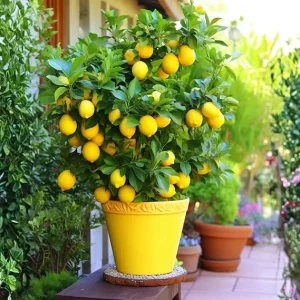
Lemon Tree Growing: Choose, Plant, and Harvest
Learn how to choose, plant, feed, and protect a lemon tree so it fits your
23
Sep
Sep
Dwarf Meyer Lemon Tree Australia: Climate Guide
Learn where dwarf Meyer lemon trees grow, how much cold they tolerate, and whether Australia,
Where to Buy a Dwarf Meyer Lemon Tree: Buyer’s Guide
Find the right dwarf Meyer lemon tree online or locally, compare starter sizes and costs,
Dwarf Meyer Lemon Tree for Sale: Buying Guide
Compare Meyer lemon tree sizes, prices, shipping limits, indoor growing and California options before you
Dwarf Meyer Lemon Tree Guide: Size, Care and Fruit
META: Learn how large a dwarf Meyer lemon tree grows, where it thrives, and how
How to Prune a Dwarf Meyer Lemon Tree
Learn when and how to prune a dwarf Meyer lemon tree, including tools, shaping cuts,
Can You Grow a Dwarf Meyer Lemon Tree in a Pot?
META: Learn how to grow a dwarf Meyer lemon tree in a pot, including container
When Do Dwarf Meyer Lemon Trees Bloom and Fruit?
META: Dwarf Meyer lemon trees usually bloom from winter through spring and may flower again