Bay Laurel Live Plant – Laurus Nobilis Evergreen Shrub Starter Hedge
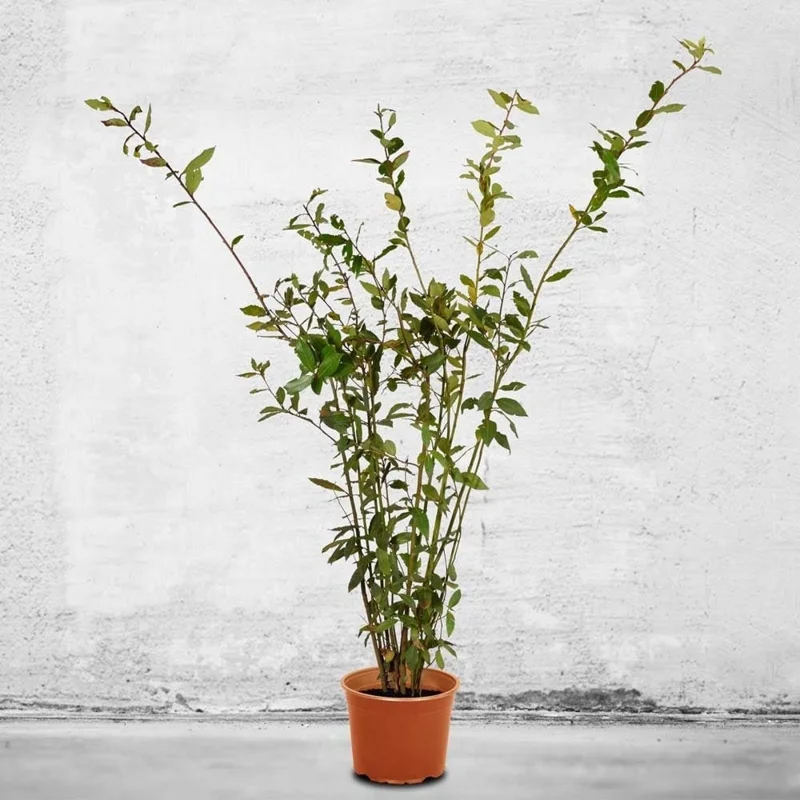
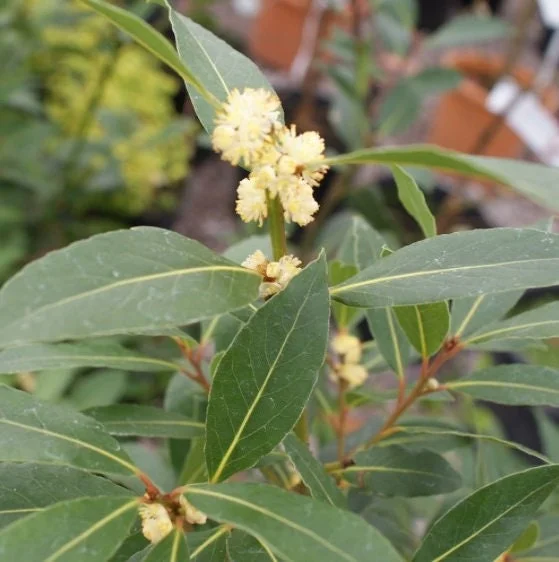
Bay Laurel Live Plant – Laurus Nobilis Evergreen Shrub Starter Hedge
Cultivate a beautiful and functional garden with a bay laurel live plant. This aromatic evergreen shrub, Laurus nobilis, is ideal for creating stunning hedges and provides fragrant leaves for culinary use. Perfect for a sunny spot, it’s a versatile addition to any landscape.
$35.98

With our Alive & Thrive Guarantee, we’ve got your back for the first 30 days! If you have any concerns about your plants, just reach out to us. Our team is here to help answer your questions and guide you in selecting the best plants for your garden, climate, and unique preferences. We're excited to help you create the garden of your dreams!
Estimated arrival
Oct 14
Oct 19 - Oct 21
Oct 24 - Oct 28

Product Details
-
USDA Hardiness Zone
USDA zones 8-10 -
Soil type
Normal, well-draining soil -
Sunlight Exposure
Full sun to partial shade -
Expected Planting Period
Spring to early autumn
Overview
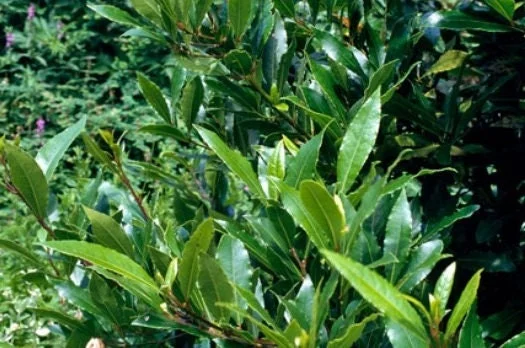
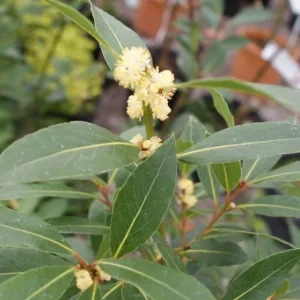
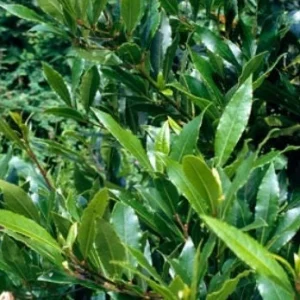
Transform your garden with a versatile and robust bay laurel live plant, scientifically known as Laurus nobilis. This elegant evergreen shrub is renowned for its dark green, glossy foliage and aromatic leaves, which are a staple in many cuisines. While not primarily grown for its blooms, the bay laurel live plant produces subtle yellow flowers in spring, followed by dark berries in autumn, adding seasonal interest to your landscape. Ideal for creating dense hedges, privacy screens, or as a stately standalone specimen, this plant offers both aesthetic appeal and practical benefits. Its resilience and timeless beauty make it a cherished addition to any garden, providing a touch of Mediterranean charm.
A healthy bay laurel live plant starter will thrive in a sunny position with normal soil, making it a relatively low-maintenance choice for gardeners of all levels. Whether you’re looking to establish a formal hedge or simply enjoy the fragrant leaves, this bay laurel live plant is an excellent investment for enduring garden beauty and utility. The sweet bay tree is a classic choice for its ornamental value and delicious leaves.
Key Benefits
The bay laurel live plant offers a multitude of benefits, making it a highly desirable addition to any garden or landscape. Its evergreen nature ensures year-round beauty and interest.
- Aromatic Foliage: The distinctive, fragrant leaves of the bay laurel live plant are widely used in cooking to enhance the flavor of soups, stews, sauces, and roasts. Enjoy fresh herbs directly from your garden.
- Evergreen Beauty: As an evergreen bay laurel, it provides lush, dark green foliage throughout the year, offering continuous visual appeal and serving as an excellent backdrop for other plants.
- Effective Hedging: The dense growth habit of Laurus nobilis makes it perfect for creating privacy screens, garden borders, or formal hedges that add structure and elegance to your outdoor space. A well-maintained laurus nobilis hedge can significantly enhance garden privacy.
- Low Maintenance: This robust shrub requires minimal care, primarily needing just a light trim once a year to maintain its shape and promote healthy growth, making it suitable for busy gardeners.
- Coastal Resilience: While it prefers a sheltered spot, the bay laurel live plant can tolerate coastal conditions, making it a versatile option for various environments, provided it’s protected from strong winds.
- Wildlife Attraction: The berries produced in autumn can attract local birds, adding biodiversity and life to your garden ecosystem.
- Versatile Use: Beyond hedging, it can be grown as a specimen tree or in containers, adapting well to different garden designs and sizes.
Plant Care & Growing Tips
Caring for your bay laurel live plant is straightforward, ensuring a healthy and thriving specimen for years to come. This plant prefers a sunny position, ideally receiving at least 6 hours of direct sunlight daily. While it can tolerate partial shade, full sun promotes denser foliage and better overall health. The ideal soil for Laurus nobilis is well-draining, normal garden soil. Avoid heavy, waterlogged soils, as this can lead to root rot. If your soil is clay-heavy, consider amending it with organic matter like compost to improve drainage.
Watering should be consistent, especially during dry spells and for newly planted specimens. Once established, the bay laurel live plant is relatively drought-tolerant, but regular watering will encourage more vigorous growth. Allow the top inch or two of soil to dry out between waterings. Fertilize in spring with a balanced, slow-release granular fertilizer to support its growth. Pruning is essential for shaping and maintaining your laurus nobilis hedge. A light trim once a year, typically in late spring or early summer after flowering, is usually sufficient. Remove any dead, damaged, or crossing branches to encourage good air circulation and prevent disease. The bay laurel plant care routine is minimal, making it an excellent choice for a low-effort, high-reward plant.
The sweet bay tree is hardy in USDA zones 8-10, tolerating mild winters. In colder regions, it can be grown in containers and brought indoors during the coldest months. Protect young plants from severe frost. While generally pest-resistant, keep an eye out for common issues like scale insects or mealybugs, which can be treated with insecticidal soap. Proper spacing is crucial when planting a laurus nobilis hedge to allow for adequate air flow and growth, typically 2-3 feet apart for a dense hedge.
Size & Details
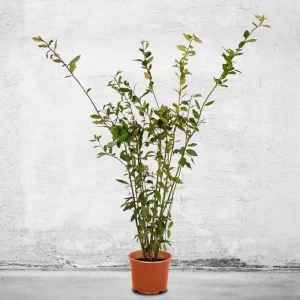
You will receive a healthy bay laurel live plant starter, ready to be planted in your garden or a larger container. While images may depict mature plants, your starter plant will be a robust young specimen, ideal for establishing a hedge or growing into a beautiful standalone tree. The bay laurel live plant is slow-growing, typically achieving 4-8 inches of growth per year. This controlled growth rate makes it an excellent choice for maintaining a desired size and shape without constant pruning.
When mature, Laurus nobilis is ideally kept between 3-6 feet tall for hedging purposes, though it can grow much taller as a tree if left untrimmed. This allows for flexibility in creating a privacy screen or a more ornamental feature. The plant’s adaptability allows it to thrive in various settings, from sunny garden beds to large patio containers. Each plant is carefully selected to ensure you receive a vibrant and healthy starter, poised for successful growth in your home garden. The leaves are aromatic and can be harvested for culinary use as the plant matures.
Frequently Asked Questions
- Q: How big does a bay laurel live plant get? A: A bay laurel live plant is slow-growing, typically adding 4-8 inches per year. For hedges, it is ideally kept between 3-6 feet tall, but it can grow much taller as a standalone tree if unpruned.
- Q: Is this an indoor or outdoor plant? A: The bay laurel live plant is primarily an outdoor evergreen shrub, thriving in full sun. In colder climates (below USDA Zone 8), it can be grown in containers and brought indoors during winter.
- Q: How much sunlight does a laurus nobilis hedge need? A: A laurus nobilis hedge prefers a sunny position, ideally receiving at least 6 hours of direct sunlight per day. It can tolerate partial shade but will grow more vigorously in full sun.
- Q: Is this plant easy to care for? A: Yes, bay laurel plant care is relatively easy. It requires well-draining soil, consistent watering when young, and a light annual trim to maintain its shape, making it suitable for beginners.
- Q: What condition will the sweet bay tree arrive in? A: You will receive a healthy starter sweet bay tree, carefully packaged to ensure its safe arrival. It will be a young plant, ready for transplanting.
- Q: Can I use the leaves of the evergreen bay laurel for cooking? A: Absolutely! The aromatic leaves of the evergreen bay laurel are excellent for culinary use, adding flavor to a variety of dishes. Harvest them fresh from your plant.
- Q: What’s the best time to plant a bay laurel live plant? A: The best time to plant a bay laurel live plant is in spring or early autumn, allowing it to establish its root system before extreme temperatures.
- Q: Will the bay laurel live plant attract pests? A: While generally robust, the bay laurel live plant can occasionally attract pests like scale insects. Regular inspection and prompt treatment with organic solutions can keep your plant healthy.
- Q: What are the water requirements for a bay laurel live plant? A: Water regularly after planting until established. Once mature, the bay laurel live plant is moderately drought-tolerant but benefits from consistent moisture, especially during dry periods.
- Q: Is the bay laurel live plant suitable for a coastal garden? A: Yes, the bay laurel live plant can tolerate coastal sites, but it should be sheltered from strong, direct winds to prevent foliage damage.
Related products
-42%
Original price was: $43.99.$25.59Current price is: $25.59.
-50%
Original price was: $83.00.$41.50Current price is: $41.50.
-20%
Original price was: $20.00.$16.00Current price is: $16.00.
PLANTING & CARE
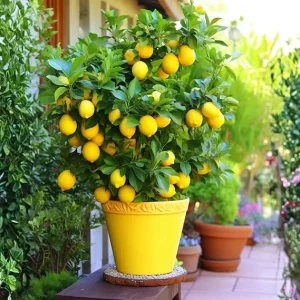
Lemon Tree Growing: Choose, Plant, and Harvest
Learn how to choose, plant, feed, and protect a lemon tree so it fits your
23
Sep
Sep
Dwarf Meyer Lemon Tree Australia: Climate Guide
Learn where dwarf Meyer lemon trees grow, how much cold they tolerate, and whether Australia,
Where to Buy a Dwarf Meyer Lemon Tree: Buyer’s Guide
Find the right dwarf Meyer lemon tree online or locally, compare starter sizes and costs,
Dwarf Meyer Lemon Tree for Sale: Buying Guide
Compare Meyer lemon tree sizes, prices, shipping limits, indoor growing and California options before you
Dwarf Meyer Lemon Tree Guide: Size, Care and Fruit
META: Learn how large a dwarf Meyer lemon tree grows, where it thrives, and how
How to Prune a Dwarf Meyer Lemon Tree
Learn when and how to prune a dwarf Meyer lemon tree, including tools, shaping cuts,
Can You Grow a Dwarf Meyer Lemon Tree in a Pot?
META: Learn how to grow a dwarf Meyer lemon tree in a pot, including container
When Do Dwarf Meyer Lemon Trees Bloom and Fruit?
META: Dwarf Meyer lemon trees usually bloom from winter through spring and may flower again