Black Cherry Tree Live Plant – 2-Year-Old Bare Root Sweet Cherry, 1-2 Ft Tall, Outdoor Hardy Fruit Tree
-54%
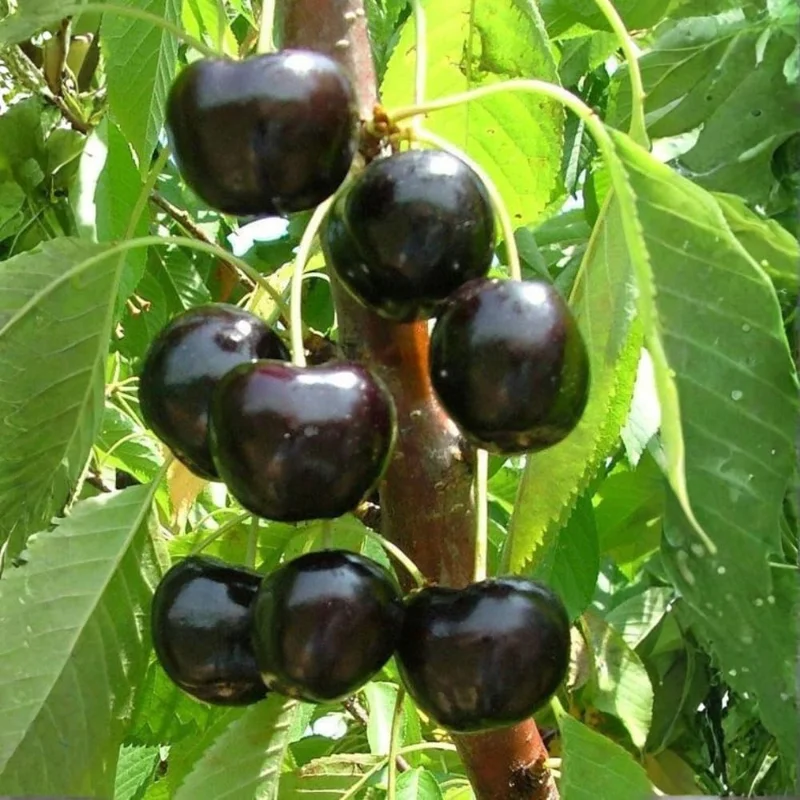
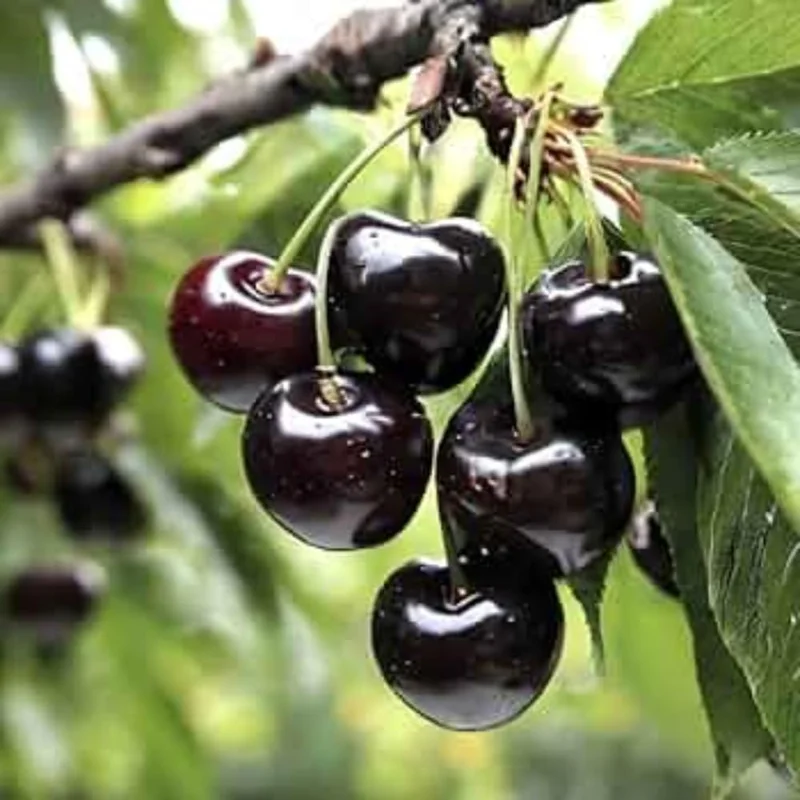
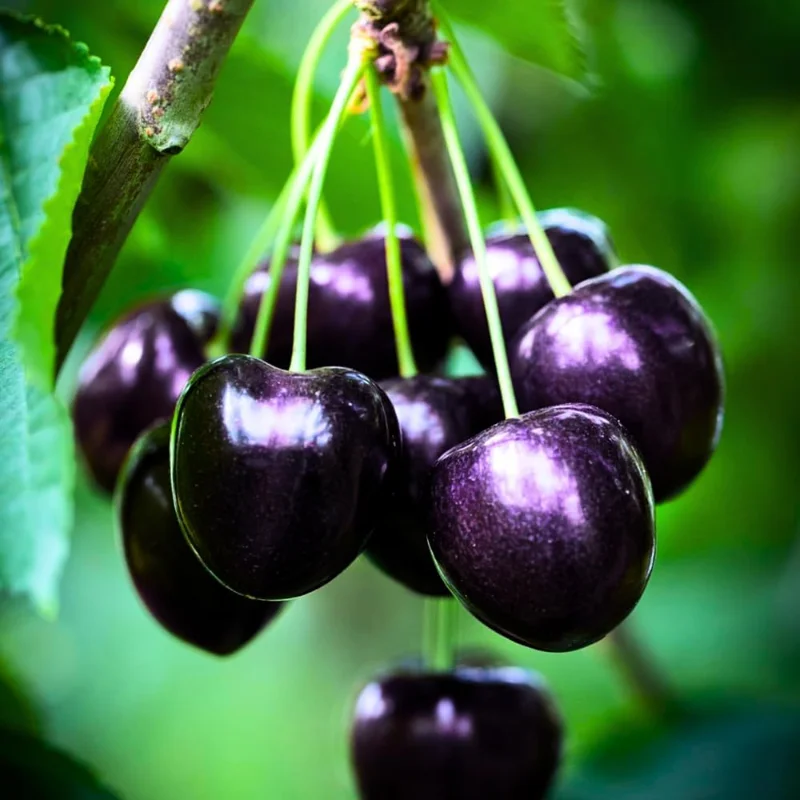
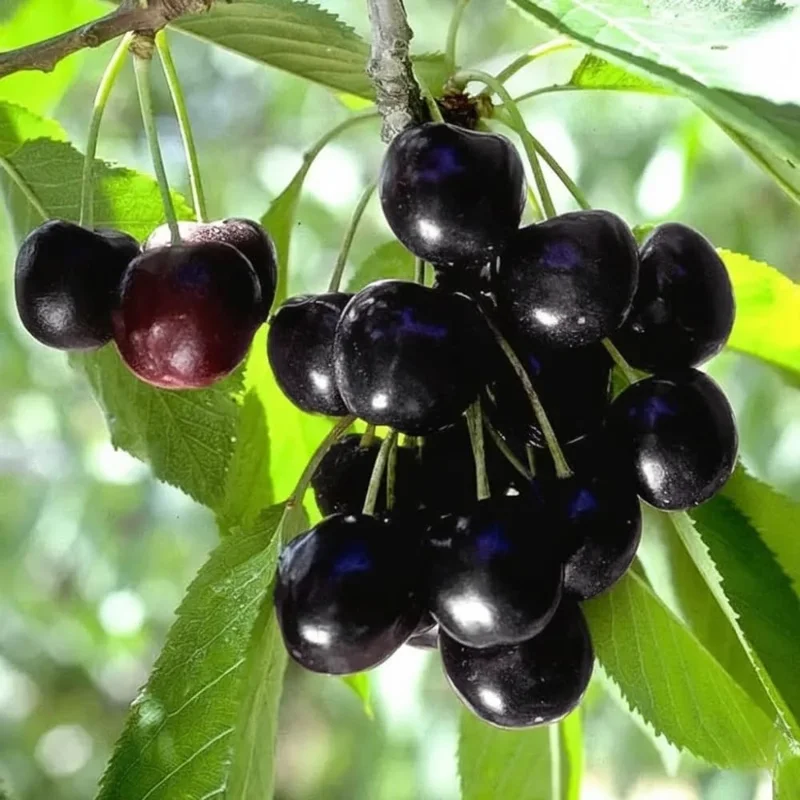
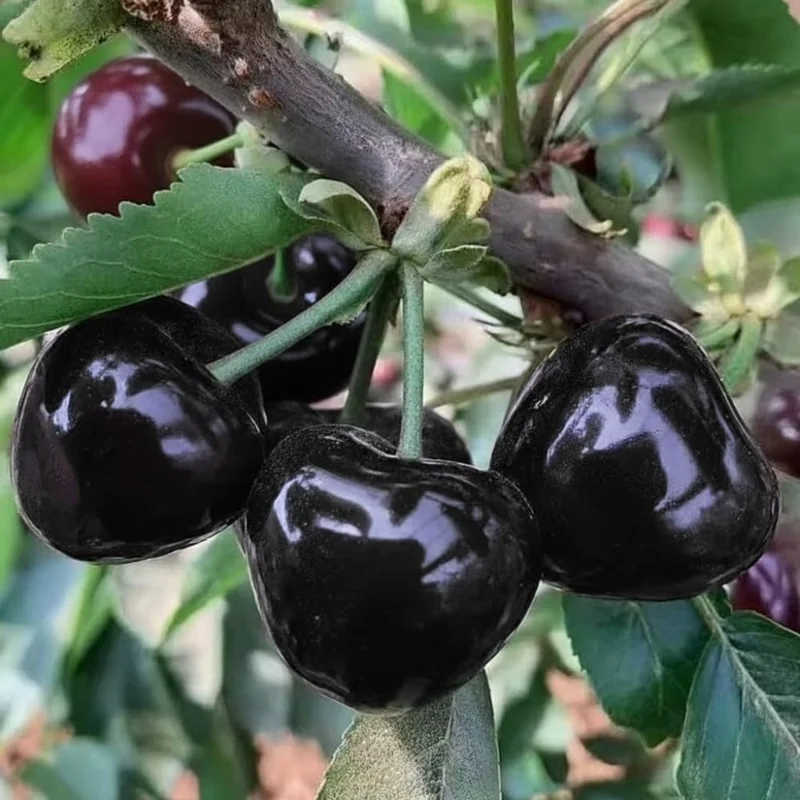
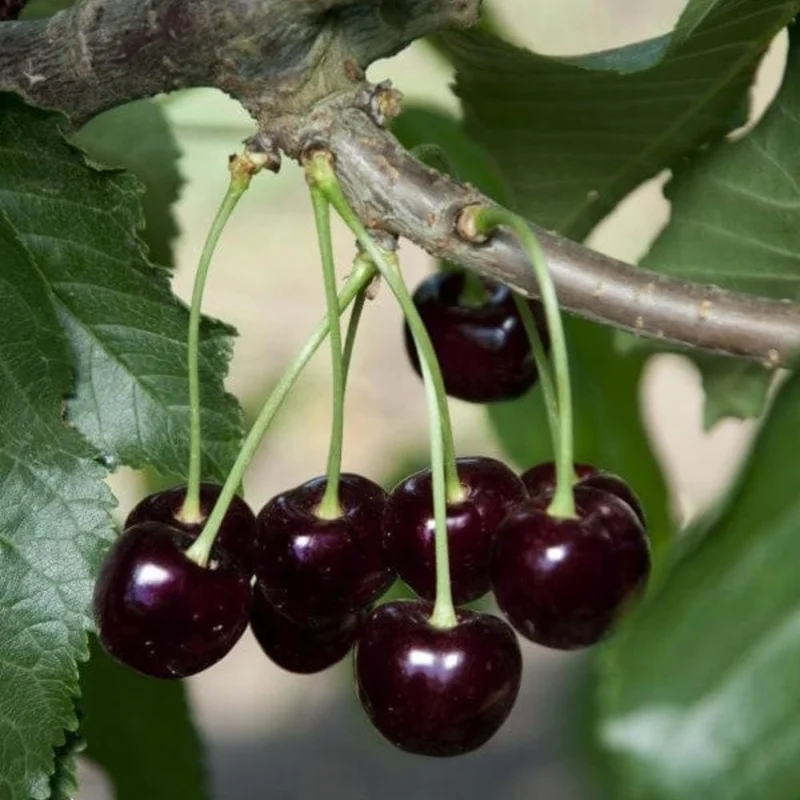
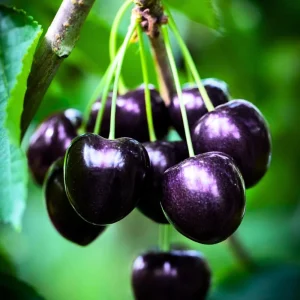
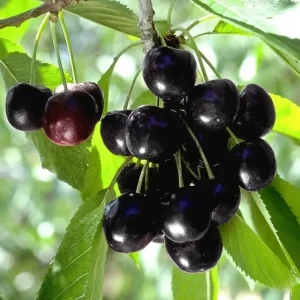
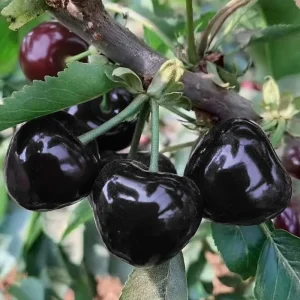
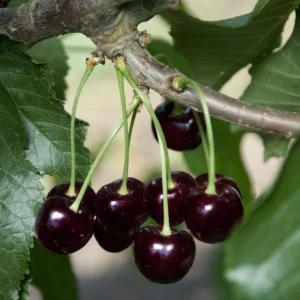
Black Cherry Tree Live Plant – 2-Year-Old Bare Root Sweet Cherry, 1-2 Ft Tall, Outdoor Hardy Fruit Tree
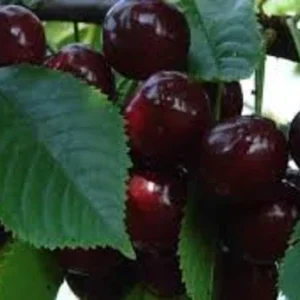
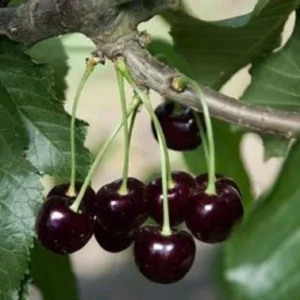
Cultivate your own sweet fruit with this black cherry tree live plant. This offering includes two 2-year-old, 1-2 feet tall, dormant, bare root trees, ready for outdoor planting. Enjoy fresh, delicious cherries from your own garden with these hardy fruit trees.
Original price was: $99.99.$45.99Current price is: $45.99.

With our Alive & Thrive Guarantee, we’ve got your back for the first 30 days! If you have any concerns about your plants, just reach out to us. Our team is here to help answer your questions and guide you in selecting the best plants for your garden, climate, and unique preferences. We're excited to help you create the garden of your dreams!
Estimated arrival
Oct 14
Oct 19 - Oct 21
Oct 24 - Oct 28
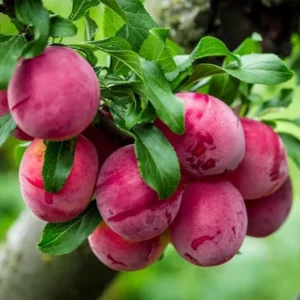
Product Details
-
USDA Hardiness Zone
Zones 3–9 -
Soil type
Well-draining, loamy soil -
Sunlight Exposure
Full Sun -
Expected Planting Period
Early spring or late fall
Overview
Embark on a rewarding gardening journey with our black cherry tree live plant. This offering includes two premium 2-year-old trees, standing at an impressive 1-2 feet tall, provided in a dormant, bare root state. Renowned for their delicious, sweet fruit, these trees are a fantastic addition to any outdoor garden, orchard, or even large patio planters. The black cherry tree, scientifically known as Prunus serotina, is a robust and resilient species, celebrated not only for its delectable fruit but also for its beautiful foliage and ornamental value. Planting these bare root cherry tree specimens allows for a strong start, as they can quickly establish their root systems in their new environment. Prepare to enjoy the bounty of fresh, homegrown cherries for years to come with these exceptional trees.
Key Benefits
Adding a black cherry tree live plant to your landscape offers a multitude of benefits, enhancing both your garden’s aesthetic and your culinary experiences. These sweet cherry plant live specimens are designed to thrive and produce abundant harvests.
- Delicious Fruit Production: Enjoy a consistent supply of fresh, juicy black cherries directly from your garden, perfect for eating fresh, baking, or preserving. The sweet taste is unmatched by store-bought varieties.
- Aesthetic Appeal: Beyond the fruit, these trees provide beautiful spring blossoms and attractive foliage, adding significant visual interest to your yard throughout the seasons. They are truly an ornamental asset.
- Hardy and Resilient: These hardy fruit trees are well-suited for outdoor planting in a wide range of climates, specifically USDA Zones 3-9, ensuring they can withstand various environmental conditions and continue to produce.
- Eco-Friendly Gardening: Growing your own fruit reduces your carbon footprint and provides a sustainable food source, contributing to a healthier planet and a more self-sufficient lifestyle.
- Versatile Planting Options: While ideal for garden beds, these trees can also be successfully grown in large patio planters, making them suitable for various outdoor spaces, including urban environments.
- Long-Term Investment: A well-cared-for black cherry tree can produce fruit for many decades, offering a long-term return on your gardening investment and a legacy for future generations.
- Attracts Wildlife: The blossoms attract pollinators like bees, and the fruit can provide a food source for local birds, contributing to local biodiversity.
Plant Care & Growing Tips
Caring for your black cherry tree live plant is straightforward, especially when provided with the right conditions from the start. These bare root cherry tree specimens require attention to detail during planting and their initial growth phases to ensure robust development and plentiful harvests. Planting should ideally occur in early spring or late fall when the trees are dormant. Dig a hole wide enough to accommodate the spread of the roots and deep enough so that the graft union (if present) is above the soil line. Ensure the roots are spread out naturally and not cramped.
Sunlight Requirements: Black cherry trees thrive in full sun, meaning they need at least 6-8 hours of direct sunlight per day. Choose a location in your garden that receives ample sun exposure throughout the day to maximize fruit production and overall tree health. Moisture Needs: These trees require moderate watering, especially during dry spells and in their first few years of establishment. The soil should be consistently moist but not waterlogged. Once established, they are more tolerant of drought but will perform best with regular irrigation. Soil Type: Black cherry trees prefer well-draining, loamy soil with a slightly acidic to neutral pH (6.0-7.0). Amend heavy clay soils with organic matter to improve drainage and aeration. Temperature Range & USDA Hardiness: These trees are hardy in USDA Zones 3-9, indicating their ability to withstand a wide range of winter temperatures. They require a certain number of chill hours to properly set fruit. Fertilization: Fertilize in early spring with a balanced slow-release fertilizer formulated for fruit trees. Follow package directions carefully to avoid over-fertilization. Pruning: Prune annually in late winter or early spring while the tree is dormant to remove dead, diseased, or crossing branches, and to shape the tree for optimal fruit production and air circulation. This helps maintain a healthy sweet cherry plant live.
Size & Details
This offering includes two black cherry tree live plant specimens, each approximately 2 years old. They arrive in a dormant, bare root condition, which is ideal for transplanting and promotes rapid establishment of the root system. Each tree stands between 1-2 feet tall at the time of shipping, providing a significant head start on growth. These trees are known for their moderate growth rate, typically adding 1-2 feet of height per year once established. When mature, a black cherry tree can reach heights of 20-30 feet with a similar spread, forming a beautiful, spreading canopy. The bare root format means they are shipped without soil, making them lighter and easier to transport, and they require immediate planting upon arrival for best results. Expect these hardy fruit trees to begin producing fruit within 3-5 years after planting, with yields increasing as the tree matures.
Frequently Asked Questions
- Q: How big does this plant get? A: At the time of shipping, these black cherry tree live plant specimens are 1-2 feet tall. Mature black cherry trees can reach heights of 20-30 feet with a similar spread, depending on growing conditions and pruning practices.
- Q: Is this an indoor or outdoor plant? A: This is an outdoor plant, specifically a hardy fruit tree. It requires full sun exposure and is suitable for planting in garden beds or very large outdoor containers.
- Q: How much sunlight does it need? A: Black cherry trees thrive in full sun, requiring at least 6-8 hours of direct sunlight per day to ensure optimal growth and fruit production.
- Q: Is this plant easy to care for? A: With proper initial planting and consistent care during its establishment, these bare root cherry tree specimens are relatively easy to maintain. Regular watering, annual pruning, and appropriate fertilization will keep them healthy.
- Q: What condition will it arrive in? A: The trees are shipped dormant and bare root, meaning they will arrive without leaves or soil, wrapped to protect their root systems. This is a standard and effective method for shipping deciduous fruit trees.
- Q: When is the best time to plant? A: The best time to plant bare root cherry trees is in early spring as soon as the soil can be worked, or in late fall after the leaves have dropped and before the ground freezes.
- Q: Can I grow this sweet cherry plant live in a container? A: Yes, you can grow a black cherry tree in a very large patio planter, but it will require consistent watering and feeding, and may not reach its full mature size compared to being planted in the ground.
- Q: Will it survive winter in my zone? A: These black cherry trees are hardy in USDA Zones 3-9. If you are within these zones, they are expected to survive winter conditions and thrive.
- Q: How long until it produces fruit? A: Typically, a black cherry tree live plant grown from a 2-year-old bare root specimen will begin to produce fruit within 3-5 years after planting, with significant yields increasing in subsequent years.
Related products
-20%
Original price was: $36.00.$28.80Current price is: $28.80.
PLANTING & CARE
Lemon Tree Growing: Choose, Plant, and Harvest
Learn how to choose, plant, feed, and protect a lemon tree so it fits your
23
Sep
Sep
Dwarf Meyer Lemon Tree Australia: Climate Guide
Learn where dwarf Meyer lemon trees grow, how much cold they tolerate, and whether Australia,
Where to Buy a Dwarf Meyer Lemon Tree: Buyer’s Guide
Find the right dwarf Meyer lemon tree online or locally, compare starter sizes and costs,
Dwarf Meyer Lemon Tree for Sale: Buying Guide
Compare Meyer lemon tree sizes, prices, shipping limits, indoor growing and California options before you
Dwarf Meyer Lemon Tree Guide: Size, Care and Fruit
META: Learn how large a dwarf Meyer lemon tree grows, where it thrives, and how
How to Prune a Dwarf Meyer Lemon Tree
Learn when and how to prune a dwarf Meyer lemon tree, including tools, shaping cuts,
Can You Grow a Dwarf Meyer Lemon Tree in a Pot?
META: Learn how to grow a dwarf Meyer lemon tree in a pot, including container
When Do Dwarf Meyer Lemon Trees Bloom and Fruit?
META: Dwarf Meyer lemon trees usually bloom from winter through spring and may flower again