Black Gum Tree Live Plant – Nyssa sylvatica – 18-24 inch Tall – 3 inch Pot – Outdoor Shade Tree
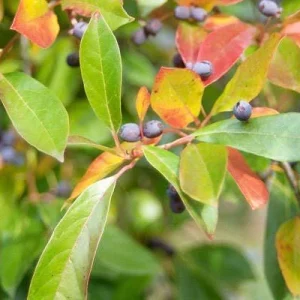
Black Gum Tree Live Plant – Nyssa sylvatica – 18-24 inch Tall – 3 inch Pot – Outdoor Shade Tree
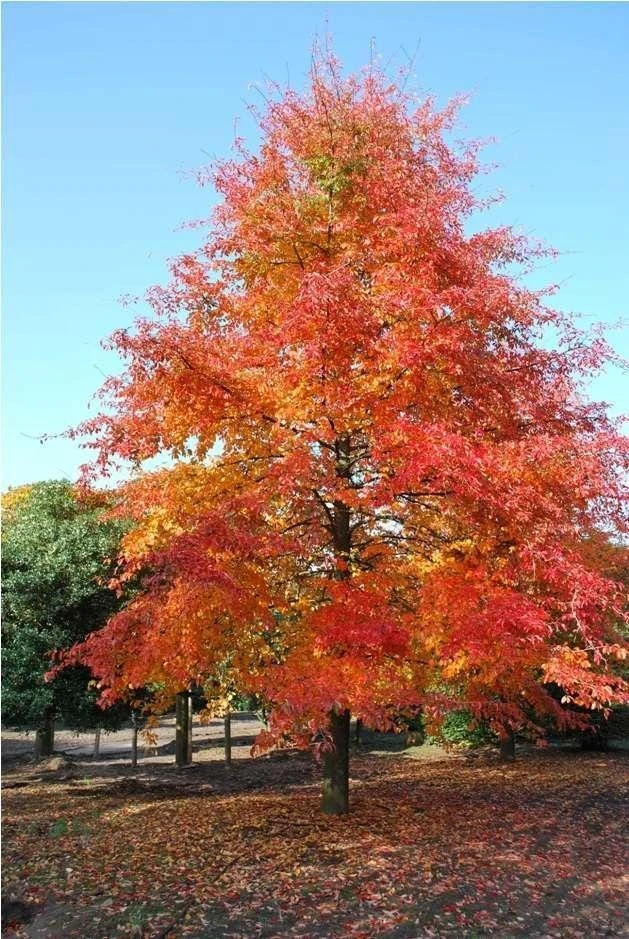
Bring stunning fall foliage and a robust native presence to your landscape with the black gum tree. This deciduous tree, also known as nyssa sylvatica, offers brilliant red, orange, and purple hues. Our live plant comes in a 3-inch pot, standing 18-24 inches tall, ready to establish in your garden.
$31.90

With our Alive & Thrive Guarantee, we’ve got your back for the first 30 days! If you have any concerns about your plants, just reach out to us. Our team is here to help answer your questions and guide you in selecting the best plants for your garden, climate, and unique preferences. We're excited to help you create the garden of your dreams!
Estimated arrival
Oct 21
Oct 26 - Oct 28
Oct 31 - Nov 04
Product Details
-
USDA Hardiness Zone
USDA Zones 4-9 -
Soil type
Well-draining, slightly acidic soil -
Sunlight Exposure
Full sun to partial shade -
Expected Planting Period
Spring to early fall
Overview
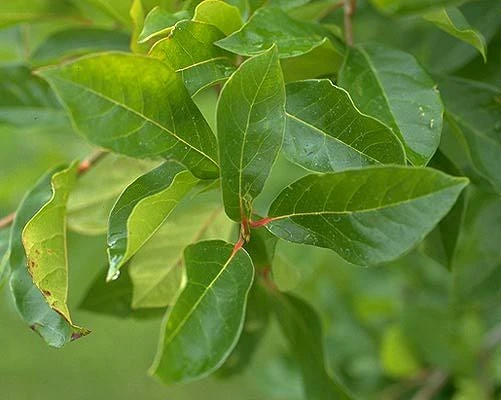
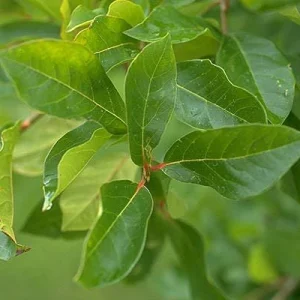
Transform your outdoor space with the majestic black gum tree, a true gem among native North American trees. Also known by its botanical name, nyssa sylvatica, this live plant is celebrated for its exceptional ornamental value, particularly its breathtaking fall color display. The Black Gum is a slow-to-moderate growing deciduous tree that can reach impressive heights, providing significant shade and a strong vertical element in any landscape design. It’s an excellent choice for gardeners seeking a low-maintenance yet high-impact addition. Our offering is a healthy, established specimen, measuring 18-24 inches tall and potted in a 3-inch container, making it ideal for planting and careful establishment.
The black gum tree is highly adaptable, thriving in a variety of soil conditions, from wet to dry, which contributes to its appeal and resilience. Its distinctive bark, straight trunk, and symmetrical branching habit add year-round interest. Beyond its aesthetic appeal, the Black Gum provides valuable habitat and food for wildlife, including birds who feast on its dark blue fruits. Whether you’re looking to enhance a woodland garden, provide shade, or simply enjoy a spectacular autumn show, this tree is a superb choice.
Key Benefits
The black gum tree offers a multitude of benefits for any landscape, combining aesthetic beauty with ecological value. Its unique characteristics make it a standout choice for various garden styles and purposes.
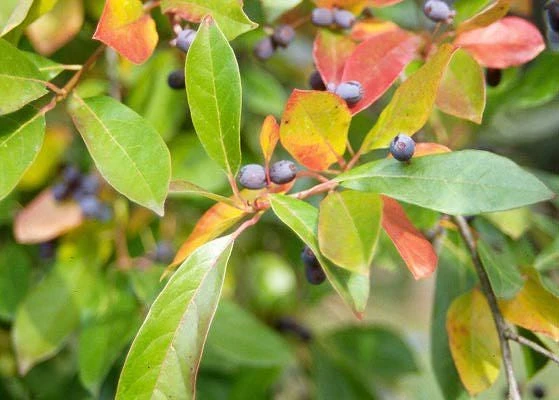
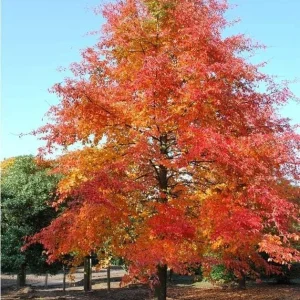
- Spectacular Fall Foliage: The primary draw of the black gum tree is its unparalleled autumn display. Leaves transition from a glossy green to brilliant shades of scarlet, orange, deep purple, and even yellow, often all on the same branch, creating a vibrant tapestry of color that lasts for weeks.
- Wildlife Attractor: This tree is a significant food source for local wildlife. Its small, dark blue, berry-like fruits mature in late summer to early fall, providing sustenance for numerous bird species, making your garden a lively hub of activity.
- Adaptable & Resilient:Nyssa sylvatica is remarkably tolerant of a wide range of growing conditions. It can thrive in both consistently moist, well-drained soils and drier sites once established, and it is also tolerant of clay soils and some urban pollution.
- Distinctive Form & Texture: Even in winter, the Black Gum remains attractive. It develops a handsome, often pyramidal or oval crown, and its bark matures into a dark, deeply furrowed, and blocky texture, adding architectural interest to the dormant landscape.
- Low Maintenance: Once established, the black gum tree requires minimal care. It is generally resistant to most pests and diseases, reducing the need for constant intervention and making it an excellent choice for busy gardeners.
- Year-Round Interest: From its spring foliage, summer shade, and vivid fall colors to its unique winter bark and form, the Black Gum provides visual appeal throughout every season, ensuring your garden always has a focal point.
Plant Care & Growing Tips
Caring for your black gum tree, or nyssa sylvatica, is relatively straightforward once you understand its basic needs. This native tree is quite hardy and adaptable, but providing optimal conditions during its establishment phase will ensure robust growth and vibrant health. For those looking for a long-term landscape investment, understanding black gum tree care is crucial.
When it comes to sunlight, the Black Gum thrives in full sun to partial shade. For the most intense and brilliant fall color, aim for a location that receives at least 6 hours of direct sunlight per day. While it can tolerate some shade, too much will diminish its autumn display. Regarding watering, young trees require consistent moisture to establish a strong root system. Water deeply once or twice a week during dry periods for the first 1-2 years after planting. Established trees are more drought-tolerant but will benefit from supplemental watering during prolonged dry spells. The Black Gum prefers slightly acidic, well-draining soil but is quite adaptable to various soil types, including clay and sandy loams. Good drainage is key to preventing root rot.
The black gum tree is hardy in USDA zones 4-9. Fertilization is generally not necessary for established trees in good soil. If your soil is poor, a balanced, slow-release granular fertilizer can be applied in early spring. Minor pruning may be done in late winter or early spring to remove dead, damaged, or crossing branches. Pests and diseases are generally not a major concern for this resilient tree, though occasional leaf spot or cankers can occur, usually in stressed conditions. Ensure proper planting and care to minimize these issues.
Size & Details
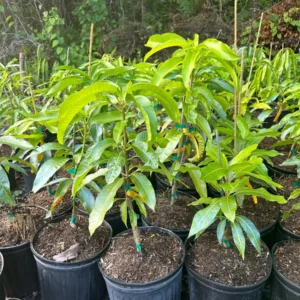
This black gum tree is offered as a healthy, young live plant, carefully grown and prepared for planting. Each specimen stands approximately 18-24 inches tall from the base of the pot to the tip of the highest branch, making it a perfect size for easy handling and establishment in your garden. It comes securely planted in a 3-inch nursery pot, providing a well-developed root system ready to transition to its permanent home. The black gum tree for sale here is a juvenile plant, which allows it to adapt more readily to its new environment and grow into a magnificent mature specimen.
The growth rate of the Black Gum is considered slow to moderate, typically adding 12-24 inches per year under ideal conditions. Over time, it will develop into a medium to large deciduous tree, reaching heights of 30-50 feet with a spread of 20-30 feet at maturity. Expect to enjoy its vibrant foliage and ecological benefits for many decades to come.
Frequently Asked Questions
- Q: How big does this plant get? A: This particular black gum tree is 18-24 inches tall in a 3-inch pot. At maturity, a Black Gum tree typically reaches 30-50 feet tall with a spread of 20-30 feet, making it a sizable shade tree.
- Q: Is this an indoor or outdoor plant? A: The black gum tree is an outdoor deciduous tree. It requires a significant amount of space and specific outdoor conditions to thrive and cannot be grown as an indoor houseplant.
- Q: How much sunlight does it need? A: For optimal growth and the best fall color, your nyssa sylvatica prefers full sun (at least 6 hours of direct sunlight daily). It can tolerate partial shade, but its fall display may be less vibrant.
- Q: Is this tree easy to care for? A: Yes, once established, the black gum tree is considered a low-maintenance tree. It’s adaptable to various soils and generally resistant to pests and diseases, making black gum tree care relatively easy.
- Q: What condition will it arrive in? A: Your black gum tree for sale will arrive as a healthy, live plant, securely packaged in its 3-inch nursery pot, with its root system intact and ready for planting.
- Q: When is the best time to plant a Black Gum tree? A: The best time to plant a black gum tree is in spring or early fall. This allows the tree to establish its root system before the stress of summer heat or winter cold.
- Q: Will it survive winter in my zone? A: The black gum tree is hardy in USDA Zones 4-9. If your region falls within these zones, your tree should successfully overwinter once established.
- Q: What makes the fall color of the Black Gum tree so special? A: The black gum tree fall color is renowned for its brilliant and diverse palette, often displaying multiple shades of red, orange, purple, and yellow simultaneously on the same tree, creating a truly spectacular seasonal show.
- Q: What type of soil does the Black Gum tree prefer? A: While adaptable, the nyssa sylvatica prefers moist, well-draining, slightly acidic soil. It can tolerate clay soils and occasional wetness but also performs well in average garden soils.
- Q: Does the Black Gum tree have any common pest problems? A: The black gum tree is generally quite resistant to most common pests and diseases. Providing good growing conditions will help prevent any potential issues.
Related products
-51%
Original price was: $43.99.$21.59Current price is: $21.59.
PLANTING & CARE
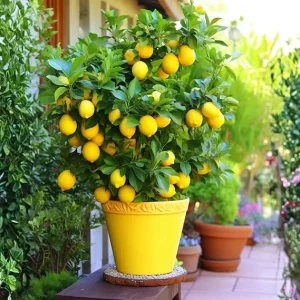
Lemon Tree Growing: Choose, Plant, and Harvest
Learn how to choose, plant, feed, and protect a lemon tree so it fits your
23
Sep
Sep
Dwarf Meyer Lemon Tree Australia: Climate Guide
Learn where dwarf Meyer lemon trees grow, how much cold they tolerate, and whether Australia,
Where to Buy a Dwarf Meyer Lemon Tree: Buyer’s Guide
Find the right dwarf Meyer lemon tree online or locally, compare starter sizes and costs,
Dwarf Meyer Lemon Tree for Sale: Buying Guide
Compare Meyer lemon tree sizes, prices, shipping limits, indoor growing and California options before you
Dwarf Meyer Lemon Tree Guide: Size, Care and Fruit
META: Learn how large a dwarf Meyer lemon tree grows, where it thrives, and how
How to Prune a Dwarf Meyer Lemon Tree
Learn when and how to prune a dwarf Meyer lemon tree, including tools, shaping cuts,
Can You Grow a Dwarf Meyer Lemon Tree in a Pot?
META: Learn how to grow a dwarf Meyer lemon tree in a pot, including container
When Do Dwarf Meyer Lemon Trees Bloom and Fruit?
META: Dwarf Meyer lemon trees usually bloom from winter through spring and may flower again