Blue Hydrangea Live Plant – Large Ball Flowers Bush – 6-12″ Tall Qt Pot – Outdoor Shrub
-50%
Blue Hydrangea Live Plant – Large Ball Flowers Bush – 6-12″ Tall Qt Pot – Outdoor Shrub
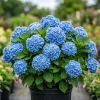
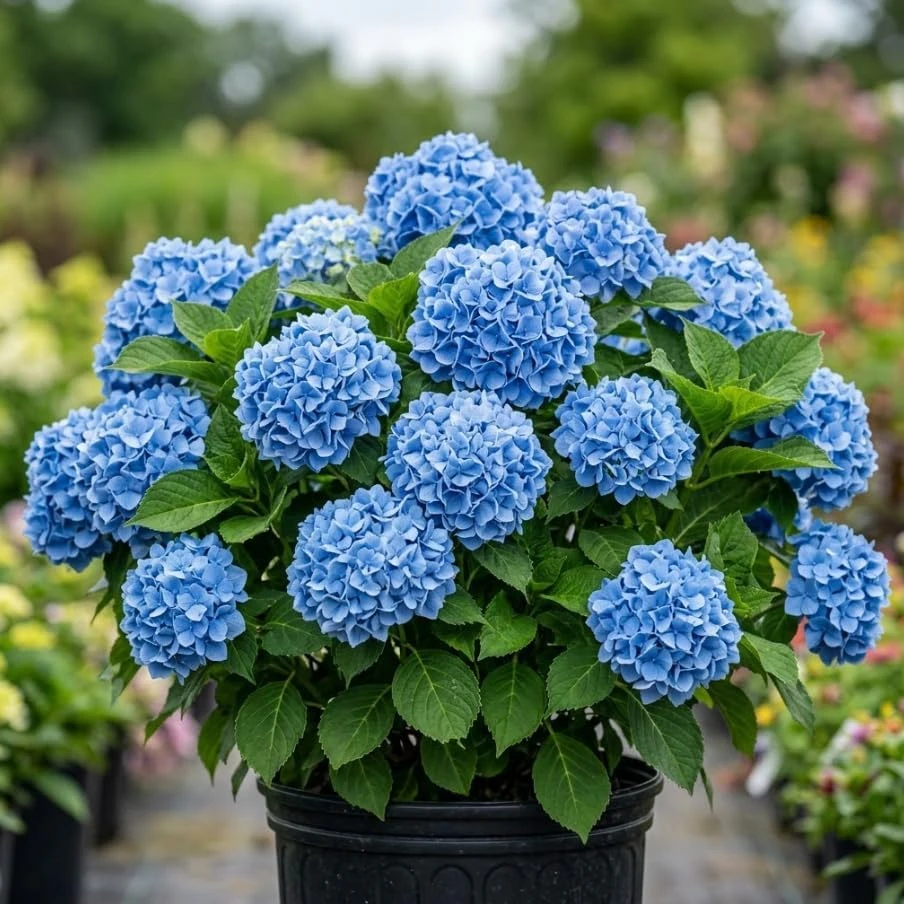
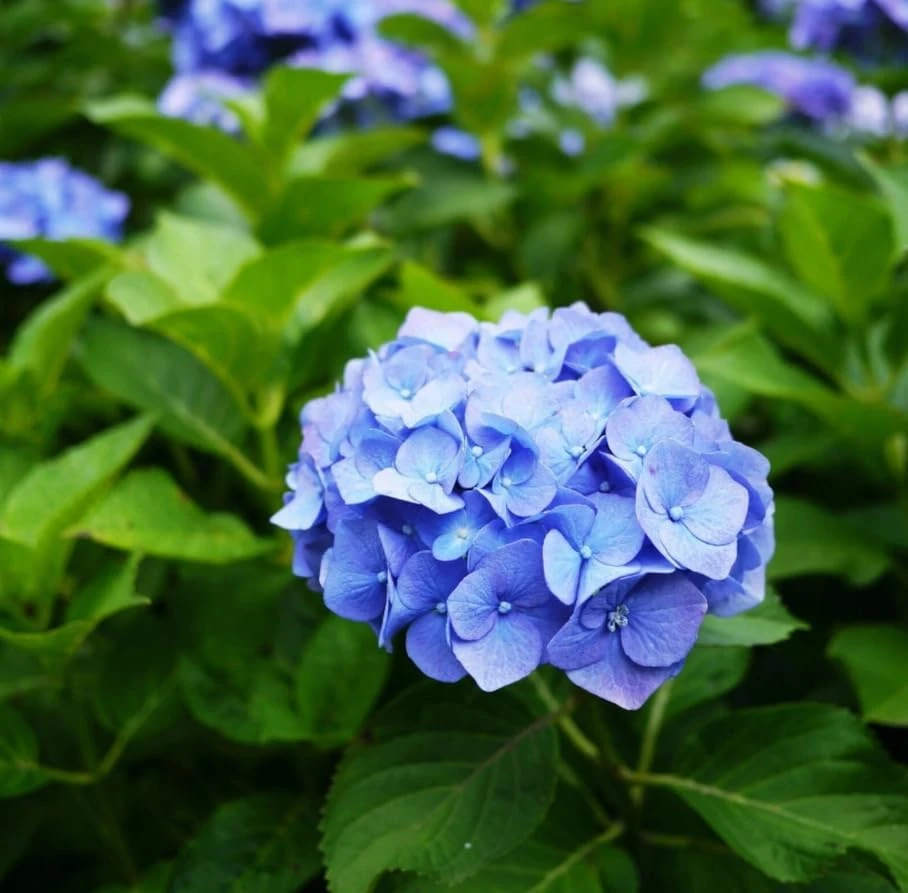
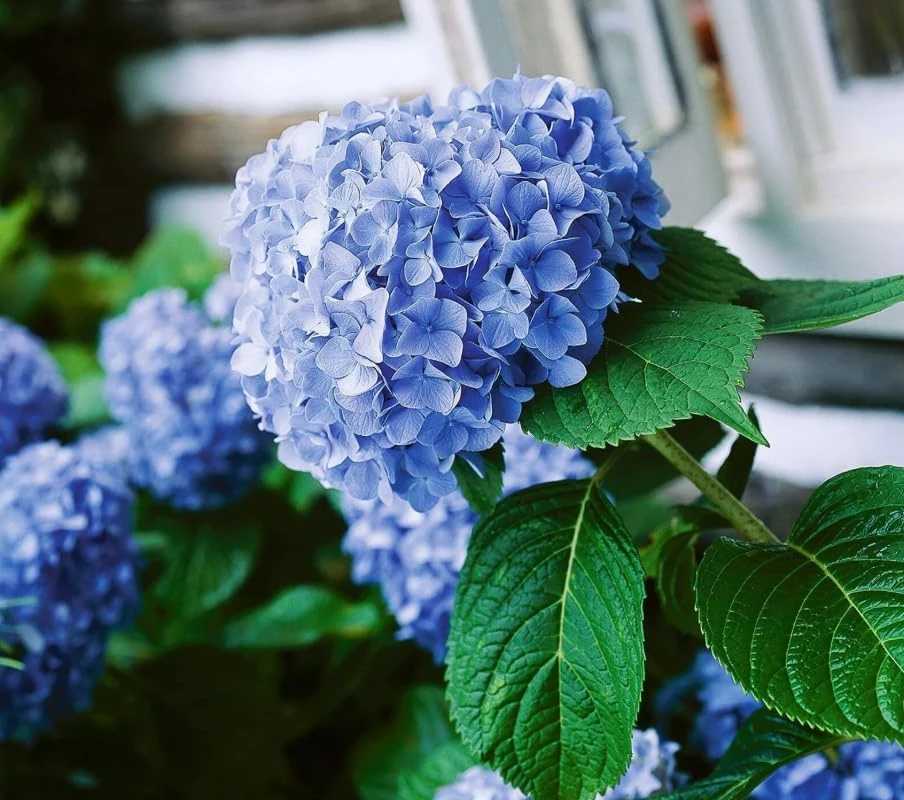
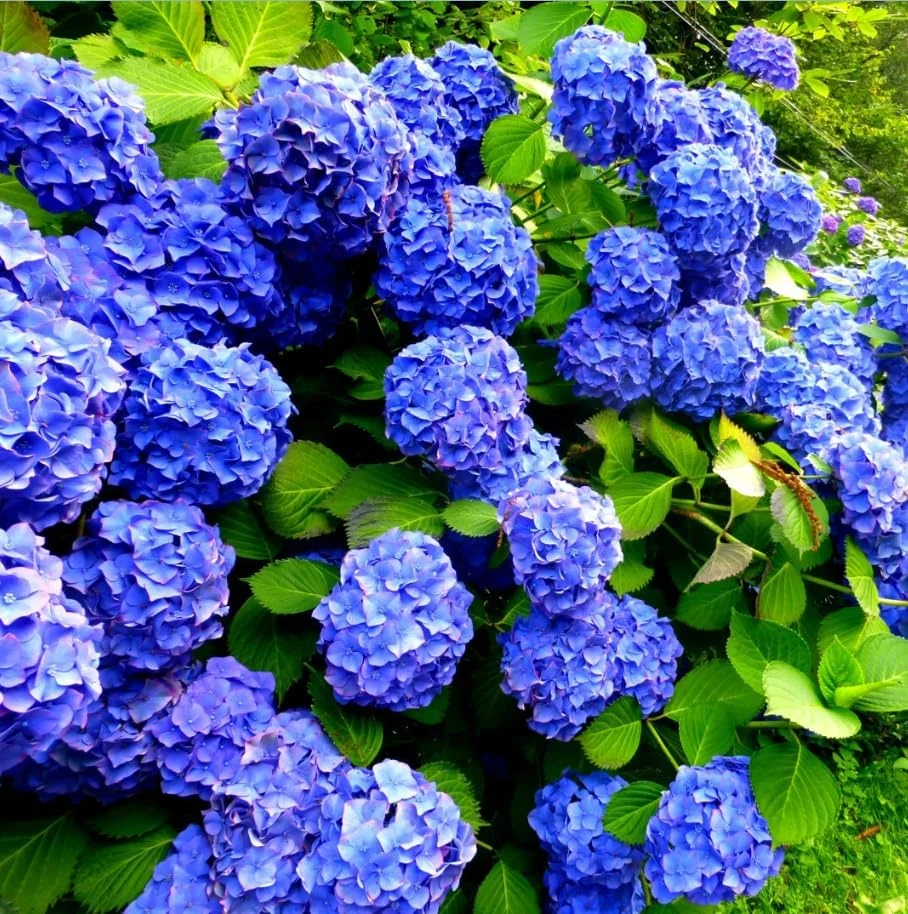
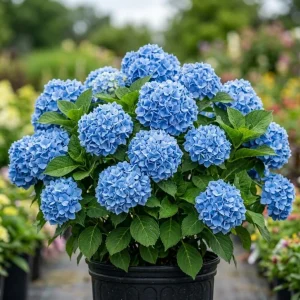
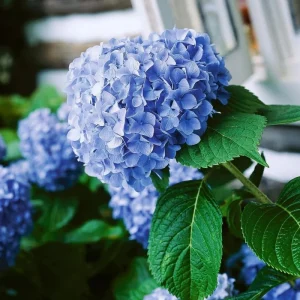
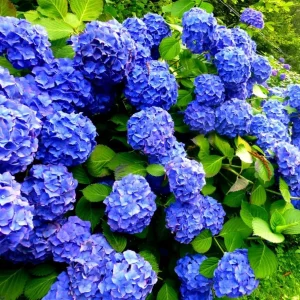
Bring vibrant color and lush foliage to your garden with this stunning blue hydrangea live plant. Featuring impressive large, ball-shaped flower clusters, this outdoor shrub arrives 6-12 inches tall in a quart pot, ready to thrive and create a captivating display.
Original price was: $33.98.$16.99Current price is: $16.99.

With our Alive & Thrive Guarantee, we’ve got your back for the first 30 days! If you have any concerns about your plants, just reach out to us. Our team is here to help answer your questions and guide you in selecting the best plants for your garden, climate, and unique preferences. We're excited to help you create the garden of your dreams!
Estimated arrival
Oct 29
Nov 03 - Nov 05
Nov 08 - Nov 12



Product Details
-
USDA Hardiness Zone
USDA zones 5-9 -
Soil type
Rich, well-draining, slightly acidic soil -
Sunlight Exposure
Partial shade -
Expected Planting Period
Spring to early summer
Overview
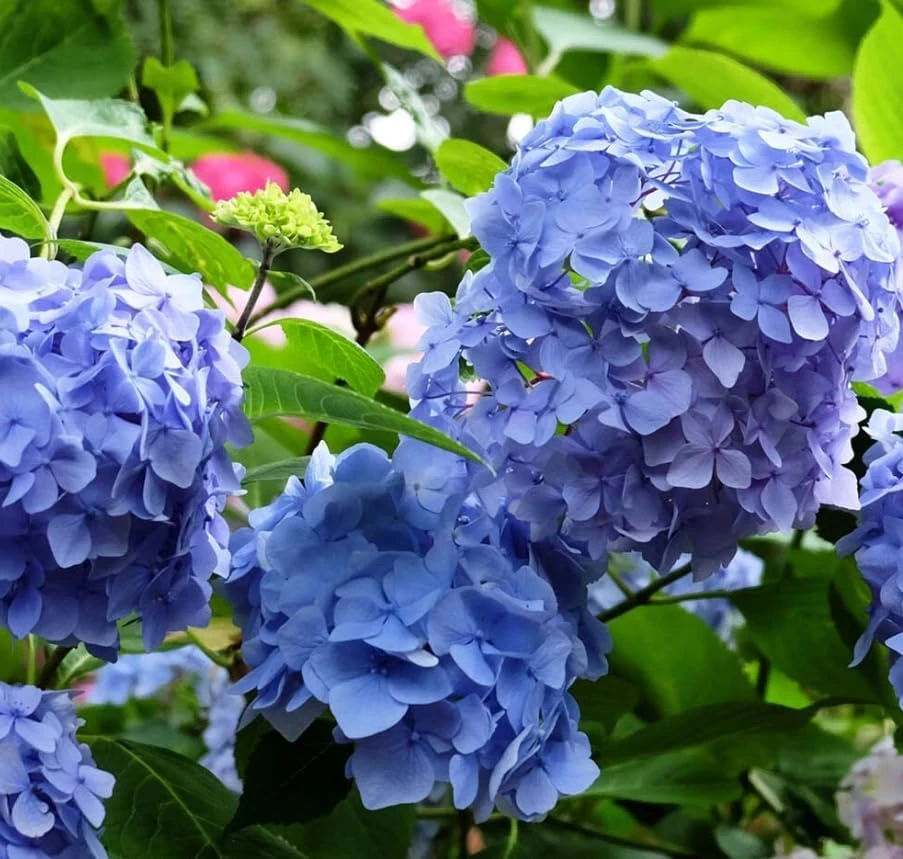
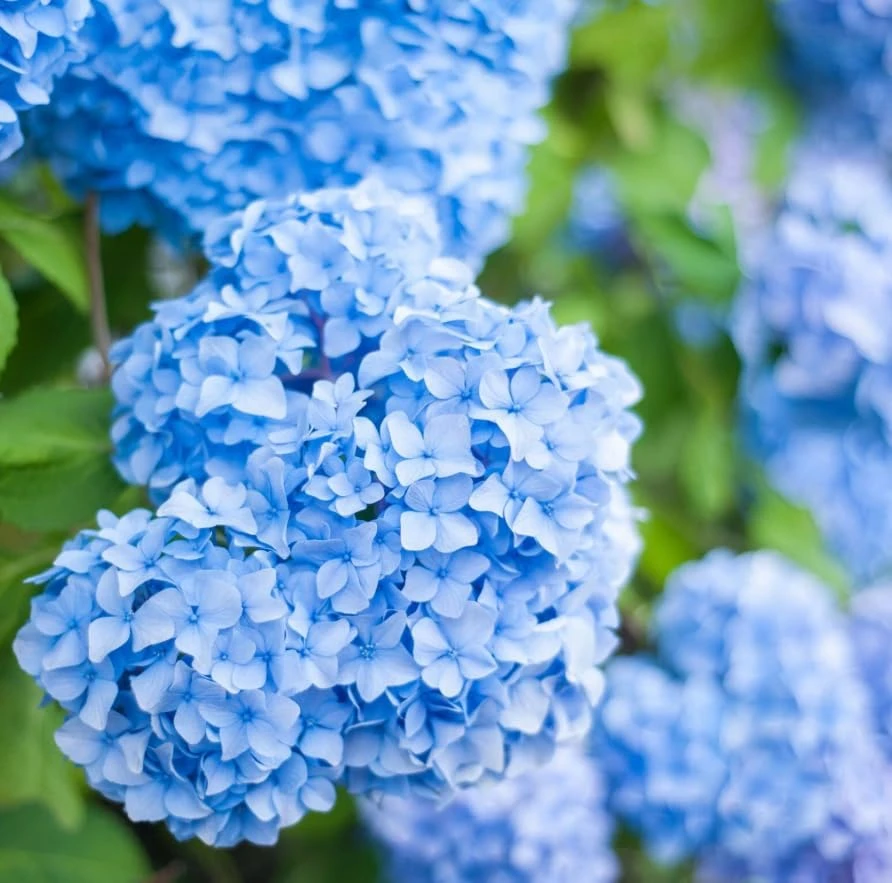
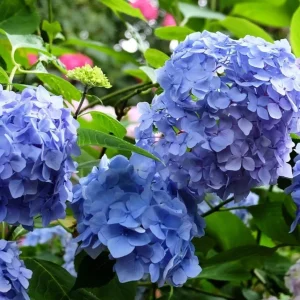
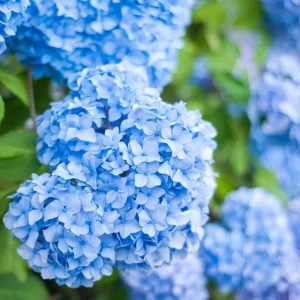
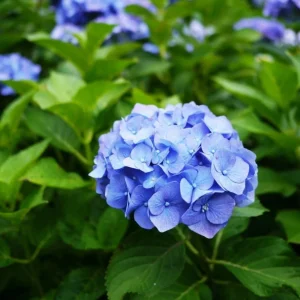
Transform your outdoor space with the captivating beauty of a blue hydrangea live plant. This exquisite shrub is renowned for its magnificent, large, ball-shaped flower clusters that can add a dramatic touch to any garden or patio. Known botanically as Hydrangea macrophylla, this variety is prized for its abundant blooms and lush green foliage, making it a focal point in landscapes. Each plant is carefully cultivated to ensure a strong, healthy start, arriving approximately 6-12 inches tall in a quart pot. Whether you’re creating a vibrant border, an elegant accent, or a charming container display, this blue hydrangea live plant offers an unparalleled visual appeal that will enchant onlookers throughout its blooming season. Its changing blooms can shift in hue depending on soil pH, offering a dynamic and engaging gardening experience.
This well-established starter plant is ready to be transplanted and will quickly settle into its new environment with proper care. The robust nature of the hydrangea makes it a favorite among gardeners, from novices to experts. Imagine the serene beauty of these large, rounded blooms gracing your garden, providing a continuous show of color and texture. Its versatility allows it to thrive in various settings, from formal gardens to more casual cottage-style landscapes. The blue hydrangea live plant is not just a plant; it’s an investment in the long-term beauty and tranquility of your outdoor living space.
Key Benefits
Adding a blue hydrangea live plant to your garden offers numerous advantages, enhancing both the aesthetic and ecological value of your outdoor areas. Its striking appearance and adaptable nature make it a highly desirable choice for diverse landscaping needs.
- Spectacular Blooms: Enjoy an abundance of large, ball-shaped flower clusters that provide a continuous display of vibrant color throughout the growing season. These showy blooms are perfect for cutting and bringing indoors.
- Versatile Landscaping: Ideal for use as an accent plant, in garden borders, or as a stunning container plant for patios and porches. Its adaptable size and form fit various garden designs.
- Low Maintenance: Once established, this blue hydrangea live plant is relatively easy to care for, requiring consistent watering and occasional feeding to maintain its lush appearance and prolific blooming.
- Attracts Pollinators: The vibrant flowers can attract beneficial pollinators like bees and butterflies, contributing to the biodiversity and health of your garden ecosystem.
- Fragrant Changing Blooms: While not intensely fragrant, the subtle scent adds to the garden’s ambiance. The unique ability of hydrangeas to change bloom color based on soil pH provides an ever-evolving visual interest.
- Robust Growth: Shipped as a healthy, well-rooted plant, it is ready to establish quickly and grow into a magnificent outdoor hydrangea shrub, providing years of enjoyment.
- Established Size: Arrives 6-12 inches tall in a quart pot, ensuring you receive a substantial starter plant that has a head start on growth.
Plant Care & Growing Tips
To ensure your blue hydrangea live plant thrives and produces its magnificent blooms, understanding its specific care requirements is crucial. Hydrangeas are generally resilient, but optimal conditions will lead to the best results.
Sunlight Requirements: Hydrangeas prefer partial shade, especially in warmer climates where direct afternoon sun can scorch their leaves. Aim for morning sun and afternoon shade, or dappled light throughout the day. In cooler regions, they can tolerate more sun, but always ensure they are protected from the most intense midday rays. Adequate sunlight is key for abundant fragrant hydrangea flowers.
Watering Schedule & Soil Moisture: These plants love consistent moisture. Water regularly, especially during dry spells and the blooming season. The soil should remain evenly moist but never waterlogged. Deep watering is better than frequent shallow watering, encouraging deeper root growth. Reduce watering slightly in cooler months when the plant is dormant.
Soil Type & Drainage: Hydrangeas thrive in rich, well-ddraining soil with a slightly acidic to neutral pH (5.5-6.5 for blue blooms). If your soil is too alkaline, you can amend it with organic matter like compost or peat moss. Good drainage is essential to prevent root rot. For maintaining blue color, aluminum sulfate or sulfur can be added to acidify the soil. For pink blooms, lime can be added to increase alkalinity. This is a key aspect of blue hydrangea care.
Temperature Range & USDA Hardiness Zone: Most bigleaf hydrangeas (Hydrangea macrophylla) are hardy in USDA Zones 5-9. They prefer moderate temperatures and can struggle in extreme heat or prolonged freezing conditions. In colder zones, provide winter protection by mulching heavily around the base of the plant. This large ball hydrangea is well-suited for temperate climates.
Fertilization Schedule & Type: Fertilize your hydrangea in early spring with a balanced, slow-release granular fertilizer specifically formulated for flowering shrubs. Avoid over-fertilizing, as this can lead to lush foliage but fewer blooms. A second, lighter application can be given in mid-summer if needed, but avoid fertilizing late in the season to allow the plant to harden off for winter.
Common Problems & Solutions: Watch out for powdery mildew in humid conditions (ensure good air circulation). Aphids can be managed with insecticidal soap. Yellowing leaves might indicate nutrient deficiency or improper pH; a soil test can help diagnose. Proper blue hydrangea care will prevent most issues.
Size & Details
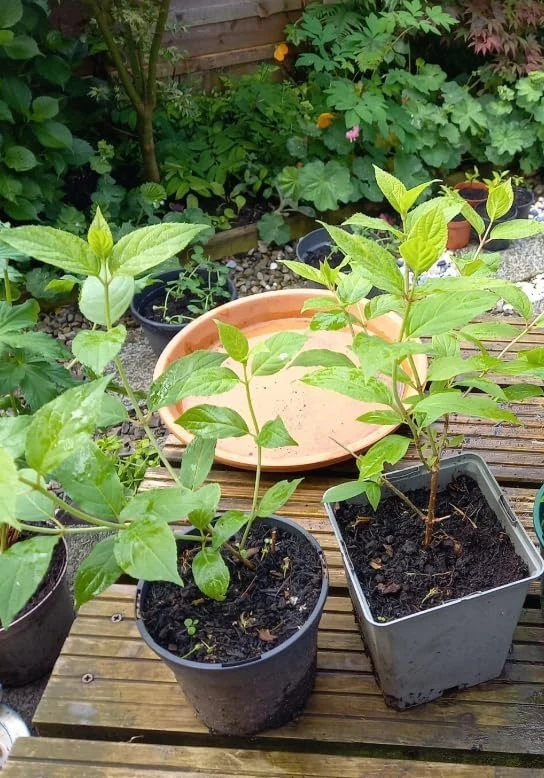
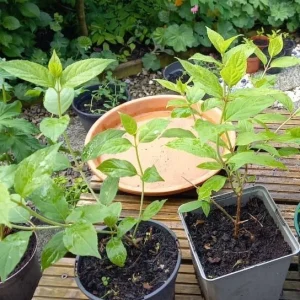
This blue hydrangea live plant arrives as a healthy, thriving specimen, ready to be planted in your garden or a larger container. Each plant is approximately 6-12 inches tall from the top of the soil, providing a substantial start for vigorous growth. It is shipped securely in a quart-sized nursery pot, ensuring the root ball is intact and protected during transit. Hydrangeas are known for their moderate to fast growth rate, and with proper care, this plant will quickly establish itself and begin to produce its characteristic large ball hydrangea flowers.
Once mature, this outdoor hydrangea shrub can reach a height and spread of 3-6 feet, depending on growing conditions and pruning habits. Expect the first blooms to appear in late spring to early summer, continuing through fall. The exact timing and intensity of the blue color can be influenced by soil acidity; more acidic soil encourages bluer hues. This well-rooted plant is poised to become a magnificent addition to your landscape, offering a continuous display of beauty for many years.
Frequently Asked Questions
- Q: How big does this plant get? A: This blue hydrangea live plant typically grows to a mature size of 3-6 feet tall and wide, depending on growing conditions, climate, and pruning. It arrives 6-12 inches tall in a quart pot.
- Q: What size pot does it come in? A: Your large ball hydrangea will arrive in a standard quart-sized (qt) nursery pot, providing a sturdy base for its initial growth.
- Q: Is this an indoor or outdoor plant? A: This is primarily an outdoor hydrangea shrub. While it can be enjoyed indoors temporarily, it thrives best when planted in a garden or a large outdoor container.
- Q: How much sunlight does it need? A: Hydrangeas prefer partial shade, ideally morning sun and afternoon shade. Too much direct sun, especially in hot climates, can stress the plant and reduce the vibrancy of its fragrant hydrangea flowers.
- Q: Is this plant easy to care for? A: Yes, with consistent watering and the right sunlight, this blue hydrangea live plant is considered relatively easy to care for, making it suitable for gardeners of various experience levels. Following basic blue hydrangea care guidelines will ensure success.
- Q: What condition will it arrive in? A: Your plant will arrive healthy and well-rooted in its quart pot, carefully packaged to minimize stress during shipping and ready for planting.
- Q: When is the best time to plant? A: The best time to plant your outdoor hydrangea shrub is in spring or early fall, allowing the roots to establish before extreme temperatures.
- Q: How long until it blooms? A: With proper care, your hydrangea may produce blooms in its first year, especially if planted in spring. More abundant blooms are typically seen in the second year and beyond.
- Q: Will it survive winter in my zone? A: This bigleaf hydrangea is generally hardy in USDA Zones 5-9. In colder zones (5-6), winter protection like heavy mulching may be necessary to ensure its survival.
- Q: Can the flower color change? A: Yes, the color of the large ball hydrangea blooms can change based on soil pH. Acidic soil promotes blue flowers, while alkaline soil tends to produce pink flowers.
Related products
-50%
Original price was: $49.98.$24.99Current price is: $24.99.
-50%
Original price was: $83.00.$41.50Current price is: $41.50.
-50%
Original price was: $133.98.$66.99Current price is: $66.99.
-76%
Original price was: $103.96.$24.99Current price is: $24.99.
-45%
Original price was: $220.00.$121.00Current price is: $121.00.
-50%
Original price was: $59.98.$29.99Current price is: $29.99.
PLANTING & CARE
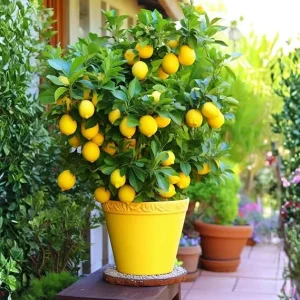
Lemon Tree Growing: Choose, Plant, and Harvest
Learn how to choose, plant, feed, and protect a lemon tree so it fits your
23
Sep
Sep
Dwarf Meyer Lemon Tree Australia: Climate Guide
Learn where dwarf Meyer lemon trees grow, how much cold they tolerate, and whether Australia,
Where to Buy a Dwarf Meyer Lemon Tree: Buyer’s Guide
Find the right dwarf Meyer lemon tree online or locally, compare starter sizes and costs,
Dwarf Meyer Lemon Tree for Sale: Buying Guide
Compare Meyer lemon tree sizes, prices, shipping limits, indoor growing and California options before you
Dwarf Meyer Lemon Tree Guide: Size, Care and Fruit
META: Learn how large a dwarf Meyer lemon tree grows, where it thrives, and how
How to Prune a Dwarf Meyer Lemon Tree
Learn when and how to prune a dwarf Meyer lemon tree, including tools, shaping cuts,
Can You Grow a Dwarf Meyer Lemon Tree in a Pot?
META: Learn how to grow a dwarf Meyer lemon tree in a pot, including container
When Do Dwarf Meyer Lemon Trees Bloom and Fruit?
META: Dwarf Meyer lemon trees usually bloom from winter through spring and may flower again