Breadfruit Tree Live Plant – 10-14 Inch Tall – 1 Gallon Pot – Tropical Fruit Tree
-34%
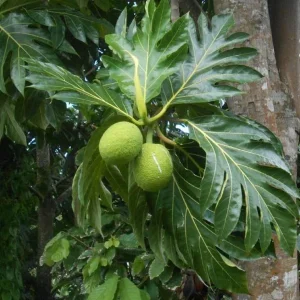
Breadfruit Tree Live Plant – 10-14 Inch Tall – 1 Gallon Pot – Tropical Fruit Tree
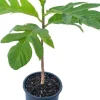
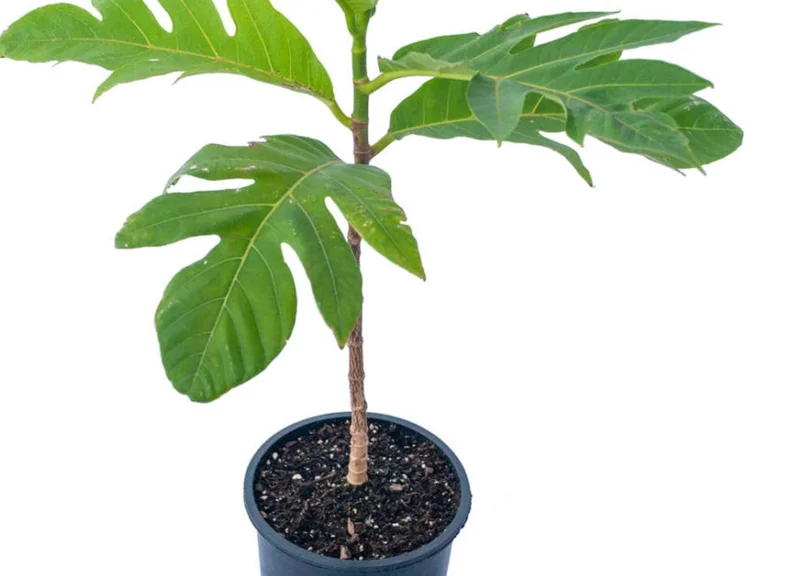
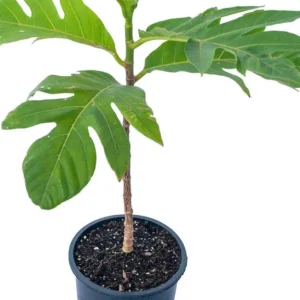
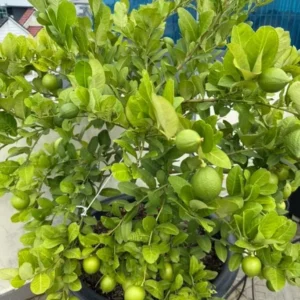
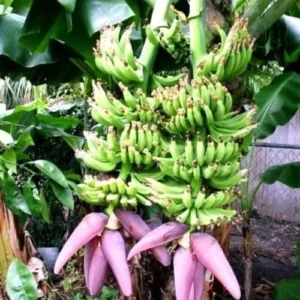
Bring the tropics to your home with a healthy breadfruit tree live plant. This beautiful tropical fruit tree, approximately 10-14 inches tall, arrives in a sturdy 1-gallon pot, ready to thrive in your garden or on your patio. Enjoy its unique, starchy fruits.
Original price was: $99.95.$65.98Current price is: $65.98.

With our Alive & Thrive Guarantee, we’ve got your back for the first 30 days! If you have any concerns about your plants, just reach out to us. Our team is here to help answer your questions and guide you in selecting the best plants for your garden, climate, and unique preferences. We're excited to help you create the garden of your dreams!
Estimated arrival
Nov 12
Nov 17 - Nov 19
Nov 22 - Nov 26


Product Details
-
USDA Hardiness Zone
USDA zones 9–11 -
Soil type
Well-draining, fertile soil -
Sunlight Exposure
Full sun -
Expected Planting Period
Spring to early summer
Overview
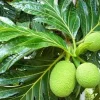
Cultivate a taste of the tropics with your very own breadfruit tree live plant. This magnificent tropical fruit tree, scientifically known as Artocarpus altilis, is renowned for its large, versatile, and nutritious fruits that have been a staple in many cultures for centuries. Our healthy live plant measures approximately 10-14 inches tall and comes securely established in a 1-gallon nursery pot, ensuring a robust start in its new home. Ideal for warm climates, this plant transforms any garden or patio into a lush, productive oasis. Whether you’re an experienced gardener or a tropical plant enthusiast, growing a breadfruit plant for sale offers a rewarding experience and a delicious harvest.
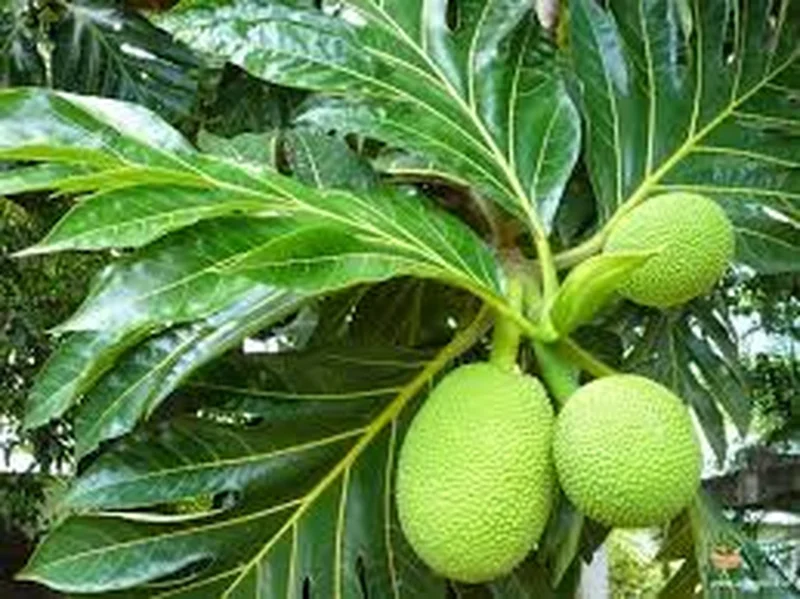
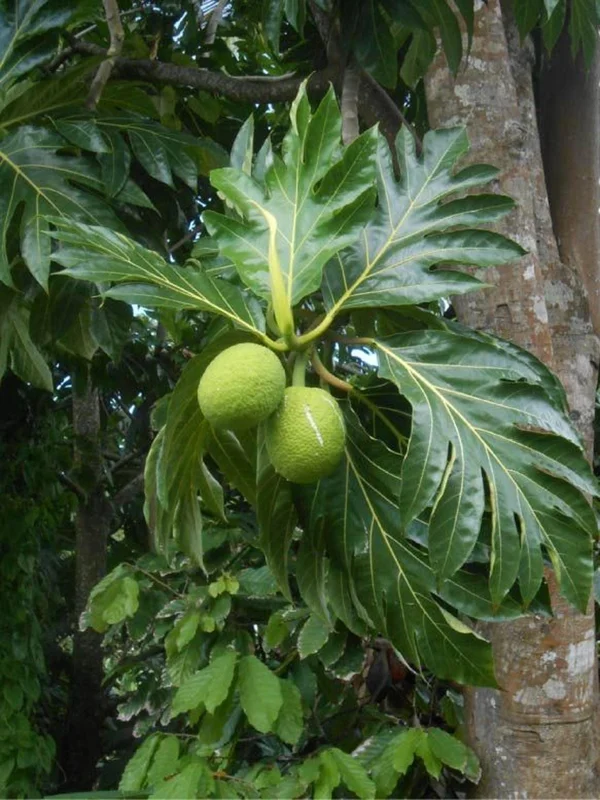
The breadfruit tree is not just a food source; it’s a statement piece, offering broad, deeply lobed leaves that provide ample shade and a distinctive tropical aesthetic. Its rapid growth and adaptability make it a popular choice for those looking to add an exotic touch and a sustainable food source to their landscape. This tropical fruit tree is a fantastic investment for anyone passionate about unique edibles and ornamental beauty.
Key Benefits
Adding a breadfruit tree to your collection brings a multitude of benefits, from its unique culinary uses to its striking visual appeal. This plant is a true gem for any garden or large patio container.
- Delicious & Versatile Fruit: The primary appeal of the breadfruit tree live plant lies in its large, starchy fruits. These can be cooked in numerous ways – baked, fried, boiled, or roasted – often compared to potatoes or fresh bread. They are a nutritious source of carbohydrates, fiber, and vitamins.
- Stunning Tropical Foliage: Beyond its fruit, the breadfruit tree boasts impressive, deeply lobed leaves that create a dramatic, lush canopy. It adds significant aesthetic value, providing a vibrant tropical feel to any outdoor space or large conservatory.
- Sustainable Food Source: Once established, a single breadfruit tree can produce a substantial amount of fruit, offering a sustainable and renewable food source for your household. It’s an excellent choice for food security and self-sufficiency.
- Easy to Grow in Warm Climates: While tropical, breadfruit trees are relatively low-maintenance once established in their preferred warm, sunny conditions. They are known for their resilience and vigorous growth, making them a rewarding plant for fruit lovers.
- Air Purification: Like many large-leaved trees, the breadfruit tree contributes to improving air quality by absorbing carbon dioxide and releasing oxygen, enhancing the environment around your home.
- Cultural Significance: The breadfruit tree holds deep cultural and historical significance in many tropical regions, often symbolizing prosperity and sustenance. Growing one connects you to this rich heritage.
- Supports Local Ecosystem: In appropriate climates, a mature tropical fruit tree can provide habitat and food for local wildlife, contributing to biodiversity.
Plant Care & Growing Tips
Caring for your breadfruit tree live plant is straightforward, especially when provided with the right conditions. Originating from warm, humid climates, this tree thrives in environments that mimic its natural habitat. Proper care ensures vigorous growth and abundant fruit production.
Sunlight Requirements: Breadfruit trees are sun-lovers and require full sun exposure to flourish, ideally at least 6-8 hours of direct sunlight per day. If grown in a container, ensure it’s placed in the sunniest spot on your patio or garden. In extremely hot climates, some afternoon shade can be beneficial to prevent leaf scorch, but generally, more sun is better for fruit development. For those interested in an artocarpus altilis plant, providing ample light is the most critical factor.
Watering Schedule and Soil Moisture: Consistent moisture is key for young breadfruit trees. Water regularly, especially during dry periods, to keep the soil consistently moist but not waterlogged. Allow the top inch or two of soil to dry out slightly between waterings. Once established, they become more drought-tolerant but will still benefit from deep watering during prolonged dry spells. Good drainage is crucial to prevent root rot.
Soil Type and Drainage: A well-draining, fertile soil mix is ideal for your breadfruit tree live plant. A slightly acidic to neutral pH (6.0-7.0) is preferred. If planting in the ground, amend heavy clay soils with organic matter like compost or aged manure to improve drainage and fertility. For container planting, use a high-quality potting mix designed for tropical trees, ensuring the pot has adequate drainage holes. This attention to soil will help your breadfruit care guide efforts.
Temperature Range and USDA Hardiness Zone: Breadfruit trees are tropical and are sensitive to cold. They thrive in temperatures between 65°F and 90°F (18°C-32°C). They are typically suited for USDA Hardiness Zones 9-11. Protect young trees from temperatures below 50°F (10°C), and mature trees can tolerate brief dips to just above freezing, but sustained cold will cause damage. If you live in a cooler zone, consider growing it in a large pot that can be moved indoors during winter.
Fertilization Schedule and Type: Feed your breadfruit tree regularly during its active growing season (spring and summer) with a balanced, slow-release fertilizer or a liquid feed rich in nitrogen, phosphorus, and potassium. Organic options like compost tea or fish emulsion also work well. Reduce fertilization in fall and winter. Follow package instructions for application rates. A healthy feeding regimen supports robust growth and fruit production for your breadfruit plant for sale.
Common Problems and Solutions: Breadfruit trees are generally robust but can occasionally face issues. Watch for common pests like aphids or mealybugs, which can be treated with insecticidal soap. Fungal issues, often caused by overwatering or poor air circulation, can be mitigated by ensuring good drainage and proper spacing. Yellowing leaves can indicate nutrient deficiency or improper watering. Adjust care practices accordingly to maintain a healthy tropical fruit tree.
Size & Details
This offering is for one healthy breadfruit tree live plant, which measures approximately 10-14 inches in height from the top of the soil. The plant is well-rooted and established in a sturdy 1-gallon nursery pot, providing ample space for initial growth and ensuring a smooth transition to your garden or larger container. The current size makes it manageable for shipping and easy to handle upon arrival, yet it is robust enough to establish quickly.
Breadfruit trees are known for their fast growth rate in ideal conditions. With proper care, this young plant can grow several feet per year, eventually reaching mature heights of 30-60 feet with a broad canopy. It will begin producing fruit typically within 3-5 years after planting, depending on growing conditions. This particular artocarpus altilis plant is shipped as a potted specimen, carefully packaged to protect its foliage and root system during transit, ensuring it arrives in excellent condition and ready for planting.
Frequently Asked Questions
- Q: How big does this breadfruit tree get? A: This breadfruit tree live plant arrives approximately 10-14 inches tall in a 1-gallon pot. With ideal growing conditions, breadfruit trees can mature to heights of 30-60 feet, forming a large, spreading canopy.
- Q: Is this an indoor or outdoor plant? A: Breadfruit trees are tropical plants that thrive outdoors in USDA Zones 9-11. In cooler climates, they can be grown in large containers and brought indoors during the colder months, though fruiting may be less consistent. It is primarily an outdoor tropical fruit tree.
- Q: How much sunlight does it need? A: Your breadfruit plant for sale requires full sun, meaning at least 6-8 hours of direct sunlight per day, to ensure optimal growth and fruit production.
- Q: What condition will it arrive in? A: Your plant will be carefully packed and shipped in its 1-gallon nursery pot with soil, ensuring its roots are protected and it arrives healthy and ready for planting.
- Q: When can I expect fruit from my breadfruit tree? A: Typically, a breadfruit tree live plant will start producing fruit within 3-5 years after planting, depending on its growing conditions and care.
- Q: Is this plant easy to care for? A: Once established in suitable warm, sunny conditions with consistent watering, breadfruit trees are relatively easy to care for and are quite resilient. They are a rewarding choice for gardeners familiar with tropical plants.
- Q: What kind of soil does a breadfruit tree prefer? A: Breadfruit trees prefer well-draining, fertile soil with a slightly acidic to neutral pH. Amending with organic matter like compost is beneficial, especially for a healthy artocarpus altilis plant.
- Q: Will it survive winter in my zone? A: This tropical tree is sensitive to cold. It will only survive outdoors year-round in USDA Hardiness Zones 9-11. In colder zones, it must be protected from freezing temperatures, usually by bringing it indoors.
- Q: Can I grow a breadfruit tree in a container? A: Yes, you can grow a breadfruit tree live plant in a large container, especially if you live outside its hardiness zone. Ensure the container is large enough to accommodate its growth and has excellent drainage.
- Q: What is the best time to plant a breadfruit tree? A: The best time to plant your breadfruit tree is in the spring or early summer after all danger of frost has passed, allowing it ample time to establish before cooler weather.
Related products
PLANTING & CARE
Lemon Tree Growing: Choose, Plant, and Harvest
Learn how to choose, plant, feed, and protect a lemon tree so it fits your
23
Sep
Sep
Dwarf Meyer Lemon Tree Australia: Climate Guide
Learn where dwarf Meyer lemon trees grow, how much cold they tolerate, and whether Australia,
Where to Buy a Dwarf Meyer Lemon Tree: Buyer’s Guide
Find the right dwarf Meyer lemon tree online or locally, compare starter sizes and costs,
Dwarf Meyer Lemon Tree for Sale: Buying Guide
Compare Meyer lemon tree sizes, prices, shipping limits, indoor growing and California options before you
Dwarf Meyer Lemon Tree Guide: Size, Care and Fruit
META: Learn how large a dwarf Meyer lemon tree grows, where it thrives, and how
How to Prune a Dwarf Meyer Lemon Tree
Learn when and how to prune a dwarf Meyer lemon tree, including tools, shaping cuts,
Can You Grow a Dwarf Meyer Lemon Tree in a Pot?
META: Learn how to grow a dwarf Meyer lemon tree in a pot, including container
When Do Dwarf Meyer Lemon Trees Bloom and Fruit?
META: Dwarf Meyer lemon trees usually bloom from winter through spring and may flower again