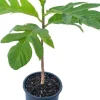
Breadfruit Tree Live Plant – 16-20 Inch Tall, 1 Gallon Pot, Tropical Fruit
-34%
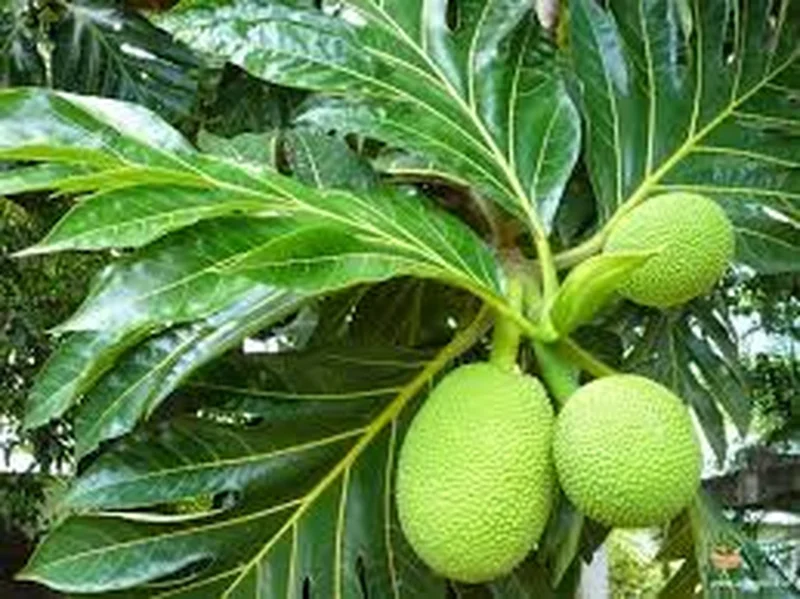
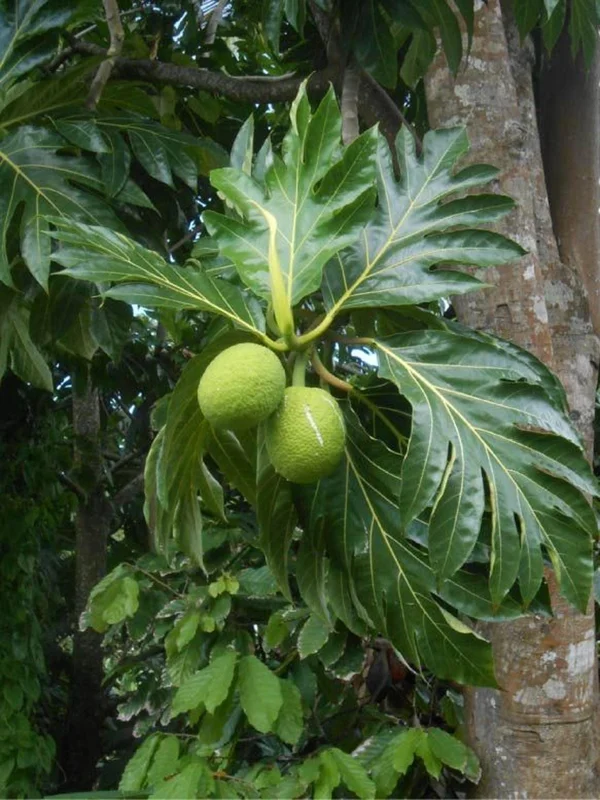
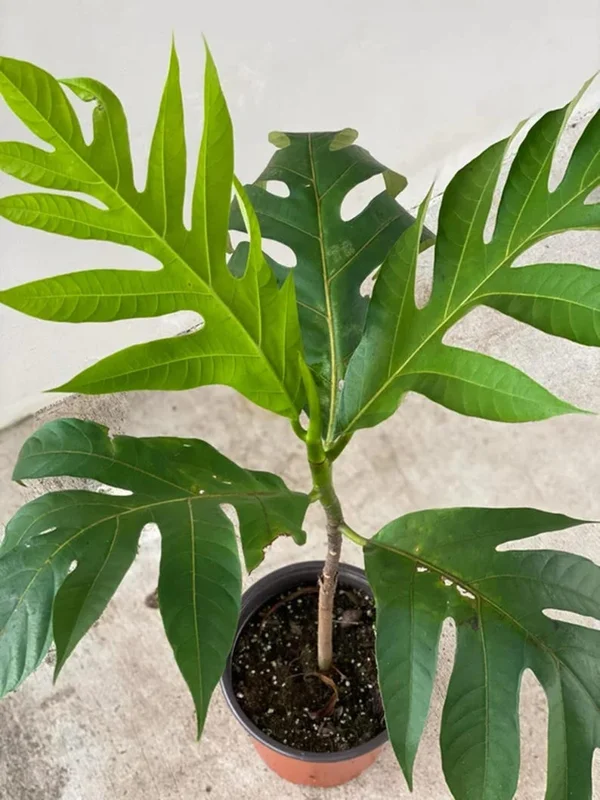
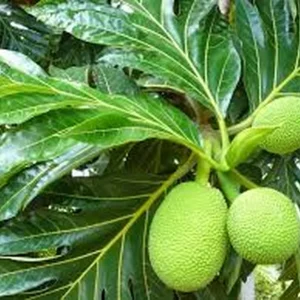
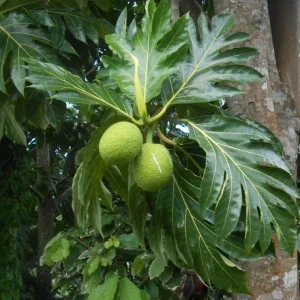
Breadfruit Tree Live Plant – 16-20 Inch Tall, 1 Gallon Pot, Tropical Fruit
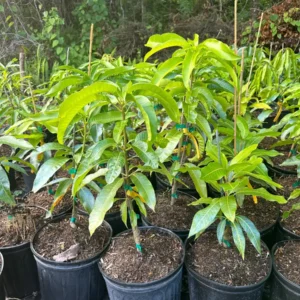
Cultivate your own tropical paradise with this healthy breadfruit tree live plant. Standing 16-20 inches tall in a 1-gallon pot, it’s ready to thrive in warm climates. Enjoy its large, starchy, and delicious fruits, perfect for cooking like potatoes.
Original price was: $120.50.$78.98Current price is: $78.98.

With our Alive & Thrive Guarantee, we’ve got your back for the first 30 days! If you have any concerns about your plants, just reach out to us. Our team is here to help answer your questions and guide you in selecting the best plants for your garden, climate, and unique preferences. We're excited to help you create the garden of your dreams!
Estimated arrival
Nov 12
Nov 17 - Nov 19
Nov 22 - Nov 26

Product Details
-
USDA Hardiness Zone
USDA Zones 10-11 -
Soil type
Rich, fertile, well-draining soil -
Sunlight Exposure
Full sun (6-8 hours daily) -
Expected Planting Period
Year-round in tropical climates; Spring to early summer in suitable zones
Overview
Embark on a unique gardening journey with a magnificent breadfruit tree live plant. This tropical wonder, scientifically known as Artocarpus altilis, is renowned for its striking foliage and highly nutritious, starchy fruits. Originating from the South Pacific, the breadfruit tree live plant offers an exotic addition to any garden or patio in suitable climates. Our healthy specimen comes ready to plant, providing you with the opportunity to cultivate your own source of this versatile and delicious fruit, often described as a staple food with a taste and texture similar to freshly baked bread or potatoes when cooked. It’s an ideal choice for enthusiasts looking to grow an edible fruit tree that also provides beautiful, lush greenery.
The breadfruit tree is not just a food source; it’s a piece of living history and a symbol of tropical abundance. With its large, deeply lobed leaves, it creates a stunning visual impact, transforming your outdoor space into a verdant oasis. Growing your own breadfruit tree live plant allows you to enjoy the freshest possible fruit, straight from your garden to your table. It’s a relatively fast-growing tree under optimal conditions, promising a rewarding experience for gardeners of all levels interested in tropical horticulture.
Key Benefits
The breadfruit tree live plant offers a multitude of benefits, from its unique culinary contributions to its impressive ornamental value. It’s a truly rewarding plant for those seeking both beauty and utility in their garden.
- Abundant Edible Fruit: Enjoy a continuous harvest of large, starchy fruits that can be cooked in numerous ways, from baking and frying to boiling and roasting, offering a delicious alternative to potatoes or bread.
- Tropical Aesthetic Appeal: Its large, deeply lobed, glossy green leaves create a lush, tropical ambiance, making it a stunning focal point in any garden or patio setting.
- Nutrient-Rich Food Source: Breadfruit is packed with carbohydrates, vitamins, and minerals, making it a healthy and sustainable food option for your family.
- Relatively Low Maintenance: Once established, the breadfruit tree live plant is relatively easy to care for, requiring consistent watering and warmth to thrive, making it suitable for gardeners with varying experience levels.
- Environmental Benefits: As a tree, it contributes to local biodiversity, provides shade, and helps improve air quality, making your garden a more sustainable and pleasant environment.
- Versatile Culinary Use: The fruit can be used at various stages of maturity, from firm, starchy green fruits to softer, sweeter ripe fruits, offering a wide range of culinary possibilities.
- Unique Garden Addition: Stand out from typical garden varieties by cultivating a distinctive and conversation-starting tropical fruit tree that brings an exotic touch to your landscape.
Plant Care & Growing Tips
Caring for your breadfruit tree live plant involves understanding its tropical origins and providing an environment that mimics its natural habitat. These trees thrive in warm, humid conditions with plenty of sunlight. For optimal growth, plant your breadfruit tree in a location where it receives at least 6-8 hours of full sun daily. While young plants may tolerate some partial shade, mature trees prefer abundant light to produce the best fruit. Ensure the soil is consistently moist but well-draining, as soggy roots can lead to issues. Regular watering is crucial, especially during dry spells and for newly planted trees.
The ideal soil for a breadfruit tree live plant is rich, fertile, and well-draining, with a slightly acidic to neutral pH (6.0-7.5). Amend heavy clay soils with organic matter like compost or aged manure to improve drainage and fertility. These trees are tropical by nature and are sensitive to cold. They thrive in USDA Hardiness Zones 10-11, where temperatures rarely drop below 50°F (10°C). If you live in a cooler zone, consider growing your breadfruit tree in a large container that can be moved indoors during winter months. Fertilize young trees every 2-3 months with a balanced, slow-release fertilizer, gradually reducing frequency to 2-3 times per year for mature trees. Watch out for common pests like mealybugs or scale and treat promptly with horticultural oil or insecticidal soap. Proper breadfruit plant care will ensure a healthy and productive tree.
Size & Details
This offering is for a healthy breadfruit tree live plant, measuring approximately 16-20 inches tall from the base of the pot to the top of the foliage. It comes securely planted in a sturdy 1-gallon nursery pot, providing ample space for its initial root development and ensuring a smooth transition to your garden or a larger container. Breadfruit trees are known for their moderate to fast growth rate, and with proper care, this young plant will quickly establish itself and begin to develop its characteristic broad canopy. While fruit production typically begins within 3-5 years, you can expect to enjoy its beautiful tropical foliage from the moment it arrives.
The plant is carefully packed to minimize stress during transit, ensuring it arrives happy and ready for its new home. As an artocarpus altilis, it will develop a significant spread and height over time, potentially reaching 30-60 feet in tropical climates, making it an impressive addition to a large garden or estate. For container growing, regular pruning will help manage its size and encourage a bushier habit, allowing you to enjoy this edible fruit tree even in more confined spaces.
Frequently Asked Questions
- Q: How big does this breadfruit tree get? A: This particular breadfruit tree live plant arrives 16-20 inches tall in a 1-gallon pot. In optimal tropical conditions, mature trees can reach heights of 30-60 feet with a similar spread. For container growing, its size can be managed with regular pruning.
- Q: Is this an indoor or outdoor plant? A: The breadfruit tree live plant is a tropical outdoor plant that thrives in warm climates (USDA Zones 10-11). In cooler regions, it can be grown in a large container and moved indoors to a sunny location during the colder months to protect it from frost.
- Q: How much sunlight does a breadfruit tree need? A: Breadfruit trees require abundant sunlight. They should be placed in a location where they receive at least 6-8 hours of full, direct sunlight per day for optimal growth and fruit production.
- Q: Is this plant easy to care for? A: Once established, the breadfruit tree live plant is relatively low-maintenance. Key aspects of breadfruit plant care include consistent watering, well-draining soil, and protection from cold temperatures. It is suitable for gardeners with moderate experience.
- Q: What condition will the plant arrive in? A: Your breadfruit tree live plant will be carefully packed and shipped in its 1-gallon nursery pot with soil. We take great care to ensure it arrives healthy and ready for planting, though some minor leaf stress from transit is normal.
- Q: Can I use the fruit in cooking? A: Absolutely! Breadfruit is an incredibly versatile and delicious edible fruit tree. The starchy fruit can be baked, boiled, fried, roasted, or mashed, and is a staple in many tropical cuisines.
- Q: When is the best time to plant a breadfruit tree? A: The best time to plant a breadfruit tree live plant is during the warmer months, typically spring or early summer, after all danger of frost has passed and when temperatures are consistently warm.
- Q: Will it survive winter in my zone? A: Breadfruit trees are very sensitive to cold. They will only survive outdoors year-round in USDA Hardiness Zones 10-11. If you are in a colder zone, you must provide winter protection or grow it in a container that can be brought indoors.
- Q: What type of soil is best for breadfruit? A: A rich, fertile, and well-draining soil with a slightly acidic to neutral pH (6.0-7.5) is ideal for growing your artocarpus altilis. Good drainage is crucial to prevent root rot.
- Q: How long until it produces fruit? A: A tropical fruit tree like the breadfruit typically begins to produce fruit within 3 to 5 years after planting, given optimal growing conditions and proper care.
Related products

-36%
Original price was: $279.98.$179.98Current price is: $179.98.
-50%
Original price was: $73.98.$36.99Current price is: $36.99.
-20%
Original price was: $36.00.$28.80Current price is: $28.80.
PLANTING & CARE
Lemon Tree Growing: Choose, Plant, and Harvest
Learn how to choose, plant, feed, and protect a lemon tree so it fits your
23
Sep
Sep
Dwarf Meyer Lemon Tree Australia: Climate Guide
Learn where dwarf Meyer lemon trees grow, how much cold they tolerate, and whether Australia,
Where to Buy a Dwarf Meyer Lemon Tree: Buyer’s Guide
Find the right dwarf Meyer lemon tree online or locally, compare starter sizes and costs,
Dwarf Meyer Lemon Tree for Sale: Buying Guide
Compare Meyer lemon tree sizes, prices, shipping limits, indoor growing and California options before you
Dwarf Meyer Lemon Tree Guide: Size, Care and Fruit
META: Learn how large a dwarf Meyer lemon tree grows, where it thrives, and how
How to Prune a Dwarf Meyer Lemon Tree
Learn when and how to prune a dwarf Meyer lemon tree, including tools, shaping cuts,
Can You Grow a Dwarf Meyer Lemon Tree in a Pot?
META: Learn how to grow a dwarf Meyer lemon tree in a pot, including container
When Do Dwarf Meyer Lemon Trees Bloom and Fruit?
META: Dwarf Meyer lemon trees usually bloom from winter through spring and may flower again