Catmint Seeds – Nepeta × faassenii – Perennial Herb Flower Seeds – 20 Seeds
-50%
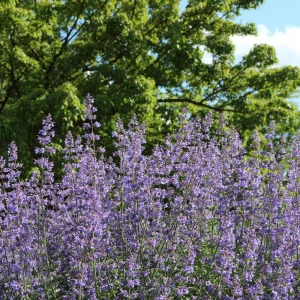
Catmint Seeds – Nepeta × faassenii – Perennial Herb Flower Seeds – 20 Seeds
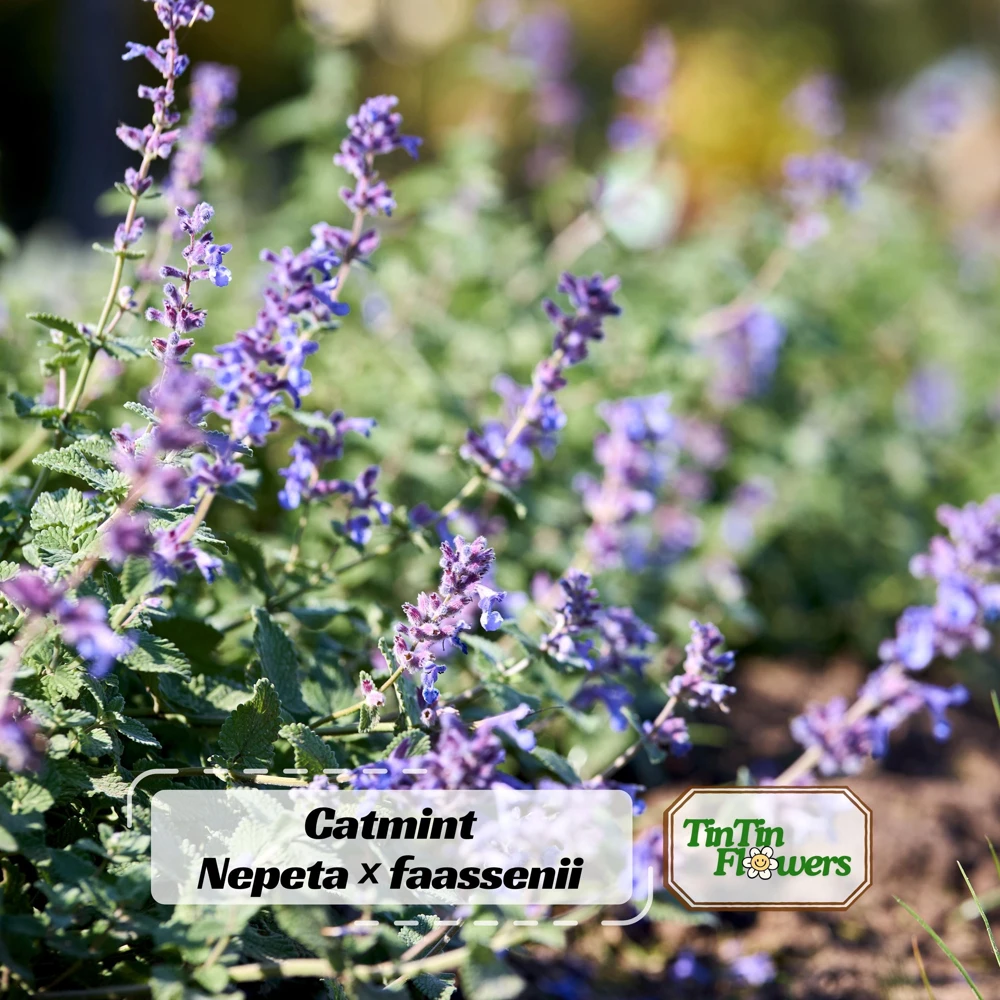
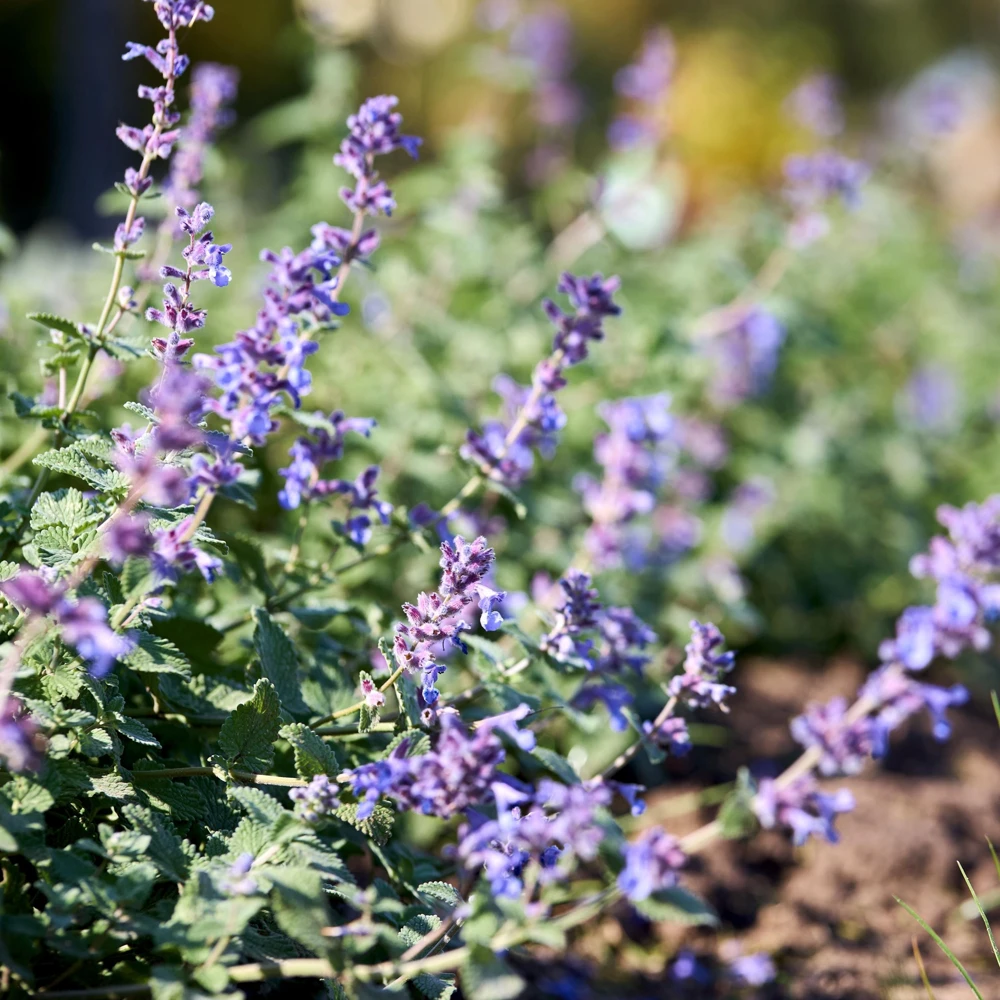
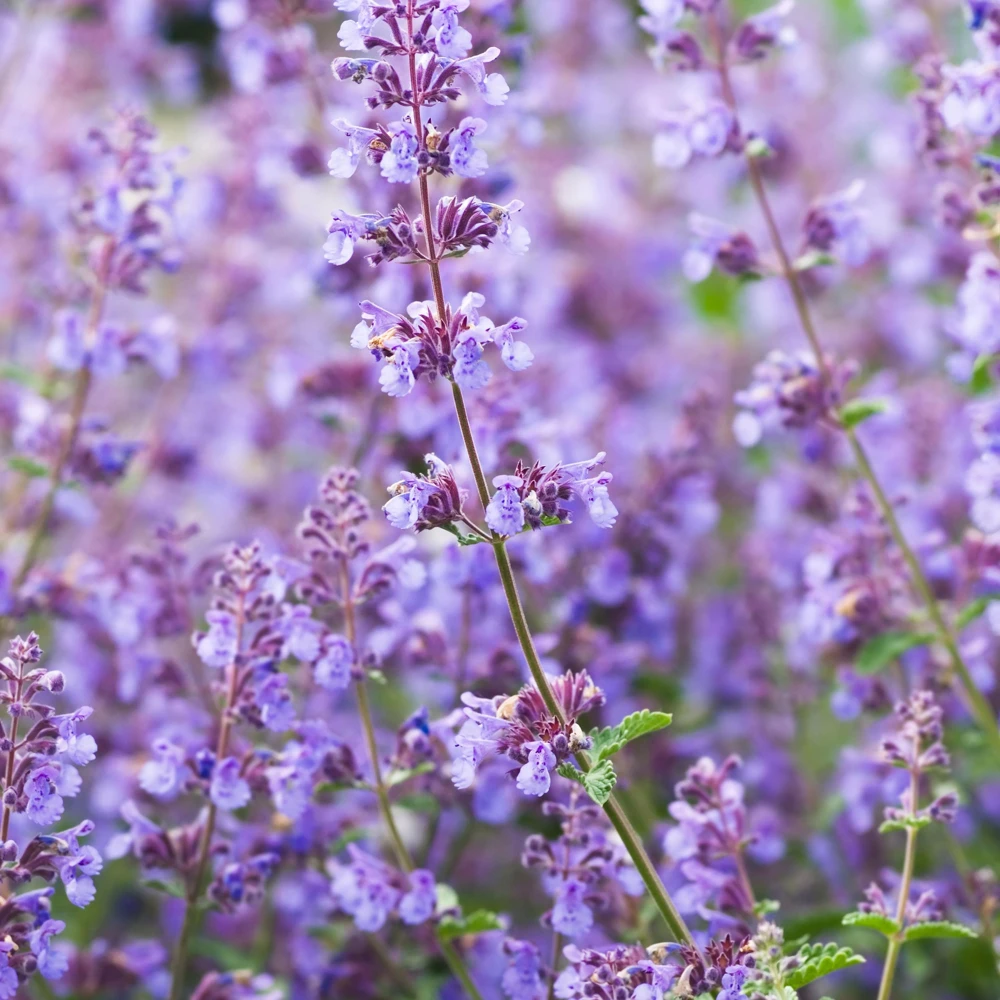
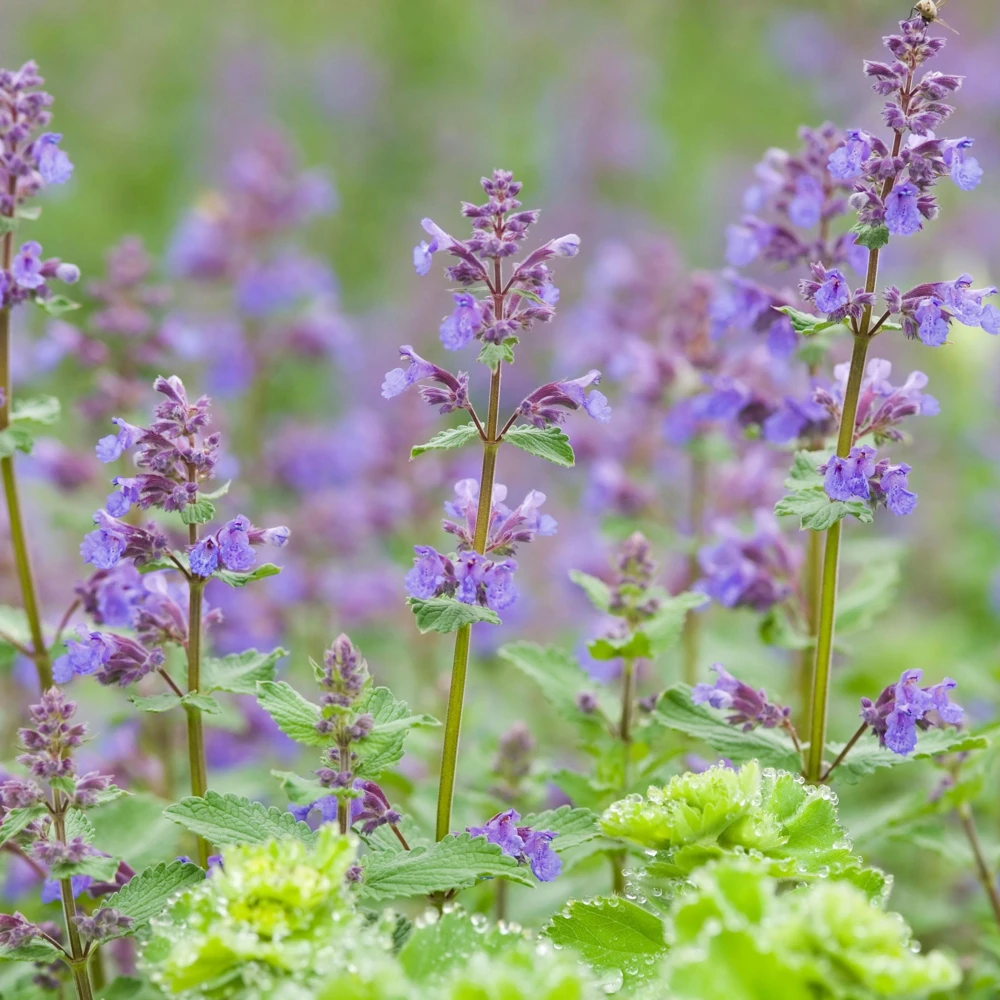
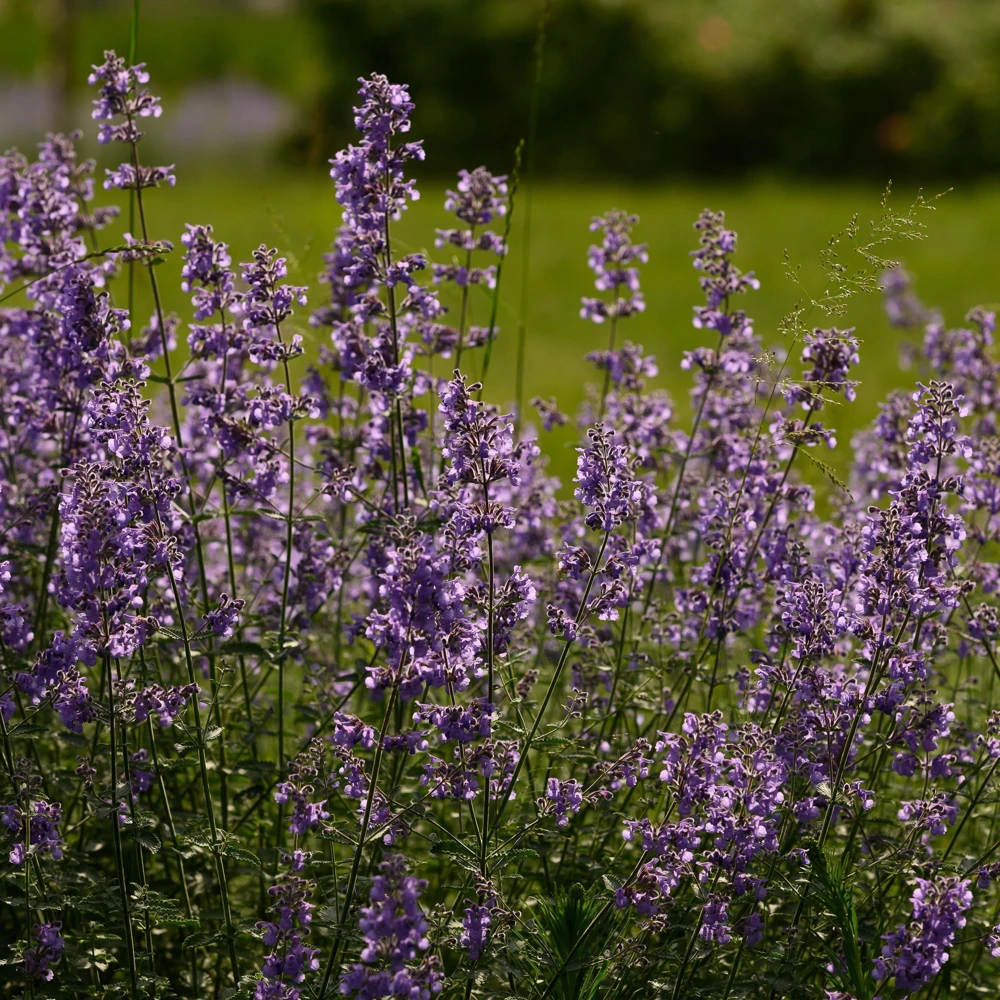
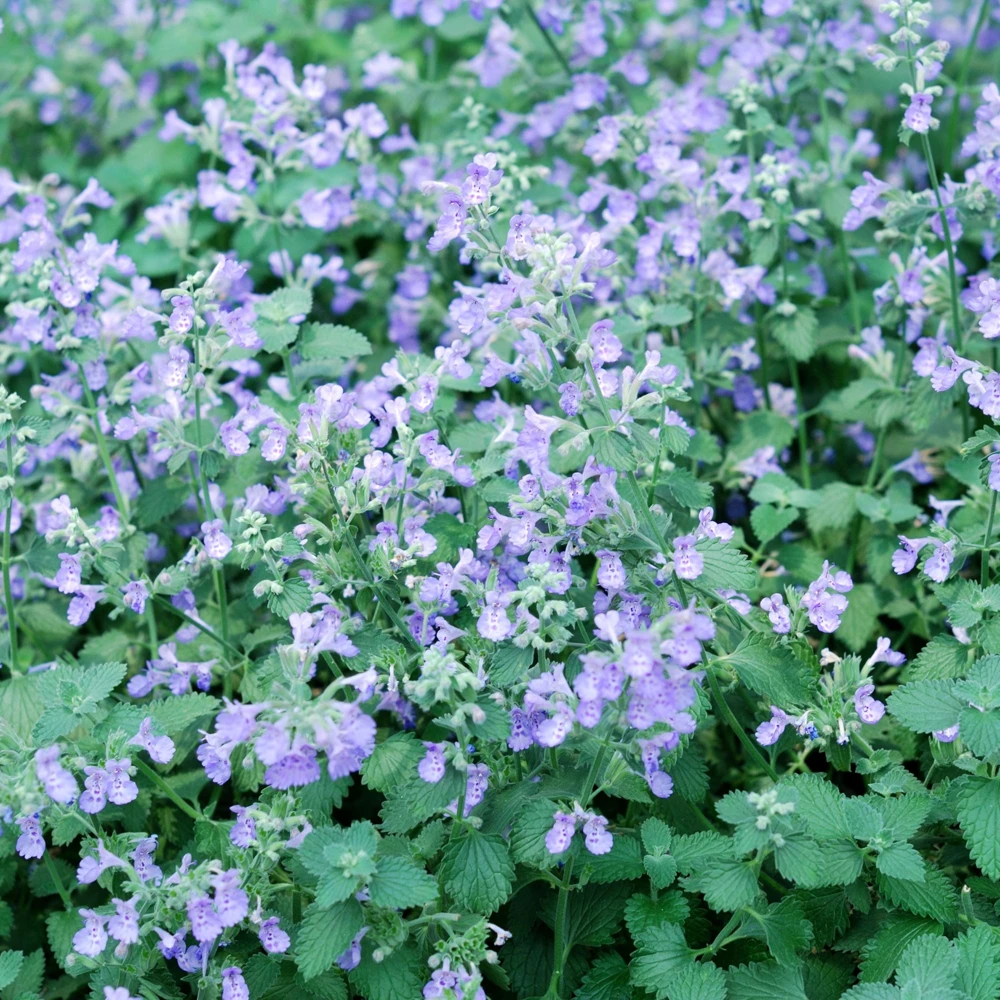
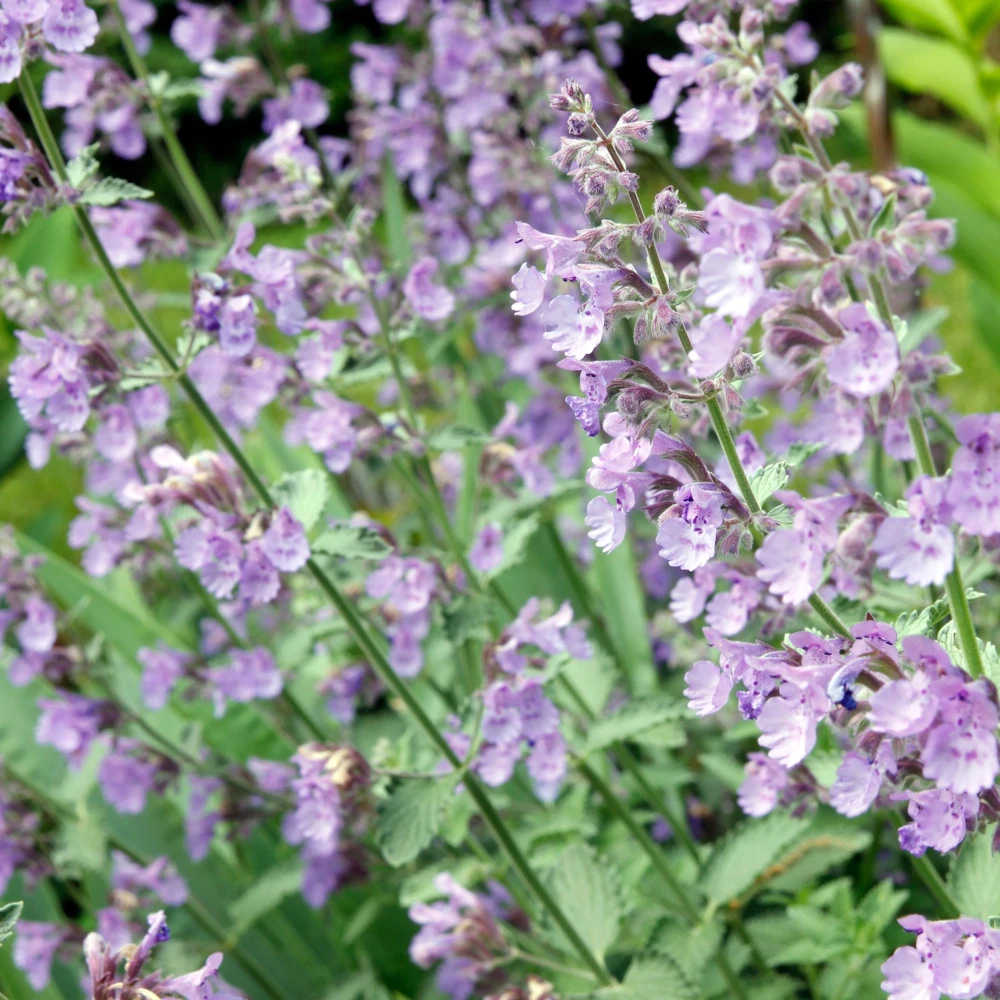
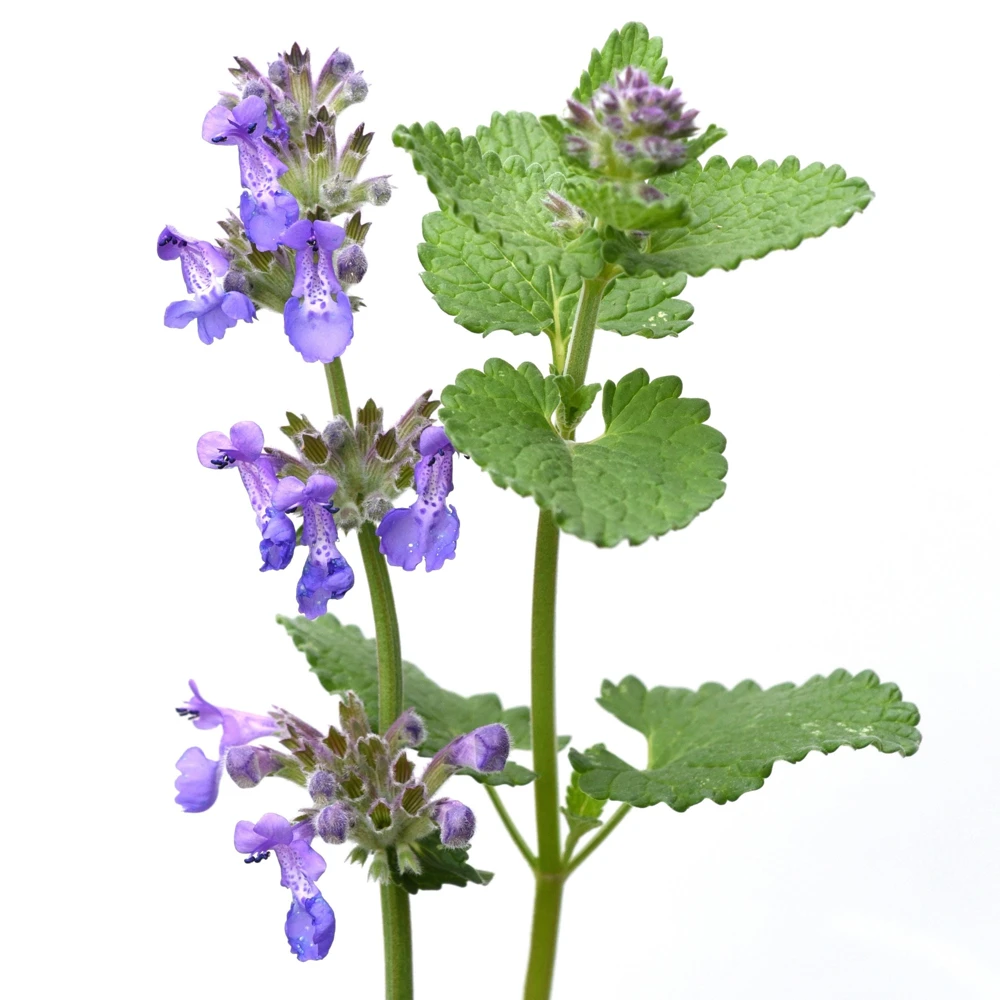
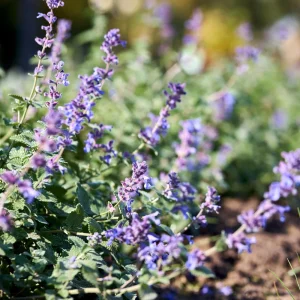
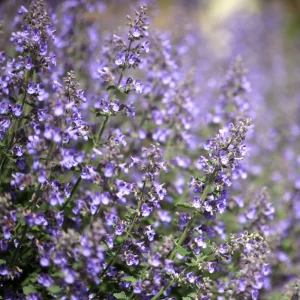
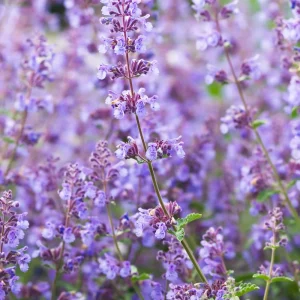
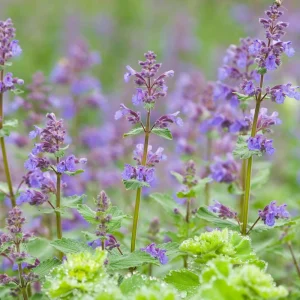
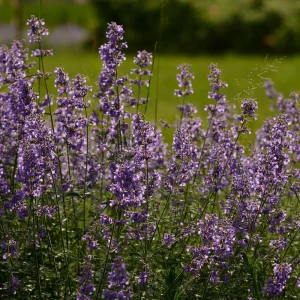
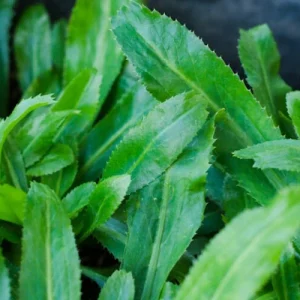
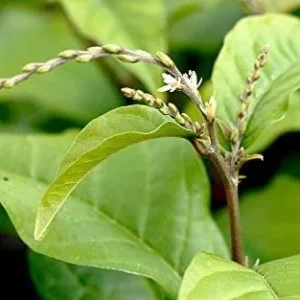
Cultivate stunning catmint seeds (Nepeta × faassenii) for a vibrant, low-maintenance garden. These perennial herb seeds yield fragrant lavender-blue flowers that attract pollinators and thrive in full sun.
Original price was: $15.16.$7.58Current price is: $7.58.

With our Alive & Thrive Guarantee, we’ve got your back for the first 30 days! If you have any concerns about your plants, just reach out to us. Our team is here to help answer your questions and guide you in selecting the best plants for your garden, climate, and unique preferences. We're excited to help you create the garden of your dreams!
Estimated arrival
Oct 08
Oct 13 - Oct 15
Oct 18 - Oct 22

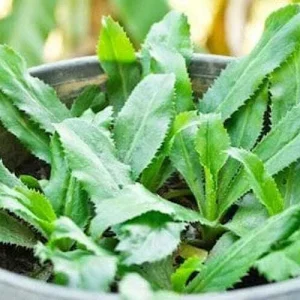
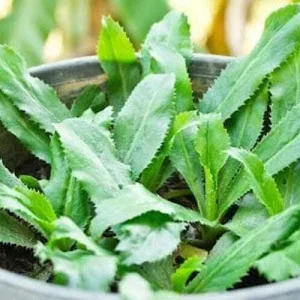
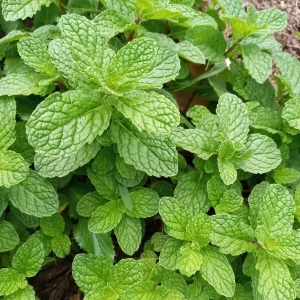

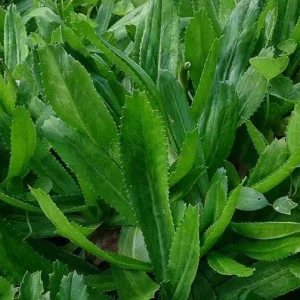
Product Details
-
USDA Hardiness Zone
USDA zones 3-8 -
Soil type
Well-draining soil -
Sunlight Exposure
Full sun -
Expected Planting Period
Early spring
Overview
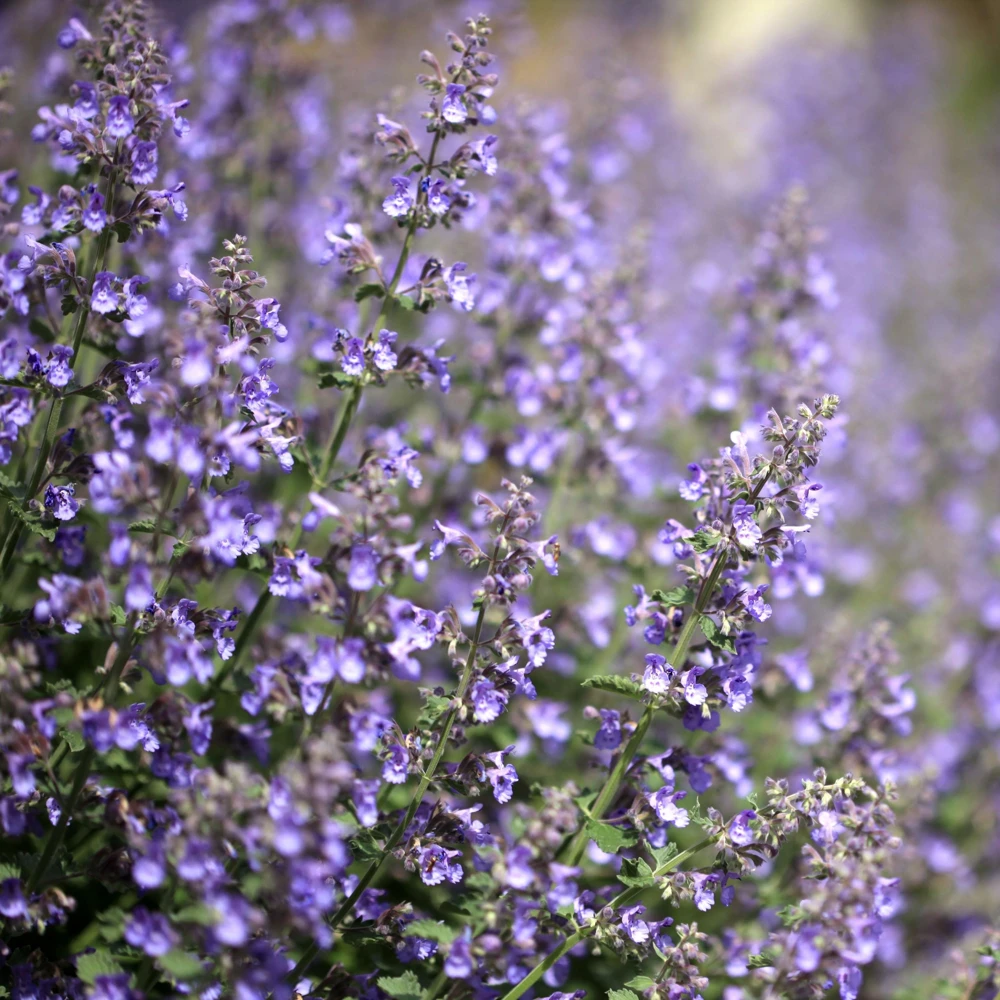
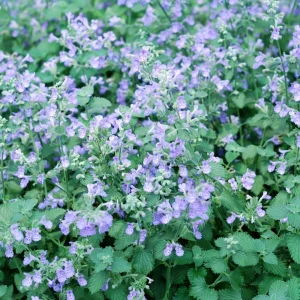
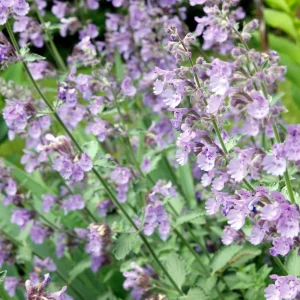
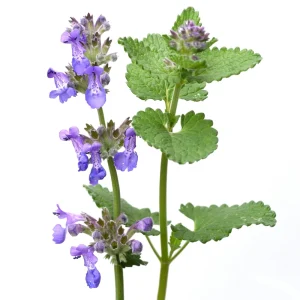
Discover the joy of growing your own fragrant garden with these premium catmint seeds. Each pack contains 20 high-quality seeds of Nepeta × faassenii, commonly known as Catmint, a beloved perennial herb. This exceptional plant is celebrated for its soft, gray-green foliage and an abundance of beautiful lavender-blue flowers that bloom continuously from late spring through summer. Ideal for borders, rock gardens, cottage gardens, and pollinator-friendly landscapes, Catmint is a low-maintenance choice that offers a long blooming period and remarkable drought tolerance. These nepeta faassenii seeds will establish hardy plants that return year after year, providing continuous beauty and a haven for beneficial insects.
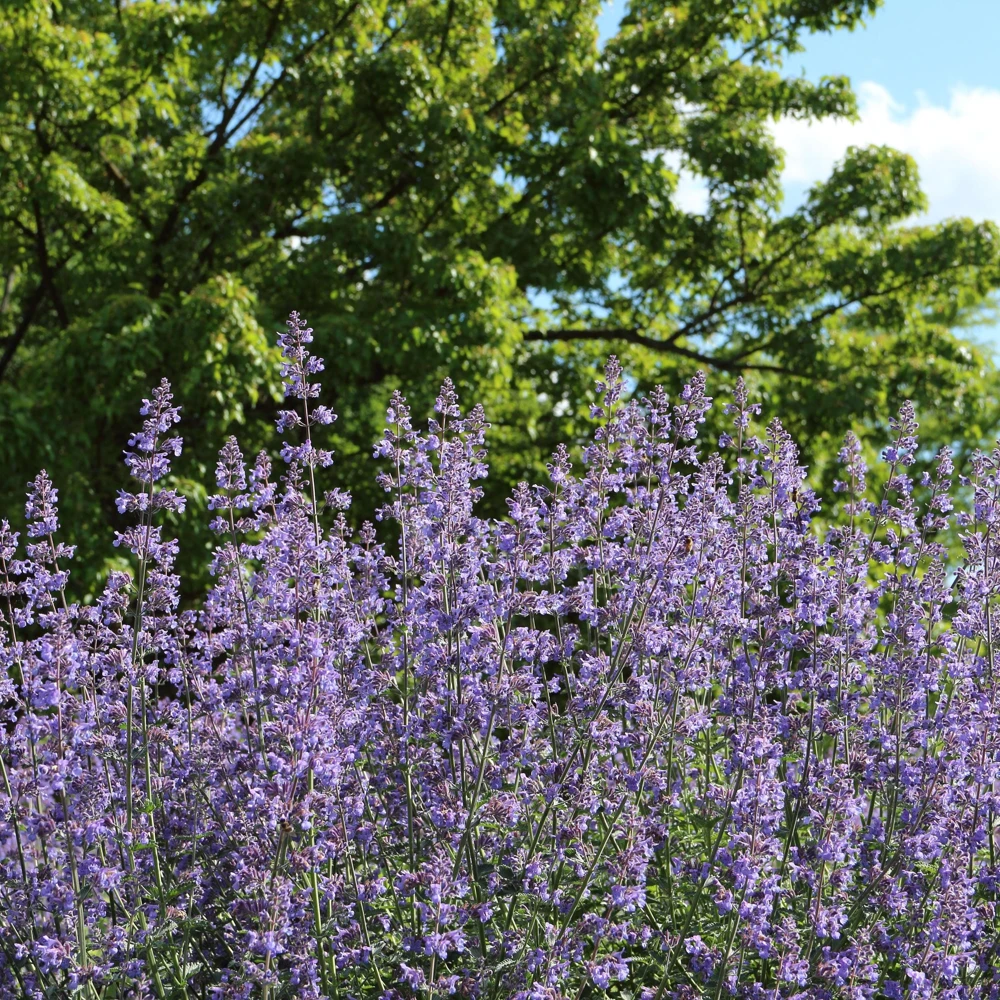
Catmint’s appealing mounding habit makes it versatile for various garden designs, from edging pathways to filling garden borders with soft, flowing textures. Its fragrant blooms not only enhance the aesthetic appeal of your garden but also serve as a magnet for bees, butterflies, and other vital pollinators, contributing to a healthy ecosystem. Starting with catmint seeds is an economical and rewarding way to introduce this charming perennial to your outdoor space, ensuring you enjoy its beauty and benefits for many seasons to come. You’ll find that catmint plant care is surprisingly easy, making it suitable for gardeners of all experience levels.
Key Benefits
Growing Catmint from catmint seeds offers a multitude of advantages for any gardener looking to enhance their landscape with beauty and functionality. These plants are incredibly resilient and provide continuous enjoyment with minimal effort.
- Attracts Pollinators: The fragrant lavender-blue flowers are a huge draw for bees, butterflies, and other beneficial insects, making it an excellent choice for a pollinator plant seeds garden. This helps support local ecosystems and improve garden productivity.
- Low Maintenance & Drought Tolerant: Once established, Catmint requires very little attention. It’s highly drought-tolerant, reducing the need for frequent watering and making it perfect for water-wise gardening.
- Long Blooming Period: Enjoy continuous waves of beautiful blooms from late spring through summer, providing extended color and interest in your garden. This prolonged flowering ensures your garden remains vibrant for months.
- Versatile Landscape Use: Its compact, mounding habit makes it ideal for various applications, including borders, rock gardens, cottage gardens, and as ground cover. It’s also excellent for edging pathways and creating soft garden designs.
- Fragrant Foliage and Flowers: Both the leaves and flowers emit a pleasant aroma, adding a sensory dimension to your garden experience. This delightful fragrance also has a calming effect on cats, hence its common name.
- Deer and Rabbit Resistant: Catmint is generally unappealing to deer and rabbits, helping to protect your garden from common pests without the need for harsh chemicals.
- Hardy Perennial: As a hardy perennial, Catmint returns year after year, saving you the effort and expense of replanting annually. This makes catmint seeds a great long-term investment for your garden.
Plant Care & Growing Tips
Cultivating Catmint from catmint seeds is an easy and rewarding experience, even for novice gardeners. Proper care ensures vigorous growth and abundant blooms throughout the season. For optimal results, provide full sun exposure; Catmint thrives in at least six hours of direct sunlight daily, which encourages the best flowering performance and compact growth. While Catmint can tolerate a variety of soil types, it prefers well-draining soil. Avoid heavy, waterlogged conditions, as this can lead to root rot. If your soil is particularly heavy, consider amending it with organic matter or sand to improve drainage.
When sowing your nepeta faassenii seeds, no special preparation is required. Simply sow the seeds on the surface of your prepared soil and lightly press them in; do not bury them deeply, as they need light to germinate. Maintain consistent soil moisture during the germination period, which typically takes 10–21 days at temperatures between 60–75°F (15–24°C). Once seedlings are strong enough to handle, thin them or transplant them to their permanent locations, spacing them 18–30 inches apart to allow for their mature spread. Water regularly during the establishment phase to help the young plants develop strong root systems. Once mature, Catmint is highly drought tolerant and will only require occasional watering during prolonged dry spells. Shear back the plants after the first flush of blooms to encourage reblooming and maintain a tidy, compact shape, ensuring continuous flowering throughout the summer. These practices are key to successful catmint plant care.
Size & Details
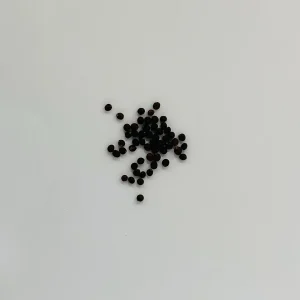
This offering includes 1 pack containing 20 catmint seeds of Nepeta × faassenii. Each seed has the potential to grow into a robust perennial herb, reaching a mature height of approximately 12–24 inches and spreading 18–30 inches wide, forming an attractive mounding habit. The plants will produce fragrant lavender-blue flowers from late spring through summer, attracting beneficial pollinators to your garden. These perennial herb seeds are easy to germinate and grow, with germination typically occurring within 10–21 days under ideal conditions. Catmint is a relatively fast grower, establishing quickly to provide season-long beauty. The seeds are suitable for planting in USDA zones where Catmint can thrive as a perennial, offering a long-lasting addition to your landscape.
Frequently Asked Questions
- Q: How big does a Catmint plant get from these seeds? A: A mature Catmint plant, grown from these catmint seeds, typically reaches a height of 12–24 inches and spreads 18–30 inches wide, forming a lovely mounding shape. Its compact size makes it versatile for various garden uses.
- Q: Is Catmint an indoor or outdoor plant? A: Catmint (Nepeta × faassenii) is primarily an outdoor plant, thriving in full sun and well-drained soil. While it can be started indoors, it is best suited for garden beds, borders, and containers outdoors.
- Q: How much sunlight does Catmint need? A: For the best flowering performance and overall health, Catmint requires full sun exposure, meaning at least 6 hours of direct sunlight per day. It can tolerate partial sun but may have fewer blooms.
- Q: Is this plant easy to care for? Is it good for beginners? A: Yes, Catmint is known for being very easy to care for, making it an excellent choice for beginners. Once established, it is drought-tolerant and requires minimal attention, aligning perfectly with easy catmint plant care.
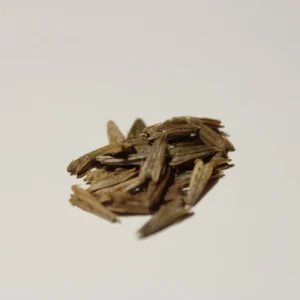
- Q: What condition will the seeds arrive in? A: You will receive 1 pack containing 20 high-quality, viable nepeta faassenii seeds, ready for planting. They are carefully packaged to ensure their integrity during transit.
- Q: How long until Catmint blooms from seed? A: Catmint typically blooms in its second year from seed, though some plants may produce flowers in their first year if started early. It then blooms continuously from late spring through summer.
- Q: Will Catmint attract beneficial insects? A: Absolutely! Catmint is an excellent choice for a pollinator plant seeds garden. Its fragrant lavender-blue flowers are highly attractive to bees, butterflies, and other beneficial pollinators, enhancing your garden’s biodiversity.
- Q: What is the best time to plant Catmint seeds? A: The best time to sow catmint seeds is in early spring after the last frost, or you can start them indoors 6-8 weeks before the last frost date for earlier blooms.
- Q: What kind of soil does Catmint prefer? A: Catmint prefers well-draining soil. It can adapt to various soil types but will not tolerate heavy, waterlogged conditions. Amending heavy soils with organic matter can improve drainage.
- Q: Is Catmint beneficial for cats? A: While the name suggests it, not all cats react to Nepeta × faassenii (Catmint) in the same way they might to true catnip (Nepeta cataria). However, many cats do enjoy its scent and may roll in it.
Related products
-50%
Original price was: $32.00.$16.00Current price is: $16.00.
-50%
From Original price was: $64.00.$32.00Current price is: $32.00.
-50%
Original price was: $32.00.$16.00Current price is: $16.00.
-50%
Original price was: $32.00.$16.00Current price is: $16.00.
-50%
Original price was: $32.00.$16.00Current price is: $16.00.
PLANTING & CARE
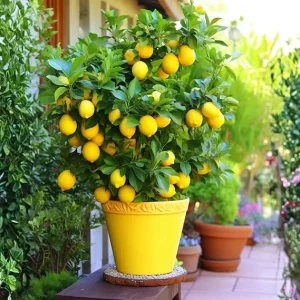
Lemon Tree Growing: Choose, Plant, and Harvest
Learn how to choose, plant, feed, and protect a lemon tree so it fits your
23
Sep
Sep
Dwarf Meyer Lemon Tree Australia: Climate Guide
Learn where dwarf Meyer lemon trees grow, how much cold they tolerate, and whether Australia,
Where to Buy a Dwarf Meyer Lemon Tree: Buyer’s Guide
Find the right dwarf Meyer lemon tree online or locally, compare starter sizes and costs,
Dwarf Meyer Lemon Tree for Sale: Buying Guide
Compare Meyer lemon tree sizes, prices, shipping limits, indoor growing and California options before you
Dwarf Meyer Lemon Tree Guide: Size, Care and Fruit
META: Learn how large a dwarf Meyer lemon tree grows, where it thrives, and how
How to Prune a Dwarf Meyer Lemon Tree
Learn when and how to prune a dwarf Meyer lemon tree, including tools, shaping cuts,
Can You Grow a Dwarf Meyer Lemon Tree in a Pot?
META: Learn how to grow a dwarf Meyer lemon tree in a pot, including container
When Do Dwarf Meyer Lemon Trees Bloom and Fruit?
META: Dwarf Meyer lemon trees usually bloom from winter through spring and may flower again