Lovage Seeds – Levisticum officinale – Perennial Culinary Herb – 20 Seeds
-50%
Lovage Seeds – Levisticum officinale – Perennial Culinary Herb – 20 Seeds
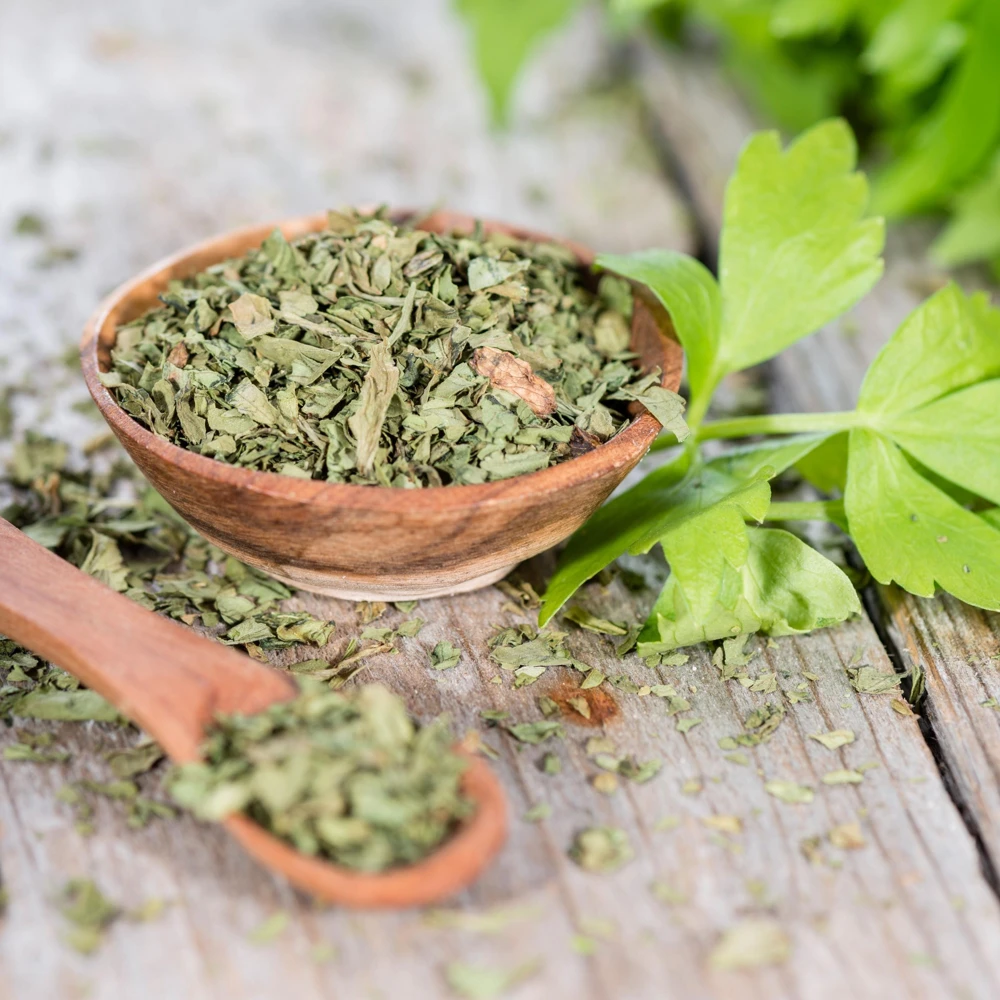
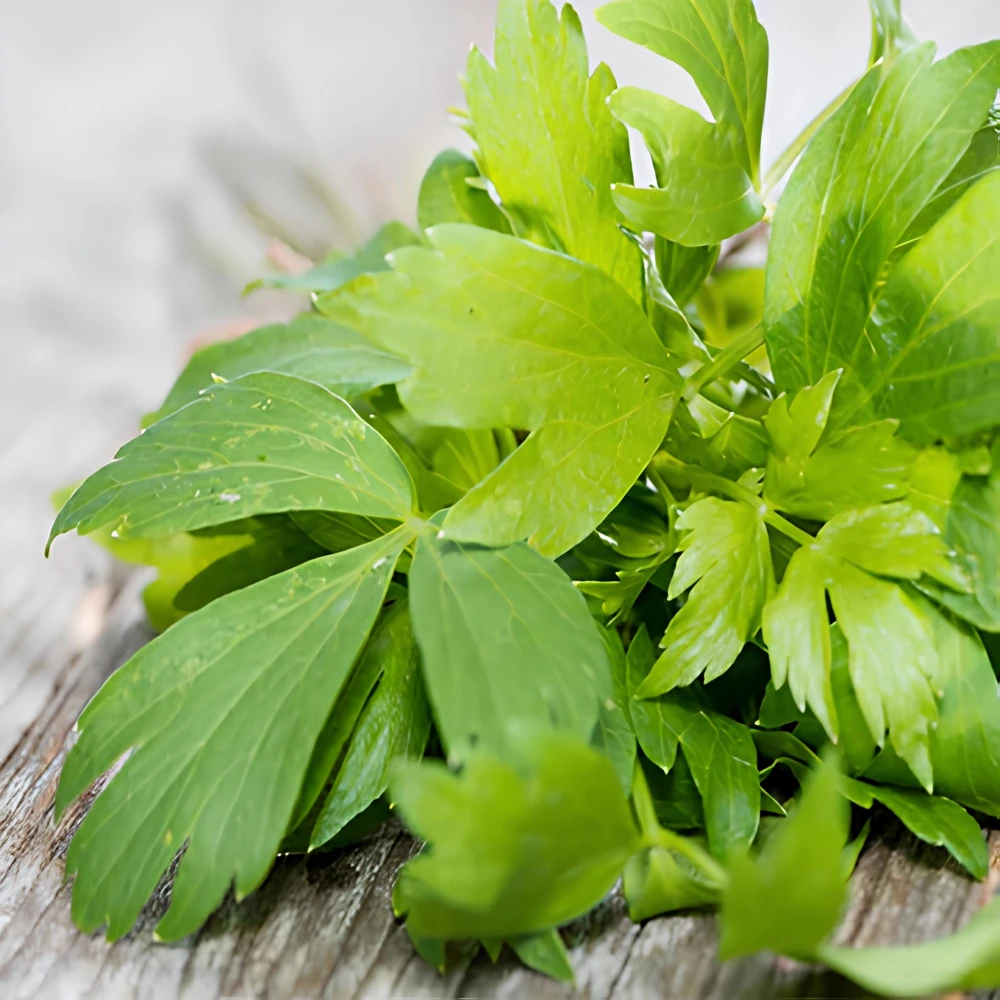
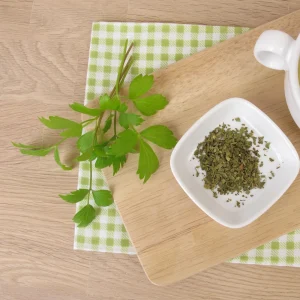
Cultivate a classic culinary favorite with our premium lovage seeds. This hardy perennial herb, Levisticum officinale, offers a distinctive celery-like flavor perfect for a variety of dishes. Easy to grow and long-lived, it’s an excellent addition to any herb or kitchen garden.
Original price was: $417,630.00.$208,816.00Current price is: $208,816.00.

With our Alive & Thrive Guarantee, we’ve got your back for the first 30 days! If you have any concerns about your plants, just reach out to us. Our team is here to help answer your questions and guide you in selecting the best plants for your garden, climate, and unique preferences. We're excited to help you create the garden of your dreams!
Estimated arrival
Oct 08
Oct 13 - Oct 15
Oct 18 - Oct 22
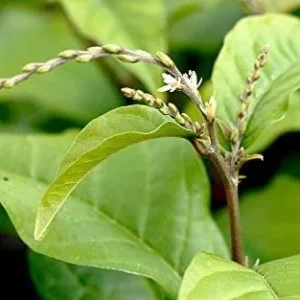
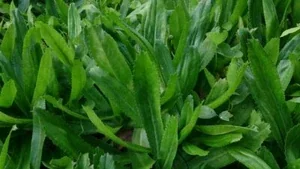
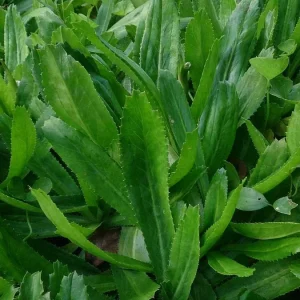
Product Details
-
USDA Hardiness Zone
USDA Zones 4-8 -
Soil type
Fertile, well-draining soil -
Sunlight Exposure
Full sun to partial shade -
Expected Planting Period
Early spring
Overview
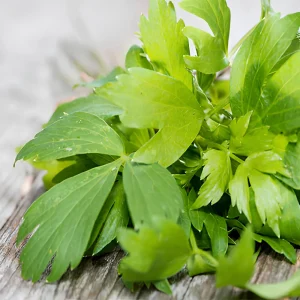
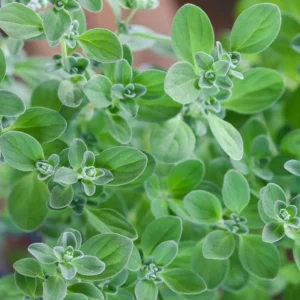
Discover the joy of growing your own aromatic herbs with our premium lovage seeds. Lovage (Levisticum officinale) is a magnificent perennial herb celebrated for its robust growth, lush green foliage, and unique, intense celery-like flavor. These seeds will allow you to cultivate a plant that becomes a staple in your herb garden, providing fresh leaves, stems, and even seeds for culinary use year after year. As a classic heirloom herb, lovage adds not only a distinctive taste to your cooking but also an attractive, tall presence to your garden landscape. It’s a versatile plant, thriving in various garden styles from traditional herb plots to cottage gardens and edible landscapes. Get ready to enjoy abundant harvests of this vigorous and easy-to-grow plant.
Each packet contains 20 high-quality lovage seeds, ensuring a good start to your herb-growing journey. This plant is known for its hardiness and ability to return each spring, offering continuous harvests. Beyond its culinary appeal, lovage also produces charming clusters of small yellow flowers in early to midsummer, which are a magnet for beneficial pollinators like bees and butterflies, contributing to a healthier garden ecosystem. If you’re looking to enrich your kitchen with fresh, homegrown flavors and enhance your garden’s biodiversity, cultivating lovage seeds is an excellent choice.
Key Benefits
Growing lovage from seed offers numerous advantages for both your garden and your kitchen. This versatile herb is a powerhouse of flavor and provides consistent yields with minimal effort, making it a rewarding addition for any gardener.
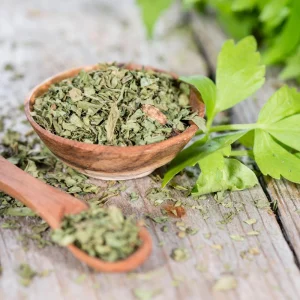
- Exceptional Culinary Flavor: Enjoy the rich, intense celery-like flavor that fresh lovage brings to soups, stews, salads, and roasted dishes. All parts of the plant – leaves, stems, and seeds – are edible and highly aromatic.
- Hardy Perennial Growth: Once established, lovage returns year after year, providing a continuous supply of fresh herbs without the need for annual replanting. It’s a long-term investment for your herb garden.
- Attracts Beneficial Pollinators: The yellow flowers produced by lovage in summer are a natural magnet for bees, butterflies, and other beneficial insects, supporting local ecosystems and improving garden health.
- Easy to Grow and Low Maintenance: Lovage is known for its vigor and adaptability, thriving in various conditions with minimal fuss. It’s an ideal plant for both beginner and experienced gardeners looking for reliable performance.
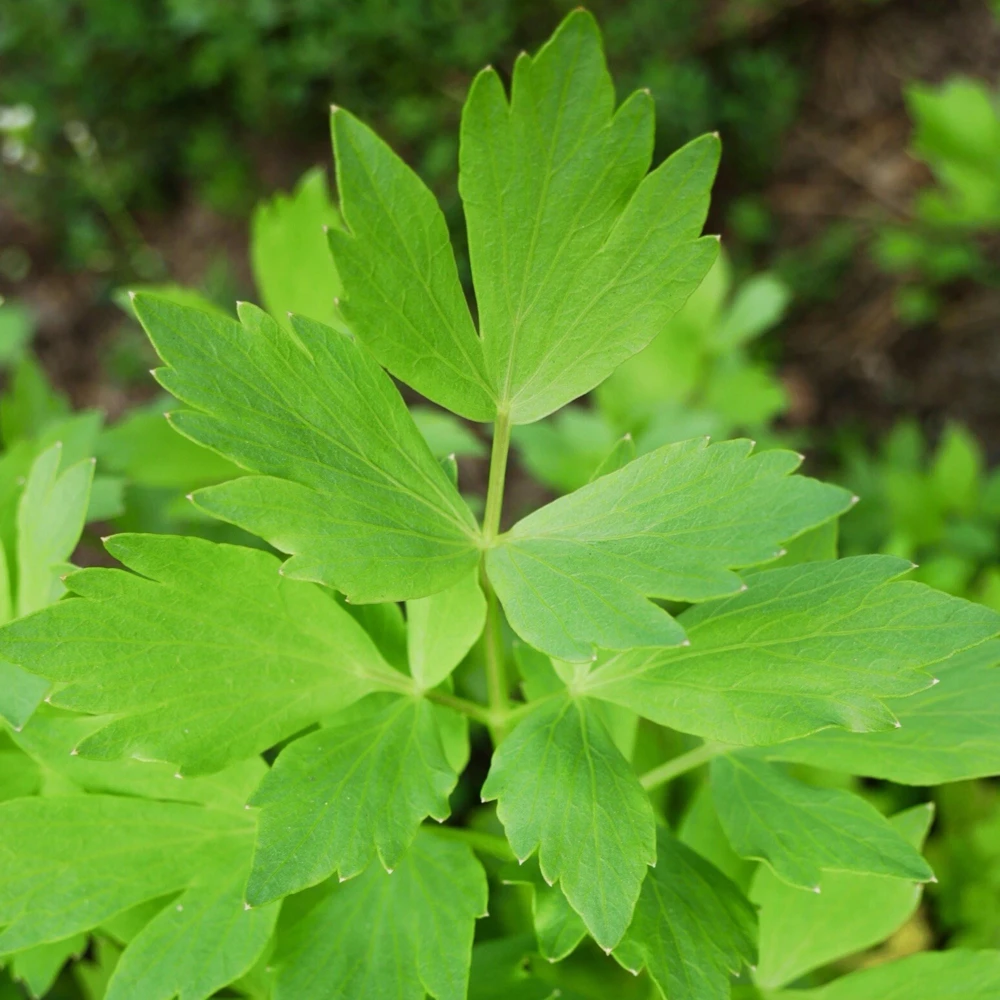
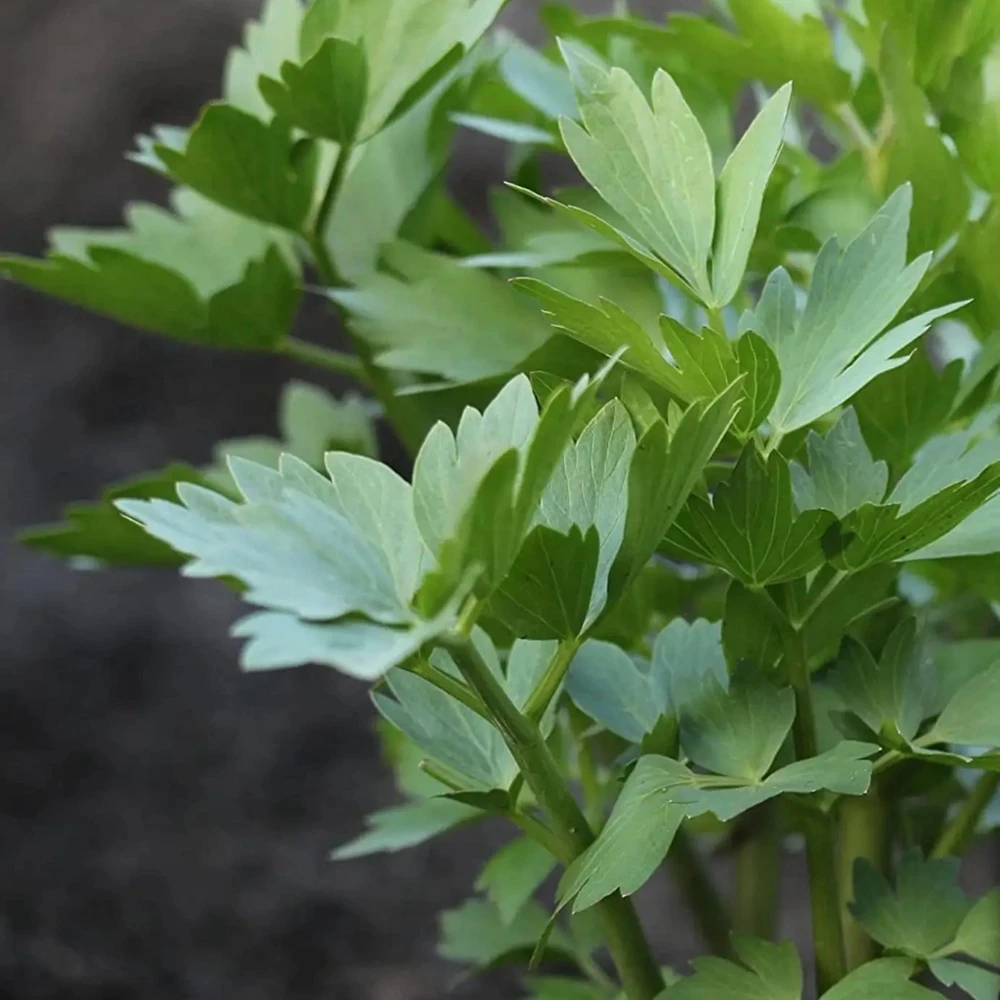
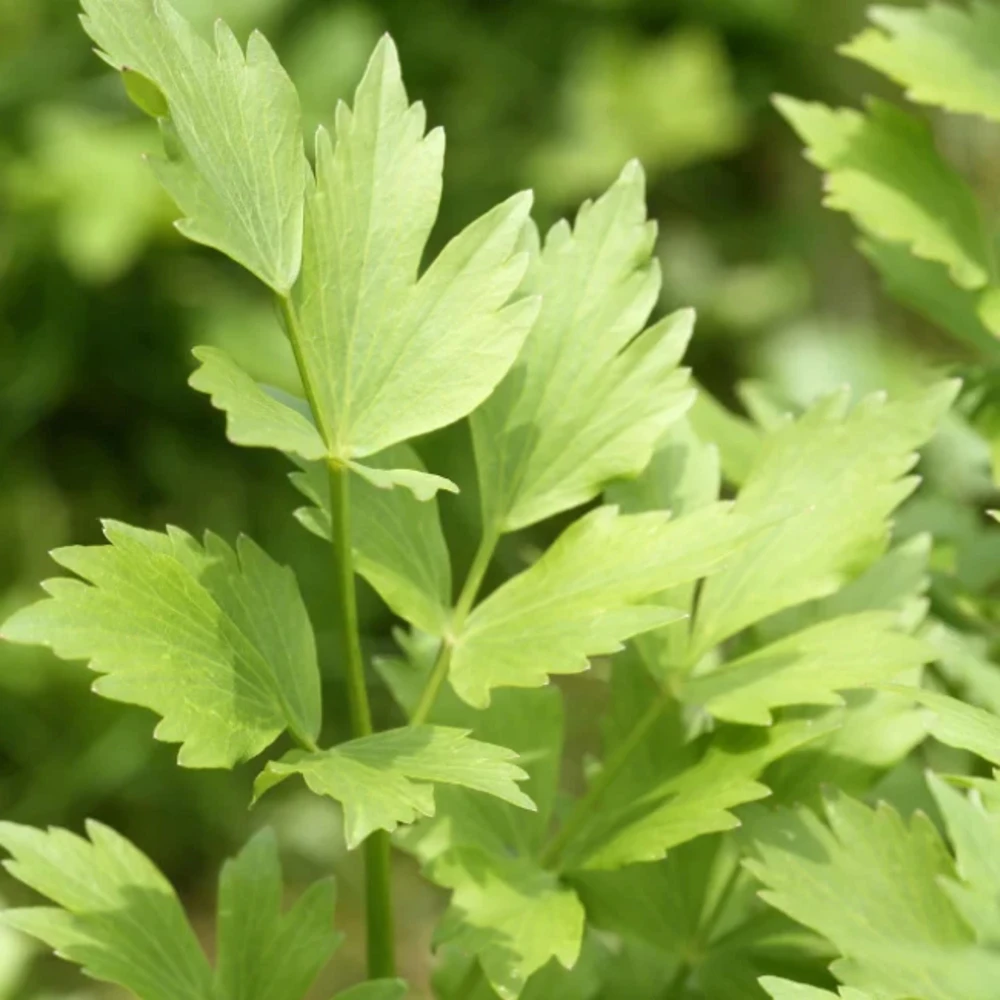
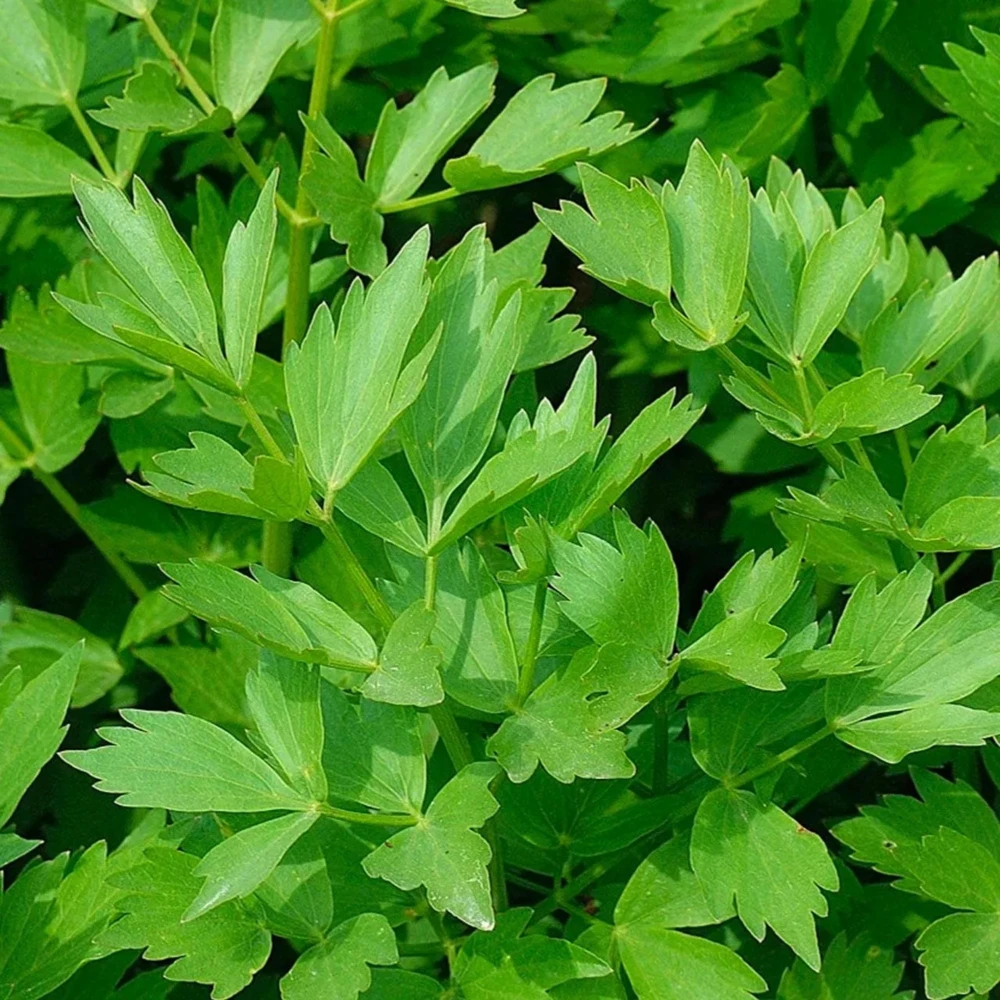
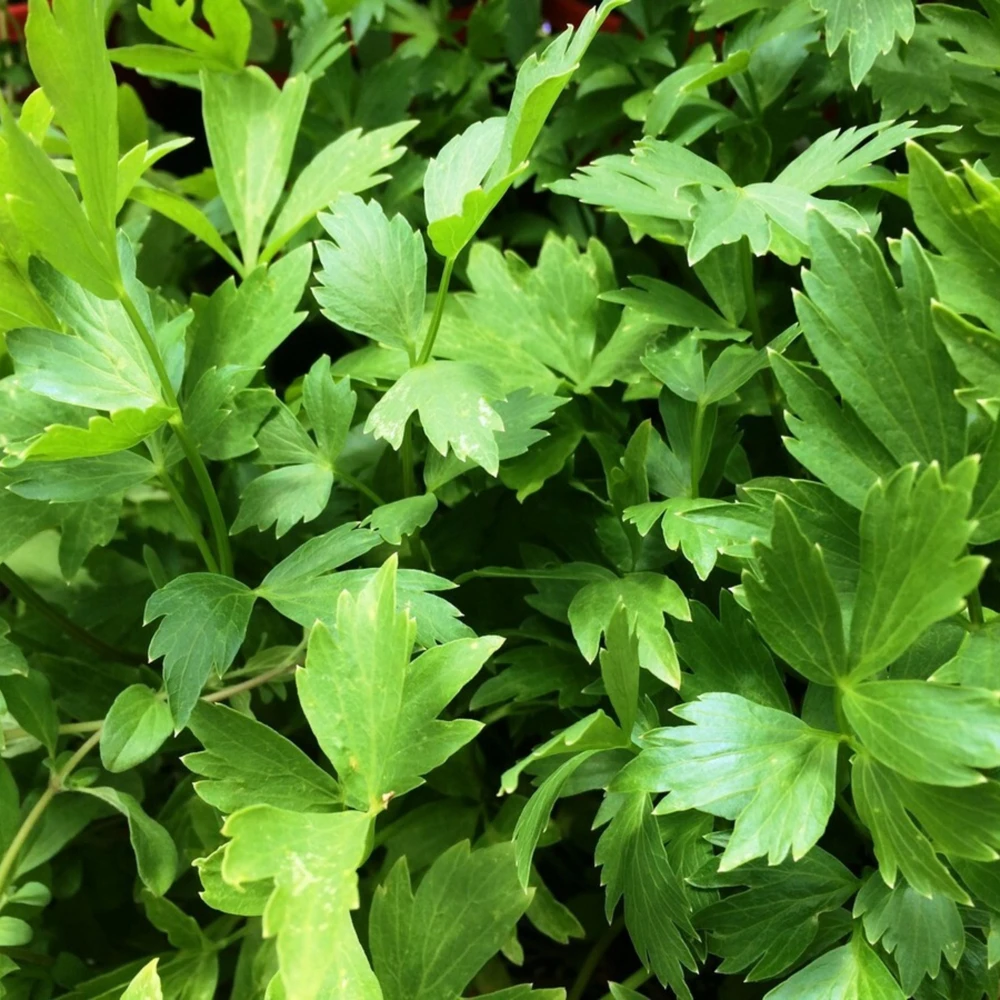
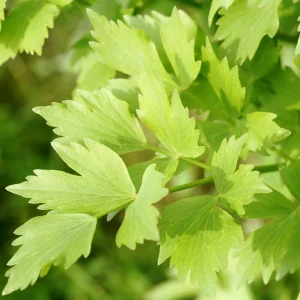
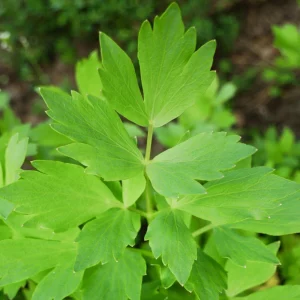
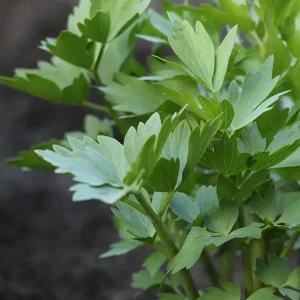
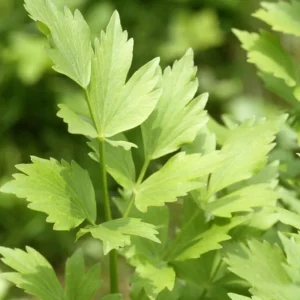
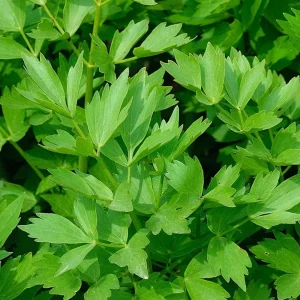
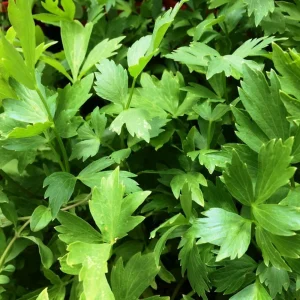
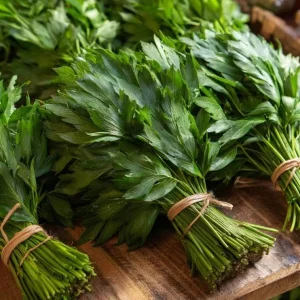
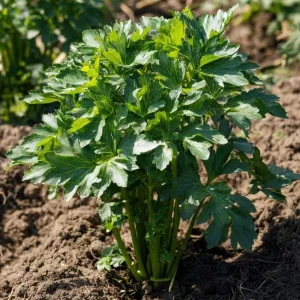
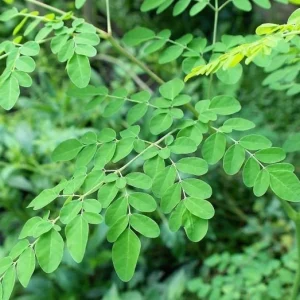
- Adds Garden Structure and Texture: With its tall, upright growth habit and deeply divided green foliage, lovage provides excellent height and texture to garden beds, acting as an attractive backdrop or focal point.
- Versatile Garden Placement: Perfect for herb gardens, kitchen gardens, cottage gardens, and edible landscapes, lovage fits seamlessly into diverse garden designs while providing practical culinary benefits.
- Heirloom Quality: These lovage seeds come from an heirloom variety, ensuring true-to-type plants with authentic flavor and characteristics that have been cherished for generations.
Plant Care & Growing Tips
Growing lovage from lovage seeds is a straightforward process, and with a little attention, you’ll have a thriving herb that provides abundant harvests. To ensure successful germination, cold stratification of the seeds for 2-4 weeks is highly recommended. This mimics natural winter conditions and significantly improves germination rates. Once stratified, sow the seeds about 1/4 inch (6 mm) deep in a well-draining seed-starting mix. Keep the soil consistently moist but not waterlogged. Optimal germination occurs when temperatures are maintained between 60–70°F (16–21°C), typically within 14–28 days.
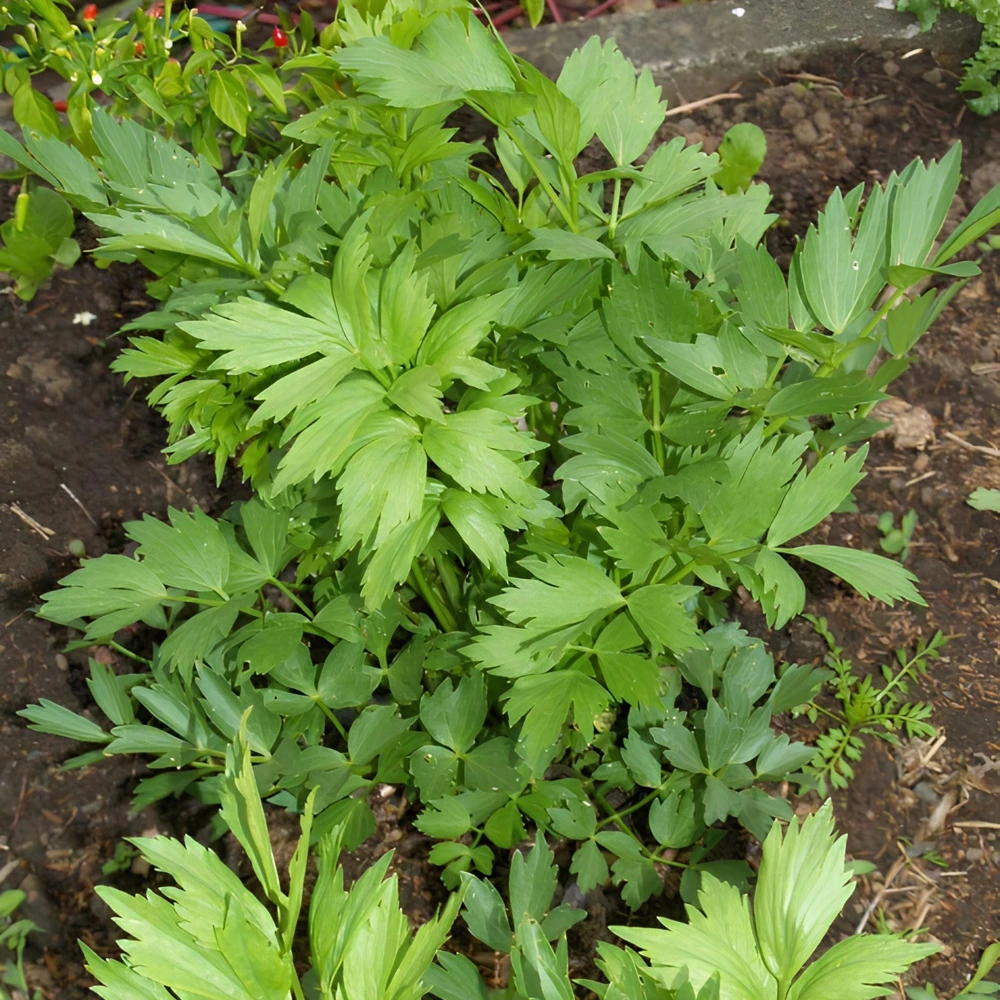
After the danger of frost has passed, transplant your lovage seedlings outdoors. Choose a location that provides full sun in cooler climates or partial shade in areas with hot summers, as too much intense heat can cause the plant to bolt. Space plants generously, about 24–36 inches apart, to allow for their mature size. Lovage prefers evenly moist, fertile, and well-drained soil. Water regularly during the establishment phase, and continue to provide consistent moisture, especially during dry spells. Fertilize sparingly; a balanced organic fertilizer in spring is usually sufficient. Harvest young leaves regularly to encourage fresh growth, and if your primary goal is foliage production, cut back flower stalks as they emerge. Dividing mature plants every few years can help maintain their vigor and prevent overcrowding, ensuring your perennial herb seeds continue to yield strong plants.
Size & Details
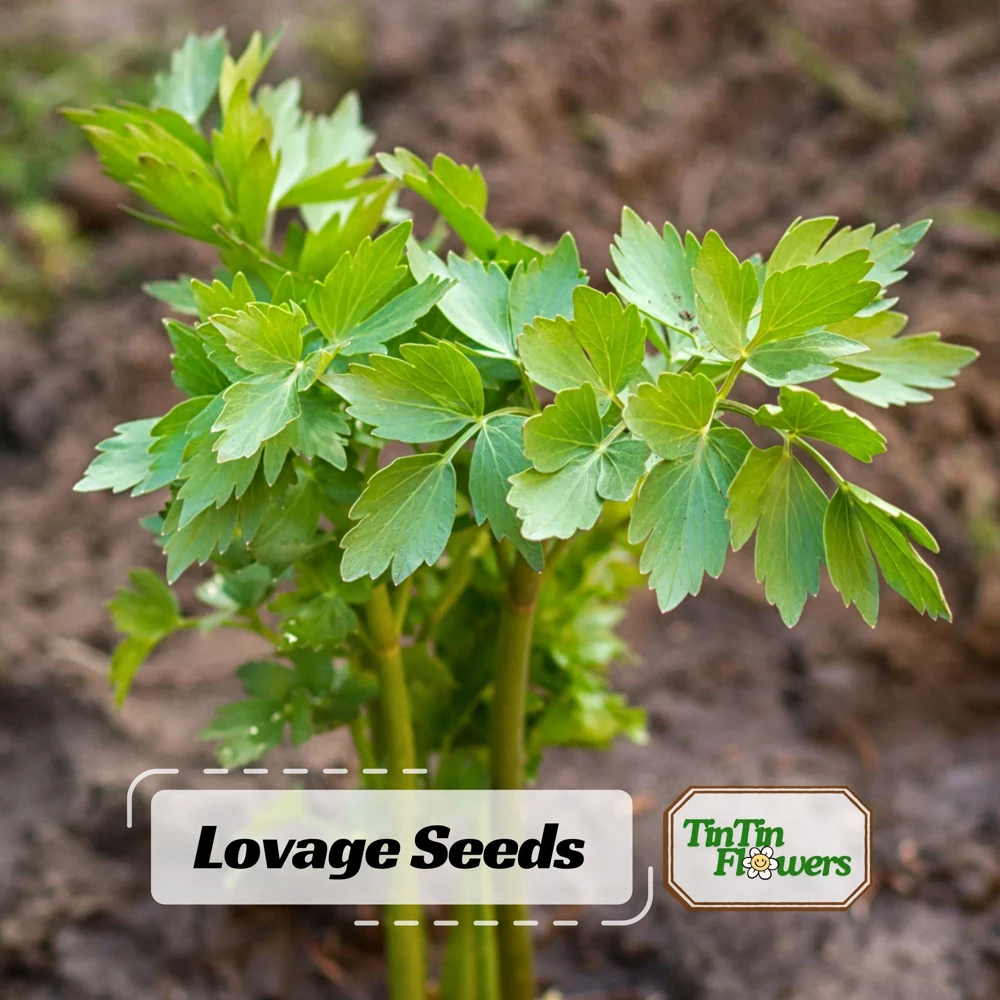
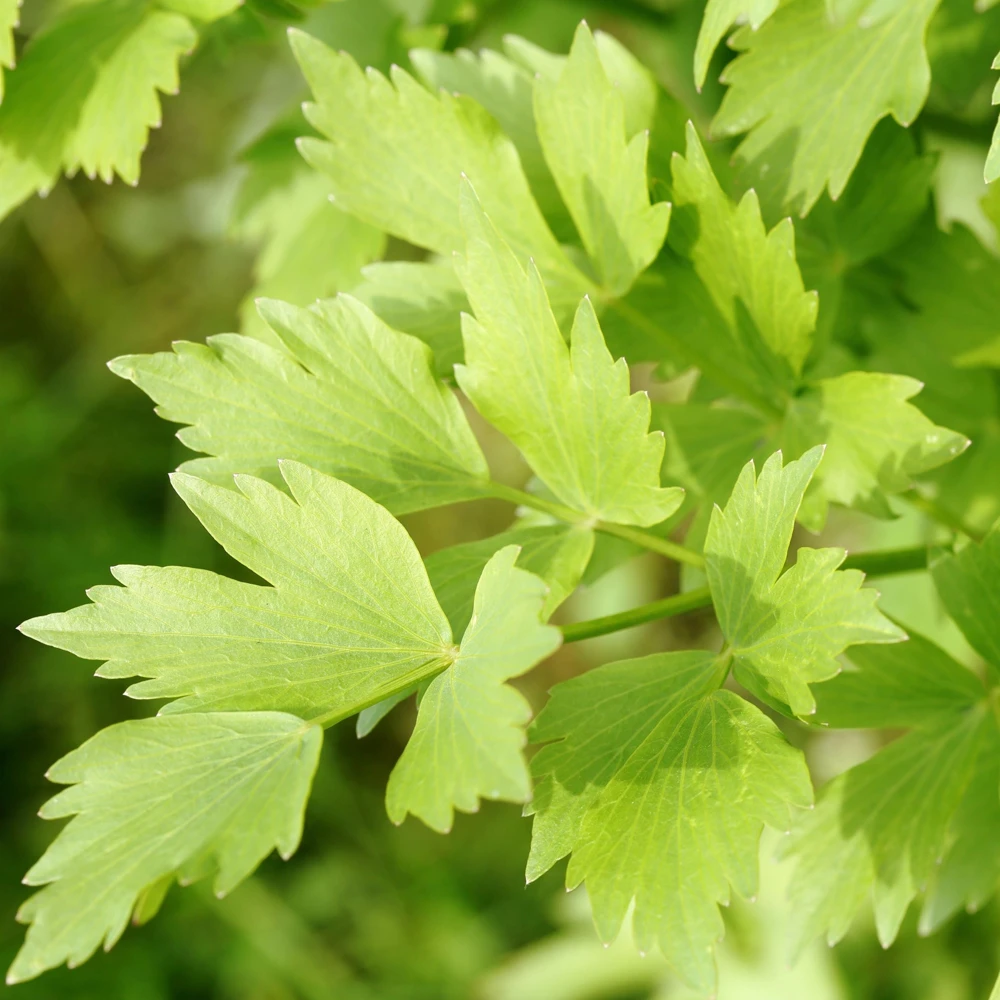
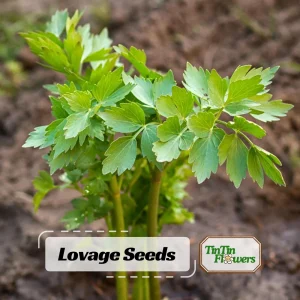
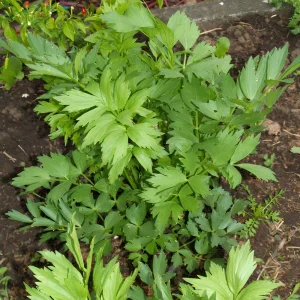
Our lovage seeds will grow into robust herbaceous perennial herbs, typically reaching an impressive height of 4–6 feet with a spread of 24–36 inches at maturity. These plants exhibit an upright, clump-forming growth habit, making them a stately presence in any garden. The foliage is a deep green, deeply divided, and highly aromatic, while the flowers are small and yellow, appearing in attractive clusters from early to midsummer. Each packet contains 20 seeds, providing a generous quantity to start your lovage patch. With proper care, these plants are long-lived and will provide abundant harvests for many years, adding both culinary delight and ornamental value to your landscape.
Frequently Asked Questions
- Q: How big does lovage get? A: Lovage can grow quite large, typically reaching heights of 4–6 feet (1.2–1.8 meters) and spreading 24–36 inches (60–90 cm) wide, forming an impressive clump.
- Q: Is this an indoor or outdoor plant? A: Lovage is primarily grown outdoors as a garden herb. While it can be grown in large containers, it generally thrives best when planted directly in the garden soil.
- Q: How much sunlight does lovage need? A: Lovage prefers full sun in cooler climates. In regions with hot summers, it benefits from partial shade during the hottest part of the day to prevent scorching and bolting.
- Q: Is lovage easy to care for? A: Yes, lovage is considered an easy-to-grow herb. It’s vigorous, hardy, and relatively low-maintenance once established, making it suitable for gardeners of all experience levels.
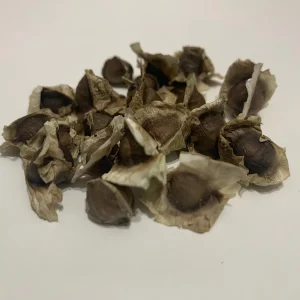
- Q: What condition will the lovage seeds arrive in? A: Your lovage seeds will arrive in a protective packet, ensuring they are fresh and viable for planting. We take care to package them securely for transit.
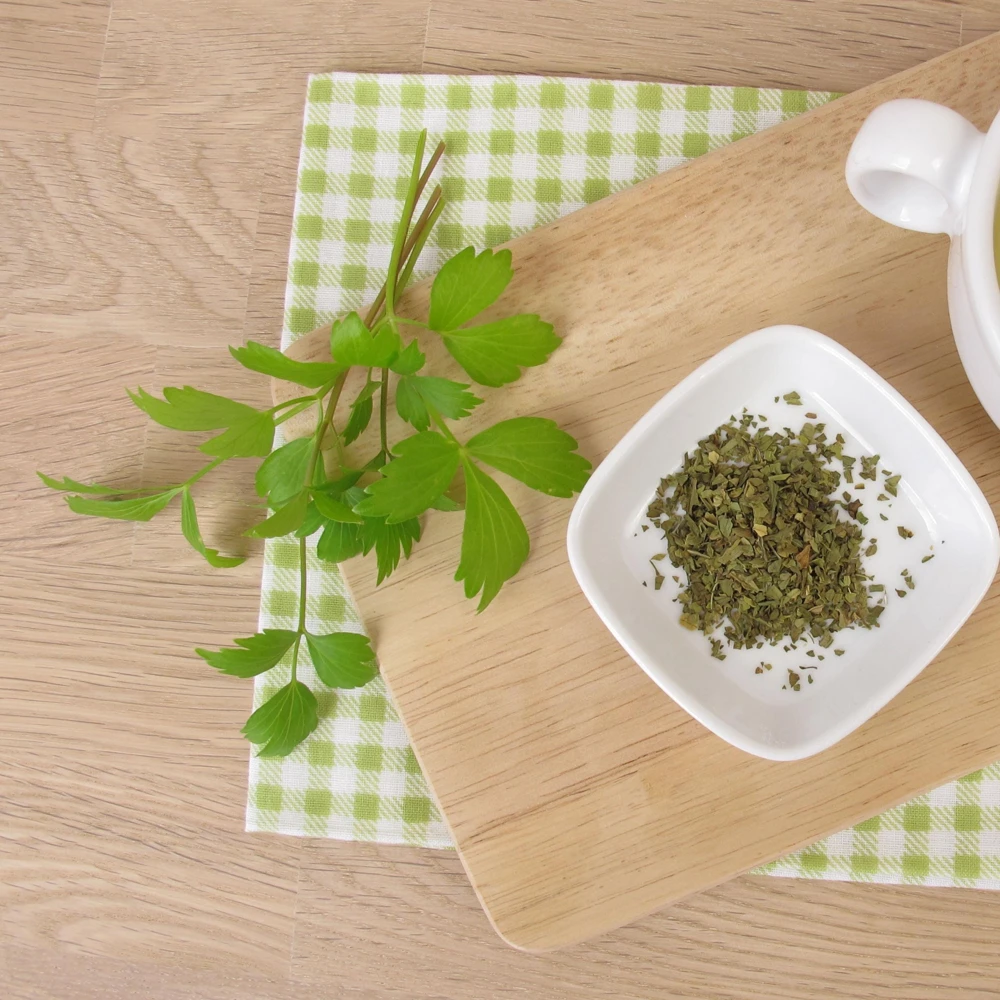
- Q: Can I use lovage in cooking? A: Absolutely! Lovage is a fantastic culinary herb. Its leaves, stems, and even seeds can be used to impart a rich, celery-like flavor to soups, stews, salads, stocks, and various meat and vegetable dishes.
- Q: When is the best time to plant lovage seeds? A: After cold stratification, sow lovage seeds indoors 6-8 weeks before the last frost date, or direct sow outdoors in early spring after the danger of hard frost has passed.
- Q: Will lovage survive winter in my zone? A: Lovage is a hardy perennial and is generally hardy in USDA Zones 4-8. In colder zones, it will die back to the ground in winter and re-emerge in spring.
- Q: How long until lovage is ready to harvest? A: You can typically begin harvesting young lovage leaves within 60-90 days after sowing. The plant will continue to produce throughout the growing season.
- Q: What kind of soil does lovage prefer? A: Lovage thrives in fertile, well-drained soil that is kept consistently moist. Amend heavy clay soils with compost to improve drainage and fertility.
Related products
-50%
Original price was: $32.00.$16.00Current price is: $16.00.
-63%
Original price was: $31.99.$11.99Current price is: $11.99.
-63%
Original price was: $31.99.$11.99Current price is: $11.99.
-50%
Original price was: $32.00.$16.00Current price is: $16.00.
-61%
Original price was: $32.99.$12.99Current price is: $12.99.
-50%
Original price was: $32.00.$16.00Current price is: $16.00.

PLANTING & CARE
Lemon Tree Growing: Choose, Plant, and Harvest
Learn how to choose, plant, feed, and protect a lemon tree so it fits your
23
Sep
Sep
Dwarf Meyer Lemon Tree Australia: Climate Guide
Learn where dwarf Meyer lemon trees grow, how much cold they tolerate, and whether Australia,
Where to Buy a Dwarf Meyer Lemon Tree: Buyer’s Guide
Find the right dwarf Meyer lemon tree online or locally, compare starter sizes and costs,
Dwarf Meyer Lemon Tree for Sale: Buying Guide
Compare Meyer lemon tree sizes, prices, shipping limits, indoor growing and California options before you
Dwarf Meyer Lemon Tree Guide: Size, Care and Fruit
META: Learn how large a dwarf Meyer lemon tree grows, where it thrives, and how
How to Prune a Dwarf Meyer Lemon Tree
Learn when and how to prune a dwarf Meyer lemon tree, including tools, shaping cuts,
Can You Grow a Dwarf Meyer Lemon Tree in a Pot?
META: Learn how to grow a dwarf Meyer lemon tree in a pot, including container
When Do Dwarf Meyer Lemon Trees Bloom and Fruit?
META: Dwarf Meyer lemon trees usually bloom from winter through spring and may flower again