Chestnut Tree Live Plant – Sweet Fruit, Deciduous Shade Tree, 6-10 Inches Tall, 4-Inch Pot, Outdoor
-50%
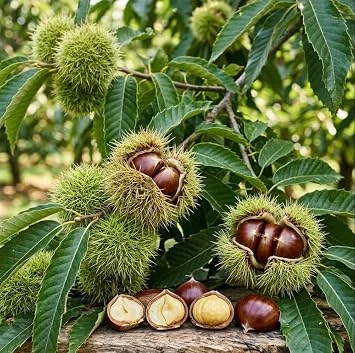
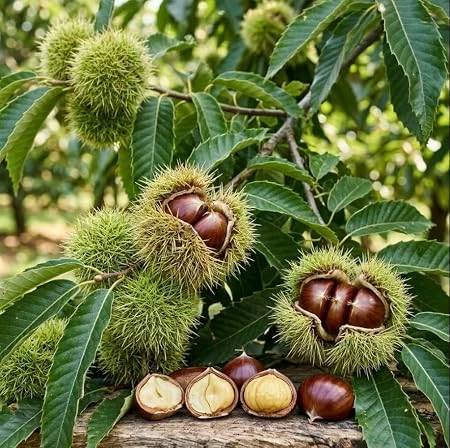
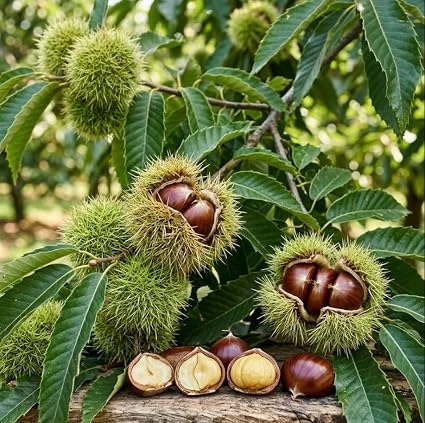
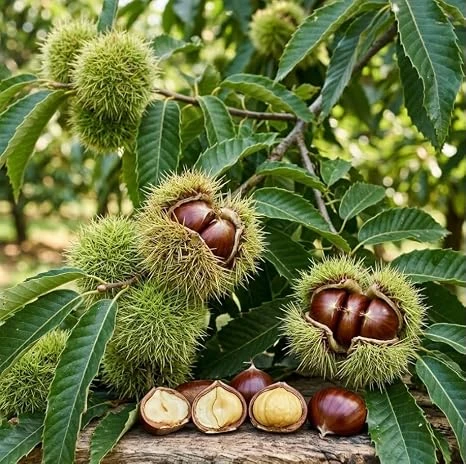
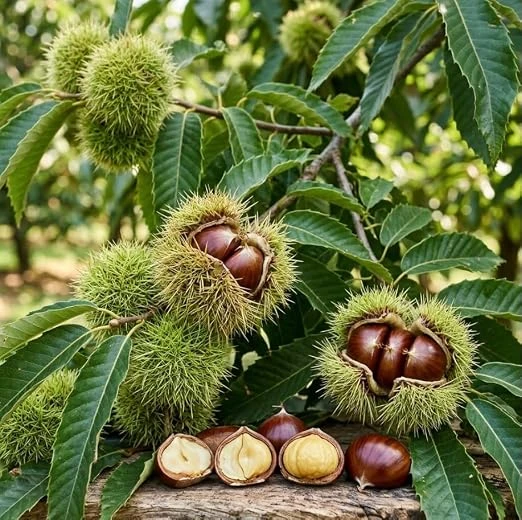
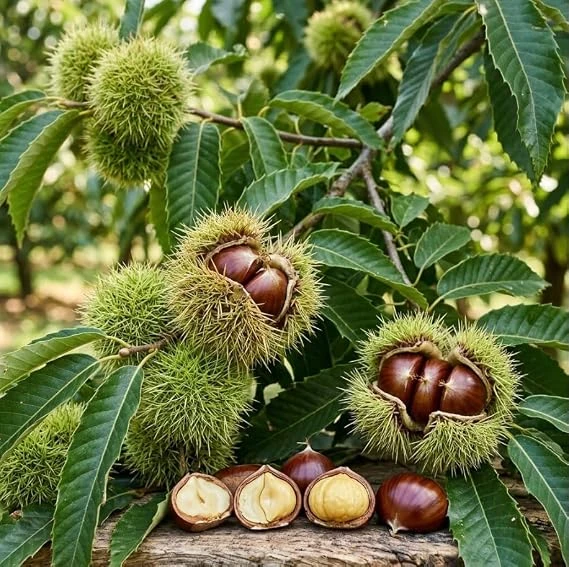
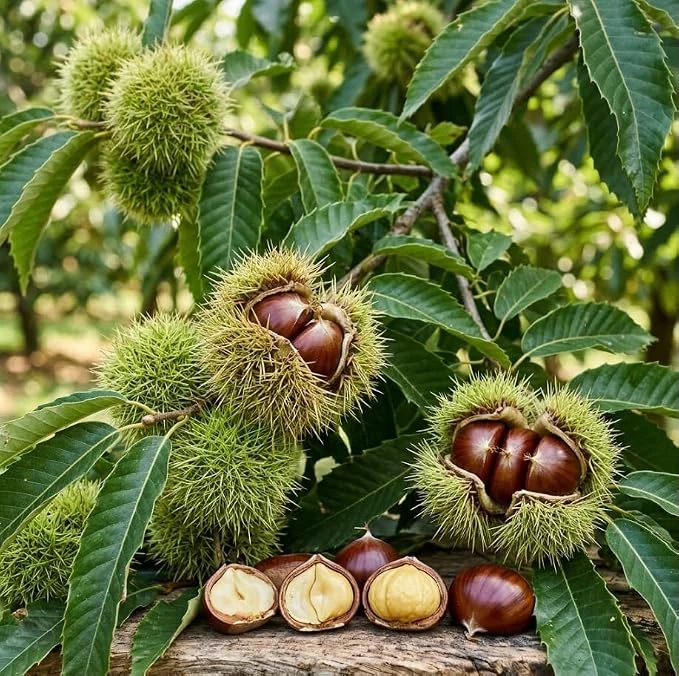
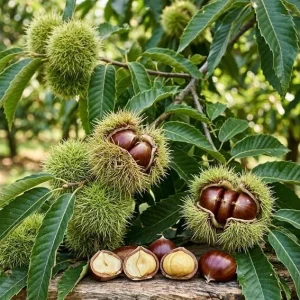
Chestnut Tree Live Plant – Sweet Fruit, Deciduous Shade Tree, 6-10 Inches Tall, 4-Inch Pot, Outdoor
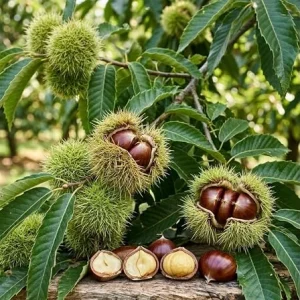
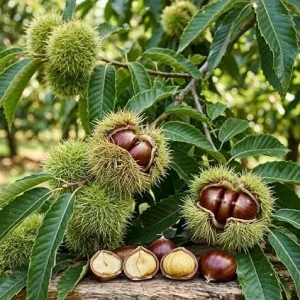
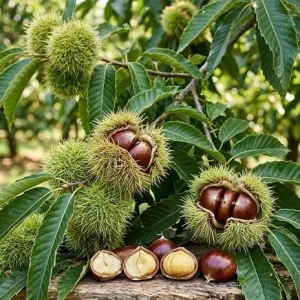
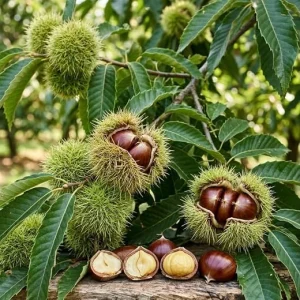
Bring home a beautiful chestnut tree live plant, a fantastic addition to any outdoor space. This young, deciduous shade tree measures 6-10 inches tall and comes in a 4-inch pot, ready for planting. Enjoy the potential for delicious, sweet chestnuts as it matures.
Original price was: $79.98.$39.99Current price is: $39.99.

With our Alive & Thrive Guarantee, we’ve got your back for the first 30 days! If you have any concerns about your plants, just reach out to us. Our team is here to help answer your questions and guide you in selecting the best plants for your garden, climate, and unique preferences. We're excited to help you create the garden of your dreams!
Estimated arrival
Nov 03
Nov 08 - Nov 10
Nov 13 - Nov 17
Product Details
-
USDA Hardiness Zone
USDA Zones 4-8 -
Soil type
Well-draining, slightly acidic to neutral loamy soil -
Sunlight Exposure
Full sun -
Expected Planting Period
Spring to early summer
Overview
Cultivate your own source of delicious nuts with this vibrant chestnut tree live plant. Perfect for home gardeners and plant enthusiasts, this young tree arrives ready to thrive in your outdoor space. Known for its stately presence and the delectable, sweet nuts it produces, the deciduous nut tree is a wonderful long-term investment for any landscape. Each plant is carefully grown and shipped fresh, standing approximately 6-10 inches tall in a 4-inch pot, providing a strong foundation for future growth. While young, this tree embodies the promise of a bountiful harvest and a beautiful shade provider for years to come. It’s an excellent choice for those looking to add both aesthetic appeal and edible yields to their garden.
The chestnut tree live plant is a remarkable specimen, offering both ornamental beauty and practical benefits. As a deciduous tree, it provides lush green foliage in spring and summer, followed by stunning autumn colors before shedding its leaves for winter dormancy. This natural cycle ensures robust growth and prepares the tree for fruit production once it reaches maturity. Adding a sweet chestnut tree to your property means investing in a living legacy that will enrich your environment and potentially provide generations with tasty treats. This particular offering focuses on providing a healthy, young plant to give you the best start in growing your own chestnut grove.
Key Benefits
Bringing a chestnut tree live plant into your garden offers numerous advantages, from ecological contributions to personal enjoyment. These trees are not only beautiful but also provide valuable resources and habitat. Here are some of the key benefits:
- Delicious Edible Nuts: Once mature, this sweet chestnut tree will produce a generous harvest of large, flavorful nuts. Chestnuts are highly versatile and can be roasted, boiled, or used in various culinary dishes, offering a unique and healthy food source directly from your garden.
- Stunning Deciduous Shade Tree: As a deciduous tree, it provides ample shade during the warm months, making your outdoor living spaces more comfortable. Its seasonal leaf changes also offer dynamic visual interest, from vibrant green to rich autumn hues.
- Wildlife Attraction: Chestnut trees are known to attract various wildlife, including squirrels and birds, adding to the biodiversity and natural charm of your garden or yard. The nuts themselves are a valuable food source for many creatures.
- Environmental Contribution: Planting a grow chestnut tree helps improve air quality, provides oxygen, and supports local ecosystems. Trees are vital for environmental health, and adding one to your property contributes positively to the planet.
- Long-Term Investment: A well-cared-for chestnut tree can live for many decades, becoming a cherished part of your landscape. It’s an investment that grows in value and beauty over time, providing enjoyment and bounty for years to come.
- Robust Starter Plant: Arriving 6-10 inches tall in a 4-inch pot, this young plant has a strong root system, giving it an excellent head start for healthy growth. This ensures a higher success rate for establishing your new tree.
- Beautiful Landscape Addition: Beyond its practical benefits, the chestnut tree is simply a beautiful plant. Its sturdy trunk, spreading branches, and attractive foliage make it a focal point in any garden, yard, or open space.
Plant Care & Growing Tips
Caring for your chestnut tree live plant is a rewarding experience that requires attention to a few key factors to ensure its healthy growth and eventual fruit production. These trees are generally hardy but thrive best with proper conditions. They are deciduous, meaning they will lose their leaves in colder months and enter a dormant state, which is a natural and healthy part of their life cycle. When your plant arrives in winter, it may be without leaves or have reduced foliage; this is normal and it will resume growth with warmer temperatures.
For optimal growth, your chestnut tree live plant requires a location with full sun exposure, meaning at least 6-8 hours of direct sunlight per day. Good air circulation is also important to prevent fungal issues. The ideal soil type is well-draining, slightly acidic to neutral (pH 5.5-7.0) loamy soil. Avoid heavy clay soils or areas where water tends to collect, as chestnuts are susceptible to root rot. When planting, dig a hole twice as wide as the root ball and just as deep. Backfill with native soil, ensuring the top of the root ball is level with the ground. Water thoroughly after planting.
Watering is crucial, especially during the first few years of establishment. Keep the soil consistently moist but not waterlogged. Deep watering once or twice a week is generally better than frequent shallow watering, encouraging deeper root development. Reduce watering in cooler months. Fertilize young trees sparingly with a balanced, slow-release fertilizer in early spring. Avoid over-fertilizing, which can burn young roots. Protect young trees from deer and other pests if they are prevalent in your area. Regular monitoring for common pests and diseases, and addressing them promptly, will help ensure your grow chestnut tree remains healthy and vigorous.
Size & Details
This offering is for one young chestnut tree live plant, which arrives in a 4-inch nursery pot. Each plant stands approximately 6-10 inches tall from the base of the pot to the tip of the highest growth. This size provides a robust starter plant with an established root system, giving it a significant advantage for successful transplanting and growth in your garden. As a young tree, it is focused on developing its root structure and foliage, and fruit production will begin once the tree reaches maturity and establishes itself, typically several years after planting.
The chestnut tree is a deciduous species, meaning it will shed its leaves seasonally, usually in the fall, and enter a period of dormancy during winter. This is a natural and healthy process, indicating the plant is conserving energy for spring growth. Expect new foliage to emerge once warmer weather returns. With proper care and growing conditions, these trees can grow into substantial shade trees, eventually producing abundant crops of sweet chestnut tree nuts. The growth rate can vary depending on climate, soil quality, and care, but generally, chestnut trees are considered moderate to fast growers.
Frequently Asked Questions
- Q: How big does this plant get? A: This is a young chestnut tree live plant, arriving 6-10 inches tall. With proper care, chestnut trees can grow into large, stately shade trees, often reaching heights of 50-70 feet or more at maturity, with a significant canopy spread.
- Q: What size pot does it come in? A: Each chestnut tree live plant is shipped in a 4-inch nursery pot, providing a healthy root ball and a good start for transplanting into your garden or a larger container.
- Q: Is this an indoor or outdoor plant? A: This is an outdoor plant. Chestnut trees require full sun and are best suited for planting directly in the ground in a suitable climate zone where they can mature into a full-sized tree and produce nuts.
- Q: How much sunlight does it need? A: A grow chestnut tree thrives in full sun, meaning it needs at least 6-8 hours of direct sunlight daily to grow strong and produce fruit effectively. Choose a location with ample light exposure.
- Q: Is this plant easy to care for? A: While relatively hardy, young chestnut trees require consistent watering, well-draining soil, and protection from pests for the first few years. Once established, they become more self-sufficient, making chestnut tree care manageable for most gardeners.
- Q: What condition will it arrive in? A: Your chestnut tree live plant is carefully grown and shipped fresh to ensure the best possible condition upon arrival. During winter, it may arrive dormant without leaves, which is normal for a deciduous tree and it will leaf out in spring.
- Q: Will it produce fruit right away? A: No, this is a young tree. Fruit production requires the tree to mature and establish properly, which typically takes several years. You will need to nurture your sweet chestnut tree for a few seasons before it begins bearing nuts.
- Q: When is the best time to plant? A: The best time to plant a chestnut tree live plant is typically in spring after the last frost, or in early fall before the ground freezes, allowing the roots to establish before extreme temperatures.
- Q: What’s the minimum temperature it can tolerate? A: Chestnut trees are generally hardy in USDA Zones 4-8. They are deciduous and can withstand cold winter temperatures, but specific tolerance can vary by cultivar.
- Q: Is this a single plant or a bundle? A: This listing is for a single chestnut tree live plant.
Related products
-50%
Original price was: $180.99.$89.89Current price is: $89.89.
-51%
Original price was: $43.99.$21.59Current price is: $21.59.
PLANTING & CARE
Lemon Tree Growing: Choose, Plant, and Harvest
Learn how to choose, plant, feed, and protect a lemon tree so it fits your
23
Sep
Sep
Dwarf Meyer Lemon Tree Australia: Climate Guide
Learn where dwarf Meyer lemon trees grow, how much cold they tolerate, and whether Australia,
Where to Buy a Dwarf Meyer Lemon Tree: Buyer’s Guide
Find the right dwarf Meyer lemon tree online or locally, compare starter sizes and costs,
Dwarf Meyer Lemon Tree for Sale: Buying Guide
Compare Meyer lemon tree sizes, prices, shipping limits, indoor growing and California options before you
Dwarf Meyer Lemon Tree Guide: Size, Care and Fruit
META: Learn how large a dwarf Meyer lemon tree grows, where it thrives, and how
How to Prune a Dwarf Meyer Lemon Tree
Learn when and how to prune a dwarf Meyer lemon tree, including tools, shaping cuts,
Can You Grow a Dwarf Meyer Lemon Tree in a Pot?
META: Learn how to grow a dwarf Meyer lemon tree in a pot, including container
When Do Dwarf Meyer Lemon Trees Bloom and Fruit?
META: Dwarf Meyer lemon trees usually bloom from winter through spring and may flower again