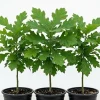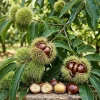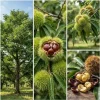
Pack of 2 Chestnut Trees Live Plants, Deciduous Nut Trees, 6-10 Inch Tall, 4″ Pot
-50%
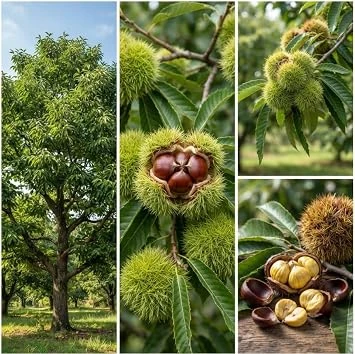
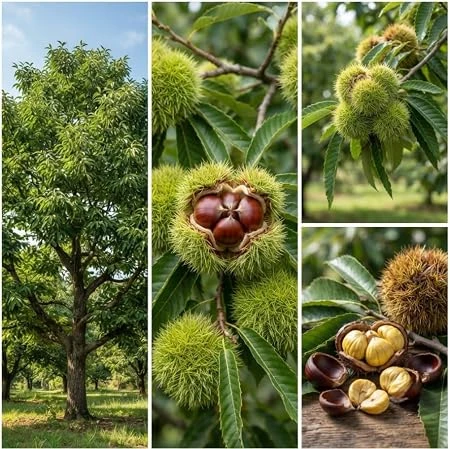
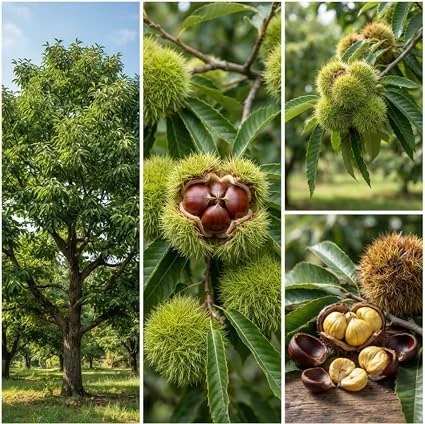
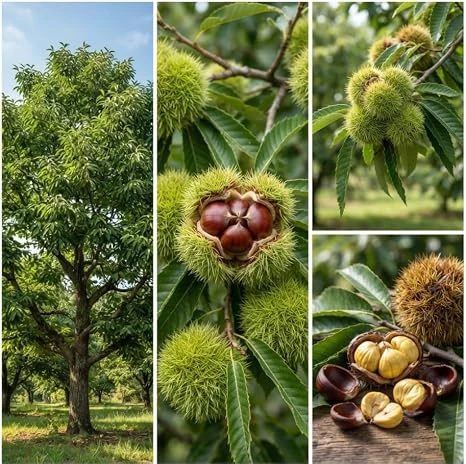
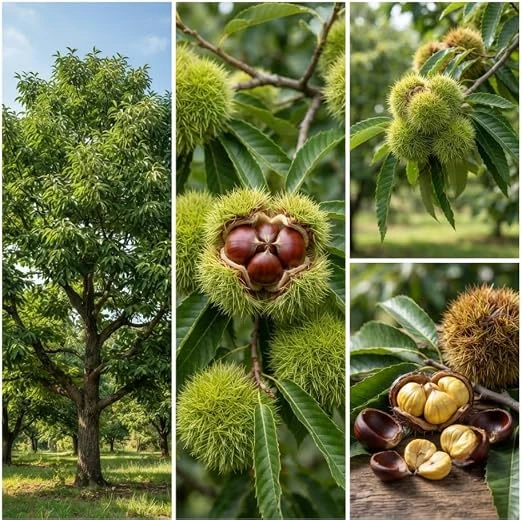
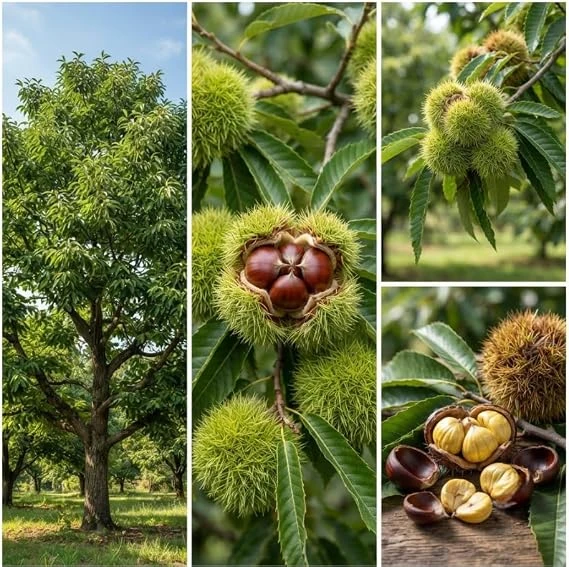
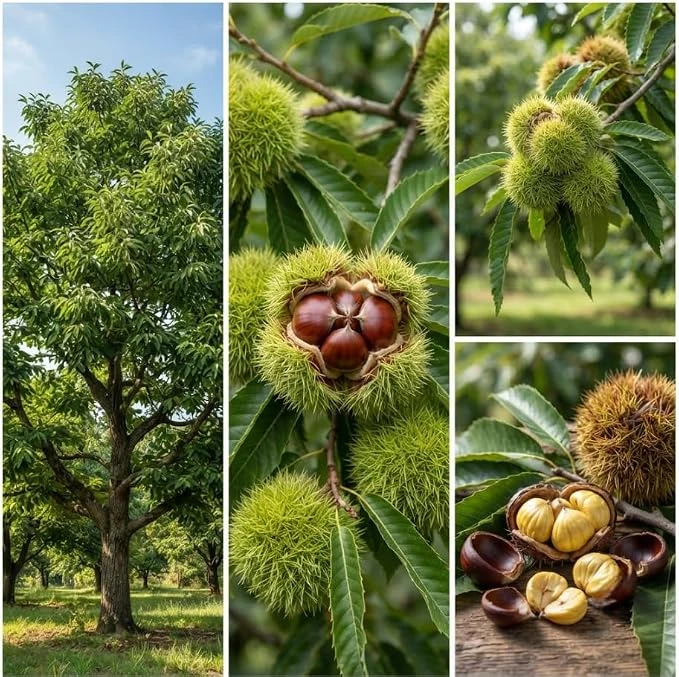
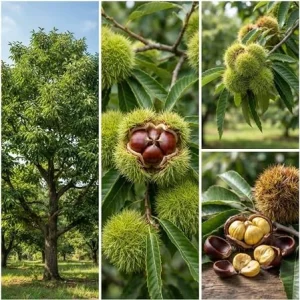
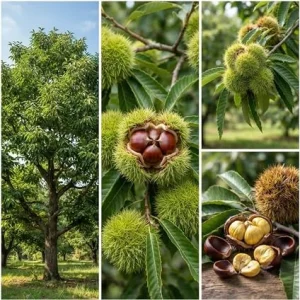
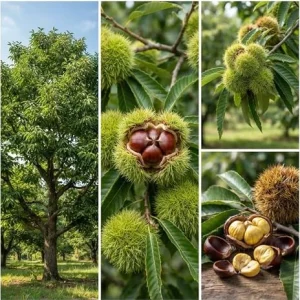
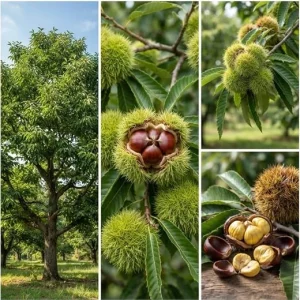
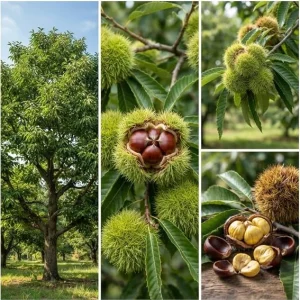
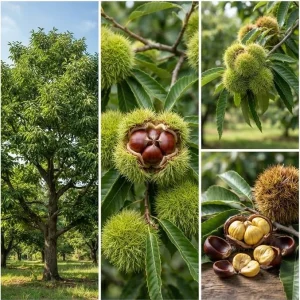
Pack of 2 Chestnut Trees Live Plants, Deciduous Nut Trees, 6-10 Inch Tall, 4″ Pot
Cultivate your own delicious nuts with this convenient pack of two chestnut tree live plant specimens. Each young deciduous nut tree arrives healthy, standing 6-10 inches tall in a 4-inch pot, ready for transplanting. Perfect for adding a productive and beautiful focal point to your backyard or garden, these trees will provide shade and eventually yield tasty chestnuts. Experience the joy of growing your own food and enhancing your landscape with these resilient nut-bearing trees.
Original price was: $97.08.$48.54Current price is: $48.54.

With our Alive & Thrive Guarantee, we’ve got your back for the first 30 days! If you have any concerns about your plants, just reach out to us. Our team is here to help answer your questions and guide you in selecting the best plants for your garden, climate, and unique preferences. We're excited to help you create the garden of your dreams!
Estimated arrival
Nov 03
Nov 08 - Nov 10
Nov 13 - Nov 17
Product Details
-
USDA Hardiness Zone
unknown -
Soil type
well-draining loamy soil -
Sunlight Exposure
full sun -
Expected Planting Period
spring to early summer
Overview
Bring the timeless beauty and bounty of nature to your landscape with this exceptional pack of two chestnut tree live plant specimens. These young deciduous nut trees are a fantastic addition for anyone looking to cultivate their own edible nuts and enjoy the shade and aesthetic appeal of a mature tree. Each chestnut tree live plant is carefully grown and shipped fresh, arriving 6 to 10 inches tall and potted in a 4-inch container, providing a strong start for healthy growth. These trees are known for their seasonal foliage, which transitions beautifully through the year, and their eventual production of delicious, edible chestnuts. Ideal for a variety of outdoor settings, from backyard gardens to larger open spaces, this deciduous nut tree offers both ornamental value and a rewarding harvest.
Key Benefits
Investing in a chestnut tree live plant offers numerous advantages, blending aesthetic appeal with practical benefits for your home and garden. These trees are not only beautiful but also productive, bringing a unique charm to your outdoor space.
- Edible Nut Production: Once mature, these deciduous nut tree specimens will produce delicious, protein-rich chestnuts, perfect for roasting, baking, or enjoying fresh. Growing your own edible nuts provides a sustainable and satisfying food source.
- Stunning Seasonal Interest: Enjoy vibrant green foliage in spring and summer, followed by brilliant yellow and gold hues in autumn before the leaves drop for winter dormancy. This provides continuous visual appeal throughout the year.
- Landscape Enhancement: Chestnut trees grow into impressive, stately specimens, offering significant shade and becoming a magnificent focal point in any garden, yard, or along a fence line. They add structure and grandeur to your landscape design.
- Wildlife Attraction: The nuts produced by a chestnut tree live plant can attract local wildlife, such as squirrels and deer, contributing to a healthy ecosystem in your garden (though consider protection if you want to maximize your harvest).
- Long-Term Investment: Chestnut trees are long-lived, providing beauty and sustenance for decades. Planting these young trees is an investment in your property’s value and your family’s future enjoyment.
- Resilient and Adaptable: These chestnut plant for sale specimens are well-suited to a variety of climates and soil conditions, making them a relatively easy-to-grow option for many gardeners.
Plant Care & Growing Tips
Caring for your chestnut tree live plant is straightforward, ensuring it establishes well and thrives to produce abundant nuts. These deciduous trees prefer specific conditions to reach their full potential. They thrive in well-drained soil with plenty of sunlight. For optimal growth, choose a site that receives at least 6-8 hours of direct sunlight daily. While they are adaptable, a sunny location will encourage stronger growth and better fruit production from your deciduous nut tree.
When it comes to watering, young chestnut trees require consistent moisture, especially during dry spells and in their first few years after planting. Ensure the soil remains moist but not waterlogged. Once established, they become more tolerant to drought. The ideal soil type is a rich, well-draining loam. Avoid heavy clay soils that retain too much water, as this can lead to root rot. Good drainage is crucial for a healthy growing chestnut trees. Fertilize in early spring with a balanced, slow-release granular fertilizer formulated for trees, following package instructions. During winter, dormancy is normal; plants may arrive without leaves or with reduced foliage, which is a natural part of their life cycle and they will resume growth in warmer conditions. Protect young trees from deer and other pests if necessary.
Size & Details
This offering includes a pack of two young chestnut tree live plant specimens. Each plant arrives standing approximately 6 to 10 inches tall, measured from the top of the soil, and is potted in a standard 4-inch nursery pot. This size provides a strong head start for growth and makes them easy to transplant into your garden or a larger container upon arrival. These are young trees, and while they are healthy and ready to grow, they may not produce fruit immediately. Fruit production typically requires the tree to mature and establish properly over several years. The growth rate can vary depending on planting conditions and climate, but with proper care, you can expect steady growth from your edible nut tree.
The trees are shipped fresh to ensure they arrive in the best possible condition. As deciduous plants, they will naturally shed their leaves seasonally, and during winter, they may arrive dormant and leafless. This is a healthy, normal state for a deciduous nut tree and indicates it is ready for spring growth. The eventual mature height and spread of a chestnut tree can be substantial, often reaching 50-70 feet tall, providing significant shade and a majestic presence in your landscape.
Frequently Asked Questions
- Q: How big does this plant get? A: Each chestnut tree live plant arrives 6-10 inches tall in a 4-inch pot. At maturity, these deciduous nut trees can grow quite large, typically reaching heights of 50-70 feet, providing substantial shade and becoming a prominent feature in your landscape.
- Q: What size pot does it come in? A: Each chestnut tree is shipped in a 4-inch nursery pot, offering a healthy root system and a strong start for transplanting into your garden or a larger container.
- Q: Is this an indoor or outdoor plant? A: This is an outdoor plant. Growing chestnut trees thrive in garden settings, backyards, or open spaces where they can receive ample sunlight and have room to grow to their mature size. They are not suitable for long-term indoor cultivation.
- Q: How much sunlight does it need? A: Chestnut trees require full sun, meaning at least 6-8 hours of direct sunlight per day, for optimal growth and fruit production. Plenty of sunlight is crucial for a healthy and productive edible nut tree.
- Q: Is this plant easy to care for? A: Yes, chestnut trees are generally considered relatively easy to care for once established. They require consistent watering when young, well-drained soil, and adequate sunlight. Occasional fertilization and protection from pests will help ensure their health.
- Q: What condition will it arrive in? A: Your chestnut tree live plant will arrive fresh and carefully packaged. During winter months, it is normal for deciduous trees to arrive without leaves or with reduced foliage as they enter dormancy. This is a natural process, and the tree will leaf out again in spring.
- Q: Can I expect fruit right away? A: These are young chestnut trees, and they typically require several years to mature and establish before they begin producing fruit. Patience is key when growing chestnut trees for nut production.
- Q: When is the best time to plant? A: Spring is generally the ideal time to plant your chestnut trees, allowing them ample time to establish their root systems before the heat of summer or the cold of winter.
- Q: Will it survive winter in my zone? A: Chestnut trees are hardy deciduous nut trees that can survive a wide range of winter temperatures, depending on the specific variety. It is recommended to check your local USDA hardiness zone to ensure compatibility.
- Q: What type of soil is best for growing chestnut trees? A: A well-drained, loamy soil is ideal for growing chestnut trees. They do not tolerate heavy, waterlogged soils, so good drainage is essential for their health and vigor.
Related products
-50%
Original price was: $73.98.$36.99Current price is: $36.99.
-51%
Original price was: $43.99.$21.59Current price is: $21.59.
-42%
Original price was: $56.99.$33.29Current price is: $33.29.
-36%
Original price was: $279.98.$179.98Current price is: $179.98.
-20%
Original price was: $90.00.$72.00Current price is: $72.00.
PLANTING & CARE
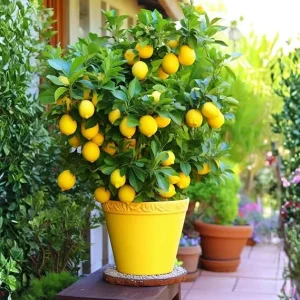
Lemon Tree Growing: Choose, Plant, and Harvest
Learn how to choose, plant, feed, and protect a lemon tree so it fits your
23
Sep
Sep
Dwarf Meyer Lemon Tree Australia: Climate Guide
Learn where dwarf Meyer lemon trees grow, how much cold they tolerate, and whether Australia,
Where to Buy a Dwarf Meyer Lemon Tree: Buyer’s Guide
Find the right dwarf Meyer lemon tree online or locally, compare starter sizes and costs,
Dwarf Meyer Lemon Tree for Sale: Buying Guide
Compare Meyer lemon tree sizes, prices, shipping limits, indoor growing and California options before you
Dwarf Meyer Lemon Tree Guide: Size, Care and Fruit
META: Learn how large a dwarf Meyer lemon tree grows, where it thrives, and how
How to Prune a Dwarf Meyer Lemon Tree
Learn when and how to prune a dwarf Meyer lemon tree, including tools, shaping cuts,
Can You Grow a Dwarf Meyer Lemon Tree in a Pot?
META: Learn how to grow a dwarf Meyer lemon tree in a pot, including container
When Do Dwarf Meyer Lemon Trees Bloom and Fruit?
META: Dwarf Meyer lemon trees usually bloom from winter through spring and may flower again