Common Sage Live Plant – Salvia officinalis – Herb for Culinary & Medicinal Use – 2.5 inch Pot
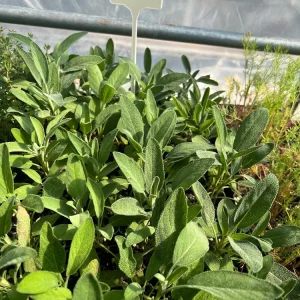
Common Sage Live Plant – Salvia officinalis – Herb for Culinary & Medicinal Use – 2.5 inch Pot
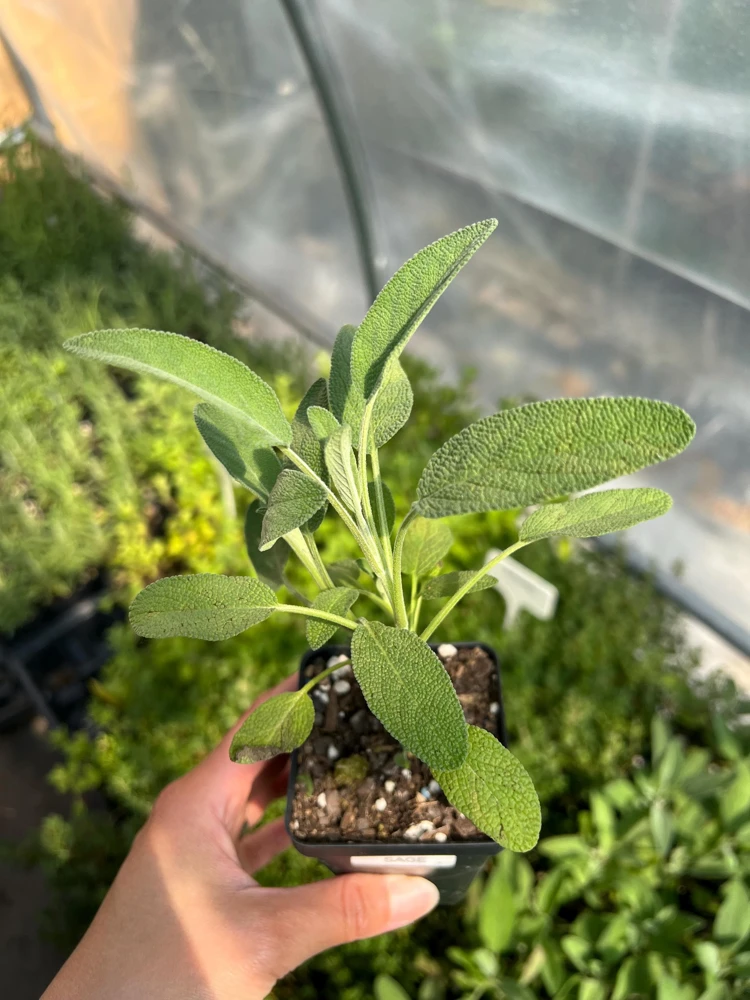
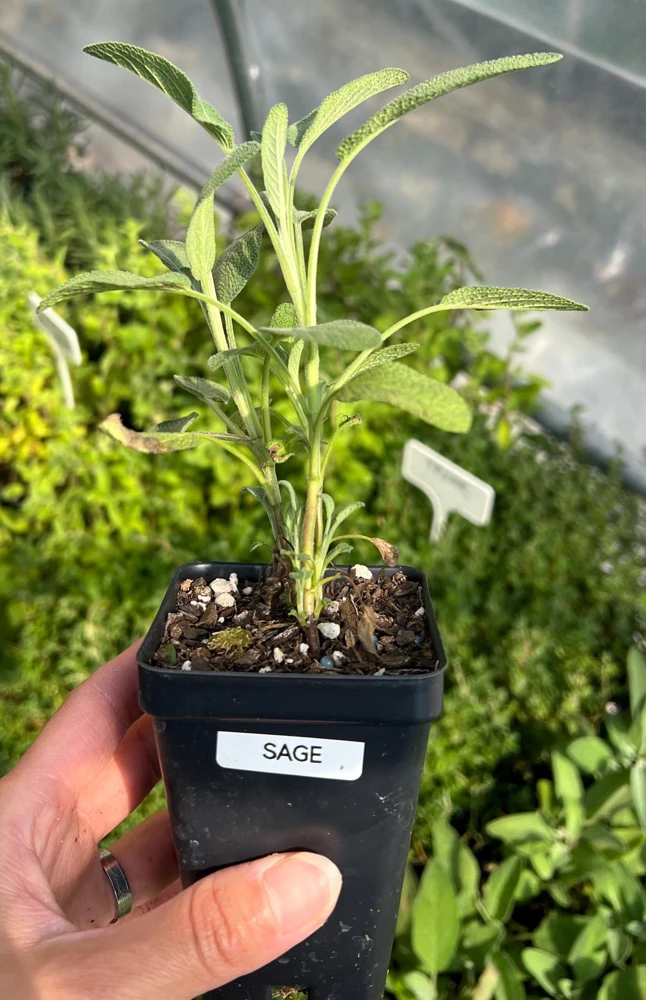
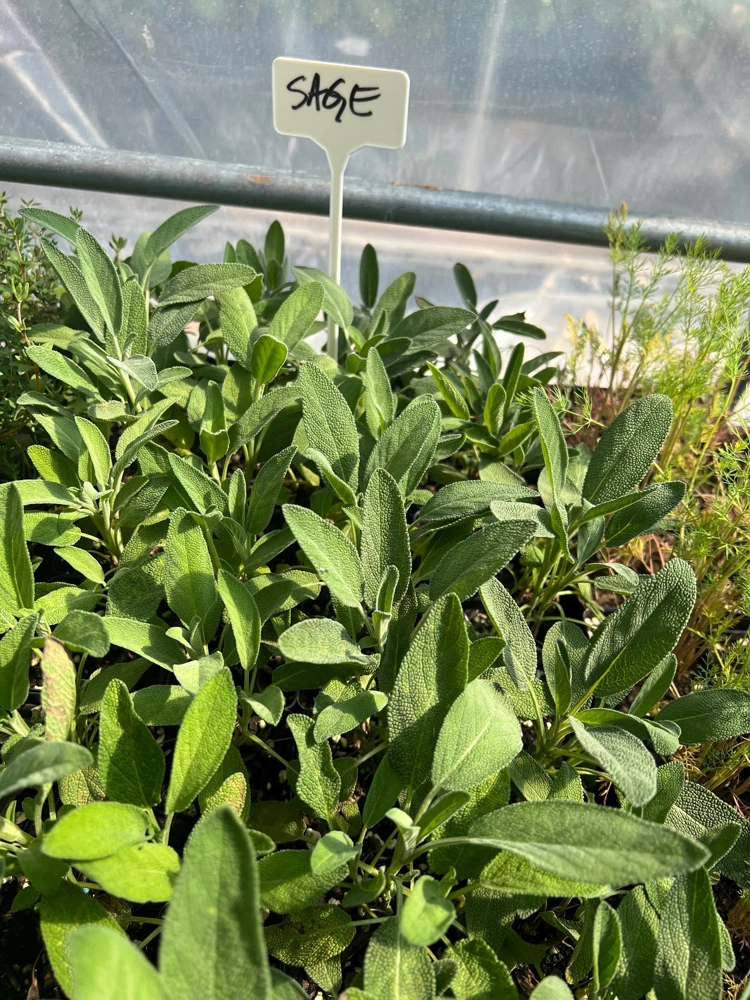
Cultivate your own flavorful herbs with this common sage live plant. Also known as Salvia officinalis, this hardy perennial is perfect for culinary use, seasoning meats, and adding to dressings. It features attractive grayish-green leaves and thrives in full sun, making it an excellent addition to both vegetable gardens and perennial borders. This culinary herb plant ships in a 2.5-inch pot, ready for planting.
$13.98

With our Alive & Thrive Guarantee, we’ve got your back for the first 30 days! If you have any concerns about your plants, just reach out to us. Our team is here to help answer your questions and guide you in selecting the best plants for your garden, climate, and unique preferences. We're excited to help you create the garden of your dreams!
Estimated arrival
Oct 14
Oct 19 - Oct 21
Oct 24 - Oct 28
Product Details
-
USDA Hardiness Zone
USDA Zones 4-10 -
Soil type
Well-draining sandy loam -
Sunlight Exposure
Full sun -
Expected Planting Period
Spring to early summer
Overview
Discover the joy of growing your own herbs with this exquisite common sage live plant. Scientifically known as Salvia officinalis, this versatile and aromatic perennial is a must-have for any garden or kitchen. Celebrated for its distinctive flavor and attractive foliage, sage is a shrub-like herb that adds both beauty and utility to your outdoor or indoor space. Its pretty, grayish-green leaves look equally stunning in a perennial border as they do nestled within a dedicated vegetable garden. Beyond its ornamental appeal, this culinary herb plant is primarily valued for its significant role in cooking, enhancing a wide array of dishes from savory stuffings and dressings to seasoned meats. This hardy perennial sage also boasts a rich history of medicinal uses, traditionally employed to aid digestion and help alleviate cold symptoms. Each plant is carefully cultivated and shipped in a 2.5-inch pot, ensuring it arrives healthy and ready to thrive in its new home.
The common sage live plant is an excellent choice for both novice and experienced gardeners. It’s a robust and forgiving herb that, once established, requires minimal fuss. Its ability to produce spikes of spring flowers in various colors, including purple, blue, white, and pink, further enhances its appeal, attracting beneficial pollinators to your garden. Embrace the satisfaction of harvesting fresh sage leaves directly from your garden, knowing you’re adding a touch of natural flavor and wellness to your life. This salvia officinalis is more than just a plant; it’s an invitation to a more flavorful and healthier lifestyle.
Key Benefits
Integrating a common sage live plant into your garden offers a multitude of advantages, from culinary delight to garden aesthetics. This hardy herb provides continuous fresh leaves for all your cooking needs and contributes to a vibrant garden ecosystem. The benefits extend beyond the kitchen, making it a truly valuable addition.
- Exceptional Culinary Versatility: Harvest fresh leaves of your culinary herb plant to infuse rich, earthy flavors into a wide range of dishes. Perfect for traditional holiday stuffings, savory sauces, roasted meats, and flavorful dressings, sage is an indispensable ingredient in many cuisines.
- Attractive Ornamental Value: With its striking grayish-green foliage and often delicate spring flowers, this Salvia officinalis serves as an appealing accent in garden beds, borders, or containers. Its shrub-like growth habit adds texture and visual interest to any landscape.
- Medicinal and Wellness Properties: Beyond its culinary uses, sage has been historically recognized for its medicinal applications. It’s often used in herbal remedies to support digestion and provide relief from common cold symptoms, offering a natural approach to well-being.
- Hardy and Resilient Perennial: As a hardy perennial sage, this plant will return year after year, providing a consistent supply of fresh herbs with minimal effort. It’s known for its robust nature and ability to withstand various environmental conditions once established.
- Pollinator-Friendly Blooms: The spring flowers produced by the common sage live plant are not only beautiful but also attract beneficial pollinators like bees and butterflies, contributing to the health and biodiversity of your garden ecosystem.
- Low Maintenance and Easy Care: Ideal for gardeners of all skill levels, sage is a relatively low-maintenance plant. Once established, it is drought-tolerant and generally resistant to pests and diseases, making it a fuss-free addition to your herb collection.
- Aromatic Fragrance: The leaves of Salvia officinalis release a delightful, distinctive aroma when brushed or crushed, adding an sensory dimension to your garden experience. This natural fragrance can also act as a deterrent for some garden pests.
Plant Care & Growing Tips
Caring for your common sage live plant is straightforward, ensuring a bountiful harvest of fragrant leaves for years to come. This robust herb thrives in specific conditions that mimic its natural Mediterranean origins. For optimal growth, plant your sage in a location that receives ample sunlight. It performs best in full sun, meaning at least 6-8 hours of direct sunlight per day. If you’re growing indoors, place it near a south-facing window or use supplemental grow lights to ensure it gets enough light. Proper drainage is crucial for this hardy perennial sage. It prefers well-draining soil, ideally a sandy loam, and will not tolerate soggy roots. When planting in pots, use a high-quality potting mix designed for herbs or succulents, and ensure the container has drainage holes.
Watering should be done judiciously. Allow the soil to dry out completely between waterings, as sage is quite drought-tolerant once established. Overwatering is a common cause of issues like root rot. During active growth in spring and summer, you might water more frequently, but always check soil moisture first. Fertilization is generally light for this culinary herb plant; a balanced, slow-release organic fertilizer applied once in spring is usually sufficient. Avoid excessive nitrogen, which can lead to lush foliage but diminished flavor. The Salvia officinalis is hardy in USDA zones 4-10, tolerating a wide range of temperatures. In colder zones, provide winter protection or bring potted plants indoors. Pruning your common sage live plant regularly encourages bushier growth and prevents it from becoming woody. Trim back about one-third of the plant in early spring and after flowering to maintain its shape and promote new leaf production. Watch out for powdery mildew in humid conditions; ensure good air circulation to prevent fungal issues.
Size & Details
This offering is for one robust common sage live plant (Salvia officinalis) shipped in a 2.5-inch nursery pot. The plant will arrive healthy and actively growing, ready for transplanting into your garden or a larger container. Sage typically grows as a compact, bushy shrub, reaching an average height of 18-30 inches (45-75 cm) and a similar spread, depending on growing conditions and pruning. The plant’s growth type is characterized by active development in spring, producing tender new leaves and often spikes of flowers. While the plant can be harvested once leaves reach a mature size, full maturity for continuous harvesting usually occurs within a few weeks post-transplant. For garden planting, space individual sage plants about 30 inches (75 cm) apart in rows to allow for ample growth and air circulation. This ensures each culinary herb plant has enough room to flourish, developing into a healthy, productive shrub. The mature leaves are easily pulled off for immediate use, providing a continuous supply of fresh herbs throughout the growing season.
Frequently Asked Questions
- Q: How big does this common sage live plant get? A: A mature common sage live plant typically grows to about 18-30 inches (45-75 cm) tall and wide, forming a compact, bushy shrub. Its final size can depend on growing conditions and how often it is pruned.
- Q: Is this an indoor or outdoor plant? A: While Salvia officinalis thrives outdoors in full sun, it can also be grown indoors if placed in a very bright, sunny location, such as a south-facing window. It is considered an excellent indoor/outdoor plant.
- Q: How much sunlight does the culinary herb plant need? A: This plant requires at least 6-8 hours of direct sunlight per day, making a full sun location ideal for outdoor planting. Indoors, ensure it receives maximum light exposure.
- Q: Is this plant easy to care for? A: Yes, hardy perennial sage is known for being relatively easy to care for. It’s drought-tolerant once established and generally low-maintenance, making it suitable for gardeners of all experience levels.
- Q: Can I use this sage plant in cooking? A: Absolutely! This common sage live plant is primarily a culinary herb, perfect for flavoring meats, stuffings, dressings, and many other dishes. Harvest the leaves as needed for fresh flavor.
- Q: What condition will the Salvia officinalis arrive in? A: Your sage plant will arrive securely packaged in a 2.5-inch nursery pot, healthy and actively growing, ready for you to transplant and nurture. Some minor stress from transit is normal, but the plant recovers quickly.
- Q: When is the best time to plant common sage? A: The best time to plant your common sage live plant outdoors is after the last frost in spring. For indoor growing, it can be planted any time of year as long as adequate light is provided.
- Q: Will this hardy perennial sage survive winter in my zone? A: Sage is hardy in USDA Zones 4-10. In colder zones (4-6), it may benefit from winter protection or being brought indoors if grown in a container. It is a resilient perennial that returns annually.
- Q: How often should I water my sage plant? A: Water your sage plant thoroughly, then allow the soil to dry out completely before watering again. It is very drought-tolerant and susceptible to root rot if overwatered.
- Q: What type of soil does sage prefer? A: Sage prefers well-draining soil, ideally a sandy loam. If planting in a pot, use a good quality potting mix with excellent drainage to prevent waterlogging.
Related products
-67%
Original price was: $75.72.$25.24Current price is: $25.24.
-58%
Original price was: $39.99.$16.99Current price is: $16.99.
-30%
Original price was: $99.98.$69.98Current price is: $69.98.
-10%
Original price was: $65.00.$58.50Current price is: $58.50.
-34%
Original price was: $75.72.$49.99Current price is: $49.99.
-48%
Original price was: $39.99.$20.99Current price is: $20.99.
-50%
Original price was: $53.98.$26.99Current price is: $26.99.
-50%
Original price was: $79.96.$39.98Current price is: $39.98.
PLANTING & CARE
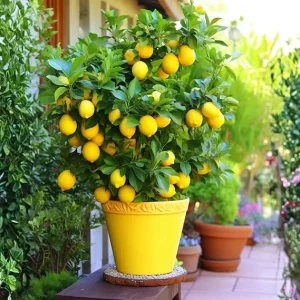
Lemon Tree Growing: Choose, Plant, and Harvest
Learn how to choose, plant, feed, and protect a lemon tree so it fits your
23
Sep
Sep
Dwarf Meyer Lemon Tree Australia: Climate Guide
Learn where dwarf Meyer lemon trees grow, how much cold they tolerate, and whether Australia,
Where to Buy a Dwarf Meyer Lemon Tree: Buyer’s Guide
Find the right dwarf Meyer lemon tree online or locally, compare starter sizes and costs,
Dwarf Meyer Lemon Tree for Sale: Buying Guide
Compare Meyer lemon tree sizes, prices, shipping limits, indoor growing and California options before you
Dwarf Meyer Lemon Tree Guide: Size, Care and Fruit
META: Learn how large a dwarf Meyer lemon tree grows, where it thrives, and how
How to Prune a Dwarf Meyer Lemon Tree
Learn when and how to prune a dwarf Meyer lemon tree, including tools, shaping cuts,
Can You Grow a Dwarf Meyer Lemon Tree in a Pot?
META: Learn how to grow a dwarf Meyer lemon tree in a pot, including container
When Do Dwarf Meyer Lemon Trees Bloom and Fruit?
META: Dwarf Meyer lemon trees usually bloom from winter through spring and may flower again