Mugwort Live Plant Starter – Nkoj Ntsuab Herbal Plant, 2.5 inch Pot
Mugwort Live Plant Starter – Nkoj Ntsuab Herbal Plant, 2.5 inch Pot
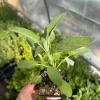
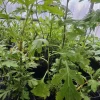
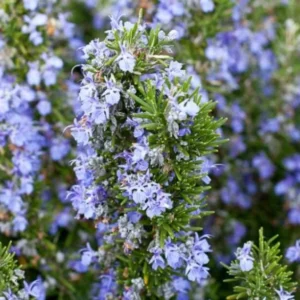
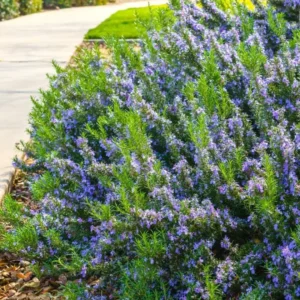
Bring home a mugwort live plant (Nkoj Ntsuab), a cherished traditional herb cultivated for generations. This starter plant, in a 2.5 inch pot, is perfect for those interested in herbal gardening and natural wellness practices. Easy to grow indoors or outdoors.
$14.00

With our Alive & Thrive Guarantee, we’ve got your back for the first 30 days! If you have any concerns about your plants, just reach out to us. Our team is here to help answer your questions and guide you in selecting the best plants for your garden, climate, and unique preferences. We're excited to help you create the garden of your dreams!
Estimated arrival
Oct 14
Oct 19 - Oct 21
Oct 24 - Oct 28
Product Details
-
USDA Hardiness Zone
USDA zones 3-9 -
Soil type
Well-draining soil -
Sunlight Exposure
Full sun to partial shade -
Expected Planting Period
Spring to early summer
Overview
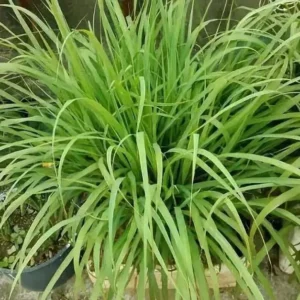
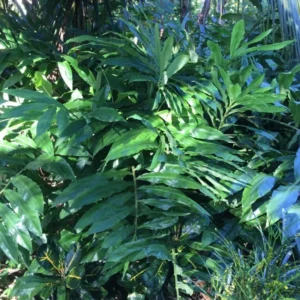
Introduce a touch of traditional herbal wisdom to your home or garden with the mugwort live plant, also known as Nkoj Ntsuab. This vigorous starter plant (Artemisia vulgaris) is highly valued in various cultures for its historical use in herbal practices. Originating from regions across Europe, Asia, and North Africa, mugwort has a long-standing reputation as a versatile herb. Our mugwort live plant is carefully nurtured to ensure a healthy start, arriving ready for you to transplant and grow. Whether you’re an experienced herbalist or a curious beginner, this plant offers an intriguing addition to any collection, providing both ornamental appeal and functional benefits.
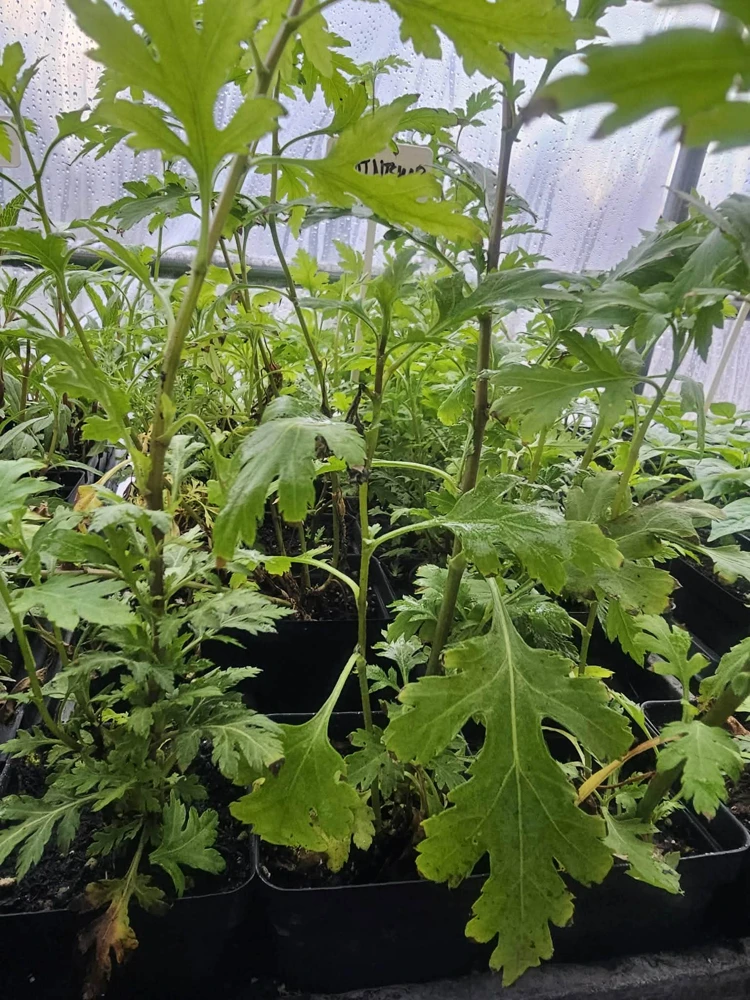
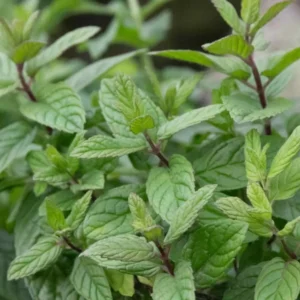
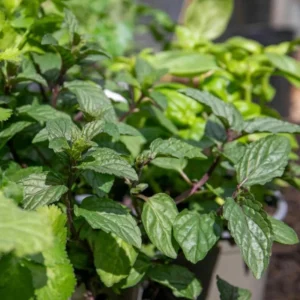
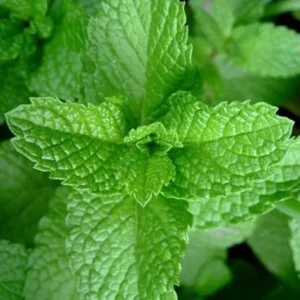
The Nkoj Ntsuab plant is known for its distinctive silvery-green, deeply lobed leaves and aromatic fragrance. It’s a hardy perennial that can thrive in a variety of conditions, making it a relatively easy plant to care for. This particular offering is a young mugwort starter plant, ideal for establishing a new patch in your herb garden or for growing in a container. Its historical significance and ease of cultivation make it a popular choice for those seeking to connect with traditional botanical practices and cultivate their own herbal remedies.
Key Benefits
The mugwort live plant offers a range of benefits, from its historical use in traditional practices to its adaptability in diverse growing environments. Adding this herb to your collection can enrich your garden and provide a source for personal herbal explorations.
- Traditional Wellness Support: Historically, mugwort has been a cornerstone in traditional herbal practices, often associated with supporting general well-being and balance within the body. Its use spans generations and various cultures.
- Aromatic Foliage: The plant emits a distinct, pleasant aroma, making it a wonderful addition to sensory gardens or as a natural air freshener when cuttings are brought indoors. Its fragrance is often described as slightly bitter and woody.
- Hardy and Resilient: This Nkoj Ntsuab plant is known for its robust nature, tolerating a range of soil types and environmental conditions once established. It’s an excellent choice for gardeners looking for a low-maintenance herb.
- Culinary Potential (with caution): While primarily known for its traditional medicinal uses, young mugwort leaves have been used in some cuisines, particularly in Asian dishes, as an aromatic seasoning. Always research and use with care.
- Attracts Pollinators: When allowed to flower, mugwort can attract beneficial insects and pollinators to your garden, contributing to a healthy ecosystem.
- Erosion Control: Due to its spreading habit and strong root system, mugwort can be effective in stabilizing soil and preventing erosion in certain landscape settings.
- Garden Aesthetics: The silvery-green, deeply cut leaves of the mugwort starter plant add an attractive textural element to herb gardens, borders, or mixed perennial beds.
Plant Care & Growing Tips
Caring for your mugwort live plant is straightforward, as this herb is quite adaptable. It prefers a location with ample sunlight but can also tolerate some partial shade, especially in hotter climates. Aim for at least 6 hours of direct sunlight per day for optimal growth. Good air circulation is also beneficial to prevent fungal issues. When planting, choose a site or container with well-draining soil, as mugwort does not like to sit in waterlogged conditions. A general-purpose potting mix or garden soil amended with some sand or perlite will work well.
Water your Nkoj Ntsuab plant regularly, especially during dry spells and when it’s first establishing. Once mature, it becomes more drought-tolerant. Allow the top inch or two of soil to dry out between waterings to prevent root rot. Mugwort is a vigorous grower and generally doesn’t require heavy fertilization. A light application of a balanced, all-purpose fertilizer in spring can encourage lush growth. In terms of temperature, mugwort is hardy and can withstand cold temperatures, typically thriving in USDA zones 3-9. Pruning can help control its spread and encourage bushier growth. Watch out for common garden pests like aphids, though mugwort is generally quite resistant. Ensuring proper spacing and sunlight will help maintain a healthy traditional herbal plant.
Size & Details
This listing is for one healthy mugwort live plant, carefully cultivated and shipped in a 2.5-inch nursery pot. At the time of shipment, the plant will have established roots and active foliage, ready for transplanting into your garden or a larger container. Mugwort is a fast-growing perennial that can reach heights of 2-4 feet (60-120 cm) and spread equally wide if left unchecked. Its growth rate is moderate to fast, depending on growing conditions and climate. It typically forms a bushy clump with an upright habit, producing small, inconspicuous flowers in late summer to early fall. The plant’s mature size makes it suitable for larger herb gardens or as a background plant in a mixed bed. This mugwort starter plant provides an excellent foundation for a thriving, mature herb.
Frequently Asked Questions
- Q: How big does this mugwort live plant get? A: A mature mugwort live plant can typically grow to a height of 2 to 4 feet (60-120 cm) and spread equally wide, forming a bushy clump, depending on growing conditions and climate.
- Q: What size pot does it come in? A: This mugwort starter plant is shipped in a 2.5-inch nursery pot, perfectly sized for safe transport and immediate transplanting upon arrival.
- Q: Is this an indoor or outdoor plant? A: Mugwort can be grown both indoors and outdoors. Outdoors, it prefers full sun to partial shade. Indoors, it will need a bright, sunny window to thrive, making it a versatile traditional herbal plant.
- Q: How much sunlight does the Nkoj Ntsuab plant need? A: For optimal growth, the Nkoj Ntsuab plant requires at least 6 hours of direct sunlight per day when grown outdoors. Indoors, place it in the brightest available location.
- Q: Is this plant easy to care for? A: Yes, mugwort is considered a relatively easy plant to care for. It’s hardy, adaptable to various soil types, and once established, it’s quite drought-tolerant, making mugwort plant care straightforward.
- Q: What condition will it arrive in? A: Your mugwort live plant will arrive securely packaged, with healthy roots and foliage. Some minor stress from transit is normal, but the plant should recover quickly with proper care.
- Q: Can I propagate this mugwort live plant? A: Yes, mugwort can be easily propagated from stem cuttings or by dividing its extensive root system, allowing you to expand your collection of this beneficial herb.
- Q: When is the best time to plant mugwort? A: Spring is generally the best time to plant mugwort, after the last frost, allowing it ample time to establish before the peak growing season.
- Q: Will it survive winter in my zone? A: Mugwort is a hardy perennial and is typically resilient in USDA Zones 3-9, meaning it can survive winter in many temperate climates and return in spring.
- Q: What is the ideal soil type for mugwort? A: Mugwort thrives in well-draining soil. A sandy loam or a general potting mix amended with perlite or sand to improve drainage is ideal for this traditional herbal plant.
Related products
-67%
Original price was: $75.72.$25.24Current price is: $25.24.
-20%
From Original price was: $22.00.$17.60Current price is: $17.60.
-50%
Original price was: $59.96.$29.98Current price is: $29.98.
-30%
Original price was: $99.98.$69.98Current price is: $69.98.
-10%
Original price was: $65.00.$58.50Current price is: $58.50.
-58%
Original price was: $39.99.$16.99Current price is: $16.99.
-50%
Original price was: $47.96.$23.98Current price is: $23.98.
PLANTING & CARE
Lemon Tree Growing: Choose, Plant, and Harvest
Learn how to choose, plant, feed, and protect a lemon tree so it fits your
23
Sep
Sep
Dwarf Meyer Lemon Tree Australia: Climate Guide
Learn where dwarf Meyer lemon trees grow, how much cold they tolerate, and whether Australia,
Where to Buy a Dwarf Meyer Lemon Tree: Buyer’s Guide
Find the right dwarf Meyer lemon tree online or locally, compare starter sizes and costs,
Dwarf Meyer Lemon Tree for Sale: Buying Guide
Compare Meyer lemon tree sizes, prices, shipping limits, indoor growing and California options before you
Dwarf Meyer Lemon Tree Guide: Size, Care and Fruit
META: Learn how large a dwarf Meyer lemon tree grows, where it thrives, and how
How to Prune a Dwarf Meyer Lemon Tree
Learn when and how to prune a dwarf Meyer lemon tree, including tools, shaping cuts,
Can You Grow a Dwarf Meyer Lemon Tree in a Pot?
META: Learn how to grow a dwarf Meyer lemon tree in a pot, including container
When Do Dwarf Meyer Lemon Trees Bloom and Fruit?
META: Dwarf Meyer lemon trees usually bloom from winter through spring and may flower again