Consort Black Currant Live Plant, 6-12″ Dormant Shrub, Cold Hardy, Zone 3-8
-50%
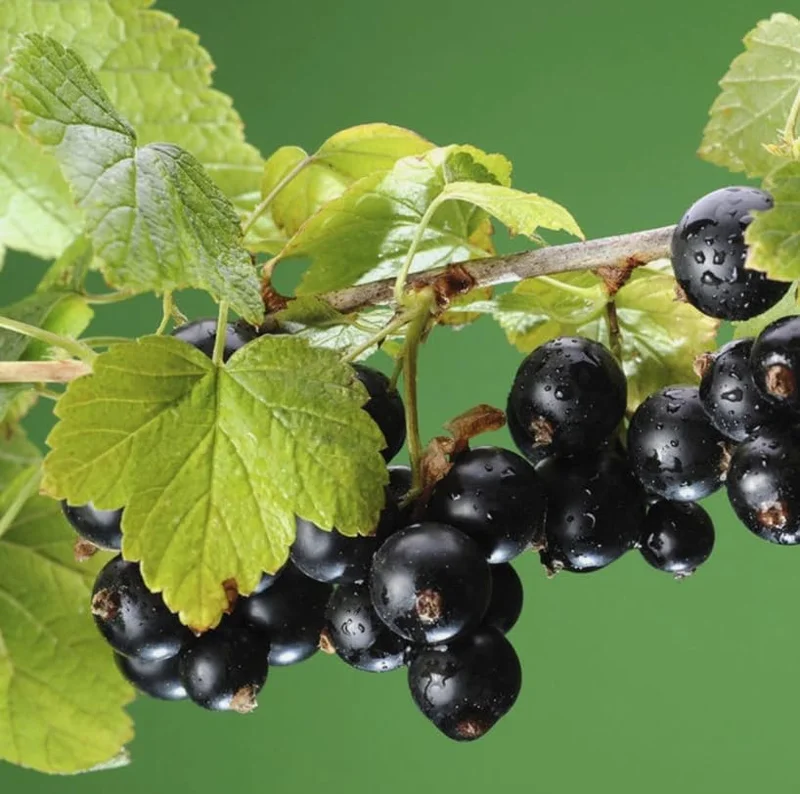
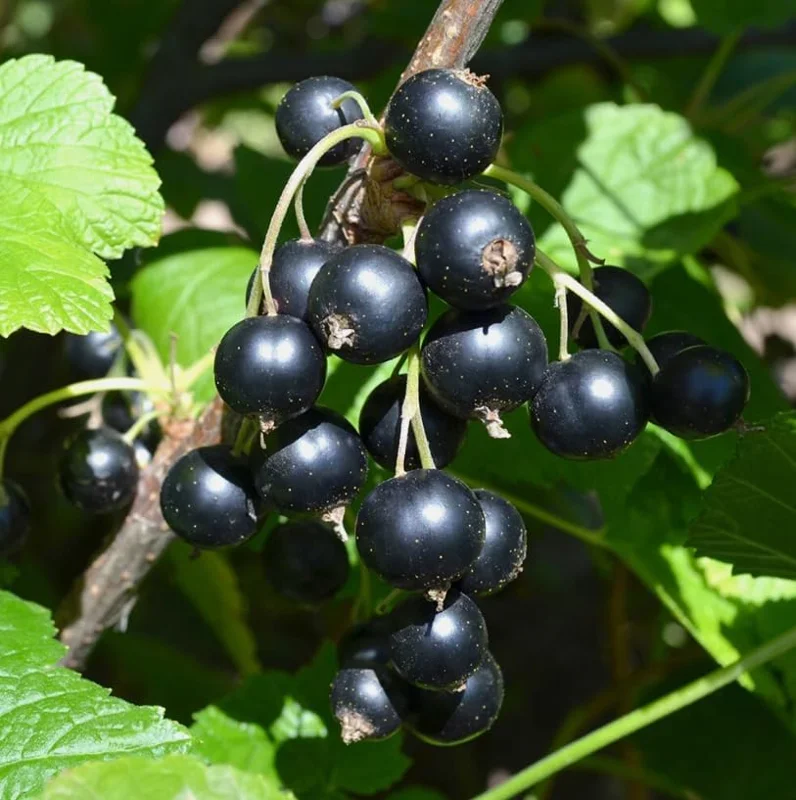
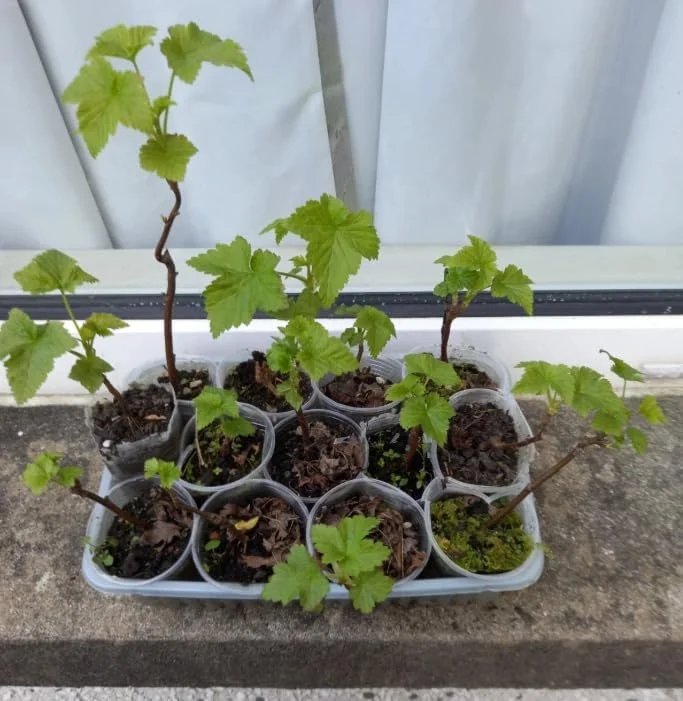
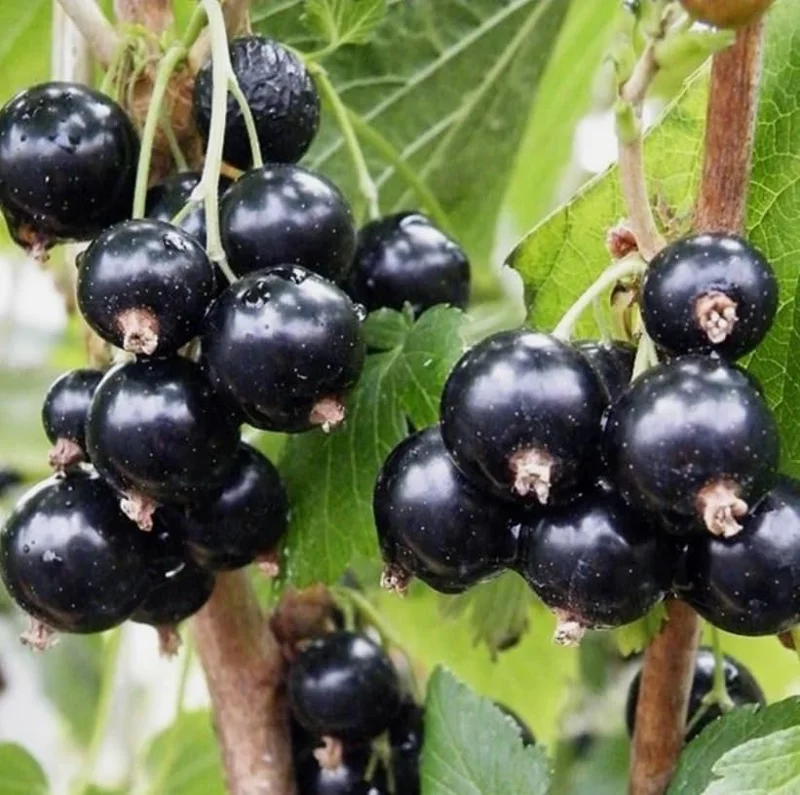
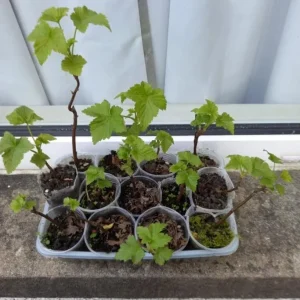
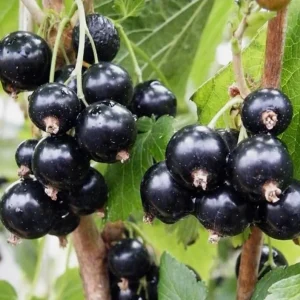
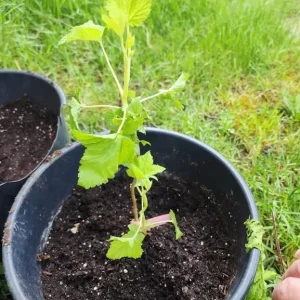
Consort Black Currant Live Plant, 6-12″ Dormant Shrub, Cold Hardy, Zone 3-8
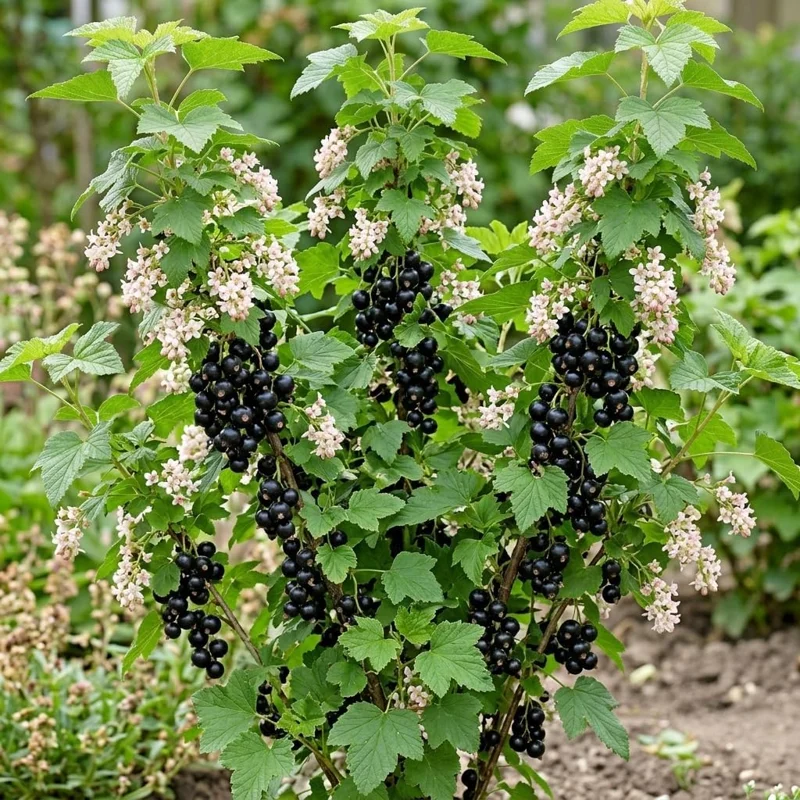
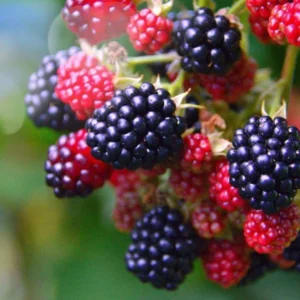
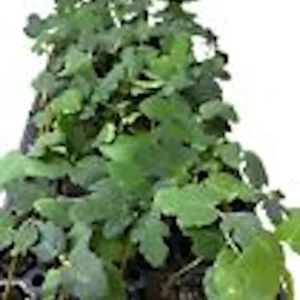
Cultivate your own flavorful berries with this consort black currant live plant. Shipped dormant and ready for planting, this 6-12 inch tall shrub is incredibly cold hardy currant bush, thriving in USDA Zones 3-8. Enjoy easy-to-grow, nutritious blackcurrants for jams, jellies, or fresh eating.
Original price was: $57.98.$28.99Current price is: $28.99.

With our Alive & Thrive Guarantee, we’ve got your back for the first 30 days! If you have any concerns about your plants, just reach out to us. Our team is here to help answer your questions and guide you in selecting the best plants for your garden, climate, and unique preferences. We're excited to help you create the garden of your dreams!
Estimated arrival
Oct 21
Oct 26 - Oct 28
Oct 31 - Nov 04
Product Details
-
USDA Hardiness Zone
3-8 -
Soil type
Clay soil, adaptable to well-draining, fertile soil -
Sunlight Exposure
Full sun to partial shade -
Expected Planting Period
Early spring
Overview
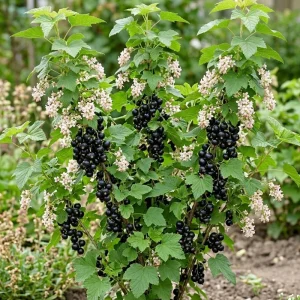
Bring the joy of homegrown fruit to your garden with the consort black currant live plant. This robust and cold-hardy shrub, scientifically known as Ribes nigrum ‘Consort’, is celebrated for its abundant production of delicious, dark berries. Perfect for gardeners across a wide range of climates, particularly those in colder regions, this plant is an excellent choice for adding both ornamental beauty and culinary value to your landscape. Our consort black currant live plant arrives dormant and approximately 6-12 inches tall, ensuring it’s ready to establish itself and flourish in your garden. With its adaptability and ease of care, it’s an ideal addition for both novice and experienced growers looking to enjoy fresh blackcurrants.
The ‘Consort’ variety is known for its strong growth and reliable fruit set, making it a popular choice among home gardeners. These plants are shipped as bare-root specimens, a common and effective method for establishing fruit-bearing shrubs. Once planted, they quickly develop into productive bushes, yielding nutrient-rich berries that are perfect for a variety of uses, from fresh eating to preserves and baking. Experience the satisfaction of harvesting your own blackcurrants, knowing you’ve nurtured a resilient and fruitful addition to your homestead.
Key Benefits
The consort black currant live plant offers a multitude of advantages for the home gardener, blending aesthetic appeal with practical benefits:
-
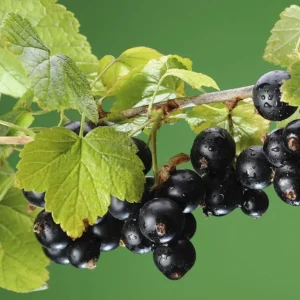
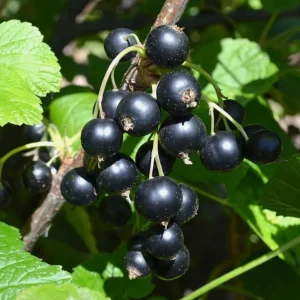
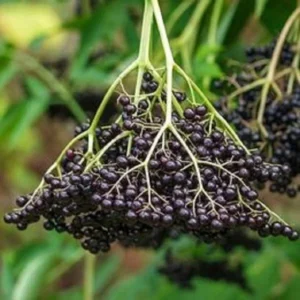
Abundant Fruit Production: Enjoy a prolific harvest of dark, flavorful blackcurrants each season. These berries are excellent for making jams, jellies, pies, sauces, or simply enjoying fresh from the bush. The ‘Consort’ variety is known for its reliable and generous yields.
-
Exceptional Cold Hardiness: This cold hardy currant bush is specifically bred to withstand harsh winter conditions, thriving in USDA Hardiness Zones 3-8. This makes it a perfect choice for gardeners in northern climates who often struggle to find suitable fruit-bearing plants.
-
Nutrient-Rich Berries: Blackcurrants are packed with Vitamin C, antioxidants, and other beneficial compounds, making them a superfood for your family’s health. Growing your own ensures you have access to fresh, organic produce.
-
Easy to Grow: The ‘Consort’ blackcurrant is a low-maintenance shrub that adapts well to various soil types and conditions, making it an ideal plant for beginner gardeners. Its robust nature means less fuss and more fruit.
-
Versatile Landscape Addition: Beyond its fruit, the blackcurrant shrub offers attractive foliage and a compact growth habit, making it suitable for edible landscaping, hedgerows, or as a standalone specimen in your garden. It adds structure and seasonal interest.
-
Pollinator Friendly: The flowers of the consort black currant live plant attract beneficial pollinators, such as bees, to your garden, contributing to a healthy ecosystem and improving the yield of other plants.
Plant Care & Growing Tips
Caring for your consort black currant live plant is straightforward and rewarding. These resilient shrubs prefer a location that receives full sun to partial shade, meaning at least 6 hours of direct sunlight daily for optimal fruit production. While tolerant of various soil types, they thrive best in well-draining, fertile soil with a slightly acidic to neutral pH. If your soil is heavy clay, amend it with organic matter like compost to improve drainage and aeration. Proper site selection is key to successful growing black currants and ensuring a bountiful harvest.
Watering is crucial, especially during dry spells and when the fruit is developing. Aim for consistently moist soil, but avoid waterlogging, which can lead to root rot. A layer of mulch around the base of the plant will help retain soil moisture, suppress weeds, and regulate soil temperature. Fertilize in early spring with a balanced slow-release fertilizer or organic compost to support vigorous growth and fruit development. Pruning is essential for maintaining plant health and productivity; remove any dead, damaged, or crossing branches annually, typically in late winter or early spring before new growth appears. This also helps with air circulation and sunlight penetration.
Understanding blackcurrant shrub care also involves awareness of pests and diseases. While generally robust, keep an eye out for common issues like powdery mildew or aphids. Good air circulation and proper plant spacing can help prevent fungal diseases. For pest control, consider organic solutions like insecticidal soap or neem oil. With these simple care practices, your consort black currant live plant will provide years of delicious fruit. This black currant plant zone 3 variety is exceptionally durable, making it a reliable choice for challenging climates.
Size & Details
The consort black currant live plant you receive will be a dormant, bare-root specimen, typically measuring approximately 6-12 inches in height. This size is ideal for planting and allows the plant to focus its energy on root development once in the ground. When mature, this productive shrub can reach an expected height of about 4 feet, with a similar spread, creating a rounded and compact bush. It has a moderate growth rate, establishing itself well within the first year and beginning to produce fruit within 1-2 years of planting, with full production typically by the third year.
The plant is shipped without a pot, as is customary for bare-root stock, which allows for easier transplanting and reduces shipping stress. Its cold-hardy nature makes it suitable for a wide range of climates, specifically thriving in USDA Hardiness Zones 3-8. This variety is known for its excellent resistance to common blackcurrant diseases, contributing to its ease of care. Prepare to enjoy delicious blackcurrants from your very own garden for many seasons to come.
Frequently Asked Questions
-
Q: How big does this plant get? A: The consort black currant live plant typically grows to an average mature height of about 4 feet with a similar spread, forming a well-rounded shrub. It maintains a manageable size, making it suitable for various garden spaces.
-
Q: Is this an indoor or outdoor plant? A: This is an outdoor plant, specifically a cold hardy currant bush designed to thrive in garden beds and landscapes. It requires outdoor conditions to properly grow and produce fruit.
-
Q: How much sunlight does it need? A: For optimal fruit production, the blackcurrant plant prefers full sun, meaning at least 6 hours of direct sunlight per day. It can tolerate partial shade, but yields may be reduced.
-
Q: Is this plant easy to care for? A: Yes, the ‘Consort’ blackcurrant is considered an easy-to-grow fruiting shrub, making it suitable for gardeners of all experience levels. Its robust nature contributes to straightforward blackcurrant shrub care.
-
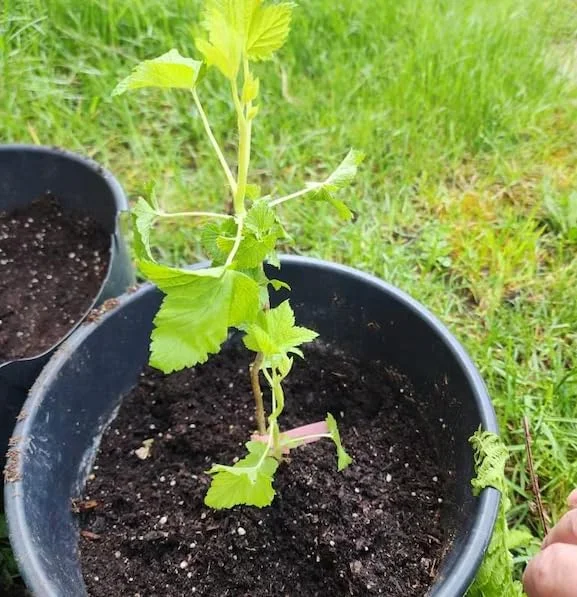
Q: What condition will it arrive in? A: Your consort black currant live plant will arrive dormant and as a bare-root specimen, approximately 6-12 inches tall. This is a normal and healthy state for planting.
-
Q: When is the best time to plant? A: The best time for growing black currants from bare root is in early spring, as soon as the soil can be worked. This gives the plant ample time to establish its root system before the heat of summer.
-
Q: Will it survive winter in my zone? A: Absolutely! This particular variety is a black currant plant zone 3 hardy, meaning it is highly tolerant of cold temperatures and can successfully overwinter in USDA Hardiness Zones 3 through 8.
-
Q: What type of soil does it prefer? A: While adaptable, blackcurrants prefer well-draining, fertile soil that is slightly acidic to neutral. Amending heavy clay soils with organic matter will greatly benefit the plant.
-
Q: How long until it produces fruit? A: You can typically expect your consort black currant live plant to begin producing fruit within 1-2 years of planting, with a more substantial harvest usually by the third year.
-
Q: Can I use the berries for cooking? A: Yes, blackcurrants are highly versatile for culinary uses. They are excellent for making jams, jellies, pies, sauces, syrups, and can also be enjoyed fresh or frozen for later use.
Related products
-20%
Original price was: $34.00.$27.20Current price is: $27.20.
-10%
Original price was: $75.00.$67.50Current price is: $67.50.
-20%
Original price was: $60.00.$48.00Current price is: $48.00.
-20%
Original price was: $32.00.$25.60Current price is: $25.60.
-20%
Original price was: $56.00.$44.80Current price is: $44.80.
-20%
Original price was: $36.00.$28.80Current price is: $28.80.
PLANTING & CARE
Lemon Tree Growing: Choose, Plant, and Harvest
Learn how to choose, plant, feed, and protect a lemon tree so it fits your
23
Sep
Sep
Dwarf Meyer Lemon Tree Australia: Climate Guide
Learn where dwarf Meyer lemon trees grow, how much cold they tolerate, and whether Australia,
Where to Buy a Dwarf Meyer Lemon Tree: Buyer’s Guide
Find the right dwarf Meyer lemon tree online or locally, compare starter sizes and costs,
Dwarf Meyer Lemon Tree for Sale: Buying Guide
Compare Meyer lemon tree sizes, prices, shipping limits, indoor growing and California options before you
Dwarf Meyer Lemon Tree Guide: Size, Care and Fruit
META: Learn how large a dwarf Meyer lemon tree grows, where it thrives, and how
How to Prune a Dwarf Meyer Lemon Tree
Learn when and how to prune a dwarf Meyer lemon tree, including tools, shaping cuts,
Can You Grow a Dwarf Meyer Lemon Tree in a Pot?
META: Learn how to grow a dwarf Meyer lemon tree in a pot, including container
When Do Dwarf Meyer Lemon Trees Bloom and Fruit?
META: Dwarf Meyer lemon trees usually bloom from winter through spring and may flower again