Elderberry Tree Live Plant – 4 inch Pot – Fruit-Bearing Shrub
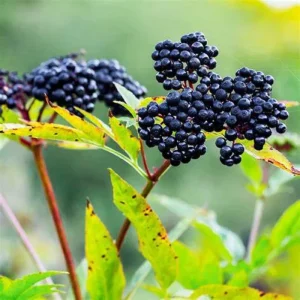
Elderberry Tree Live Plant – 4 inch Pot – Fruit-Bearing Shrub
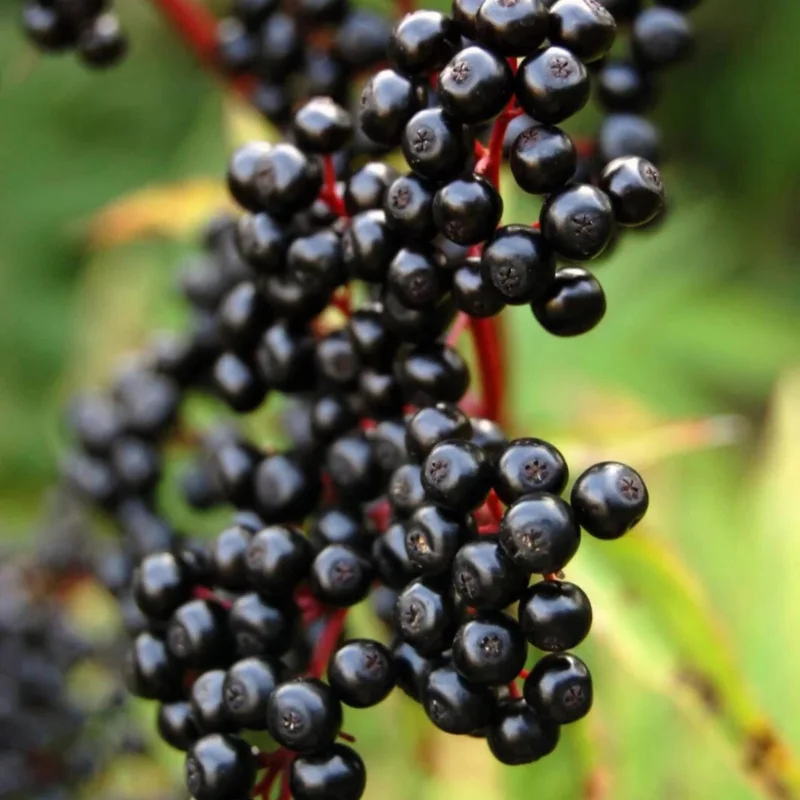
Cultivate your own source of healthy berries with this elderberry tree live plant. Arriving in a 4-inch pot, this starter fruit-bearing shrub is perfect for edible gardens, providing delicious, immune-boosting berries.
$28.58

With our Alive & Thrive Guarantee, we’ve got your back for the first 30 days! If you have any concerns about your plants, just reach out to us. Our team is here to help answer your questions and guide you in selecting the best plants for your garden, climate, and unique preferences. We're excited to help you create the garden of your dreams!
Estimated arrival
Oct 21
Oct 26 - Oct 28
Oct 31 - Nov 04
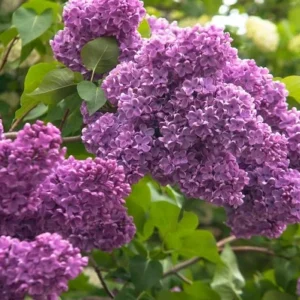

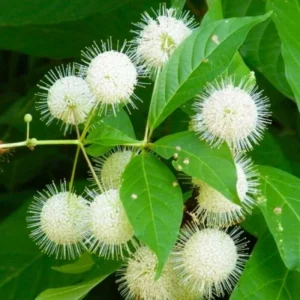
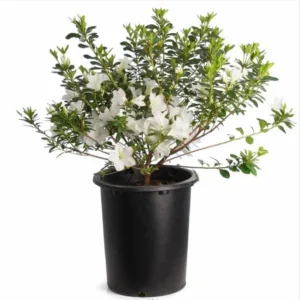
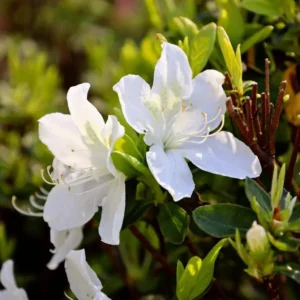
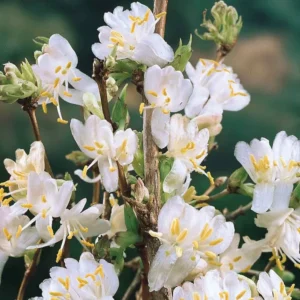
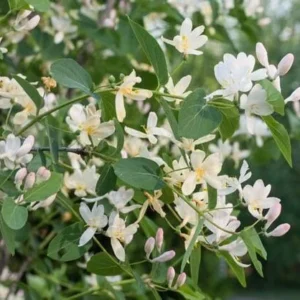
Product Details
-
USDA Hardiness Zone
USDA Zones 3-9 -
Soil type
Well-draining, slightly acidic to neutral soil -
Sunlight Exposure
Full sun to partial shade -
Expected Planting Period
Spring to early summer or fall
Overview
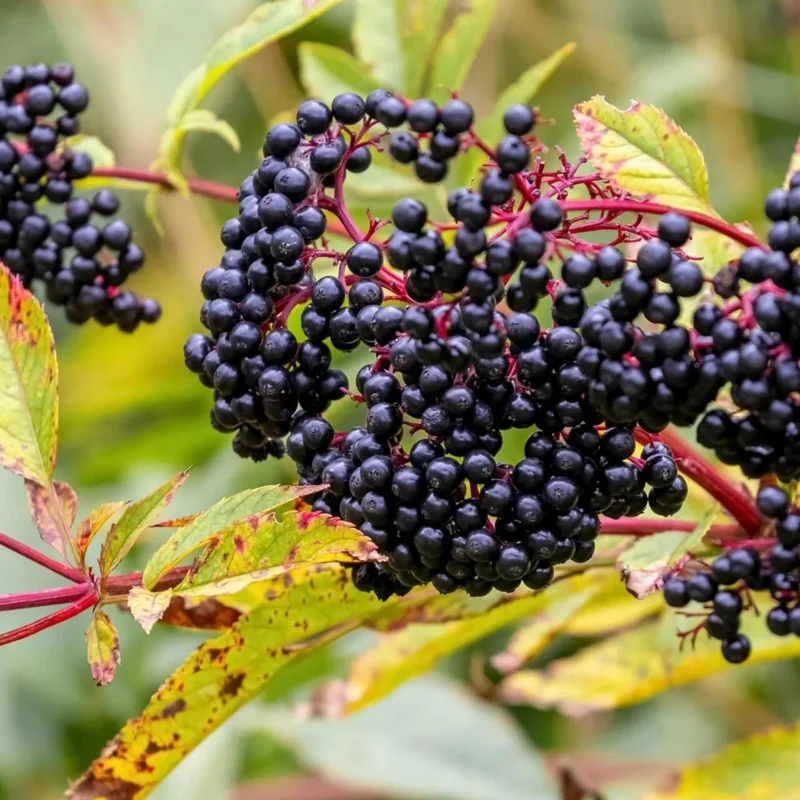
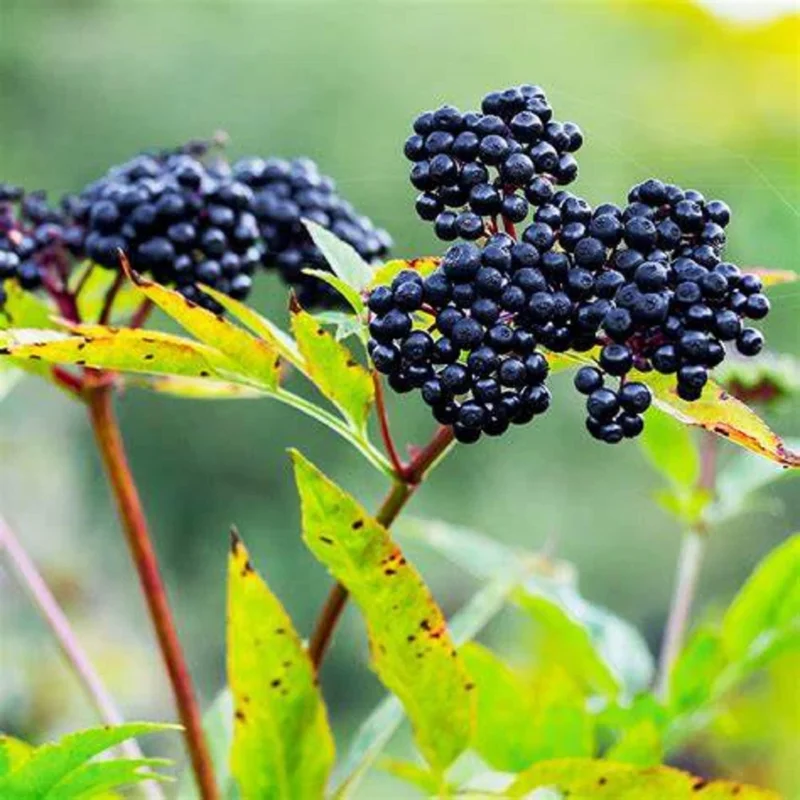
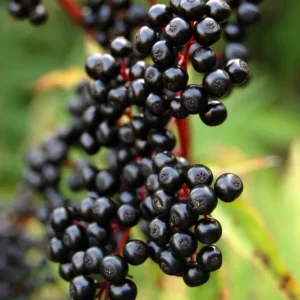
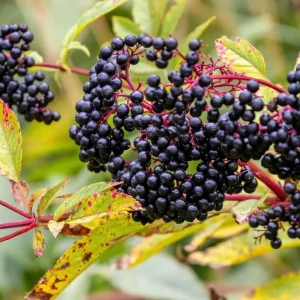
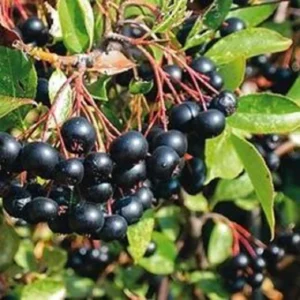
Embark on a rewarding gardening journey with this robust elderberry tree live plant. Revered for its prolific fruit production and ornamental value, the elderberry tree is a fantastic addition to any edible garden or landscape. This particular offering is a starter plant, carefully cultivated and ready to establish itself in your chosen outdoor space. Elderberry, scientifically known as Sambucus, is a deciduous shrub that produces clusters of small, dark berries. These berries are not only delicious but are also widely recognized for their potential immune-boosting properties, making them a popular choice for homemade jams, jellies, pies, and elderberry syrup. Growing an elderberry tree live plant allows you to enjoy fresh, organic produce right from your backyard, connecting you with nature’s bounty and promoting a healthier lifestyle.
Our elderberry tree live plant is supplied in a 4-inch pot, ensuring it has a healthy root system ready for transplanting. This hardy fruit-bearing shrub adapts well to various climates and soil conditions, making it an accessible option for gardeners of all experience levels. Whether you’re a seasoned green thumb or just starting your edible garden, the elderberry tree is a forgiving and productive plant that will reward you with an abundance of berries for years to come. Consider adding this versatile shrub to your garden for both its aesthetic appeal and its practical, health-supporting benefits.
Key Benefits
Bringing an elderberry tree live plant into your garden offers a multitude of advantages, enriching your landscape and providing a sustainable source of nutritious fruit:
-
Abundant Fruit Production: Once established, elderberry trees are incredibly prolific, yielding large quantities of berries that can be harvested in late summer. These berries are perfect for making delicious and healthy treats.
-
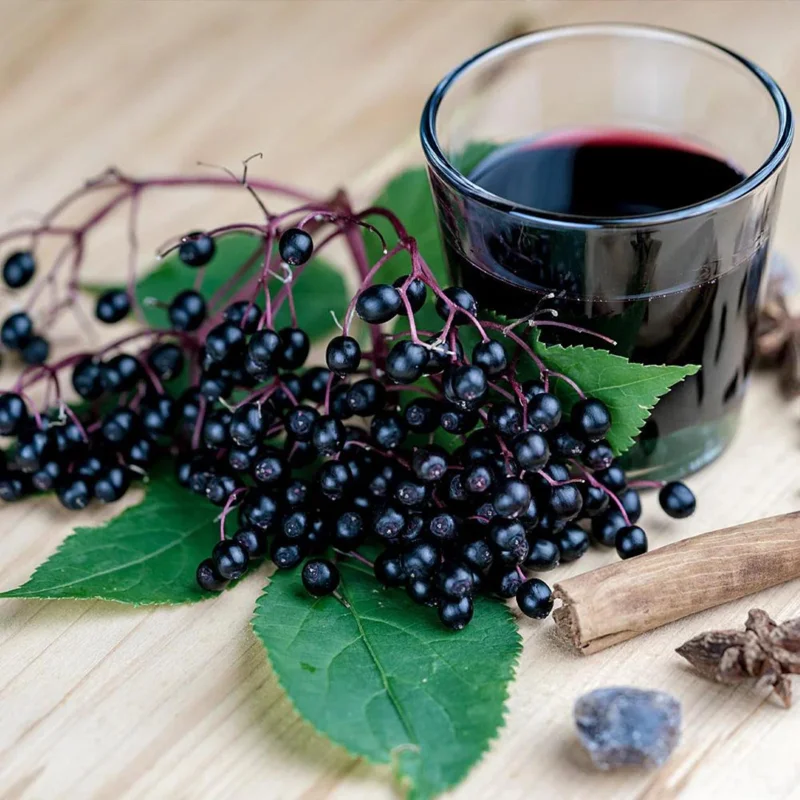
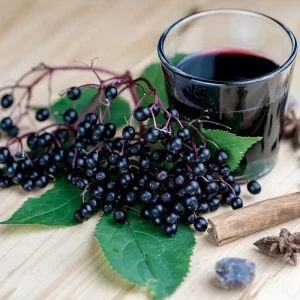
Immune-Boosting Berries: Elderberries are celebrated for their high antioxidant content and traditional use in supporting the immune system. Growing your own ensures a fresh supply for making syrups, teas, and other wellness remedies.
-
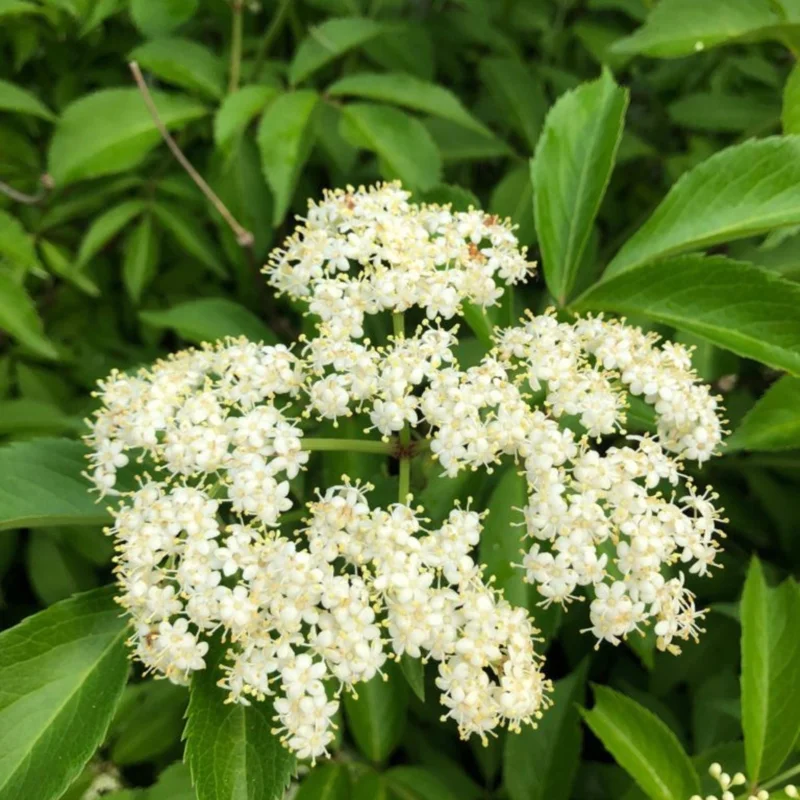
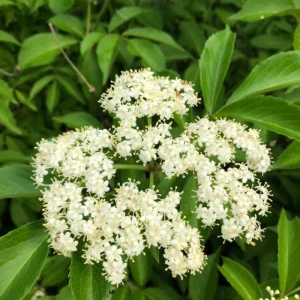
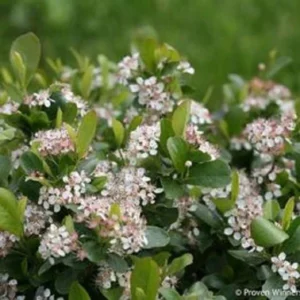
Attracts Pollinators: The fragrant white flowers that precede the berries are a magnet for bees, butterflies, and other beneficial pollinators, contributing to a healthy garden ecosystem.
-
Versatile Culinary Uses: Beyond immune support, elderberries can be transformed into a variety of culinary delights, including pies, jams, jellies, wines, and even savory sauces. Discover the joy of growing elderberry tree for your kitchen.
-
Adaptable and Hardy: This fruit-bearing shrub is known for its resilience, tolerating a wide range of growing conditions and requiring relatively low maintenance once established.
-
Ornamental Value: With its attractive foliage, clusters of white flowers in spring, and dark berries in summer, the elderberry tree adds significant visual appeal to your garden throughout the seasons.
-
Erosion Control: Due to its extensive root system, elderberry can be an excellent choice for stabilizing soil on slopes or along banks, preventing erosion.
Plant Care & Growing Tips
Proper elderberry plant care is essential for a healthy, productive shrub. Elderberries are generally quite hardy and adaptable, making them a great choice for various climates. When selecting a site for your elderberry tree live plant, choose a location that receives full sun to partial shade. Full sun (at least 6 hours of direct sunlight per day) will encourage the most abundant fruit production, while partial shade is tolerable, especially in hotter climates. Ensure the area has well-draining soil, as elderberries do not like consistently wet feet. They prefer a slightly acidic to neutral soil pH (5.5-6.5), but they are quite tolerant of different soil types, including sandy, loamy, or clay soils, as long as drainage is adequate.
Watering is crucial, especially during the first year of establishment and during dry spells. Keep the soil consistently moist but not waterlogged. Once established, elderberries are relatively drought-tolerant but will perform best with regular moisture. Fertilize in early spring with a balanced, all-purpose fertilizer or a good layer of compost to provide essential nutrients for growth and fruit development. Pruning is an important aspect of elderberry plant care. Most varieties produce fruit on second-year wood, so prune out older, less productive canes in late winter or early spring to encourage new growth and maintain an open canopy. Watch out for common pests like aphids and borers, and diseases such as powdery mildew, which can usually be managed with organic sprays or proper cultural practices. Understanding these aspects of growing elderberry tree will lead to a thriving harvest.
Size & Details
This offering is for one elderberry tree live plant, shipped in a 4-inch nursery pot. The plant will arrive as a starter, typically standing between 6 to 12 inches tall, depending on the growing season. This size is ideal for ease of transplanting and establishing a strong root system in your garden. Elderberry trees are fast-growing deciduous shrubs that can reach a mature height of 6 to 10 feet with a similar spread, though some varieties can grow larger. They typically begin bearing fruit within 1-2 years after planting, with full production usually achieved by the third year. The plant will be shipped without its pot to ensure safe transit and reduce waste, with its root ball carefully packaged for moisture retention. Expect a vigorous fruit-bearing shrub that will quickly settle into its new environment and begin to flourish.
Frequently Asked Questions
-
Q: How big does this elderberry tree get? A: This elderberry tree live plant is a starter in a 4-inch pot, typically 6-12 inches tall upon arrival. Mature elderberry trees generally grow to a height and spread of 6 to 10 feet, depending on the variety and growing conditions.
-
Q: Is this an indoor or outdoor plant? A: This fruit-bearing shrub is an outdoor plant. It thrives in garden settings and requires ample space and sunlight to produce berries effectively.
-
Q: How much sunlight does the elderberry tree need? A: For optimal fruit production, an elderberry tree needs full sun, which means at least 6 hours of direct sunlight per day. It can tolerate partial shade, but berry yields may be reduced.
-
Q: Is this plant easy to care for? A: Yes, elderberry trees are generally considered easy to care for, especially once established. They are hardy and adaptable, making elderberry plant care suitable for gardeners of all levels.
-
Q: What condition will the elderberry tree arrive in? A: Your elderberry tree live plant will arrive as a healthy starter plant, carefully packaged with its root ball protected to ensure moisture retention and safe transit. It will be ready for immediate planting upon arrival.
-
Q: Can I use elderberry fruit in cooking? A: Absolutely! Elderberries are excellent for culinary uses. They can be made into jams, jellies, pies, wines, and the popular immune-boosting elderberry syrup. This makes growing elderberry tree a rewarding experience.
-
Q: How long until it blooms and produces berries? A: Elderberry trees typically begin to flower and produce berries within 1-2 years after planting, with full production usually achieved by the third year. The flowers appear in spring, and berries are ready for harvest in late summer.
-
Q: What’s the best time to plant this elderberry tree? A: The best time for planting an elderberry tree is in early spring or fall, allowing the plant to establish its root system before extreme summer heat or winter cold. However, container-grown plants can often be planted throughout the growing season.
-
Q: Will it survive winter in my zone? A: Elderberry trees are very hardy and can survive cold winters. Most varieties are suitable for USDA Zones 3-9. Check your specific local hardiness zone to ensure it’s appropriate for your climate.
-
Q: What are the main benefits of this elderberry tree? A: The main benefits of this elderberry tree live plant include producing delicious, immune-boosting berries, attracting pollinators, and providing significant ornamental value to your garden as a hardy and adaptable fruit-bearing shrub.
Related products

-20%
Original price was: $36.00.$28.80Current price is: $28.80.
-45%
Original price was: $220.00.$121.00Current price is: $121.00.
-50%
Original price was: $59.98.$29.99Current price is: $29.99.
PLANTING & CARE
Lemon Tree Growing: Choose, Plant, and Harvest
Learn how to choose, plant, feed, and protect a lemon tree so it fits your
23
Sep
Sep
Dwarf Meyer Lemon Tree Australia: Climate Guide
Learn where dwarf Meyer lemon trees grow, how much cold they tolerate, and whether Australia,
Where to Buy a Dwarf Meyer Lemon Tree: Buyer’s Guide
Find the right dwarf Meyer lemon tree online or locally, compare starter sizes and costs,
Dwarf Meyer Lemon Tree for Sale: Buying Guide
Compare Meyer lemon tree sizes, prices, shipping limits, indoor growing and California options before you
Dwarf Meyer Lemon Tree Guide: Size, Care and Fruit
META: Learn how large a dwarf Meyer lemon tree grows, where it thrives, and how
How to Prune a Dwarf Meyer Lemon Tree
Learn when and how to prune a dwarf Meyer lemon tree, including tools, shaping cuts,
Can You Grow a Dwarf Meyer Lemon Tree in a Pot?
META: Learn how to grow a dwarf Meyer lemon tree in a pot, including container
When Do Dwarf Meyer Lemon Trees Bloom and Fruit?
META: Dwarf Meyer lemon trees usually bloom from winter through spring and may flower again