Consort Black Currant Live Plant – Cold Hardy Fruiting Shrub 6-12″ Tall
-50%
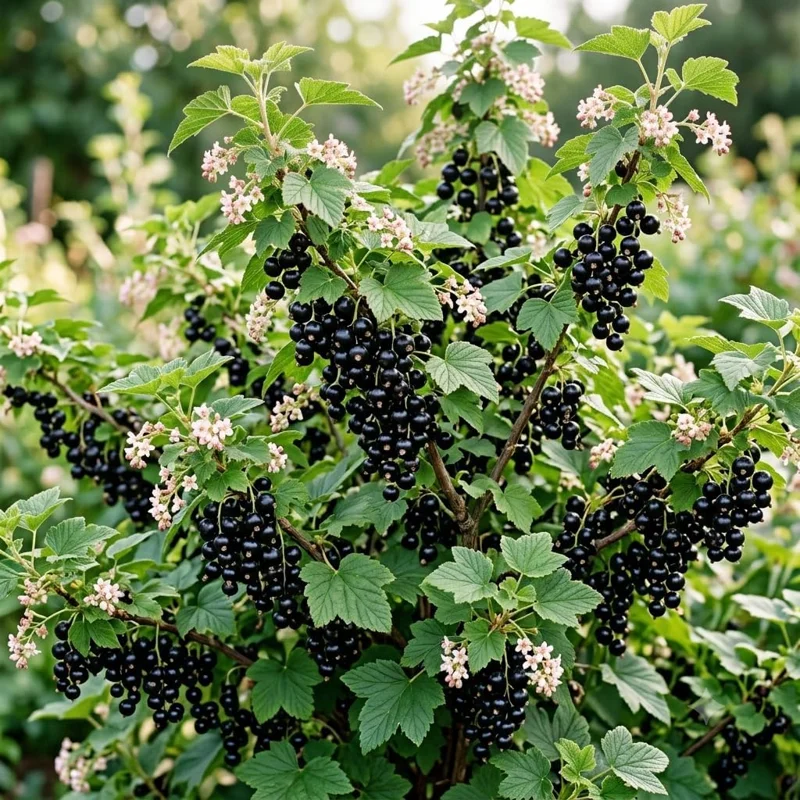
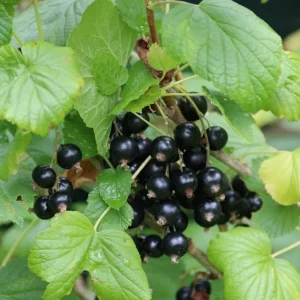
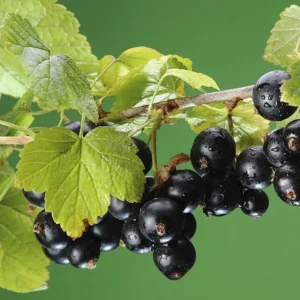
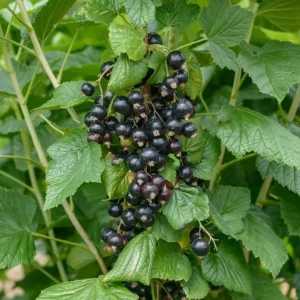
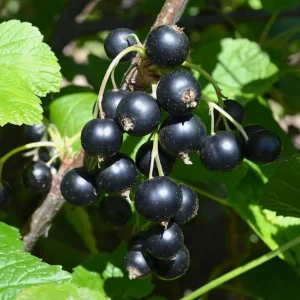
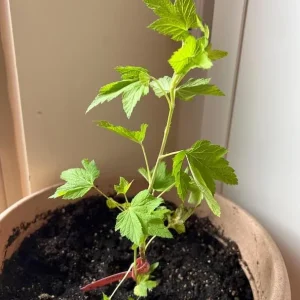
Consort Black Currant Live Plant – Cold Hardy Fruiting Shrub 6-12″ Tall
Cultivate your own delicious fruit with this consort black currant live plant. This robust and cold hardy blackcurrant shrub is ideal for gardens in USDA Zones 3-8, offering an easy-to-grow source of nutritious berries.
Original price was: $57.98.$28.99Current price is: $28.99.

With our Alive & Thrive Guarantee, we’ve got your back for the first 30 days! If you have any concerns about your plants, just reach out to us. Our team is here to help answer your questions and guide you in selecting the best plants for your garden, climate, and unique preferences. We're excited to help you create the garden of your dreams!
Estimated arrival
Oct 21
Oct 26 - Oct 28
Oct 31 - Nov 04
Product Details
-
USDA Hardiness Zone
3-8 -
Soil type
Clay Soil (amended to be well-draining), Loamy Soil -
Sunlight Exposure
Full Sun to Partial Shade -
Expected Planting Period
Early Spring
Overview
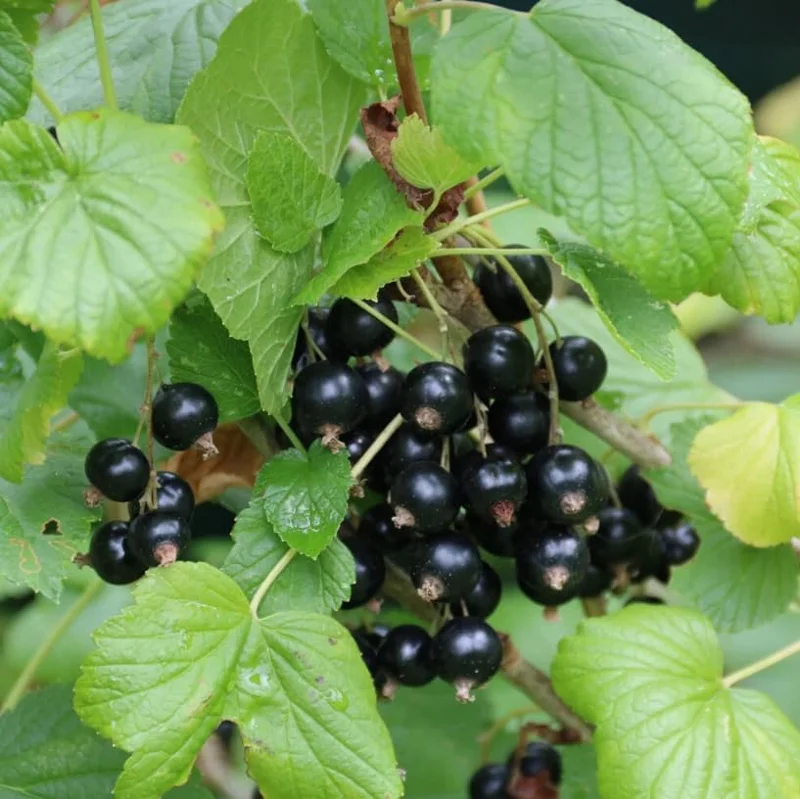
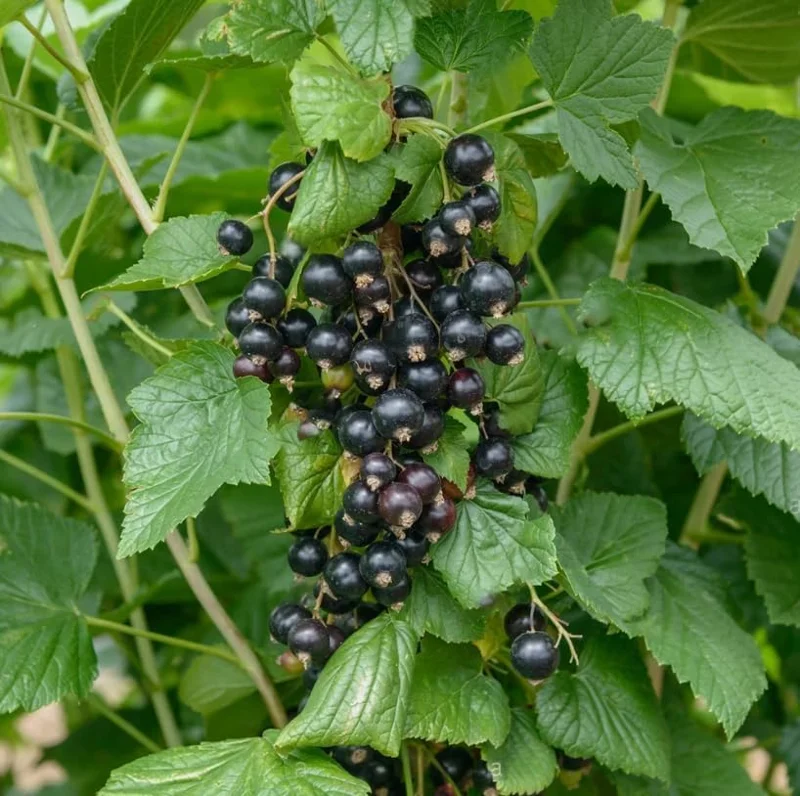
Discover the joy of growing your own berries with the consort black currant live plant. This resilient and productive shrub is a fantastic addition to any edible landscape or home garden. Known for its strong, upright growth and abundant fruit production, the Consort Black Currant (Ribes nigrum ‘Consort’) is a self-fertile variety, meaning you only need one plant to start harvesting delicious blackcurrants. Originating from natural hybrids, this particular cultivar is highly valued for its exceptional cold hardiness and disease resistance, making it a reliable choice for gardeners across a wide range of climates. Shipped as a dormant bare root plant, approximately 6-12 inches tall, it is ready to establish quickly in your garden, promising years of flavorful harvests. Whether you’re an experienced gardener or just starting out, this consort black currant live plant offers a rewarding and low-maintenance fruiting experience.
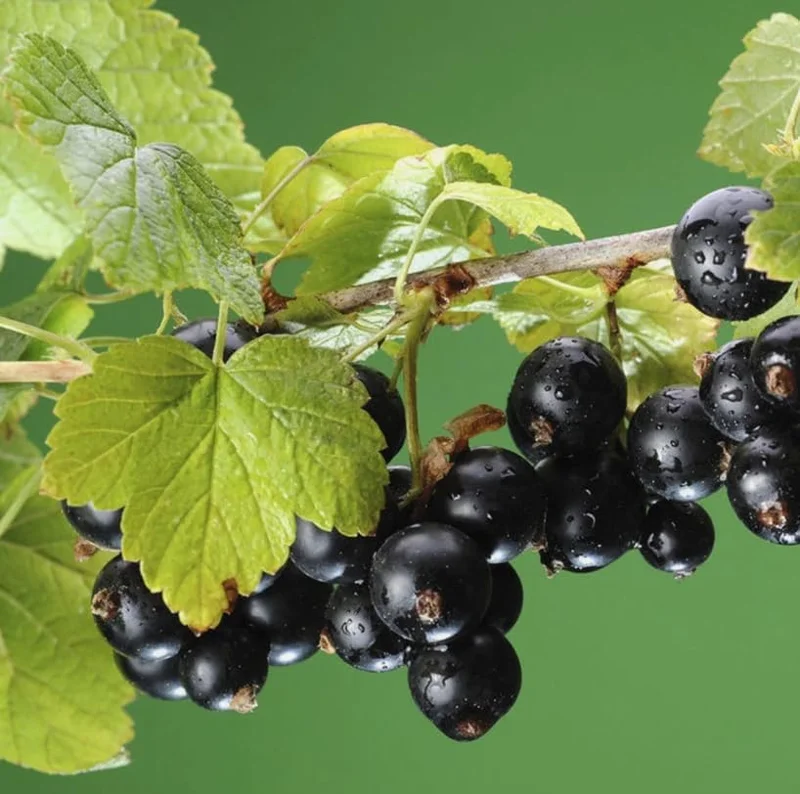
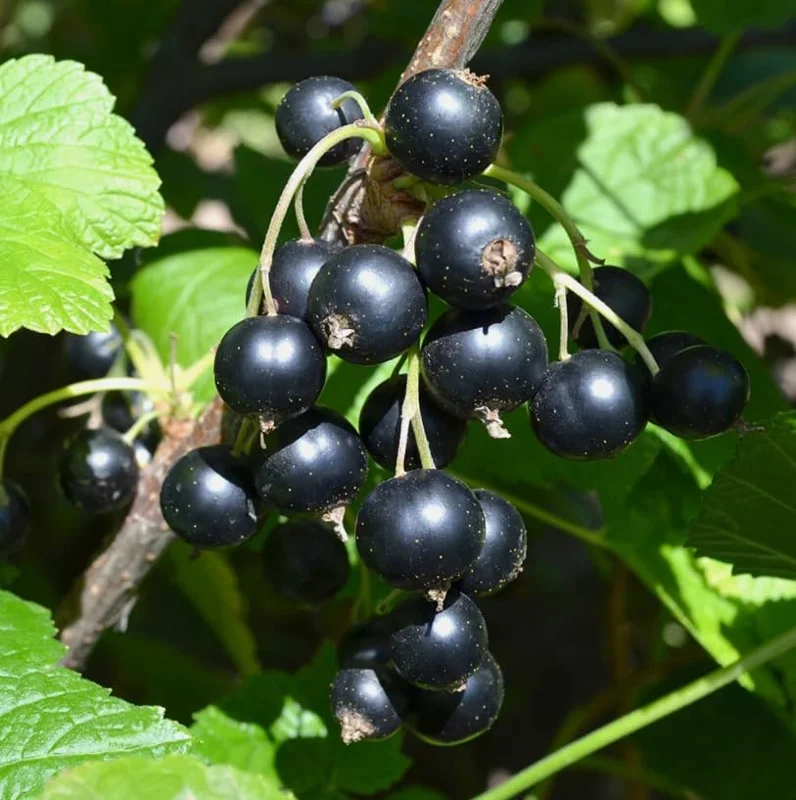
The Consort Black Currant is celebrated not only for its ease of cultivation but also for the rich, tart flavor of its berries. These deep black fruits are packed with vitamins and antioxidants, making them a healthy and versatile ingredient for jams, jellies, pies, sauces, and fresh eating. This variety thrives in open, sunny locations, adapting well to various soil types once established. Its ability to withstand harsh winters, characteristic of a true cold hardy blackcurrant, ensures a consistent yield even in challenging environments. Embark on your journey to homegrown fruit with this exceptional blackcurrant bush.
Key Benefits
The consort black currant live plant offers a multitude of advantages for the home gardener, combining ease of care with bountiful, nutritious harvests. Its robust nature and adaptability make it a standout choice for adding edible elements to your landscape.
- Abundant Edible Fruit: Enjoy a generous yield of highly nutritious, tart blackcurrants perfect for baking, preserves, or fresh consumption. These berries are a superfood, rich in Vitamin C and antioxidants, supporting a healthy diet.
- Exceptional Cold Hardiness: Thrives in challenging climates, specifically USDA Zones 3-8, ensuring a successful harvest even after harsh winters. This makes it a reliable choice for gardeners seeking a truly cold hardy blackcurrant.
- Low Maintenance & Easy to Grow: Ideal for both novice and experienced gardeners, this shrub requires minimal fuss once established. Its vigorous growth habit and disease resistance reduce the need for constant attention, allowing you more time to enjoy your garden.
- Disease Resistant: The Consort variety is particularly noted for its resistance to common blackcurrant diseases, contributing to healthier plants and more consistent fruit production without heavy chemical intervention.
- Versatile Landscape Use: Perfect for planting in garden beds, as part of an edible hedge, or even in large containers. Its attractive foliage and fruit add ornamental value to your landscape while providing delicious produce.
- Self-Fertile: Only one plant is needed to produce fruit, simplifying planting and ensuring a harvest even with limited space. This makes growing blackcurrant bushes straightforward and efficient.
- Early Bearing: Typically begins producing fruit within 1-2 years of planting, allowing you to enjoy your first harvests relatively quickly.
Plant Care & Growing Tips
Caring for your consort black currant live plant is straightforward, ensuring a healthy bush and abundant harvests. Start by selecting an ideal planting site. Blackcurrants thrive in full sun, meaning they need at least 6-8 hours of direct sunlight daily for optimal fruit production. While they can tolerate partial shade, fruit yield may be reduced. When it comes to soil, this plant prefers a well-draining, fertile loam with a slightly acidic to neutral pH (6.0-7.0). If you have clay soil, amend it with compost or other organic matter to improve drainage and aeration. Proper soil preparation is key for successful growing blackcurrant bushes.
Watering is crucial, especially during dry spells and when fruits are developing. Keep the soil consistently moist but never waterlogged. Deep watering encourages a strong root system. Fertilize in early spring with a balanced granular fertilizer or compost, ensuring the nutrients are readily available for the plant’s growth spurt. Pruning is best done in late winter or early spring while the plant is dormant. Remove any dead, diseased, or weak branches, and thin out older wood to encourage new, productive growth. Aim for an open structure to improve air circulation and sunlight penetration, which helps prevent fungal issues. This diligent care will help your consort black currant live plant flourish and produce an excellent yield.
Protecting your cold hardy blackcurrant from pests and diseases is generally easy due to its natural resistance. However, monitor for common garden pests like aphids and address them with organic solutions if necessary. Mulching around the base of the plant with an organic material like wood chips or straw helps retain soil moisture, suppress weeds, and regulate soil temperature. This also contributes to the overall health and vigor of your blackcurrant bush. Understanding blackcurrant care principles will ensure your plant remains productive for many years.
Size & Details
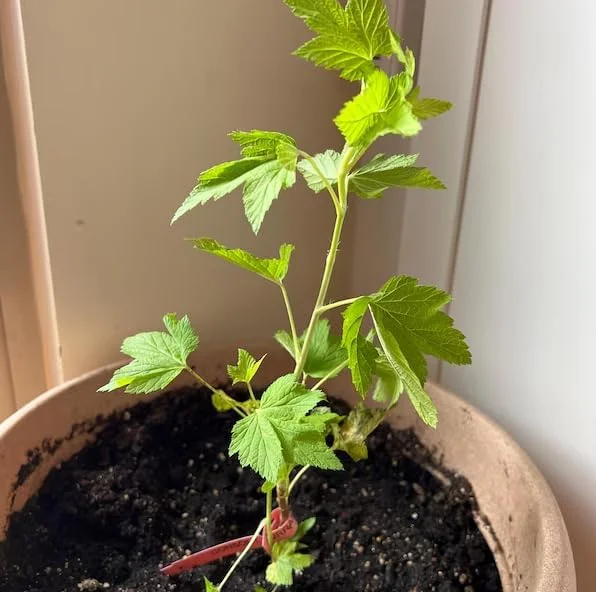
This offering is for one consort black currant live plant, shipped as a dormant bare root specimen. The plant will arrive approximately 6-12 inches tall, depending on the season and its current growth stage, ready for immediate planting. When mature, the Consort Black Currant typically reaches a height and spread of about 3-5 feet, forming a bushy, upright shrub. It has a moderate growth rate, establishing itself well within the first year and often producing its first fruits in the second year after planting. As a bare root plant, it is shipped without a pot or soil, which minimizes transplant shock and allows for easy establishment in your garden beds or larger containers. This resilient shrub is an excellent choice for those looking for edible fruit shrubs that are both productive and visually appealing in the landscape.
Frequently Asked Questions
- Q: How big does this plant get? A: The consort black currant live plant typically matures to a height and spread of 3-5 feet. Its upright growth habit makes it suitable for various garden spaces, and it can be maintained with annual pruning.
- Q: Is this an indoor or outdoor plant? A: This is an outdoor fruiting shrub, specifically bred for cold hardiness. It thrives in garden beds and can be grown in large outdoor containers, but it is not suited for indoor cultivation.
- Q: How much sunlight does it need? A: For optimal fruit production, the cold hardy blackcurrant requires full sun, meaning at least 6-8 hours of direct sunlight per day. It can tolerate partial shade, but yields may be lower.
- Q: Is this plant easy to care for? A: Yes, the Consort Black Currant is considered an easy-to-grow fruiting shrub, making it suitable for gardeners of all experience levels. Its disease resistance and cold hardiness contribute to its low-maintenance nature. This simplifies growing blackcurrant bushes considerably.
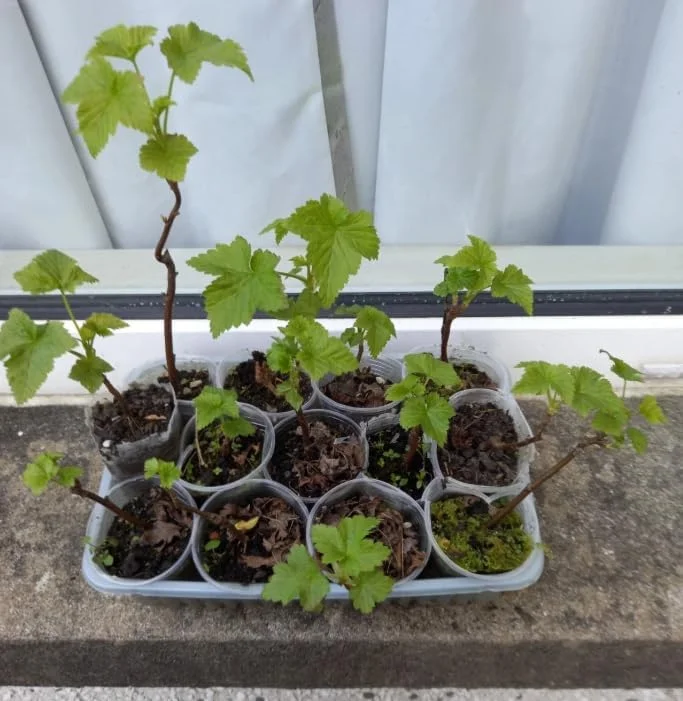
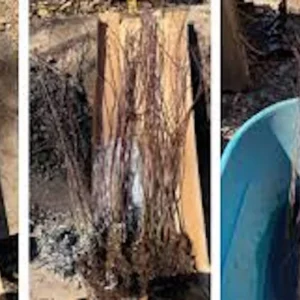
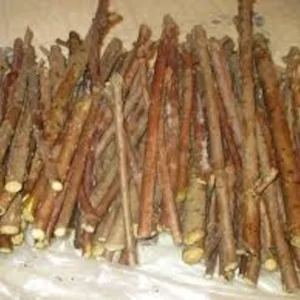
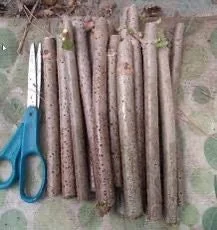
- Q: What condition will it arrive in? A: Your consort black currant live plant will arrive as a dormant bare root plant, approximately 6-12 inches tall. This means it will have roots but no soil or leaves, which is normal for bare root shipping and helps prevent transplant shock.
- Q: How long until it produces fruit? A: You can typically expect your blackcurrant plant to start producing fruit within 1-2 years after planting. Yields will increase as the plant matures.
- Q: When is the best time to plant? A: The best time to plant bare root blackcurrants is in early spring, as soon as the soil can be worked, or in late fall after the leaves have dropped. This allows the roots to establish before extreme temperatures.
- Q: Will it survive winter in my zone? A: Absolutely! This variety is a cold hardy blackcurrant, specifically hardy to USDA Zones 3-8, meaning it is well-suited to withstand cold winter temperatures in these regions.
- Q: Can I use blackcurrants in cooking? A: Yes, blackcurrants are excellent for cooking! They are used to make delicious jams, jellies, pies, sauces, and juices. Many people also enjoy them fresh or added to smoothies. This makes them highly desirable edible fruit shrubs.
- Q: What are the key aspects of blackcurrant care? A: Key aspects of blackcurrant care include planting in full sun with well-draining soil, consistent watering, annual fertilization, and dormant pruning to encourage new growth and fruit production.
Related products
-50%
Original price was: $63.00.$31.50Current price is: $31.50.
-60%
Original price was: $53.99.$21.59Current price is: $21.59.
-20%
Original price was: $76.00.$60.80Current price is: $60.80.
-20%
Original price was: $36.00.$28.80Current price is: $28.80.
-50%
Original price was: $55.98.$27.99Current price is: $27.99.
PLANTING & CARE
Lemon Tree Growing: Choose, Plant, and Harvest
Learn how to choose, plant, feed, and protect a lemon tree so it fits your
23
Sep
Sep
Dwarf Meyer Lemon Tree Australia: Climate Guide
Learn where dwarf Meyer lemon trees grow, how much cold they tolerate, and whether Australia,
Where to Buy a Dwarf Meyer Lemon Tree: Buyer’s Guide
Find the right dwarf Meyer lemon tree online or locally, compare starter sizes and costs,
Dwarf Meyer Lemon Tree for Sale: Buying Guide
Compare Meyer lemon tree sizes, prices, shipping limits, indoor growing and California options before you
Dwarf Meyer Lemon Tree Guide: Size, Care and Fruit
META: Learn how large a dwarf Meyer lemon tree grows, where it thrives, and how
How to Prune a Dwarf Meyer Lemon Tree
Learn when and how to prune a dwarf Meyer lemon tree, including tools, shaping cuts,
Can You Grow a Dwarf Meyer Lemon Tree in a Pot?
META: Learn how to grow a dwarf Meyer lemon tree in a pot, including container
When Do Dwarf Meyer Lemon Trees Bloom and Fruit?
META: Dwarf Meyer lemon trees usually bloom from winter through spring and may flower again