Dwarf Everbearing Mulberry Tree – Morus nigra Live Plant, Edible Fruit, 10 in Seedling, Outdoor
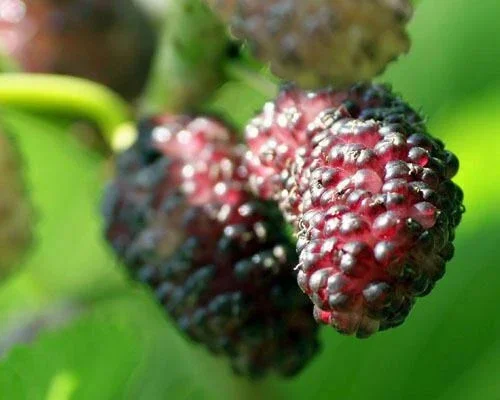
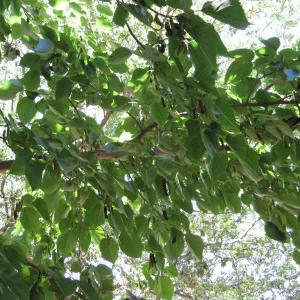
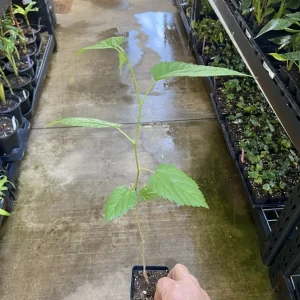
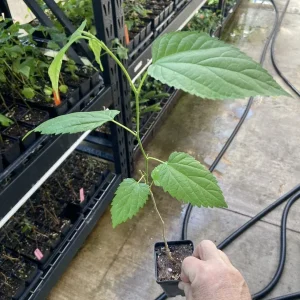
Dwarf Everbearing Mulberry Tree – Morus nigra Live Plant, Edible Fruit, 10 in Seedling, Outdoor
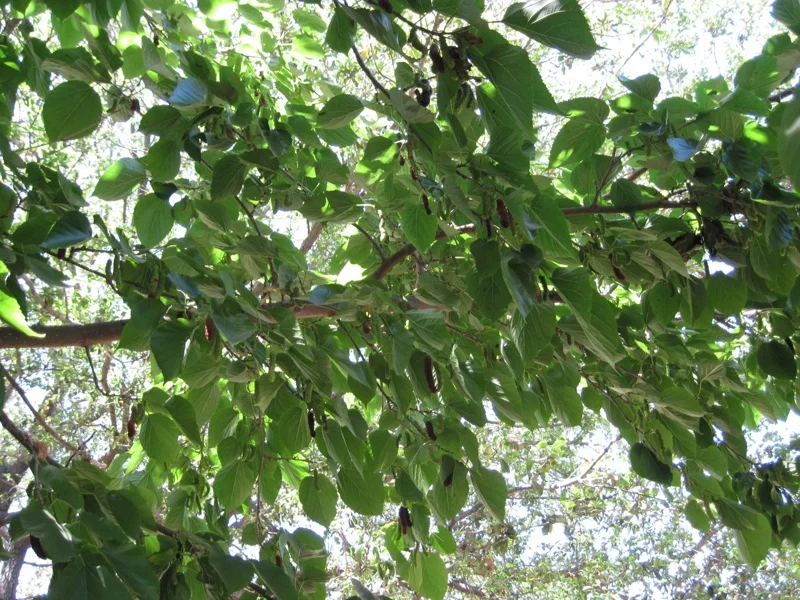
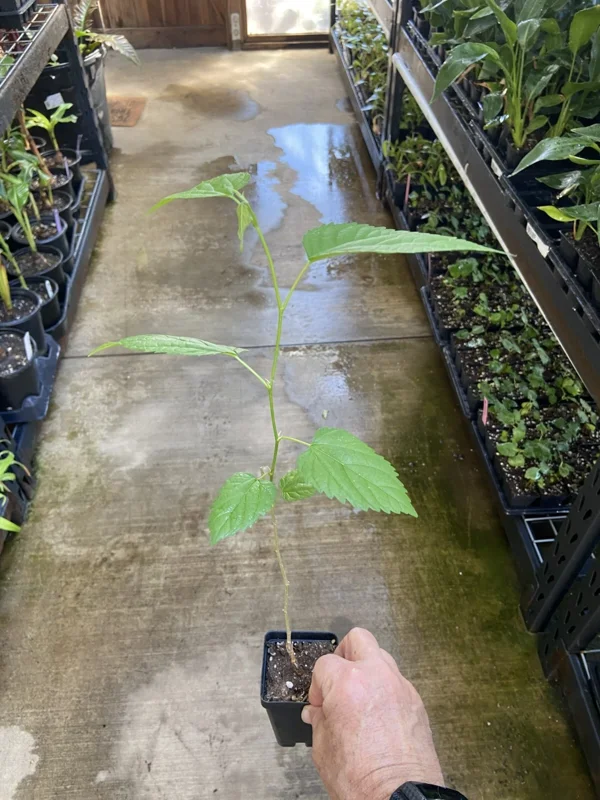
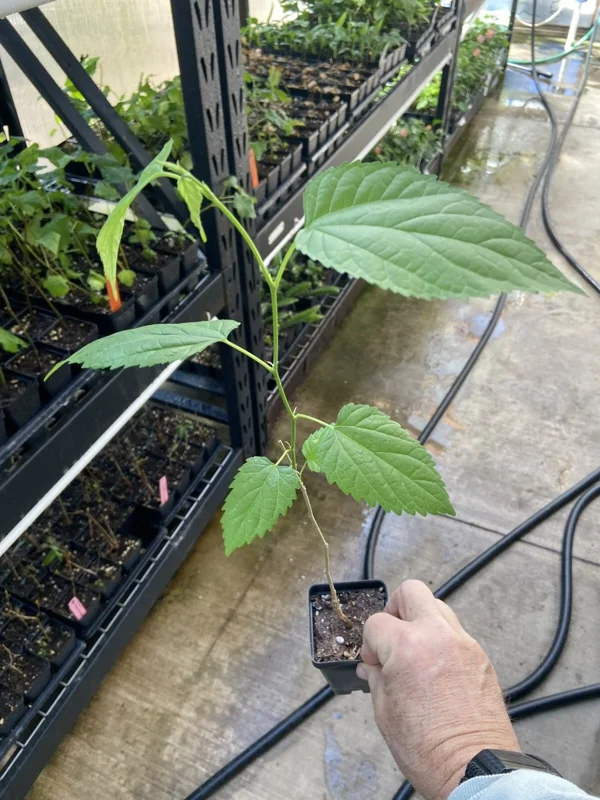
Cultivate your own harvest with this dwarf everbearing mulberry tree, a robust 10-inch seedling perfect for outdoor planting. This morus nigra live plant is known for its continuous production of sweet, edible mulberry fruit throughout the growing season.
$16.48

With our Alive & Thrive Guarantee, we’ve got your back for the first 30 days! If you have any concerns about your plants, just reach out to us. Our team is here to help answer your questions and guide you in selecting the best plants for your garden, climate, and unique preferences. We're excited to help you create the garden of your dreams!
Estimated arrival
Oct 21
Oct 26 - Oct 28
Oct 31 - Nov 04
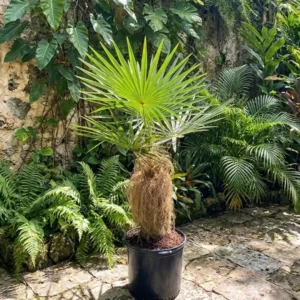
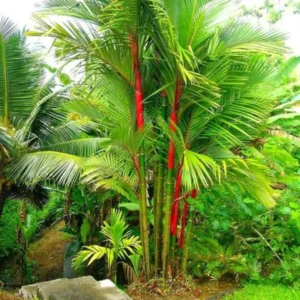
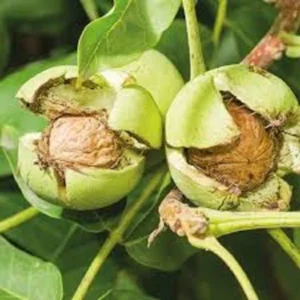
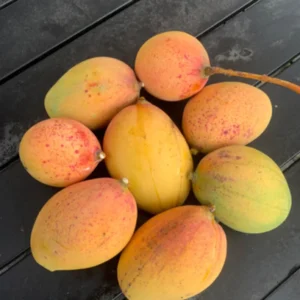
Product Details
-
USDA Hardiness Zone
5 (-20 to -10 °F) -
Soil type
Loam, Peat, well-draining -
Sunlight Exposure
Partial Shade, Full Sun -
Expected Planting Period
Spring
Overview
Bring the joy of fresh, homegrown fruit to your garden with the remarkable dwarf everbearing mulberry tree. This particular variety, scientifically known as Morus nigra, is a highly sought-after live plant due to its ability to produce delicious mulberries over an extended period, rather than a single short season. Perfect for gardeners seeking a consistent harvest, this morus nigra live plant offers both ornamental beauty and bountiful, sweet fruit. Unlike larger mulberry varieties, the ‘Dwarf Everbearing’ lives up to its name, maintaining a manageable size while still yielding an impressive amount of berries. Its resilience and productivity make it an excellent choice for a variety of landscapes, from spacious gardens to more compact urban settings. Enjoy the lush green foliage and the promise of juicy, dark purple fruit ripening from spring through summer.
Key Benefits
The dwarf everbearing mulberry tree provides a multitude of advantages for any fruit enthusiast or home gardener. Its unique characteristics make it a standout choice for fresh fruit production and garden aesthetics.
- Extended Harvest Season: This exceptional mulberry tree produces fruit continuously from late spring into early fall, providing a consistent supply of fresh mulberries for an extended period, unlike many other fruit trees with short harvest windows.
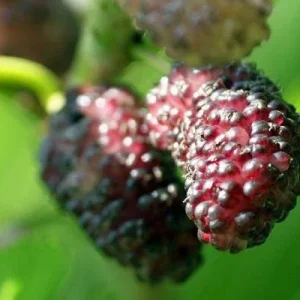
- Delicious Edible Fruit: Enjoy an abundance of sweet, succulent, dark purple mulberries directly from your garden. These berries are perfect for fresh eating, baking, jams, or preserves, offering a rich, distinctive flavor.
- Compact, Manageable Size: As a dwarf variety, this tree remains smaller than traditional mulberry trees, making it ideal for smaller gardens, containers, or as a focal point without overwhelming the landscape. It’s an excellent option for those interested in growing mulberry trees in limited spaces.
- Easy to Grow & Low Maintenance: Known for its hardiness and adaptability, the dwarf everbearing mulberry tree is relatively easy to care for, requiring minimal fuss once established. It’s a great choice for both novice and experienced gardeners.
- Attracts Wildlife: The berries are a favorite treat for birds and other local wildlife, adding vitality and natural beauty to your outdoor living space.
- Ornamental Value: Beyond its fruit, the tree boasts attractive green foliage that provides shade and visual interest throughout the growing season, enhancing the overall appeal of your garden.
Plant Care & Growing Tips
Caring for your dwarf everbearing mulberry tree is straightforward, ensuring years of delicious fruit. This resilient morus nigra live plant thrives outdoors and adapts well to various conditions when given proper attention. It prefers a temperate to cold climate and is hardy in USDA Hardiness Zones 5 (-20 to -10 °F) and up, making it suitable for many regions across the United States. Ensure your planting location offers ample space for its mature size, even as a dwarf variety.
For optimal growth and fruit production, plant your mulberry tree in a location that receives full sun to partial shade. Full sun (at least 6-8 hours of direct sunlight daily) will yield the best fruit. The tree thrives in well-draining soil with a neutral pH. A mix of loam and peat is ideal, providing both moisture retention and good drainage. While the ‘Dwarf Everbearing’ mulberry is tolerant of various soil types, avoid heavy, waterlogged conditions, which can lead to root rot. Watering should be medium; keep the soil consistently moist but never soggy, especially during dry spells and fruit development. Fertilize in early spring with a balanced fruit tree fertilizer to support vigorous growth and abundant fruiting. Pruning can be done in late winter to shape the tree, remove dead or crossing branches, and encourage new growth. Watch out for common pests like aphids or spider mites, which can typically be managed with organic insecticidal soaps. This care routine will ensure your edible mulberry fruit continues to flourish.
Size & Details
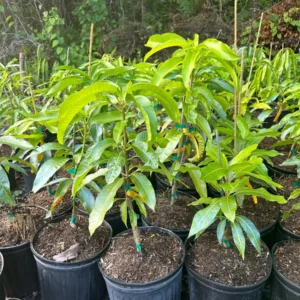
This offering is for one dwarf everbearing mulberry tree, provided as a healthy seedling approximately 10 inches in height. It is a deciduous tree, meaning it will shed its leaves in the fall and regrow them in the spring. The tree is currently in its seedling growth stage, ready to be planted and established in your garden. With proper care, you can expect this morus nigra live plant to begin producing edible mulberry fruit within a few years of planting. The ‘Dwarf Everbearing’ variety is known for its relatively fast growth rate and ability to produce fruit on new wood, contributing to its continuous fruiting habit. It’s perfect for those looking for a productive fruit tree that won’t take over their garden. This variety is also child-safe and pet-safe, making it a wonderful addition to family gardens.
Frequently Asked Questions
- Q: How big does this dwarf everbearing mulberry tree get? A: The ‘Dwarf Everbearing’ mulberry is a compact variety, typically growing to a height of 10-15 feet with a similar spread. Its smaller size makes it suitable for various garden spaces, including larger containers.
- Q: Is this an indoor or outdoor plant? A: This dwarf everbearing mulberry tree is an outdoor plant. It requires direct sunlight and seasonal changes to thrive and produce its delicious edible mulberry fruit. It is not suitable for long-term indoor cultivation.
- Q: How much sunlight does the morus nigra live plant need? A: For the best fruit production, your mulberry tree needs at least 6-8 hours of direct sunlight per day. It can tolerate partial shade, but fruiting may be less prolific.
- Q: Is this plant easy to care for, especially for beginners? A: Yes, the ‘Dwarf Everbearing’ mulberry is known for being relatively low-maintenance and hardy once established, making it a good choice for beginner gardeners interested in growing mulberry trees.
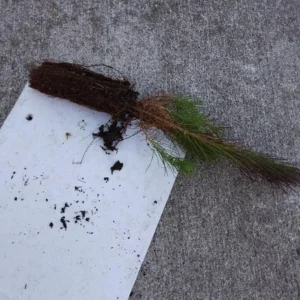
- Q: What condition will the mulberry tree arrive in? A: Your morus nigra live plant will arrive as a healthy 10-inch seedling, carefully packaged to ensure its safe journey. It will be ready for planting upon arrival.
- Q: How long until it starts producing edible mulberry fruit? A: While it’s a seedling, with good care, you can typically expect your ‘Dwarf Everbearing’ mulberry tree to start producing fruit within 2-3 years after planting.
- Q: What USDA Hardiness Zone is this tree suitable for? A: This mulberry tree is cold-hardy and can thrive in USDA Hardiness Zones 5 (-20 to -10 °F) through 9, making it adaptable to a wide range of climates.
- Q: What type of soil does this outdoor fruit tree prefer? A: The tree prefers well-draining soil with a neutral pH. A loamy or peat-based soil mixture is ideal, but it can adapt to various soil types as long as drainage is good.
- Q: Can I grow this dwarf everbearing mulberry tree in a pot? A: Yes, due to its dwarf nature, this mulberry tree can be successfully grown in a large container. Ensure the pot has excellent drainage and is regularly watered and fertilized.
- Q: Is the fruit from this morus nigra live plant good for eating fresh? A: Absolutely! The ‘Dwarf Everbearing’ mulberry produces sweet, flavorful berries that are excellent for eating fresh right off the tree, as well as for use in various culinary applications.
Related products



PLANTING & CARE
Lemon Tree Growing: Choose, Plant, and Harvest
Learn how to choose, plant, feed, and protect a lemon tree so it fits your
23
Sep
Sep
Dwarf Meyer Lemon Tree Australia: Climate Guide
Learn where dwarf Meyer lemon trees grow, how much cold they tolerate, and whether Australia,
Where to Buy a Dwarf Meyer Lemon Tree: Buyer’s Guide
Find the right dwarf Meyer lemon tree online or locally, compare starter sizes and costs,
Dwarf Meyer Lemon Tree for Sale: Buying Guide
Compare Meyer lemon tree sizes, prices, shipping limits, indoor growing and California options before you
Dwarf Meyer Lemon Tree Guide: Size, Care and Fruit
META: Learn how large a dwarf Meyer lemon tree grows, where it thrives, and how
How to Prune a Dwarf Meyer Lemon Tree
Learn when and how to prune a dwarf Meyer lemon tree, including tools, shaping cuts,
Can You Grow a Dwarf Meyer Lemon Tree in a Pot?
META: Learn how to grow a dwarf Meyer lemon tree in a pot, including container
When Do Dwarf Meyer Lemon Trees Bloom and Fruit?
META: Dwarf Meyer lemon trees usually bloom from winter through spring and may flower again