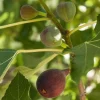
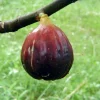
Magnolia Fig Tree – Fruiting Live Plant – Ficus Carica – Outdoor, Full Sun
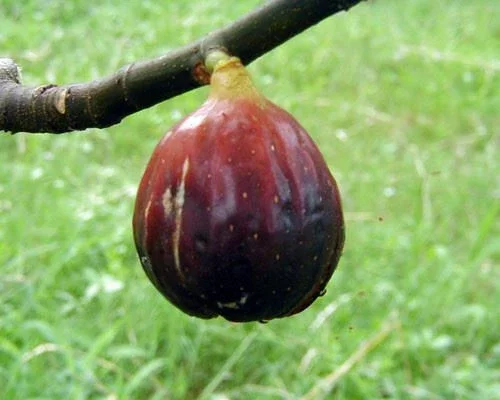
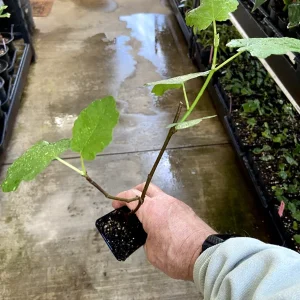
Magnolia Fig Tree – Fruiting Live Plant – Ficus Carica – Outdoor, Full Sun
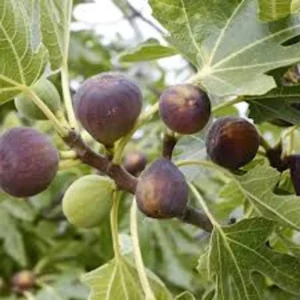
Cultivate your own sweet fruit with a magnolia fig tree live plant. This robust fruiting fig tree, scientifically known as Ficus Carica ‘Magnolia’, is ideal for outdoor gardens, preferring full sun exposure. Enjoy abundant harvests of delicious figs right from your backyard.
$16.48

With our Alive & Thrive Guarantee, we’ve got your back for the first 30 days! If you have any concerns about your plants, just reach out to us. Our team is here to help answer your questions and guide you in selecting the best plants for your garden, climate, and unique preferences. We're excited to help you create the garden of your dreams!
Estimated arrival
Oct 21
Oct 26 - Oct 28
Oct 31 - Nov 04

Product Details
-
USDA Hardiness Zone
USDA Zones 7-10 -
Soil type
Well-draining, rich in organic matter -
Sunlight Exposure
Full sun -
Expected Planting Period
Spring to early summer
Overview
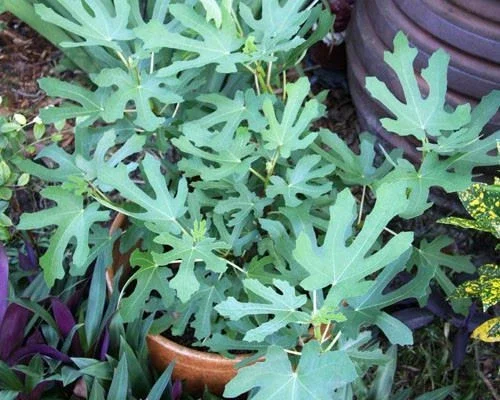
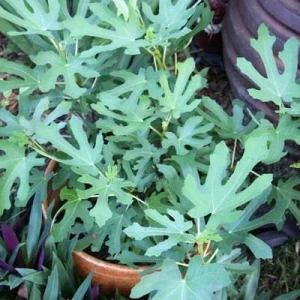
Experience the joy of growing your own fresh, sweet figs with the magnolia fig tree live plant. This particular variety, Ficus Carica ‘Magnolia’, is renowned for its reliable fruiting and adaptability, making it a popular choice for home gardeners across various climates. Originating from the Mediterranean and Western Asia, fig trees have been cultivated for thousands of years for their succulent fruits and ornamental value. The ‘Magnolia’ cultivar is a robust and vigorous grower, known for producing a generous crop of medium to large-sized figs with a rich, sugary flavor. Whether you’re an experienced horticulturist or a budding enthusiast, adding a fruiting fig tree to your landscape promises both beauty and delicious rewards. Its broad, lobed green foliage provides ample shade and a lush, tropical aesthetic to any outdoor setting.
The ficus carica magnolia, as it’s scientifically known, is a deciduous tree that can reach significant sizes if left unpruned, though it also adapts well to container growing and can be maintained at a more manageable height. This makes it versatile for different garden spaces, from spacious yards to patios and balconies. Its ease of care and productive nature make it a highly desirable addition for anyone looking to enjoy homegrown produce. Prepare to savor the unique taste and texture of fresh figs, far superior to anything found in stores, directly from your own outdoor fruit tree.
Key Benefits
Bringing a magnolia fig tree live plant into your garden offers a multitude of benefits, from its aesthetic appeal to the bountiful harvest it provides. This resilient fruit tree is a fantastic investment for any gardener.
- Abundant Fruit Production: Enjoy a consistent and generous yield of delicious, sweet figs during the summer season. The ‘Magnolia’ variety is known for its productivity, providing plenty of fruit for fresh eating, preserves, or baking.
- Ornamental Value: Beyond its fruit, the fig tree boasts attractive, large, lobed green leaves that create a lush, Mediterranean feel in your garden. It can serve as a beautiful focal point or provide natural shade.
- Adaptable Growth: This fruiting fig tree is versatile, suitable for planting directly in the ground or growing in large containers. This flexibility allows gardeners with limited space to still enjoy fresh figs.
- Cold Resistant Features: The ‘Magnolia’ fig is noted for being a cold hardy fig tree, making it a good choice for gardeners in cooler climates where other fig varieties might struggle. It can tolerate lower temperatures, improving its chances of overwintering successfully.
- Low Maintenance: Once established, fig trees are relatively low-maintenance, requiring consistent watering and occasional feeding. They are also generally resistant to many common pests and diseases.
- Pet Safe: Ficus Carica is generally considered pet safe, allowing you to enjoy your garden without worrying about your furry friends.
- Health Benefits: Figs are packed with fiber, vitamins, and minerals, offering a healthy and delicious addition to your diet straight from your outdoor fruit tree.
Plant Care & Growing Tips
Caring for your magnolia fig tree live plant is straightforward, ensuring a healthy tree and a successful harvest. This deciduous fruit tree thrives with proper attention to its environmental needs. Start by choosing a location that receives full sun, meaning at least 6-8 hours of direct sunlight per day. Adequate sunlight is crucial for fruit development and overall plant vigor. For soil, the ‘Magnolia’ fig prefers well-draining soil with a neutral to slightly alkaline pH. If planting in a container, use a high-quality potting mix designed for fruit trees or general purpose use, ensuring good drainage to prevent root rot. Amend heavy clay soils with compost or sand to improve drainage, and sandy soils with organic matter to enhance water retention.
Watering is a key aspect of fig tree care. While established fig trees are somewhat drought-tolerant, consistent moisture is vital, especially during fruit development. Water deeply when the top 2-3 inches of soil feel dry to the touch, and reduce watering in the cooler months or when the tree is dormant. Overwatering can be detrimental, so always check soil moisture before irrigating. Fertilize your fruiting fig tree in early spring with a balanced slow-release fertilizer or an organic option rich in nitrogen and potassium. Avoid excessive nitrogen, which can promote leafy growth at the expense of fruit production. Pruning should be done in late winter or early spring while the tree is dormant. Remove any dead, damaged, or crossing branches, and shape the tree to maintain an open structure for good air circulation and light penetration. This also helps manage the size of your ficus carica magnolia and encourages fruiting on new wood. Protect young trees from severe winter cold by mulching heavily around the base or covering them if temperatures are expected to drop significantly, especially for a cold hardy fig tree in the lower end of its hardiness range.
Size & Details
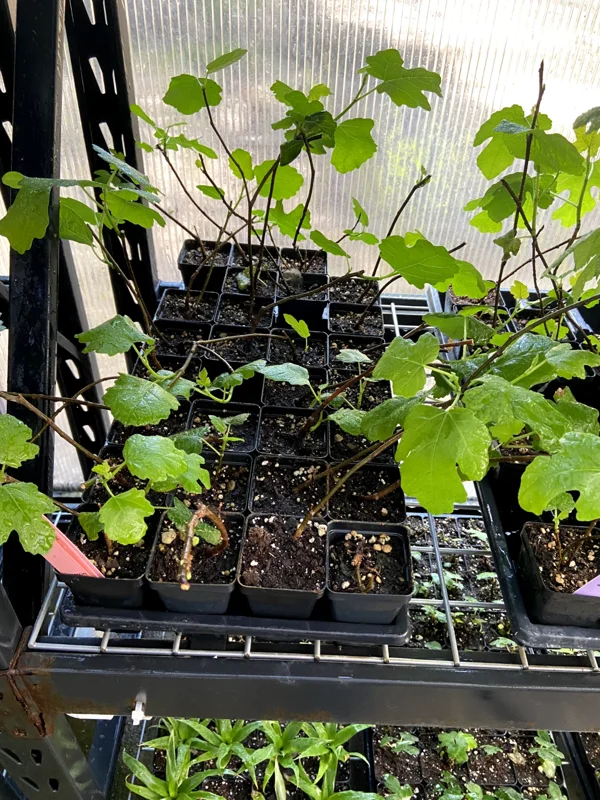
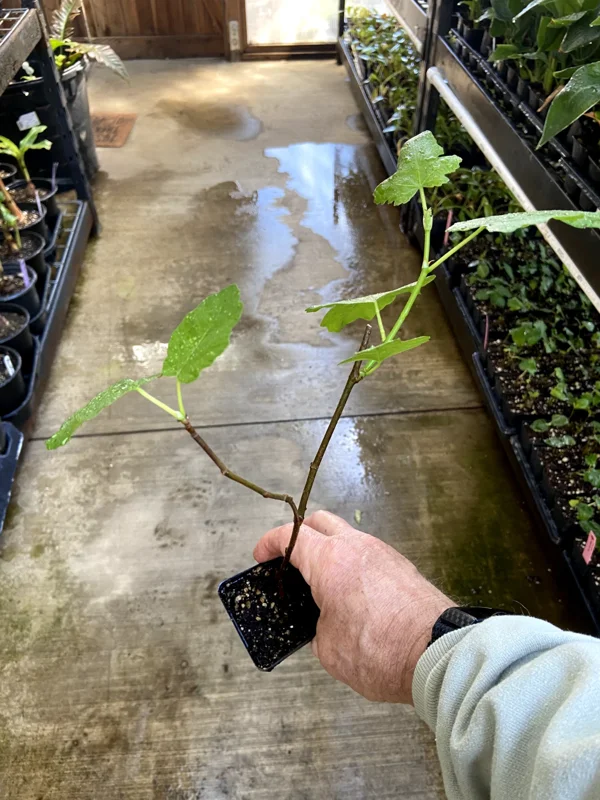
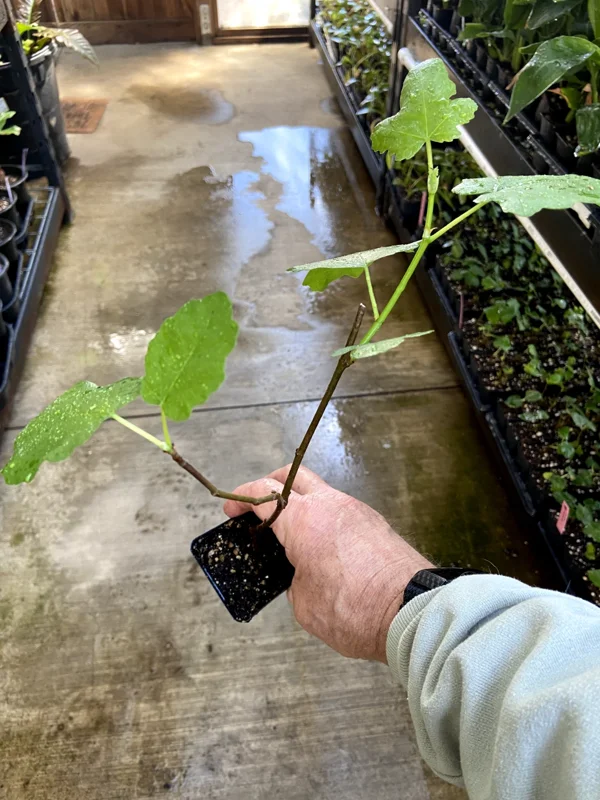
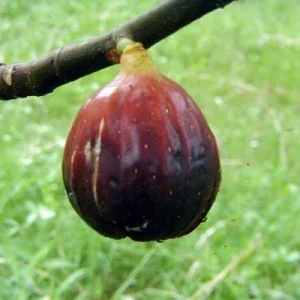
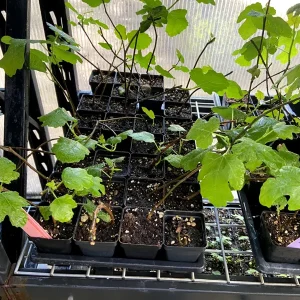
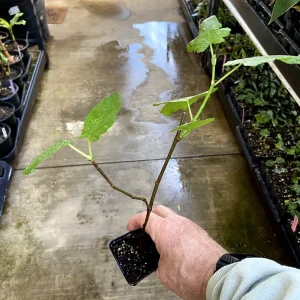
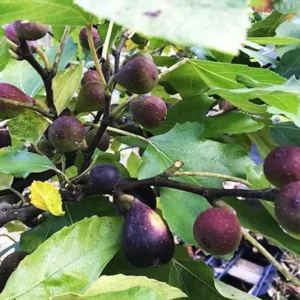
This offering is for one magnolia fig tree live plant, typically shipped as a seedling. The exact size will vary based on seasonal availability and growth stage, but it usually arrives ready for transplanting. When mature, a ‘Magnolia’ fig tree can reach a height of 10-25 feet and a spread of 10-20 feet if planted in the ground and left unpruned. However, it responds very well to pruning and can be maintained at a much smaller size, making it suitable for container gardening on patios or in smaller yards. The tree is a relatively fast grower, and with optimal conditions, you can expect it to begin producing fruit within 1-3 years of planting. The figs themselves are typically medium to large, with a green to purplish skin and sweet, amber-colored flesh. This particular outdoor fruit tree is known for its vigor and reliable fruiting. Each plant is carefully packaged to ensure it arrives in excellent condition, ready to thrive in its new home.
Frequently Asked Questions
- Q: How big does this plant get? A: If planted in the ground and unpruned, the magnolia fig tree live plant can reach 10-25 feet tall and wide. However, it can be easily kept smaller with regular pruning or by growing it in a large container.
- Q: Is this an indoor or outdoor plant? A: The ‘Magnolia’ fig is primarily an outdoor fruit tree, thriving in full sun. While it can be overwintered indoors in colder climates, it needs a significant amount of light to do well.
- Q: How much sunlight does it need? A: For optimal growth and fruit production, this fruiting fig tree requires at least 6-8 hours of direct sunlight per day. Full sun exposure is key for sweet, abundant figs.
- Q: Is this plant easy to care for? A: Yes, the ‘Magnolia’ fig is considered relatively easy to care for once established. It requires consistent watering, good drainage, and annual pruning, making it suitable for gardeners of various skill levels.
- Q: What condition will it arrive in? A: Your magnolia fig tree live plant will arrive as a healthy seedling, carefully packaged to ensure its safe journey. It will be ready for immediate planting upon arrival.
- Q: How long until it blooms and fruits? A: Typically, a ‘Magnolia’ fig tree will start producing fruit within 1-3 years of planting, given good growing conditions. The fruit develops during the summer season.
- Q: Will it survive winter in my zone? A: The ‘Magnolia’ fig is known as a cold hardy fig tree, generally suitable for USDA Zones 7-10. In colder zones, it may require winter protection or container growing to be moved indoors.
- Q: What type of soil is best for a ficus carica magnolia? A: This fig variety prefers well-draining soil that is rich in organic matter. A neutral to slightly alkaline pH is ideal. For container growing, use a quality potting mix.
- Q: Is this fig tree pet-safe? A: Yes, Ficus Carica, including the ‘Magnolia’ variety, is generally considered non-toxic to pets, making it a safe choice for gardens with animals.
- Q: Can I grow this fig tree in a pot? A: Absolutely! The ficus carica magnolia adapts very well to container growing, especially if you want to control its size or bring it indoors during harsh winters. Ensure the pot is large with good drainage.
Related products

-50%
Original price was: $180.99.$89.89Current price is: $89.89.
-20%
Original price was: $36.00.$28.80Current price is: $28.80.
PLANTING & CARE
Lemon Tree Growing: Choose, Plant, and Harvest
Learn how to choose, plant, feed, and protect a lemon tree so it fits your
23
Sep
Sep
Dwarf Meyer Lemon Tree Australia: Climate Guide
Learn where dwarf Meyer lemon trees grow, how much cold they tolerate, and whether Australia,
Where to Buy a Dwarf Meyer Lemon Tree: Buyer’s Guide
Find the right dwarf Meyer lemon tree online or locally, compare starter sizes and costs,
Dwarf Meyer Lemon Tree for Sale: Buying Guide
Compare Meyer lemon tree sizes, prices, shipping limits, indoor growing and California options before you
Dwarf Meyer Lemon Tree Guide: Size, Care and Fruit
META: Learn how large a dwarf Meyer lemon tree grows, where it thrives, and how
How to Prune a Dwarf Meyer Lemon Tree
Learn when and how to prune a dwarf Meyer lemon tree, including tools, shaping cuts,
Can You Grow a Dwarf Meyer Lemon Tree in a Pot?
META: Learn how to grow a dwarf Meyer lemon tree in a pot, including container
When Do Dwarf Meyer Lemon Trees Bloom and Fruit?
META: Dwarf Meyer lemon trees usually bloom from winter through spring and may flower again