Eastern Black Walnut Tree Live Plant – 1 Gallon Pot – Outdoor – 24″ Tall
-26%
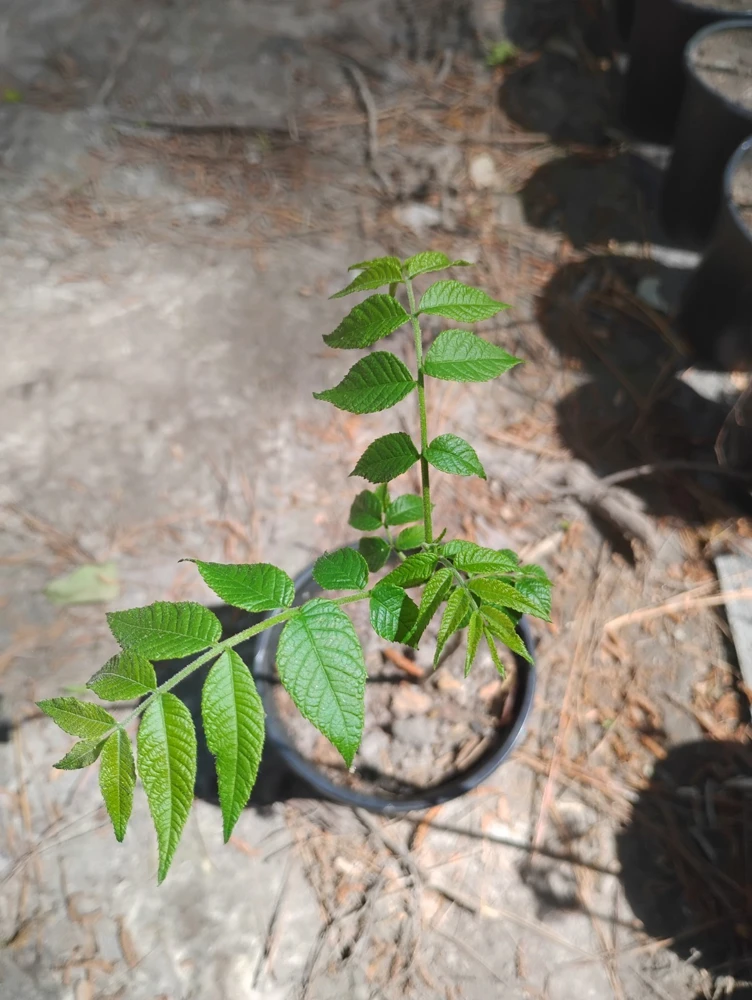
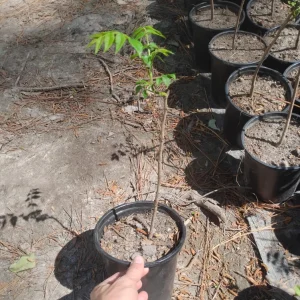
Eastern Black Walnut Tree Live Plant – 1 Gallon Pot – Outdoor – 24″ Tall
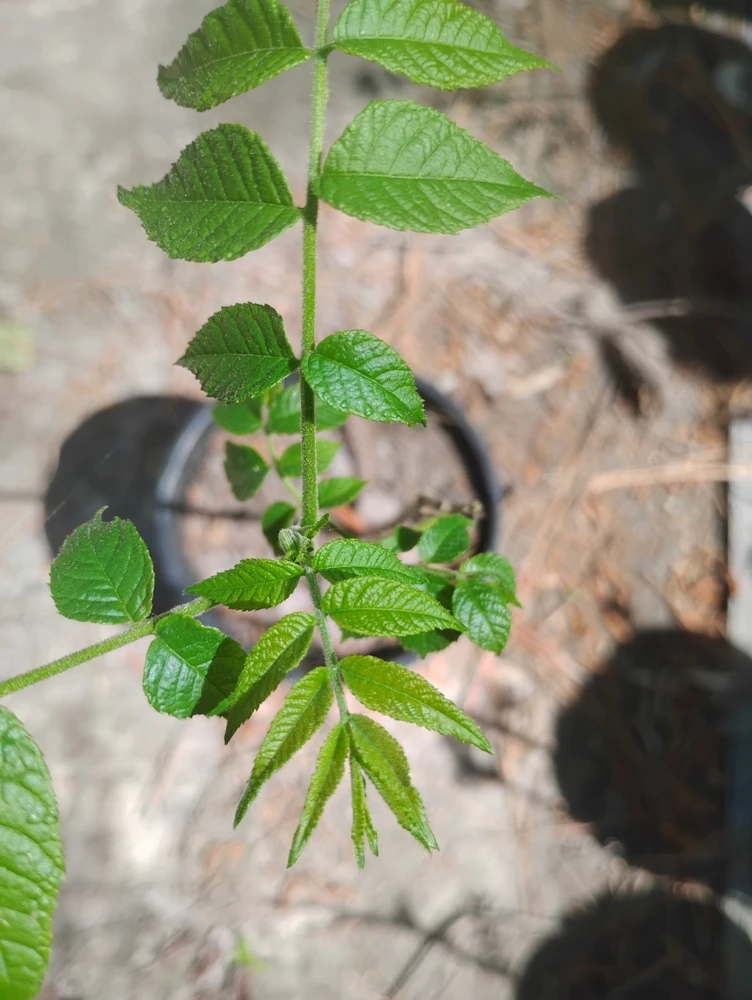
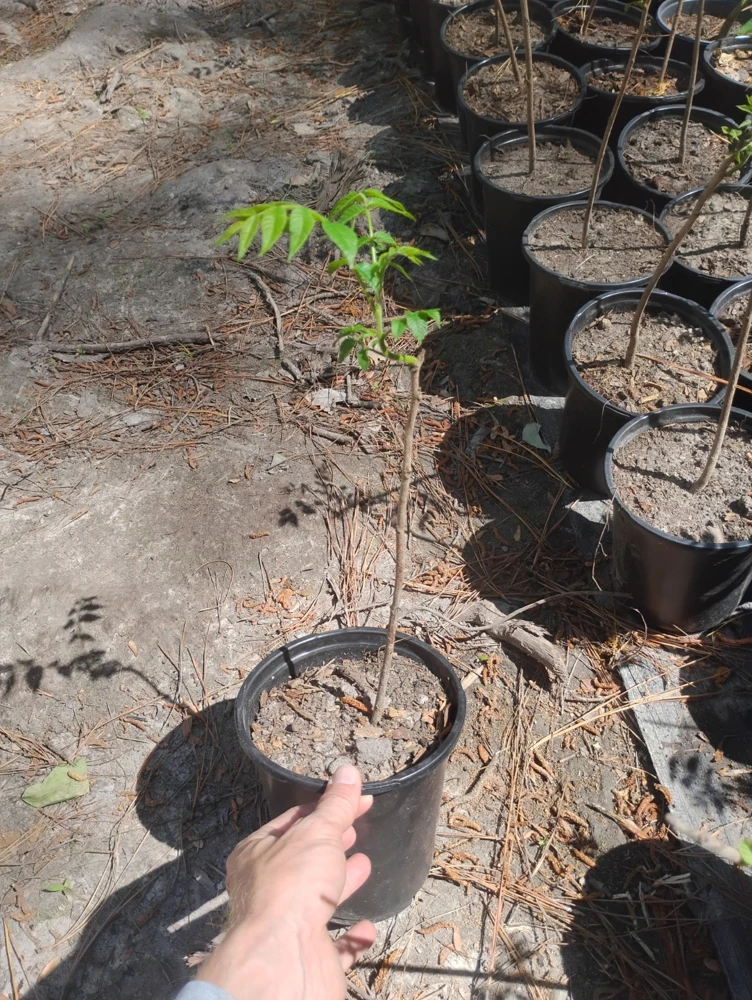
Bring a majestic Eastern Black Walnut Tree to your landscape. This Black Walnut Tree live plant comes in a 1-gallon pot, standing approximately 24 inches tall. Ideal for outdoor planting, it offers strong growth and future nut production.
Original price was: $37.98.$27.98Current price is: $27.98.

With our Alive & Thrive Guarantee, we’ve got your back for the first 30 days! If you have any concerns about your plants, just reach out to us. Our team is here to help answer your questions and guide you in selecting the best plants for your garden, climate, and unique preferences. We're excited to help you create the garden of your dreams!
Estimated arrival
Oct 14
Oct 19 - Oct 21
Oct 24 - Oct 28
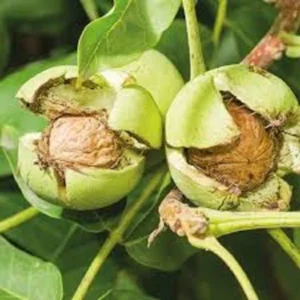
Product Details
-
USDA Hardiness Zone
USDA Zones 4-9 -
Soil type
Well-draining loam, sand, silt, or clay -
Sunlight Exposure
Full Sun -
Expected Planting Period
Spring to early fall
Overview
Cultivate a piece of natural grandeur with this Eastern Black Walnut Tree. This young, vibrant Black Walnut Tree live plant (Juglans nigra) is provided in a convenient 1-gallon pot, ready for planting in your garden or orchard. Known for its stately presence, valuable timber, and delicious nuts, the Eastern Black Walnut Tree is a fantastic addition to various landscapes. Originating from the eastern United States, this species is recognized for its robust nature and adaptability to different temperate and sub-tropical climates. It is an ideal choice for those looking to invest in a long-term, beneficial tree for their property. Growing a Juglans nigra tree offers both aesthetic appeal and practical benefits, including shade and edible nuts.
Key Benefits
Adding an Eastern Black Walnut Tree to your property provides numerous advantages, from ecological contributions to personal enjoyment. This resilient tree is a valuable asset for any outdoor space.
- Nut Production: Enjoy a harvest of delicious and nutritious black walnuts, perfect for baking, snacking, or culinary use. The nuts are highly sought after for their rich flavor.
- Valuable Timber: As the tree matures, its strong, dark wood becomes a highly prized resource for furniture making, flooring, and other woodworking projects, representing a long-term investment.
- Wildlife Support: The nuts and foliage provide food and habitat for various wildlife, including squirrels and birds, contributing to local biodiversity.
- Shade and Aesthetic Appeal: With its straight growth habit and attractive foliage, the tree offers excellent shade during warmer months and adds a majestic presence to your landscape.
- Drought Tolerance: Once established, the Black Walnut Tree live plant is relatively drought-tolerant, requiring less frequent watering compared to other species. This makes growing Black Walnut tree a sustainable choice.
- Soil Improvement: Its deep root system can help improve soil structure and prevent erosion over time, benefiting the overall health of your land.
- Low Maintenance: After initial establishment, this Eastern Black Walnut Tree requires minimal care, making it suitable for gardeners seeking a hardy and self-sufficient plant.
Plant Care & Growing Tips
Caring for your Eastern Black Walnut Tree involves providing the right conditions for optimal growth and health. This hardy species thrives when given proper attention, especially during its young stages. For successful Black Walnut plant care, ensure it receives full sun exposure, meaning at least six hours of direct sunlight daily. While adaptable, it prefers well-draining soil types, including loam, sand, silt, or clay, and can even tolerate saline conditions. A neutral soil pH is ideal. Water the young tree regularly, maintaining medium moisture, especially during dry spells, but avoid waterlogging. Once established, its deep roots make it more tolerant to varying moisture levels.
The Juglans nigra tree is suited for temperate and sub-tropical climates and typically grows at a medium rate. It is a robust outdoor plant that will grow into a large, impressive tree. Consider its mature size and the allelopathic properties (it produces juglone, which can inhibit the growth of some other plants) when choosing a planting location. Fertilization is generally not heavily required in good soil, but a balanced slow-release fertilizer can be applied in spring if growth seems slow. Protect young trees from pests and diseases by ensuring good air circulation and monitoring for any signs of trouble. Proper growing Black Walnut tree techniques will ensure a strong and healthy specimen for years to come.
Size & Details
This Eastern Black Walnut Tree is a young specimen, supplied as a live plant in a 1-gallon nursery pot. At the time of shipment, the plant stands approximately 24 inches (2 feet) tall and has a width and length of about 6 inches, making it a manageable size for initial planting. It weighs around 2 pounds. This plant is a single unit, ready to be transplanted into your garden. The tree exhibits a straight growth habit and is currently in its young tree growth stage. It is potted, ensuring a smooth transition to its new home. Expect a medium growth rate, with the tree gradually developing its characteristic strong structure and canopy. The tree will begin producing nuts once it reaches maturity, typically after several years.
Frequently Asked Questions
- Q: How big does this Eastern Black Walnut Tree get? A: A mature Eastern Black Walnut Tree can grow quite large, often reaching heights of 50-75 feet with a spread of 50-75 feet. This particular plant is a young 24-inch specimen in a 1-gallon pot, providing a great start to its growth journey.
- Q: Is this an indoor or outdoor Black Walnut Tree live plant? A: This is an outdoor plant. The Eastern Black Walnut Tree is a deciduous tree that requires outdoor conditions to thrive and reach its full potential. It is not suitable for indoor cultivation.
- Q: How much sunlight does the Juglans nigra tree need? A: The Juglans nigra tree thrives in full sun, requiring at least 6 hours of direct sunlight per day for optimal growth and health. Ensure it is planted in a location that provides ample sun exposure.
- Q: Is this Black Walnut Tree easy to care for? A: Once established, the Eastern Black Walnut Tree is relatively low maintenance. It requires consistent watering during its young stage but becomes quite self-sufficient and drought-tolerant as it matures, making Black Walnut plant care manageable.
- Q: What condition will the Eastern Black Walnut Tree arrive in? A: Your Eastern Black Walnut Tree will arrive as a live, potted young tree, carefully packaged to ensure its health and integrity during transit. It will be ready for immediate planting upon arrival.
- Q: When is the best time for growing Black Walnut tree? A: The best time for growing Black Walnut tree is typically in the spring or early fall. This allows the tree time to establish its root system before extreme summer heat or winter cold sets in.
- Q: Will this Black Walnut Tree survive winter in my zone? A: The Eastern Black Walnut Tree is hardy and generally thrives in USDA Zones 4-9. If you are within these zones, your tree should tolerate winter conditions well, especially once established.
- Q: Is the Eastern Black Walnut Tree pet safe? A: While the wood and nuts of the Eastern Black Walnut Tree can be toxic to some animals, particularly horses, the foliage itself is generally considered non-toxic to most common household pets like cats and dogs. However, always supervise pets around plants.
- Q: What type of soil does this Juglans nigra tree prefer? A: The Juglans nigra tree prefers deep, well-drained loamy soils but is adaptable to a range of soil types including sand, silt, and clay, as long as drainage is good. A neutral soil pH is ideal.
- Q: How often should I water my young Black Walnut Tree? A: Young Black Walnut Tree live plant specimens require consistent watering, especially during dry periods. Aim for medium watering, ensuring the soil remains moist but not waterlogged. Reduce frequency as the tree matures.
Related products
-50%
Original price was: $73.98.$36.99Current price is: $36.99.
-20%
Original price was: $90.00.$72.00Current price is: $72.00.

PLANTING & CARE
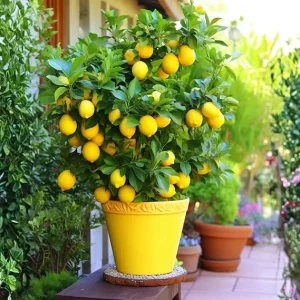
Lemon Tree Growing: Choose, Plant, and Harvest
Learn how to choose, plant, feed, and protect a lemon tree so it fits your
23
Sep
Sep
Dwarf Meyer Lemon Tree Australia: Climate Guide
Learn where dwarf Meyer lemon trees grow, how much cold they tolerate, and whether Australia,
Where to Buy a Dwarf Meyer Lemon Tree: Buyer’s Guide
Find the right dwarf Meyer lemon tree online or locally, compare starter sizes and costs,
Dwarf Meyer Lemon Tree for Sale: Buying Guide
Compare Meyer lemon tree sizes, prices, shipping limits, indoor growing and California options before you
Dwarf Meyer Lemon Tree Guide: Size, Care and Fruit
META: Learn how large a dwarf Meyer lemon tree grows, where it thrives, and how
How to Prune a Dwarf Meyer Lemon Tree
Learn when and how to prune a dwarf Meyer lemon tree, including tools, shaping cuts,
Can You Grow a Dwarf Meyer Lemon Tree in a Pot?
META: Learn how to grow a dwarf Meyer lemon tree in a pot, including container
When Do Dwarf Meyer Lemon Trees Bloom and Fruit?
META: Dwarf Meyer lemon trees usually bloom from winter through spring and may flower again