Eastern Redbud Tree 12-18″ Live Plant, Flowering Shade Tree, Pink Blooms
-10%
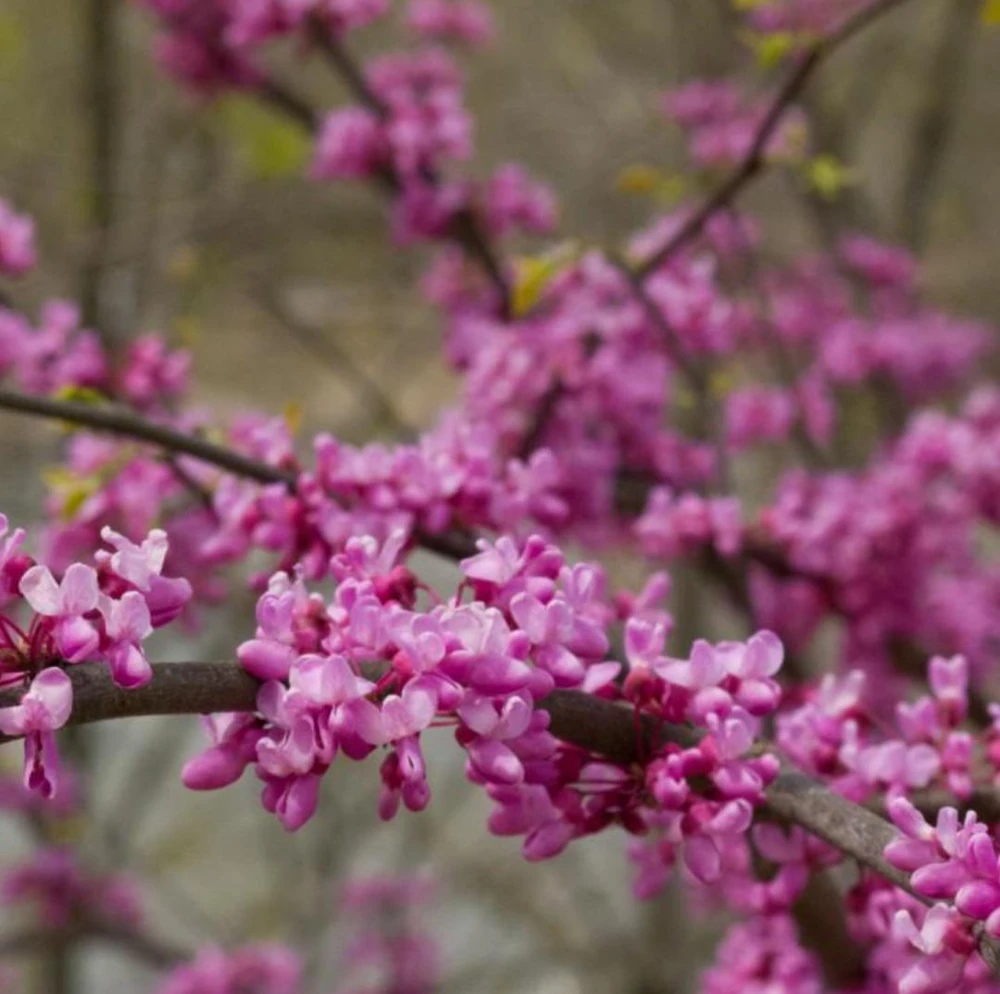
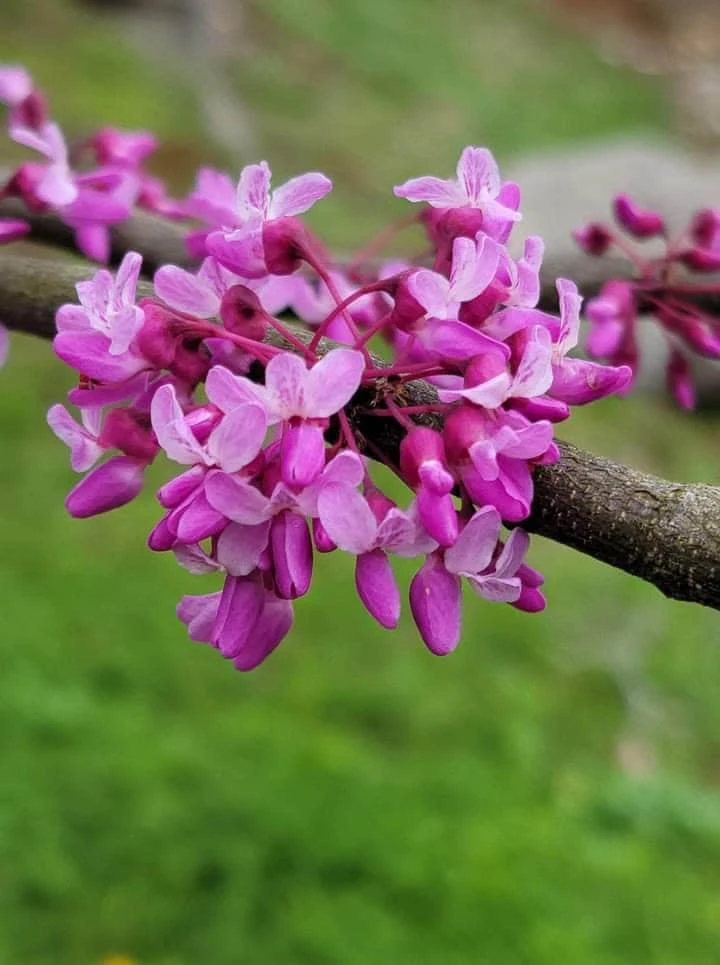
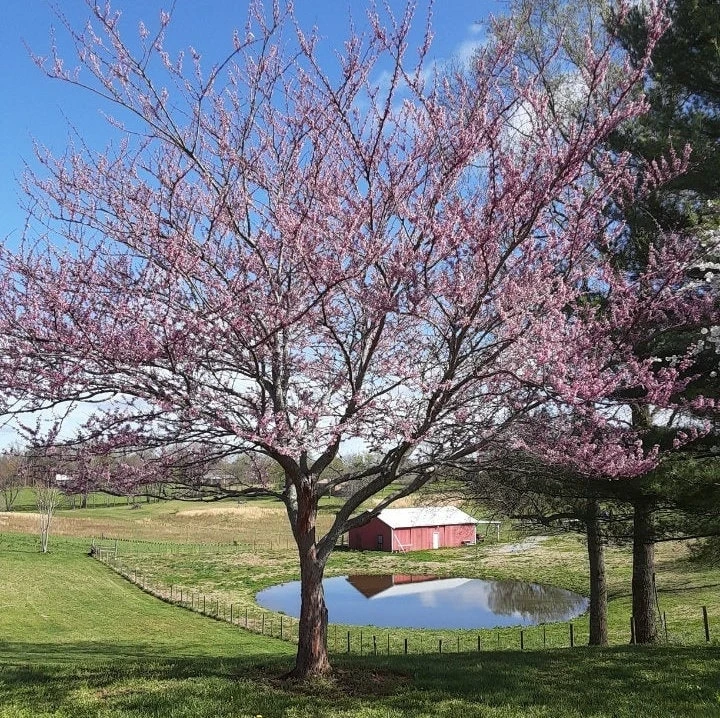
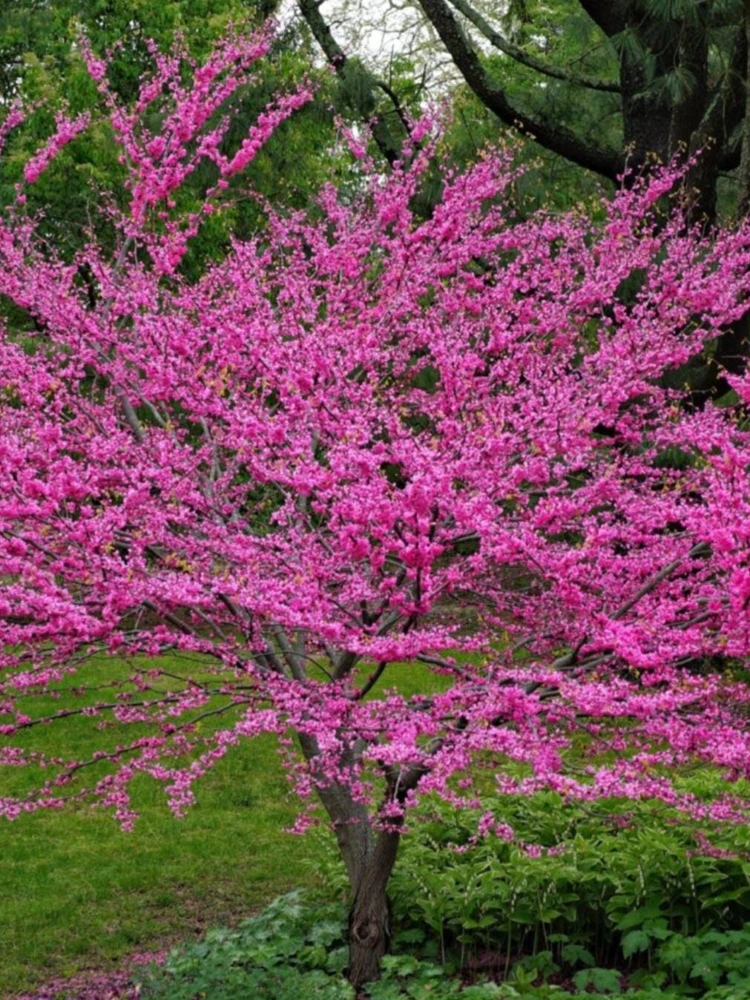
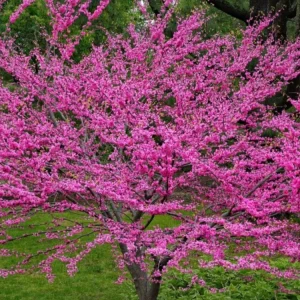
Eastern Redbud Tree 12-18″ Live Plant, Flowering Shade Tree, Pink Blooms
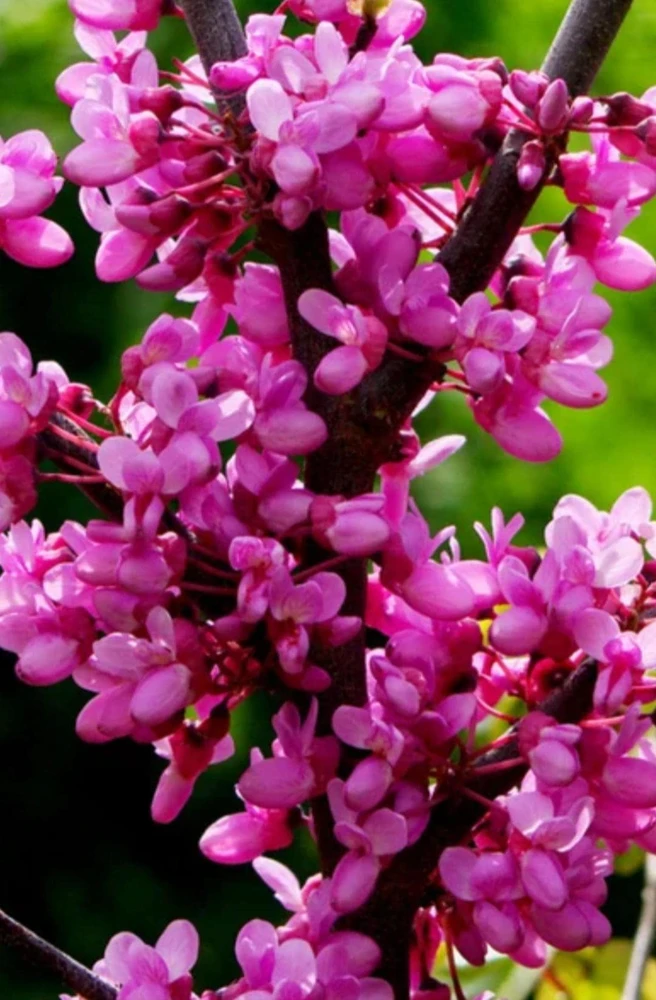
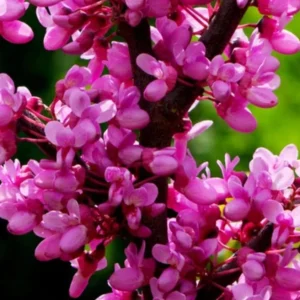
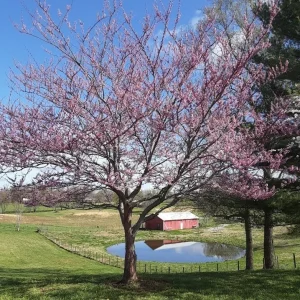
Bring vibrant color to your landscape with the eastern redbud live plant. This beautiful pink flowering shade tree (Cercis canadensis) grows to 30 feet, offering rosy-pink blooms in spring and striking yellow fall foliage. Ideal for USDA Zones 4-9, it prefers part sun to part shade.
Original price was: $28.00.$25.20Current price is: $25.20.

With our Alive & Thrive Guarantee, we’ve got your back for the first 30 days! If you have any concerns about your plants, just reach out to us. Our team is here to help answer your questions and guide you in selecting the best plants for your garden, climate, and unique preferences. We're excited to help you create the garden of your dreams!
Estimated arrival
Oct 21
Oct 26 - Oct 28
Oct 31 - Nov 04
Product Details
-
USDA Hardiness Zone
4-9 -
Soil type
Well-draining soil, adaptable to clay, loam, or sand -
Sunlight Exposure
Part sun to part shade -
Expected Planting Period
Spring or Fall
Overview
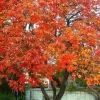
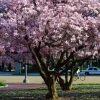
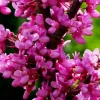
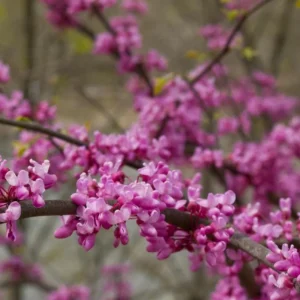
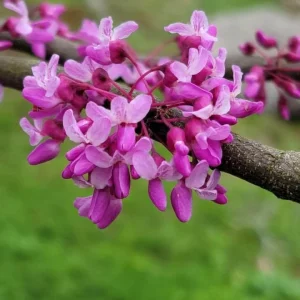
Transform your garden into a spring spectacle with the stunning eastern redbud live plant. This deciduous ornamental tree, scientifically known as Cercis canadensis, is a true American native cherished for its prolific rosy-pink blossoms that blanket its bare branches before leaves emerge in early spring. A moderate grower, it can reach impressive heights of up to 30 feet at maturity, making it an excellent choice as a small shade tree or a captivating specimen tree in any landscape. Beyond its breathtaking spring display, the Eastern Redbud continues to enchant with heart-shaped green leaves that transition to a brilliant, showy yellow in the fall, providing multi-seasonal interest. Whether you’re looking to add a touch of elegance or create a vibrant focal point, this cercis canadensis tree is a superb addition to any outdoor space.
Our eastern redbud live plant arrives ready to thrive, typically measuring 12-18 inches tall and supplied in a 4-inch pot, ensuring a healthy start for your new tree. It’s an adaptable tree, flourishing in a range of conditions, and is particularly well-suited for USDA Hardiness Zones 4 through 9. Its graceful form and beautiful seasonal changes make it a favorite among gardeners and landscapers alike. Experience the joy of watching this magnificent tree grow and bloom, creating an unforgettable display year after year.
Key Benefits
The eastern redbud live plant offers a multitude of benefits, making it an exceptional choice for any garden. From its stunning visual appeal to its ecological contributions, this tree is a true asset:
- Spectacular Spring Blooms: Enjoy an explosion of rosy-pink flowers directly on its branches in early spring, often before other trees have even leafed out. This vibrant display provides crucial early-season nectar for pollinators.
- Year-Round Visual Interest: Beyond its captivating spring flowers, the Eastern Redbud boasts attractive heart-shaped green leaves in summer and transforms into a brilliant yellow in the fall, ensuring your landscape remains dynamic throughout the seasons.
- Moderate Growth & Manageable Size: Reaching up to 30 feet tall, this tree is large enough to provide shade and presence without overwhelming smaller garden spaces, making it a versatile option for various landscape designs.
- Adaptable & Resilient: Thrives across a wide range of climates, specifically USDA Zones 4-9, and tolerates various soil types, proving its hardiness and ease of care. This resilience makes redbud tree care straightforward.
- Attracts Wildlife: The early spring flowers are a vital food source for bees and other beneficial pollinators, while its seeds provide sustenance for birds in the fall and winter.
- Low Maintenance: Once established, the pink flowering shade tree requires minimal care, making it an excellent choice for both experienced gardeners and those new to tree planting.
- Beautiful Landscape Accent: Its elegant form and striking seasonal changes make it an ideal focal point, border plant, or addition to a woodland garden, enhancing the overall aesthetic of your property.
Plant Care & Growing Tips
Caring for your eastern redbud live plant is generally straightforward, making it a rewarding addition to most landscapes. This adaptable tree thrives with proper attention to its basic needs. When choosing a location, consider its light requirements: the Eastern Redbud prefers part sun to part shade. In northern climates, it can tolerate full sun, but in hotter, southern regions, some afternoon shade will help protect its foliage from scorching and ensure optimal growth. Aim for at least 4-6 hours of direct sunlight per day, ideally in the morning.
The cercis canadensis tree prefers moist, well-drained soil. While it can tolerate a range of soil types, including clay, loam, and sand, it does not do well in consistently wet or waterlogged conditions. Amend heavy clay soils with organic matter to improve drainage. Water newly planted trees regularly to establish a strong root system, typically once or twice a week, depending on rainfall and soil moisture. Once established, it is relatively drought-tolerant but will benefit from supplemental watering during prolonged dry spells. Fertilize in early spring with a balanced, slow-release granular fertilizer formulated for trees and shrubs, following package instructions. Pruning is generally minimal, focusing on removing dead, damaged, or crossing branches in late winter or early spring before new growth begins. Keep an eye out for common pests like scale insects or leafhoppers, and diseases such as canker, though the deciduous ornamental tree is generally quite robust. Proper spacing and air circulation can help prevent many issues.
Understanding redbud tree care is key to its success. Ensure the planting site offers good air circulation and avoid planting too deeply. The root flare should be at or slightly above soil level. Mulching around the base of the tree with 2-4 inches of organic material will help retain soil moisture, regulate soil temperature, and suppress weeds, but keep the mulch a few inches away from the trunk to prevent rot. With these simple care practices, your Eastern Redbud will flourish, providing years of beauty and enjoyment.
Size & Details
This offering is for one eastern redbud live plant, typically measuring between 12 to 18 inches in height upon arrival. Each plant is carefully grown and shipped in a 4-inch nursery pot, complete with its established root system and soil, ensuring a smooth transition to your garden. The Eastern Redbud is a moderate-growing tree, meaning it will add a noticeable amount of height each year without becoming unruly. At maturity, this magnificent pink flowering shade tree can reach heights of up to 30 feet with a similar spread, forming a beautiful, rounded canopy. Its growth rate is influenced by local climate, soil quality, and care, but generally, you can expect it to establish well within the first year.
The cercis canadensis tree is a long-lived species, providing decades of beauty. It is shipped as a young, actively growing or dormant plant, depending on the season. Dormant plants, typically shipped from October to April, are healthy and ready to burst forth with new growth once spring arrives. This size is ideal for planting directly into your landscape or potting up to a larger container for further growth before permanent placement. Detailed planting instructions will be included to guide you through the process of establishing your new tree.
Frequently Asked Questions
- Q: How big does this eastern redbud live plant get? A: The eastern redbud live plant is a moderate grower and can reach a mature height of up to 30 feet with a similar spread, creating a beautiful, rounded canopy perfect for shade or ornamental display.
- Q: What size pot does it come in? A: Your Eastern Redbud will arrive as a live plant, typically 12-18 inches tall, securely planted in a 4-inch nursery pot, ready for planting or transplanting.
- Q: Is this an indoor or outdoor plant? A: The Eastern Redbud (cercis canadensis tree) is an outdoor deciduous ornamental tree. It is not suitable for indoor cultivation and requires seasonal changes to thrive.
- Q: How much sunlight does it need? A: This tree prefers part sun to part shade. In cooler climates, it can tolerate full sun, but in hotter regions, afternoon shade is beneficial to protect its foliage.
- Q: Is this plant easy to care for? A: Yes, the pink flowering shade tree is considered relatively low-maintenance once established. It’s adaptable to various soil types and climates within its hardiness zones, making redbud tree care quite manageable.
- Q: What condition will it arrive in? A: Your plant will arrive healthy and well-packaged. Depending on the season, it may be actively growing with leaves or in its natural dormant state, which is normal for a deciduous ornamental tree.
- Q: How long until it blooms? A: Young Eastern Redbud trees can begin to bloom within a few years of planting, offering their signature rosy-pink flowers in early spring. Established plants will produce an increasingly spectacular display.
- Q: When is the best time to plant? A: The best times to plant an Eastern Redbud are in the spring after the last frost or in the fall before the first hard freeze, allowing its root system to establish without extreme temperatures.
- Q: Will it survive winter in my zone? A: The deciduous ornamental tree is hardy in USDA Zones 4 through 9, meaning it is well-suited to survive winters in these regions. Ensure proper establishment before winter for best results.
- Q: What type of soil does it prefer? A: The Eastern Redbud thrives in moist, well-drained soil. It tolerates a range of soil types but performs best in loamy soils amended with organic matter. Avoid poorly draining, waterlogged conditions.
Related products
-20%
Original price was: $36.00.$28.80Current price is: $28.80.
-50%
Original price was: $180.99.$89.89Current price is: $89.89.
PLANTING & CARE
Lemon Tree Growing: Choose, Plant, and Harvest
Learn how to choose, plant, feed, and protect a lemon tree so it fits your
23
Sep
Sep
Dwarf Meyer Lemon Tree Australia: Climate Guide
Learn where dwarf Meyer lemon trees grow, how much cold they tolerate, and whether Australia,
Where to Buy a Dwarf Meyer Lemon Tree: Buyer’s Guide
Find the right dwarf Meyer lemon tree online or locally, compare starter sizes and costs,
Dwarf Meyer Lemon Tree for Sale: Buying Guide
Compare Meyer lemon tree sizes, prices, shipping limits, indoor growing and California options before you
Dwarf Meyer Lemon Tree Guide: Size, Care and Fruit
META: Learn how large a dwarf Meyer lemon tree grows, where it thrives, and how
How to Prune a Dwarf Meyer Lemon Tree
Learn when and how to prune a dwarf Meyer lemon tree, including tools, shaping cuts,
Can You Grow a Dwarf Meyer Lemon Tree in a Pot?
META: Learn how to grow a dwarf Meyer lemon tree in a pot, including container
When Do Dwarf Meyer Lemon Trees Bloom and Fruit?
META: Dwarf Meyer lemon trees usually bloom from winter through spring and may flower again