American Persimmon Tree 3 ft. Live Plant – Edible Fruit – Native – Outdoor
-10%
American Persimmon Tree 3 ft. Live Plant – Edible Fruit – Native – Outdoor
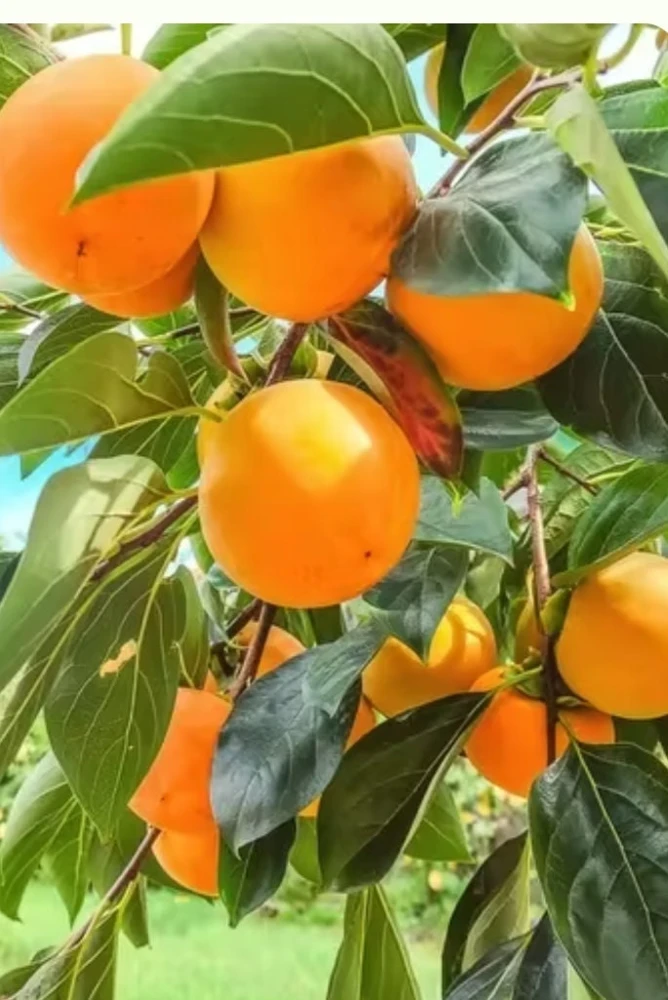
Cultivate a beautiful and productive American Persimmon Tree live plant in your garden. Standing 3 ft. tall, this native tree yields delicious, apricot-like edible fruit and boasts stunning fall foliage. Ideal for outdoor planting.
Original price was: $60.00.$54.00Current price is: $54.00.

With our Alive & Thrive Guarantee, we’ve got your back for the first 30 days! If you have any concerns about your plants, just reach out to us. Our team is here to help answer your questions and guide you in selecting the best plants for your garden, climate, and unique preferences. We're excited to help you create the garden of your dreams!
Estimated arrival
Oct 14
Oct 19 - Oct 21
Oct 24 - Oct 28
Product Details
-
USDA Hardiness Zone
3-9 -
Soil type
Moist, well-drained, slightly acidic soil -
Sunlight Exposure
Full sun -
Expected Planting Period
Spring or Fall
Overview
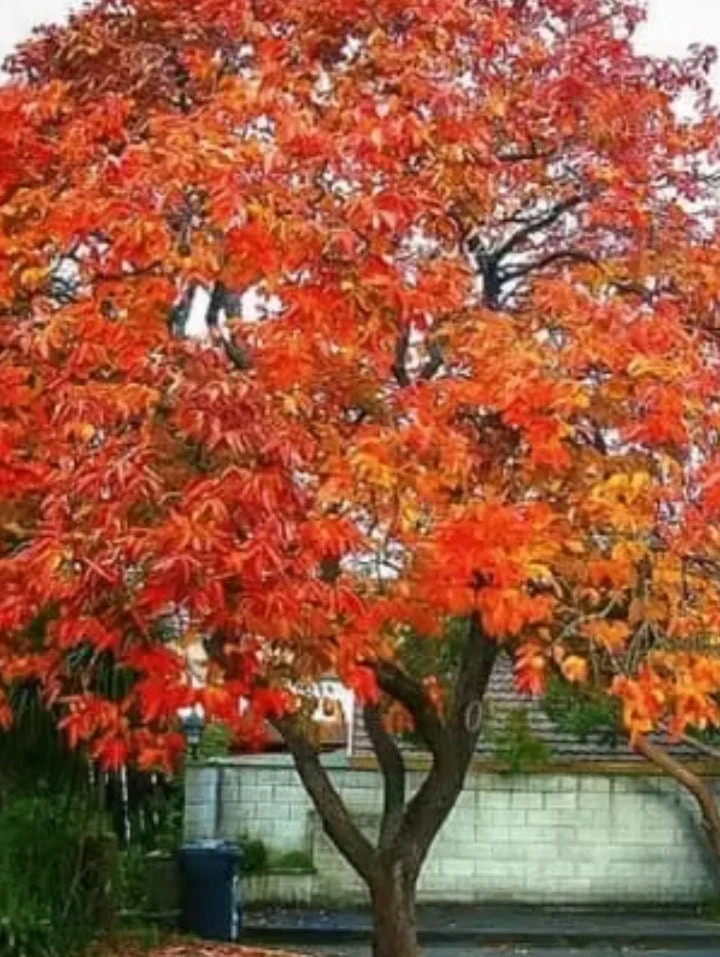
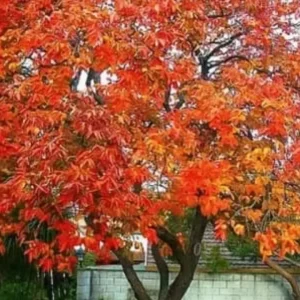
Bring the beauty of nature and the bounty of delicious fruit to your landscape with the American Persimmon Tree live plant. This remarkable tree, scientifically known as Diospyros virginiana, is a true gem for any garden, offering both aesthetic appeal and a harvest of sweet, edible fruit. Native to the eastern United States, the American Persimmon Tree live plant is a hardy and adaptable specimen that thrives in a variety of conditions. Its striking appearance, with beautiful oblong dark green leaves that transform into vibrant orange hues in the fall, makes it a standout feature. The distinctive bark, dark and forming square blocks reminiscent of an alligator’s skin, adds unique texture and interest year-round. This is not just a fruit tree; it’s a living piece of American heritage that contributes significantly to local ecosystems and provides a delightful seasonal treat.
Key Benefits
The American Persimmon Tree live plant offers a multitude of benefits, making it an excellent addition to any garden or homestead. Its versatility and natural beauty are just the beginning of what this plant provides.
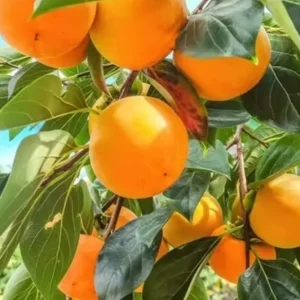
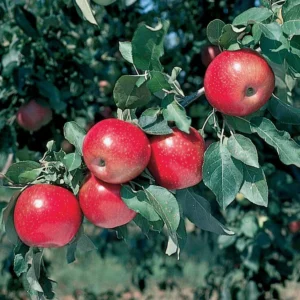
- Delicious Edible Fruit: Enjoy an annual harvest of bright orange, smooth-skinned fruit with soft, sweet flesh. When ripe, the taste is often compared to a delicate apricot, perfect for fresh eating or culinary uses like pies and jams.
- Stunning Ornamental Value: Beyond its fruit, the tree itself is highly decorative. Its dark green leaves provide lush summer greenery, transitioning to brilliant orange in the fall, creating a spectacular display.
- Unique Bark Texture: The mature bark develops a distinctive blocky pattern, resembling alligator skin, which adds architectural interest to the winter landscape when leaves have fallen.
- Native and Hardy: As a native persimmon tree, it is well-adapted to local climates and soils, making it resilient and often requiring less intensive care than non-native species. It contributes to local biodiversity.
- Wildlife Attraction: The fruit is a favorite food source for various wildlife, including birds and deer, making it a great choice for supporting local ecosystems and attracting nature to your yard.
- Long-Lived and Robust:Diospyros virginiana is known for its longevity and robust growth, establishing a strong presence in the landscape for many years to come.
- Low Maintenance: Once established, this tree is relatively easy to care for, making it suitable for both experienced gardeners and those new to fruit tree cultivation.
Plant Care & Growing Tips
Caring for your American Persimmon Tree live plant is straightforward, ensuring years of beauty and delicious fruit. These trees are resilient, but providing optimal conditions will lead to the best growth and yield. For successful cultivation, understanding the specific needs of your native persimmon tree is crucial.
The American Persimmon Tree live plant thrives in full sun, meaning it requires at least 6-8 hours of direct sunlight per day to produce abundant fruit. It prefers moist, well-drained, and slightly acidic soil. When planting, ensure the site drains well to prevent root rot. While adaptable, consistent moisture is key, especially during dry spells and in its younger years. Water deeply and regularly, allowing the top inch or two of soil to dry out between waterings. Once established, it can tolerate some drought. Fertilize in early spring with a balanced, slow-release fertilizer designed for fruit trees. Pruning should be done in late winter to remove dead or crossing branches and to shape the tree for better fruit production and air circulation. This helps prevent diseases and encourages a strong framework. The persimmon tree care regimen is generally low-impact, making it a rewarding choice for many gardeners.
Size & Details
This American Persimmon Tree live plant is approximately 3 ft. tall when shipped, typically arriving in a trade gallon container, ready for immediate planting. At maturity, these impressive trees can reach a height of 40 ft., developing a broad canopy that provides ample shade and a significant visual presence. The growth rate is moderate, allowing you to watch your tree develop over time. The fruit is typically ready for harvest in the fall, after the first frost, when it softens and sweetens considerably. This specimen is a young, vigorous tree, offering a head start on establishing a productive and beautiful edible fruit tree in your landscape.
Frequently Asked Questions
- Q: How big does this plant get? A: This American Persimmon Tree live plant is approximately 3 ft. tall when shipped. At maturity, it can reach an impressive height of up to 40 ft., providing a substantial presence in your garden.
- Q: Is this an indoor or outdoor plant? A: The American Persimmon Tree live plant is an outdoor tree. It requires full sun and space to grow to its mature size and produce fruit effectively.
- Q: How much sunlight does it need? A: This tree needs full sun, which means at least 6-8 hours of direct sunlight daily, especially for optimal fruit production.
- Q: Is this plant easy to care for? A: Yes, once established, the native persimmon tree is considered relatively low-maintenance. It’s hardy and well-adapted to its native range, making persimmon tree care manageable for most gardeners.
- Q: What condition will it arrive in? A: Your tree will arrive as a healthy, live plant, typically in a trade gallon container, ready for planting. We ensure it’s well-packaged to withstand transit.
- Q: When is the best time to plant an American Persimmon Tree? A: The best time to plant is in early spring or fall, allowing the tree to establish its root system before extreme temperatures.
- Q: Will it survive winter in my zone? A: The American Persimmon Tree live plant is hardy in USDA Zones 3-9, indicating it can withstand a wide range of winter temperatures.
- Q: What type of soil does it prefer? A: It thrives in moist, well-drained, and slightly acidic soil. Good drainage is crucial to prevent root issues.
- Q: How long until it produces fruit? A: While young trees may produce some fruit, significant harvests typically begin once the tree is 3-5 years old and well-established.
- Q: Is the fruit edible directly from the tree? A: Yes, the fruit is edible directly from the tree, but it is best enjoyed after it has softened, usually after the first frost, as unripe fruit can be astringent.
Related products
-20%
Original price was: $90.00.$72.00Current price is: $72.00.
-51%
Original price was: $43.99.$21.59Current price is: $21.59.
-50%
Original price was: $180.99.$89.89Current price is: $89.89.
PLANTING & CARE
Lemon Tree Growing: Choose, Plant, and Harvest
Learn how to choose, plant, feed, and protect a lemon tree so it fits your
23
Sep
Sep
Dwarf Meyer Lemon Tree Australia: Climate Guide
Learn where dwarf Meyer lemon trees grow, how much cold they tolerate, and whether Australia,
Where to Buy a Dwarf Meyer Lemon Tree: Buyer’s Guide
Find the right dwarf Meyer lemon tree online or locally, compare starter sizes and costs,
Dwarf Meyer Lemon Tree for Sale: Buying Guide
Compare Meyer lemon tree sizes, prices, shipping limits, indoor growing and California options before you
Dwarf Meyer Lemon Tree Guide: Size, Care and Fruit
META: Learn how large a dwarf Meyer lemon tree grows, where it thrives, and how
How to Prune a Dwarf Meyer Lemon Tree
Learn when and how to prune a dwarf Meyer lemon tree, including tools, shaping cuts,
Can You Grow a Dwarf Meyer Lemon Tree in a Pot?
META: Learn how to grow a dwarf Meyer lemon tree in a pot, including container
When Do Dwarf Meyer Lemon Trees Bloom and Fruit?
META: Dwarf Meyer lemon trees usually bloom from winter through spring and may flower again