Elderberry Bare Root Plant – Sambucus Canadensis – 6-12 inch – Outdoor Shrub
-50%

Elderberry Bare Root Plant – Sambucus Canadensis – 6-12 inch – Outdoor Shrub
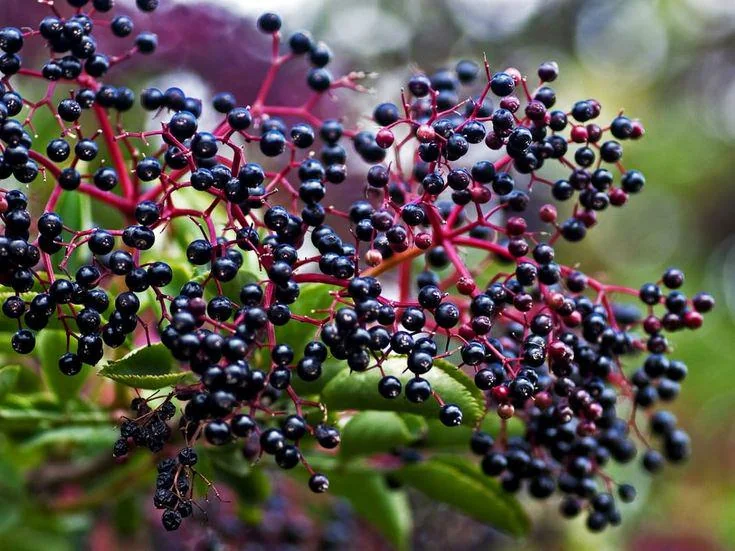
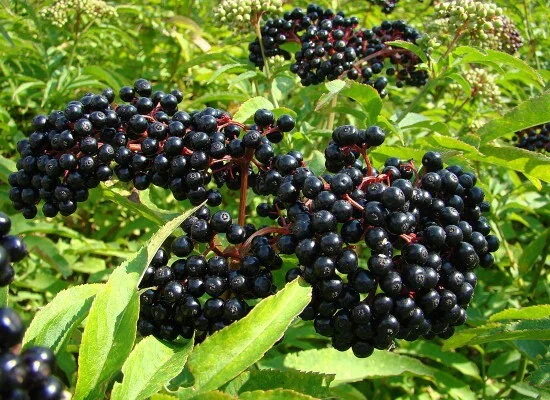
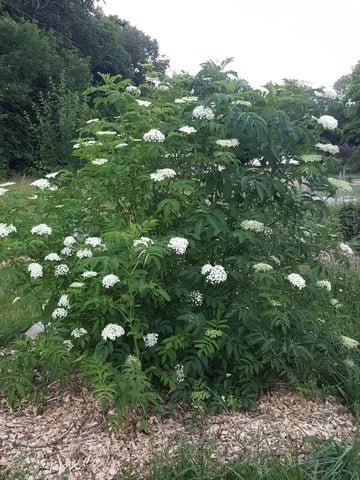
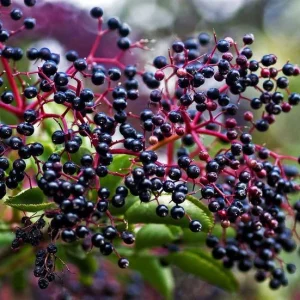
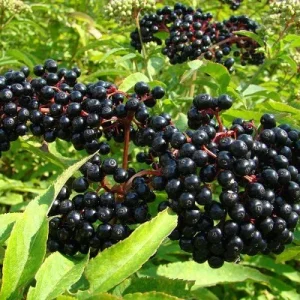
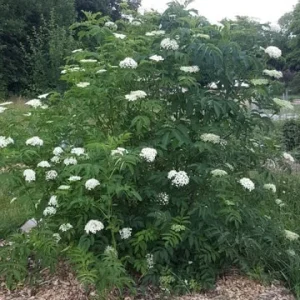
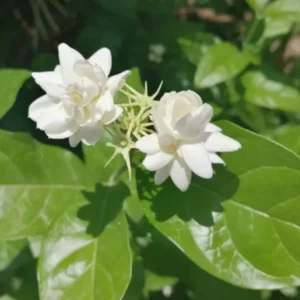
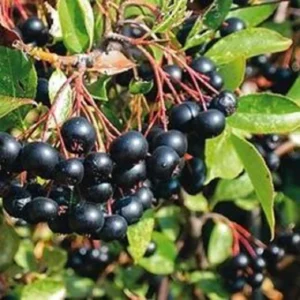
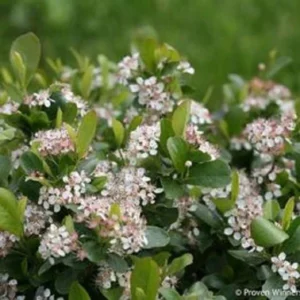
Cultivate your own delicious and beneficial berries with this elderberry bare root plant. The Sambucus Canadensis plant, also known as American Black Elderberry, grows into a beautiful shrub producing fragrant white flowers and edible purple-black berries. Ideal for natural landscaping and attracting wildlife.
From Original price was: $247.60.$123.80Current price is: $123.80.

With our Alive & Thrive Guarantee, we’ve got your back for the first 30 days! If you have any concerns about your plants, just reach out to us. Our team is here to help answer your questions and guide you in selecting the best plants for your garden, climate, and unique preferences. We're excited to help you create the garden of your dreams!
Estimated arrival
Oct 14
Oct 19 - Oct 21
Oct 24 - Oct 28

Product Details
-
USDA Hardiness Zone
USDA zones 3-9 -
Soil type
Rich, well-draining soil -
Sunlight Exposure
Full sun to partial shade -
Expected Planting Period
Early spring
Overview
Bring the beauty and bounty of nature to your garden with a elderberry bare root plant. This offering features a young Sambucus Canadensis plant, commonly known as American Black Elderberry, provided as a bare root specimen. Elderberries are deciduous shrubs native to North America, celebrated for their attractive foliage, abundant clusters of creamy white flowers, and highly nutritious purple-black berries. Growing American black elderberry is a rewarding experience for any gardener looking to add a versatile and beneficial plant to their landscape. These plants are known for their rapid growth and adaptability, making them an excellent choice for creating natural hedges, wildlife habitats, or simply enjoying fresh elderberries right from your yard. This 6-12 inch bare root is perfect for establishing a healthy, productive shrub.
The Sambucus Canadensis is a member of the Adoxaceae family and is widely recognized for its ecological value, providing food and shelter for various birds and pollinators. Its graceful form and seasonal interest make it a valuable addition to both ornamental and edible gardens. Whether you’re an experienced horticulturist or just starting to grow elderberry bush, this bare root plant provides a robust foundation for a thriving elderberry patch.
Key Benefits
Adding an elderberry bare root plant to your garden offers a multitude of advantages, from aesthetic appeal to practical uses. These plants are surprisingly easy to care for and provide significant returns for their effort.
- Edible Berries & Flowers: Enjoy copious amounts of dark purple-black berries, perfect for jams, jellies, pies, wines, and syrups. The fragrant white flowers can also be used to make delicious elderflower cordial or tea.
- Attracts Pollinators & Wildlife: The abundant flowers are a magnet for bees and other beneficial pollinators, while the berries provide a vital food source for birds, enhancing your garden’s biodiversity.
- Fast Growing & Hardy: American black elderberry plants are known for their vigorous growth habit and resilience, quickly establishing themselves and producing fruit within a few years of planting. They are tolerant of a wide range of conditions.
- Attractive Landscape Plant: With its lush green foliage, large flat-topped flower clusters, and dark berries, the Sambucus Canadensis plant makes a beautiful and functional addition to any garden border, hedgerow, or naturalized area.
- Medicinal Properties: Elderberries and elderflowers have been traditionally used for their potential health benefits, rich in antioxidants and vitamins.
- Erosion Control: Their fibrous root systems can help stabilize soil on slopes and prevent erosion, making them useful for ecological restoration projects.
- Low Maintenance: Once established, these elderberry bushes require minimal care, thriving with basic watering and occasional pruning. Learning to grow elderberry bush is straightforward for gardeners of all levels.
Plant Care & Growing Tips
Successfully growing your elderberry bare root plant into a flourishing bush requires understanding its basic needs for sunlight, water, and soil. Elderberries are relatively forgiving plants, but providing optimal conditions will ensure a healthy, productive harvest. Plant your bare root in early spring, as soon as the danger of hard frost has passed and the soil is workable. Dig a hole wide enough to accommodate the roots without bending them, and deep enough so the crown of the plant (where the stem meets the roots) is at ground level.
For best growth and fruit production, elderberries prefer full sun to partial shade, meaning at least 6 hours of direct sunlight per day. While they can tolerate some shade, too little light will reduce flowering and fruiting. Water thoroughly after planting and keep the soil consistently moist, especially during the first growing season. Once established, American black elderberry plants are moderately drought-tolerant but will perform best with regular watering, particularly during dry spells and when berries are developing. They thrive in rich, well-draining soil with a pH between 5.5 and 6.5. Amending heavy clay soils with organic matter can improve drainage, while sandy soils will benefit from compost to retain moisture and nutrients. Understanding proper elderberry plant care ensures a robust shrub.
Fertilize annually in early spring with a balanced slow-release fertilizer or a layer of compost. Pruning is essential for maintaining plant health and maximizing fruit yield. In late winter or early spring, remove any dead, damaged, or crossing branches. Elderberries produce fruit on one-year-old wood, so a common practice is to remove about one-third of the oldest stems each year to encourage new growth. Watch out for common pests like aphids and borers, and diseases such as powdery mildew, addressing them promptly with organic pest control methods or appropriate fungicides. Proper elderberry plant care will lead to a bountiful harvest.
Size & Details
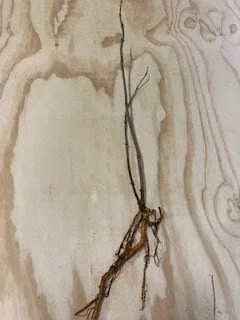
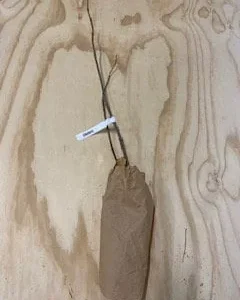
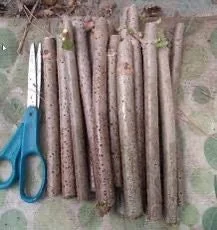
This offering is for a Sambucus Canadensis plant, provided as a bare root specimen. The plant typically measures between 6 to 12 inches in height upon arrival, featuring a healthy root system ready for planting. Bare root plants are dormant when shipped, allowing them to establish quickly once planted in their new environment. Given proper care, this elderberry bare root will rapidly develop into a robust shrub, typically reaching a mature height of 6.5 to 13 feet (2-4 meters) with a similar spread. The exact size will depend on growing conditions, climate, and pruning practices. Expect flowers to appear in late spring to early summer, followed by berries ripening in late summer to early fall. With good elderberry plant care, you can expect fruit production within 1-2 years of planting.
Frequently Asked Questions
- Q: How big does this elderberry bare root plant get? A: This elderberry bare root plant typically arrives 6-12 inches tall. When mature, the American black elderberry shrub can reach a height of 6.5 to 13 feet (2-4 meters) and a similar spread, depending on growing conditions and pruning.
- Q: Is this an indoor or outdoor plant? A: The Sambucus Canadensis plant is an outdoor shrub. It thrives in garden settings, suitable for edible landscaping, hedges, and naturalized areas.
- Q: How much sunlight does it need? A: Elderberries prefer full sun to partial shade, ideally receiving at least 6 hours of direct sunlight per day for optimal growth and fruit production.
- Q: Is this plant easy to care for? A: Yes, elderberry bare root plants are considered relatively easy to care for once established. They are adaptable and require moderate watering and annual pruning. It’s a great choice if you want to grow elderberry bush without too much fuss.
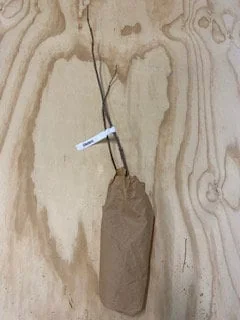
- Q: What condition will it arrive in? A: Your elderberry bare root will arrive dormant, with its roots carefully packed to retain moisture. This is the ideal state for planting and ensures good establishment.
- Q: How long until it produces fruit? A: With proper elderberry plant care, you can typically expect your Sambucus Canadensis plant to begin producing fruit within 1-2 years after planting.
- Q: When is the best time to plant this bare root? A: The best time to plant an elderberry bare root is in early spring, as soon as the soil is workable and the threat of hard frost has passed.
- Q: What’s the minimum temperature this plant can tolerate? A: American black elderberry is quite hardy and can tolerate cold temperatures, typically hardy in USDA zones 3-9.
- Q: Can I use elderberries for medicinal purposes? A: Elderberries and elderflowers have a long history of traditional use for various remedies. However, it’s important to consult with a healthcare professional before using them for medicinal purposes.
- Q: What kind of soil does it prefer? A: Elderberries thrive in rich, well-draining soil with a slightly acidic to neutral pH (5.5-6.5). Amending with organic matter is beneficial.
| Qty | 25, 50 |
|---|
Related products
-30%
Original price was: $73.98.$51.78Current price is: $51.78.
-42%
Original price was: $43.99.$25.59Current price is: $25.59.

-50%

Original price was: $133.98.$66.99Current price is: $66.99.
-50%
Original price was: $59.98.$29.99Current price is: $29.99.
-20%
Original price was: $20.00.$16.00Current price is: $16.00.
-60%
Original price was: $53.99.$21.59Current price is: $21.59.
PLANTING & CARE
Lemon Tree Growing: Choose, Plant, and Harvest
Learn how to choose, plant, feed, and protect a lemon tree so it fits your
23
Sep
Sep
Dwarf Meyer Lemon Tree Australia: Climate Guide
Learn where dwarf Meyer lemon trees grow, how much cold they tolerate, and whether Australia,
Where to Buy a Dwarf Meyer Lemon Tree: Buyer’s Guide
Find the right dwarf Meyer lemon tree online or locally, compare starter sizes and costs,
Dwarf Meyer Lemon Tree for Sale: Buying Guide
Compare Meyer lemon tree sizes, prices, shipping limits, indoor growing and California options before you
Dwarf Meyer Lemon Tree Guide: Size, Care and Fruit
META: Learn how large a dwarf Meyer lemon tree grows, where it thrives, and how
How to Prune a Dwarf Meyer Lemon Tree
Learn when and how to prune a dwarf Meyer lemon tree, including tools, shaping cuts,
Can You Grow a Dwarf Meyer Lemon Tree in a Pot?
META: Learn how to grow a dwarf Meyer lemon tree in a pot, including container
When Do Dwarf Meyer Lemon Trees Bloom and Fruit?
META: Dwarf Meyer lemon trees usually bloom from winter through spring and may flower again