Elderberry Plant Live Shrub – American Berry Bush 7-12″ Tall in Quart Pot
-50%
Elderberry Plant Live Shrub – American Berry Bush 7-12″ Tall in Quart Pot
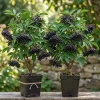
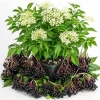
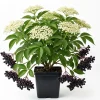
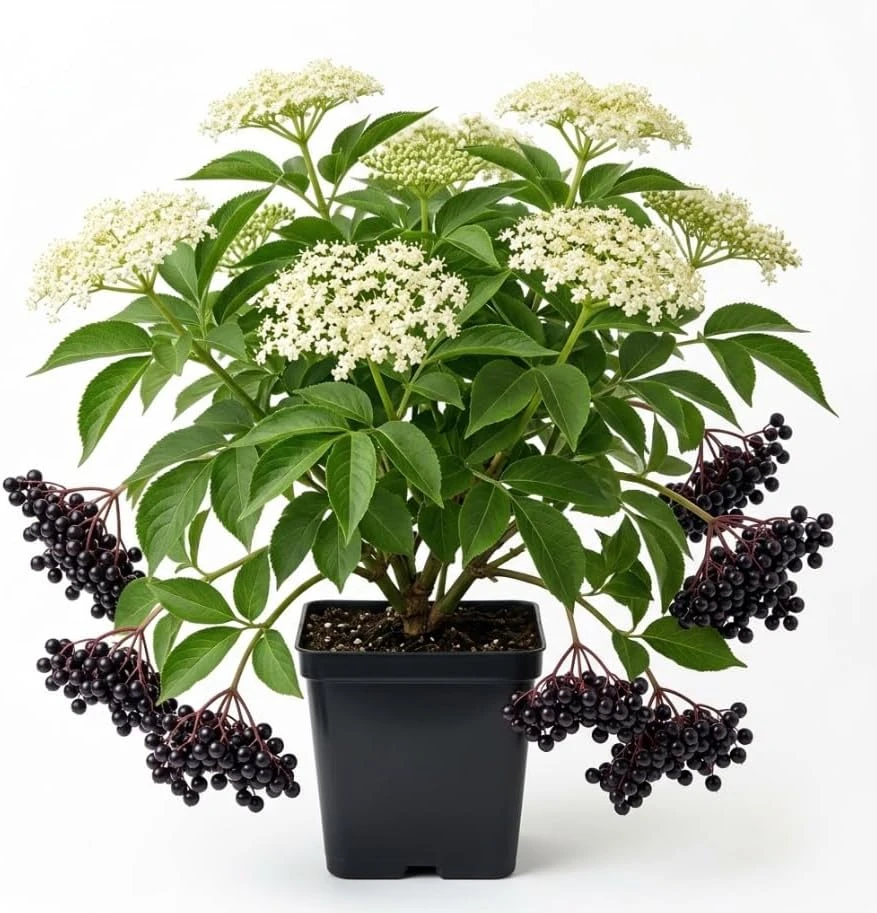
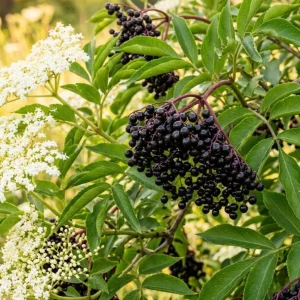
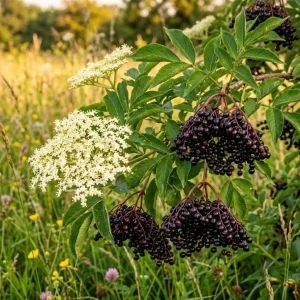
Cultivate your own delicious berries with this healthy elderberry plant live. This 7-12 inch tall American Black Elderberry (Sambucus nigra) shrub arrives in a quart pot, ready to thrive in your garden. Perfect for edible landscapes and attracting pollinators.
Original price was: $40.98.$20.49Current price is: $20.49.

With our Alive & Thrive Guarantee, we’ve got your back for the first 30 days! If you have any concerns about your plants, just reach out to us. Our team is here to help answer your questions and guide you in selecting the best plants for your garden, climate, and unique preferences. We're excited to help you create the garden of your dreams!
Estimated arrival
Oct 29
Nov 03 - Nov 05
Nov 08 - Nov 12


Product Details
-
USDA Hardiness Zone
USDA Zones 3-9 -
Soil type
Well-draining, fertile soil -
Sunlight Exposure
Full sun to partial shade -
Expected Planting Period
Spring to early fall
Overview
Discover the joy of growing your own superfruits with our premium elderberry plant live. This robust American Black Elderberry (Sambucus nigra) shrub is a fantastic addition to any garden, offering both ornamental beauty and a bountiful harvest of nutrient-rich berries. Known for its resilience and adaptability, the american elderberry plant is perfect for gardeners looking to add a productive and attractive specimen to their landscape. Our plants arrive healthy, well-established, and ready to be planted, ensuring a smooth transition into their new home. Embrace sustainable living and enjoy fresh, homegrown elderberries for years to come.
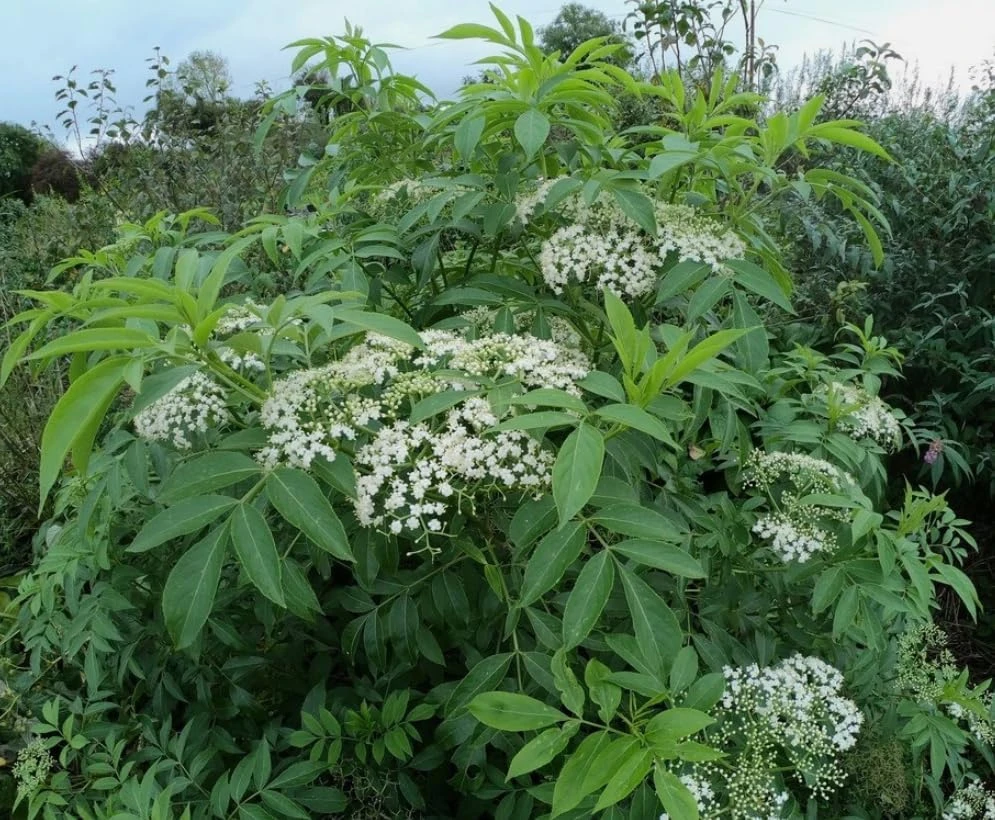
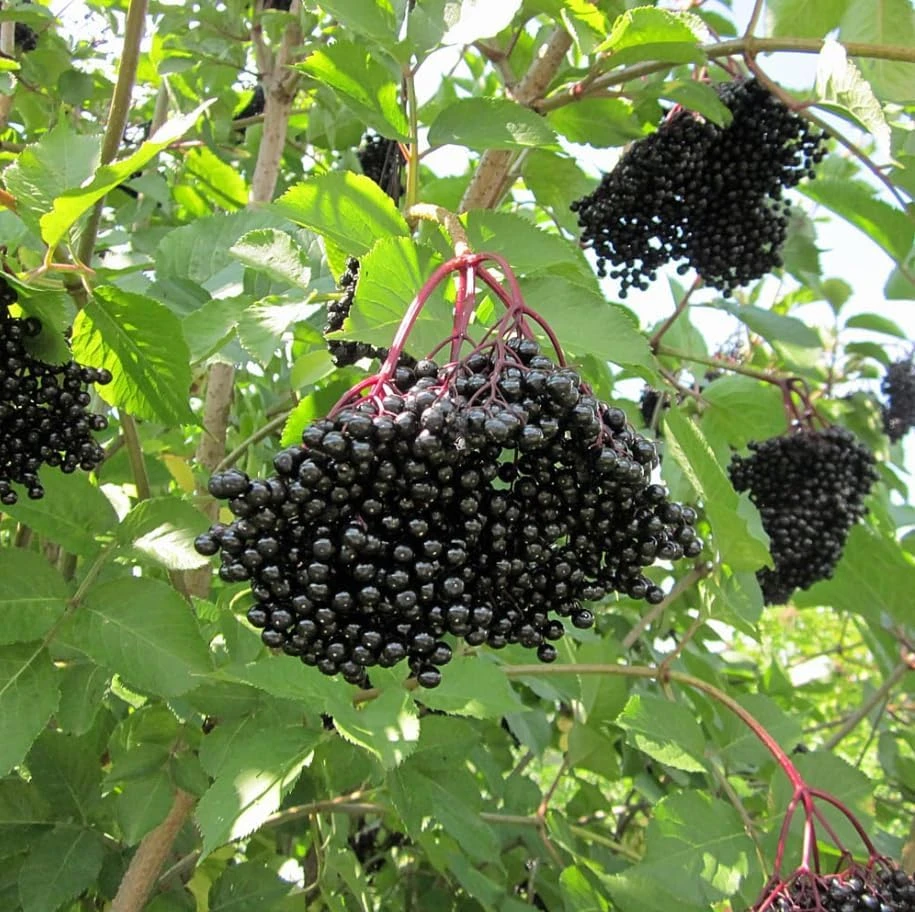
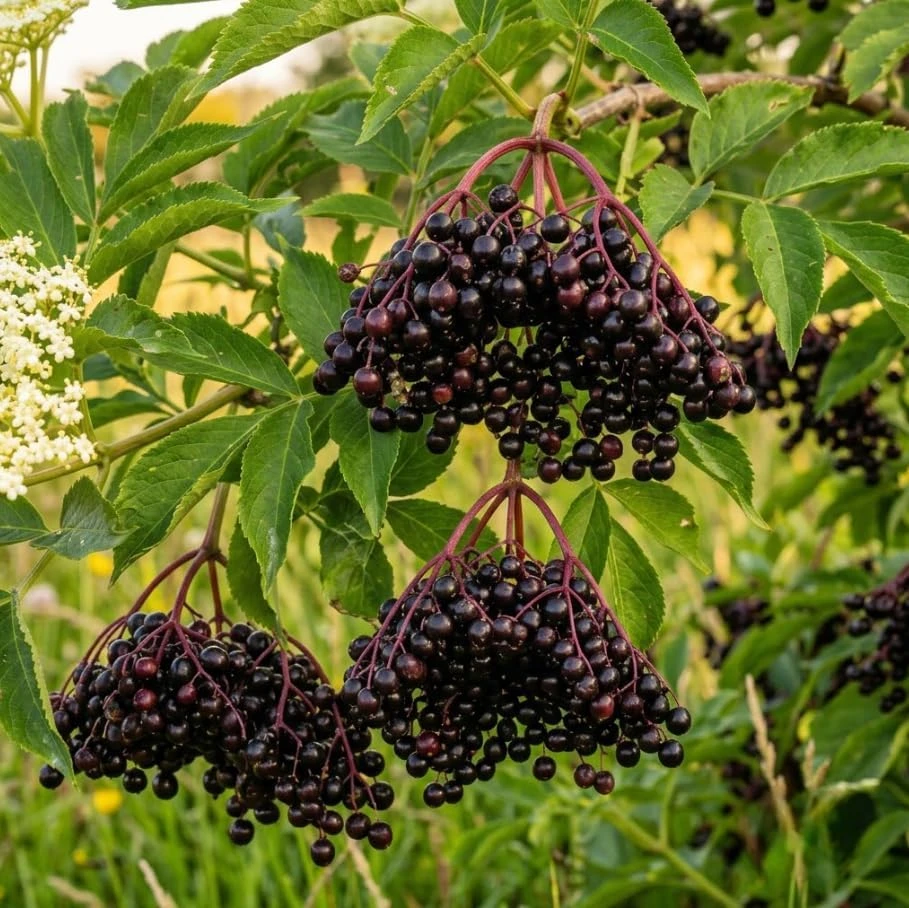
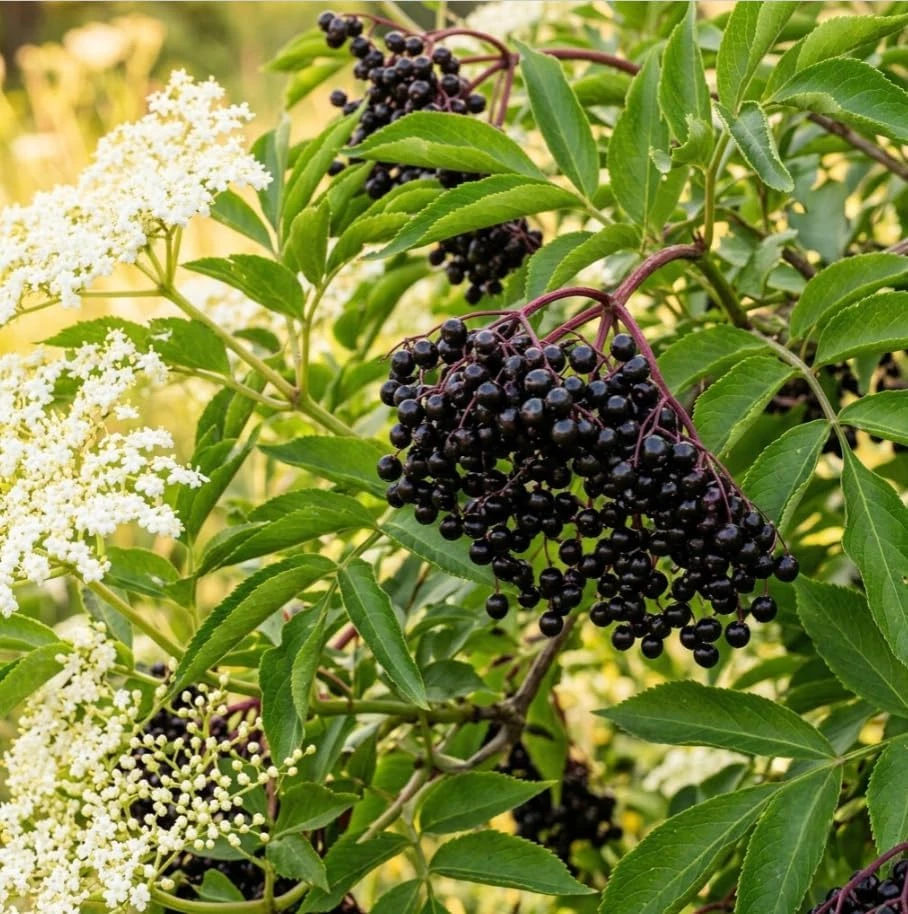
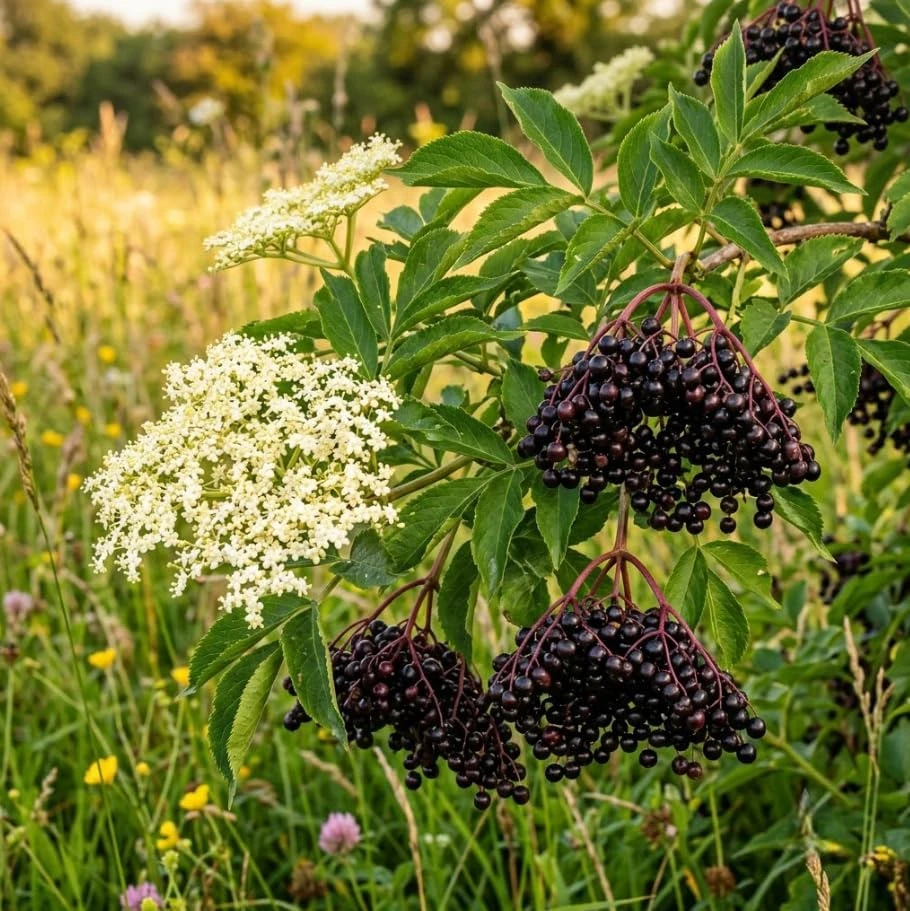
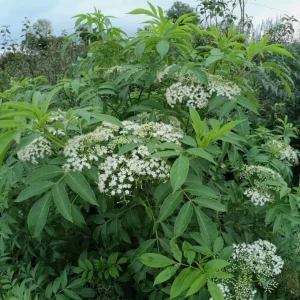
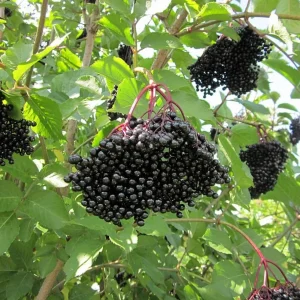
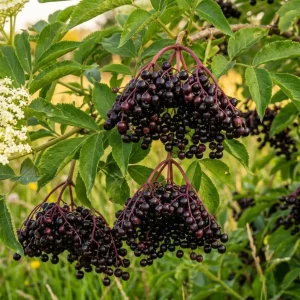
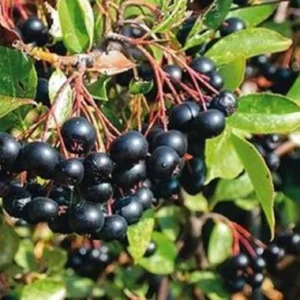
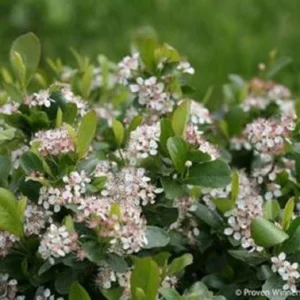
The elderberry plant live we offer is specifically the American Black Elderberry, a native species celebrated for its hardiness and prolific berry production. These plants are grown with care to ensure they are vigorous and ready to flourish, whether you’re planting them in a dedicated berry patch, a hedgerow, or as part of a mixed border. With its attractive foliage, delicate white flower clusters in spring, and dark berries in summer, this elderberry shrub for sale provides seasonal interest and ecological benefits, supporting local wildlife and pollinators.
Key Benefits
Adding an elderberry plant live to your garden offers a multitude of advantages, from its delicious fruit to its ecological contributions. This versatile shrub is a true garden asset.
- Abundant Harvest: Enjoy a generous yield of dark, nutrient-packed elderberries perfect for jams, jellies, pies, wines, and health-boosting syrups.
- Low Maintenance: Once established, the american elderberry plant is remarkably easy to care for, thriving with minimal intervention and adapting to various conditions.
- Pollinator Friendly: The fragrant white flower clusters of the sambucus nigra plant are a magnet for bees, butterflies, and other beneficial pollinators, enhancing your garden’s biodiversity.
- Landscape Versatility: Ideal for hedgerows, naturalized areas, or as an ornamental shrub in borders, providing year-round visual appeal with its foliage, flowers, and berries.
- Disease Resistant: American Elderberry varieties are generally robust and resistant to many common plant diseases, ensuring a healthy and productive plant.
- Erosion Control: Its extensive root system makes it an excellent choice for stabilizing soil on slopes or in areas prone to erosion.
- Wildlife Support: The berries provide a valuable food source for birds and other wildlife, making your garden a haven for nature.
Plant Care & Growing Tips
Caring for your elderberry plant live is straightforward, making it an excellent choice for both novice and experienced gardeners. These adaptable shrubs are quite forgiving, but providing optimal conditions will ensure the best growth and berry production. For best results with your grow elderberry bush, choose a location with adequate sunlight and well-draining soil.
Sunlight Requirements: Elderberry plants thrive in full sun to partial shade. For the most abundant berry production, aim for at least 6 hours of direct sunlight per day. While they can tolerate some shade, too much shade may reduce flowering and fruiting. Watering Schedule: Keep the soil consistently moist, especially during the first year of establishment and during dry spells. Once established, the american elderberry plant is fairly drought-tolerant but will benefit from regular watering during prolonged dry periods. Avoid waterlogging, as this can lead to root rot. Soil Type and Drainage: Elderberries prefer well-draining, fertile soil with a pH between 5.5 and 6.5. They are adaptable to a wide range of soil types, including sandy and clay soils, as long as drainage is adequate. Amend heavy clay soils with organic matter to improve drainage and aeration. Temperature Range & USDA Hardiness Zone: Most American Elderberry varieties are hardy in USDA Zones 3-9. They are tolerant of a wide range of temperatures, from cold winters to hot summers. Fertilization: Fertilize in early spring with a balanced slow-release fertilizer or compost to encourage vigorous growth and berry production. Avoid over-fertilizing, which can promote leafy growth at the expense of fruit. Pruning: Prune dormant plants in late winter or early spring to remove dead, damaged, or weak canes. Elderberries produce fruit on one-year-old wood, so prune to encourage new growth from the base. Common Problems: Elderberries are relatively pest and disease-free. Watch for common garden pests like aphids and provide appropriate organic treatments if necessary. Good air circulation helps prevent fungal issues.
Size & Details
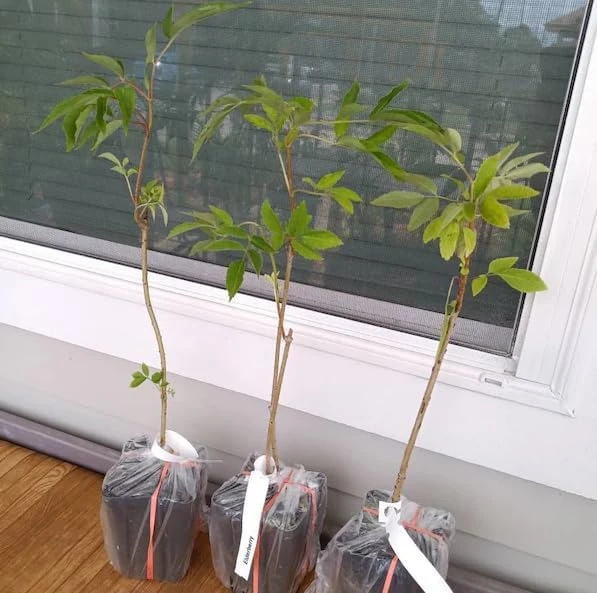
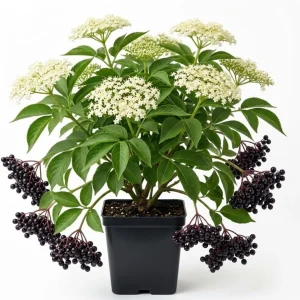
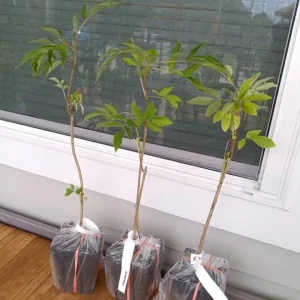
This elderberry plant live arrives as a healthy, actively growing specimen, ready for planting. Each plant is approximately 7 to 12 inches tall, measured from the top of the soil, and is well-established in a quart-sized nursery pot. This size is ideal for transplanting directly into your garden or a larger container. The plant is shipped with its root ball intact in soil, ensuring minimal shock upon arrival. With proper care, these young plants will rapidly develop into mature, fruit-bearing shrubs, typically reaching a height of 6-12 feet and a similar spread, depending on variety and growing conditions. Expect your elderberry shrub for sale to begin producing berries within 1-2 years after planting, with increasing yields as the plant matures.
Frequently Asked Questions
- Q: How big does this plant get? A: This elderberry plant live typically grows 6-12 feet tall and wide at maturity, depending on the specific variety and growing conditions. Regular pruning can help manage its size.
- Q: What size pot does it come in? A: Each american elderberry plant is shipped in a quart-sized nursery pot, standing approximately 7-12 inches tall. This provides a strong root system for successful transplanting.
- Q: Is this an indoor or outdoor plant? A: The elderberry plant live is an outdoor plant, best suited for garden landscapes, hedgerows, or large outdoor containers where it can receive adequate sunlight and space to grow.
- Q: How much sunlight does it need? A: For optimal growth and berry production, the sambucus nigra plant requires full sun (6+ hours of direct sunlight daily) to partial shade (4-6 hours). More sun generally means more berries.
- Q: Is this plant easy to care for? A: Yes, the elderberry plant live is considered easy to care for. It’s adaptable to various soil types and moisture levels once established, making it suitable for beginners looking to grow elderberry bush.
- Q: What condition will it arrive in? A: Your elderberry plant live will arrive healthy, well-established, and actively growing in its quart-sized pot, carefully packaged to ensure a safe journey.
- Q: Can I use the berries from this plant for eating? A: Yes, the berries from the American Black Elderberry (Sambucus nigra) are edible when cooked. They are commonly used in jams, jellies, pies, and syrups. Raw berries should not be consumed.
- Q: How long until it blooms and produces fruit? A: Your young elderberry plant live may produce some flowers and berries in its first year, but typically begins to yield a substantial crop within 1-2 years after planting.
- Q: When is the best time to plant? A: The best time to plant your elderberry plant live is in spring or early fall, allowing the roots to establish before extreme temperatures.
- Q: Will it survive winter in my zone? A: American Elderberry is very hardy and suitable for USDA Zones 3-9, meaning it can withstand cold winter temperatures in most regions of the US.
Related products
-42%
Original price was: $43.99.$25.59Current price is: $25.59.
-50%
Original price was: $133.98.$66.99Current price is: $66.99.
-50%
Original price was: $55.98.$27.99Current price is: $27.99.
-20%
Original price was: $76.00.$60.80Current price is: $60.80.
-30%
Original price was: $73.98.$51.78Current price is: $51.78.
PLANTING & CARE
Lemon Tree Growing: Choose, Plant, and Harvest
Learn how to choose, plant, feed, and protect a lemon tree so it fits your
23
Sep
Sep
Dwarf Meyer Lemon Tree Australia: Climate Guide
Learn where dwarf Meyer lemon trees grow, how much cold they tolerate, and whether Australia,
Where to Buy a Dwarf Meyer Lemon Tree: Buyer’s Guide
Find the right dwarf Meyer lemon tree online or locally, compare starter sizes and costs,
Dwarf Meyer Lemon Tree for Sale: Buying Guide
Compare Meyer lemon tree sizes, prices, shipping limits, indoor growing and California options before you
Dwarf Meyer Lemon Tree Guide: Size, Care and Fruit
META: Learn how large a dwarf Meyer lemon tree grows, where it thrives, and how
How to Prune a Dwarf Meyer Lemon Tree
Learn when and how to prune a dwarf Meyer lemon tree, including tools, shaping cuts,
Can You Grow a Dwarf Meyer Lemon Tree in a Pot?
META: Learn how to grow a dwarf Meyer lemon tree in a pot, including container
When Do Dwarf Meyer Lemon Trees Bloom and Fruit?
META: Dwarf Meyer lemon trees usually bloom from winter through spring and may flower again