American Black Elderberry Live Plant – 7-12″ Tall Shrub in Quart Pot – Outdoor Berry Plant
-50%
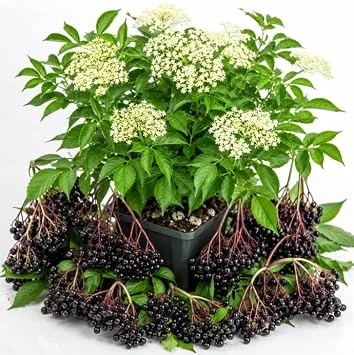
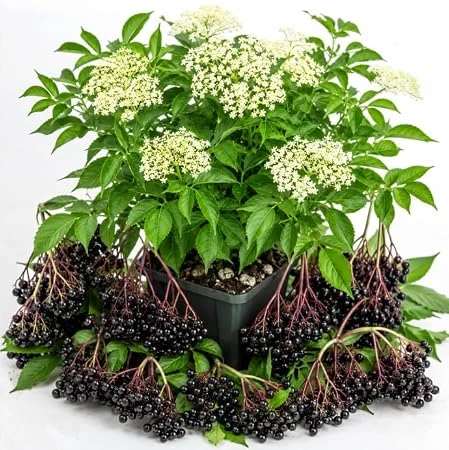
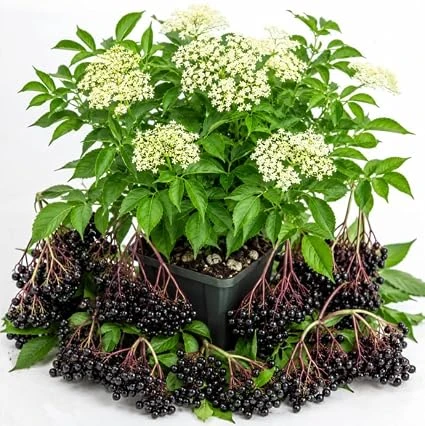
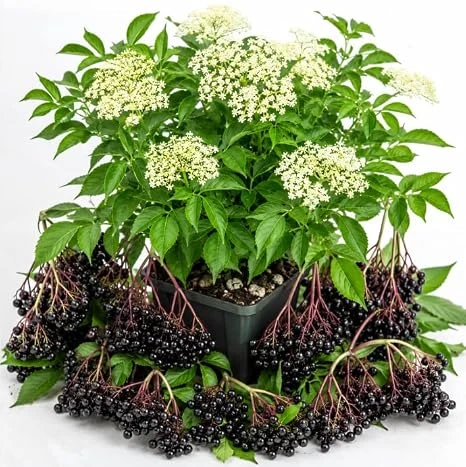
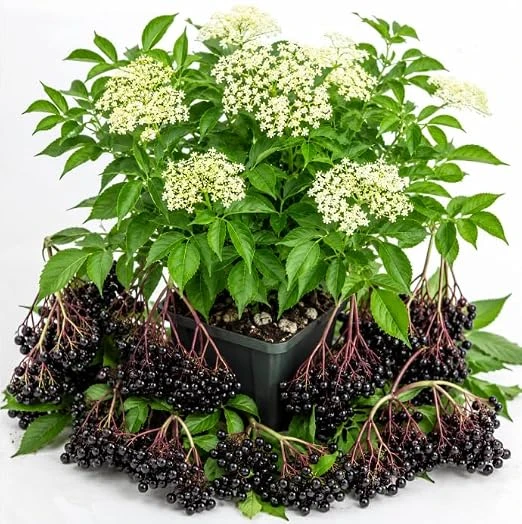
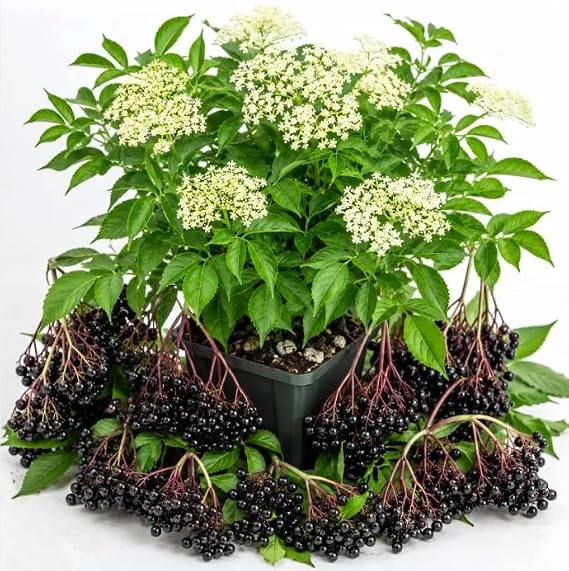
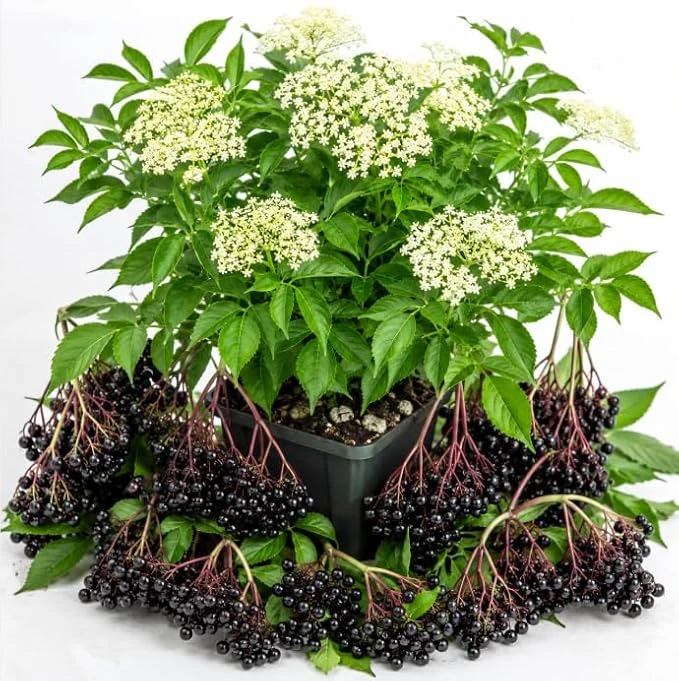
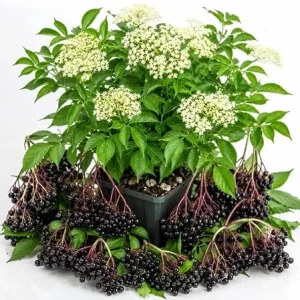
American Black Elderberry Live Plant – 7-12″ Tall Shrub in Quart Pot – Outdoor Berry Plant
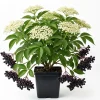
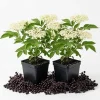
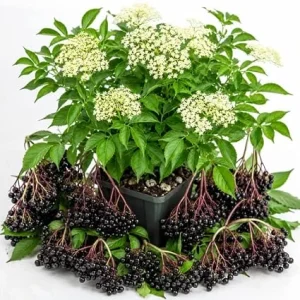
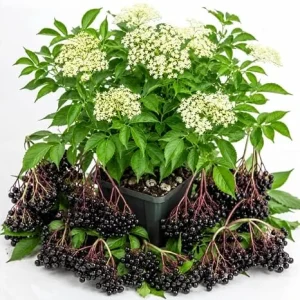
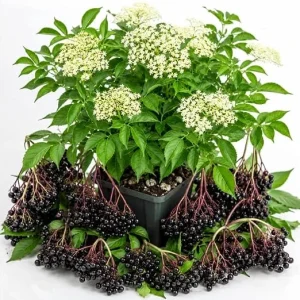
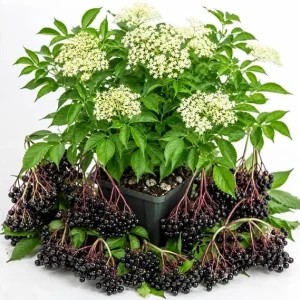
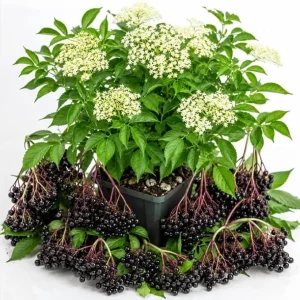
Cultivate your own delicious and beneficial American Black Elderberry plant. This healthy, well-established 7-12 inch tall live plant (Sambucus nigra) comes in a quart pot, ready for outdoor planting. Perfect for landscapes, hedgerows, and attracting pollinators, it produces abundant clusters of dark, nutritious berries.
Original price was: $39.98.$19.99Current price is: $19.99.

With our Alive & Thrive Guarantee, we’ve got your back for the first 30 days! If you have any concerns about your plants, just reach out to us. Our team is here to help answer your questions and guide you in selecting the best plants for your garden, climate, and unique preferences. We're excited to help you create the garden of your dreams!
Estimated arrival
Oct 29
Nov 03 - Nov 05
Nov 08 - Nov 12

Product Details
-
USDA Hardiness Zone
USDA Zones 3-9 -
Soil type
Moist, well-draining, fertile soil -
Sunlight Exposure
Full sun to partial shade -
Expected Planting Period
Spring to early summer or early fall
Overview
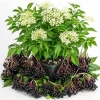
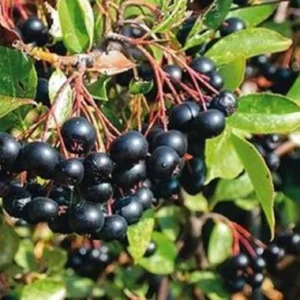
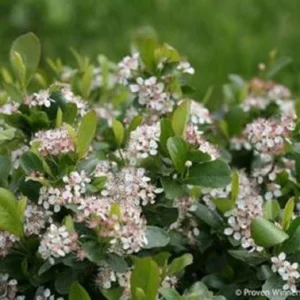
Bring the beauty and bounty of nature to your garden with an exquisite American Black Elderberry plant (Sambucus nigra). This well-established live shrub arrives healthy and vibrant, typically standing 7 to 12 inches tall in a quart-sized pot, poised to flourish in your landscape. Known for its robust growth and prolific production of dark, nutrient-rich berries, the American Black Elderberry plant is a fantastic addition for both its ornamental value and its edible yield. Often referred to simply as Elderberry, this deciduous shrub is a native species celebrated for its clusters of creamy white flowers in spring, followed by abundant dark purple-black elderberries in late summer. It’s a versatile plant, ideal for creating natural hedges, enhancing garden borders, or adding a touch of wild elegance to any outdoor space.
The Sambucus nigra variety is particularly favored for its resilience and adaptability, making it a suitable choice for a wide range of climates and soil conditions. Whether you’re an experienced gardener looking to expand your edible landscape or a beginner eager to grow something rewarding, this Sambucus nigra shrub offers a rewarding growing experience. Its rapid growth and generous fruit production make it a functional and attractive choice for sustainable gardening and attracting local wildlife, including birds and beneficial insects.
Key Benefits
The American Black Elderberry plant offers a multitude of benefits, making it a highly desirable addition to any garden or homestead. From its ecological contributions to its practical uses, this shrub is a true garden workhorse.
- Abundant Edible Berries: This plant is renowned for producing generous clusters of dark, nutrient-rich elderberries. These berries can be harvested in late summer and used to make delicious jams, jellies, pies, wines, and syrups, providing a natural source of antioxidants and vitamins.
- Attractive Ornamental Features: Beyond its fruit, the American Black Elderberry plant boasts attractive foliage and showy, flat-topped clusters of creamy-white flowers in late spring to early summer. These blossoms add significant visual appeal to the garden and are often used to make elderflower cordial or fritters.
- Wildlife Attraction: The flowers provide nectar for pollinators like bees and butterflies, while the berries are a vital food source for many bird species. Planting an elderberry berry plants helps support local ecosystems and biodiversity in your yard.
- Versatile Landscape Use: This adaptable shrub is excellent for various landscape applications, including forming natural hedgerows, creating privacy screens, stabilizing slopes, or simply serving as a striking specimen plant in a mixed border.
- Low Maintenance & Hardy: Once established, the American Black Elderberry plant is relatively low-maintenance and tolerant of a wide range of conditions, including different soil types and moisture levels. It’s a hardy plant that can withstand various environmental stressors.
- Medicinal & Wellness Properties: Historically, elderberries and elderflowers have been used in traditional medicine for their potential immune-boosting and anti-inflammatory properties. Growing your own allows for fresh access to these beneficial ingredients.
- Fast Growth Rate: Elderberry plants are known for their relatively fast growth, meaning you can enjoy its full benefits and harvests sooner than with many other fruit-bearing shrubs. This makes it an exciting choice for those who want to see quick results.
Plant Care & Growing Tips
Caring for your American Black Elderberry plant is straightforward, as it’s a resilient and adaptable shrub. For optimal growth and fruit production, understanding its basic needs is key. Elderberries thrive in full sun to partial shade. Full sun (at least 6-8 hours of direct sunlight per day) will generally result in the best berry yield, while partial shade (4-6 hours of sun, especially morning sun with afternoon shade) can be tolerated, particularly in hotter climates. Ensure your chosen planting site receives adequate light throughout the growing season. The plant adapts well to a wide range of soil types, but prefers moist, well-draining, and fertile soil with a pH between 5.5 and 6.5. Amending heavy clay soils with organic matter can improve drainage, while sandy soils will benefit from compost to retain moisture and nutrients. Consistent moisture is crucial, especially during the establishment phase and when berries are forming. Water deeply and regularly, ensuring the soil remains evenly moist but not waterlogged. Established plants show some drought tolerance but will perform best with regular watering during dry spells.
Elderberry plants are quite hardy and can tolerate various temperatures, typically thriving in USDA Hardiness Zones 3-9. They are deciduous, meaning they will lose their leaves in winter and go dormant, preparing for new growth in spring. Fertilization is beneficial, especially if your soil is poor. Apply a balanced, slow-release granular fertilizer in early spring as new growth emerges. Alternatively, a layer of compost around the base of the plant can provide a steady supply of nutrients. Pruning is important for maintaining plant health and maximizing fruit production. In late winter or early spring, remove any dead, damaged, or weak canes. Elderberries produce fruit on one-year-old wood, so a good strategy is to prune out older canes (3+ years old) at the base to encourage new, productive growth. Watch out for common pests like aphids and borers, and diseases such as powdery mildew, though elderberries are generally quite resistant. Promptly address any issues with appropriate organic or chemical treatments to maintain a healthy American Black Elderberry plant.
Size & Details
This offering is for one healthy, live American Black Elderberry plant (Sambucus nigra), ready for immediate outdoor planting. Each plant is well-established and ships in a quart-sized pot, with an average height of 7 to 12 inches tall from the top of the soil. The plant’s growth rate is considered moderate to fast, and with proper care, it can quickly establish itself and begin producing fruit. Elderberry shrubs typically reach a mature height of 6-10 feet and a similar spread, forming a dense, multi-stemmed bush. They are known for their vigorous growth and can begin fruiting within 1-2 years of planting, with significant harvests expected by the third year. The plant will arrive with its root system intact and soil, carefully packaged to ensure a safe journey to your garden. This size is ideal for planting directly into your landscape or a larger container if preferred, allowing it to acclimate and thrive.
Frequently Asked Questions
- Q: How big does this plant get? A: This American Black Elderberry plant arrives 7-12 inches tall in a quart pot. When mature, it typically grows to a height and spread of 6-10 feet, forming a bushy shrub. Its size can be managed with regular pruning.
- Q: Is this an indoor or outdoor plant? A: The American Black Elderberry plant is an outdoor shrub. It requires ample sunlight and space to grow, and it is deciduous, meaning it needs a winter dormancy period that outdoor conditions provide.
- Q: How much sunlight does it need? A: For best fruit production, elderberries prefer full sun, meaning at least 6-8 hours of direct sunlight daily. They can tolerate partial shade, but berry yields may be reduced.
- Q: Is this plant easy to care for? A: Yes, the American Black Elderberry plant is considered relatively easy to care for. It’s adaptable to various soil types and moisture levels and is generally low-maintenance once established, making it suitable for gardeners of all experience levels.
- Q: What condition will it arrive in? A: Your American Black Elderberry plant will arrive healthy and well-established in a quart-sized pot, with its roots securely in soil. It will be carefully packaged to minimize stress during transit, ready for planting.
- Q: Can I use the elderberries for cooking? A: Absolutely! The dark berries from the American Black Elderberry plant are excellent for culinary uses. They are commonly made into jams, jellies, pies, syrups, and wine. Ensure berries are cooked before consumption.
- Q: When is the best time to plant this shrub? A: The best time to plant an American Black Elderberry plant is typically in spring after the last frost, or in early fall before the ground freezes. This allows the plant ample time to establish its root system.
- Q: Will it survive winter in my zone? A: Elderberry plants are very hardy and are suitable for USDA Hardiness Zones 3-9. They are deciduous and will go dormant in winter, naturally preparing for new growth in spring, making them well-suited for many climates.
- Q: What kind of soil does it prefer? A: While adaptable, the Sambucus nigra shrub prefers moist, well-draining, and fertile soil. It can tolerate a range of soil types, but good drainage is essential to prevent root rot.
- Q: Is it good for beginners who want to grow elderberry? A: Yes, this is an excellent plant for beginners looking to grow elderberry. Its hardiness, adaptability, and relatively easy care requirements make it a forgiving and rewarding choice for new gardeners.
Related products
-50%
Original price was: $49.98.$24.99Current price is: $24.99.
-50%
Original price was: $59.98.$29.99Current price is: $29.99.
-20%
Original price was: $66.00.$52.80Current price is: $52.80.
-20%
Original price was: $20.00.$16.00Current price is: $16.00.
-60%
Original price was: $53.99.$21.59Current price is: $21.59.
-50%
Original price was: $83.00.$41.50Current price is: $41.50.
PLANTING & CARE
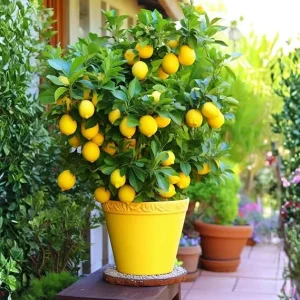
Lemon Tree Growing: Choose, Plant, and Harvest
Learn how to choose, plant, feed, and protect a lemon tree so it fits your
23
Sep
Sep
Dwarf Meyer Lemon Tree Australia: Climate Guide
Learn where dwarf Meyer lemon trees grow, how much cold they tolerate, and whether Australia,
Where to Buy a Dwarf Meyer Lemon Tree: Buyer’s Guide
Find the right dwarf Meyer lemon tree online or locally, compare starter sizes and costs,
Dwarf Meyer Lemon Tree for Sale: Buying Guide
Compare Meyer lemon tree sizes, prices, shipping limits, indoor growing and California options before you
Dwarf Meyer Lemon Tree Guide: Size, Care and Fruit
META: Learn how large a dwarf Meyer lemon tree grows, where it thrives, and how
How to Prune a Dwarf Meyer Lemon Tree
Learn when and how to prune a dwarf Meyer lemon tree, including tools, shaping cuts,
Can You Grow a Dwarf Meyer Lemon Tree in a Pot?
META: Learn how to grow a dwarf Meyer lemon tree in a pot, including container
When Do Dwarf Meyer Lemon Trees Bloom and Fruit?
META: Dwarf Meyer lemon trees usually bloom from winter through spring and may flower again