Elephant Garlic Seeds – Fresh Harvest USA Grown – Jumbo Bulb Potential


Elephant Garlic Seeds – Fresh Harvest USA Grown – Jumbo Bulb Potential
Start your own bountiful garden with premium elephant garlic seeds from a fresh USA harvest. These seeds are perfect for growing impressive, jumbo-sized elephant garlic bulbs with a mild, delicate flavor. Enjoy easy cultivation and versatile culinary uses for both novice and experienced gardeners. Follow our elephant garlic planting guide for optimal results.
$4.68

With our Alive & Thrive Guarantee, we’ve got your back for the first 30 days! If you have any concerns about your plants, just reach out to us. Our team is here to help answer your questions and guide you in selecting the best plants for your garden, climate, and unique preferences. We're excited to help you create the garden of your dreams!
Estimated arrival
Oct 08
Oct 13 - Oct 15
Oct 18 - Oct 22


Product Details
-
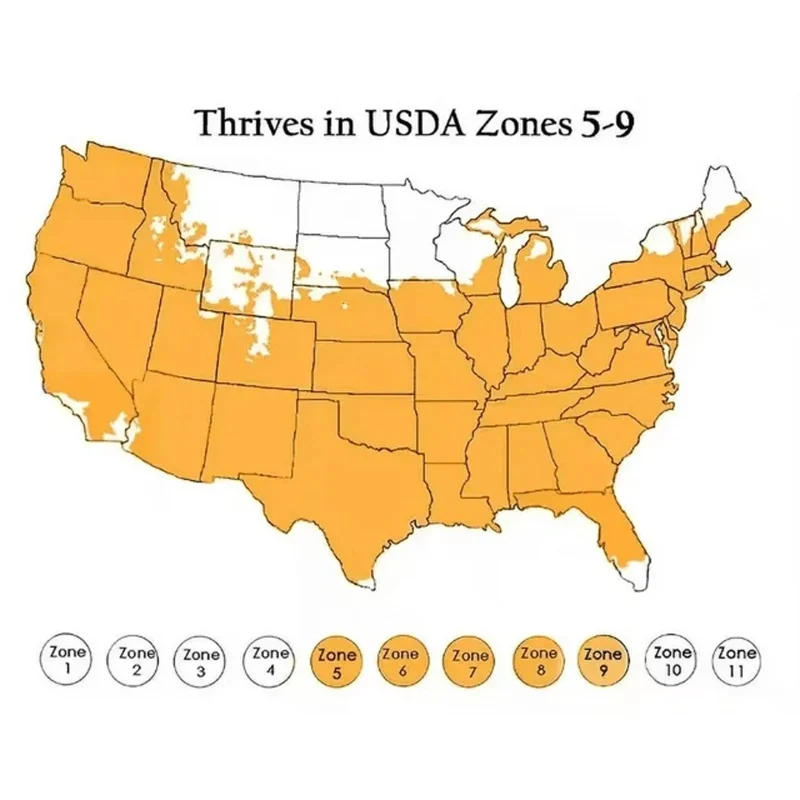
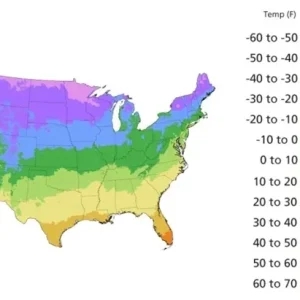
USDA Hardiness Zone
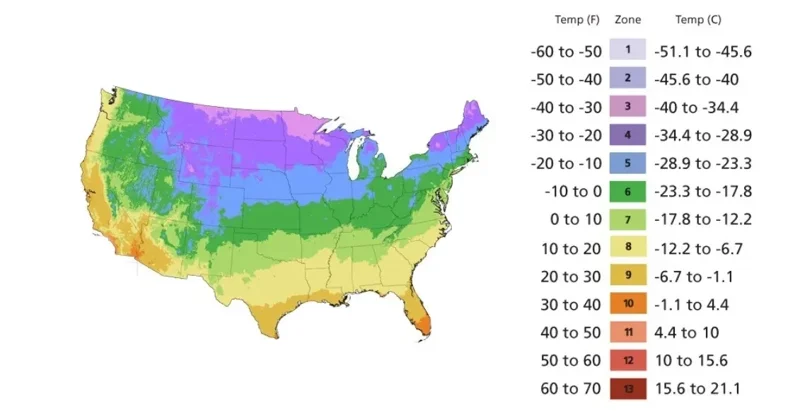
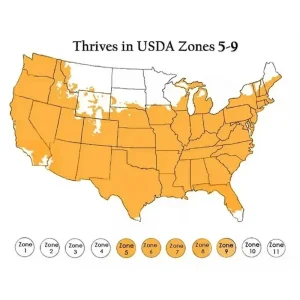
USDA Zones 3-9 -
Soil type
Well-draining, fertile soil rich in organic matter -
Sunlight Exposure
Full sun (6-8 hours daily) -
Expected Planting Period
Fall or early spring
Overview
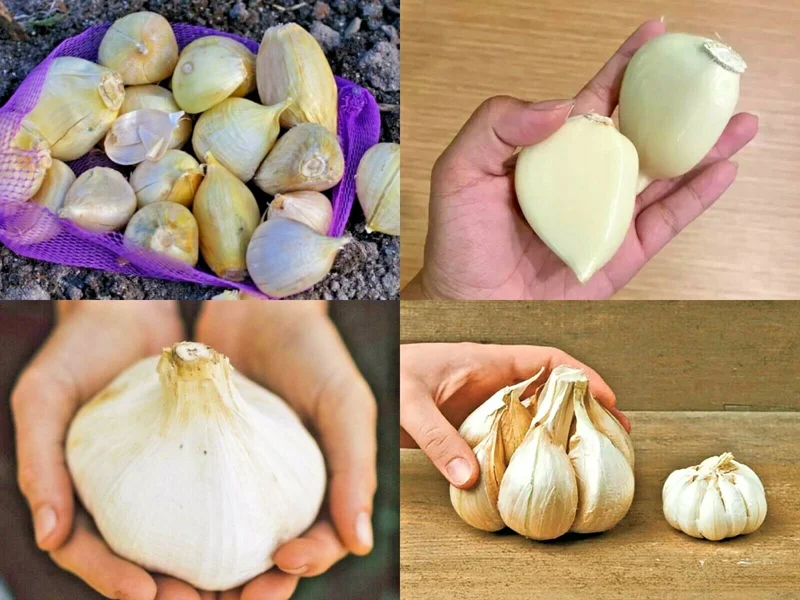
Embark on a rewarding gardening journey with our premium elephant garlic seeds. Sourced from a fresh harvest in the USA, these seeds promise healthy and vigorous growth, allowing you to cultivate impressive, jumbo-sized garlic bulbs right in your backyard. Elephant garlic, despite its name, is botanically a type of leek, offering a milder, more delicate flavor than traditional garlic, making it incredibly versatile in the kitchen. Its large cloves are easy to peel and prepare, perfect for roasting, grilling, or adding to your favorite dishes. Our elephant garlic seeds are an excellent choice for both novice and experienced gardeners. They are known for their resilience and adaptability to various climates, ensuring a successful yield. Imagine harvesting your own colossal cloves, ready to enhance your culinary creations with their unique, subtle garlicky taste. This plant also produces beautiful, edible flower stalks that can add an ornamental touch to your garden, making it a dual-purpose addition to your landscape. With the right care and an effective elephant garlic planting guide, you’ll be enjoying your homegrown harvest in no time.
Key Benefits
Growing elephant garlic seeds offers a multitude of advantages, from culinary delight to garden aesthetics. Here’s why these seeds are a fantastic addition to any garden, leading to magnificent elephant garlic bulbs:
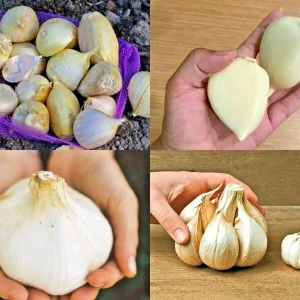
- Impressive Size: Produce exceptionally large cloves and bulbs, significantly bigger than regular garlic, making them a striking feature in your garden and kitchen. These jumbo bulbs are a gardener’s delight.
- Mild Flavor Profile: Enjoy a milder, sweeter garlic flavor that is less pungent than traditional varieties, perfect for those who prefer a more delicate taste in their culinary creations.
- Versatile Culinary Use: Ideal for roasting whole, grilling, slicing into salads, or incorporating into a wide range of dishes, offering a unique twist to your cooking. The large cloves of elephant garlic make prep work a breeze.
- Easy to Grow: Elephant garlic is known for its relatively easy cultivation, thriving in various conditions with proper care, making it suitable for gardeners of all skill levels. Even beginners can successfully grow elephant garlic.
- Ornamental Appeal: Beyond its edible qualities, elephant garlic produces tall, attractive flower stalks that can add vertical interest and beauty to your garden landscape.
- Long Storage Life: Once harvested and properly cured, elephant garlic bulbs can store for several months, providing a continuous supply for your kitchen, ensuring you always have fresh produce.
- Healthy & Fresh: Our elephant garlic seeds are from a fresh USA harvest, ensuring high viability and healthy plants for your garden, guaranteeing a strong start for your crop.
Plant Care & Growing Tips
To ensure a successful harvest when you grow elephant garlic, proper care and attention to its needs are crucial. Elephant garlic thrives in well-draining soil and prefers a sunny location. Plant your seeds or cloves in an area that receives at least 6-8 hours of direct sunlight per day. Good air circulation is also beneficial to prevent fungal diseases. Watering should be consistent, especially during dry periods, to keep the soil evenly moist but not waterlogged. Reduce watering as the harvest time approaches, typically when the leaves start to yellow and fall over. For optimal growth, enrich your soil with organic matter before planting. A balanced fertilizer can be applied during the active growing season. Elephant garlic generally benefits from a slightly acidic to neutral soil pH. Protect young plants from extreme cold, though established plants are quite hardy. Keep your garden bed free of weeds, which can compete for nutrients and moisture. Following a comprehensive elephant garlic planting guide will help you achieve the best results.
The ideal time to plant elephant garlic is typically in the fall, allowing the bulbs to establish roots before winter and then grow vigorously in the spring. However, they can also be planted in early spring in some regions. When considering your planting strategy, remember that proper spacing is key for large bulb development. For best results, plant seeds or cloves about 4-6 inches apart and 2-3 inches deep. Mulching can help retain soil moisture and suppress weeds. Patience is key when you grow elephant garlic, as it can take two seasons from seed to produce mature bulbs, with the first year yielding smaller ’rounds’ that can be replanted for larger bulbs the following year.
Size & Details
Our offering includes high-quality elephant garlic seeds, perfect for starting your own crop. Each seed is carefully selected from a recent harvest, ensuring maximum germination rates and healthy plant development. While the initial product is seeds, successfully grown elephant garlic plants will produce impressive elephant garlic bulbs, typically weighing several ounces each, with individual cloves often as large as a small shallot. The plants themselves can reach heights of 3-5 feet with their majestic flower stalks, adding a dramatic vertical element to your garden. The growth rate is moderate, with bulbs usually ready for harvest in late spring to mid-summer, approximately 8-9 months after fall planting. From seed, it typically takes two seasons to produce these mature bulbs. The seeds are shipped in protective packaging to maintain their viability. You can expect to harvest large, individual elephant garlic bulbs that are perfect for culinary use. Our commitment is to provide you with the best possible starting material for a bountiful and delicious harvest, guided by our elephant garlic planting guide.
Frequently Asked Questions
- Q: How big does an elephant garlic bulb get? A: Elephant garlic bulbs are significantly larger than regular garlic, often weighing several ounces each. Individual cloves can be as big as a small shallot, making them very easy to work with in the kitchen for various culinary applications.
- Q: Is this an indoor or outdoor plant? A: Elephant garlic is primarily an outdoor plant, thriving best when planted directly in garden beds. It requires ample space and sunlight to develop its large bulbs and reach its full potential.
- Q: How much sunlight does elephant garlic need? A: For optimal growth and bulb development, elephant garlic requires at least 6-8 hours of direct sunlight per day. Choose a sunny location in your garden to ensure a healthy yield.
- Q: Is elephant garlic easy to care for? A: Yes, elephant garlic is generally considered very easy to grow elephant garlic, making it a great choice for beginner gardeners. It requires well-draining soil, consistent moisture, and plenty of sun for successful cultivation.
- Q: What is the best time to plant elephant garlic seeds? A: The best time to plant elephant garlic is typically in the fall, about 4-6 weeks before the first hard frost. This allows the roots to establish before winter, leading to larger bulbs. Spring planting is also possible in some areas, though fall planting often yields larger bulbs.
- Q: Can I use elephant garlic in cooking like regular garlic? A: Absolutely! While it has a milder flavor, elephant garlic can be used in almost any recipe that calls for regular garlic. It’s especially good roasted whole or grilled due to its large size and delicate taste.
- Q: What type of soil is best for growing elephant garlic? A: Elephant garlic prefers fertile, well-draining soil rich in organic matter. A slightly acidic to neutral pH (6.0-7.0) is ideal for healthy growth and bulb development. Ensure good drainage to prevent rot.
- Q: How long until I can harvest elephant garlic from seeds? A: From elephant garlic seeds, it typically takes two seasons to produce mature bulbs. The first year will yield small rounds, which can be replanted in the fall for larger bulbs the following summer. Following an elephant garlic planting guide will help manage expectations for harvest times.
- Q: Will elephant garlic survive winter in my zone? A: Elephant garlic is quite hardy and can survive winters in many USDA zones, especially if planted in the fall with a layer of mulch for protection. It’s generally suitable for USDA Zones 3-9, making it adaptable to various climates.
- Q: What is the difference between elephant garlic and true garlic? A: Elephant garlic is a member of the leek family (Allium ampeloprasum), while true garlic (Allium sativum) is a different species. Elephant garlic has larger cloves and a milder flavor compared to true garlic, offering a distinct culinary experience.
Related products
-50%


Original price was: $15.00.$7.50Current price is: $7.50.
-50%

Original price was: $11.00.$5.50Current price is: $5.50.
-50%
Original price was: $15.96.$7.98Current price is: $7.98.
-50%
Original price was: $39.96.$19.98Current price is: $19.98.
-50%
Original price was: $15.96.$7.98Current price is: $7.98.
-50%

Original price was: $15.00.$7.50Current price is: $7.50.
-50%
Original price was: $15.96.$7.98Current price is: $7.98.
-50%
Original price was: $51.96.$25.98Current price is: $25.98.
PLANTING & CARE
Lemon Tree Growing: Choose, Plant, and Harvest
Learn how to choose, plant, feed, and protect a lemon tree so it fits your
23
Sep
Sep
Dwarf Meyer Lemon Tree Australia: Climate Guide
Learn where dwarf Meyer lemon trees grow, how much cold they tolerate, and whether Australia,
Where to Buy a Dwarf Meyer Lemon Tree: Buyer’s Guide
Find the right dwarf Meyer lemon tree online or locally, compare starter sizes and costs,
Dwarf Meyer Lemon Tree for Sale: Buying Guide
Compare Meyer lemon tree sizes, prices, shipping limits, indoor growing and California options before you
Dwarf Meyer Lemon Tree Guide: Size, Care and Fruit
META: Learn how large a dwarf Meyer lemon tree grows, where it thrives, and how
How to Prune a Dwarf Meyer Lemon Tree
Learn when and how to prune a dwarf Meyer lemon tree, including tools, shaping cuts,
Can You Grow a Dwarf Meyer Lemon Tree in a Pot?
META: Learn how to grow a dwarf Meyer lemon tree in a pot, including container
When Do Dwarf Meyer Lemon Trees Bloom and Fruit?
META: Dwarf Meyer lemon trees usually bloom from winter through spring and may flower again