Spanish Peanut Seeds for Planting – 50+ Count, High Germination, Outdoor Vegetable
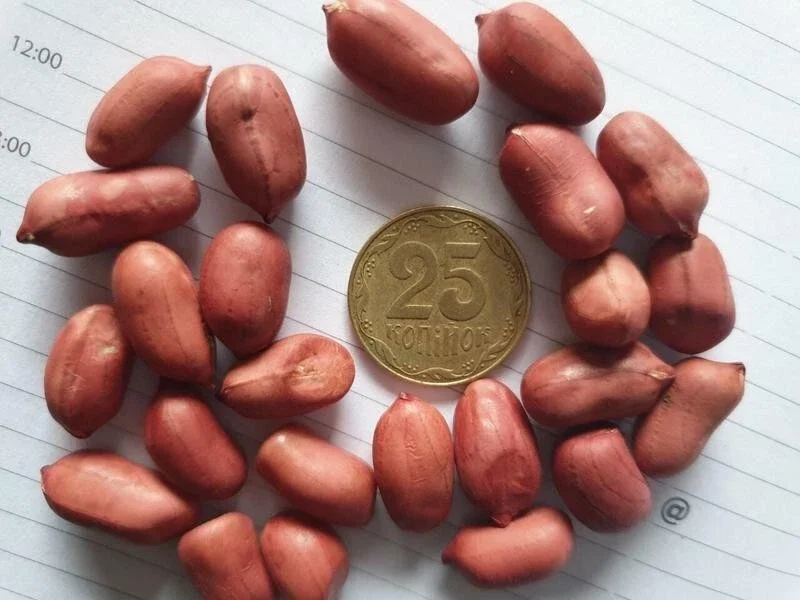



Spanish Peanut Seeds for Planting – 50+ Count, High Germination, Outdoor Vegetable
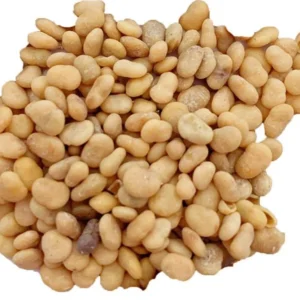
Cultivate your own harvest of flavorful peanuts with these Spanish peanut seeds. This pack contains 50+ high germination seeds, perfect for home gardeners. Enjoy fresh, homegrown produce superior to store-bought varieties. Ideal for roasting, snacking, and making homemade peanut butter, these outdoor vegetable seeds are easy to grow and thrive in various climates.
$11.38

With our Alive & Thrive Guarantee, we’ve got your back for the first 30 days! If you have any concerns about your plants, just reach out to us. Our team is here to help answer your questions and guide you in selecting the best plants for your garden, climate, and unique preferences. We're excited to help you create the garden of your dreams!
Estimated arrival
Oct 08
Oct 13 - Oct 15
Oct 18 - Oct 22


Product Details
-
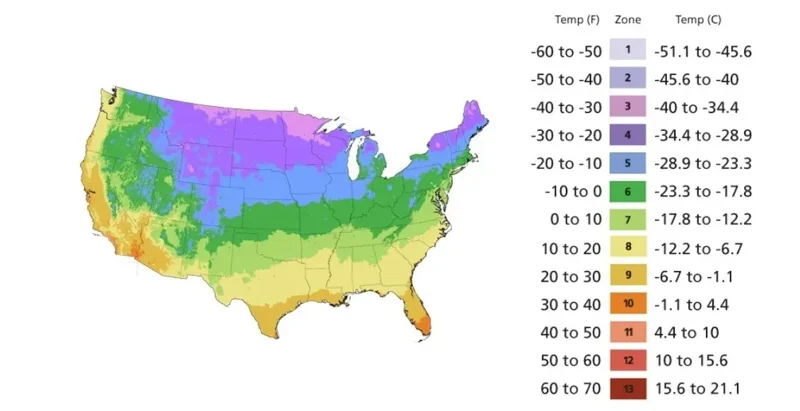
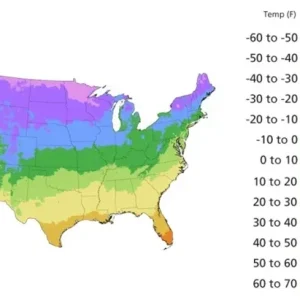
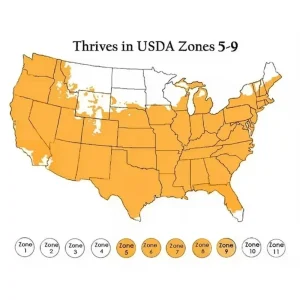
USDA Hardiness Zone
unknown -
Soil type
well-draining sandy loam -
Sunlight Exposure
full sun -
Expected Planting Period
late spring to early summer
Overview
Cultivate your very own bountiful harvest with our premium pack of Spanish peanut seeds. This offering includes 50+ high-quality seeds, ensuring you have ample opportunity to grow a successful crop of delicious peanuts right in your backyard. Spanish peanuts (Arachis hypogaea ‘Spanish’) are celebrated for their distinctive nutty flavor and high oil content, making them a favorite for snacking, roasting, and butter production. These particular seeds boast a high germination rate, providing confidence for both novice and experienced gardeners aiming for a productive yield. Planting these peanut planting seeds is a rewarding experience, leading to fresh, homegrown produce that far surpasses store-bought alternatives in taste and quality.
Originating from the United States, these Spanish peanut seeds are suited for various climates, including dry, sub-tropical, temperate, and highland regions. They are an excellent choice for anyone looking to add a unique and nutritious crop to their garden. With proper care, you can expect healthy, clumping plants that are relatively easy to manage. Embrace the joy of gardening and the satisfaction of harvesting your own peanuts with these reliable seeds.
Key Benefits
Growing your own peanuts from these Spanish peanut seeds offers a multitude of benefits, from the freshness of your harvest to the educational experience it provides. Peanuts are not only a versatile culinary ingredient but also a fascinating plant to cultivate.
- Exceptional Freshness and Flavor: Enjoy the unparalleled taste of freshly harvested peanuts, which are far superior to commercially processed varieties. You control the growing conditions, ensuring a pure and natural product. Discover the joy of how to grow Spanish peanuts right at home.
- High Germination Rate: Our high germination seeds provide a greater chance of success, meaning more plants from fewer seeds. This makes your gardening efforts more efficient and rewarding, ensuring a robust start for your peanut crop.
- Nutrient-Rich Harvest: Peanuts are packed with protein, healthy fats, and essential vitamins and minerals, offering a nutritious addition to your diet. Growing your own ensures you have a healthy snack readily available.
- Easy to Grow: These peanut planting seeds are known for their ease of cultivation, making them suitable even for beginner gardeners. With basic care, you can expect a successful crop of delicious peanuts.
- Versatile Culinary Uses: From roasting and boiling to making homemade peanut butter, your homegrown peanuts can be used in a variety of delicious ways. The rich flavor of Spanish peanut seeds makes them ideal for various recipes.
- Soil Enrichment: As legumes, peanut plants fix nitrogen in the soil, naturally improving its fertility for subsequent crops. This is a great benefit for sustainable gardening practices, enhancing your garden’s overall health.
- Outdoor Vegetable Seeds: Specifically selected for outdoor planting, these seeds thrive in garden beds, contributing to a vibrant and productive outdoor space. They are perfect for expanding your home garden with a unique and rewarding crop.
Plant Care & Growing Tips
Successful cultivation of Spanish peanut seeds requires attention to a few key environmental factors and care routines. Peanuts thrive in warm climates and prefer a long growing season. It’s crucial to plant them after the last frost, typically in late spring or early summer, when soil temperatures are consistently above 65°F (18°C). The ideal planting time is about 12 weeks before the first expected frost in your area, allowing ample time for the peanuts to mature. If you’re wondering how to grow Spanish peanuts successfully, timing is key.
For optimal growth, Spanish peanut seeds require full sun exposure, meaning at least 6-8 hours of direct sunlight per day. They prefer well-draining soil with a neutral pH (around 6.0-7.0). Sandy loam is ideal, but they can adapt to chalk or clay soils as long as drainage is good. Avoid heavy, compacted soils, which can hinder the development of the peanut pods. Amend your soil with organic matter to improve structure and fertility if needed. Watering should be consistent and medium; keep the soil moist but not waterlogged, especially during flowering and pod development. Reduce watering as harvest approaches to prevent mold.
Peanut plants are generally easy to care for, but watch out for common pests like aphids and leaf spot diseases. Good air circulation and proper spacing between plants can help prevent fungal issues. Fertilize sparingly, as peanuts are nitrogen-fixing legumes. A fertilizer low in nitrogen and higher in phosphorus and potassium is generally recommended, applied at planting and again during the flowering stage. These outdoor vegetable seeds will reward you with a robust harvest if these guidelines are followed. Achieving a high germination rate starts with proper soil preparation and consistent care.
Size & Details
This package contains 50+ Spanish peanut seeds, providing a generous quantity for your planting needs. Each seed is carefully selected to ensure viability and a high germination rate. Spanish peanut plants typically grow into a clumping habit, reaching a height of about 12 to 18 inches and spreading similarly wide. The pods develop underground, a unique characteristic of this fascinating plant. From planting to harvest, the growing cycle for Spanish peanuts is generally around 120-150 days, depending on your climate and growing conditions. The seeds are suitable for direct sowing outdoors once the threat of frost has passed and soil temperatures are warm enough. Expect a mature plant that produces several clusters of peanuts, ready for digging up when the foliage begins to yellow. These peanut planting seeds offer great potential for a bountiful harvest.
Frequently Asked Questions
- Q: How many peanuts can I expect from these 50+ seeds? A: While yields vary based on growing conditions, these high germination seeds provide a strong start. Each successful plant can produce numerous pods, with each pod containing several peanuts. With 50+ seeds, you have the potential for a significant harvest, allowing you to truly grow Spanish peanuts at scale.
- Q: What is the best time to plant these Spanish peanut seeds? A: The best time to plant Spanish peanut seeds is after the last spring frost, when soil temperatures are consistently warm, ideally above 65°F (18°C). This usually falls between late April and early June in most regions suitable for peanut cultivation.
- Q: Are these peanuts suitable for making peanut butter? A: Yes, Spanish peanuts are an excellent choice for making homemade peanut butter due to their high oil content and rich flavor. Roasting them before grinding enhances their natural taste, making them perfect for this culinary use.
- Q: How much sunlight do Spanish peanut plants need? A: Spanish peanut plants thrive in full sun, requiring at least 6 to 8 hours of direct sunlight daily to produce a good crop. Ensure they are planted in an area of your garden that receives abundant light for optimal development.
- Q: What kind of soil is best for growing Spanish peanuts? A: Spanish peanuts prefer well-draining, sandy loam soil with a neutral pH (6.0-7.0). Good drainage is crucial for pod development, so avoid heavy clay soils that retain too much moisture.
- Q: Is it difficult to grow peanuts from seeds? A: Growing peanuts from these outdoor vegetable seeds is considered relatively easy, making it a good project for gardeners of all skill levels. They require consistent warmth, sunlight, and proper soil conditions, but are generally low-maintenance once established.
- Q: How do I know when the peanuts are ready for harvest? A: Peanuts are typically ready for harvest when the leaves begin to turn yellow and the plant starts to wilt, usually around 120-150 days after planting. Dig up a test plant to check if the pods are fully formed and the kernels are plump inside.
- Q: Can these seeds be grown in containers? A: While possible, growing Spanish peanuts in containers requires large pots (at least 5-gallon capacity per plant) to accommodate their root system and underground pod development. Ensure good drainage and provide consistent moisture and sunlight.
- Q: Do I need to shell the peanuts before planting the seeds? A: Yes, for best germination results, it is recommended to gently shell the peanuts just before planting. Be careful not to damage the delicate seed inside.
- Q: Will these Spanish peanut seeds grow in my climate? A: These seeds are versatile and can grow in various climates including dry, sub-tropical, temperate, and highland regions, provided they receive sufficient warmth and a long enough growing season. They are primarily suited for outdoor cultivation.
Related products
-50%

Original price was: $39.96.$19.98Current price is: $19.98.
-48%
Original price was: $28.99.$14.99Current price is: $14.99.
-50%

Original price was: $59.96.$29.98Current price is: $29.98.
-50%

Original price was: $15.00.$7.50Current price is: $7.50.
-50%
Original price was: $39.96.$19.98Current price is: $19.98.
-48%
Original price was: $28.99.$14.99Current price is: $14.99.
-50%
Original price was: $17.00.$8.50Current price is: $8.50.
PLANTING & CARE
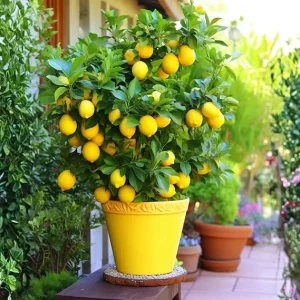
Lemon Tree Growing: Choose, Plant, and Harvest
Learn how to choose, plant, feed, and protect a lemon tree so it fits your
23
Sep
Sep
Dwarf Meyer Lemon Tree Australia: Climate Guide
Learn where dwarf Meyer lemon trees grow, how much cold they tolerate, and whether Australia,
Where to Buy a Dwarf Meyer Lemon Tree: Buyer’s Guide
Find the right dwarf Meyer lemon tree online or locally, compare starter sizes and costs,
Dwarf Meyer Lemon Tree for Sale: Buying Guide
Compare Meyer lemon tree sizes, prices, shipping limits, indoor growing and California options before you
Dwarf Meyer Lemon Tree Guide: Size, Care and Fruit
META: Learn how large a dwarf Meyer lemon tree grows, where it thrives, and how
How to Prune a Dwarf Meyer Lemon Tree
Learn when and how to prune a dwarf Meyer lemon tree, including tools, shaping cuts,
Can You Grow a Dwarf Meyer Lemon Tree in a Pot?
META: Learn how to grow a dwarf Meyer lemon tree in a pot, including container
When Do Dwarf Meyer Lemon Trees Bloom and Fruit?
META: Dwarf Meyer lemon trees usually bloom from winter through spring and may flower again