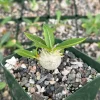
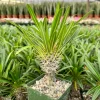
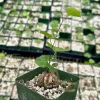
Elephant’s Foot Live Plant – Dioscorea elephantipes Succulent – 4 inch pot
-22%
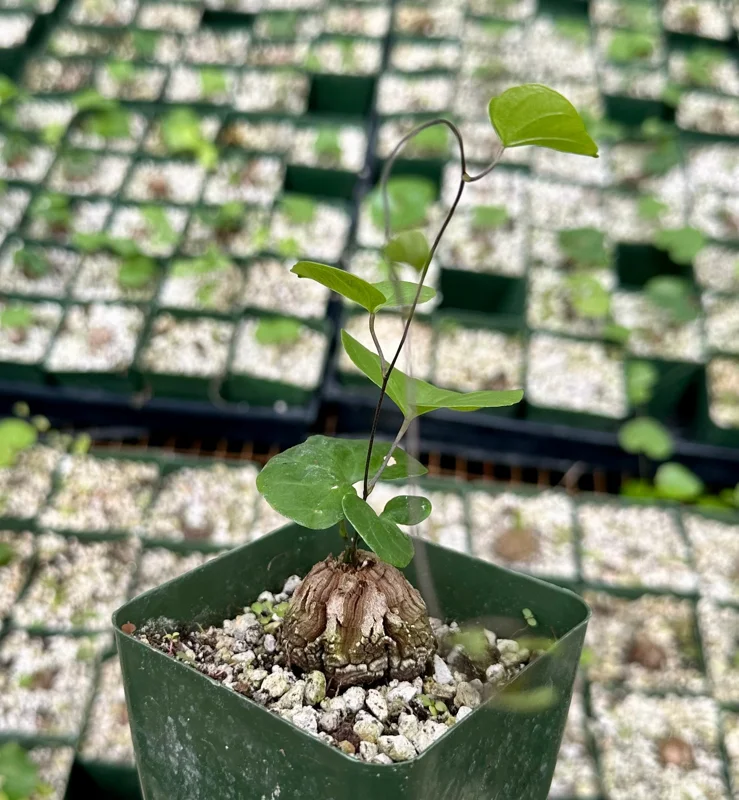
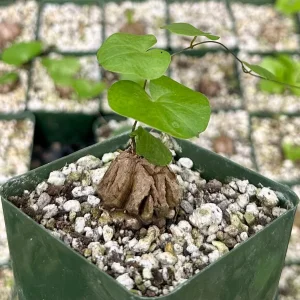
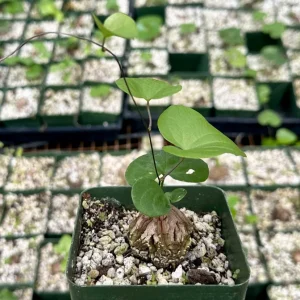
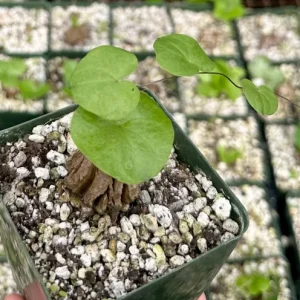
Elephant’s Foot Live Plant – Dioscorea elephantipes Succulent – 4 inch pot
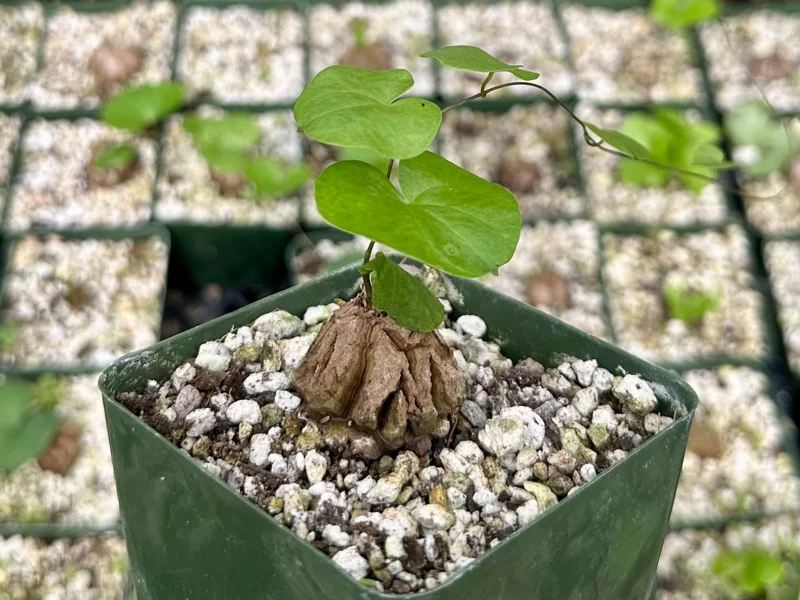
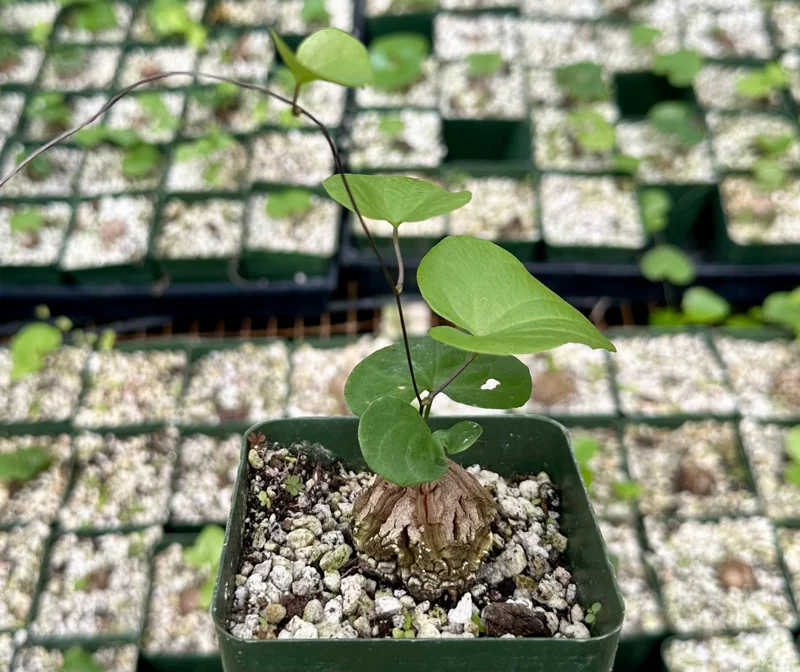
Introduce an extraordinary Elephant’s Foot live plant, scientifically known as Dioscorea elephantipes, to your collection. This fascinating rare caudex plant arrives in a 4 inch pot, offering unique ornamental appeal and remarkable drought tolerance. Ideal for indoor environments, this exotic succulent plant is a true collector’s item with a distinctive spherical caudex and a long lifespan. Enjoy the beauty of this low-maintenance and captivating Hottentot bread plant.
Original price was: $67.99.$52.99Current price is: $52.99.

With our Alive & Thrive Guarantee, we’ve got your back for the first 30 days! If you have any concerns about your plants, just reach out to us. Our team is here to help answer your questions and guide you in selecting the best plants for your garden, climate, and unique preferences. We're excited to help you create the garden of your dreams!
Estimated arrival
Oct 14
Oct 19 - Oct 21
Oct 24 - Oct 28
Product Details
-
USDA Hardiness Zone
USDA zones 9-11 -
Soil type
Well-draining succulent or cactus potting mix -
Sunlight Exposure
Full sun to partial shade -
Expected Planting Period
Year-round indoors, or fall/spring for repotting
Overview
Introduce an extraordinary botanical specimen to your home with the Elephant’s Foot live plant, a fascinating caudiciform succulent that promises to be a focal point in any plant collection. Scientifically known as Dioscorea elephantipes, this rare and exotic plant is often referred to as Hottentot bread plant due to its distinctive, large, and spherical caudex. Native to South Africa, the Dioscorea elephantipes care is straightforward, making it a rewarding experience for enthusiasts. This mature specimen arrives as a healthy live plant in 4 inch pot, ready to acclimate to its new environment. While the Elephant’s Foot live plant may enter dormancy, losing its leaves and drying back in late summer, it will reawaken with fresh shoots and vibrant foliage in cooler temperatures, offering a continuous cycle of growth and renewal.
The Elephant’s Foot live plant is a true collector’s item, appealing to those who appreciate unusual forms and low-maintenance care. Its slow growth and striking caudex make it an ideal choice for a unique indoor display, adding an element of natural artistry to your living space. This particular variety is cherished for its resilience and ability to adapt, making it a rewarding experience for both novice and experienced plant enthusiasts. Don’t miss the chance to own this captivating piece of nature, a testament to the diverse beauty of the plant kingdom. Understanding Dioscorea elephantipes care is key to its long-term health.
Key Benefits
The Elephant’s Foot live plant offers a multitude of benefits, making it a highly desirable addition to any plant enthusiast’s collection. Its unique characteristics contribute to its appeal and ease of care, ensuring a rewarding ownership experience with this exotic succulent plant.
- Striking Ornamental Appeal: The most significant benefit is its highly distinctive, large, spherical caudex, which provides an unparalleled aesthetic. This natural sculpture makes the Elephant’s Foot live plant a captivating centerpiece and a true conversation starter in any room. The unique form of this rare caudex plant adds a sculptural element to any decor.
- Drought Tolerance: This plant is exceptionally drought-tolerant, requiring infrequent watering. This makes it a perfect choice for busy individuals or those who tend to forget watering schedules, ensuring the plant remains healthy with minimal effort. This is a crucial aspect of Dioscorea elephantipes care, making it a resilient choice.
- Low Maintenance: Beyond its watering needs, the rare caudex plant is remarkably easy to care for, thriving on neglect rather than constant attention. It requires minimal pruning and generally resists common pests, simplifying its upkeep and making it perfect for beginners.
- Collector’s Item: Due to its unique form and relatively slow growth, the Elephant’s Foot live plant is a prized possession for succulent and caudiciform collectors. Owning one adds prestige and diversity to a specialized plant collection, making it a conversation piece.
- Adaptable to Indoor Environments: While native to South Africa, this plant adapts well to indoor conditions, especially in bright, well-lit spaces. It doesn’t demand high humidity, making it suitable for most household environments, further simplifying Dioscorea elephantipes care.
- Long Lifespan: With proper care, the Hottentot bread plant can live for many decades, becoming a long-term companion and a living heirloom that can be passed down through generations, offering enduring beauty.
- Unique Growth Cycle: Its fascinating dormancy period, where it sheds leaves and then reawakens, offers a dynamic and engaging aspect to plant ownership, showcasing nature’s resilience and cyclical beauty. This cycle is a testament to the plant’s natural adaptations.
Plant Care & Growing Tips
Caring for your Elephant’s Foot live plant, or Dioscorea elephantipes, is relatively straightforward, but understanding its unique needs will ensure its longevity and robust growth. This rare caudex plant thrives with specific conditions that mimic its native South African habitat. For optimal health, provide full sun to partial shade; ideally, it should receive at least 4-6 hours of direct sunlight daily, especially when actively growing. If grown indoors, a south-facing window or a spot with ample bright, indirect light is perfect. During its growing season, rotate the plant occasionally to ensure even light exposure to the caudex and foliage. Be mindful of its dormancy cycle: the plant will naturally lose its leaves and the vine will dry back, typically by late June in warmer climates, reawakening in the fall with cooler temperatures. This natural cycle is a key part of Dioscorea elephantipes care.
When it comes to watering, the exotic succulent plant is highly drought-tolerant. Water thoroughly when the soil is completely dry, then allow it to dry out again before the next watering. Overwatering is the most common cause of problems, leading to caudex rot. During dormancy, reduce watering significantly, or stop altogether, resuming only when new growth appears. The ideal soil for this unique succulent is a very well-draining mix, such as a succulent or cactus potting mix, optionally amended with extra perlite or pumice to enhance drainage. A slightly acidic to neutral pH is preferred. The plant is hardy in USDA zones 9-11, preferring temperatures above 50°F (10°C). Fertilize sparingly, perhaps once or twice during the active growing season with a diluted balanced liquid fertilizer. Common problems usually stem from overwatering or insufficient light, so adjust these factors if you notice any issues, following proper Dioscorea elephantipes care guidelines.
Size & Details
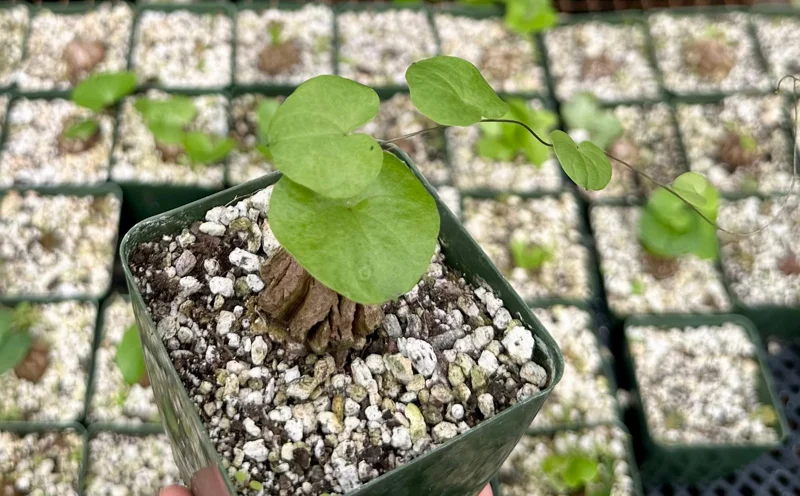
This offering is for one Elephant’s Foot live plant, specifically a Dioscorea elephantipes, provided in a 4 inch pot. The caudex, the distinctive woody base, will vary in size but will be well-established and healthy. While individual growth rates vary, these plants typically grow slowly, with the caudex gradually expanding over many years. The plant produces long, twining stems that can reach up to 20 feet in length in their natural habitat, but will be more manageable in a container. The heart-shaped leaves are a vibrant green and glossy. Your rare caudex plant will arrive carefully packaged to ensure its safety during transit, ready for you to place in its new home. Expect the plant to establish itself over a few weeks, and remember its natural dormancy cycle where it sheds its foliage before regrowing. This Hottentot bread plant is a long-term investment, offering years of unique beauty and requiring consistent Dioscorea elephantipes care.
Frequently Asked Questions
- Q: How big does this Elephant’s Foot live plant get? A: The caudex of the Dioscorea elephantipes can grow quite large over many years, potentially reaching up to 1.5 feet in diameter in ideal conditions. The vine can grow several feet long, but can be trimmed to maintain a desired length, which is part of Dioscorea elephantipes care.
- Q: Is this an indoor or outdoor plant? A: The Elephant’s Foot live plant can be grown indoors in bright light or outdoors in USDA zones 9-11. If you live in a colder climate, it’s best to grow it as an indoor plant or bring it inside during colder months to protect this exotic succulent plant.
- Q: How much sunlight does it need? A: This exotic succulent plant thrives in full sun to partial shade, meaning it prefers at least 4-6 hours of direct sunlight daily, especially during its active growing phase. Bright indirect light is also acceptable indoors.
- Q: Is this plant easy to care for? A: Yes, the Elephant’s Foot live plant is considered relatively easy to care for, especially for those familiar with succulents. Its drought tolerance and minimal needs make it a good choice for beginners once its dormancy cycle is understood. Proper Dioscorea elephantipes care is simple but specific.
- Q: What condition will the Dioscorea elephantipes arrive in? A: Your plant will arrive as a healthy, established live plant in 4 inch pot, carefully packaged to minimize stress during shipping. It may be entering or exiting dormancy depending on the season, which is a natural part of its life cycle.
- Q: When is the best time to plant or repot this rare caudex plant? A: The best time to plant or repot your Elephant’s Foot live plant is during its active growing season, typically in the fall or spring, when it is producing new foliage. Avoid repotting during its dormancy period.
- Q: Will the Hottentot bread plant survive winter in my zone? A: This plant is cold-sensitive and prefers temperatures above 50°F (10°C). If you are in a zone colder than USDA 9, it must be protected from frost or brought indoors during winter.
- Q: How often should I water my Elephant’s Foot live plant? A: Water thoroughly when the soil is completely dry. During its active growth, this might be every 2-4 weeks. During dormancy, reduce watering significantly or stop until new growth emerges. This is a critical part of Dioscorea elephantipes care.
- Q: Is the Dioscorea elephantipes prone to any specific pests? A: It is generally pest-resistant, but like most plants, it can occasionally encounter mealybugs or spider mites. Regular inspection and prompt treatment with insecticidal soap can manage any issues.
- Q: Does the rare caudex plant produce flowers? A: Yes, the Elephant’s Foot live plant can produce small, greenish-yellow flowers, typically on mature plants. These are generally inconspicuous compared to its prominent caudex.
Related products
-30%
Original price was: $47.98.$33.58Current price is: $33.58.
-30%
Original price was: $129.98.$90.98Current price is: $90.98.
-30%
Original price was: $79.98.$55.98Current price is: $55.98.
-30%
Original price was: $47.98.$33.58Current price is: $33.58.
PLANTING & CARE
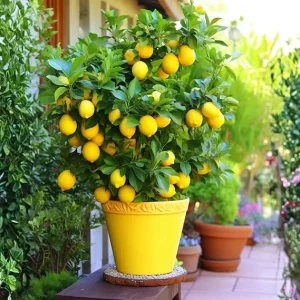
Lemon Tree Growing: Choose, Plant, and Harvest
Learn how to choose, plant, feed, and protect a lemon tree so it fits your
23
Sep
Sep
Dwarf Meyer Lemon Tree Australia: Climate Guide
Learn where dwarf Meyer lemon trees grow, how much cold they tolerate, and whether Australia,
Where to Buy a Dwarf Meyer Lemon Tree: Buyer’s Guide
Find the right dwarf Meyer lemon tree online or locally, compare starter sizes and costs,
Dwarf Meyer Lemon Tree for Sale: Buying Guide
Compare Meyer lemon tree sizes, prices, shipping limits, indoor growing and California options before you
Dwarf Meyer Lemon Tree Guide: Size, Care and Fruit
META: Learn how large a dwarf Meyer lemon tree grows, where it thrives, and how
How to Prune a Dwarf Meyer Lemon Tree
Learn when and how to prune a dwarf Meyer lemon tree, including tools, shaping cuts,
Can You Grow a Dwarf Meyer Lemon Tree in a Pot?
META: Learn how to grow a dwarf Meyer lemon tree in a pot, including container
When Do Dwarf Meyer Lemon Trees Bloom and Fruit?
META: Dwarf Meyer lemon trees usually bloom from winter through spring and may flower again