Madagascar Palm Live Plant, Pachypodium Lamerei, Rare Succulent, 3 inch Pot
-23%
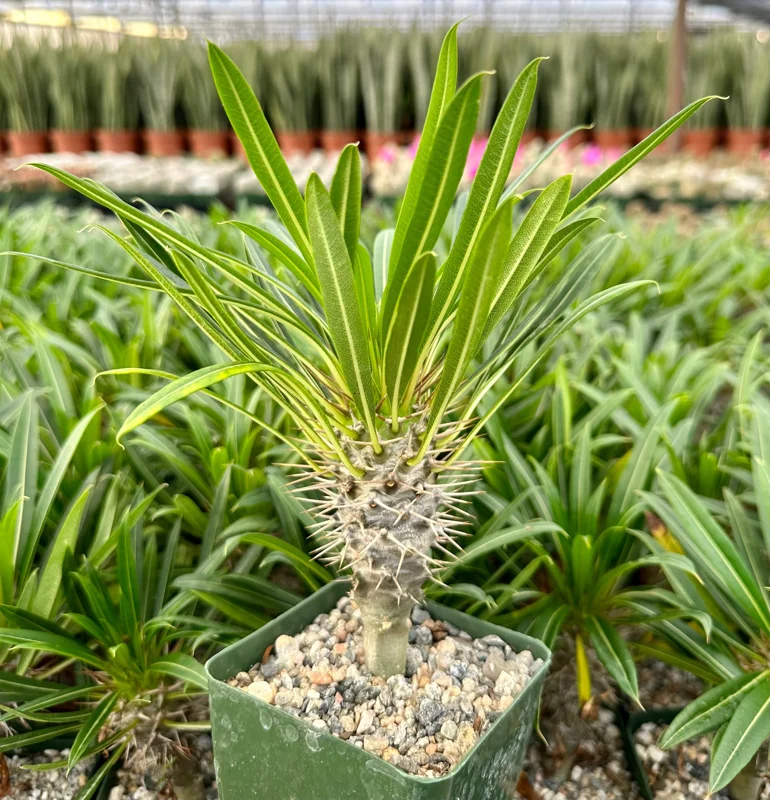
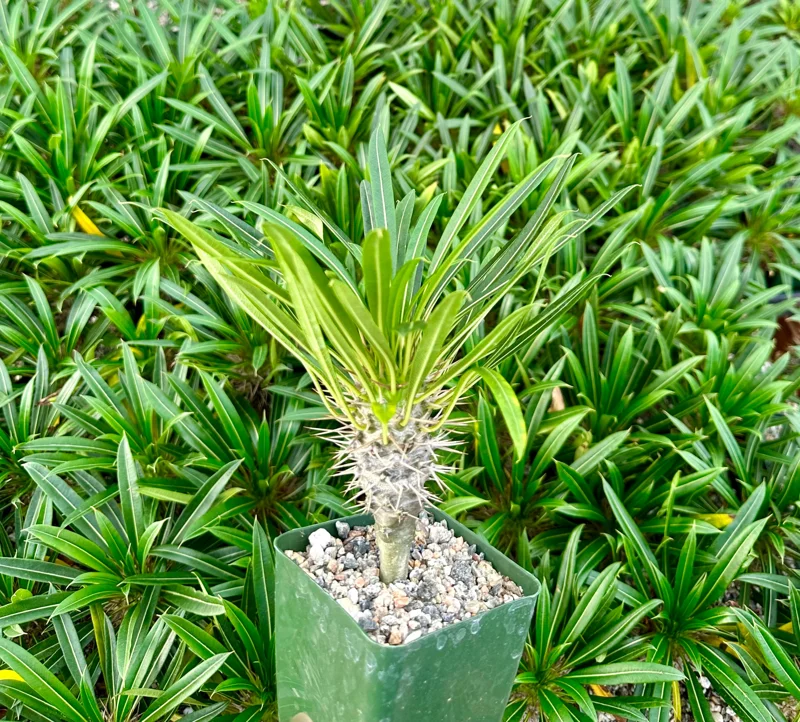
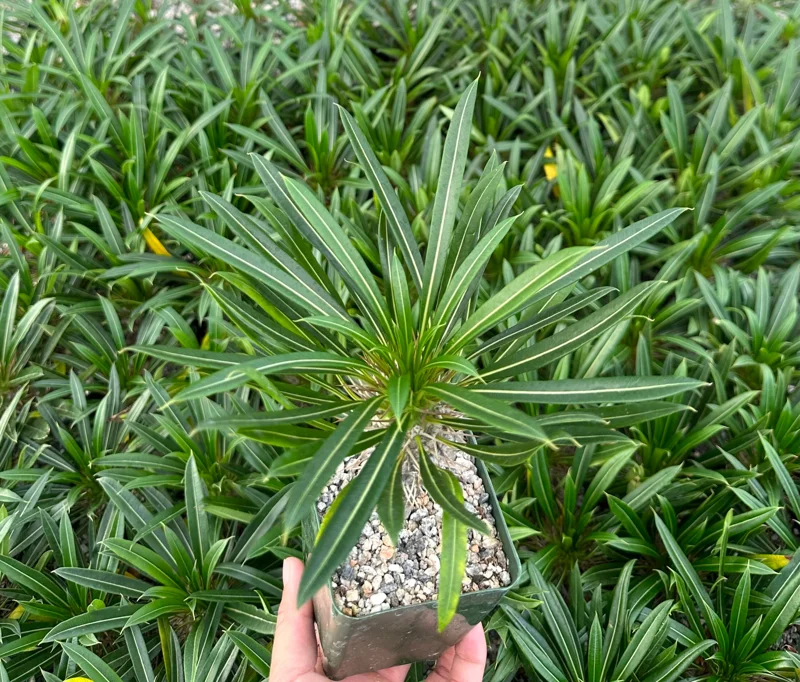
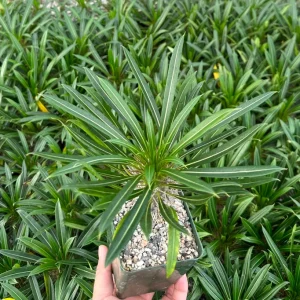
Madagascar Palm Live Plant, Pachypodium Lamerei, Rare Succulent, 3 inch Pot
Introduce an exotic touch with the Madagascar Palm live plant, scientifically known as Pachypodium lamerei. This unique spiny trunk plant is a drought-tolerant succulent, perfect for those seeking a low-maintenance yet visually striking addition to their collection. Shipped in a 3 inch nursery pot, it’s an excellent indoor succulent plant or outdoor specimen in warmer climates.
Original price was: $63.99.$48.99Current price is: $48.99.

With our Alive & Thrive Guarantee, we’ve got your back for the first 30 days! If you have any concerns about your plants, just reach out to us. Our team is here to help answer your questions and guide you in selecting the best plants for your garden, climate, and unique preferences. We're excited to help you create the garden of your dreams!
Estimated arrival
Oct 14
Oct 19 - Oct 21
Oct 24 - Oct 28

Product Details
-
USDA Hardiness Zone
USDA zones 9-11 -
Soil type
Well-draining cactus or succulent potting mix -
Sunlight Exposure
Full sun to partial shade -
Expected Planting Period
Year-round indoors
Overview
Introduce an extraordinary botanical specimen to your collection with the Madagascar Palm live plant. Despite its common name, this captivating succulent, scientifically known as Pachypodium lamerei, is not a true palm but a member of the succulent family native to the arid regions of Madagascar. Its striking appearance, characterized by a thick, spiny gray trunk and a crown of glossy, lance-shaped green leaves, makes it a focal point in any plant arrangement. This unique structure, with its densely covered spines, serves not only as a defense mechanism against herbivores in its natural habitat but also as a natural water storage organ, allowing the plant to endure periods of drought. The Madagascar Palm live plant offers a blend of succulent resilience and tree-like grandeur, making it a truly intriguing and rewarding plant for enthusiasts.
The Madagascar Palm live plant is a fantastic choice for those seeking a low-maintenance yet visually dramatic addition. Its ability to store water within its trunk contributes to its drought tolerance, making it ideal for busy individuals or those new to succulent care. When mature, it can produce beautiful, fragrant white flowers, adding another layer of appeal to its already impressive presence. This rare succulent for sale offers a touch of the exotic, bringing a piece of Madagascar’s unique flora into your home or garden.
Key Benefits
The Madagascar Palm live plant offers a multitude of benefits that make it a standout choice for both novice and experienced plant collectors. Its unique characteristics contribute to its appeal and ease of care, making Pachypodium lamerei care surprisingly simple.
- Striking Visual Appeal: With its robust, spiny trunk plant and elegant rosette of leaves, the Madagascar Palm live plant creates a dramatic focal point, adding an exotic and architectural element to any indoor or outdoor space. It truly stands out among other succulents.
- Exceptional Drought Tolerance: As a succulent, it’s expertly adapted to dry conditions, storing water in its trunk. This makes it incredibly forgiving if you occasionally forget to water, ideal for low-maintenance gardening.
- Low Maintenance: Requiring minimal fuss, this plant is perfect for busy individuals. Once established, it needs infrequent watering and thrives with bright light, making it an easy-care companion.
- Unique Form: Its distinctive appearance, often resembling a miniature palm tree despite being a succulent, offers a conversation starter and a unique aesthetic that differentiates it from common houseplants. This makes it a truly rare succulent for sale.
- Potential for Beautiful Blooms: While it takes time, mature Madagascar Palms can produce clusters of fragrant, tubular white flowers, enhancing its ornamental value and offering a delightful surprise.
- Versatile Placement: Suitable for container growing, it can be enjoyed as an indoor succulent plant in colder climates or as an outdoor specimen in warmer zones, adapting well to various environments.
- Pest Resistant: The dense spines on its trunk offer natural protection, making it less susceptible to common garden pests, reducing the need for chemical treatments.
Plant Care & Growing Tips
Caring for your Madagascar Palm live plant is straightforward, thanks to its robust succulent nature. This plant thrives on neglect rather than over-attention. For optimal growth, provide plenty of bright light. It flourishes in full sun, ideally receiving at least 6 hours of direct sunlight per day, but can also tolerate partial shade. If grown indoors, place it near a south-facing window or under a grow light to ensure it gets adequate illumination. Insufficient light can lead to leggy growth and a less robust appearance. Remember that this Pachypodium lamerei care is simpler than many other tropical plants.
Watering is perhaps the most critical aspect of Madagascar Palm care. As a succulent, its primary vulnerability is root rot from excessive moisture. It’s essential to let the soil dry out completely between watering sessions. In warmer months, you might water every 2-4 weeks, while in winter, watering can be significantly reduced, perhaps once a month or even less, especially if the plant enters a dormant phase. Always check the soil moisture with your finger before watering. A well-draining soil mix is crucial; a cactus or succulent potting mix blended with perlite or pumice will provide the ideal foundation for its growth. This spiny trunk plant is frost-sensitive and requires protection in colder climates; it generally thrives in USDA zones 9-11 outdoors and should be brought indoors when temperatures drop below 40°F (4°C). This makes it an excellent indoor succulent plant for many.
Fertilize sparingly during the growing season (spring and summer) with a balanced liquid fertilizer diluted to half strength. Avoid fertilizing in fall and winter. While generally resilient, watch for common succulent pests like mealybugs or spider mites, though its spiny trunk often deters them. Good air circulation also helps prevent fungal issues. This rare succulent for sale offers a unique growing experience that is both rewarding and relatively easy.
Size & Details
This offering features a healthy Madagascar Palm live plant, shipped in a 3 inch nursery pot. At this size, the plant typically stands approximately 6-10 inches tall, including the pot, with its distinctive spiny trunk already beginning to form. Its growth rate is moderate, and with proper care, it can reach impressive heights over many years, potentially growing several feet tall when mature in optimal conditions, though it will remain smaller in a container. It ships as a well-rooted, established plant, ready to be acclimated to its new environment. The 3 inch pot provides a good starting size, allowing the plant to settle before requiring its first repotting into a slightly larger container, ideally with excellent drainage. This spiny trunk plant is a long-term companion, growing and developing its unique character over time.
The plant’s compact size in its initial 3 inch pot makes it perfect for windowsills, desks, or as part of a succulent arrangement. As it matures, it will develop a more pronounced, robust trunk and a larger crown of leaves. While it may not bloom in its first few years, with consistent care and adequate sunlight, you can look forward to its fragrant white flowers as it reaches maturity. Its resilience and unique form make it a fascinating specimen for any plant lover, whether you’re looking for a striking desk plant or a unique addition to your outdoor, frost-free garden. Its low-maintenance nature makes Pachypodium lamerei care suitable for beginners.
Frequently Asked Questions
- Q: How big does this plant get? A: In its 3 inch pot, the Madagascar Palm live plant is typically 6-10 inches tall. With optimal care, it can grow several feet tall over many years, especially if given a larger pot or planted in the ground in suitable climates.
- Q: Is this an indoor or outdoor plant? A: The Madagascar Palm can be grown both indoors and outdoors. It thrives outdoors in warm, frost-free climates (USDA zones 9-11). In colder regions, it makes an excellent indoor succulent plant, requiring plenty of sunlight.
- Q: How much sunlight does it need? A: This plant requires abundant sunlight. Ideally, it should receive at least 6 hours of direct sun daily. If grown indoors, a south-facing window is best, or supplemental grow lights can be used.
- Q: Is this plant easy to care for? A: Yes, the Madagascar Palm is considered relatively easy to care for, especially for those familiar with succulents. Its drought tolerance and preference for infrequent watering make it low maintenance, making Pachypodium lamerei care quite manageable.
- Q: What condition will it arrive in? A: Your Madagascar Palm live plant will arrive as a healthy, well-rooted specimen in its 3 inch nursery pot, carefully packaged to ensure its safe journey to your home.
- Q: How often should I water my Madagascar Palm? A: Water sparingly. Allow the soil to dry out completely between waterings. In summer, this might be every 2-4 weeks, and much less frequently in winter to prevent root rot.
- Q: What type of soil is best for this spiny trunk plant? A: A well-draining soil mix is crucial. Use a cactus or succulent potting mix, or create your own by adding perlite or pumice to a standard potting soil.
- Q: Will my Madagascar Palm flower? A: Mature Madagascar Palms can produce clusters of fragrant white flowers. This usually occurs after several years of growth and with sufficient sunlight and proper care.
- Q: Is this plant pet-safe? A: While the plant itself is not listed as highly toxic, its sharp spines can be a hazard to curious pets. It’s best to place it out of reach of pets and children.
- Q: What makes this a rare succulent for sale? A: The Madagascar Palm’s unique blend of succulent characteristics with a tree-like form, combined with its striking spiny trunk, makes it a distinctive and sought-after specimen among plant collectors.
Related products
-30%
Original price was: $79.98.$55.98Current price is: $55.98.
-30%
Original price was: $47.98.$33.58Current price is: $33.58.
-30%
Original price was: $79.98.$55.98Current price is: $55.98.
-30%
Original price was: $79.98.$55.98Current price is: $55.98.
-30%
Original price was: $79.98.$55.98Current price is: $55.98.
-30%
Original price was: $79.98.$55.98Current price is: $55.98.
PLANTING & CARE
Lemon Tree Growing: Choose, Plant, and Harvest
Learn how to choose, plant, feed, and protect a lemon tree so it fits your
23
Sep
Sep
Dwarf Meyer Lemon Tree Australia: Climate Guide
Learn where dwarf Meyer lemon trees grow, how much cold they tolerate, and whether Australia,
Where to Buy a Dwarf Meyer Lemon Tree: Buyer’s Guide
Find the right dwarf Meyer lemon tree online or locally, compare starter sizes and costs,
Dwarf Meyer Lemon Tree for Sale: Buying Guide
Compare Meyer lemon tree sizes, prices, shipping limits, indoor growing and California options before you
Dwarf Meyer Lemon Tree Guide: Size, Care and Fruit
META: Learn how large a dwarf Meyer lemon tree grows, where it thrives, and how
How to Prune a Dwarf Meyer Lemon Tree
Learn when and how to prune a dwarf Meyer lemon tree, including tools, shaping cuts,
Can You Grow a Dwarf Meyer Lemon Tree in a Pot?
META: Learn how to grow a dwarf Meyer lemon tree in a pot, including container
When Do Dwarf Meyer Lemon Trees Bloom and Fruit?
META: Dwarf Meyer lemon trees usually bloom from winter through spring and may flower again