English Walnut Tree Live Plant – 3-Pack – Up to 2 ft Tall – Outdoor
-50%
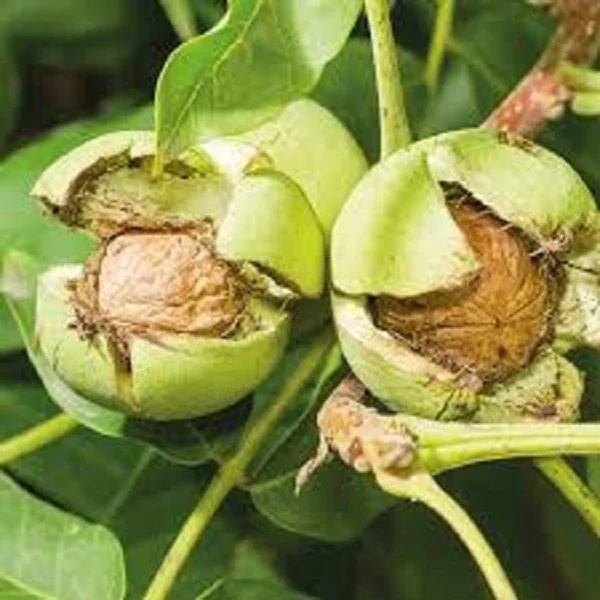
English Walnut Tree Live Plant – 3-Pack – Up to 2 ft Tall – Outdoor
Cultivate delicious nuts with this convenient English Walnut live plant 3-pack. Each tree is up to 2 ft tall, ready for outdoor planting. Enjoy the beauty and bounty of these productive shade trees.
Original price was: $265.98.$132.99Current price is: $132.99.

With our Alive & Thrive Guarantee, we’ve got your back for the first 30 days! If you have any concerns about your plants, just reach out to us. Our team is here to help answer your questions and guide you in selecting the best plants for your garden, climate, and unique preferences. We're excited to help you create the garden of your dreams!
Estimated arrival
Mar 31
Apr 05 - Apr 07
Apr 10 - Apr 14

Product Details
-
USDA Hardiness Zone
USDA Zones 4-9 -
Soil type
Deep, fertile, well-draining loamy soil -
Sunlight Exposure
Full sun (6-8+ hours daily) -
Expected Planting Period
Early spring or late fall
Overview
Bring the timeless beauty and bountiful harvest of a English Walnut live plant to your landscape. This special offer includes three robust English Walnut trees, each standing up to 2 feet tall, providing a fantastic starting point for establishing your own walnut grove or adding significant value to your garden. Known scientifically as Juglans regia, the English Walnut is celebrated not only for its delicious and nutritious nuts but also for its stately appearance and broad canopy, offering excellent shade. These young trees are ready to be planted outdoors, where they will thrive and eventually become magnificent specimens, producing high-quality walnuts for years to come. Investing in these Juglans regia tree specimens is a step towards sustainable living and enjoying fresh, homegrown produce.
The English Walnut is distinct from its American counterpart, the Black Walnut, primarily due to its smoother, easier-to-crack shells and milder-tasting nuts. These trees are a rewarding addition for both experienced gardeners and those new to growing fruit and nut trees. They offer a connection to nature and a tangible reward for your efforts. Each of the three trees in this pack has been carefully nurtured to ensure healthy growth and successful transplantation into your garden. Plant them with care and watch them flourish, transforming your outdoor space into a productive and picturesque environment.
Key Benefits
Adding an English Walnut tree to your property offers numerous advantages beyond just delicious nuts. These trees are an excellent investment, providing both aesthetic appeal and practical benefits.
- Productive Nut Harvest: Enjoy a consistent yield of high-quality, easy-to-crack walnuts, perfect for baking, snacking, or culinary use. The nuts from a mature English Walnut live plant are a superior choice for home growers.
- Stately Shade Tree: Develops into a large, impressive tree with a wide canopy, providing ample shade during hot summer months and enhancing the overall beauty of your landscape.
- Long-Term Investment: English Walnuts are long-lived trees that increase in value and productivity over decades, becoming a cherished part of your property.
- Wildlife Attraction: The nuts provide a valuable food source for local wildlife, contributing to the biodiversity of your garden ecosystem.
- Environmental Contribution: Like all trees, English Walnuts help improve air quality, reduce carbon dioxide, and support soil health.
- Educational Value: A fantastic opportunity for families to learn about tree growth, nut production, and sustainable gardening practices. Understanding walnut tree care is a rewarding experience.
- Culinary Versatility: Freshly harvested walnuts can be used in a myriad of dishes, from salads and desserts to savory meals, adding a rich, earthy flavor.
Plant Care & Growing Tips
Proper walnut tree care is essential for ensuring your English Walnut trees thrive and produce abundant nuts. These trees prefer a sunny location with at least 6-8 hours of direct sunlight per day. Adequate sunlight is crucial for nut development and overall tree health. When selecting a planting site, consider the mature size of the tree, as they can grow quite large, and ensure there’s enough space for their extensive root system and canopy without interfering with structures or other plants. They are best suited for outdoor environments and require plenty of room to spread.
English Walnuts prefer deep, fertile, well-draining soil. While they can tolerate a range of soil types, they perform best in loamy soils with a pH between 6.0 and 7.0. It’s important to ensure good drainage to prevent root rot. Regular watering is vital, especially during the establishment phase and dry periods. Young trees should be watered deeply and consistently, aiming for about an inch of water per week, either from rainfall or irrigation. Once established, they are more drought-tolerant but will benefit from supplemental watering during prolonged dry spells. Fertilize young trees annually in early spring with a balanced slow-release fertilizer to promote healthy growth. As the tree matures, adjust fertilization based on soil tests and tree vigor. Pruning should be done in late winter or early spring to remove dead, damaged, or crossing branches and to maintain a strong central leader, which is key to successful growing walnut trees.
English Walnut trees are generally hardy in USDA zones 4-9. They require a certain period of cold dormancy to produce nuts, making them unsuitable for tropical climates. Protect young trees from harsh winter winds and extreme summer heat. Be mindful of potential pests and diseases, such as walnut blight or various insect pests. Regular inspection and prompt action can help manage these issues effectively. These trees are a long-term commitment, but the reward of fresh, homegrown walnuts makes the effort worthwhile. Learning about growing walnut trees will ensure a successful harvest.
Size & Details
This offering includes three individual English Walnut live plant specimens, each carefully cultivated to reach an impressive height of up to 2 feet (approximately 24 inches) tall upon arrival. These young trees are in their vegetative growth stage, indicating they are actively developing roots and foliage, making them ideal for transplanting. While the exact container size may vary, they are typically shipped in a manner that protects their root system, such as bare-root or in small nursery pots, ready for immediate outdoor planting. English Walnuts are known for their moderate to fast growth rate, and with proper care, these trees will quickly establish themselves and begin to put on significant height each year.
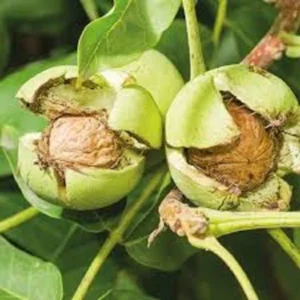
Once mature, a Juglans regia tree can reach heights of 50-70 feet with a similar spread, forming a majestic canopy. They typically begin bearing nuts within 5-10 years, with full production achieved around 15-20 years. The nuts are encased in a green husk that splits open when ripe, revealing the familiar brown, hard-shelled walnut. This 3-pack provides an excellent opportunity to start a small orchard or strategically place these valuable nut producing trees in different areas of your property for optimal yield and aesthetic benefit. Ensure adequate spacing between each tree to allow for their mature size and root development.
Frequently Asked Questions
- Q: How large will these English Walnut trees be when they arrive? A: Each English Walnut live plant in this 3-pack will be up to 2 feet tall upon arrival. They are young plants ready for outdoor planting.
- Q: What is the best time of year to plant these walnut trees? A: The ideal time for planting English Walnut trees is in early spring or late fall, when the weather is cool but the ground is not frozen, allowing the roots to establish before extreme temperatures.
- Q: How much sun do these trees need for optimal growth and nut production? A: For the best growth and nut yield, these nut producing trees require at least 6-8 hours of direct sunlight per day. Full sun exposure is highly recommended.
- Q: Are English Walnut trees difficult to care for? A: While they require consistent watering and some attention during their establishment phase, walnut tree care for established trees is relatively straightforward, primarily involving pruning and occasional fertilization.
- Q: How long until these trees start producing walnuts? A: English Walnut trees typically begin bearing nuts within 5-10 years, with significant harvests usually starting around 15-20 years after planting.
- Q: What type of soil is best for growing walnut trees? A: Growing walnut trees prefer deep, well-draining, fertile loamy soil with a neutral pH. Good drainage is crucial to prevent root issues.
- Q: Can I grow these trees in a pot? A: Due to their large mature size and extensive root system, English Walnut trees are not suitable for long-term container growth. They are best planted directly in the ground outdoors.
- Q: What USDA Hardiness Zones are suitable for the Juglans regia tree? A: The Juglans regia tree is generally hardy in USDA Zones 4 through 9, requiring a period of winter dormancy for proper development.
- Q: Will these trees attract wildlife to my garden? A: Yes, the nuts produced by English Walnut trees are a favorite food source for various wildlife, including squirrels and birds.
- Q: What should I know about pruning for growing walnut trees? A: Pruning should focus on developing a strong central leader and removing any dead, diseased, or crossing branches, typically performed in late winter or early spring when the tree is dormant.
Related products
-10%
Original price was: $36.99.$33.29Current price is: $33.29.
-20%
Original price was: $36.00.$28.80Current price is: $28.80.
PLANTING & CARE
Growing Glencoe Raspberry: A Complete Guide for Gardeners
If you’re looking to add something unique to your garden, look no further than the
31
Mar
Mar

The Comprehensive Guide to Growing Bay Leaf Plants for a Flavorful Garden
Imagine stepping into your garden, greeted by the earthy aroma of fresh bay leaves, their
09
Feb
Feb

How to Make Comfrey Tea: The Ultimate Organic Plant Food
Growing an organic garden can be surprisingly expensive, especially when most store-bought fertilizers come in
02
Feb
Feb

True Comfrey: 7 Essential Tips Before You Plant This Herb
A staple in permaculture practices across the US, True Comfrey easily earns its reputation as
27
Jan
Jan

7 Heart-Shaped Plants for a Lasting Valentine’s Gift
If you’ve ever bought a bouquet of roses for Valentine’s Day, you know they are
26
Jan
Jan

Best Types of Ivy Plant for Houses: How to Choose the Perfect Ones for Your Home
Are you a garden lover looking to introduce some greenery into your home? Maybe you’ve
14
Nov
Nov

When to Harvest Garlic (Especially Fall-Planted Garlic)
TIMING IS EVERYTHING, they say – and for garlic, that truth hits with surprising accuracy.
13
Nov
Nov

11 of the Best Sweet Potato Varieties to Grow for Your Garden
If you’ve ever tried growing sweet potatoes, you know that picking the right variety can
12
Nov
Nov