Hanging Lobster Claw Heliconia Rostrata Rhizomes – Pack of 2 Tropical Plant, 6-8 Inch Bare Root
-50%
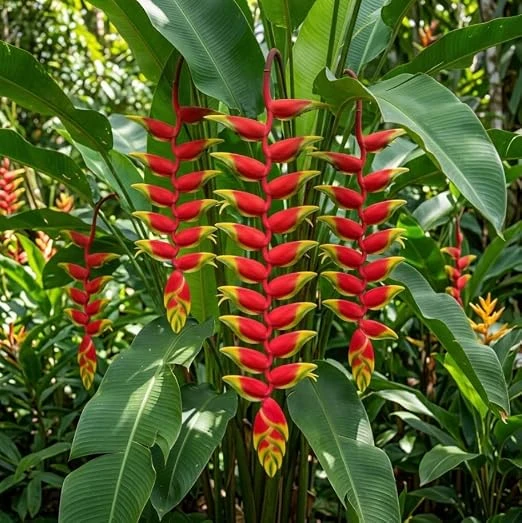
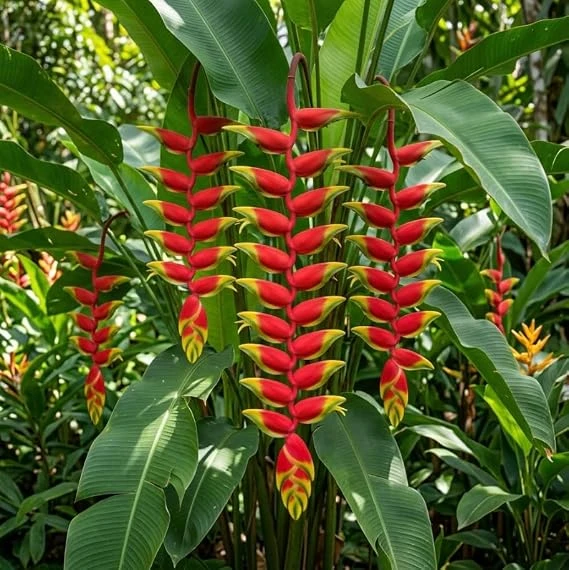
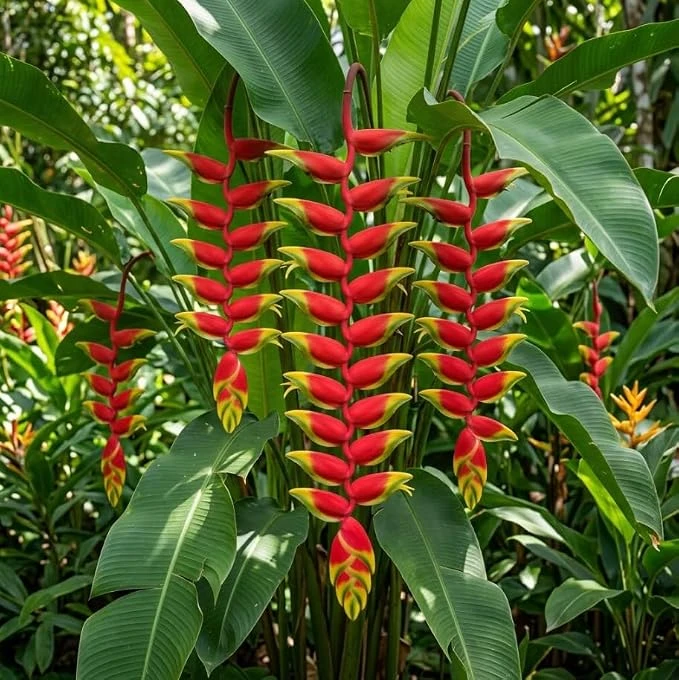
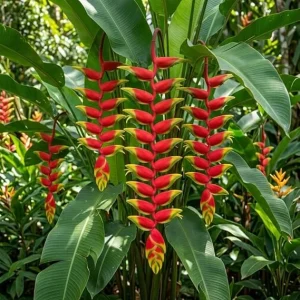
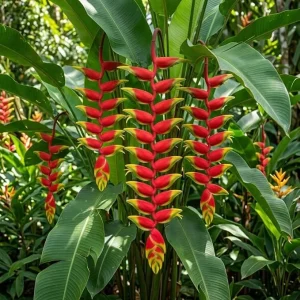
Hanging Lobster Claw Heliconia Rostrata Rhizomes – Pack of 2 Tropical Plant, 6-8 Inch Bare Root
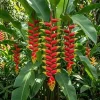
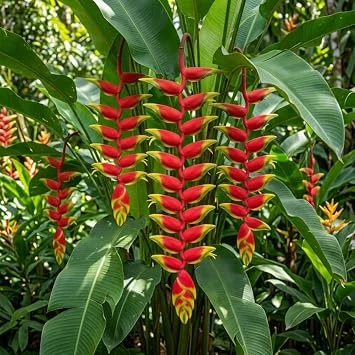
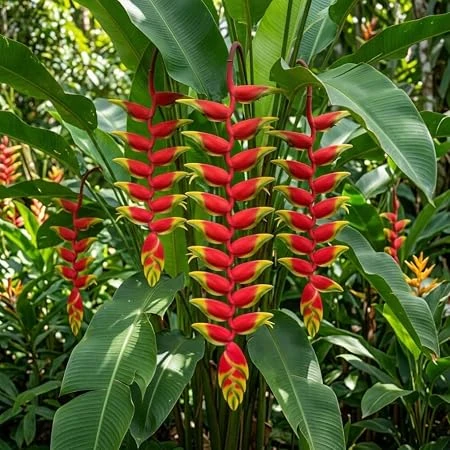
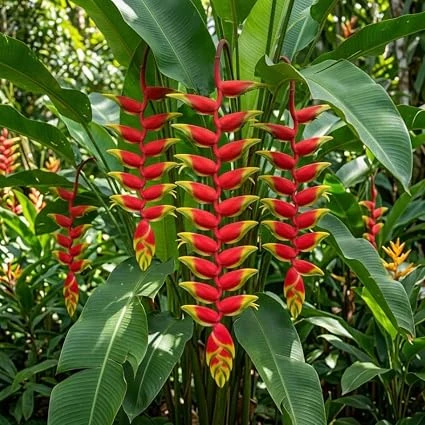
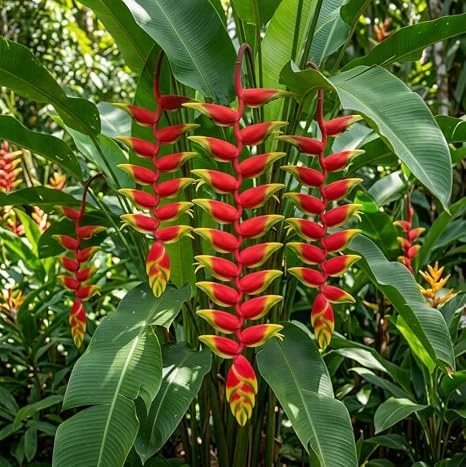
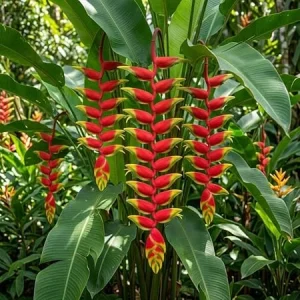
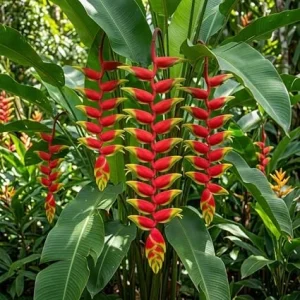
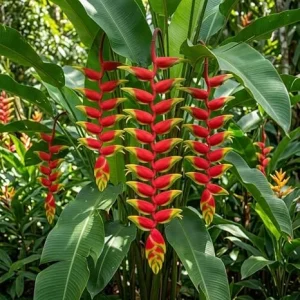
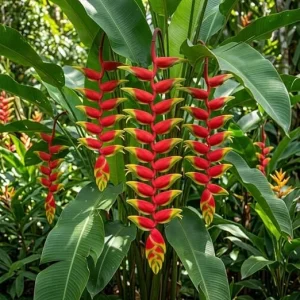
Cultivate stunning tropical beauty with this pack of 2 Heliconia rostrata rhizomes. Known as the hanging lobster claw plant, these well-rooted, 6-8 inch bare root sections are ideal for creating a vibrant, exotic landscape or container display. Easy to grow in warm climates, they quickly develop into lush plants with impressive red and yellow pendulous flowers.
Original price was: $75.98.$37.99Current price is: $37.99.

With our Alive & Thrive Guarantee, we’ve got your back for the first 30 days! If you have any concerns about your plants, just reach out to us. Our team is here to help answer your questions and guide you in selecting the best plants for your garden, climate, and unique preferences. We're excited to help you create the garden of your dreams!
Estimated arrival
Nov 03
Nov 08 - Nov 10
Nov 13 - Nov 17
Product Details
-
USDA Hardiness Zone
USDA Zones 9-11 -
Soil type
Rich, well-draining soil with organic matter -
Sunlight Exposure
Full sun to partial shade -
Expected Planting Period
Spring to early summer
Overview
Embark on a tropical gardening adventure with this pack of 2 Heliconia rostrata rhizomes. Also widely known as the hanging lobster claw plant or parrot’s beak, these bare root rhizomes offer an exciting opportunity to cultivate one of nature’s most spectacular flowering plants. Each rhizome is robust, well-rooted, and measures approximately 6-8 inches long, ensuring a strong start for your new tropical display. Heliconia rostrata is celebrated for its truly unique and eye-catching pendulous flower clusters, which feature vibrant red and yellow bracts that resemble the claws of a lobster. These magnificent blooms create a dramatic focal point in any garden, patio, or greenhouse, attracting hummingbirds and admirers alike. If you’re looking to add an exotic flair and a splash of bold color, growing Heliconia rostrata rhizomes is an excellent choice for both novice and experienced gardeners.
This particular variety, Heliconia rostrata, is a true showstopper, originating from the tropical Americas. It thrives in warm, humid environments, quickly establishing itself to produce large, banana-like foliage and, eventually, its iconic drooping inflorescences. Starting with these high-quality rhizomes ensures that your plant will adapt quickly and develop into a lush, thriving specimen. Imagine the striking visual impact these plants will have as their distinctive flowers emerge, bringing a piece of the rainforest directly to your outdoor space or a large conservatory. For anyone passionate about vibrant, architectural plants, the hanging lobster claw plant is an absolute must-have.
Key Benefits
Adding heliconia rostrata rhizomes to your garden or landscape offers a wealth of benefits, transforming ordinary spaces into extraordinary tropical havens. These plants are not only visually stunning but also relatively straightforward to care for once established, making them a rewarding choice for various gardening levels.
- Spectacular Tropical Blooms: The most prominent benefit is the incredible beauty of the ‘hanging lobster claw’ flowers. Their vibrant red and yellow bracts are unlike any other, providing a truly exotic and dramatic display that is guaranteed to capture attention.
- Attracts Pollinators: The striking blooms of the hanging lobster claw plant are a magnet for hummingbirds and other beneficial pollinators, bringing life and movement to your garden.
- Lush Foliage: Beyond the flowers, Heliconia rostrata produces large, paddle-shaped, banana-like leaves that create a dense, tropical backdrop, even when not in bloom. This adds to the overall lushness of your garden.
- Fast Growth & Establishment: These well-rooted heliconia rostrata rhizomes are designed for quick establishment, allowing you to enjoy mature plants and their spectacular flowers sooner. They adapt well after planting and can form impressive clumps over time.
- Versatile Planting Options: Suitable for tropical gardens, large containers on patios, greenhouse growing, and even as a bold landscape statement, offering flexibility in how you incorporate this stunning plant.
- Unique Cut Flowers: The long-lasting, showy blooms of the hanging lobster claw plant make exceptional cut flowers, bringing the exotic beauty of your garden indoors for stunning floral arrangements.
- Low Maintenance Once Established: While requiring specific conditions to thrive, once rooted and growing, heliconia care is relatively simple, primarily focusing on consistent moisture and warmth.
Plant Care & Growing Tips
Proper heliconia care is essential for ensuring your heliconia rostrata rhizomes flourish and produce their magnificent blooms. Heliconias are tropical plants and thrive in conditions that mimic their native habitats. They require consistent warmth, ample sunlight, and plenty of moisture. For optimal growth, plant your rhizomes in a location that receives full sun to partial shade. In very hot climates, some afternoon shade can prevent leaf scorching, but too much shade will reduce flowering. Aim for at least 6 hours of direct sunlight daily. The soil should be consistently moist but well-draining. Avoid waterlogged conditions, which can lead to rhizome rot. Incorporating plenty of organic matter into the soil will improve drainage while retaining essential moisture and nutrients.
When it comes to watering, regular and thorough irrigation is key, especially during dry periods and the growing season. Never allow the soil to dry out completely. Fertilize regularly during the growing season (spring through summer) with a balanced, slow-release granular fertilizer or a liquid feed rich in phosphorus to encourage flowering. Protect your plants from temperatures below 50°F (10°C), as heliconias are not frost-tolerant. In cooler climates, they can be grown in large containers and brought indoors during winter, or treated as annuals. For successful establishment of your tropical plant rhizomes, plant them about 4-6 inches deep in the soil, ensuring the ‘eyes’ or growth points are facing upwards. Regular division every few years can help rejuvenate older clumps and maintain vigorous growth. Understanding these heliconia growing tips will help you cultivate a thriving and blooming plant.
Size & Details
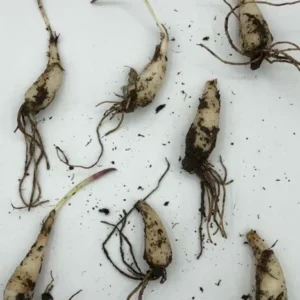
This offering includes a pack of 2 Heliconia rostrata rhizomes, each carefully selected and well-rooted. The individual rhizomes measure approximately 6-8 inches long, providing a substantial start for your plants. They are shipped as bare root rhizomes, meaning they arrive without leaves or a pot, which is a common and effective method for propagating these tropical beauties. Once planted, these rhizomes adapt quickly and begin to develop lush clumps of large, banana-like foliage, typically reaching heights of 5-10 feet in ideal conditions, though container-grown plants may be smaller. The impressive pendulous flower clusters, the hallmark of the hanging lobster claw plant, usually begin to appear after the plant has established itself, often within the first year or two, given proper care and a warm environment. Expect a moderate to fast growth rate under optimal conditions, leading to a stunning display of vibrant red and yellow blooms that can last for several weeks.
Frequently Asked Questions
- Q: How big does this plant get? A: In optimal tropical conditions, the hanging lobster claw plant can grow 5-10 feet tall with a similar spread. When grown in containers or cooler climates, its size may be more modest.
- Q: Is this an indoor or outdoor plant? A: Heliconia rostrata is primarily an outdoor plant for tropical and subtropical climates (USDA Zones 9-11). It can be grown indoors in large containers in greenhouses or bright sunrooms, especially in cooler regions.
- Q: How much sunlight does it need? A: This plant thrives in full sun to partial shade. It requires at least 6 hours of direct sunlight daily for the best flowering, though afternoon shade can be beneficial in extremely hot areas.
- Q: Is this plant easy to care for? A: Once established, heliconia care is relatively straightforward, focusing on consistent warmth, moisture, and feeding. It’s considered moderately easy for gardeners familiar with tropical plants.
- Q: What condition will it arrive in? A: Your order will include 2 Heliconia rostrata rhizomes shipped bare root, meaning they will not have leaves or a pot upon arrival. This is standard for rhizome propagation.
- Q: How long until it blooms? A: With proper care and ideal growing conditions, your tropical plant rhizomes can start blooming within 1-2 years after planting. Flowering is more consistent in established, mature plants.
- Q: What’s the best time to plant heliconia rostrata rhizomes? A: The best time to plant is in spring or early summer, after all danger of frost has passed and soil temperatures have warmed up. This gives the rhizomes ample time to establish before cooler weather.
- Q: Will it survive winter in my zone? A: Heliconia rostrata is hardy in USDA Zones 9-11. In colder zones, it must be protected from frost, either by bringing container plants indoors or by digging up rhizomes for winter storage.
- Q: What kind of soil does this plant prefer? A: It prefers rich, well-draining soil that retains moisture. Amending garden soil with compost or other organic matter is highly beneficial for heliconia growing tips.
Related products
-50%

Original price was: $79.96.$39.98Current price is: $39.98.
-50%

Original price was: $55.96.$27.98Current price is: $27.98.
-43%
Original price was: $69.99.$39.99Current price is: $39.99.
-60%
Original price was: $69.99.$27.99Current price is: $27.99.
PLANTING & CARE
Lemon Tree Growing: Choose, Plant, and Harvest
Learn how to choose, plant, feed, and protect a lemon tree so it fits your
23
Sep
Sep
Dwarf Meyer Lemon Tree Australia: Climate Guide
Learn where dwarf Meyer lemon trees grow, how much cold they tolerate, and whether Australia,
Where to Buy a Dwarf Meyer Lemon Tree: Buyer’s Guide
Find the right dwarf Meyer lemon tree online or locally, compare starter sizes and costs,
Dwarf Meyer Lemon Tree for Sale: Buying Guide
Compare Meyer lemon tree sizes, prices, shipping limits, indoor growing and California options before you
Dwarf Meyer Lemon Tree Guide: Size, Care and Fruit
META: Learn how large a dwarf Meyer lemon tree grows, where it thrives, and how
How to Prune a Dwarf Meyer Lemon Tree
Learn when and how to prune a dwarf Meyer lemon tree, including tools, shaping cuts,
Can You Grow a Dwarf Meyer Lemon Tree in a Pot?
META: Learn how to grow a dwarf Meyer lemon tree in a pot, including container
When Do Dwarf Meyer Lemon Trees Bloom and Fruit?
META: Dwarf Meyer lemon trees usually bloom from winter through spring and may flower again