Hydrangea ‘Cherry Explosion’ Live Plant – 3-5 Inch Potted Shrub – Outdoor
-42%
Hydrangea ‘Cherry Explosion’ Live Plant – 3-5 Inch Potted Shrub – Outdoor
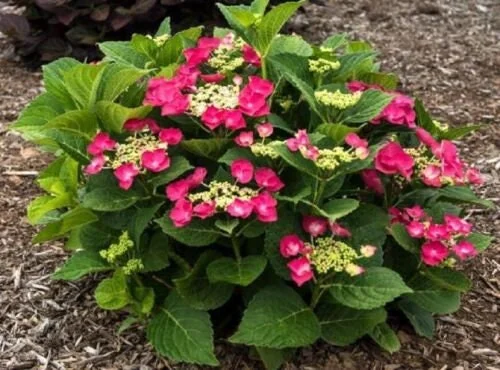
Bring a burst of color to your garden with the Hydrangea Cherry Explosion live plant. This beautiful lacecap variety features large, vibrant cherry-red florets, perfect for adding dramatic appeal. It’s a winter hardy shrub thriving in partial shade.
Original price was: $35.90.$20.90Current price is: $20.90.

With our Alive & Thrive Guarantee, we’ve got your back for the first 30 days! If you have any concerns about your plants, just reach out to us. Our team is here to help answer your questions and guide you in selecting the best plants for your garden, climate, and unique preferences. We're excited to help you create the garden of your dreams!
Estimated arrival
Oct 21
Oct 26 - Oct 28
Oct 31 - Nov 04

Product Details
-
USDA Hardiness Zone
4-9 -
Soil type
consistently moist, rich, well-draining soil -
Sunlight Exposure
partial shade -
Expected Planting Period
spring to early fall
Overview
The Hydrangea Cherry Explosion live plant is a spectacular addition to any garden, known for its vibrant and dramatic cherry-red florets. This particular variety, Hydrangea macrophylla ‘Cherry Explosion’, is a type of lacecap hydrangea, which means its blooms feature a unique flattened appearance with a central cluster of tiny fertile flowers surrounded by larger, showier sterile florets. Gardeners often seek out this plant for its exceptional visual appeal and its ability to create a focal point in landscape designs. As a live plant, it arrives ready to be integrated into your outdoor space, promising years of beautiful blooms and lush foliage. Its robust nature and striking color make it a popular choice for both seasoned gardeners and those looking to add a touch of elegance to their yard. The Hydrangea Cherry Explosion live plant is truly a garden gem.
This winter-hardy shrub is celebrated for its compact growth habit, typically reaching up to 3 feet tall, making it suitable for various garden settings, from borders to container planting. Its vivid coloration provides a stunning contrast against green foliage, ensuring it captures attention throughout its blooming season. The ‘Cherry Explosion’ cultivar is specifically bred for its intense red hues, offering a more saturated color than many other hydrangea varieties. Understanding the specific needs of this Hydrangea Cherry Explosion live plant will ensure its continued health and prolific flowering.
Key Benefits
The Hydrangea Cherry Explosion live plant offers numerous advantages, making it a highly desirable choice for enhancing outdoor spaces. Its unique characteristics contribute significantly to its appeal and ease of care:
-
Vibrant Cherry-Red Blooms: The most striking feature of this hydrangea is its large, brilliant cherry-red florets. These intense colors provide a dramatic visual impact, making the plant a focal point in any garden setting. The ‘Cherry Explosion’ truly lives up to its name with its fiery display.
-
Lacecap Flower Form: Unlike traditional mophead hydrangeas, this lacecap Hydrangea boasts a more delicate and intricate flower structure. The flat-topped blooms, with their central cluster of tiny flowers surrounded by larger petals, add a sophisticated and unique texture to the garden.
-
Winter Hardy: Rated for USDA Zones 4-9, this shrub is remarkably resilient to cold temperatures. This means it can withstand harsh winters and reliably return year after year, providing continuous beauty with minimal concern for winter damage.
-
Compact Growth Habit: Growing to an average height of 3 feet, the ‘Cherry Explosion’ is a relatively compact shrub. This makes it ideal for smaller gardens, front borders, foundation plantings, or even container gardening, where space might be limited.
-
Attracts Pollinators: The fertile center of the lacecap flowers can attract beneficial pollinators like bees and butterflies to your garden, contributing to a healthy ecosystem and enhancing biodiversity.
-
Low Maintenance: Once established, the Hydrangea Cherry Explosion live plant is relatively easy to care for, requiring consistent moisture and proper light. Its hardy nature means less fuss for the gardener, allowing more time to enjoy its beauty.
-
Versatile Landscaping: Its stunning color and manageable size make it versatile for various landscape applications, including mass plantings, specimen plants, mixed shrub borders, or as an accent plant.
Plant Care & Growing Tips
Caring for your Hydrangea Cherry Explosion live plant is straightforward, ensuring a spectacular display of its vibrant red blooms. This particular variety, being a lacecap Hydrangea, thrives in specific conditions that mimic its natural habitat. Sunlight is crucial; it performs best in partial shade, meaning it appreciates morning sun and protection from the intense afternoon heat. Too much direct sun, especially in warmer climates, can scorch the leaves and fade the flower color. Aim for an area that receives 4-6 hours of morning sun with dappled shade or full shade in the afternoon. This balance helps maintain the rich color of its red flowering shrub blossoms.
Watering is another key element for a healthy Hydrangea Cherry Explosion live plant. These plants prefer consistently moist, rich soil. It’s important to keep the soil evenly damp, but never waterlogged, as this can lead to root rot. During dry spells or hot weather, you may need to water more frequently. A good way to check is to feel the top inch or two of soil; if it feels dry, it’s time to water. Mulching around the base of the plant can help retain soil moisture and regulate soil temperature. The ideal soil type is a well-draining, fertile loam with a slightly acidic to neutral pH. Amending heavy clay soils with organic matter can improve drainage and provide essential nutrients.
As a winter hardy Hydrangea (USDA Zones 4-9), it generally requires minimal winter protection in its established zones. However, in the colder end of its range, a layer of mulch around the base or burlap wrapping can offer extra insulation for young plants. Fertilize in early spring with a balanced slow-release fertilizer formulated for flowering shrubs, following the product instructions. Pruning should be done after flowering; lacecap hydrangeas bloom on old wood, so avoid heavy pruning in late winter or early spring, which could remove flower buds. Remove only dead, damaged, or weak stems to maintain shape and encourage healthy growth for your Cherry Explosion Hydrangea care routine.
Size & Details
The Hydrangea Cherry Explosion live plant typically arrives as a well-rooted specimen, approximately 3-5 inches tall, often in a 2 1/2 x 3 1/2 inch pot, ready for immediate planting. This compact red flowering shrub is known for its moderate growth rate, eventually reaching a mature height of about 3 feet and a similar spread, creating a rounded, bushy form. Its manageable size makes it an excellent choice for a variety of garden applications, including borders, mass plantings, or even as a vibrant container plant on a patio or deck. The plant is shipped as a young, actively growing specimen, ensuring it establishes quickly in its new environment.
When fully mature, the ‘Cherry Explosion’ Hydrangea will showcase its signature large, bright cherry-red lacecap florets, typically blooming from early summer through fall. The exact timing and intensity of the color can be influenced by soil pH, though this variety is generally stable in its red coloration. It is a deciduous shrub, meaning it will lose its leaves in winter and re-emerge with fresh foliage and blooms in spring. This robust plant is designed to bring long-lasting beauty and a striking color accent to your outdoor living space.
Frequently Asked Questions
-
Q: How big does this Hydrangea Cherry Explosion live plant get?
A: This particular Hydrangea variety, ‘Cherry Explosion’, typically grows to a mature height and spread of about 3 feet. It’s considered a compact shrub, making it suitable for various garden sizes and container planting.
-
Q: What size pot does it come in?
A: The Hydrangea Cherry Explosion live plant is typically shipped as a well-rooted plant in a 2 1/2 x 3 1/2 inch nursery pot. This size ensures the plant is established and ready for transplanting into your garden or a larger container.
-
Q: Is this an indoor or outdoor plant?
A: The Hydrangea Cherry Explosion live plant is an outdoor shrub. It is winter hardy and thrives in garden settings, providing beautiful blooms as a perennial in USDA Zones 4-9.
-
Q: How much sunlight does it need?
A: This lacecap Hydrangea prefers partial shade. It performs best with morning sun and protection from the intense afternoon heat, which can scorch its leaves and fade the vibrant cherry-red color of its blooms.
-
Q: Is this plant easy to care for?
A: Yes, the Cherry Explosion Hydrangea care is considered relatively easy. Once established, it mainly requires consistent moisture, proper light conditions, and minimal pruning to thrive and produce abundant flowers.
-
Q: What condition will it arrive in?
A: Your Hydrangea Cherry Explosion live plant will arrive as a well-rooted, actively growing plant in a nursery pot. It is carefully packaged to ensure it reaches you in good health and ready for planting.
-
Q: How long until it blooms?
A: Depending on the season and growing conditions, your young red flowering shrub may bloom in its first year, especially if planted in spring. Established plants typically bloom from early summer through fall.
-
Q: When is the best time to plant this Hydrangea?
A: The best time to plant the Hydrangea Cherry Explosion live plant is in spring or early fall. This allows the plant to establish its root system before the onset of extreme summer heat or winter cold.
-
Q: Will it survive winter in my zone?
A: This winter hardy Hydrangea is rated for USDA Zones 4-9, meaning it is well-equipped to survive winter in these regions. In colder zones, providing a layer of mulch for extra insulation can be beneficial.
-
Q: What type of soil does it prefer?
A: The ‘Cherry Explosion’ Hydrangea thrives in consistently moist, rich, and well-draining soil. A slightly acidic to neutral pH is ideal for promoting healthy growth and vibrant bloom color.
Related products
-50%
Original price was: $49.98.$24.99Current price is: $24.99.
-50%
Original price was: $63.00.$31.50Current price is: $31.50.
-20%
Original price was: $76.00.$60.80Current price is: $60.80.
PLANTING & CARE
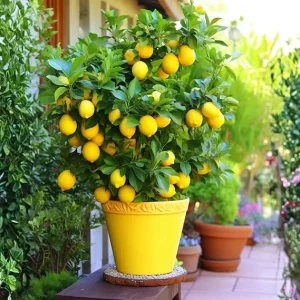
Lemon Tree Growing: Choose, Plant, and Harvest
Learn how to choose, plant, feed, and protect a lemon tree so it fits your
23
Sep
Sep
Dwarf Meyer Lemon Tree Australia: Climate Guide
Learn where dwarf Meyer lemon trees grow, how much cold they tolerate, and whether Australia,
Where to Buy a Dwarf Meyer Lemon Tree: Buyer’s Guide
Find the right dwarf Meyer lemon tree online or locally, compare starter sizes and costs,
Dwarf Meyer Lemon Tree for Sale: Buying Guide
Compare Meyer lemon tree sizes, prices, shipping limits, indoor growing and California options before you
Dwarf Meyer Lemon Tree Guide: Size, Care and Fruit
META: Learn how large a dwarf Meyer lemon tree grows, where it thrives, and how
How to Prune a Dwarf Meyer Lemon Tree
Learn when and how to prune a dwarf Meyer lemon tree, including tools, shaping cuts,
Can You Grow a Dwarf Meyer Lemon Tree in a Pot?
META: Learn how to grow a dwarf Meyer lemon tree in a pot, including container
When Do Dwarf Meyer Lemon Trees Bloom and Fruit?
META: Dwarf Meyer lemon trees usually bloom from winter through spring and may flower again