June Plum Live Plant – Tropical Fruit Tree, 18-22 inches Tall in 1 Gallon Pot
-16%
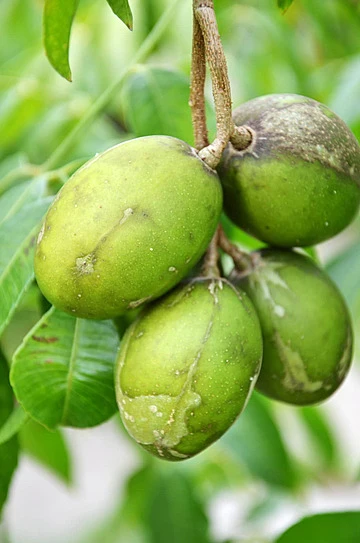
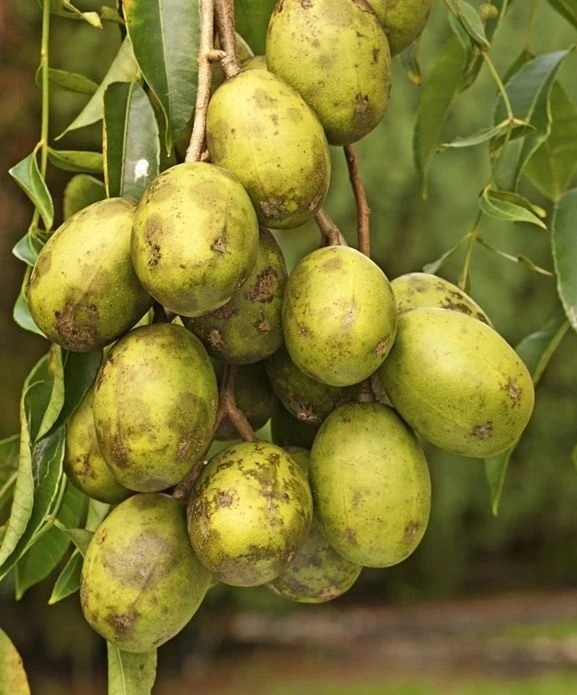
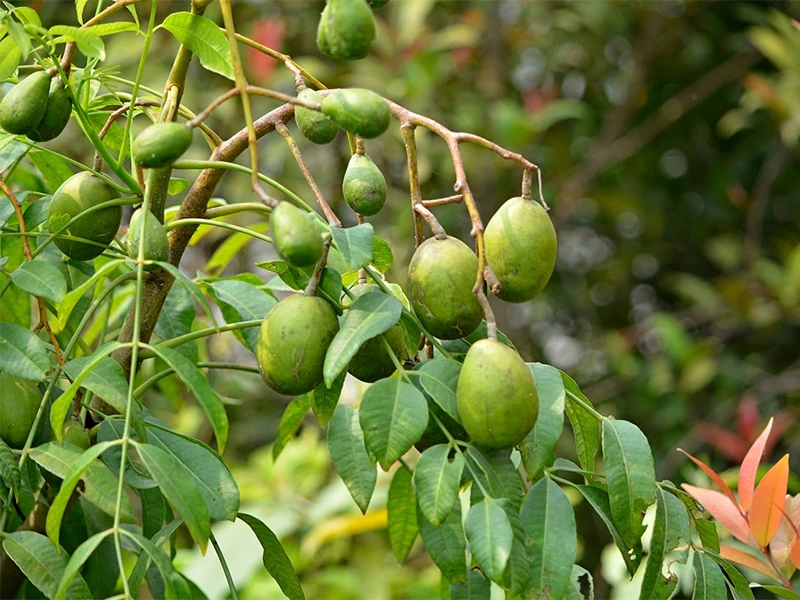
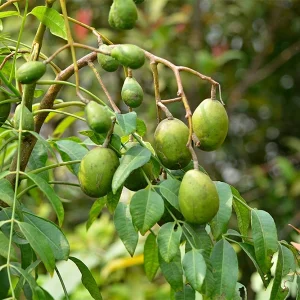
June Plum Live Plant – Tropical Fruit Tree, 18-22 inches Tall in 1 Gallon Pot
Bring the tropics to your home with a june plum live plant. This 18-22 inch tall tropical fruit tree comes in a 1-gallon pot, ready to thrive in your garden or a large container. Enjoy fresh ambarella plant fruits.
Original price was: $95.95.$80.45Current price is: $80.45.

With our Alive & Thrive Guarantee, we’ve got your back for the first 30 days! If you have any concerns about your plants, just reach out to us. Our team is here to help answer your questions and guide you in selecting the best plants for your garden, climate, and unique preferences. We're excited to help you create the garden of your dreams!
Estimated arrival
Oct 14
Oct 19 - Oct 21
Oct 24 - Oct 28
Product Details
-
USDA Hardiness Zone
USDA zones 9-11 -
Soil type
Well-draining, fertile soil -
Sunlight Exposure
Full sun -
Expected Planting Period
Spring to early summer (outdoors), year-round (indoors)
Overview
Cultivate your own exotic fruit with this vibrant june plum live plant. Also known as Ambarella or Golden Apple, the June Plum (Spondias dulcis) is a tropical tree prized for its delicious, tangy fruits that can be enjoyed fresh, juiced, or used in various culinary dishes. This particular specimen arrives as a healthy, thriving plant, standing approximately 18-22 inches tall and established in a 1-gallon nursery pot. It’s an ideal choice for gardeners looking to add a unique, fruit-bearing tree to their collection, whether in a tropical landscape or as a container plant in cooler regions where it can be brought indoors during winter months. The june plum tree is known for its relatively fast growth and the rewarding yield of its distinctive fruits.
Originating from the South Pacific, the June Plum is not only a source of delectable fruit but also an attractive ornamental tree with lush green foliage. Its ease of care and adaptability make it a popular choice for both novice and experienced gardeners. If you’re wondering how to grow june plum, you’ll find it’s a relatively straightforward process, especially when starting with a well-established plant like this one. Get ready to enjoy the taste of the tropics right from your backyard or patio.
Key Benefits
Adding a june plum live plant to your garden offers a multitude of benefits, from its delicious fruit to its aesthetic appeal. This tropical gem is more than just a fruit producer; it’s a conversation starter and a source of fresh, healthy produce for your home.
- Fresh, Delicious Fruit: Enjoy the unique, crisp, and tangy flavor of June Plums directly from your own tree. Perfect for eating fresh, making juices, jams, or savory dishes.
- Ornamental Value: Beyond its fruit, the june plum tree boasts attractive foliage, making it a beautiful addition to any landscape or patio. Its lush green leaves provide a tropical ambiance.
- Nutrient-Rich Harvest: June Plums are packed with vitamins and minerals, offering a healthy and refreshing snack straight from nature.
- Relatively Easy to Grow: With proper care and suitable climate conditions, this tropical plant thrives, rewarding growers with abundant harvests. It’s a great option for those interested in growing exotic fruits.
- Container Growing Potential: For those in cooler climates, the ambarella plant can be successfully grown in a large container, allowing it to be moved indoors during colder seasons, ensuring year-round enjoyment.
- Unique Garden Addition: Stand out from traditional fruit trees with this exotic choice, introducing new flavors and horticultural interest to your home garden.
- Fast Growing: Under optimal conditions, the June Plum can establish itself and begin producing fruit relatively quickly, offering a satisfying return on your gardening efforts.
Plant Care & Growing Tips
Caring for your june plum live plant is crucial for ensuring a healthy, productive tree. This tropical species thrives in warm, humid environments, but can be adapted to various settings with diligent care. Understanding its needs for light, water, and soil is key to success. The June Plum prefers a location with full sun exposure, meaning at least 6-8 hours of direct sunlight per day. If growing indoors or in a greenhouse, ensure it receives ample bright light. In extremely hot climates, some afternoon shade might be beneficial to prevent leaf scorch.
Watering is vital, especially for young trees and during dry spells. Keep the soil consistently moist but never waterlogged. Good drainage is paramount to prevent root rot. Allow the top inch or two of soil to dry out slightly between waterings before rehydrating thoroughly. During the growing season, a regular watering schedule will encourage robust growth and fruit production. When considering how to grow june plum, remember that tropical plants generally appreciate humidity; misting the leaves or placing the pot on a pebble tray can be beneficial for container-grown plants.
Fertilize your June Plum every 2-3 months during the growing season (spring and summer) with a balanced, slow-release fertilizer or a liquid feed specifically formulated for fruit trees. Reduce fertilization in fall and winter. The ideal soil for this ambarella plant is well-draining, fertile, and slightly acidic to neutral (pH 6.0-7.0). A good quality potting mix amended with compost or perlite will work well for container plants. Protect your tree from temperatures below 40°F (4°C); if you live in a colder region, plan to bring your potted June Plum indoors before the first frost. Common problems include scale insects or mealybugs, which can typically be managed with horticultural oil or insecticidal soap.
Size & Details
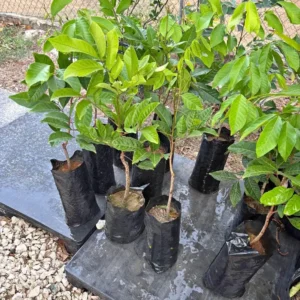
This offering is for one healthy june plum live plant, which measures approximately 18-22 inches in height from the base of the plant to the tip of its tallest stem. It is securely rooted in a 1-gallon nursery container, providing an established root system ready for transplanting into a larger pot or directly into the ground, depending on your climate and growing preferences. The plant is shipped in its nursery pot with soil to minimize transplant shock and ensure its health upon arrival. The June Plum is a moderate to fast grower, and with optimal conditions, it can reach mature heights of 15-20 feet or more in tropical climates, though it will remain smaller in containers or when pruned. Expect fruit production to begin within 2-4 years under ideal growing conditions. This particular size is perfect for establishing a young spondias dulcis for sale specimen in your garden.
While the exact width varies, the plant typically has a compact, upright growth habit when young. As it matures, it will develop a broader canopy. When grown in containers, regular pruning can help maintain a desired size and shape, making it suitable for patios or even bright indoor spaces. The 1-gallon pot provides sufficient space for the plant to continue growing for a period before needing to be up-potted. This size ensures a good balance between established growth and ease of shipping and handling.
Frequently Asked Questions
- Q: How big does this plant get? A: This june plum live plant is currently 18-22 inches tall in a 1-gallon pot. In tropical climates, it can grow 15-20 feet tall or more. When grown in a container and pruned, it can be maintained at a smaller, more manageable size for patios or indoors.
- Q: Is this an indoor or outdoor plant? A: The June Plum is a tropical plant best suited for outdoor growing in USDA Zones 9-11. In colder zones, it can be grown outdoors during warm months and brought indoors as a container plant when temperatures drop.
- Q: How much sunlight does it need? A: A june plum tree thrives in full sun, requiring at least 6-8 hours of direct sunlight daily. If grown indoors, place it in the brightest possible location, ideally near a south-facing window.
- Q: Is this plant easy to care for? A: Yes, June Plums are relatively easy to care for, especially when provided with their preferred warm, sunny, and humid conditions. Consistent watering and feeding are key for a healthy ambarella plant.
- Q: What condition will it arrive in? A: Your June Plum will arrive healthy and well-established in its 1-gallon nursery pot with soil, carefully packaged to ensure minimal stress during transit.
- Q: When does the June Plum typically bear fruit? A: Under optimal conditions, a young june plum live plant like this one can begin producing fruit within 2-4 years of planting. Fruiting cycles vary but are generally most prolific in warm, humid environments.
- Q: Can I use the fruit in cooking? A: Absolutely! June Plums are versatile and can be eaten fresh, juiced, made into jams, or incorporated into various savory dishes and chutneys for their unique tangy flavor.
- Q: What kind of soil does the June Plum prefer? A: This tree prefers well-draining, fertile soil with a slightly acidic to neutral pH (6.0-7.0). A good quality potting mix with added compost or perlite works well for container growing.
- Q: Is this the same as an Ambarella plant? A: Yes, June Plum is another common name for the Ambarella plant, scientifically known as Spondias dulcis. If you’re searching for spondias dulcis for sale, this is the plant you’re looking for.
- Q: What is the minimum temperature this plant can tolerate? A: The June Plum is sensitive to cold and should be protected from temperatures below 40°F (4°C). Bring container plants indoors or provide frost protection if temperatures are expected to drop.
Related products
-20%
Original price was: $80.00.$64.00Current price is: $64.00.
-20%
Original price was: $31.98.$25.58Current price is: $25.58.
-20%
Original price was: $50.00.$40.00Current price is: $40.00.
-10%
Original price was: $158.00.$142.20Current price is: $142.20.
-20%
Original price was: $56.00.$44.80Current price is: $44.80.
-10%
Original price was: $65.00.$58.50Current price is: $58.50.
-50%
Original price was: $39.98.$19.99Current price is: $19.99.
PLANTING & CARE
Lemon Tree Growing: Choose, Plant, and Harvest
Learn how to choose, plant, feed, and protect a lemon tree so it fits your
23
Sep
Sep
Dwarf Meyer Lemon Tree Australia: Climate Guide
Learn where dwarf Meyer lemon trees grow, how much cold they tolerate, and whether Australia,
Where to Buy a Dwarf Meyer Lemon Tree: Buyer’s Guide
Find the right dwarf Meyer lemon tree online or locally, compare starter sizes and costs,
Dwarf Meyer Lemon Tree for Sale: Buying Guide
Compare Meyer lemon tree sizes, prices, shipping limits, indoor growing and California options before you
Dwarf Meyer Lemon Tree Guide: Size, Care and Fruit
META: Learn how large a dwarf Meyer lemon tree grows, where it thrives, and how
How to Prune a Dwarf Meyer Lemon Tree
Learn when and how to prune a dwarf Meyer lemon tree, including tools, shaping cuts,
Can You Grow a Dwarf Meyer Lemon Tree in a Pot?
META: Learn how to grow a dwarf Meyer lemon tree in a pot, including container
When Do Dwarf Meyer Lemon Trees Bloom and Fruit?
META: Dwarf Meyer lemon trees usually bloom from winter through spring and may flower again