Loquat Tree Live Plant – 3 Inch Tropical Fruit Tree, Potted Seedling, Outdoor
-50%
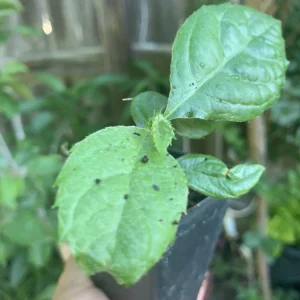
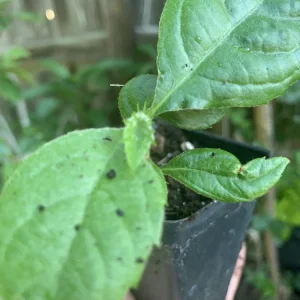
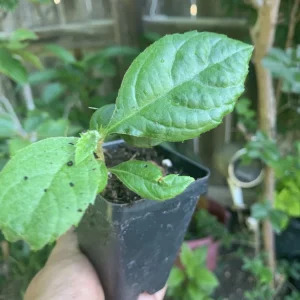
Loquat Tree Live Plant – 3 Inch Tropical Fruit Tree, Potted Seedling, Outdoor
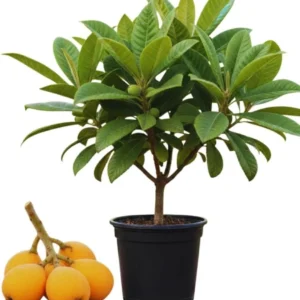
Bring tropical sweetness to your garden with this loquat tree live plant. This 3-inch tropical fruit tree seedling is ready to establish outdoors, producing delicious yellow fruit. Easy to grow and a beautiful addition to any landscape.
Original price was: $40.00.$20.00Current price is: $20.00.

With our Alive & Thrive Guarantee, we’ve got your back for the first 30 days! If you have any concerns about your plants, just reach out to us. Our team is here to help answer your questions and guide you in selecting the best plants for your garden, climate, and unique preferences. We're excited to help you create the garden of your dreams!
Estimated arrival
Oct 14
Oct 19 - Oct 21
Oct 24 - Oct 28
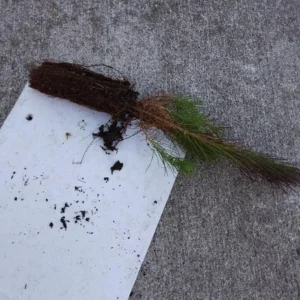
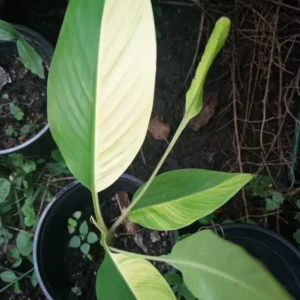
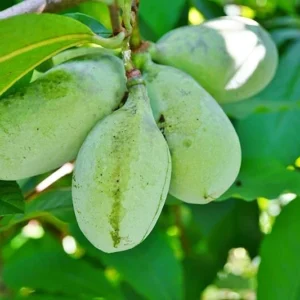
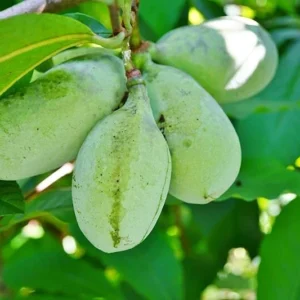
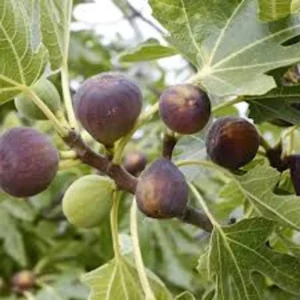

Product Details
-
USDA Hardiness Zone
USDA Zones 8-10 -
Soil type
Loam, Sand, well-draining soil -
Sunlight Exposure
Full Sun -
Expected Planting Period
Spring, Early Fall
Overview
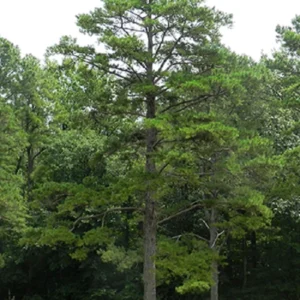
Introduce a touch of the tropics to your garden with the exquisite loquat tree live plant. This offering is for a healthy, vibrant 3-inch seedling, poised to grow into a mature tree that provides both ornamental beauty and delectable fruit. Scientifically known as Eriobotrya japonica, the loquat tree is a charming evergreen belonging to the rose family. Originating from southeastern China, it has become a cherished addition to gardens worldwide, particularly in warmer climates. Known for its lush foliage and early-season fruit, this loquat tree live plant is an excellent choice for gardeners looking to cultivate unique fruit-bearing specimens. Its upright growth habit and attractive leaves make it a focal point even when not in fruit, ensuring year-round visual interest in your outdoor space.
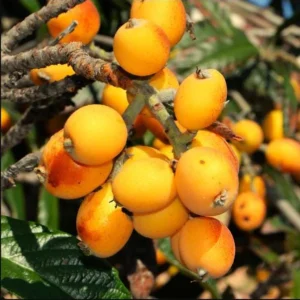
The loquat fruit, a small, round or pear-shaped drupe, ripens in late winter to early spring, offering a sweet and tangy flavor reminiscent of apricot, plum, and cherry. This tropical fruit tree is not just about the harvest; its fragrant white flowers, which bloom in autumn or early winter, attract pollinators and add a subtle perfume to the air. Whether you’re an experienced horticulturist or a budding gardener, a loquat tree live plant provides a rewarding experience, culminating in the enjoyment of fresh, homegrown fruit.
Key Benefits
Cultivating a loquat tree live plant offers a multitude of advantages, enhancing both your garden and your culinary experiences. This versatile tree is a fantastic investment for any outdoor enthusiast.
- Delicious Homegrown Fruit: Enjoy sweet, tangy loquats straight from your garden, perfect for fresh eating, jams, jellies, and pies. The unique flavor of this tropical fruit tree is a true delight.
- Year-Round Beauty: As an evergreen, the loquat tree provides lush, dark green foliage throughout the year, adding continuous visual appeal to your landscape, even in winter.
- Early Season Harvest: Loquats ripen in late winter to early spring, providing fresh fruit when many other trees are just beginning to bud, extending your harvest season.
- Fragrant Blooms: The autumn and early winter flowers are not only beautiful but also emit a delightful fragrance, attracting beneficial pollinators to your garden.
- Adaptable & Resilient: Once established, the loquat tree live plant is relatively low-maintenance and can tolerate various soil conditions and climates within its hardiness zones.
- Edible Landscape Element: Combine beauty with productivity by integrating this attractive fruit tree into your landscape design, creating an edible and aesthetic garden space.
- Attracts Wildlife: The fruit provides a food source for local birds and other wildlife, adding life and activity to your backyard.
Plant Care & Growing Tips
To ensure your loquat tree live plant thrives and produces abundant fruit, understanding its specific care requirements is crucial. This tropical fruit tree prefers certain conditions to reach its full potential.
Sunlight Requirements: The loquat tree flourishes in full sun, meaning it needs at least 6-8 hours of direct sunlight per day. While it can tolerate partial shade, fruit production will be significantly higher with ample sun exposure. For outdoor planting, choose a location that receives bright, unobstructed light throughout the day. In regions with intense summer heat, some afternoon shade can be beneficial to prevent leaf scorch, especially for young plants. Proper sunlight is key for robust growth and excellent fruit quality when growing loquat tree.
Watering Schedule & Soil Moisture: Young loquat trees require consistent moisture to establish a strong root system. Water deeply 2-3 times per week during the first year, especially during dry spells. Once established, the loquat tree is moderately drought-tolerant but will perform best with regular watering, particularly when fruits are developing. Allow the top few inches of soil to dry out between waterings to prevent root rot. Good drainage is essential, so avoid waterlogged conditions.
Soil Type & Drainage: Loquats are adaptable to a range of soil types but prefer well-draining soil with a pH between 6.0 and 7.0 (neutral to slightly acidic). A mixture of loam and sand is ideal, providing good aeration and drainage while retaining adequate moisture. Amend heavy clay soils with organic matter like compost to improve drainage, and sandy soils with compost to enhance water retention. Proper soil conditions are vital for healthy loquat tree care.
Temperature Range & USDA Hardiness Zone: The loquat tree is a tropical to subtropical plant that thrives in USDA Hardiness Zones 8-10. It can tolerate brief dips in temperature to about 10-15°F (-12 to -9°C) once mature, but young plants are more susceptible to frost damage. In colder zones, it can be grown in containers and brought indoors during winter or treated as an annual. The flowers and young fruit are sensitive to frost, so protection may be needed in areas with late spring frosts.
Fertilization: Fertilize your loquat tree annually in early spring before new growth begins. Use a balanced slow-release fertilizer or an organic fruit tree fertilizer. For young trees, a balanced NPK ratio (e.g., 8-8-8 or 10-10-10) is suitable. As the tree matures, a fertilizer with a slightly higher phosphorus and potassium content can encourage better fruiting. Avoid over-fertilizing, which can lead to excessive leafy growth at the expense of fruit production.
Common Problems & Solutions: Loquats are generally robust but can occasionally face issues. Watch out for pests like aphids, scale insects, and fruit flies, which can be managed with horticultural oil or insecticidal soap. Fungal diseases like fire blight can affect loquats, especially in humid conditions; proper pruning for air circulation and fungicide application can help. Ensure good air circulation and avoid overhead watering to minimize fungal problems. Understanding these aspects of eriabotrya japonica care will lead to a thriving tree.
Size & Details
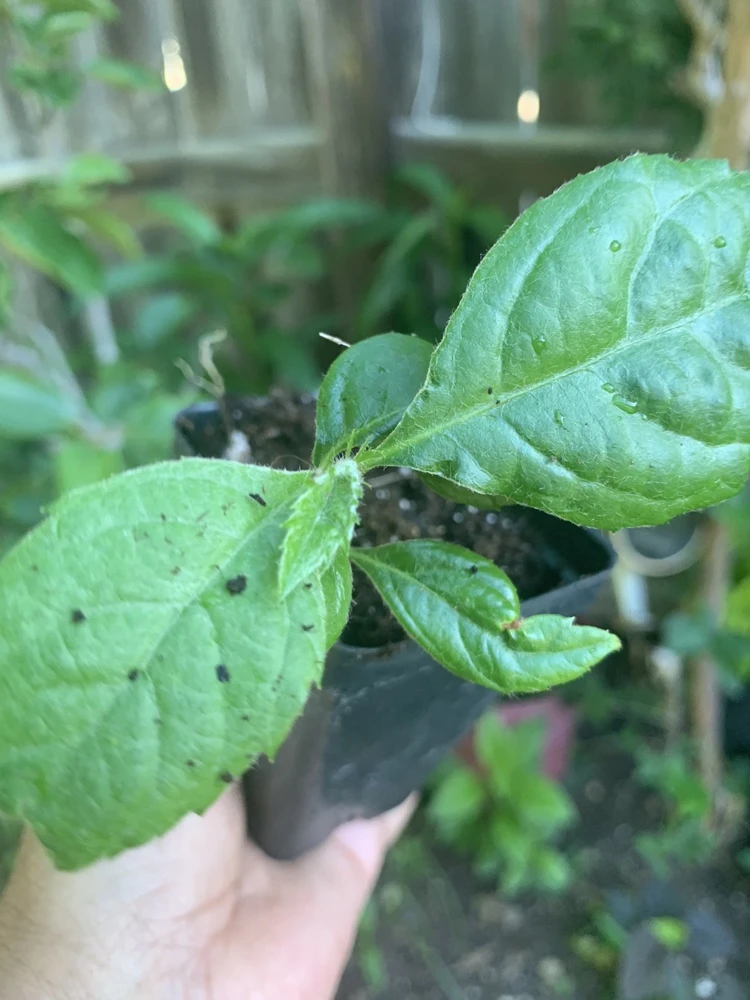
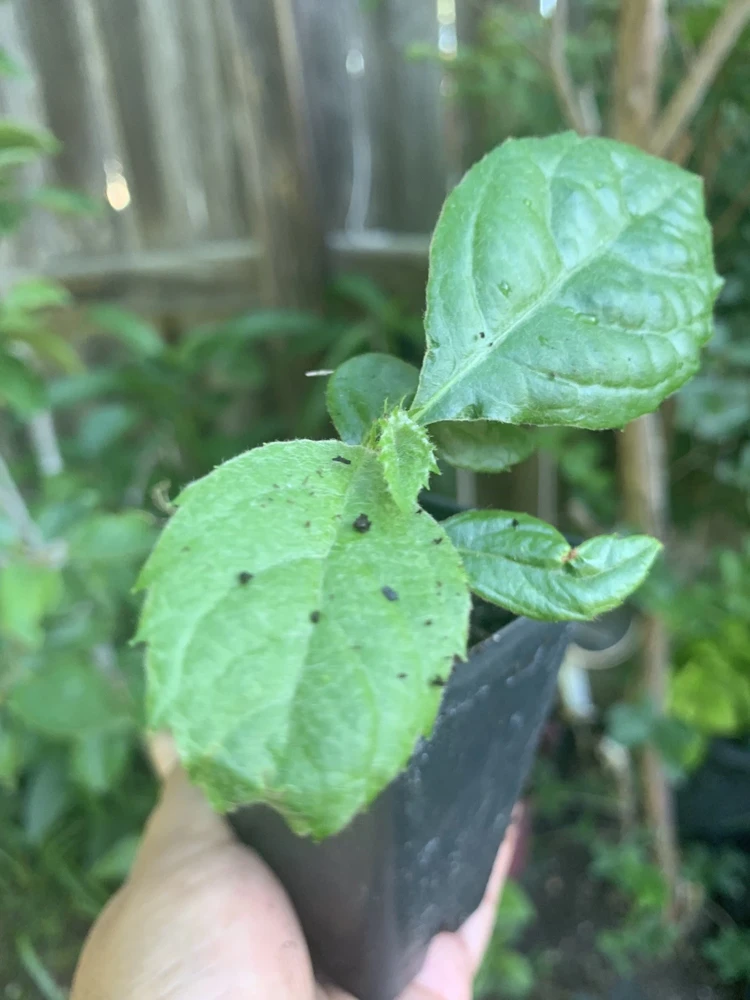
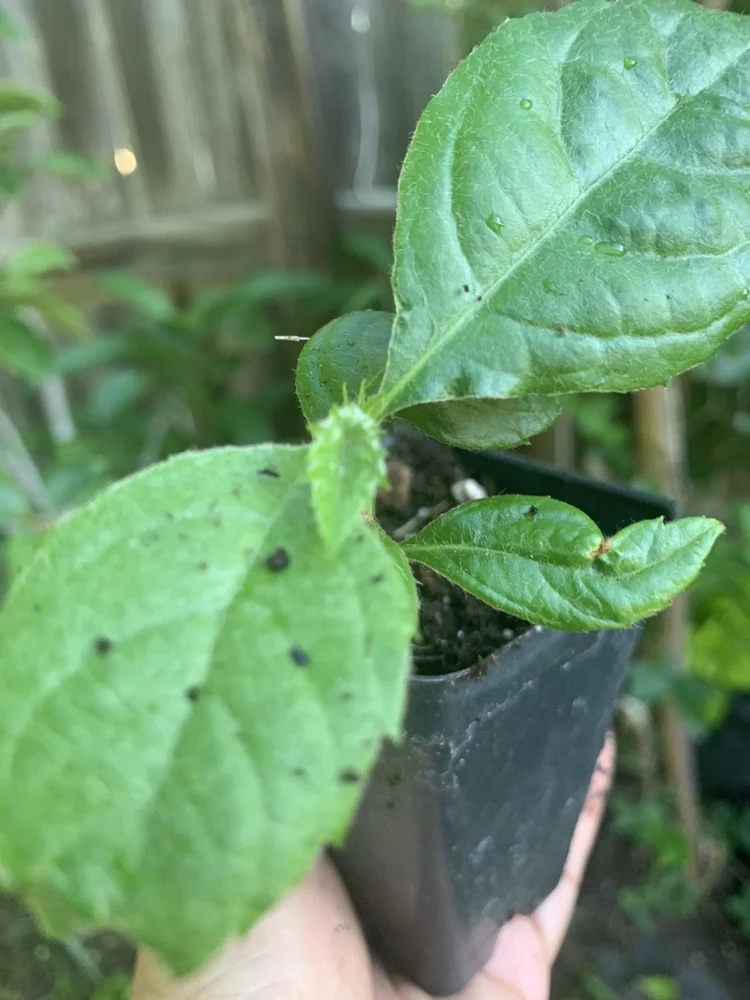
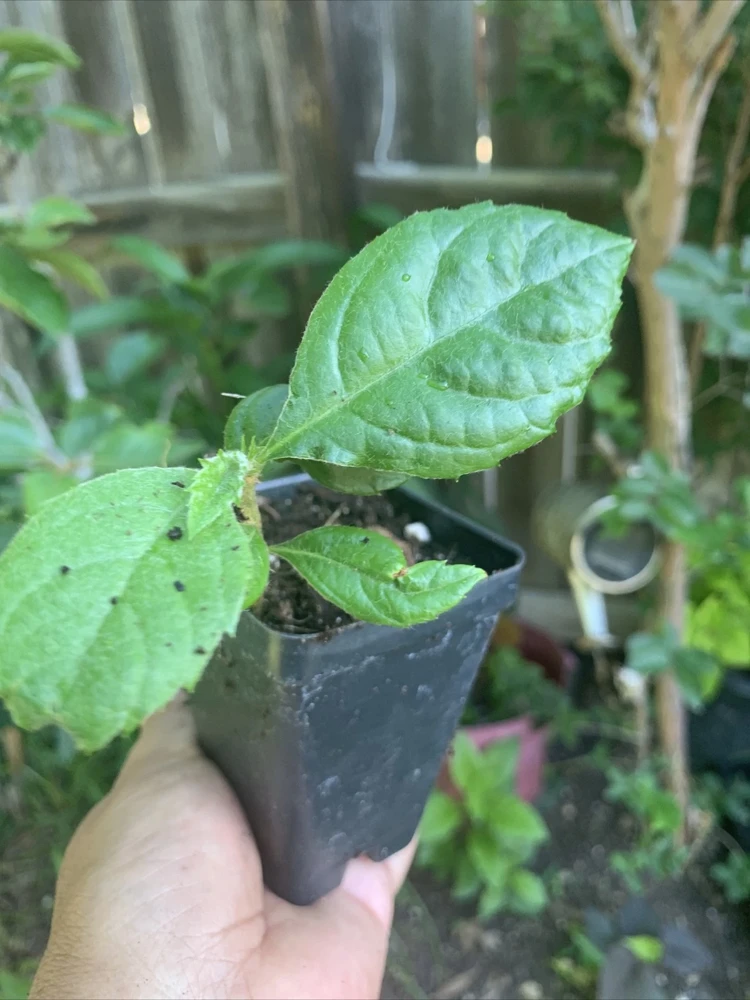
This offering is for one loquat tree live plant, a vigorous seedling measuring approximately 3 inches tall. It arrives potted and ready for immediate planting in your garden or a larger container. The plant form is a seedling, representing the initial growth stage, making it ideal for those who enjoy nurturing a plant from its early stages. The seedling will typically be shipped in a compact nursery pot, ensuring its roots are protected and moist during transit. Expect a moderate to fast growth rate under optimal conditions, with the tree potentially reaching heights of 10-25 feet at maturity, though it can be kept smaller with regular pruning. The mature spread can be similar, creating a beautiful, rounded canopy. The tree is capable of fruiting within 3-5 years after planting, offering a delightful harvest of yellow, sweet fruit.
Frequently Asked Questions
- Q: How big does this loquat tree live plant get? A: This particular plant is a 3-inch seedling. When mature, a loquat tree can reach heights of 10-25 feet and have a similar spread, depending on growing conditions and if it is pruned.
- Q: Is this an indoor or outdoor plant? A: The loquat tree live plant is primarily an outdoor plant, thriving in USDA Hardiness Zones 8-10. It requires full sun to produce fruit. In colder zones, it can be grown in a large pot and moved indoors during winter.
- Q: How much sunlight does a loquat tree need? A: For optimal growth and fruit production, a loquat tree live plant needs at least 6-8 hours of direct sunlight per day. Full sun exposure is highly recommended for this tropical fruit tree.
- Q: Is this plant easy to care for? A: Yes, once established, the loquat tree live plant is considered relatively easy to care for. It’s tolerant of various soils and moderate drought, making loquat tree care manageable for most gardeners.
- Q: What condition will it arrive in? A: Your loquat tree live plant will arrive as a healthy, potted seedling, carefully packaged to ensure its safety and vitality during transit. It will be ready to plant upon arrival.
- Q: How long until it produces fruit? A: A loquat tree live plant typically begins to produce fruit within 3-5 years after planting, though this can vary based on growing conditions and care.
- Q: Can I grow eriabotrya japonica in a container? A: Yes, loquat trees can be successfully grown in large containers, especially useful for those in colder climates who need to move the plant indoors during winter. Ensure the container has excellent drainage.
- Q: What type of soil is best for growing loquat tree? A: Loquat tree live plant prefers well-draining soil with a neutral to slightly acidic pH (6.0-7.0). A mix of loam and sand is ideal, amended with organic matter if needed.
- Q: Will this tropical fruit tree survive winter in my zone? A: Loquat trees are hardy in USDA Zones 8-10. If you are in a colder zone, you will need to provide winter protection or grow it in a container that can be brought indoors.
- Q: What is the best time to plant a loquat tree live plant? A: The best time to plant a loquat tree is in spring or early fall, allowing the plant sufficient time to establish its root system before extreme temperatures.
Related products
-20%
Original price was: $90.00.$72.00Current price is: $72.00.
-42%
Original price was: $56.99.$33.29Current price is: $33.29.
PLANTING & CARE
Lemon Tree Growing: Choose, Plant, and Harvest
Learn how to choose, plant, feed, and protect a lemon tree so it fits your
23
Sep
Sep
Dwarf Meyer Lemon Tree Australia: Climate Guide
Learn where dwarf Meyer lemon trees grow, how much cold they tolerate, and whether Australia,
Where to Buy a Dwarf Meyer Lemon Tree: Buyer’s Guide
Find the right dwarf Meyer lemon tree online or locally, compare starter sizes and costs,
Dwarf Meyer Lemon Tree for Sale: Buying Guide
Compare Meyer lemon tree sizes, prices, shipping limits, indoor growing and California options before you
Dwarf Meyer Lemon Tree Guide: Size, Care and Fruit
META: Learn how large a dwarf Meyer lemon tree grows, where it thrives, and how
How to Prune a Dwarf Meyer Lemon Tree
Learn when and how to prune a dwarf Meyer lemon tree, including tools, shaping cuts,
Can You Grow a Dwarf Meyer Lemon Tree in a Pot?
META: Learn how to grow a dwarf Meyer lemon tree in a pot, including container
When Do Dwarf Meyer Lemon Trees Bloom and Fruit?
META: Dwarf Meyer lemon trees usually bloom from winter through spring and may flower again