Lupine Flower Seeds Mix – 30 Seeds – Heirloom, Open-Pollinated Bluebonnet
-50%
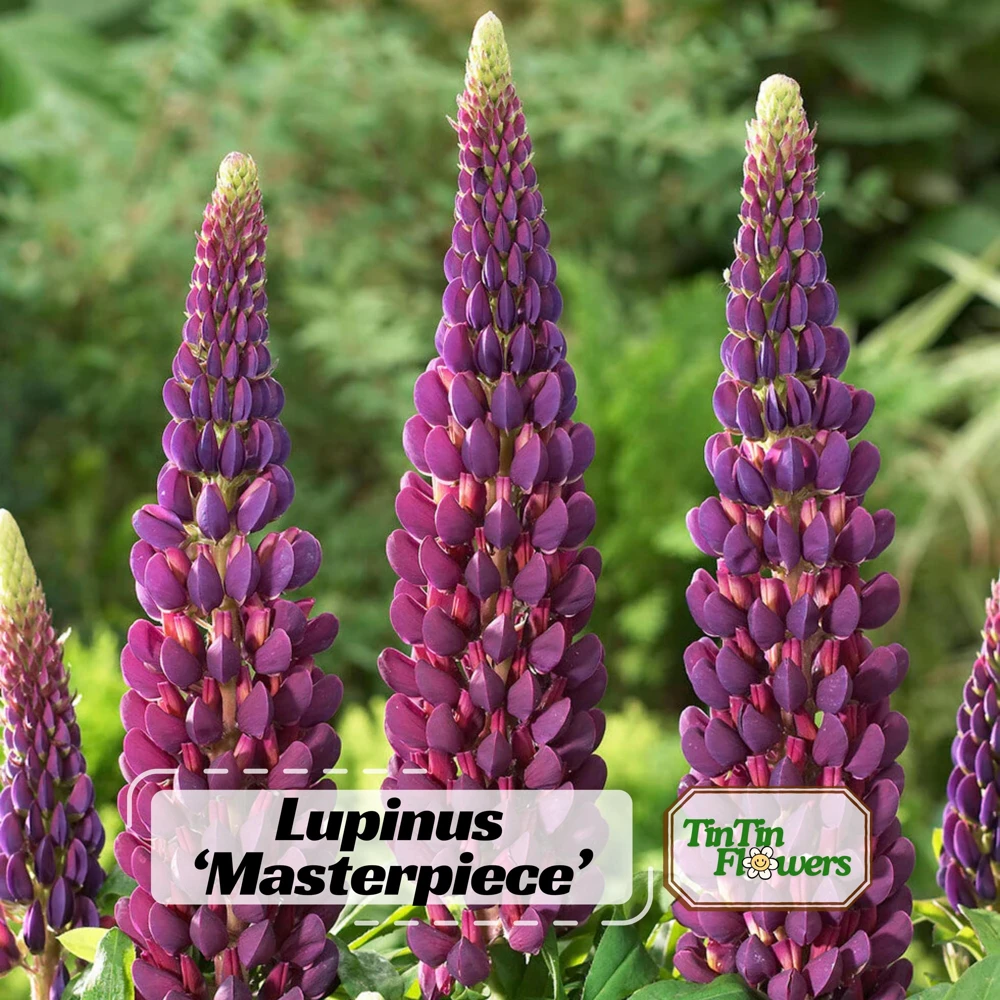
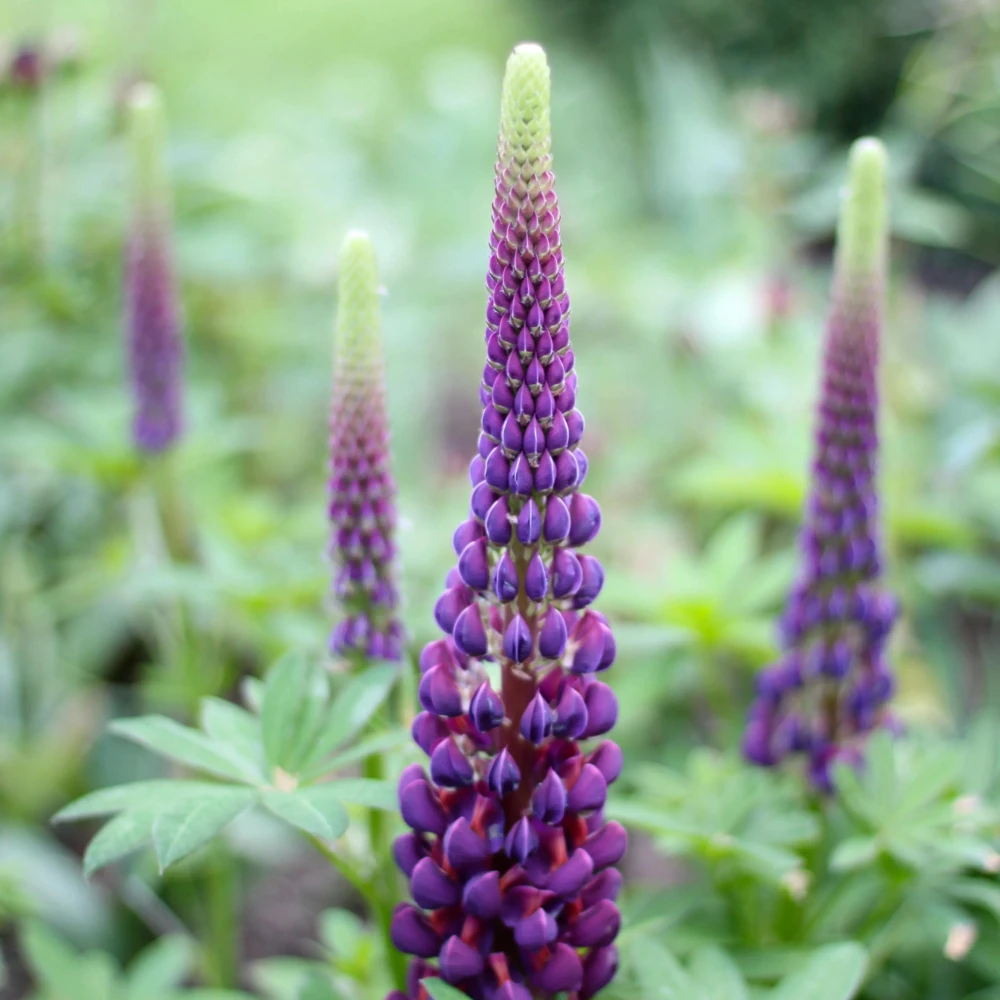
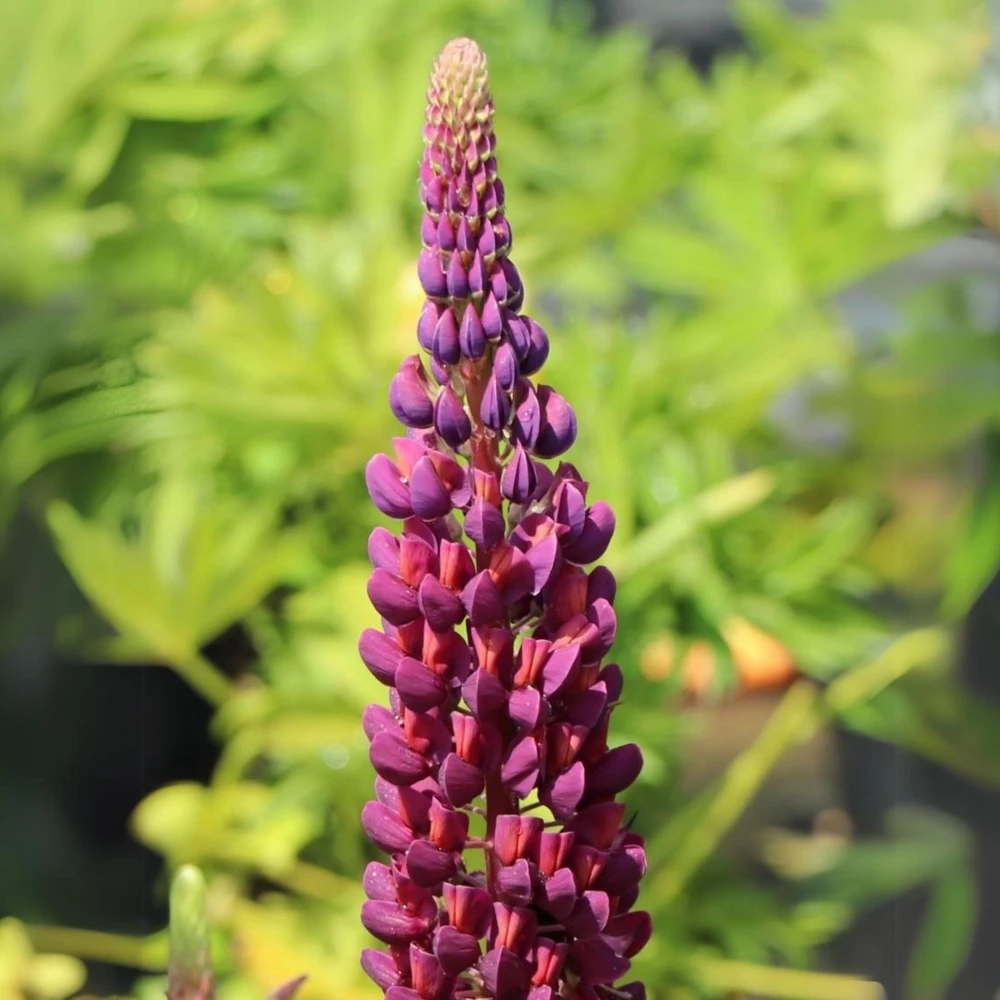
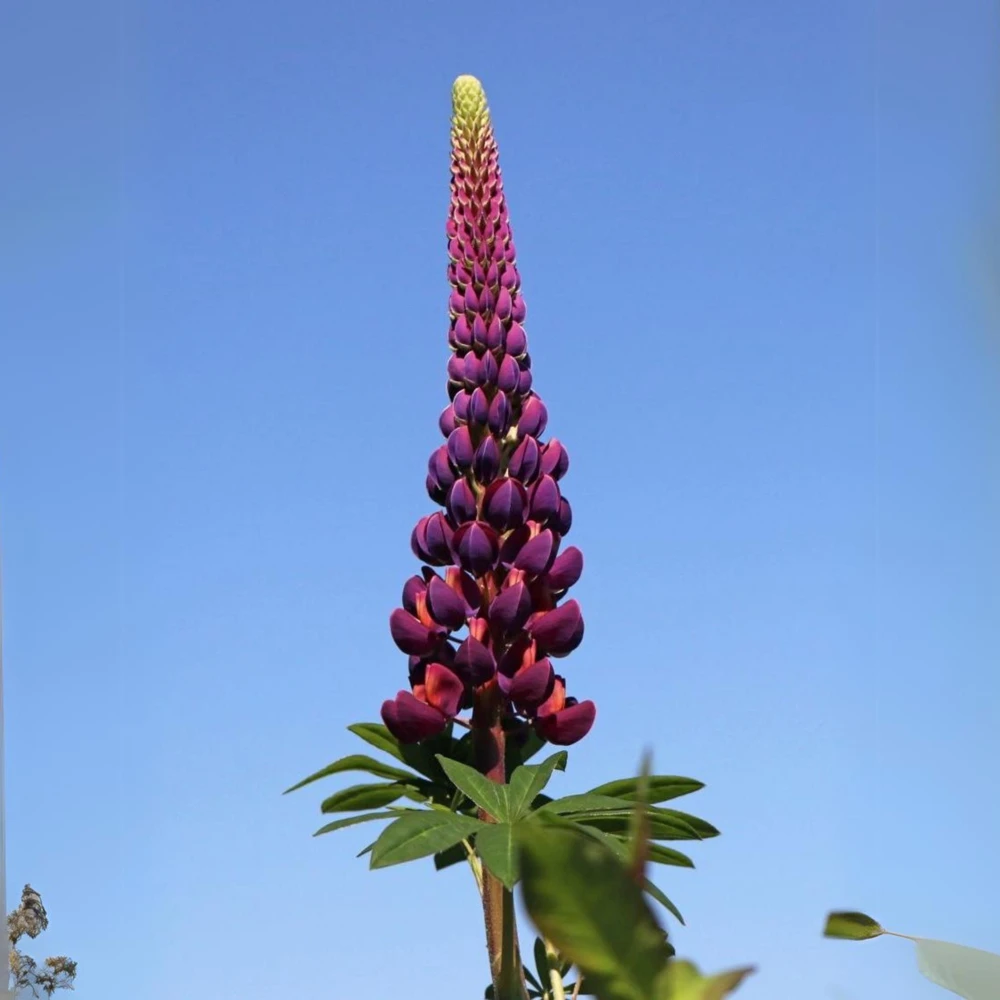
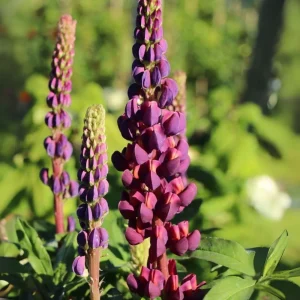
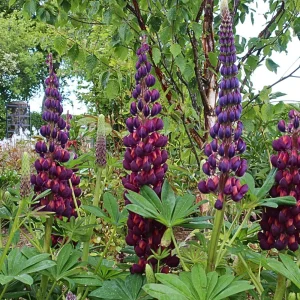
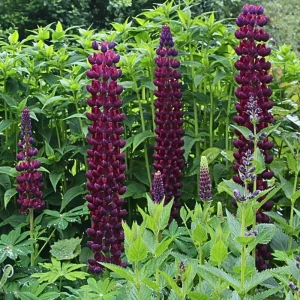
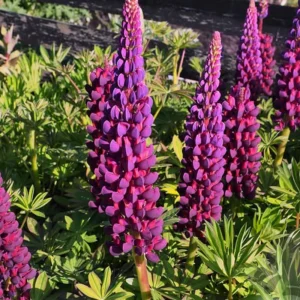
Lupine Flower Seeds Mix – 30 Seeds – Heirloom, Open-Pollinated Bluebonnet
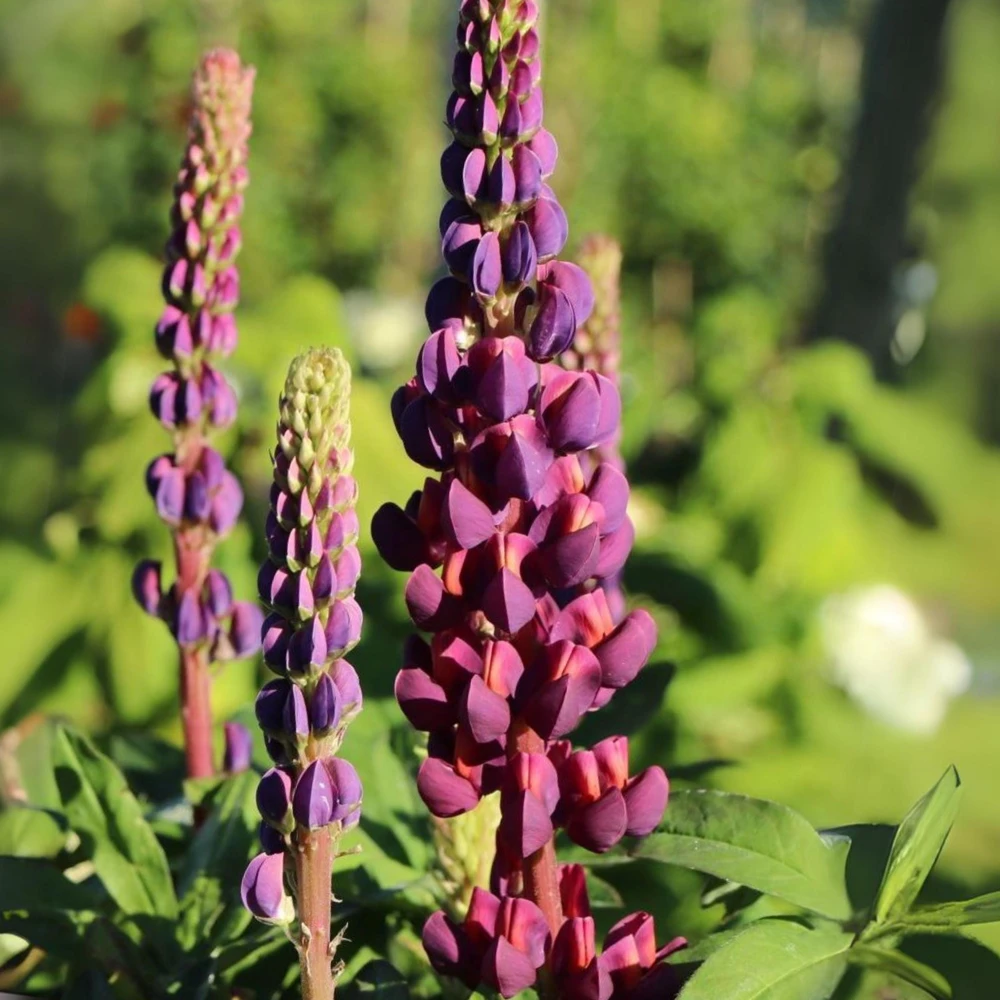
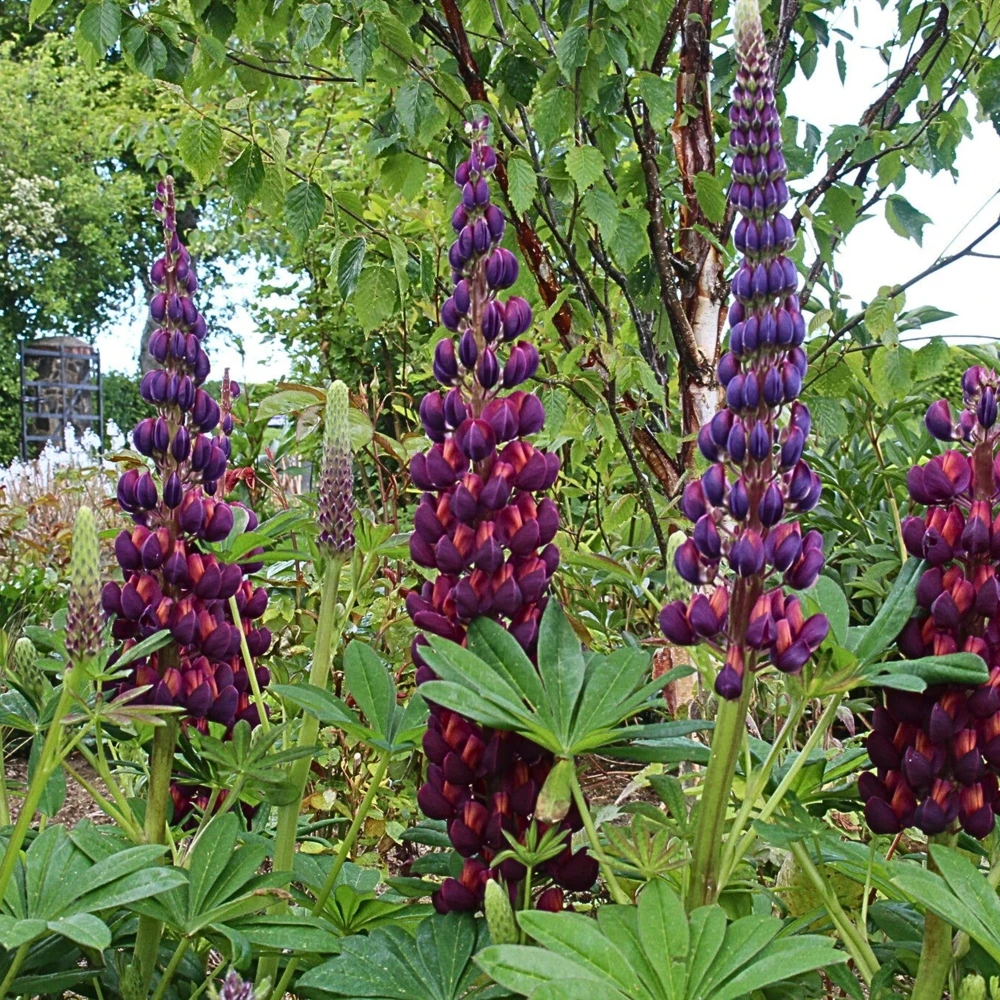
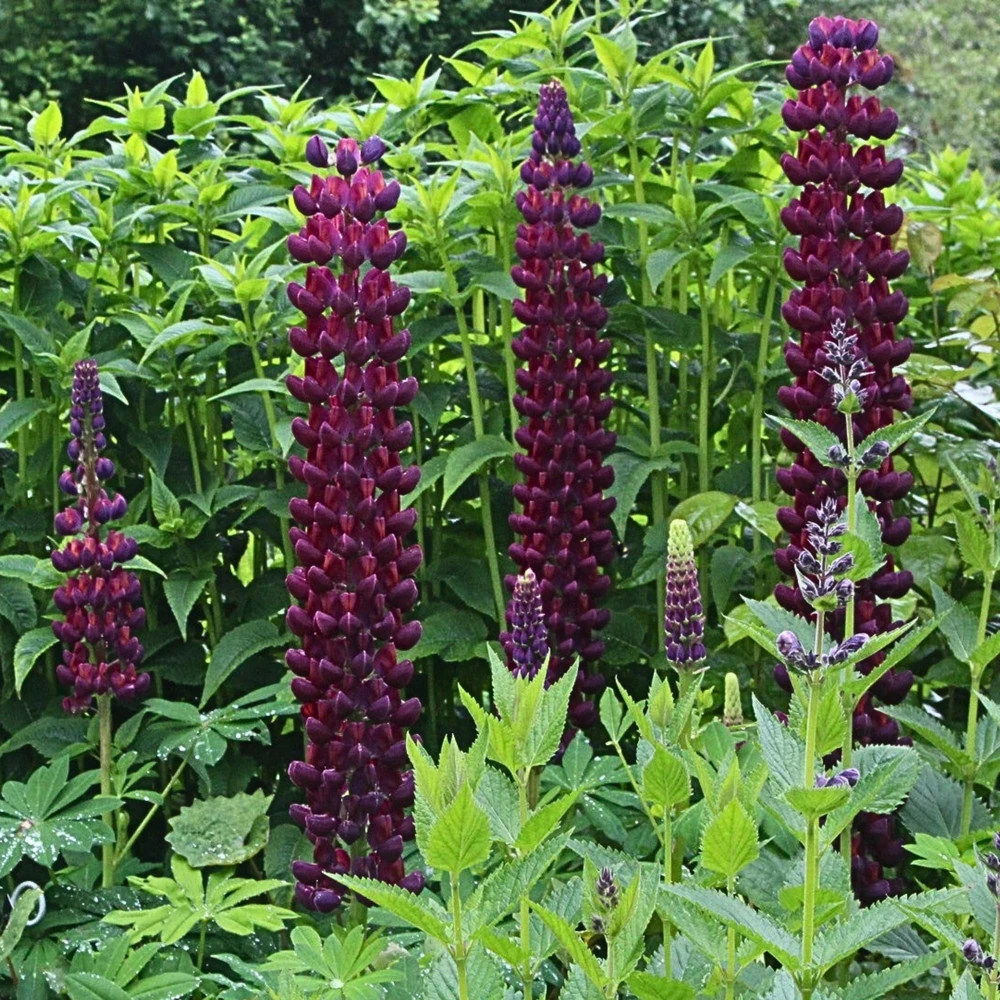
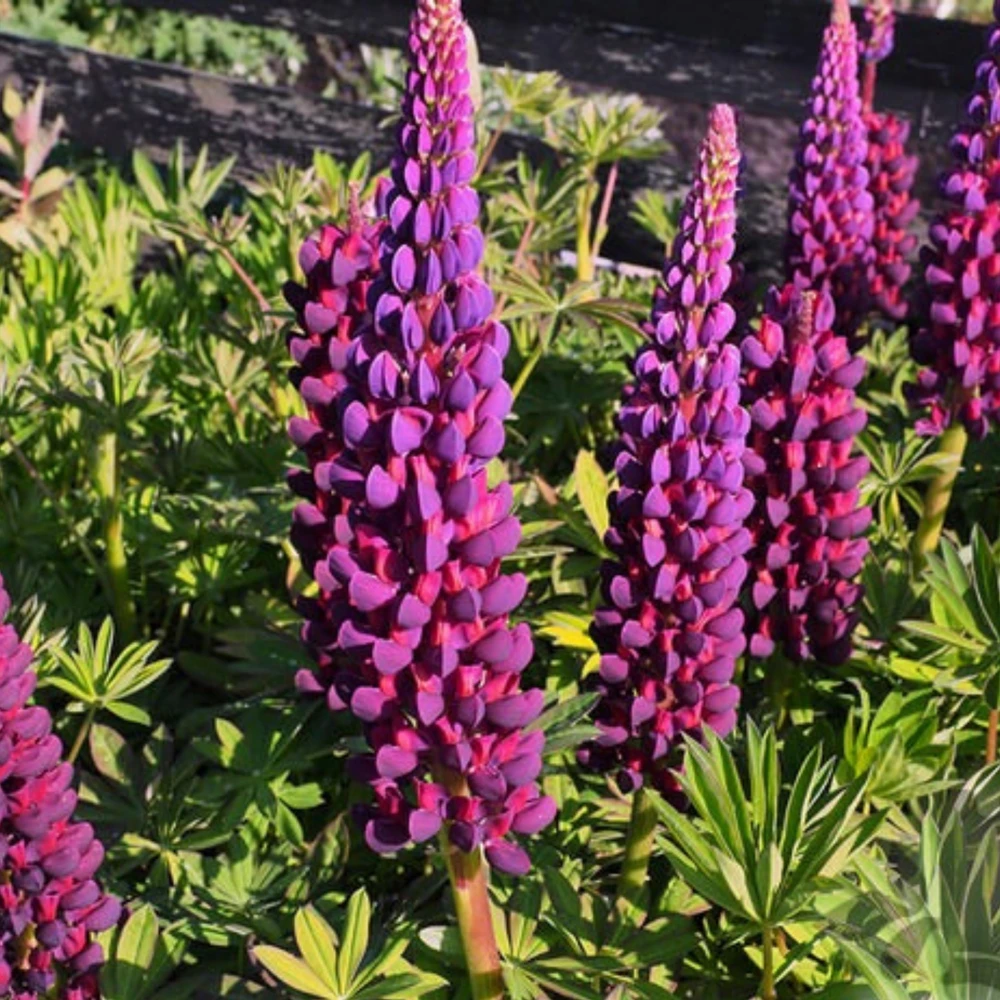
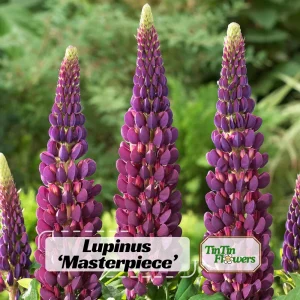
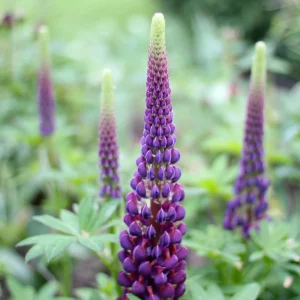
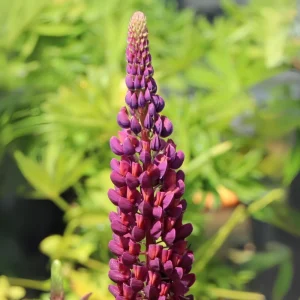
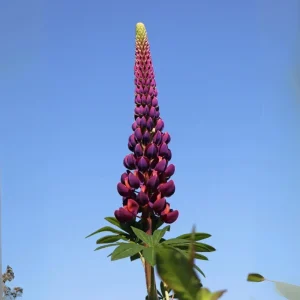
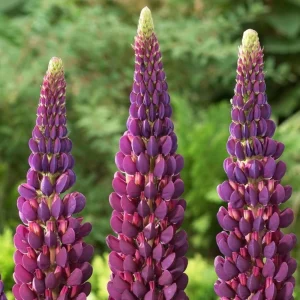
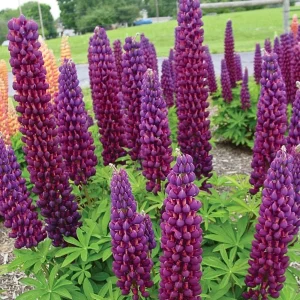
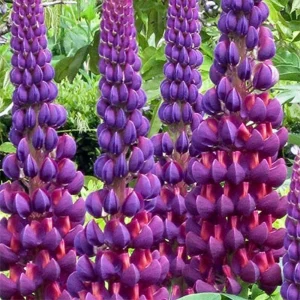
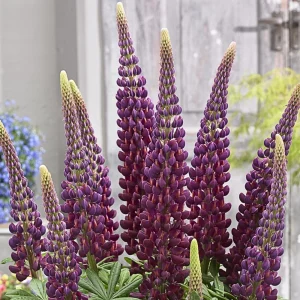
Cultivate stunning garden displays with our premium lupine seeds. This mix includes 30 heirloom, open-pollinated seeds, perfect for growing vibrant, tall flower spikes. Ideal for gardeners looking for durable and beautiful perennial blooms.
Original price was: $417,630.00.$208,816.00Current price is: $208,816.00.

With our Alive & Thrive Guarantee, we’ve got your back for the first 30 days! If you have any concerns about your plants, just reach out to us. Our team is here to help answer your questions and guide you in selecting the best plants for your garden, climate, and unique preferences. We're excited to help you create the garden of your dreams!
Estimated arrival
Oct 08
Oct 13 - Oct 15
Oct 18 - Oct 22




Product Details
-
USDA Hardiness Zone
USDA Zones 4-8 -
Soil type
Well-draining, slightly acidic to neutral soil -
Sunlight Exposure
Full sun to partial shade -
Expected Planting Period
Early spring or late fall
Overview
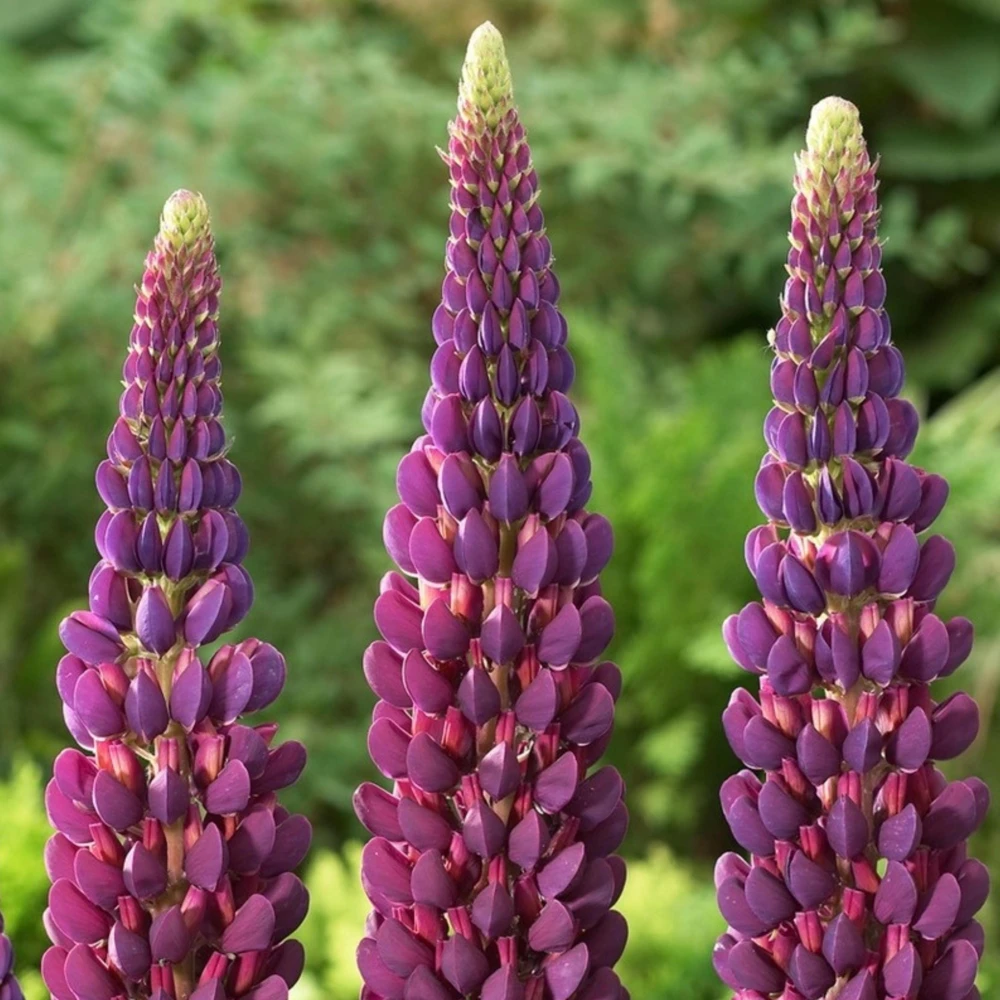
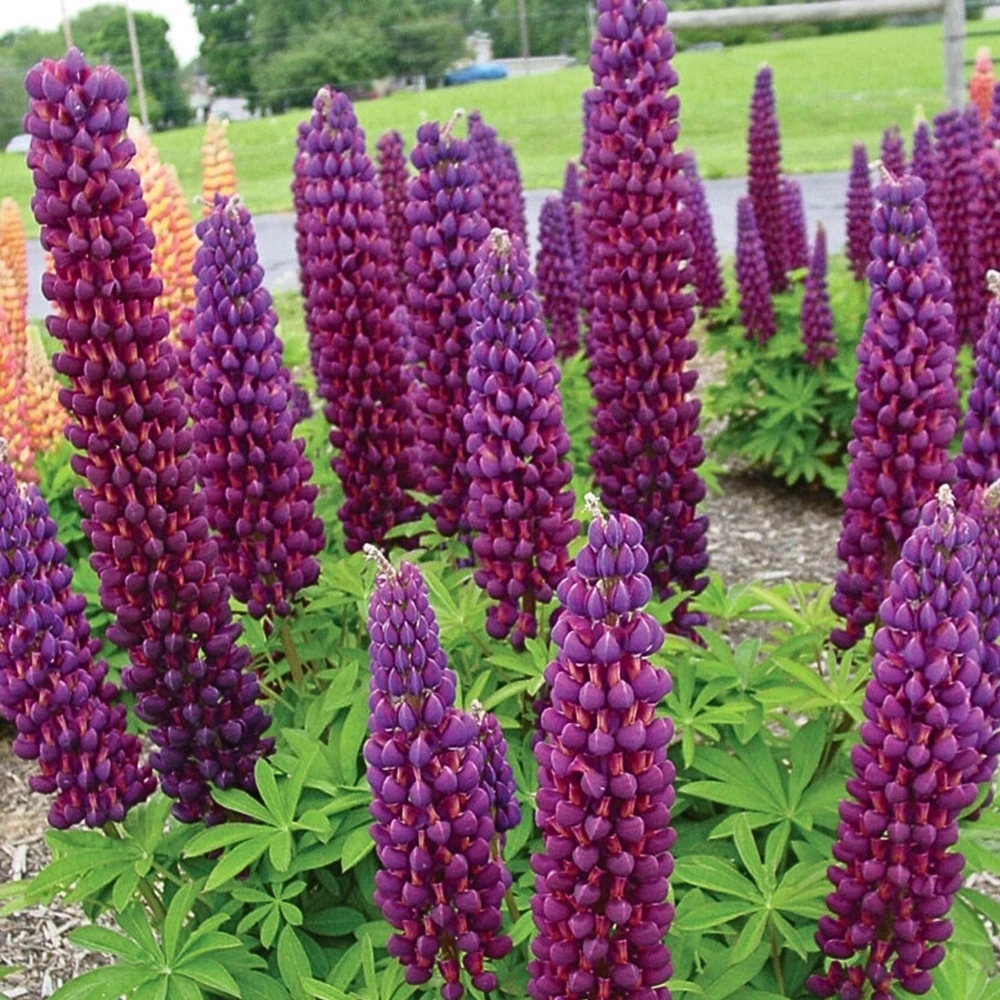
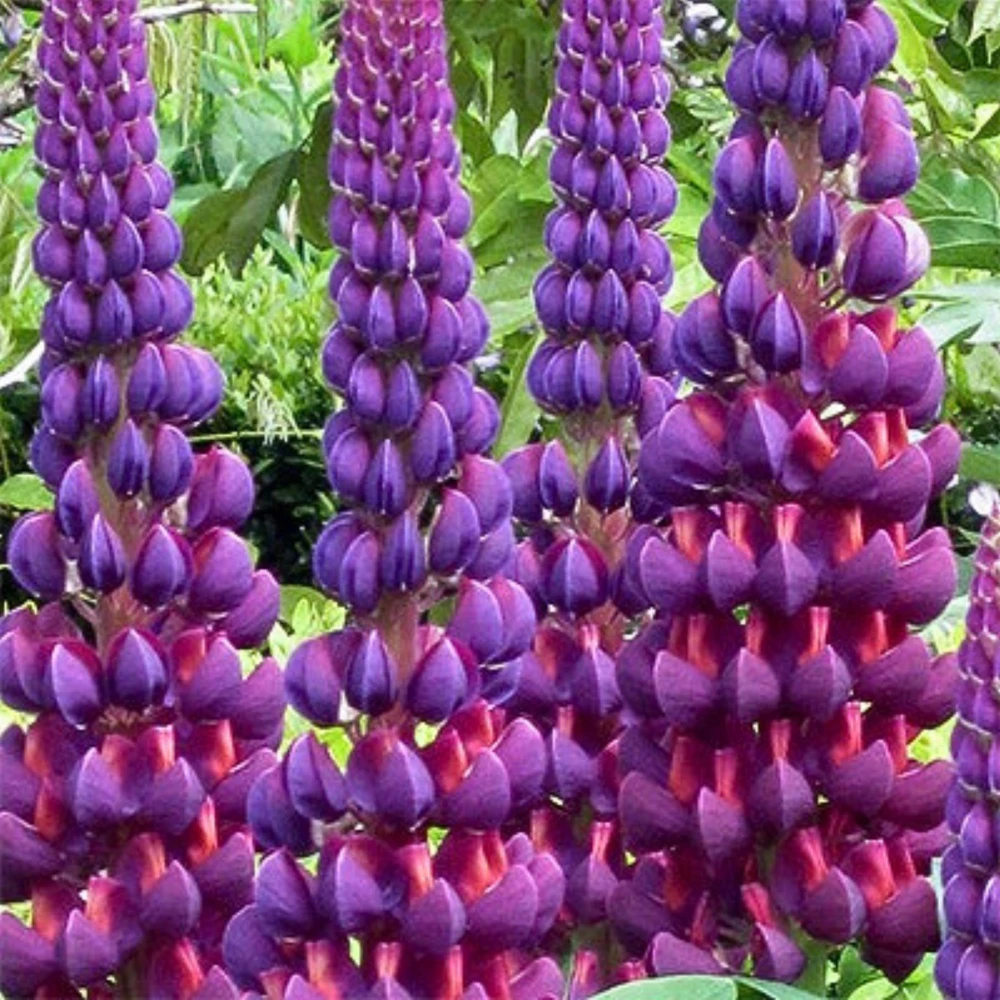
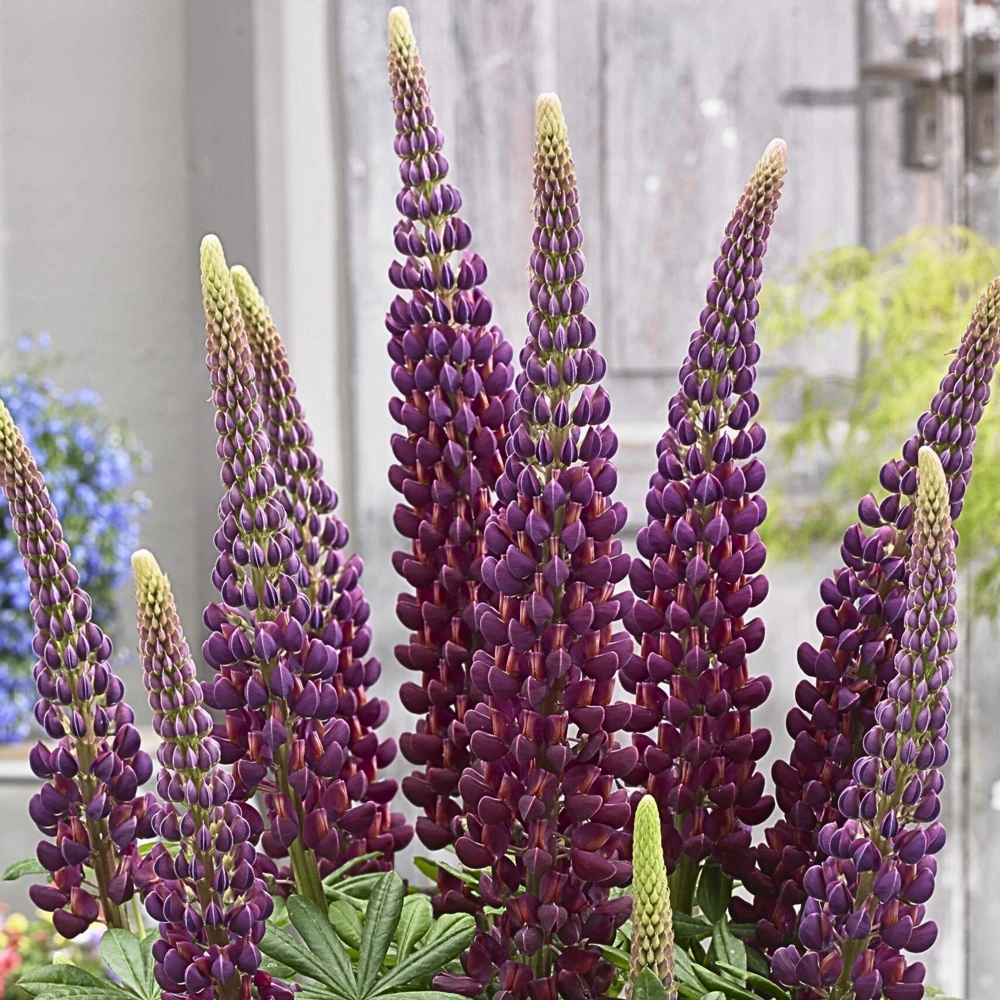
Embark on a rewarding gardening journey with our premium lupine seeds. This pack contains 30 high-quality, open-pollinated, heirloom seeds, offering a delightful mix of colors to transform your garden. Lupines, scientifically known as Lupinus, are renowned for their striking, tall flower spikes that add dramatic vertical interest and a burst of color to any landscape. Often referred to as bluebonnets in some regions, these robust plants are a favorite among pollinators like bees and butterflies, making your garden a lively haven. Whether you’re an experienced horticulturist or a budding gardener, these seeds provide an excellent opportunity to grow magnificent, long-lasting blooms.
Our lupine seeds are carefully selected to ensure authenticity and vigor, promising a successful growing experience. These easy-to-grow perennials (and sometimes annuals, depending on climate) are a fantastic choice for cottage gardens, borders, or naturalized areas, providing a spectacular show from late spring through summer. With their distinctive pea-like flowers arranged densely on tall stems, lupines create an unforgettable visual impact. Discover the joy of nurturing these magnificent flowers from seed to bloom and enhance your outdoor space with their unparalleled beauty and charm.
Key Benefits
Growing lupines from seed offers numerous advantages, enriching your garden with their unique beauty and ecological benefits. These plants are not only visually appealing but also contribute positively to their environment.
- Stunning Visual Appeal: Lupines produce tall, vibrant flower spikes in a mix of colors, creating a dramatic focal point in any garden. Their unique form and rich hues make them a standout addition to floral arrangements and garden beds.
- Attracts Pollinators: The nectar-rich flowers are a magnet for bees, butterflies, and hummingbirds, supporting local ecosystems and encouraging biodiversity in your garden. Planting lupine seeds helps create a thriving habitat for beneficial insects.
- Soil Improvement: As legumes, lupines have the ability to fix nitrogen in the soil, naturally enriching it and benefiting neighboring plants. This makes them an excellent choice for improving soil health over time.
- Low Maintenance: Once established, lupine plants are relatively low-maintenance, requiring minimal care beyond regular watering during dry spells. They are known for their resilience and ability to thrive in various conditions.
- Heirloom Quality: Our open-pollinated, heirloom lupine seeds ensure genetic diversity and allow you to save seeds for future plantings, preserving desirable traits for generations of beautiful blooms.
- Versatile Garden Use: Perfect for cottage gardens, perennial borders, wild gardens, or as cut flowers, lupines offer versatility in landscape design. Their upright habit complements a wide range of other garden plants.
- Long Blooming Season: With proper care, including deadheading spent blooms, lupines can provide continuous flowering from late spring through mid-summer, extending the period of beauty in your garden.
Plant Care & Growing Tips
Successfully growing lupines from seed requires a few key steps to ensure robust growth and abundant blooms. Understanding their specific needs will help you cultivate healthy and vibrant plants. To begin, lupine seeds have a hard outer coating which benefits from scarification and soaking. Gently nicking the seed coat with a file or sandpaper, followed by soaking in warm water for 12-24 hours, significantly improves germination rates. This process softens the seed and allows moisture to penetrate more easily, kickstarting the germination process.
Once prepared, sow the seeds about 1/4 inch deep in a well-draining seed-starting mix. Keep the soil consistently moist but not waterlogged, and maintain a temperature between 60-70°F (16-21°C). Germination typically occurs within 10-30 days. Lupines prefer a location with full sun to partial shade; at least 6 hours of direct sunlight daily is ideal for the most prolific flowering. They thrive in well-draining, slightly acidic to neutral soil (pH 6.0-7.0) that is moderately fertile. Avoid overly rich soils, as this can encourage foliage growth at the expense of flowers. For those wondering how to grow lupine, remember that they develop a long taproot, making them somewhat sensitive to transplanting. Direct sowing outdoors after the last frost is often preferred, or use deep pots if starting indoors to minimize root disturbance.
Water regularly during the establishment phase and during dry periods, allowing the soil to dry slightly between waterings. Once established, they are moderately drought-tolerant. Fertilize sparingly with a balanced, slow-release fertilizer if your soil is poor; otherwise, they generally do not require heavy feeding. Deadhead spent flower spikes to encourage new blooms and prevent self-seeding if desired. In colder climates, a light layer of mulch can help protect the roots over winter. Understanding these care requirements is crucial for anyone looking to grow beautiful lupinus seeds.
Size & Details
This package contains 30 premium lupine seeds, offering a generous quantity to start a vibrant display in your garden. Lupine plants typically grow to a height of 2 to 4 feet (60-120 cm) and spread about 1 to 2 feet (30-60 cm) wide, depending on the variety and growing conditions. Their stately, upright form makes them an excellent choice for the middle or back of a border, providing vertical interest.
These heirloom, open-pollinated seeds are suitable for USDA Hardiness Zones 4-8, thriving in a range of temperate climates. Expected bloom time is late spring to early summer, with flowering lasting several weeks. The seeds are shipped in a protective packet to ensure viability upon arrival, ready for planting. With proper care, these bluebonnet seeds will germinate and grow into mature plants that will grace your garden with their spectacular presence for years to come.
Frequently Asked Questions
- Q: How big do lupine plants get? A: Lupine plants typically grow between 2 to 4 feet tall and spread 1 to 2 feet wide. The exact size can vary depending on the specific variety, growing conditions, and climate.
- Q: Is this an indoor or outdoor plant? A: Lupines are primarily outdoor plants, thriving in garden beds, borders, and naturalized areas. They require ample sunlight and space to develop their characteristic tall flower spikes.
- Q: How much sunlight do lupine seeds need to grow? A: Lupines prefer full sun, meaning at least 6 hours of direct sunlight per day. They can tolerate partial shade, especially in hotter climates, but may produce fewer blooms.
- Q: Is this plant easy to care for? Is it good for beginners? A: While germinating lupinus seeds requires a bit of preparation (scarification and soaking), established lupine plants are relatively low-maintenance. They are a good choice for beginners willing to follow specific planting instructions.
- Q: What condition will the seeds arrive in? A: Your lupine seeds will arrive in a protective, clearly labeled packet, ensuring they are dry and viable for planting. We take care to package them securely for transit.
- Q: How long until lupines bloom from seed? A: Lupines typically bloom in their second year when grown from seed, though some varieties may produce flowers in their first year if started early indoors. They generally bloom from late spring to early summer.
- Q: When is the best time to plant bluebonnet seeds? A: The best time to plant lupine seeds is in early spring after the last frost, or in late fall for germination the following spring. Starting them indoors 6-8 weeks before the last frost can also give them a head start.
- Q: Will lupines survive winter in my zone? A: Many perennial lupine varieties are hardy in USDA Zones 4-8. In colder zones, applying a layer of mulch after the ground freezes can help protect them.
- Q: Do I need to fertilize my lupine plants? A: Lupines are leguminous plants that can fix nitrogen in the soil, so they generally don’t require heavy fertilization. If your soil is poor, a light application of a balanced, slow-release fertilizer in spring can be beneficial.
- Q: Can I save seeds from my lupine plants? A: Yes, since these are open-pollinated, heirloom lupine seeds, you can save seeds from your mature plants to sow in subsequent seasons, preserving their desirable traits.
Related products

-50%
Original price was: $47.96.$23.98Current price is: $23.98.
-50%
Original price was: $15.96.$7.98Current price is: $7.98.
-50%
Original price was: $21.56.$10.78Current price is: $10.78.
-50%

Original price was: $7.98.$3.98Current price is: $3.98.
-50%

Original price was: $23.96.$11.98Current price is: $11.98.
-50%
Original price was: $23.96.$11.98Current price is: $11.98.
-50%
Original price was: $23.96.$11.98Current price is: $11.98.
PLANTING & CARE
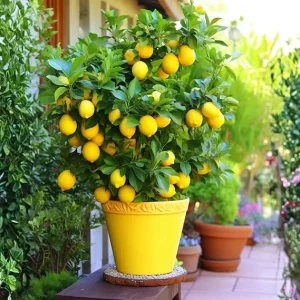
Lemon Tree Growing: Choose, Plant, and Harvest
Learn how to choose, plant, feed, and protect a lemon tree so it fits your
23
Sep
Sep
Dwarf Meyer Lemon Tree Australia: Climate Guide
Learn where dwarf Meyer lemon trees grow, how much cold they tolerate, and whether Australia,
Where to Buy a Dwarf Meyer Lemon Tree: Buyer’s Guide
Find the right dwarf Meyer lemon tree online or locally, compare starter sizes and costs,
Dwarf Meyer Lemon Tree for Sale: Buying Guide
Compare Meyer lemon tree sizes, prices, shipping limits, indoor growing and California options before you
Dwarf Meyer Lemon Tree Guide: Size, Care and Fruit
META: Learn how large a dwarf Meyer lemon tree grows, where it thrives, and how
How to Prune a Dwarf Meyer Lemon Tree
Learn when and how to prune a dwarf Meyer lemon tree, including tools, shaping cuts,
Can You Grow a Dwarf Meyer Lemon Tree in a Pot?
META: Learn how to grow a dwarf Meyer lemon tree in a pot, including container
When Do Dwarf Meyer Lemon Trees Bloom and Fruit?
META: Dwarf Meyer lemon trees usually bloom from winter through spring and may flower again