Light Pink Single Hollyhock Seeds – Alcea rosea, 20 Seeds, Tall Perennial Blooms, Pollinator-Friendly
-50%
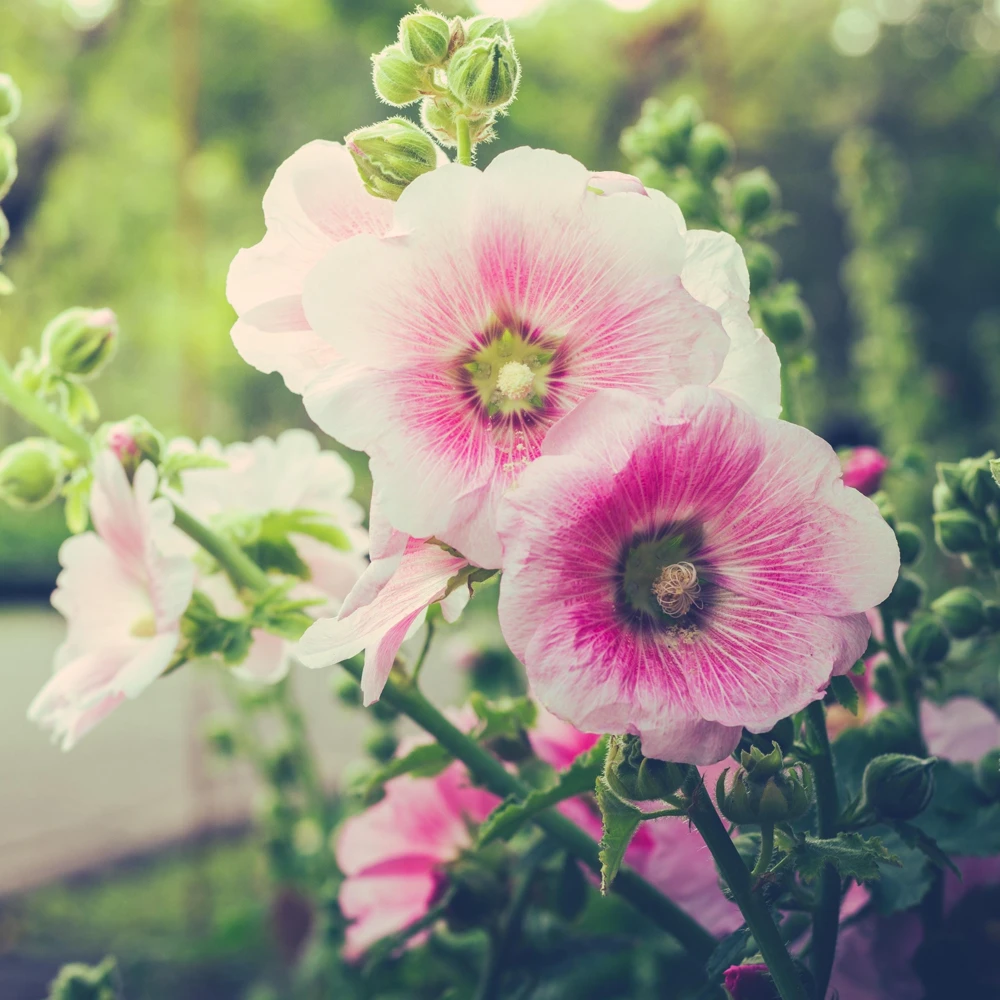
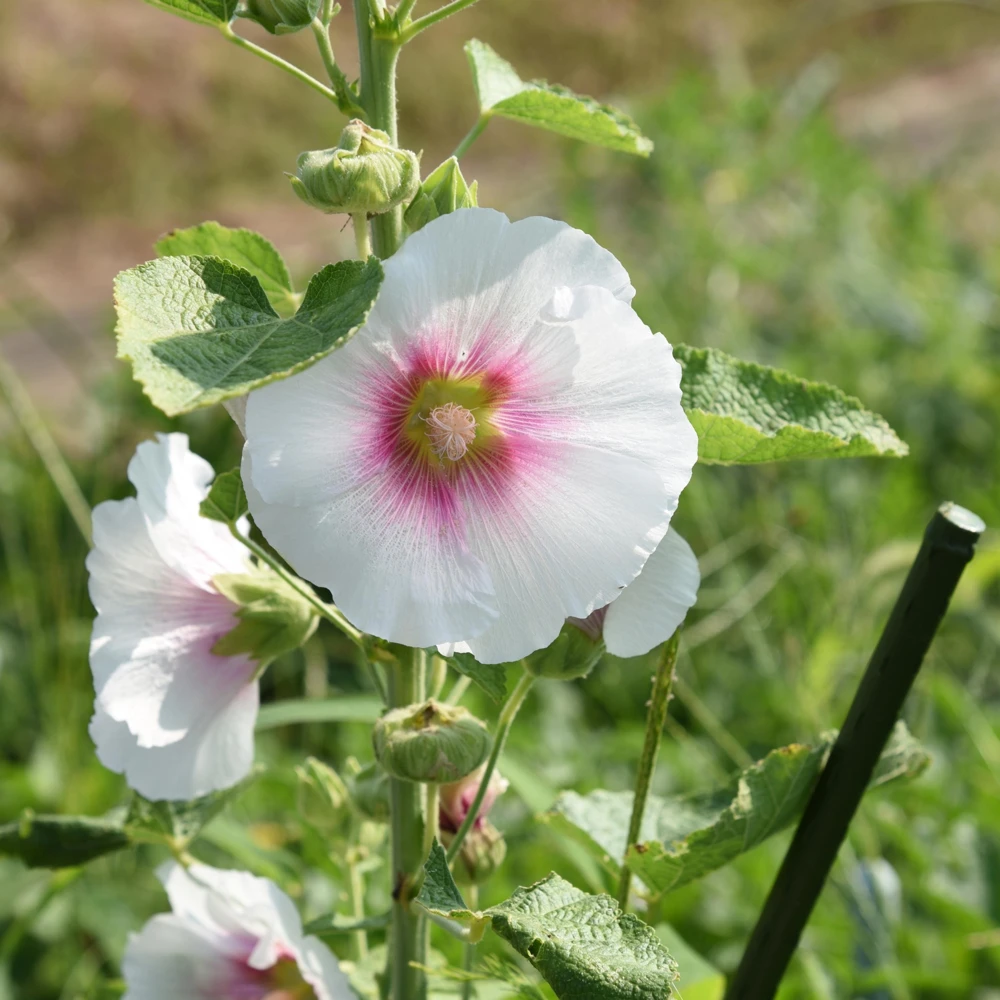
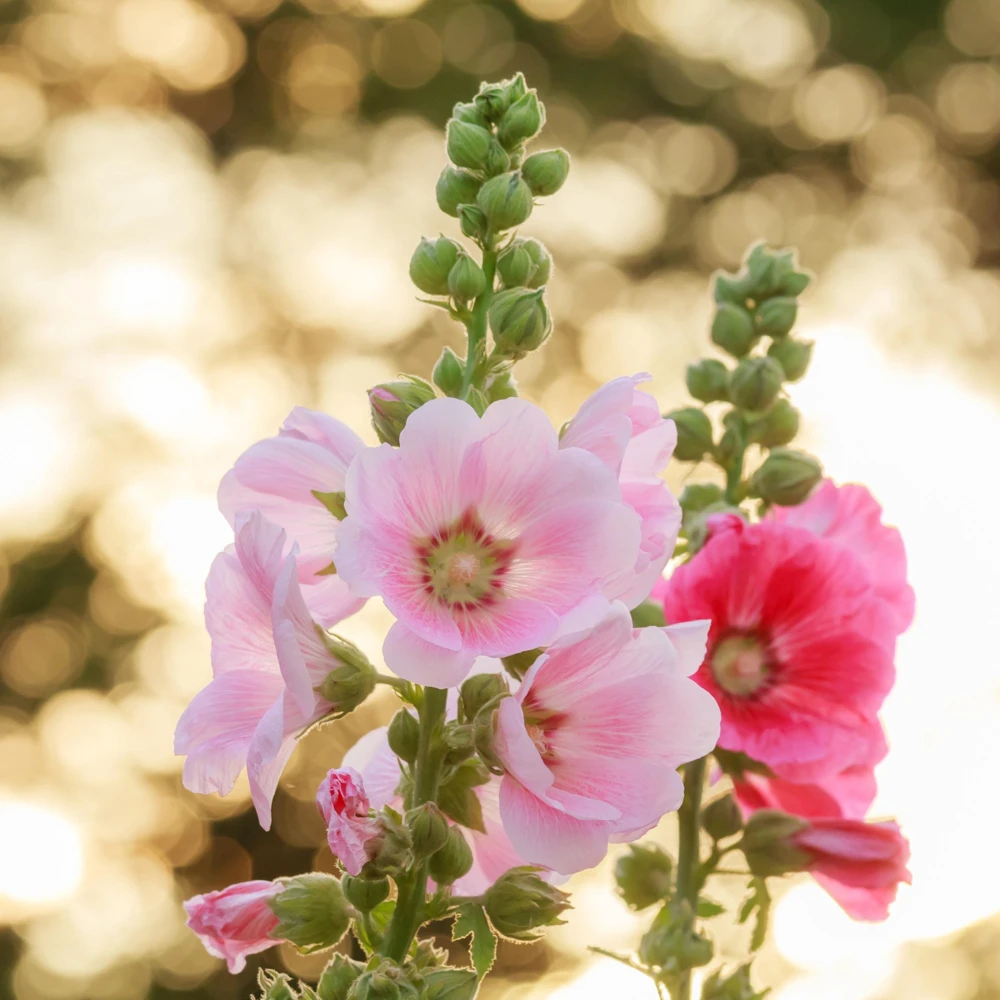
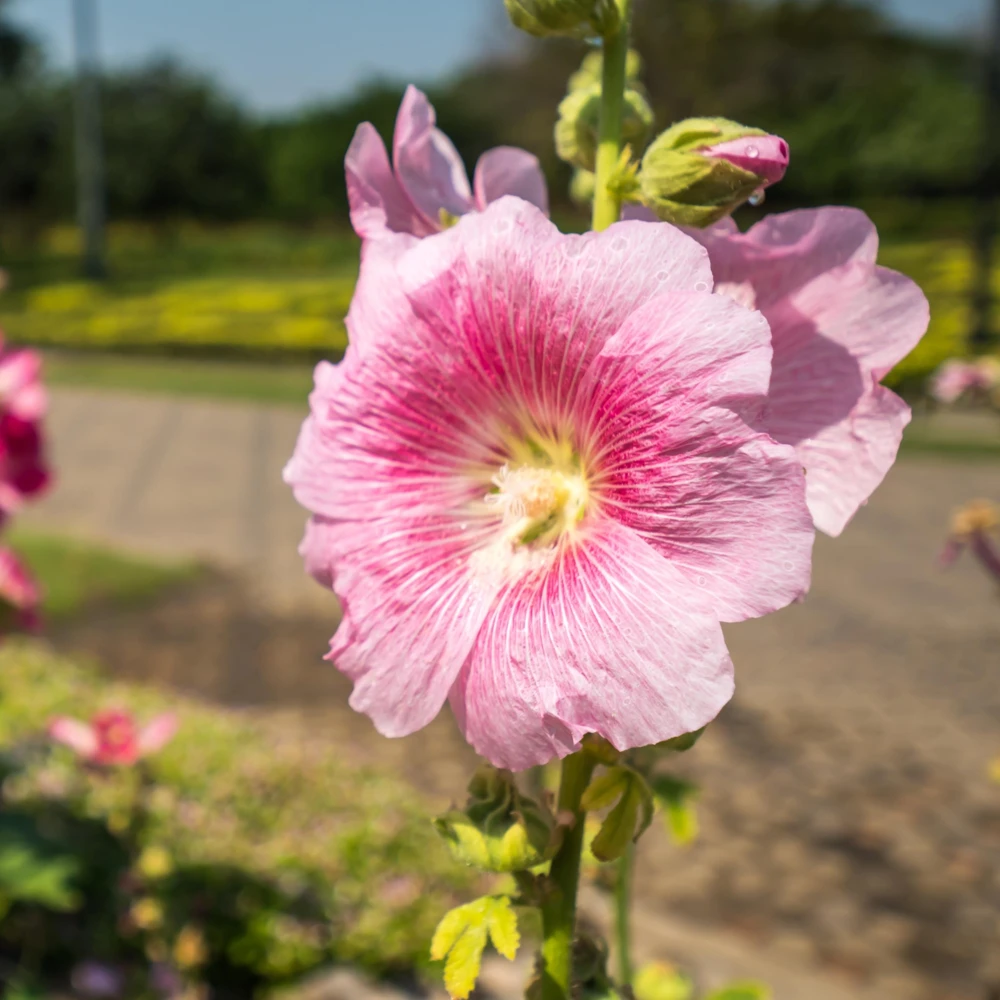
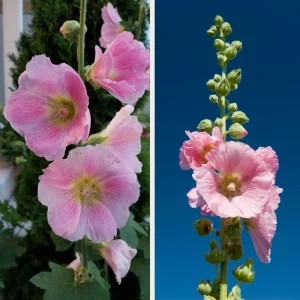
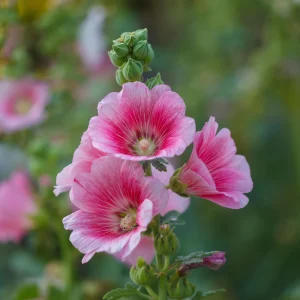
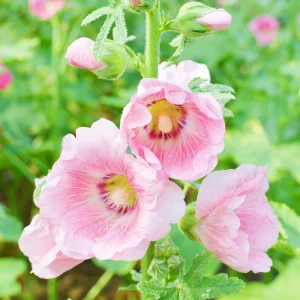
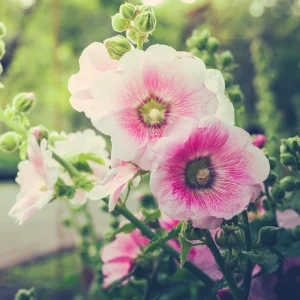
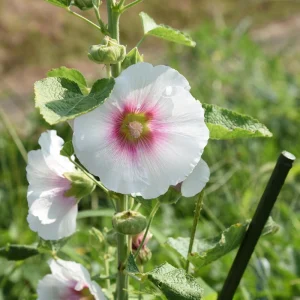
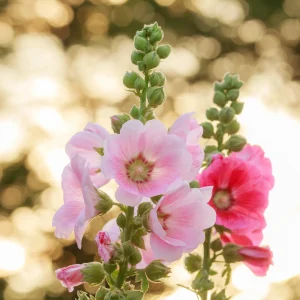
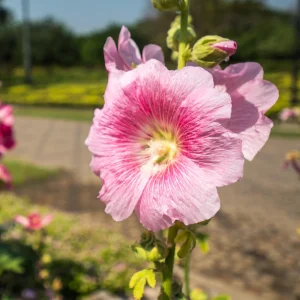
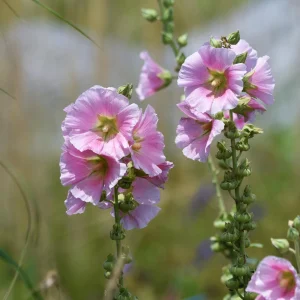
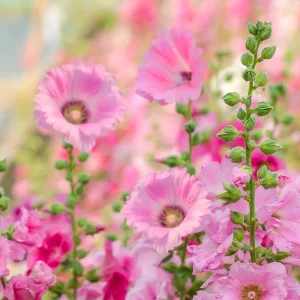
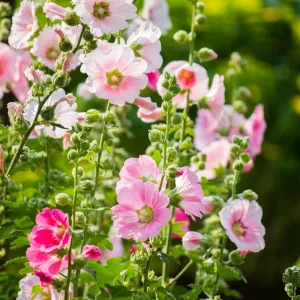
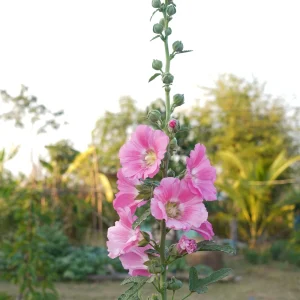
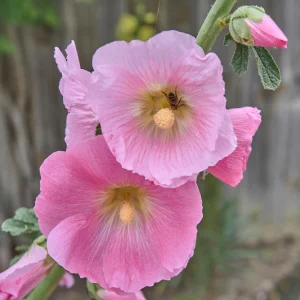
Light Pink Single Hollyhock Seeds – Alcea rosea, 20 Seeds, Tall Perennial Blooms, Pollinator-Friendly
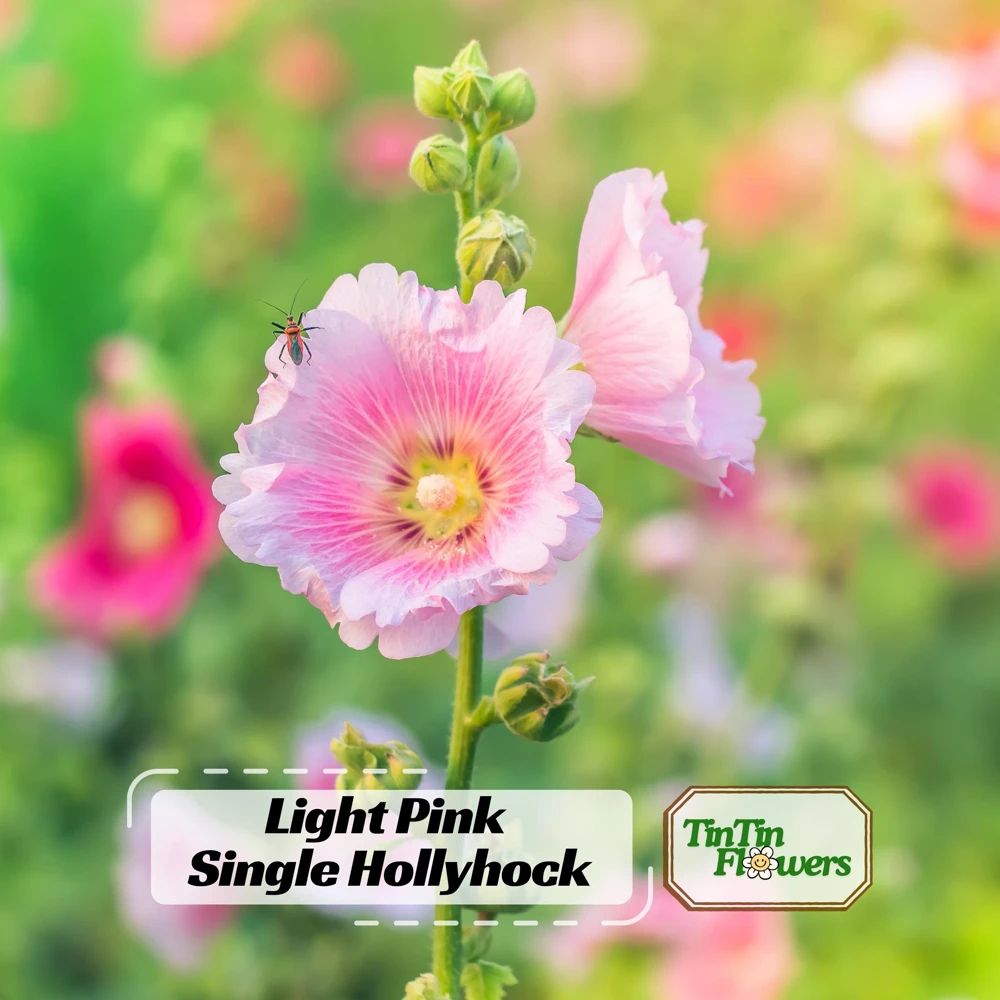
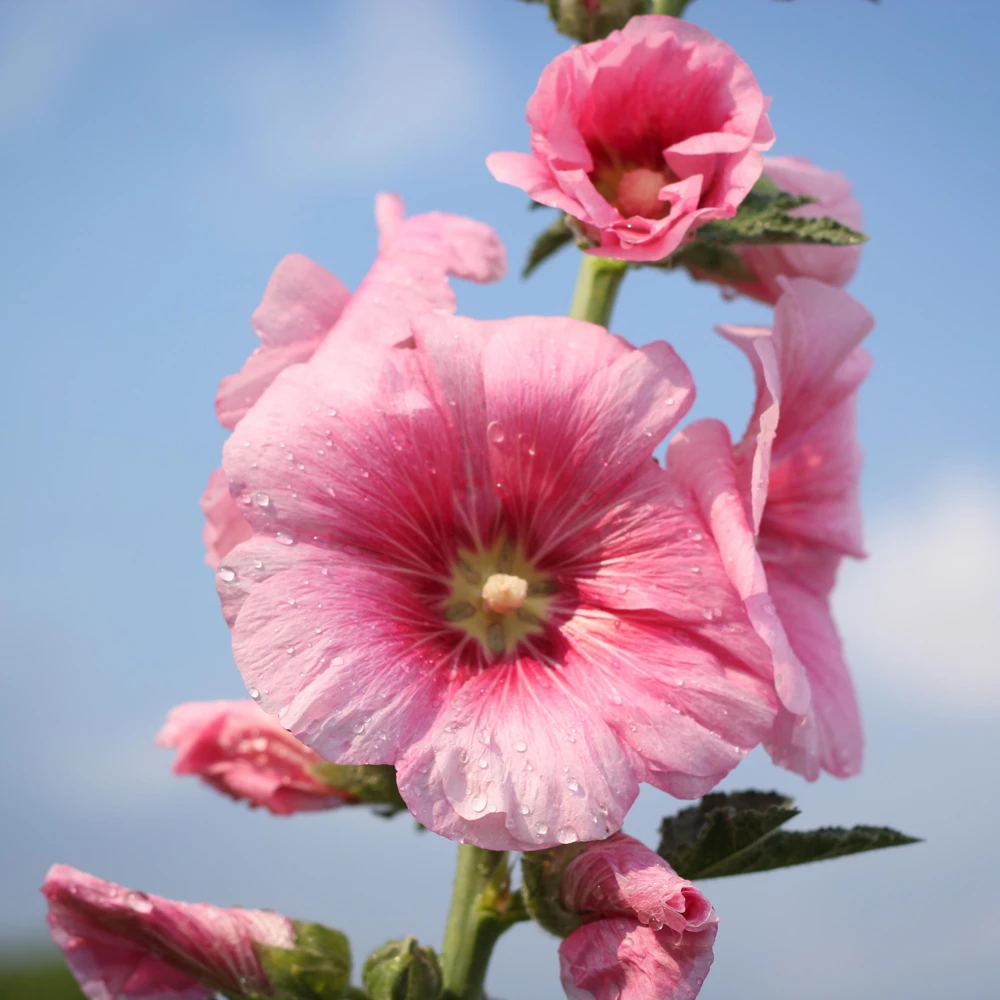
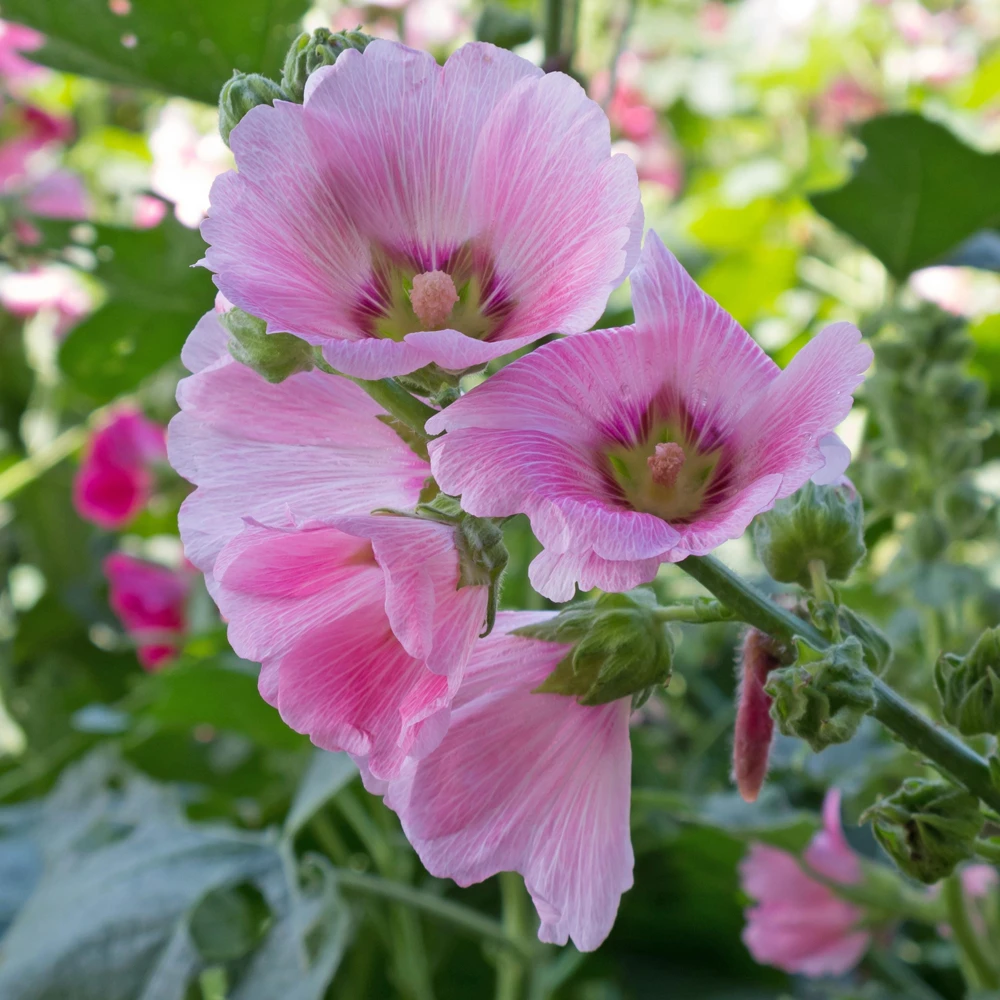
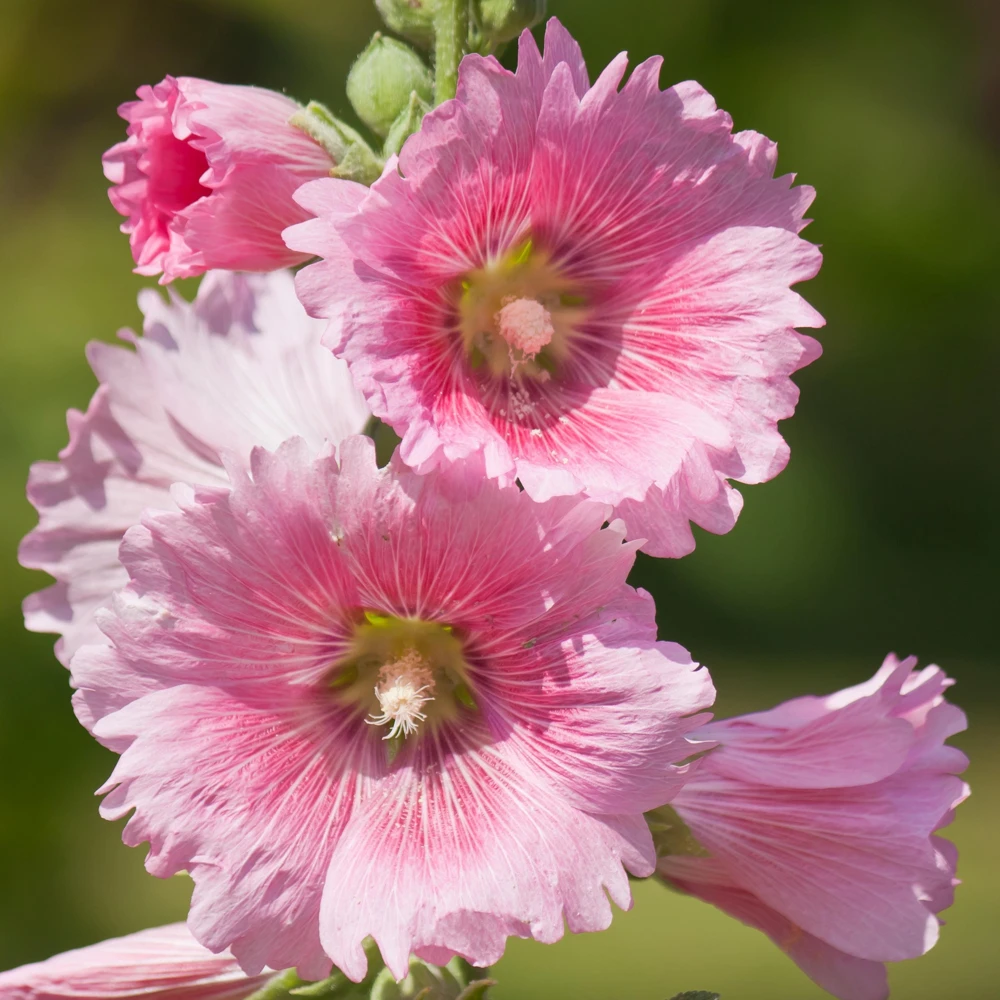
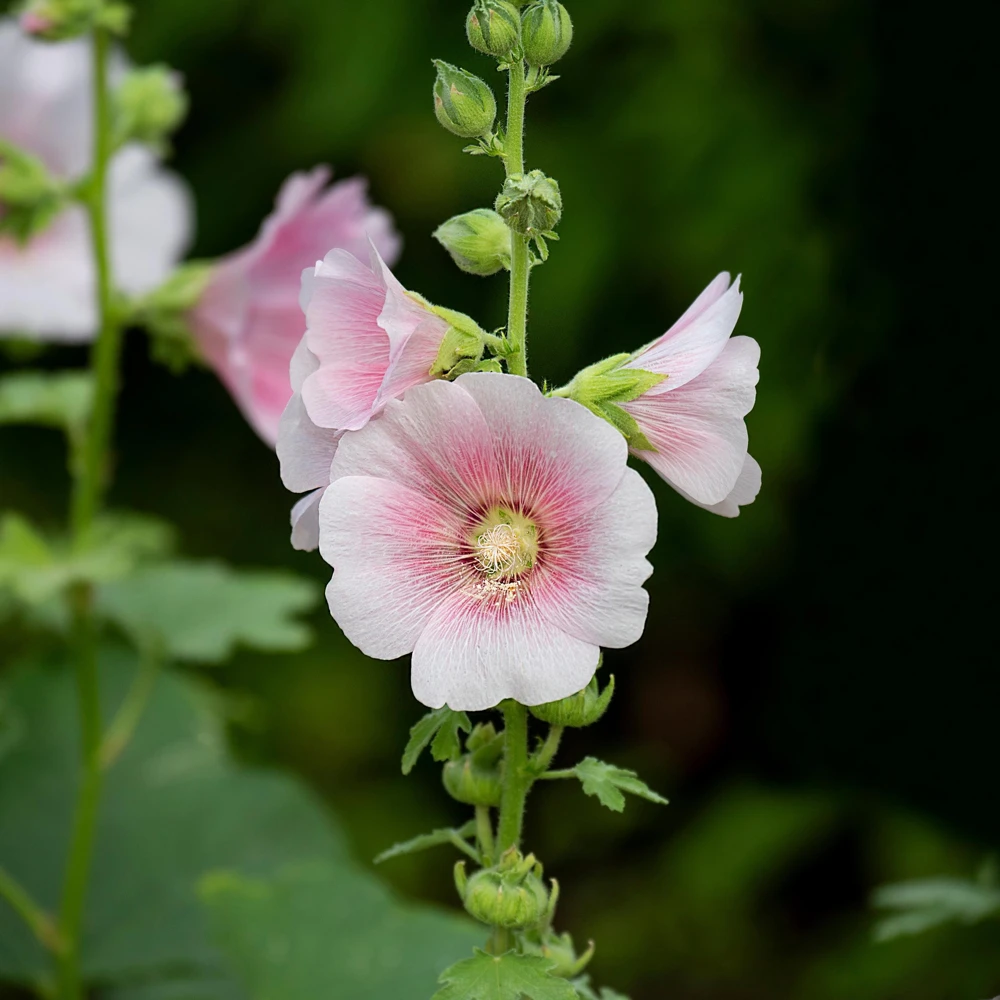
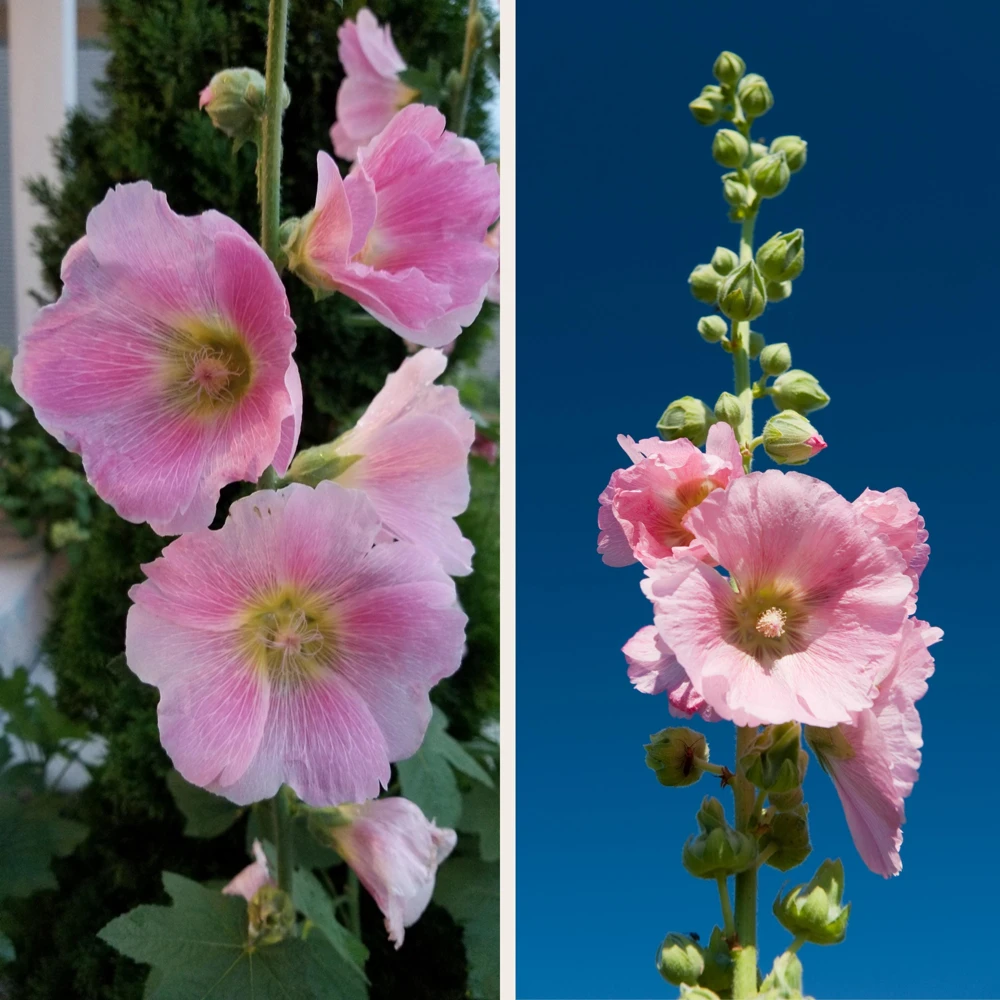
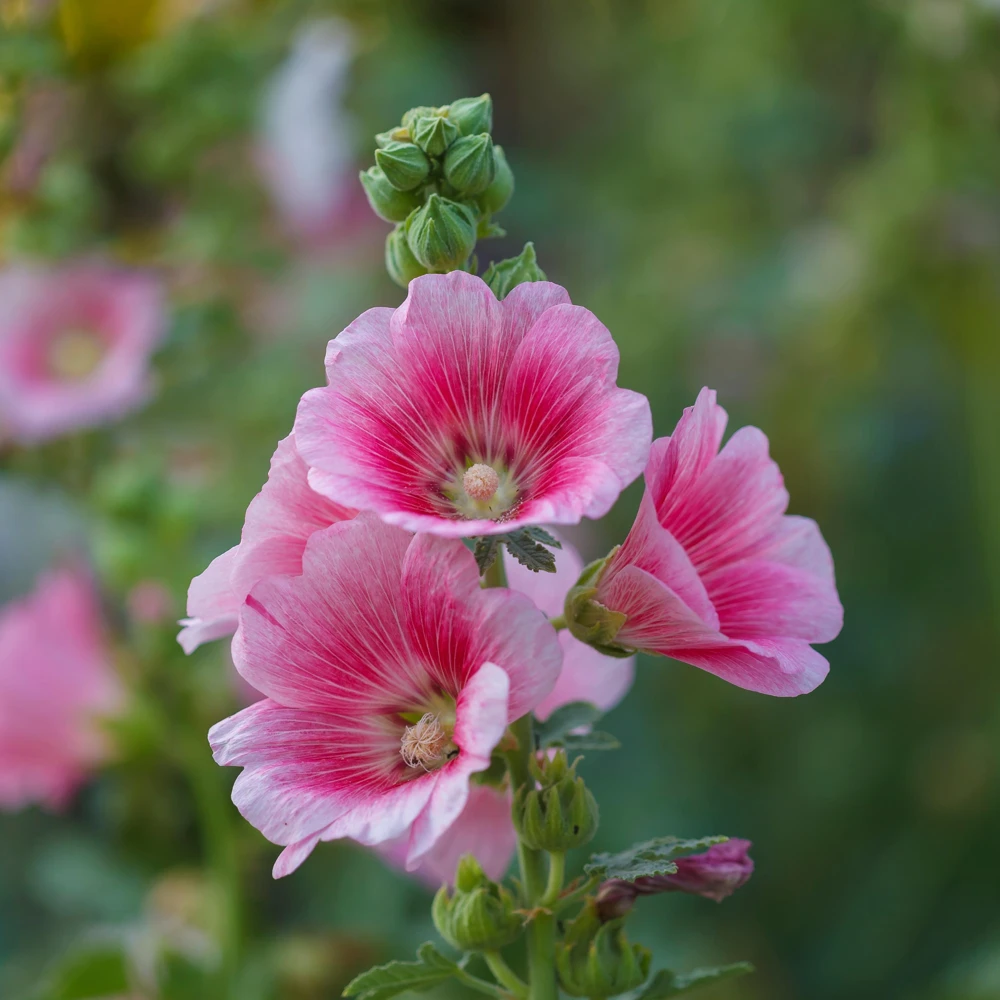
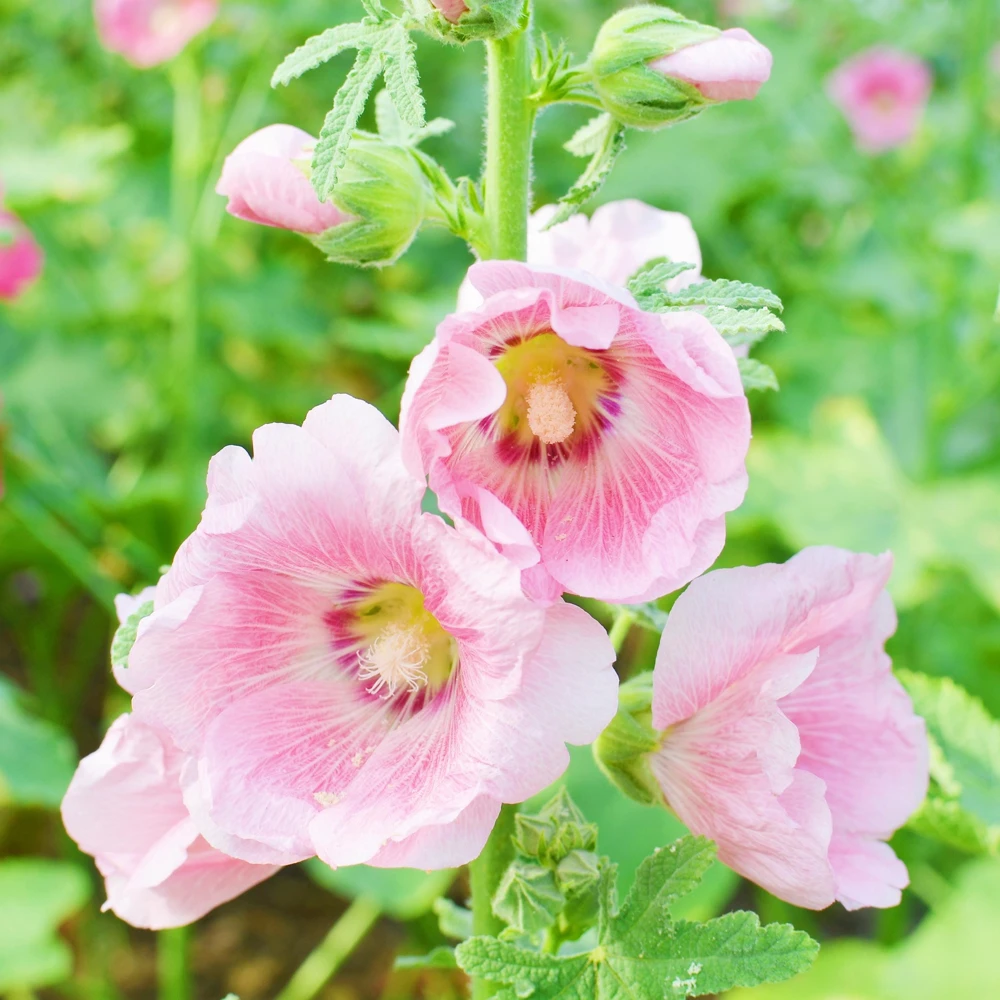
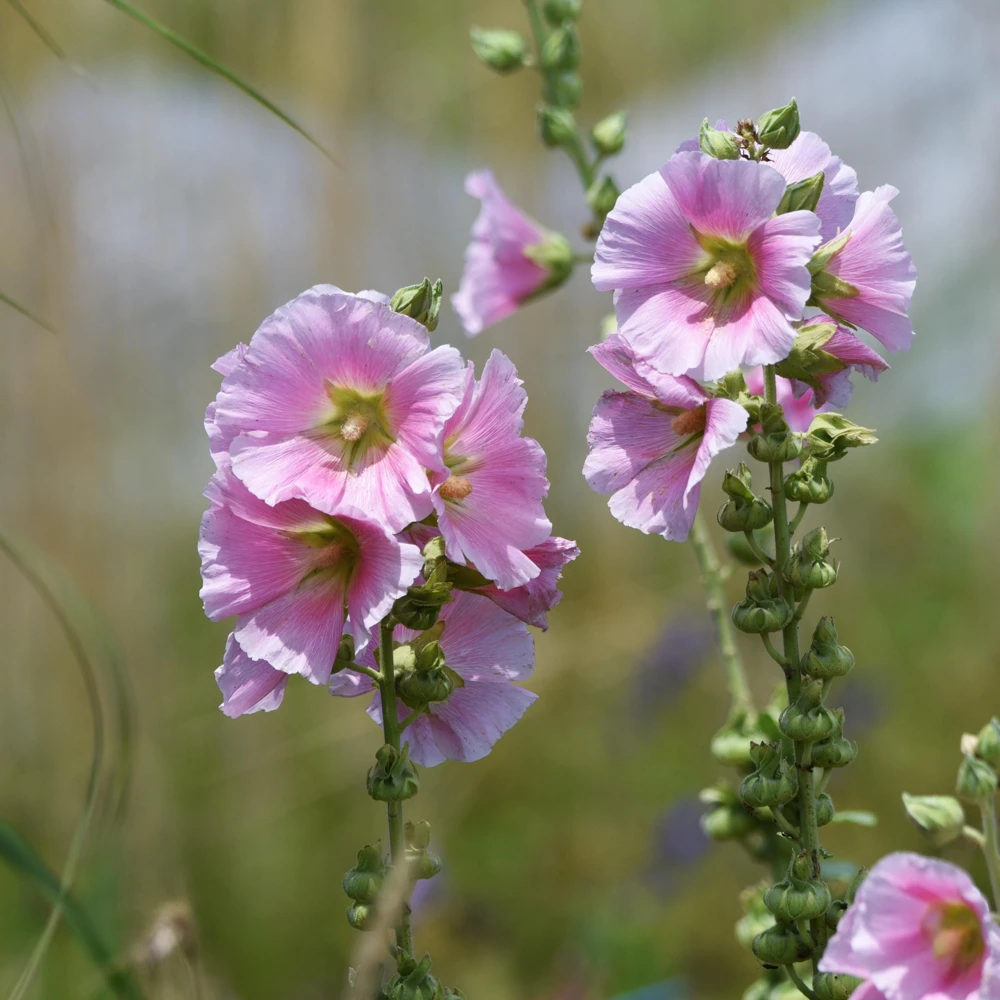
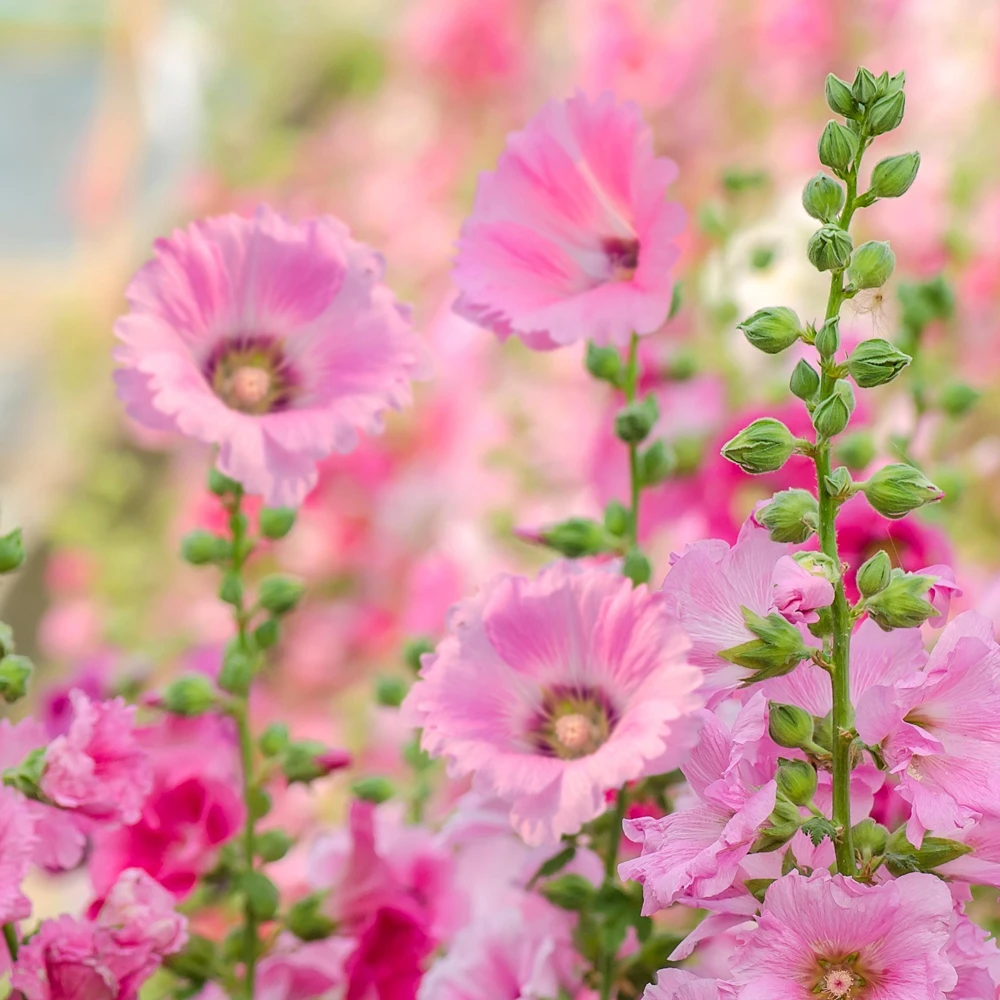
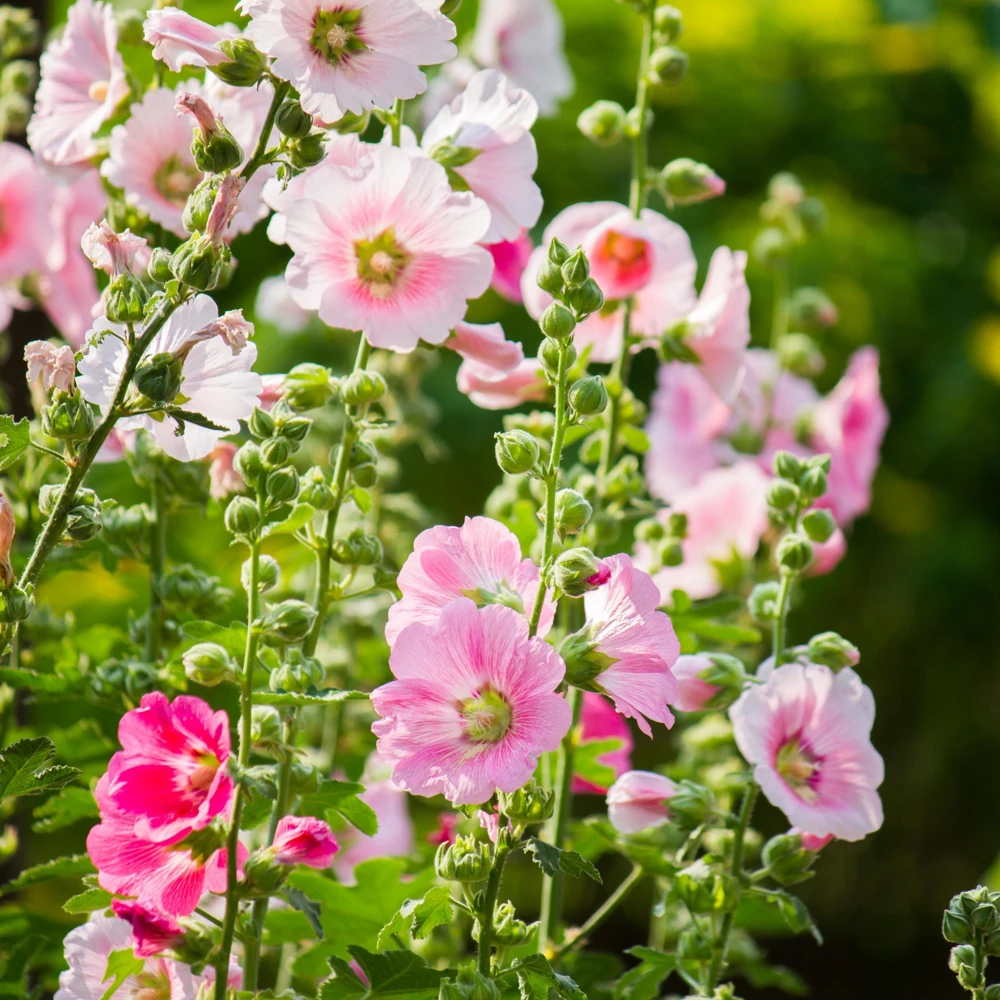
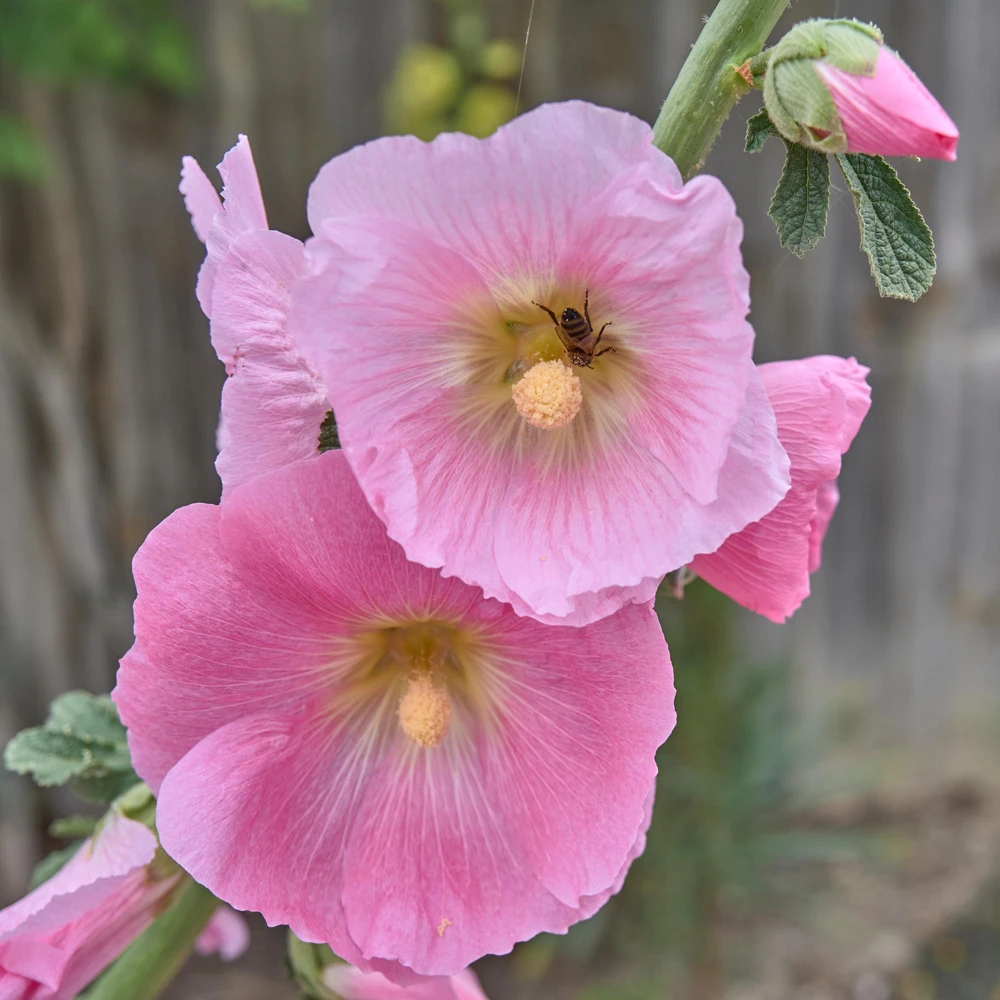
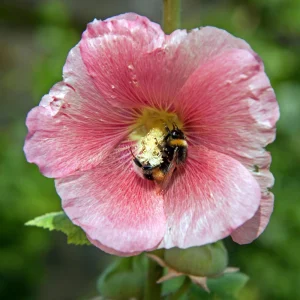
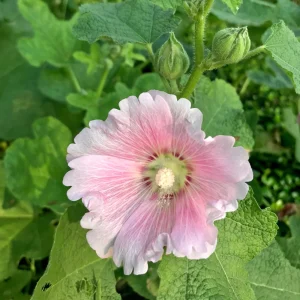
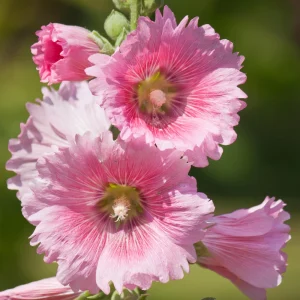
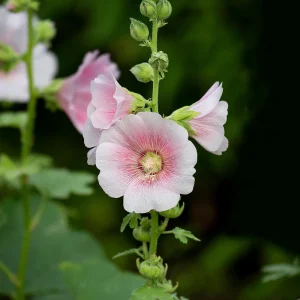
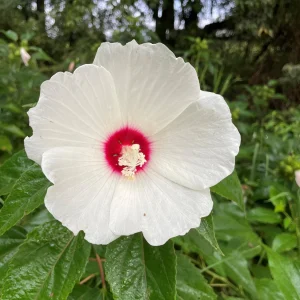
Cultivate stunning garden displays with our light pink hollyhock seeds. Each pack contains 20 Alcea rosea seeds, perfect for growing tall, vibrant, single-petaled blooms. These perennial flower seeds are easy to grow flower seeds and are known for attracting beneficial pollinators, making them a wonderful addition to any garden looking for vertical interest and ecological support.
Original price was: $15.16.$7.58Current price is: $7.58.

With our Alive & Thrive Guarantee, we’ve got your back for the first 30 days! If you have any concerns about your plants, just reach out to us. Our team is here to help answer your questions and guide you in selecting the best plants for your garden, climate, and unique preferences. We're excited to help you create the garden of your dreams!
Estimated arrival
Oct 08
Oct 13 - Oct 15
Oct 18 - Oct 22




Product Details
-
USDA Hardiness Zone
USDA Zones 3-8 -
Soil type
Well-draining, rich loamy soil -
Sunlight Exposure
Full sun -
Expected Planting Period
Spring to early summer
Overview
Transform your garden into a cottage-style haven with our premium light pink hollyhock seeds. This pack contains 20 high-quality Alcea rosea seeds, ready to be sown and cultivated into majestic, towering flowers. Hollyhocks are classic garden favorites, known for their impressive height and charming, cup-shaped blossoms that grow along sturdy stalks. The delicate light pink hue of these single-petaled varieties adds a touch of subtle elegance and romance to any landscape. Perfect for creating dramatic backdrops, lining fences, or adding vertical interest to perennial borders, these hollyhocks are a true garden delight. As biennials or short-lived perennials that readily self-seed, they ensure a continuous display of beauty year after year once established, becoming a cherished part of your outdoor space. Starting these beautiful flowers from seed is a rewarding experience, offering the joy of nurturing plants from their very beginning.
Key Benefits
Our light pink hollyhock seeds offer numerous advantages for gardeners looking to enhance their outdoor spaces with beauty and ecological value. These seeds will grow into magnificent plants that provide a host of benefits:
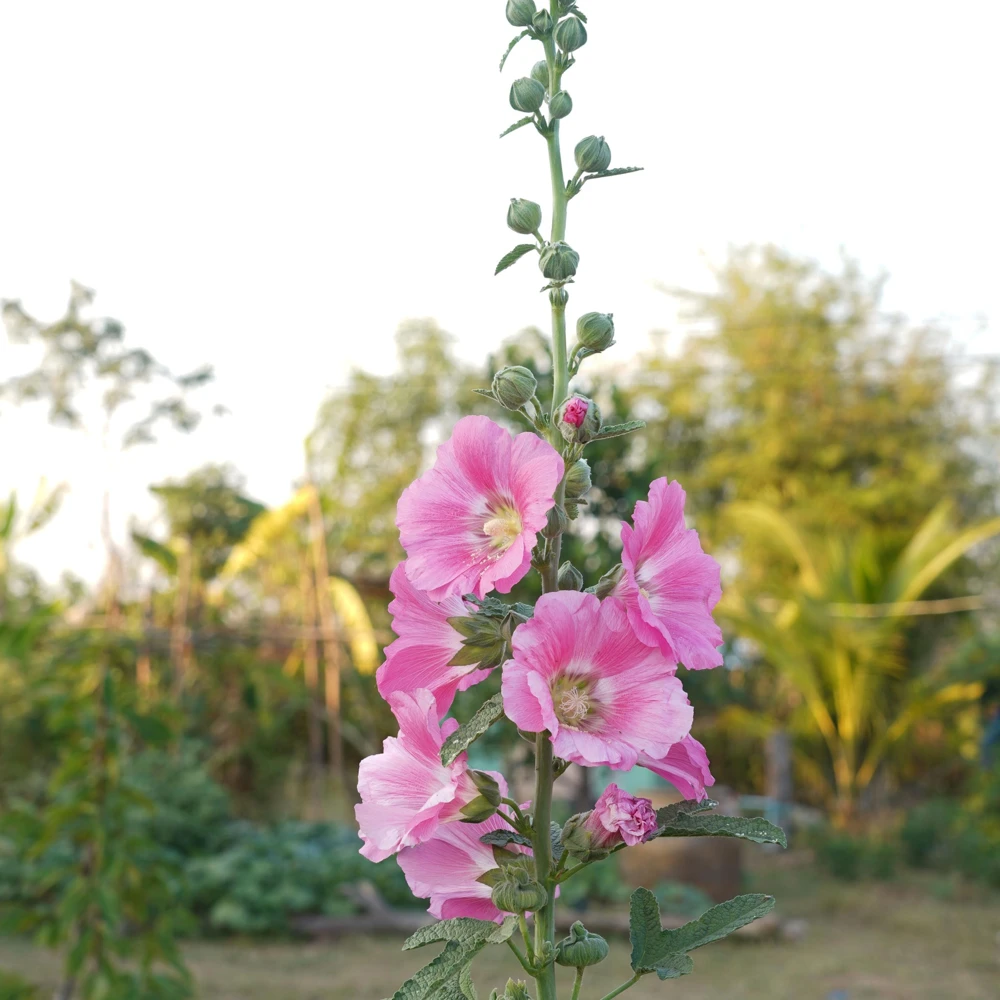
- Stunning Vertical Interest: Hollyhocks grow exceptionally tall, often reaching heights of 5-8 feet, making them ideal for creating dramatic backdrops, accentuating garden structures, or adding a stately presence to borders. Their height draws the eye upward, adding an architectural element to your garden design.
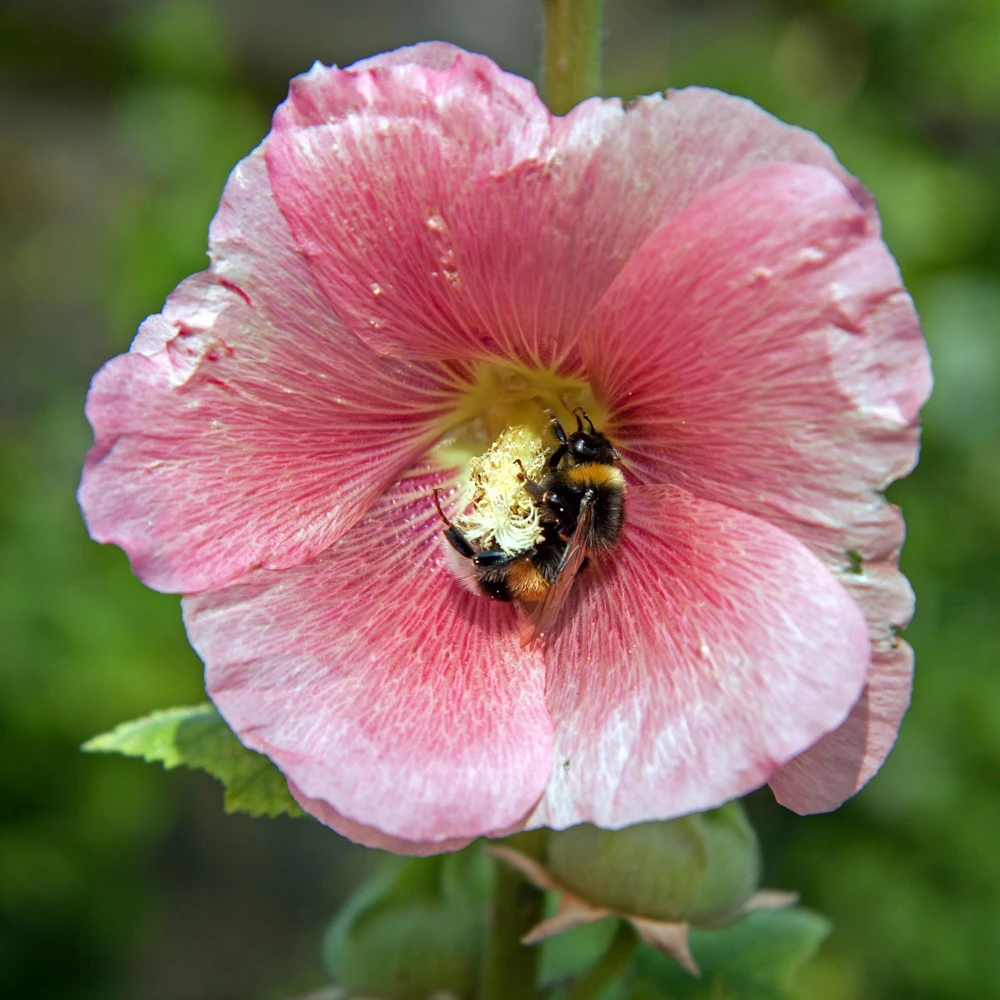
- Attracts Pollinators: The open, single flowers of these Alcea rosea seeds are a magnet for bees, butterflies, and other beneficial pollinators. By planting these hollyhocks, you’re not only beautifying your garden but also supporting local ecosystems and biodiversity.
- Easy to Grow: Despite their grand appearance, hollyhocks are surprisingly unfussy and are considered easy to grow flower seeds. They thrive in full sun and well-drained soil, making them suitable for gardeners of all experience levels.
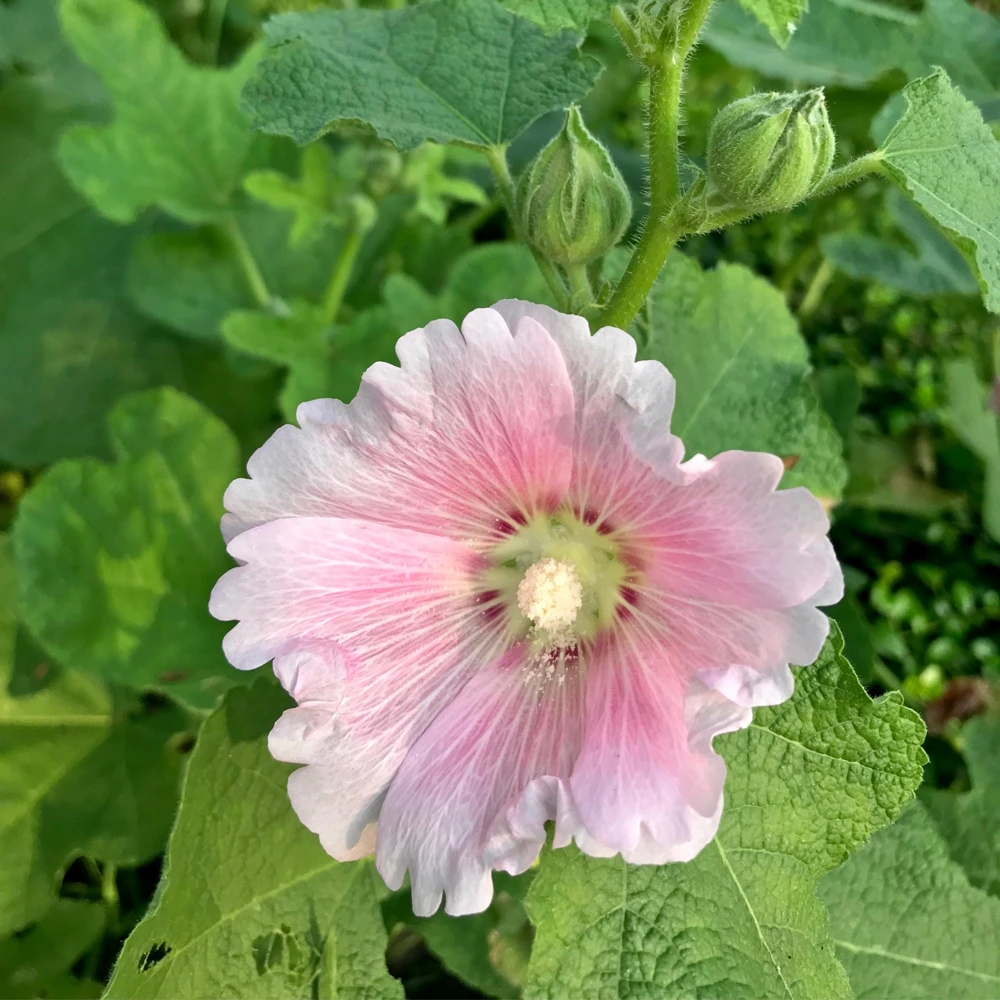
- Classic Cottage Garden Appeal: These light pink single hollyhocks evoke a timeless, rustic charm, perfectly fitting into traditional cottage garden designs. They pair beautifully with other classic perennials, creating a picturesque and inviting atmosphere.
- Perennial Nature & Self-Seeding: While technically biennials or short-lived perennials, hollyhocks readily self-seed, ensuring a continuous presence in your garden for many years. Once established, you can enjoy their beauty season after season with minimal effort.
- Vibrant, Gentle Color: The soft light pink petals offer a serene and elegant color that complements a wide range of garden palettes. This gentle hue adds a touch of sophistication without overwhelming other plants.
- Drought Tolerance: Once established, hollyhocks are relatively drought-tolerant, making them a resilient choice for various climates and reducing the need for constant watering. This makes them a practical and beautiful choice for many gardeners.
Plant Care & Growing Tips
Growing beautiful light pink hollyhock seeds is a rewarding experience that requires a few key considerations for optimal success. Hollyhocks generally prefer a location with full sun, meaning at least 6-8 hours of direct sunlight per day. While they can tolerate some partial shade, too little sun can result in leggy growth and fewer blooms. Ensure your planting site has good air circulation to help prevent fungal diseases. These perennial flower seeds thrive in well-drained soil; they are not particular about soil type but do best in rich, fertile loam. If your soil is heavy clay, amend it with compost or sand to improve drainage. Avoid waterlogged conditions, as this can lead to root rot.
When sowing your Alcea rosea seeds, you can either direct sow them outdoors in late spring after the last frost, or start them indoors 6-8 weeks before the last frost. Sow seeds on the soil surface and lightly press them in, as they need light to germinate. Keep the soil consistently moist but not waterlogged until germination, which typically occurs within 14-21 days. Once seedlings are established and have a few sets of true leaves, thin them to 18-24 inches apart to allow for adequate growth and air circulation. Water regularly during dry spells, especially during the first growing season, but once established, hollyhocks are quite drought-tolerant. A layer of mulch around the base of the plants can help retain soil moisture and suppress weeds. Fertilization is generally not heavily required; a balanced, all-purpose fertilizer applied in early spring can boost growth, but too much nitrogen can promote foliage over flowers. Deadhead spent blooms to encourage continuous flowering and prevent excessive self-seeding if desired. In late fall, cut back the stalks to about 6 inches from the ground. In colder climates, a layer of mulch can protect the crowns over winter.
Size & Details
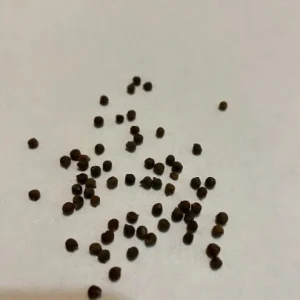
This package contains 20 premium light pink hollyhock seeds (Alcea rosea), carefully selected for germination success and vibrant blooms. These seeds will grow into impressive plants that typically reach heights of 5 to 8 feet, with some varieties occasionally growing even taller under ideal conditions. The spread of a mature hollyhock plant can be between 1 to 2 feet, creating a columnar form adorned with large, single, light pink flowers that bloom sequentially up the stalk. Hollyhocks are classified as biennials or short-lived perennials, meaning they typically grow foliage in their first year and bloom in their second year, after which they may die back. However, they are prolific self-seeders, so new plants will often emerge from the dropped seeds, creating a continuous cycle of bloom in your garden. The flowering period usually occurs from early to late summer, providing a long season of color and interest. These seeds are shipped as a dry seed packet, ready for planting according to the provided instructions.
Frequently Asked Questions
- Q: How big do these hollyhock plants get? A: These light pink hollyhock seeds typically grow into plants that reach an impressive height of 5 to 8 feet tall. Their spread is usually about 1 to 2 feet, making them excellent for vertical garden interest.
- Q: Are these an indoor or outdoor plant? A: Hollyhocks are primarily outdoor plants, thriving in garden beds, borders, and along fences where they can receive ample sunlight and have room to grow to their full height.
- Q: How much sunlight do these Alcea rosea seeds need? A: For best results, hollyhocks require full sun, meaning at least 6 to 8 hours of direct sunlight per day. They can tolerate some partial shade, but full sun encourages the most robust growth and abundant blooms.
- Q: Is this plant easy to care for? A: Yes, hollyhocks are generally considered easy to grow flower seeds. They are quite hardy and adaptable, making them suitable for gardeners of all skill levels, including beginners.
- Q: What condition will the seeds arrive in? A: Your perennial flower seeds will arrive as a packet of dry seeds, ready for you to sow. They are carefully packaged to ensure their viability for planting.
- Q: How long until these hollyhocks bloom? A: Hollyhocks are typically biennials, meaning they will grow foliage in their first year from seed and then produce their beautiful light pink blooms in the second year. After blooming, they often readily self-seed for continuous future displays.
- Q: What’s the minimum temperature these plants can tolerate? A: Hollyhocks are quite hardy and typically grow well in USDA Zones 3-8. They can tolerate winter temperatures in these zones, especially with a protective layer of mulch in colder regions.
- Q: Are these pollinator friendly seeds? A: Absolutely! The single-petaled flowers of these hollyhocks are very attractive to bees, butterflies, and other beneficial pollinators, making them a great choice for supporting local wildlife.
- Q: What kind of soil do hollyhocks prefer? A: Hollyhocks prefer well-drained soil. While they are not overly picky, they thrive in rich, fertile loam. Ensure your soil allows for good drainage to prevent root issues.
- Q: When is the best time to plant these easy to grow flower seeds? A: You can direct sow hollyhock seeds outdoors in late spring after the last frost, or start them indoors 6-8 weeks before your last expected frost date for an earlier start.
Related products
-50%
Original price was: $47.96.$23.98Current price is: $23.98.
-50%
Original price was: $23.96.$11.98Current price is: $11.98.
-50%
Original price was: $23.96.$11.98Current price is: $11.98.
-50%


Original price was: $23.96.$11.98Current price is: $11.98.
-50%
Original price was: $7.98.$3.98Current price is: $3.98.
-50%

Original price was: $38.36.$19.18Current price is: $19.18.
PLANTING & CARE
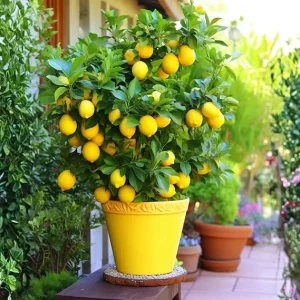
Lemon Tree Growing: Choose, Plant, and Harvest
Learn how to choose, plant, feed, and protect a lemon tree so it fits your
23
Sep
Sep
Dwarf Meyer Lemon Tree Australia: Climate Guide
Learn where dwarf Meyer lemon trees grow, how much cold they tolerate, and whether Australia,
Where to Buy a Dwarf Meyer Lemon Tree: Buyer’s Guide
Find the right dwarf Meyer lemon tree online or locally, compare starter sizes and costs,
Dwarf Meyer Lemon Tree for Sale: Buying Guide
Compare Meyer lemon tree sizes, prices, shipping limits, indoor growing and California options before you
Dwarf Meyer Lemon Tree Guide: Size, Care and Fruit
META: Learn how large a dwarf Meyer lemon tree grows, where it thrives, and how
How to Prune a Dwarf Meyer Lemon Tree
Learn when and how to prune a dwarf Meyer lemon tree, including tools, shaping cuts,
Can You Grow a Dwarf Meyer Lemon Tree in a Pot?
META: Learn how to grow a dwarf Meyer lemon tree in a pot, including container
When Do Dwarf Meyer Lemon Trees Bloom and Fruit?
META: Dwarf Meyer lemon trees usually bloom from winter through spring and may flower again